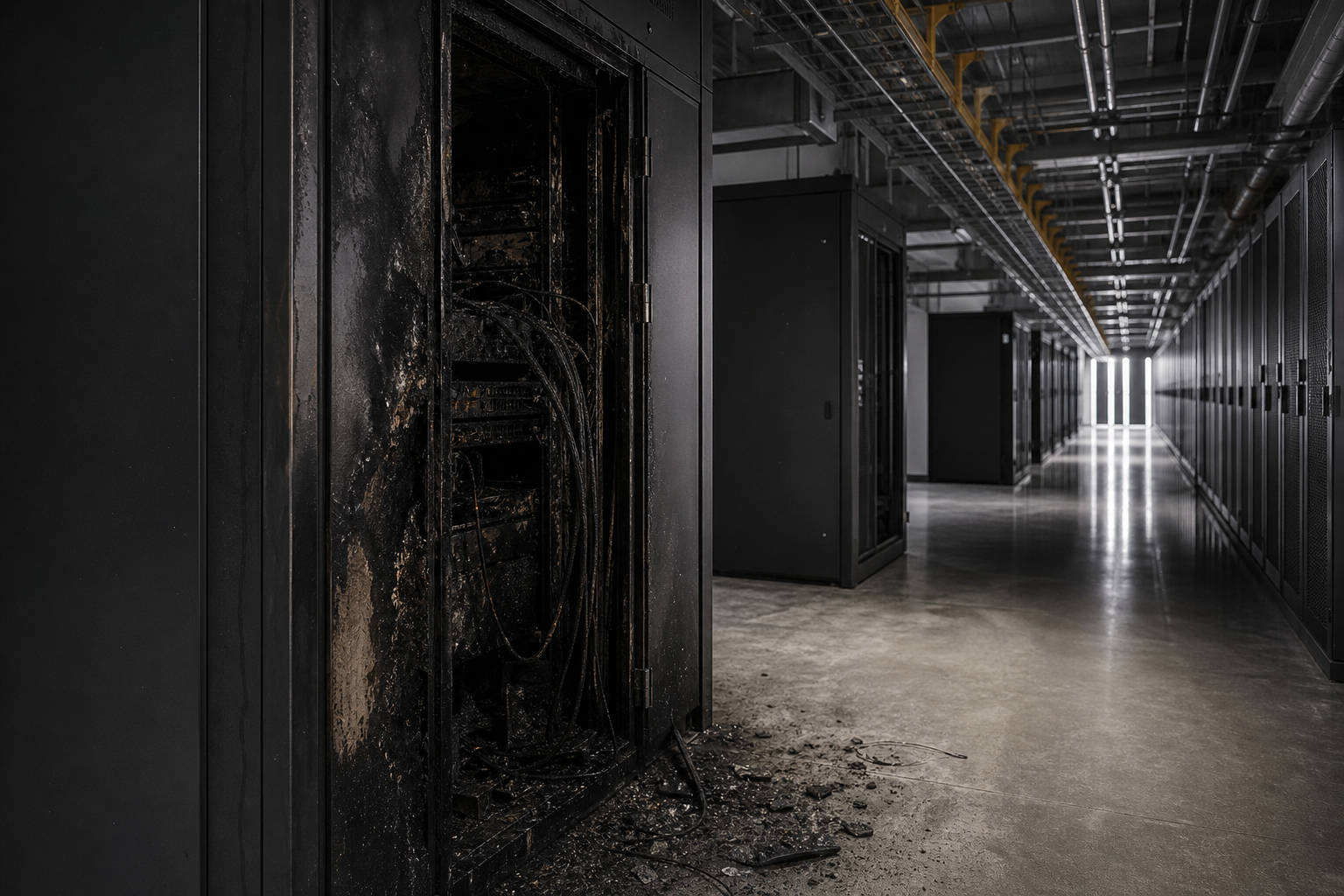
Data Center Incidents Rose From 8 In 2024 To 20 In 2025
The register counts 19 more in 2026; UPS and battery rooms fail most often.
CRE360 Editorial Desk·Oct 12, 2026
Topic archive
Digital infrastructure & power
105 published items
The County That Stopped Approving Data Centers Automatically
Prince William cut its by-right overlay 62 percent on an 8-0 vote. Entitlement just became a political asset.
The County Is Now the Underwriter
279 moratoriums, a 900 MW filing to beat one, a Sept 22 vote, and $2B of development credit that did not blink.
Data Center Alley Just Hit Pause
Loudoun County’s 7-1-1 vote, nine moratoriums enacted within 48 hours, and the presence of “2B revolvers” pursuing the sites that had already expressed their approval.
The Grid Just Got A Number
One tenant published a power requirement large enough to reprice construction.
Four Known Bases, Three Hundred Forty-Two Points Apart
The same week priced one asset at -62% and another at +280%.
The Guarantor Who Will Never Occupy the Building
Nvidia agreed to backstop up to $105 billion of an Ohio campus it will not own.
The Grid Became the Deal
A $20 billion AI campus was sited by the megawatt, and paid for with a county's tax base.
The Government Just Bet $100 Billion on Power
Washington backstopped 4.5 gigawatts of energy for an AI campus, before a single tenant signed.
Power Is the New Permitting
The largest U.S. grid moved to ration data centers and rewrote the deal.
Who's Still Building
The only ground-up that pencils today solved its hardest constraint before breaking ground — land and entitlement via public-private partnership, power via joint venture.
The Miners Became Landlords
The AI boom's best real estate trade is a 20-year power lease — and bitcoin miners are writing it.
The First No
New York became the first state to freeze the AI data-center build-out — turning power access into a permitting decision.
The Permitting Wall
The AI build-out just hit its first statewide veto — and the constraint on data-center real estate is no longer money.
American Construction Has One Engine Left
Strip out data centers, and the nonresidential building sector is shrinking — not growing.
The Constraint Isn't Capital Anymore
In data centers, the scarce input has become electrons — and the clock that matters is power-on
The Bottleneck Just Moved
A Virginia appellate ruling killed a $24.7B data center project on a notice technicality — and rewrote the underwriting checklist.
Blackstone's $2B Data Center REIT Reopens IPO Window
S-11 targets stabilized hyperscaler-leased product; pricing will set public-market cap-rate comps for the sector.
Capital Rotation Signals a Flight to Resilience Across CRE Sectors
Capital is rotating toward resilient CRE sectors as rising rates pressure leveraged assets, exposing credit weaknesses in data centers and favoring stable income properties.
AI Data Centers Enter the Water Wars
Utah’s transparency law signals a new regulatory phase for digital infrastructure.
Data Centers 2025 Recap & 2026 Outlook
Overview of Data Centers performance in 2025 and what to expect in 2026
🟡FTC sues Zillow-Redfin over $100M rental listings pact
Regulators allege a secret deal eliminated competition in online multifamily ads
The register counts 19 more in 2026; UPS and battery rooms fail most often.
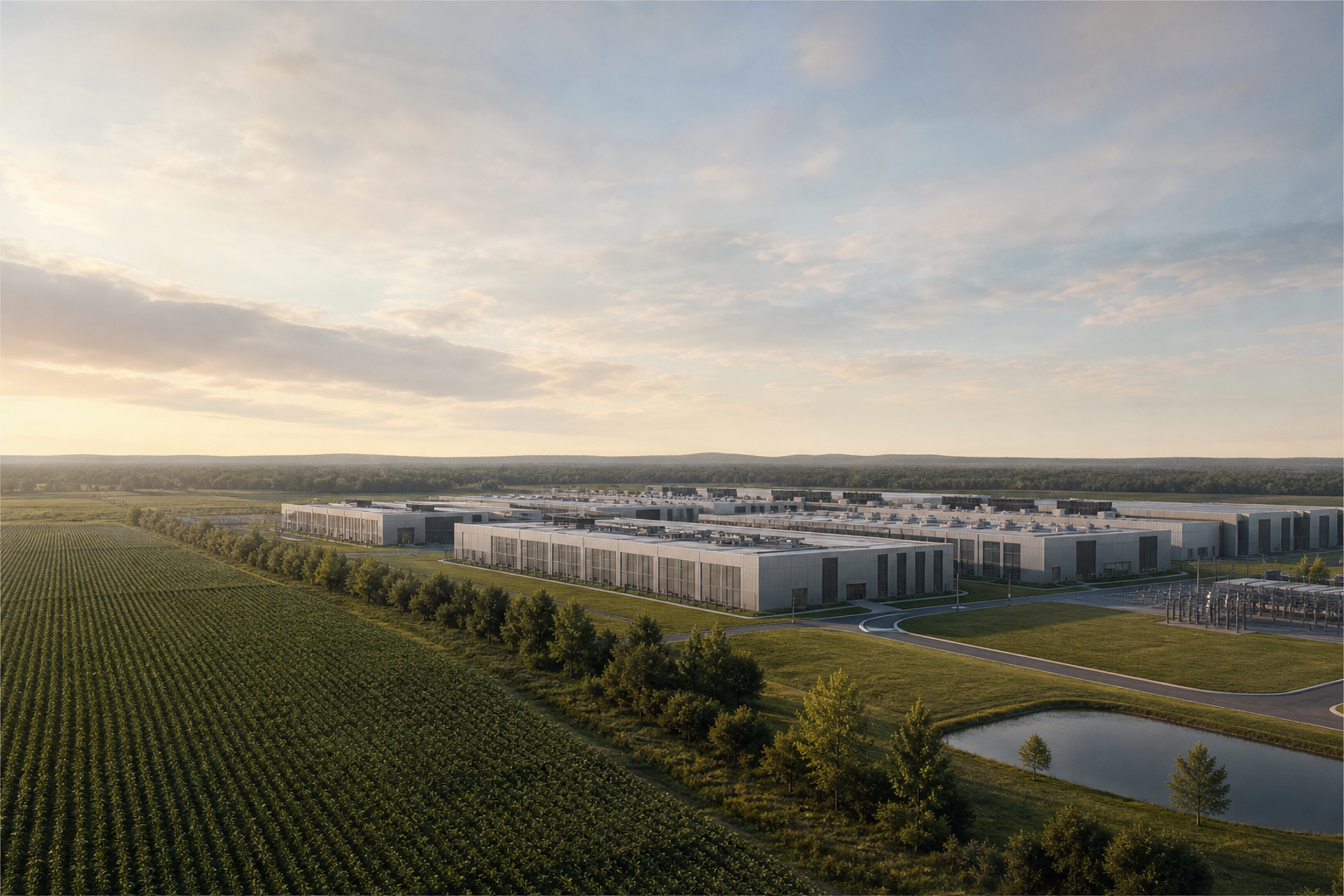
A rezoning would convert agricultural land to a PUD; the applicant is an RV resort LLC.
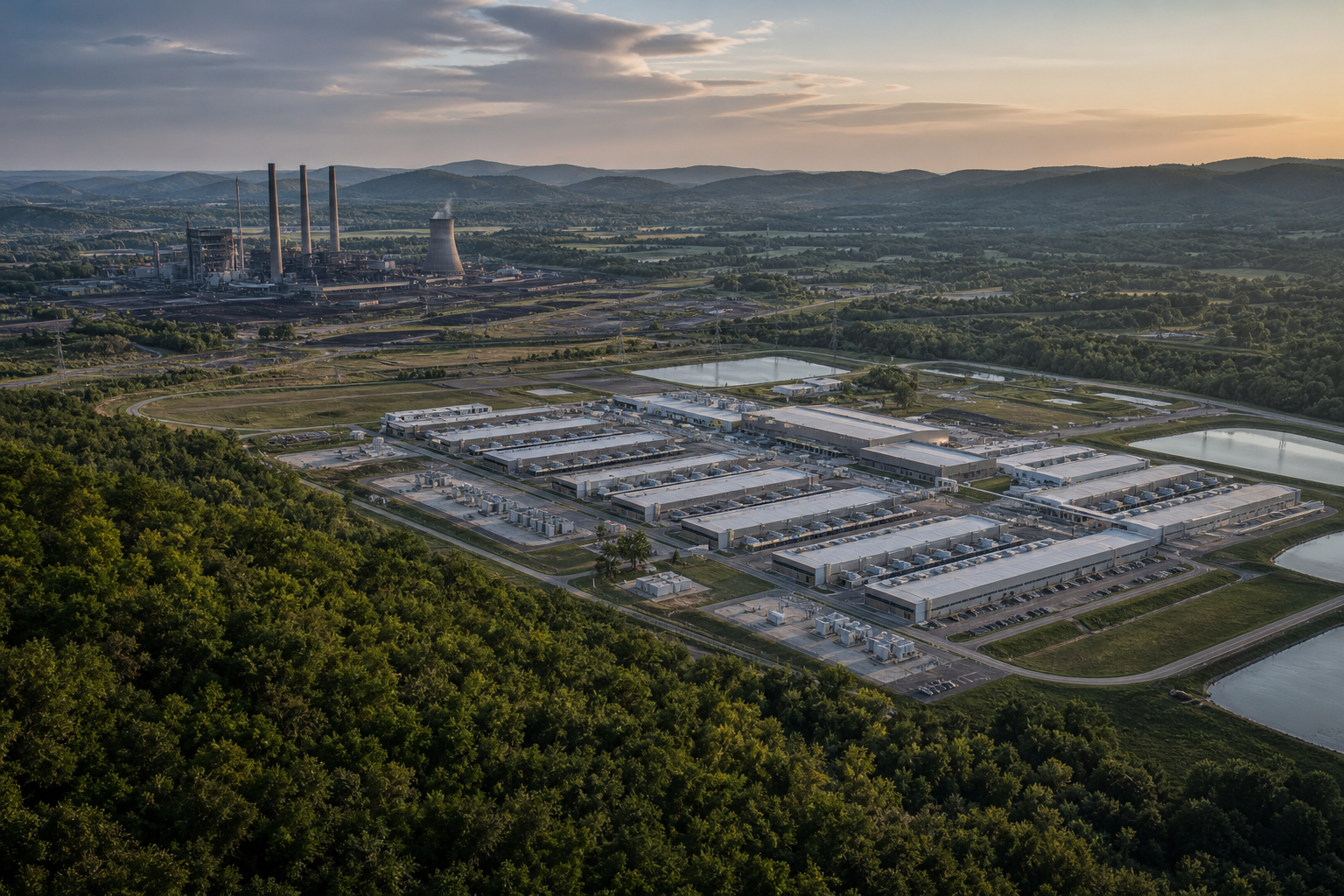
A 4.5 GW gas plant would feed Homer City, while Google locks 3.6 GW of PJM supply.
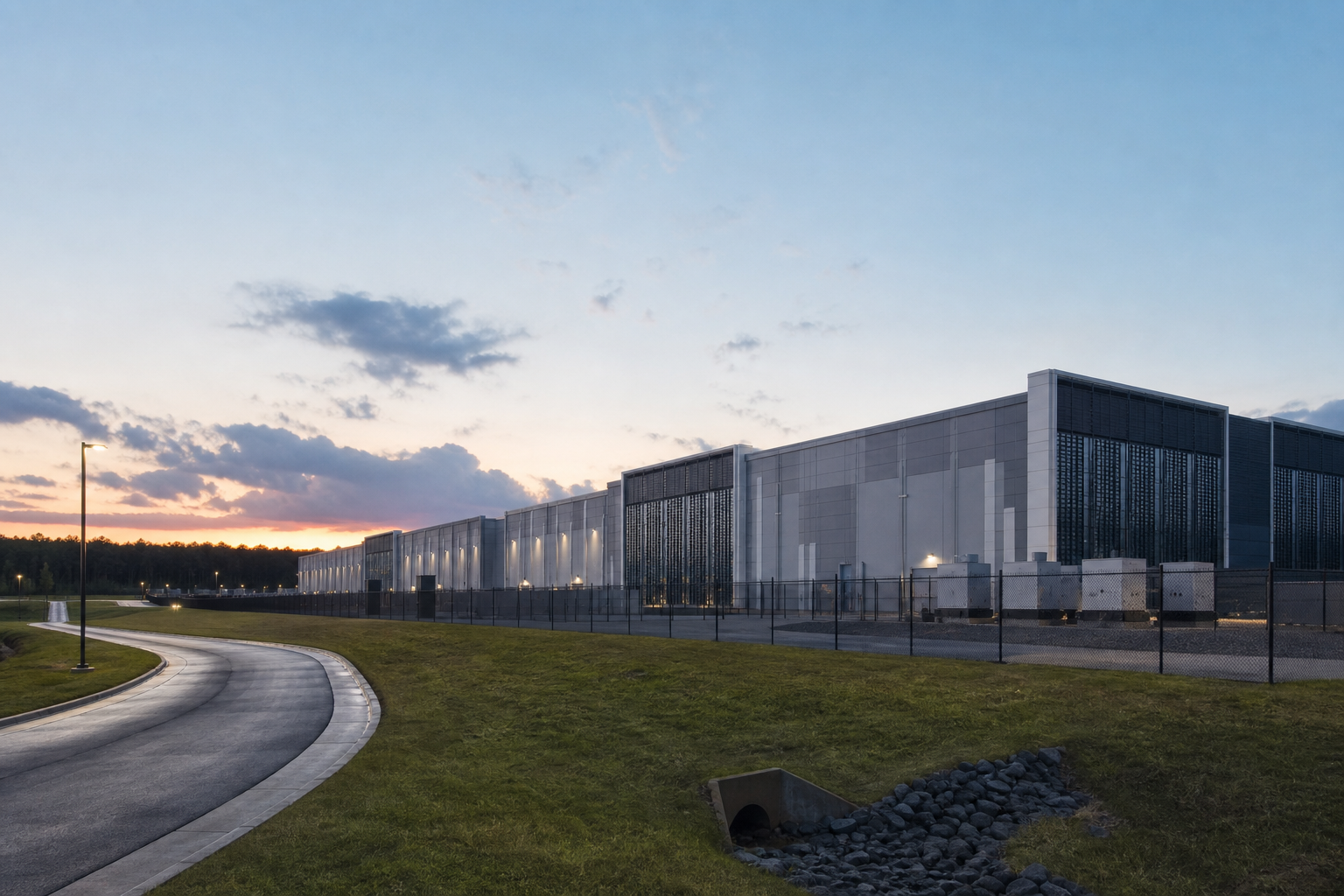
The senior secured notes fund a Sandersville data-center project, with closing expected the same day as this report.

A state incentive freeze, a proposed Chicago moratorium and billion-dollar local approvals are now running in parallel.
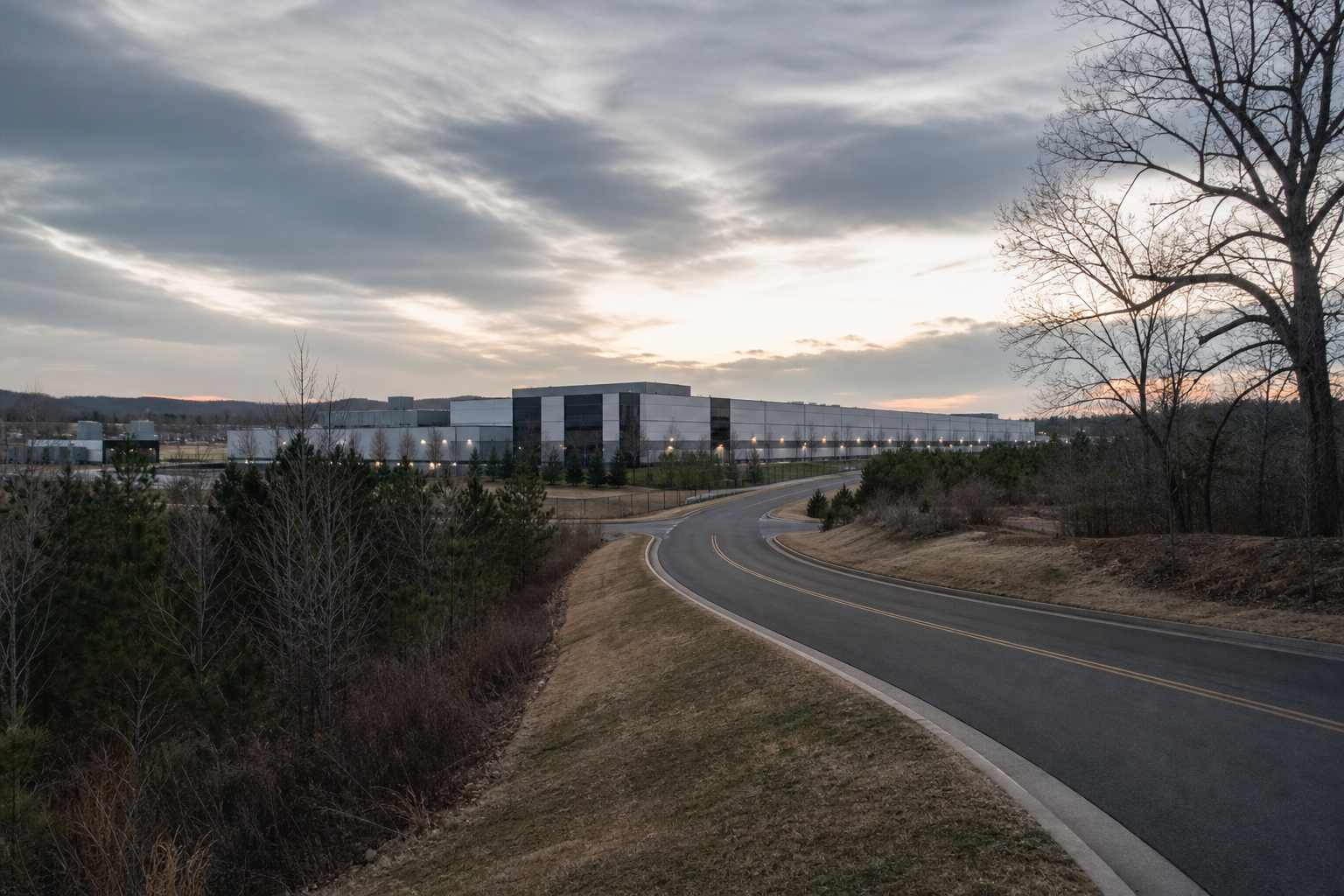
Prince William supervisors voted 8-0 to cut the overlay 62 percent and route nearly every new project through discretionary approval.
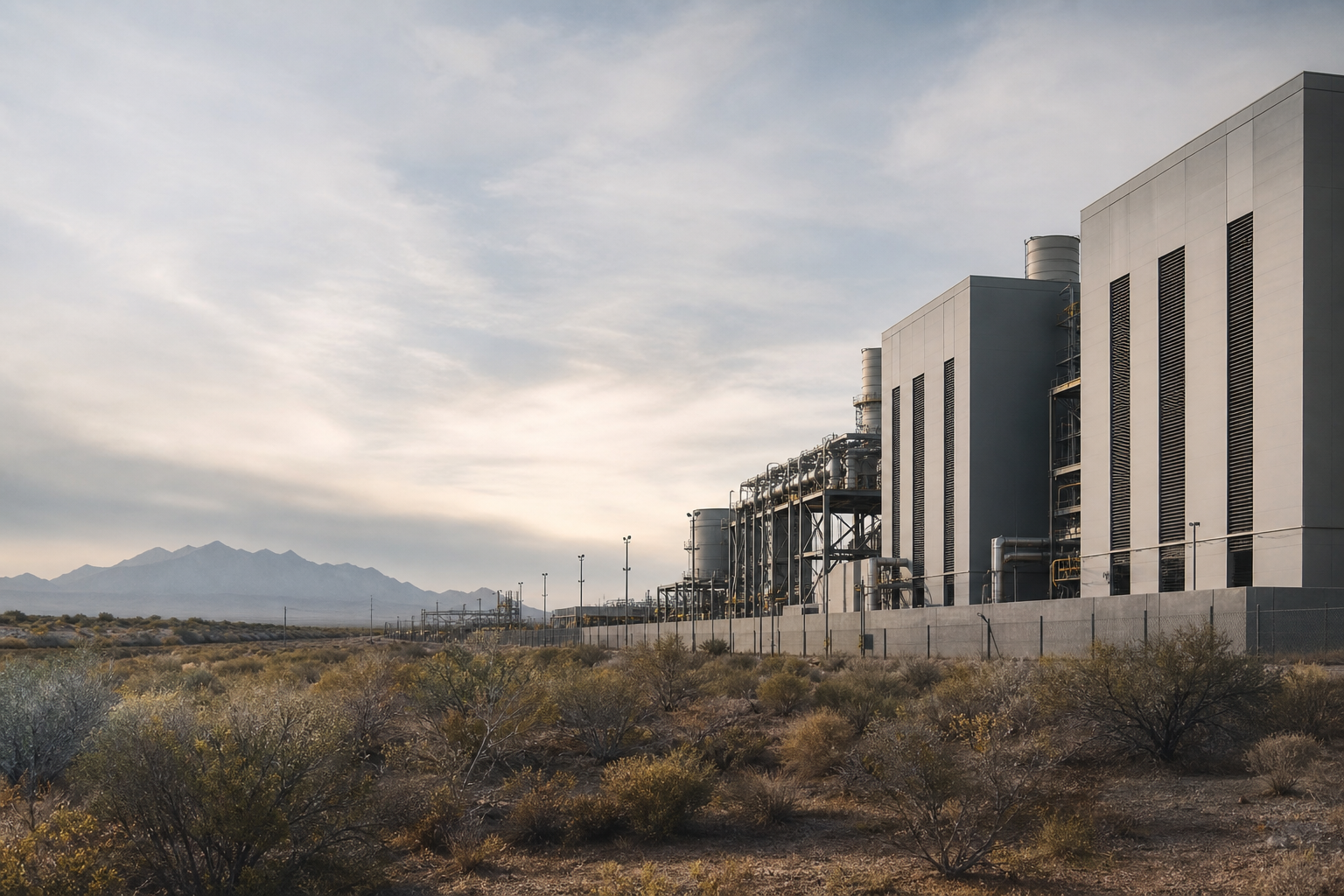
SRP's Marigold Energy Center goes before the siting committee this week. The load it serves is not yet approved.
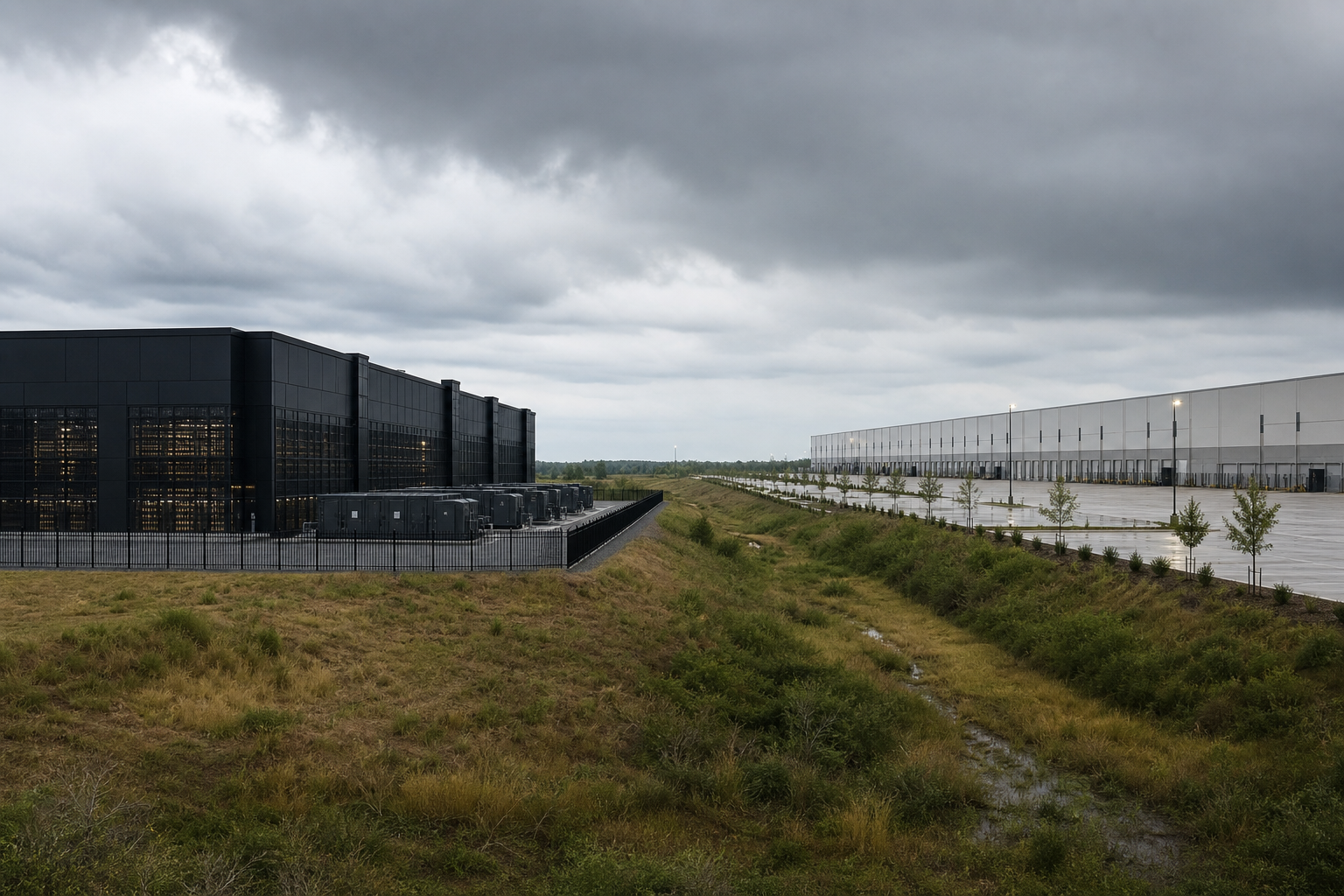
Counties are freezing approvals faster than capital is retreating. Vance County shows how developers respond.
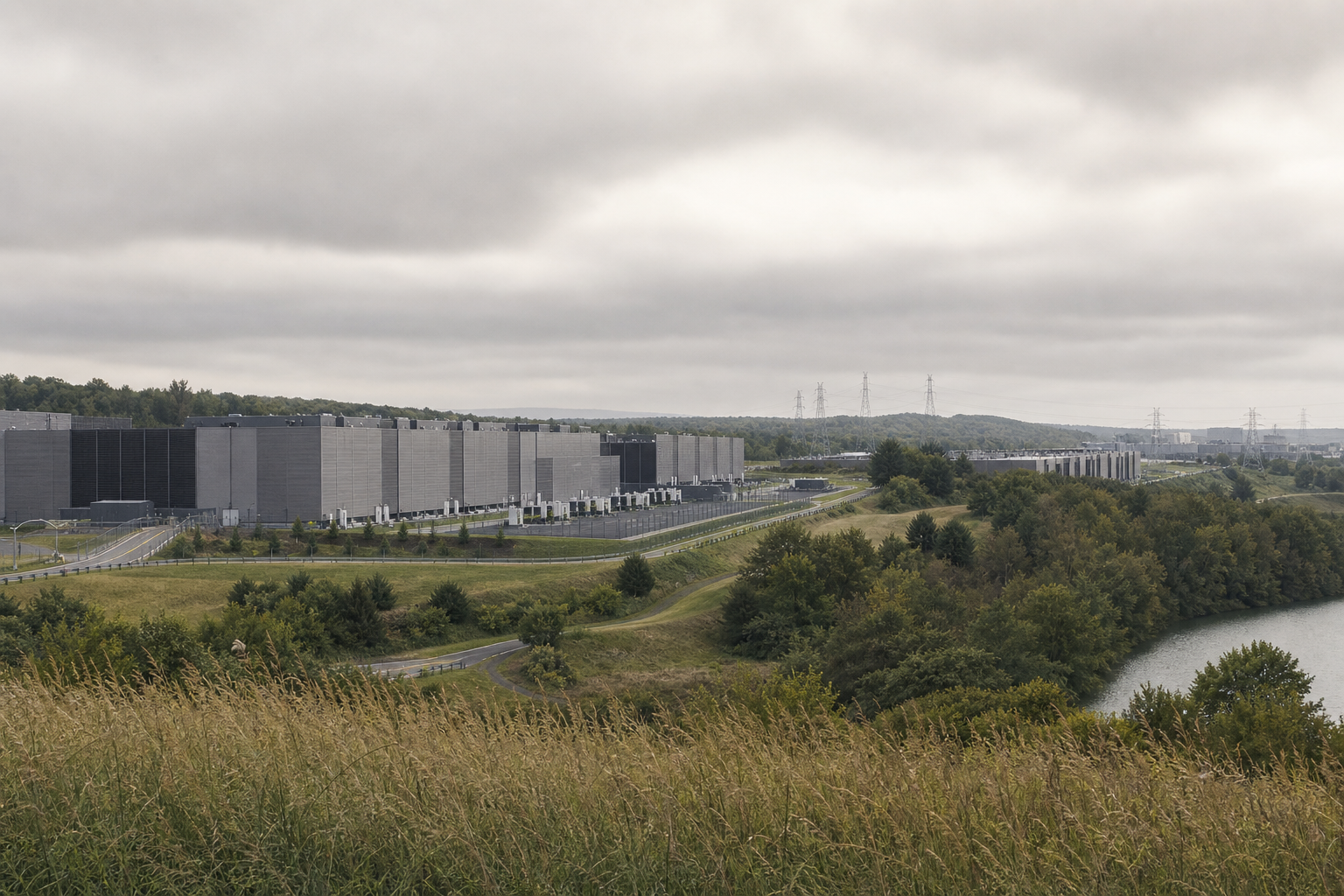
The county that allocates approximately 40% of its budget to data centers has recently reduced its data center intake.
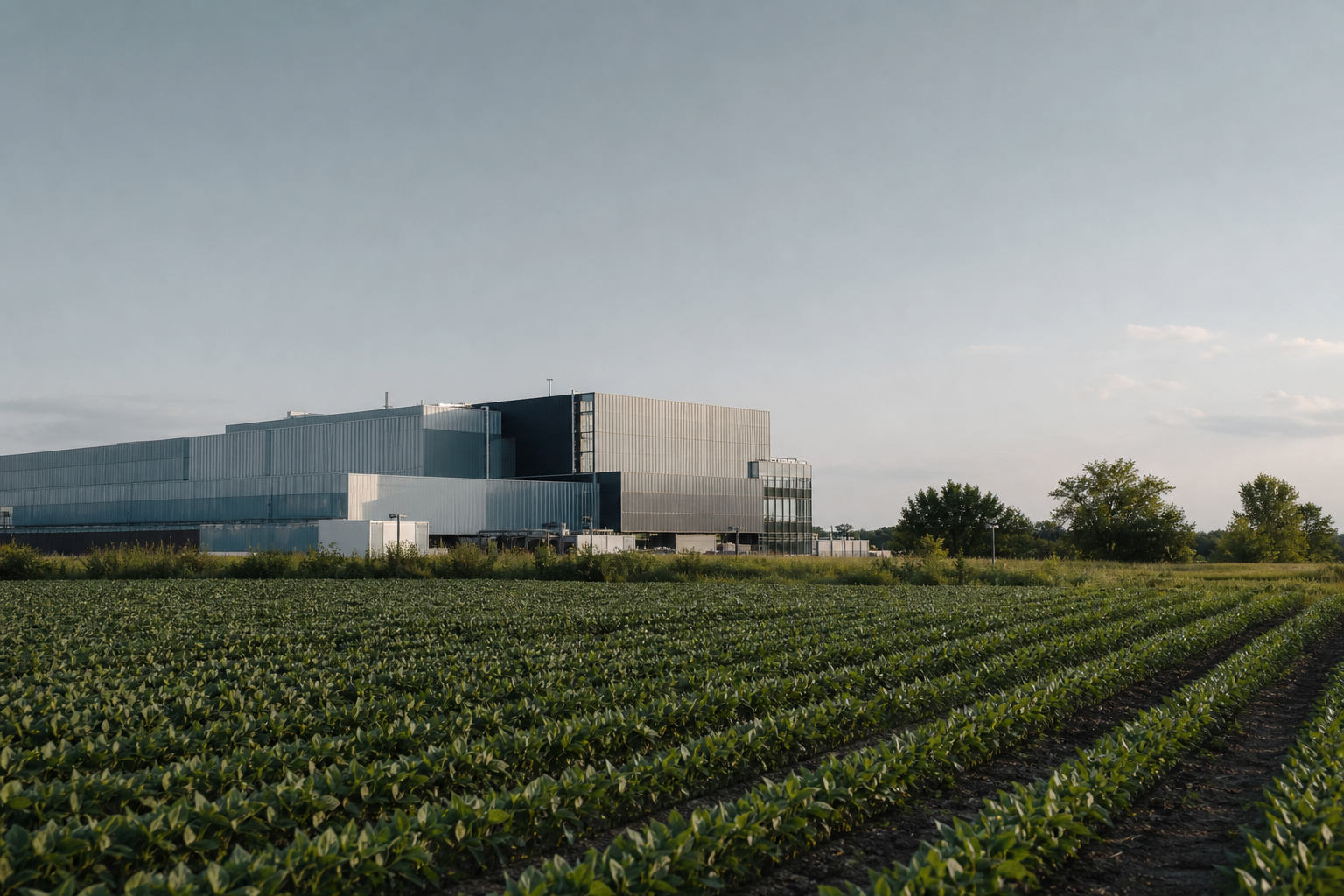
Nvidia will cover up to $105 billion if OpenAI walks away from its lease.
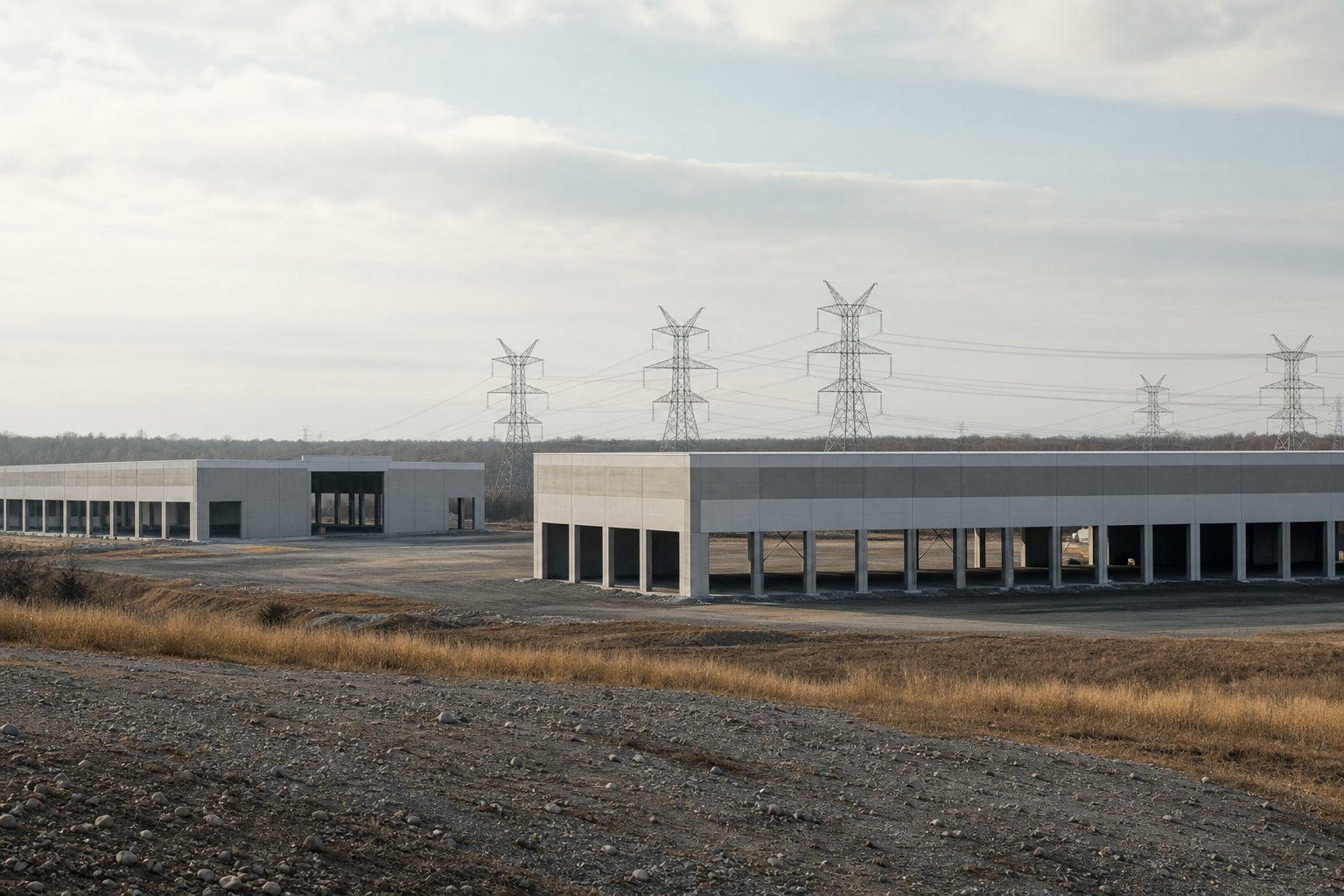
Two Yadkin County industrial shells, priced on 60 megawatts of interconnect.
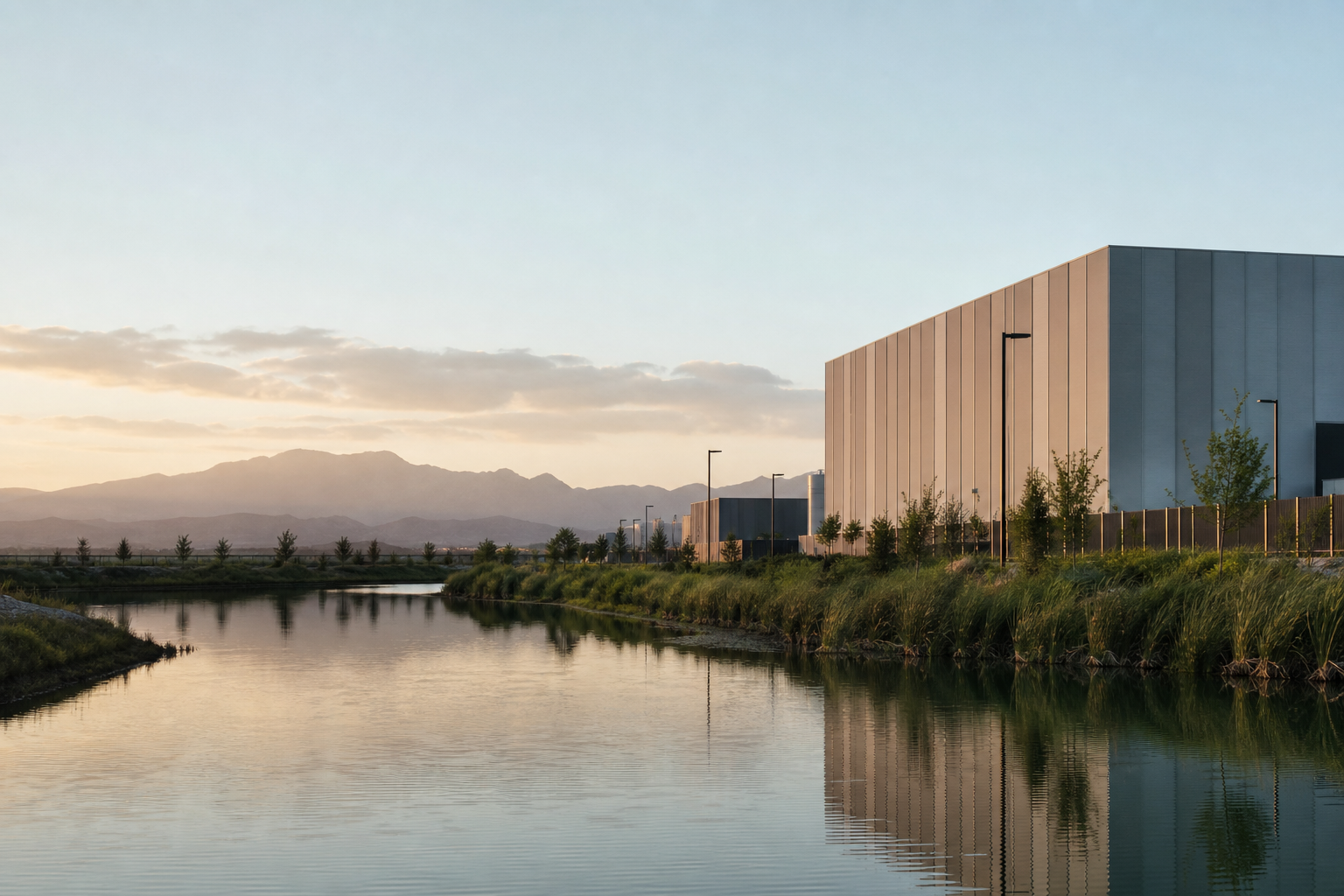
A billion-dollar community fund is the softest cost of the AI build-out, and now a visible one.
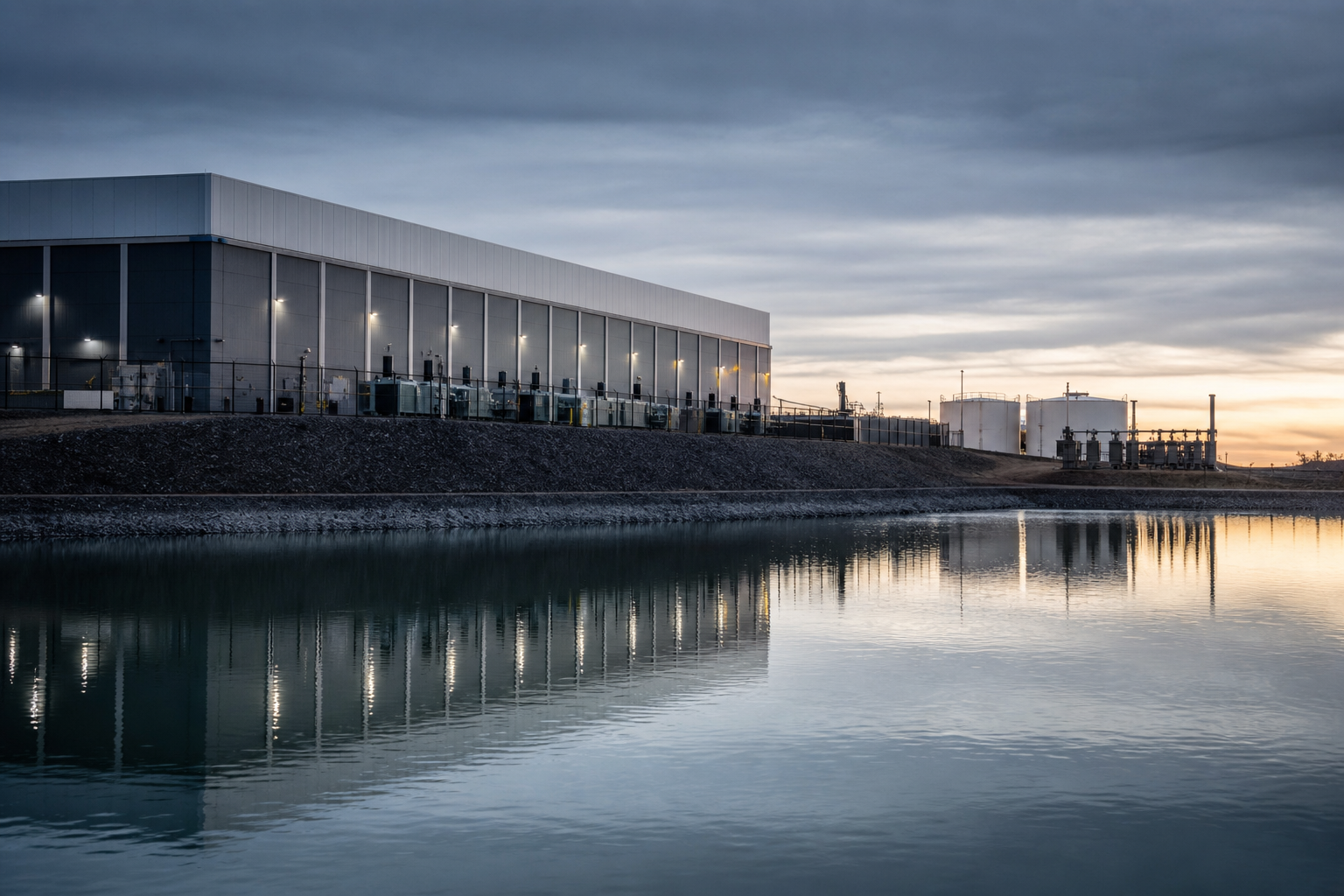
Behind-the-meter power and long-dated contracted backlog are the new data-center development model.
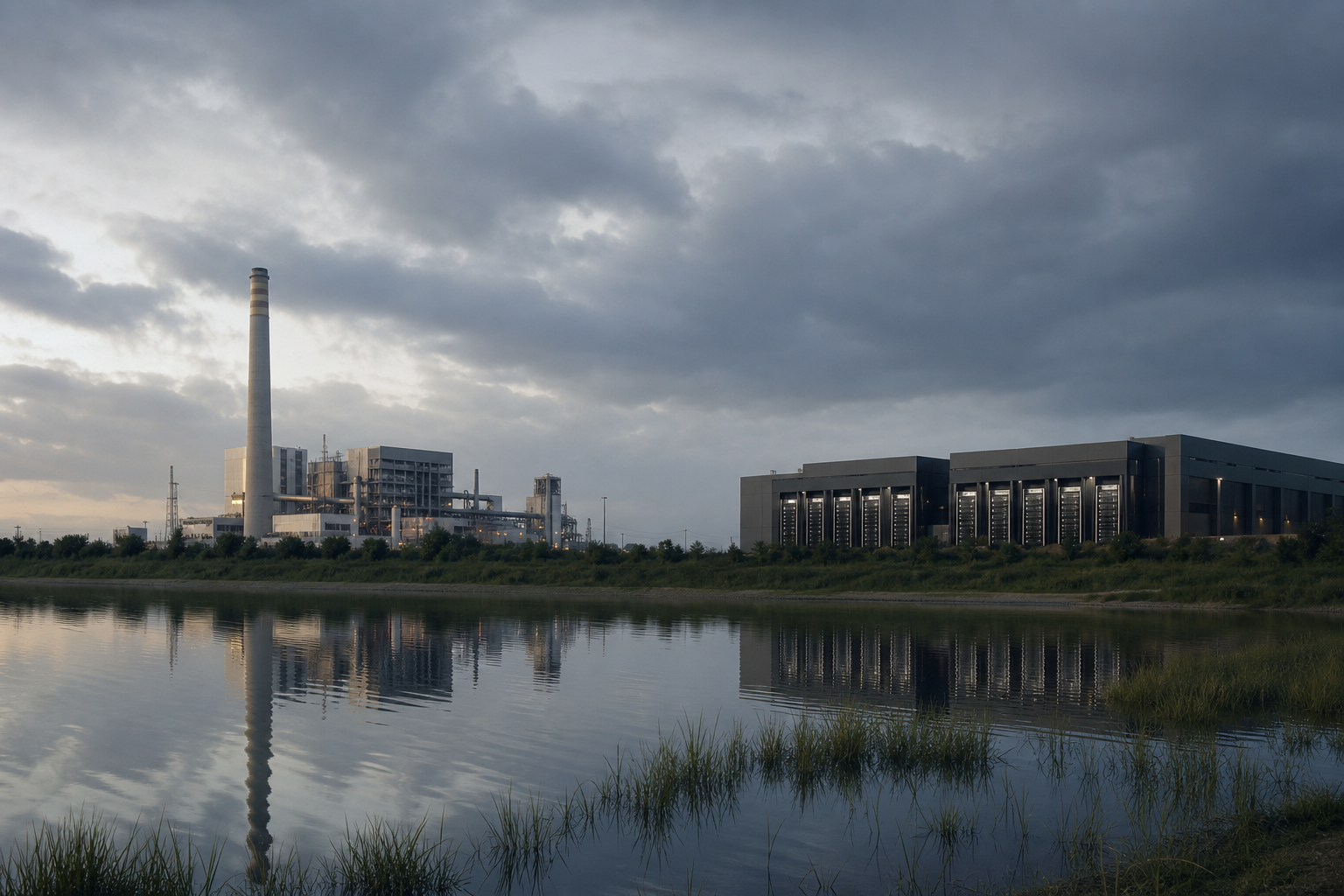
NRG 3.2-billion-dollar, 1.2-gigawatt hyperscaler deal lands as the state hits the brakes on new interconnections.
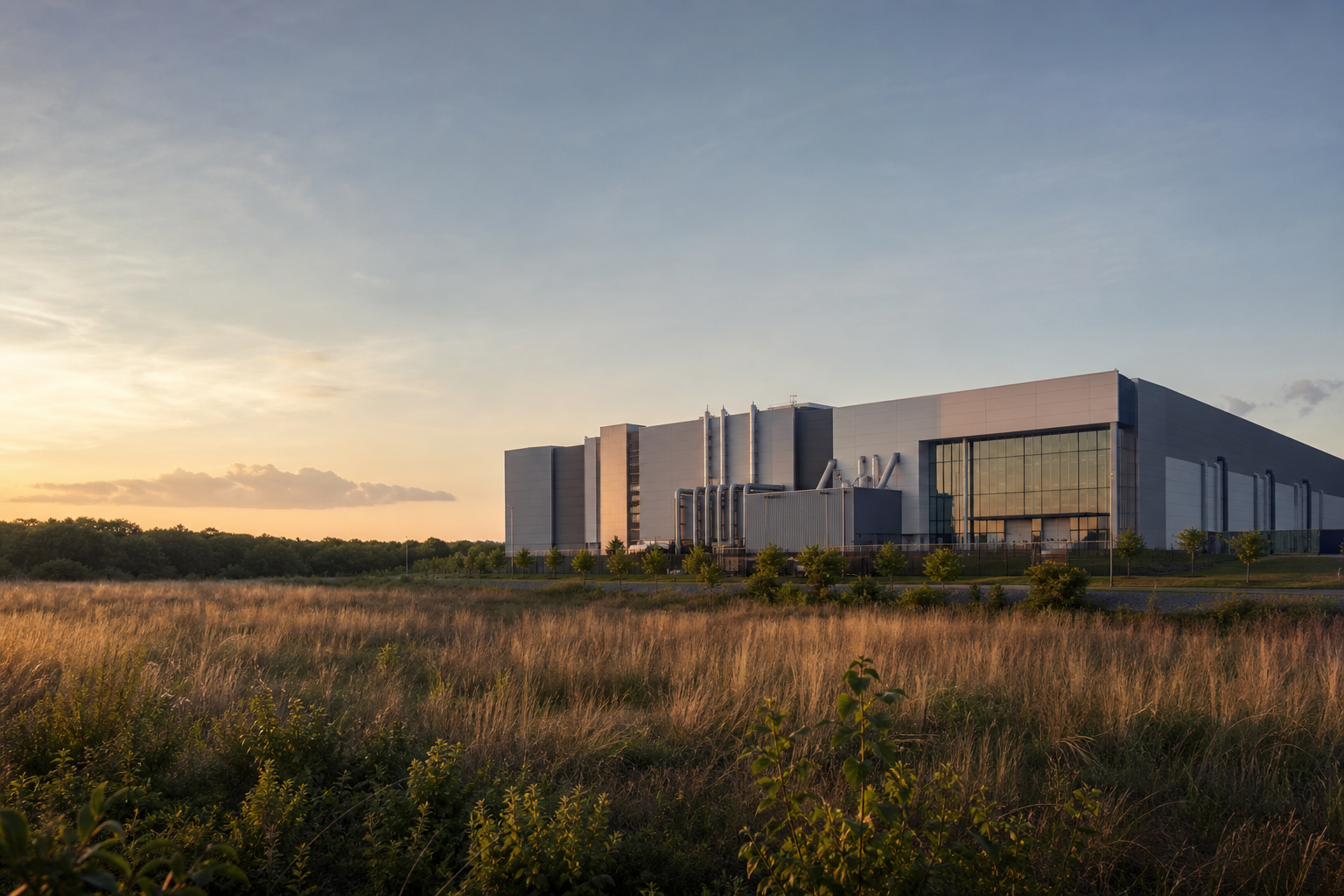
Blue Owl Stack pays 66 million dollars for a Culpeper site 60 miles from Data Center Alley.
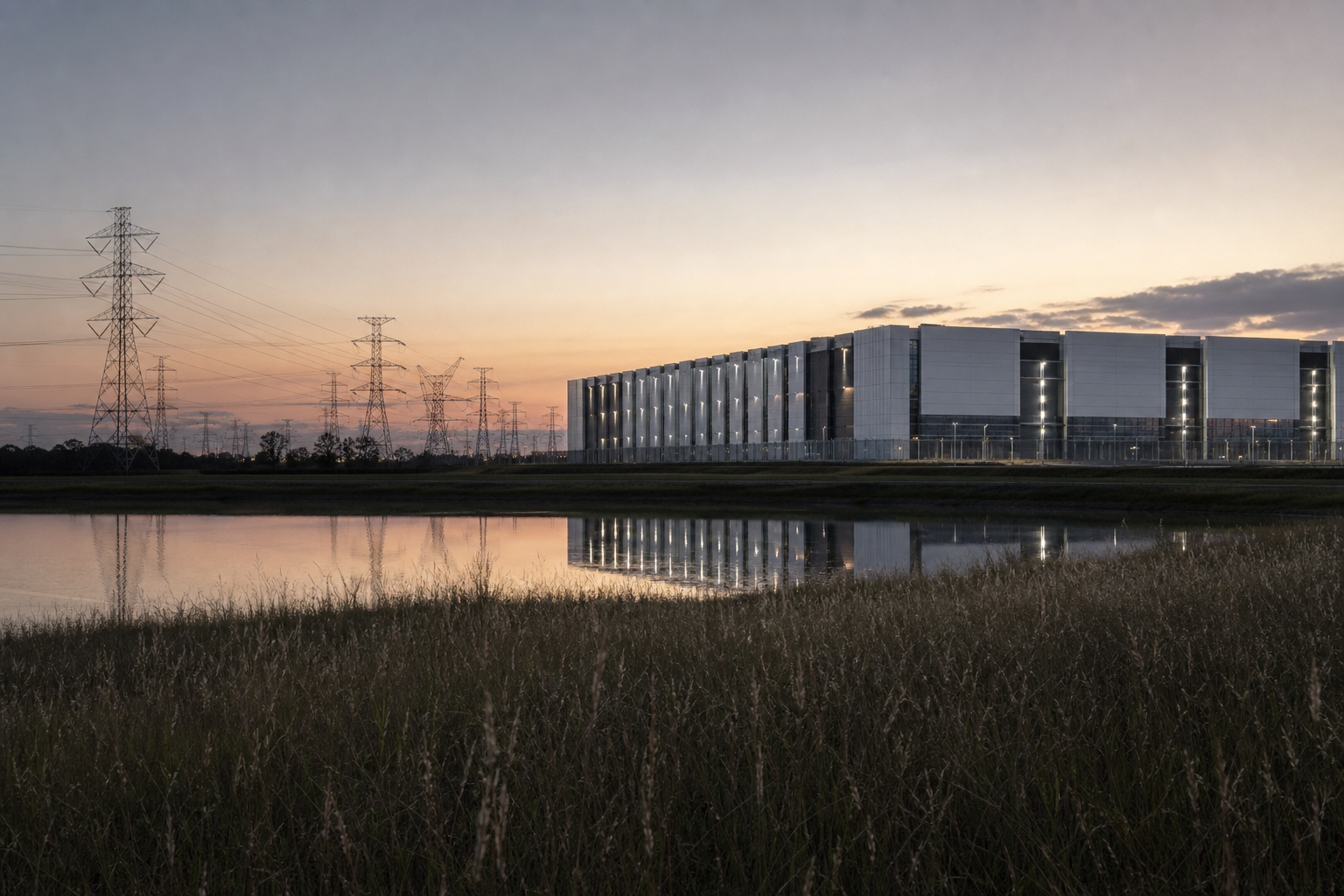
Power, not money, is the scarce input, and land that already has it is the new trophy asset.
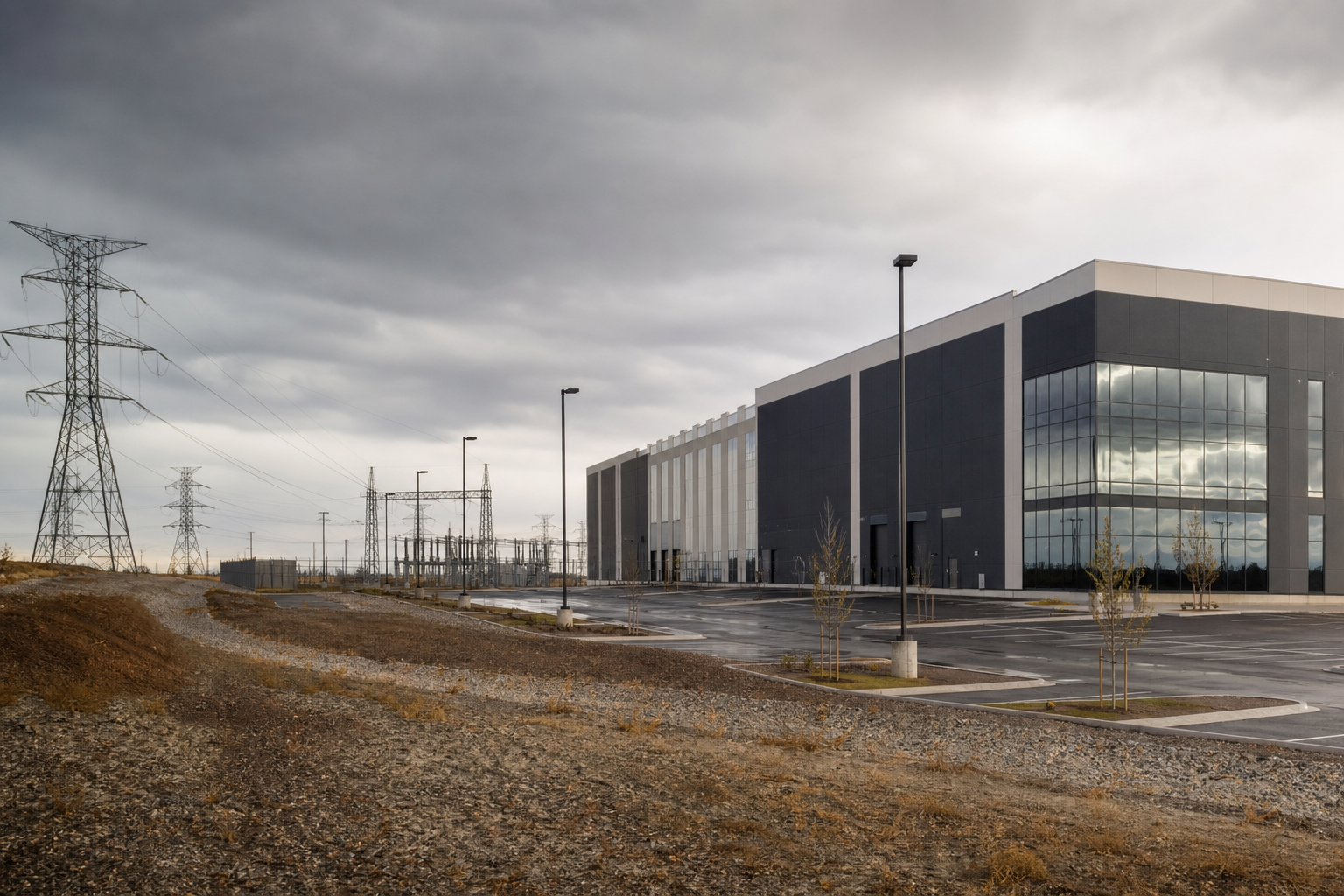
The federal government just underwrote a hyperscale campus by solving power first and leasing later.
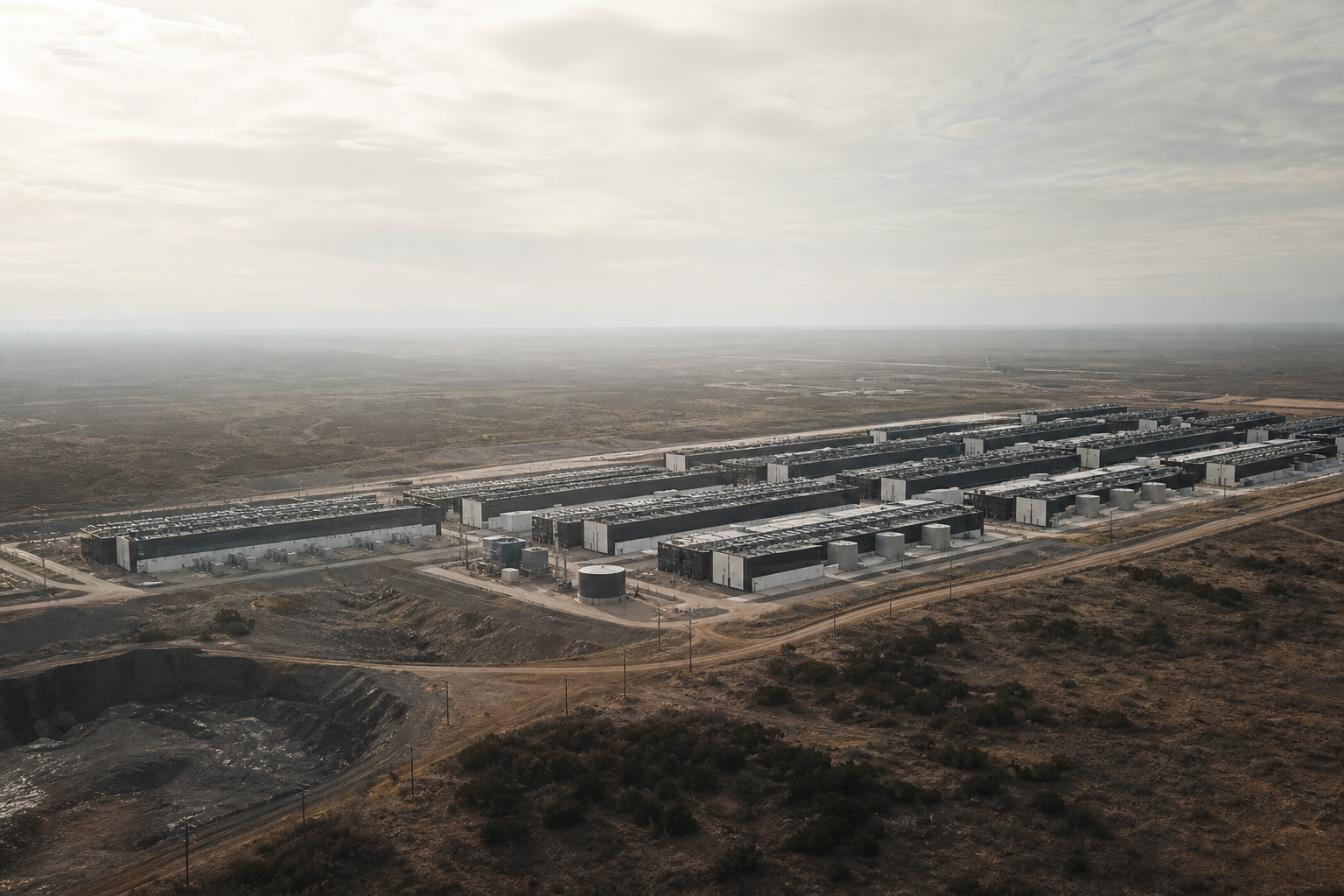
Hut 8's second 15-year, $9.8B lease fully commercializes a 1-gigawatt AI campus.
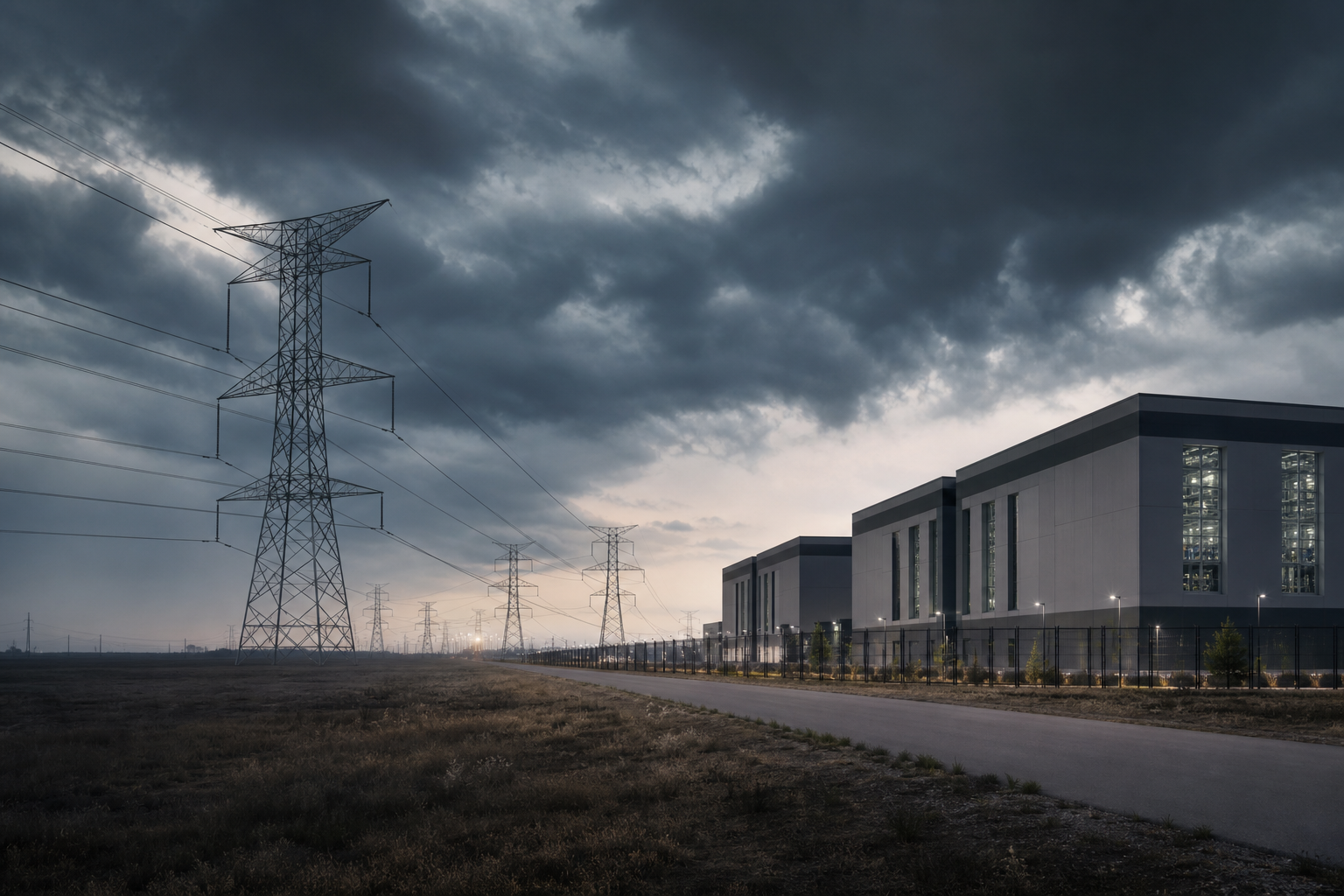
Interconnection not land now decides whether a data center gets built.
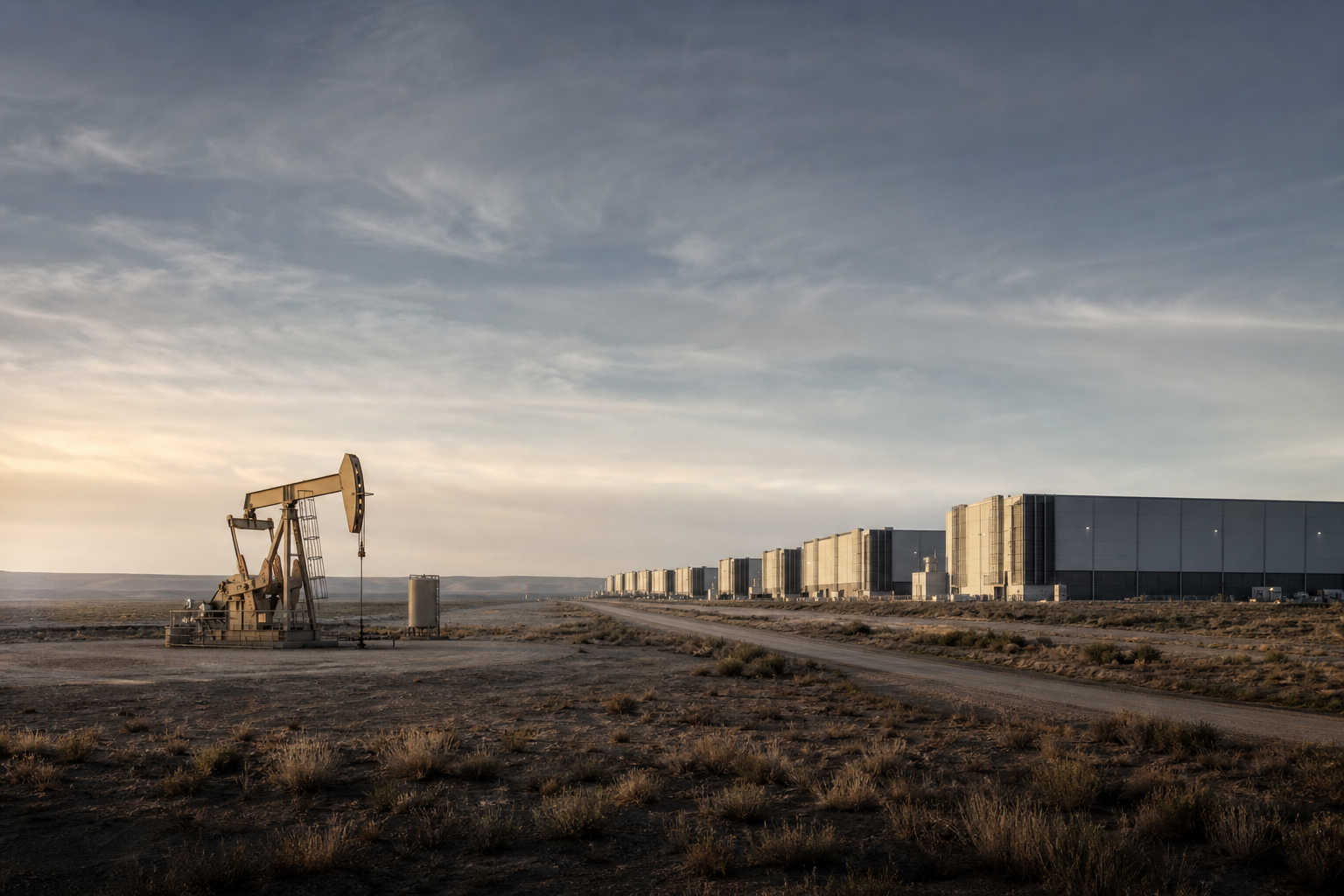
Liberty Energy and PowerBridge form a JV to feed a planned 2 GW West Texas data-center campus.
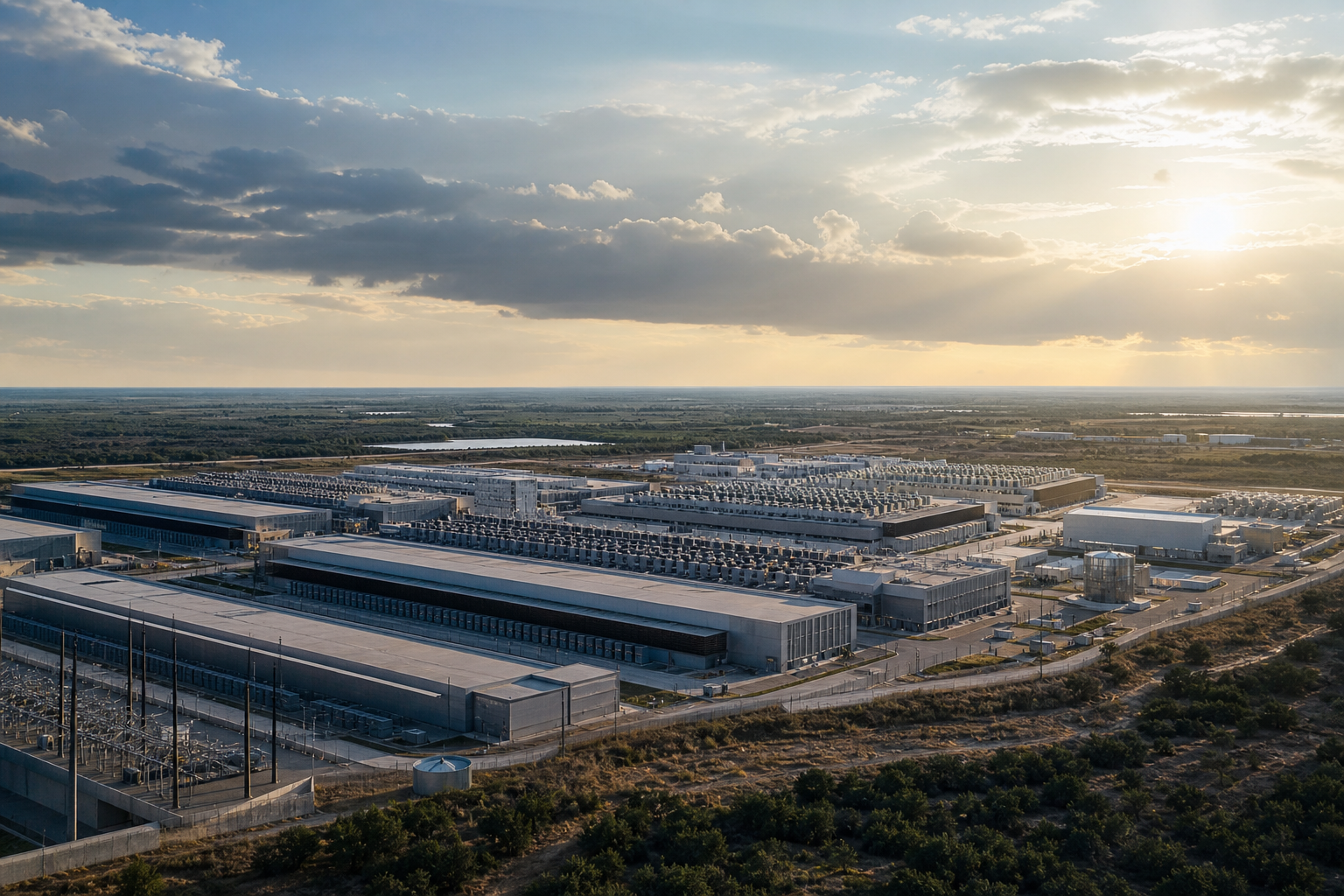
A second 352-megawatt lease locks the entire Beacon Point campus to a single investment-grade tenant.
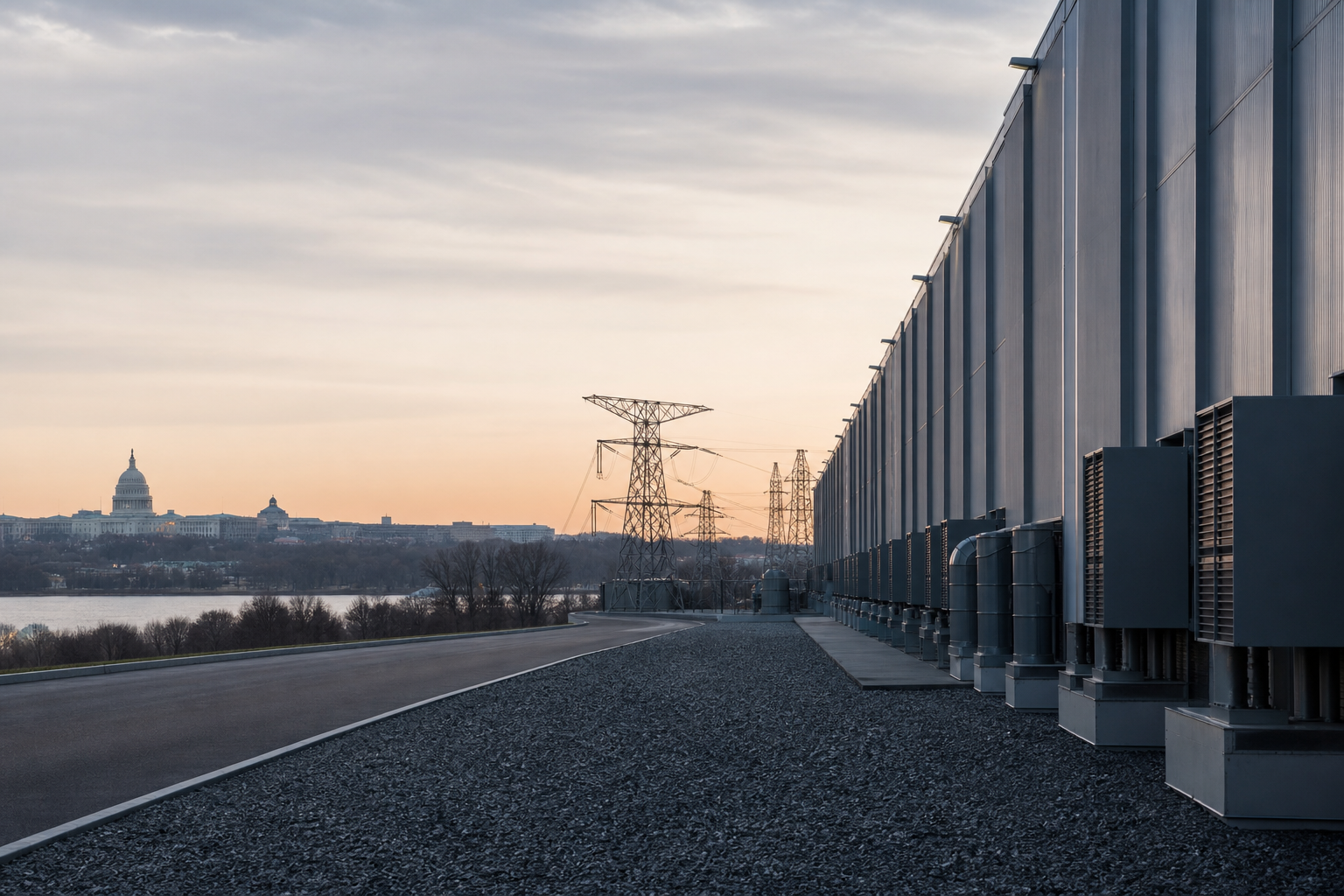
All six U.S. grid operators had to file plans to serve gigawatt-scale loads — reshaping where capital can build.
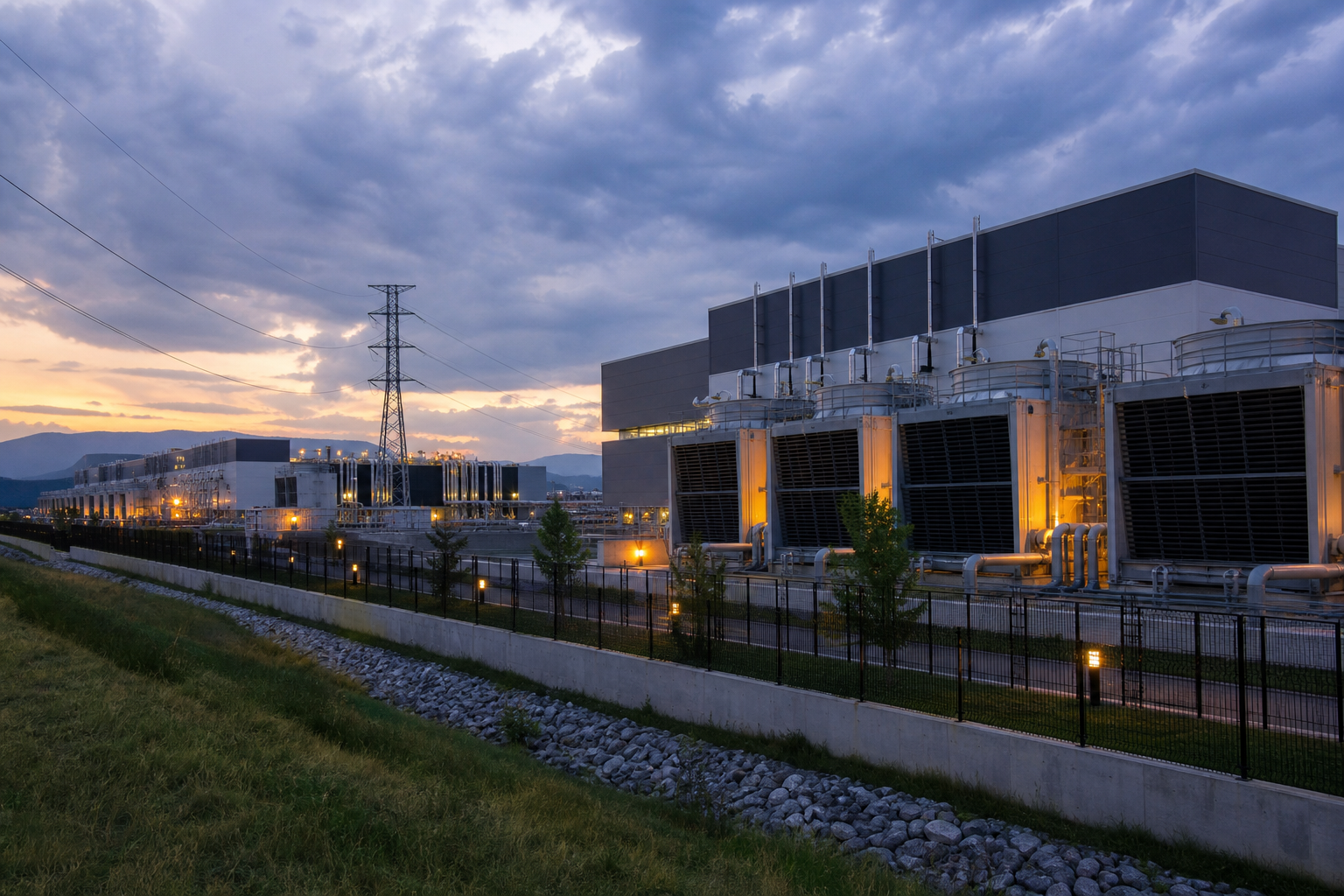
Stranded, permitted power is being leased to AI tenants on 20-year triple-net paper worth tens of billions.
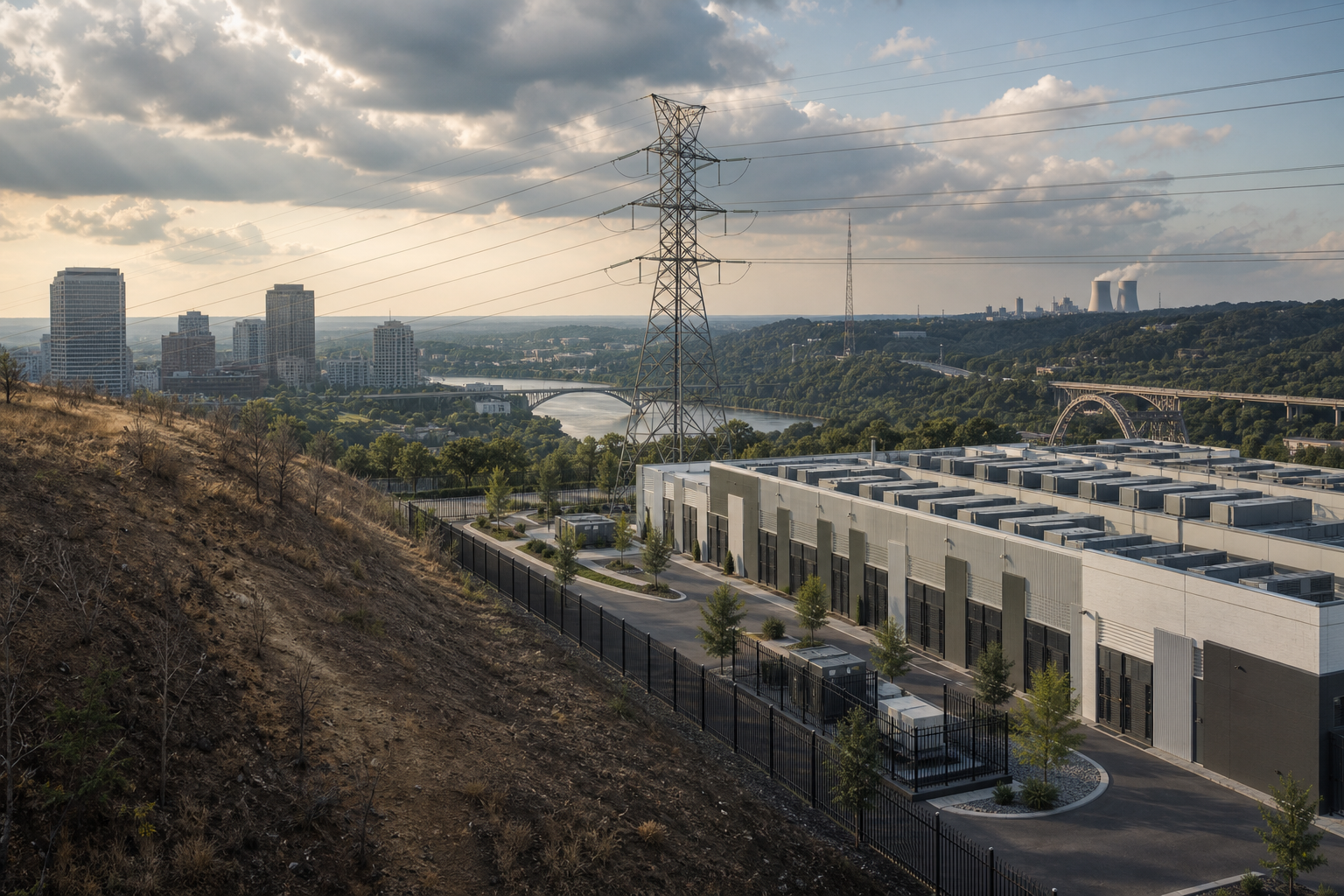
As the old hubs raise the cost of electrons, AI capital is rerouting to markets where the grid still says yes.

A statewide data-center moratorium turns power access from an engineering problem into a permitting one.
As the old hubs raise the cost of electrons, AI capital is rerouting to markets where the grid still says yes.
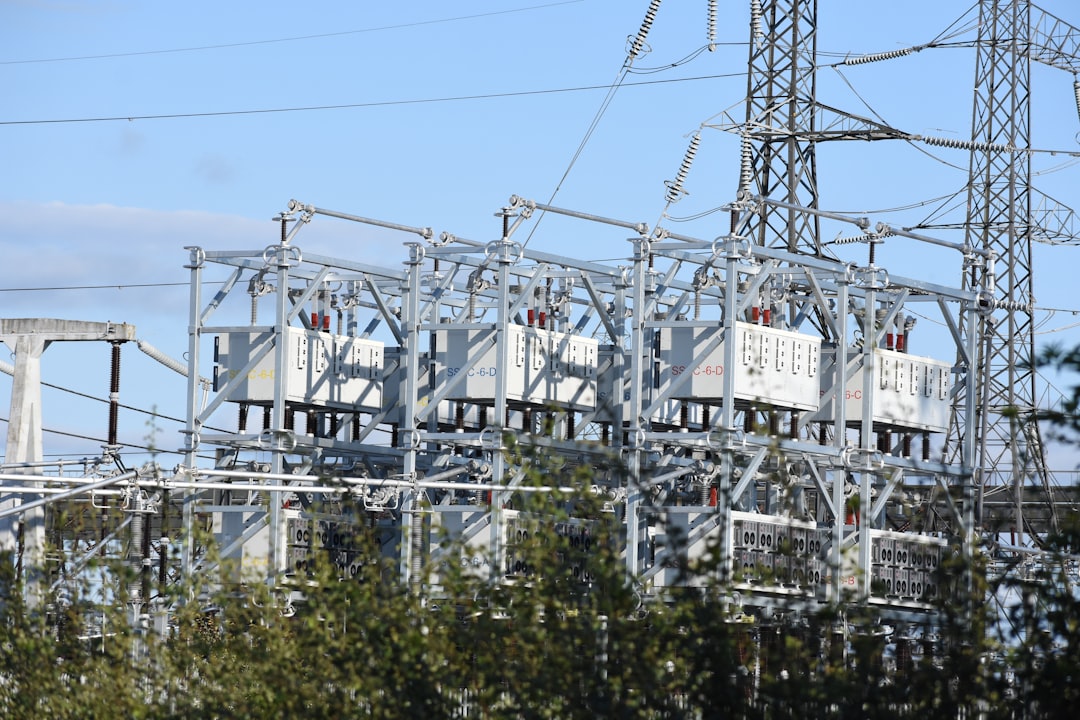
Hochul's executive order pauses permitting for any hyperscale site drawing 50 megawatts or more.
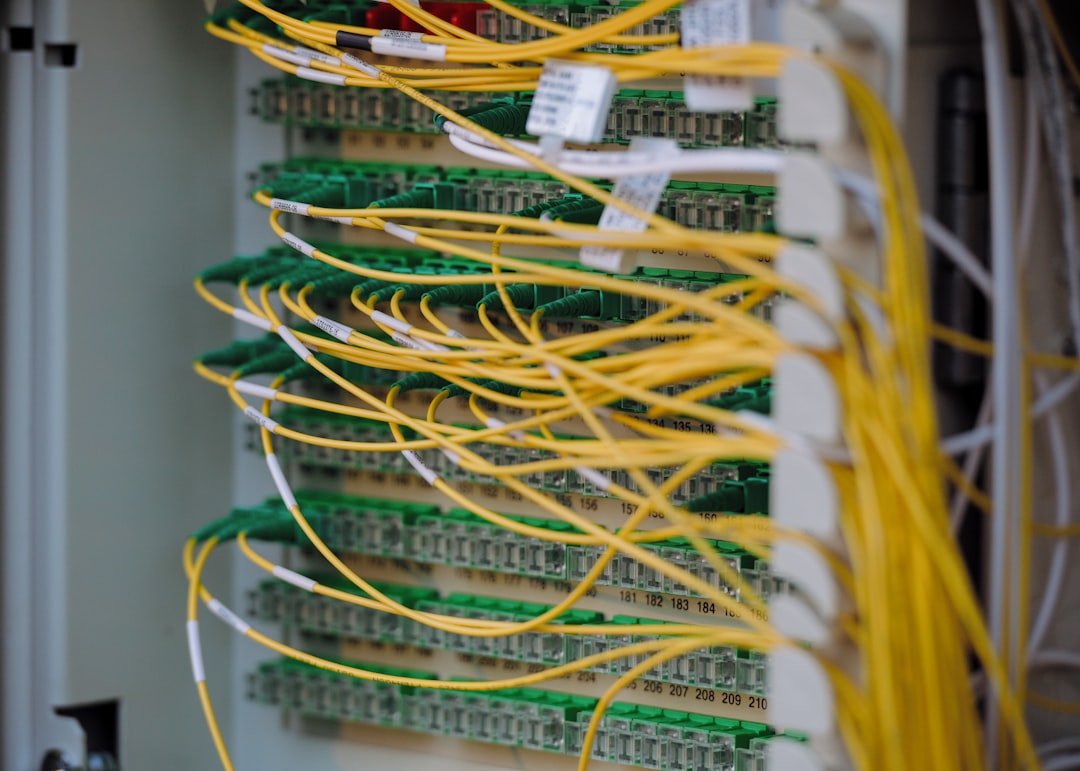
TeraWulf's 20-year Anthropic lease turns contracted revenue into the underwriting.

Policy — not power supply — is now the variable reshaping digital-infrastructure underwriting.

Stargate Abilene crosses 1 GW as FERC forces grid operators to answer for hyperscale load.
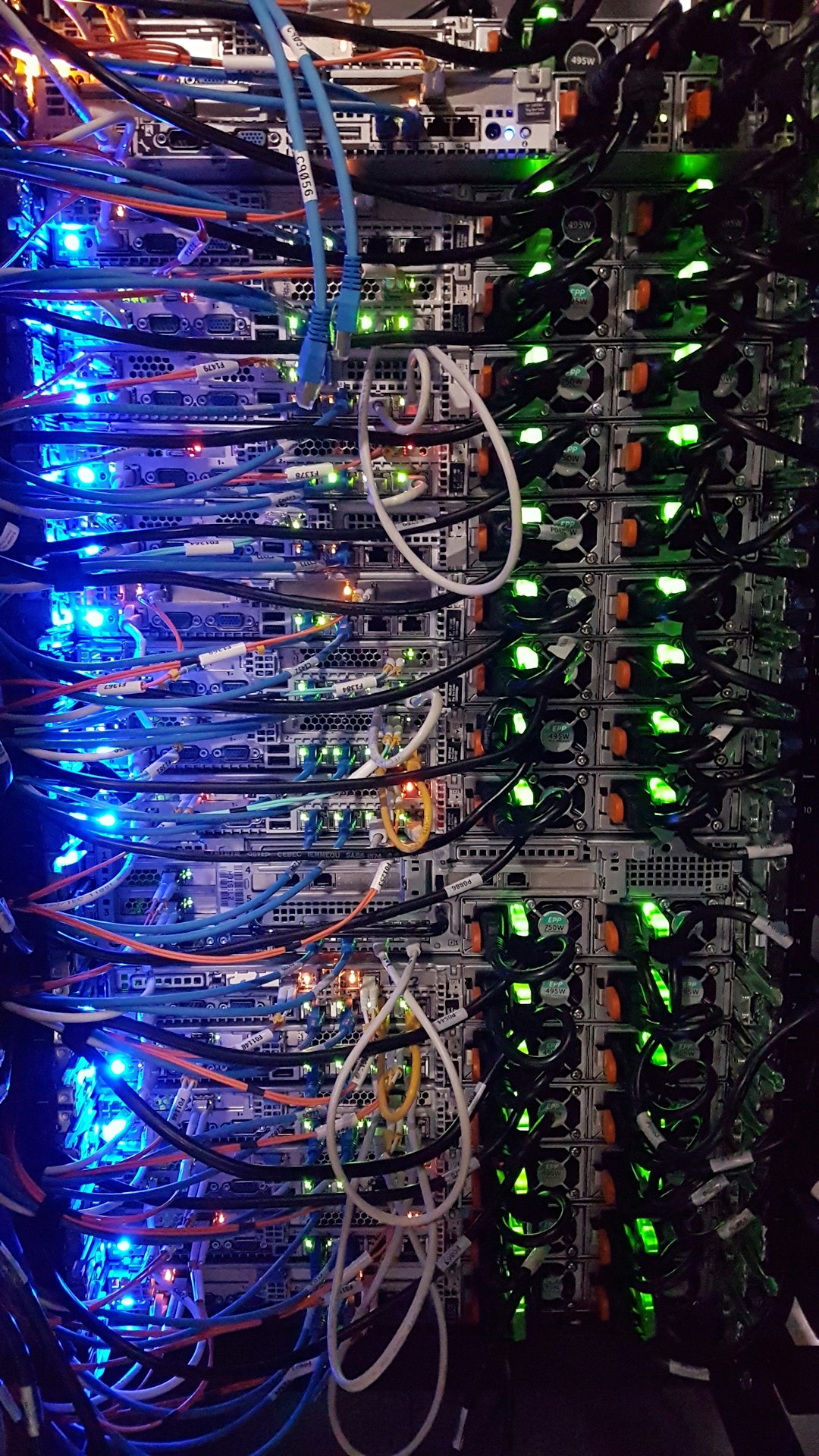
Fleet closed $4.6B in secured notes for a Nevada campus that's already 100% pre-leased for 16 years.

A 288-MW Northern Virginia sale shows stabilized data centers are now a tradable institutional asset.
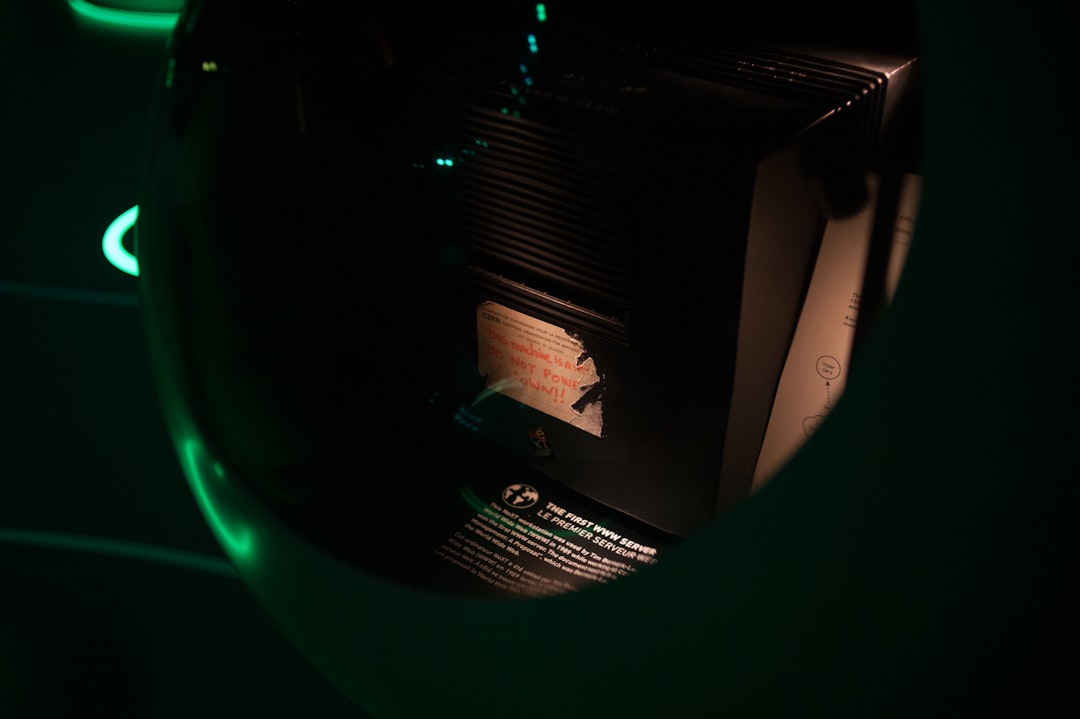
Applied Digital's 300-MW Delta Forge campus shows compute migrating to wherever firm power is fastest.
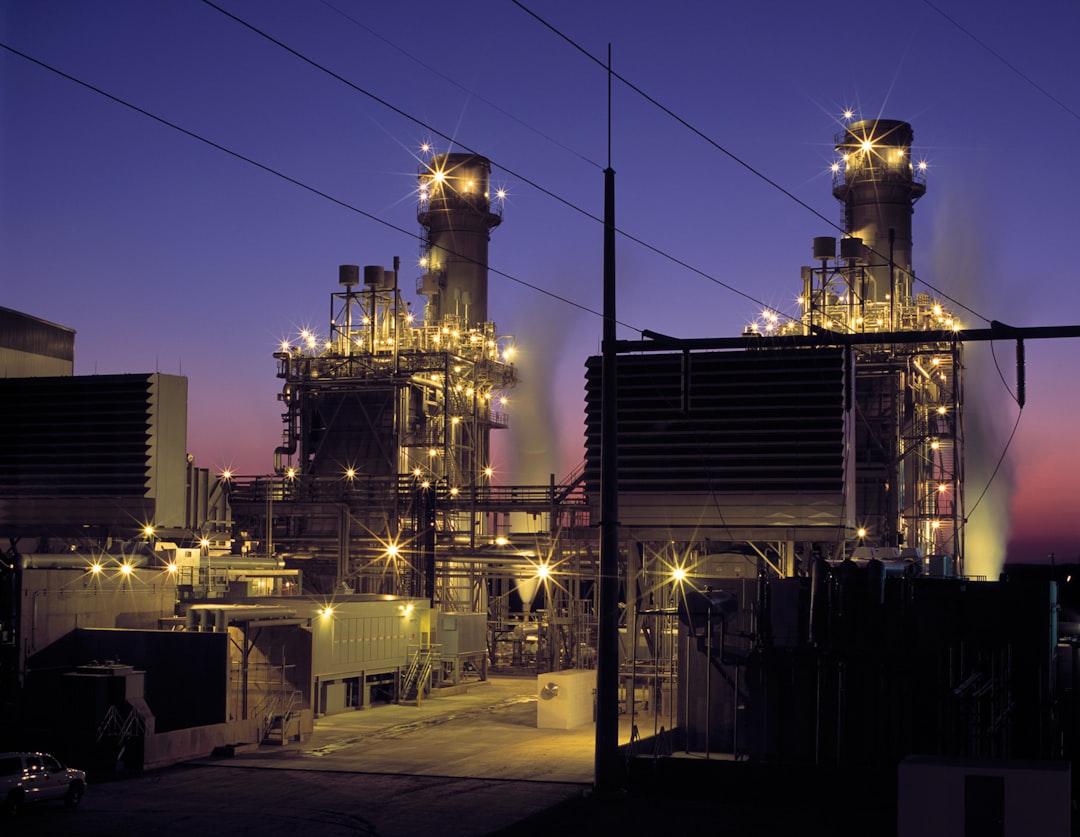
A 20-year power deal puts energy — not land — at the center of the data-center trade.

ERCOT's “Batch Zero” sorts 226 GW of large-load requests against a 92 GW grid.
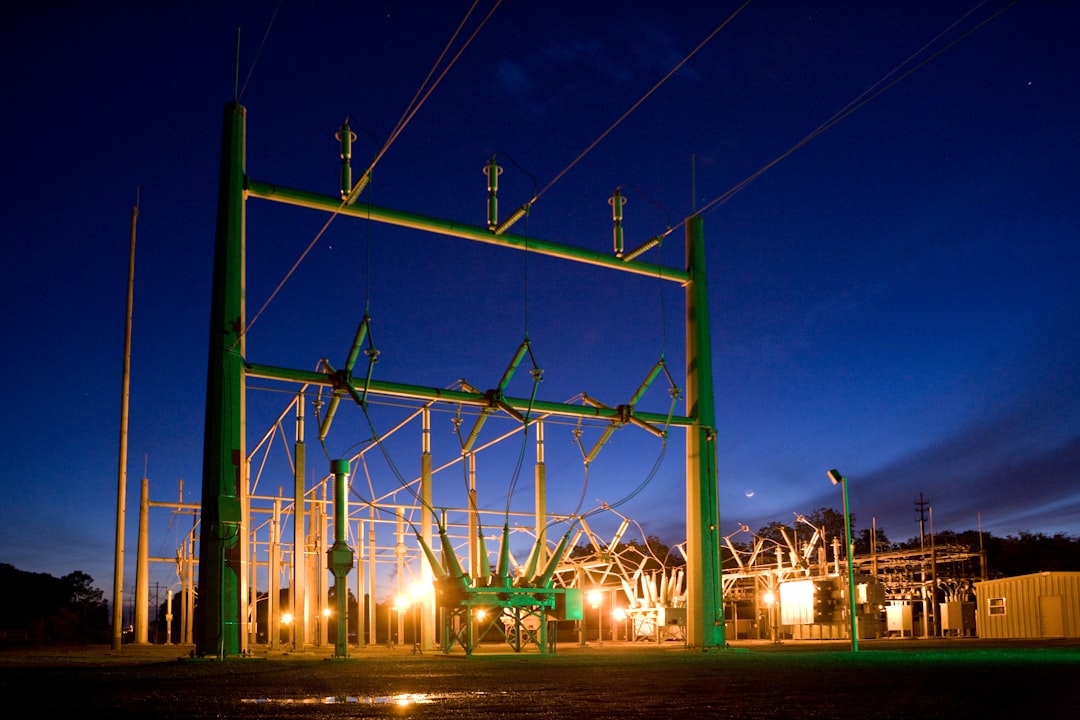
Crusoe touts ~5GW of contracts but pauses a 1.8GW Wyoming campus, as the grid — not tenants — sets the ceiling.
Data-center-linked tenants signed 27% of all new manufacturing-space leases in Q1 — industrial absorption is now a derivative of AI capex.

The largest alternative manager is packaging stabilized hyperscale data centers into a public REIT — turning AI infrastructure into a tradable asset class.
Virginia's appellate ruling reset the entitlement risk floor for every hyperscale developer in America.

Why data center projects stall after securing power—and how timing, deliverability, and electrical coordination quietly kill otherwise approved developments.

Regulators reject rehearing requests, backing negotiated utility contract for large data-center load with safeguards against ratepayer risk.

Institutional capital quietly pivots into private credit as banks retreat, signaling where CRE financing power is shifting next.

Data center demand floods ERCOT queues, forcing new interconnection rules that reshape timelines, costs, and execution risk for developers nationwide

Cloud and AI tools target forecasting accuracy and grid reliability

Cloud and AI tools target forecasting accuracy and grid reliability

A five-year plan targets 1GW of self-generated power for hyperscale expansion.

Interconnection sequencing overtakes construction as the real schedule driver
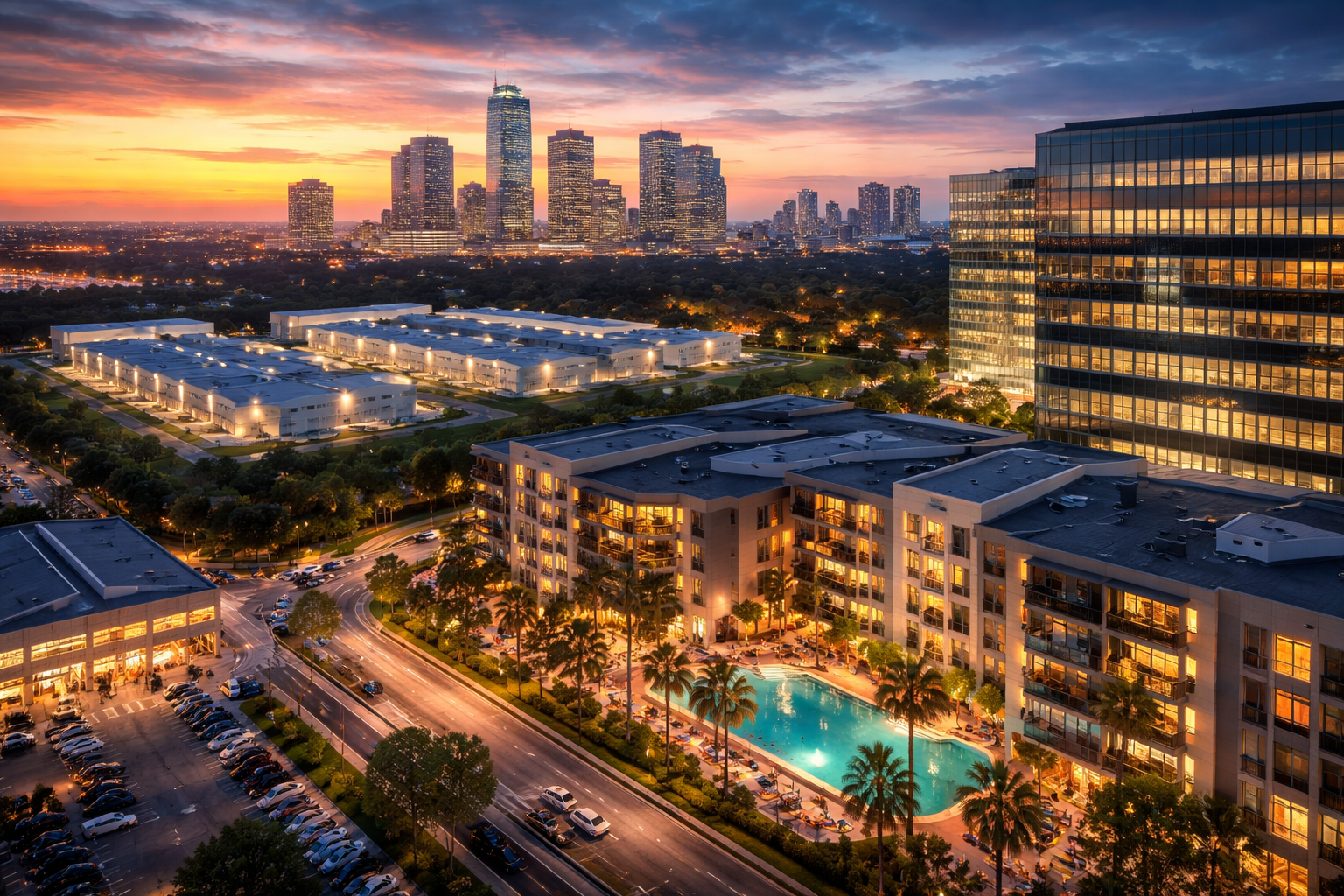
Redevelopment of Potomac Overlook promises 1,775 homes, 200-room hotel, and expanded public green spaces, reshaping the local urban landscape.

Power access now dictates site value, delivery timelines, and deal viability
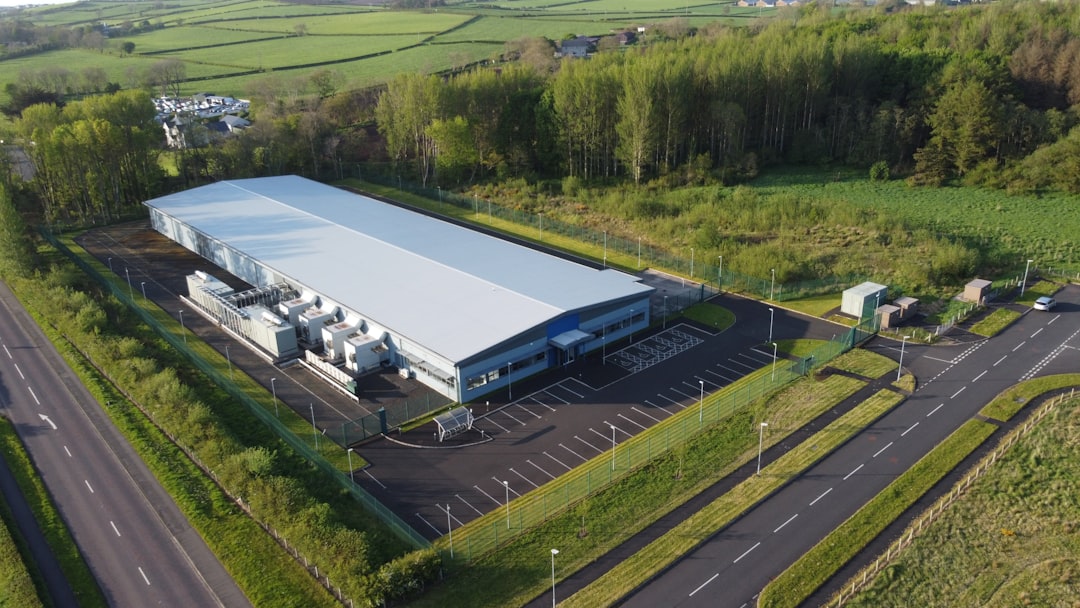
Skanska and FlatironDragados JV expands airfield and terminal roadway upgrades, signaling new approaches to long-term infrastructure execution.
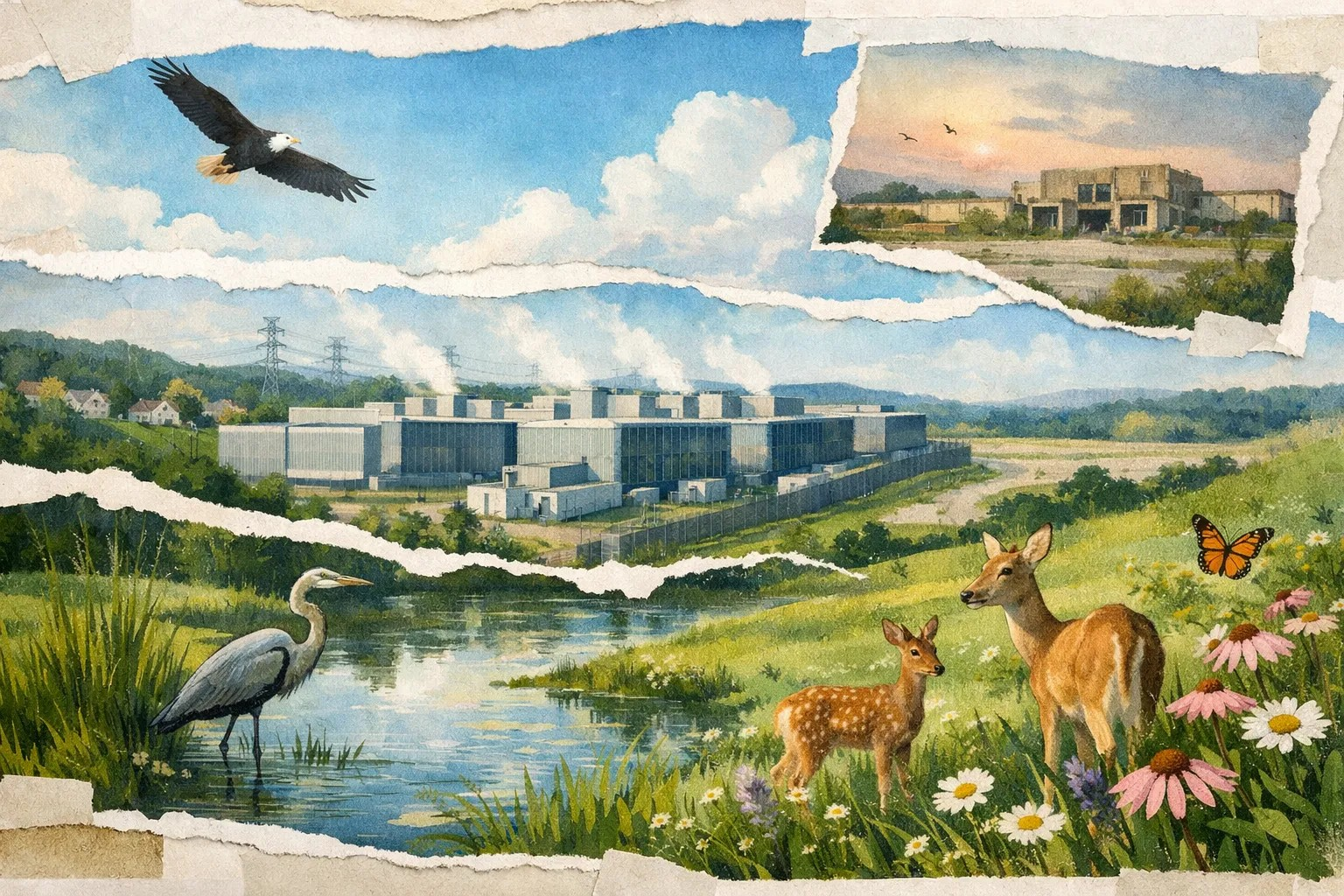
A zoning fight reshapes how infrastructure, equity, and growth collide
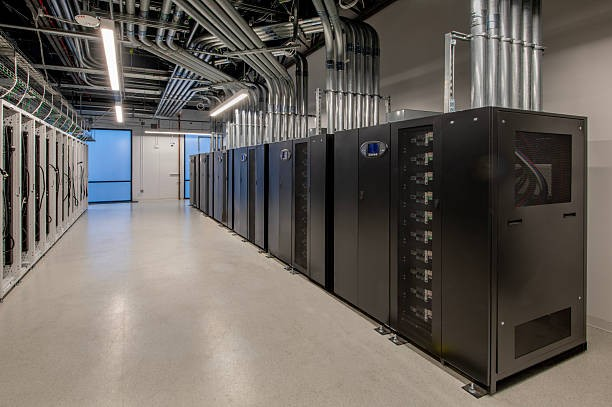
Explosive compute demand is pressuring grids, accelerating storage, microgrids, and reform.
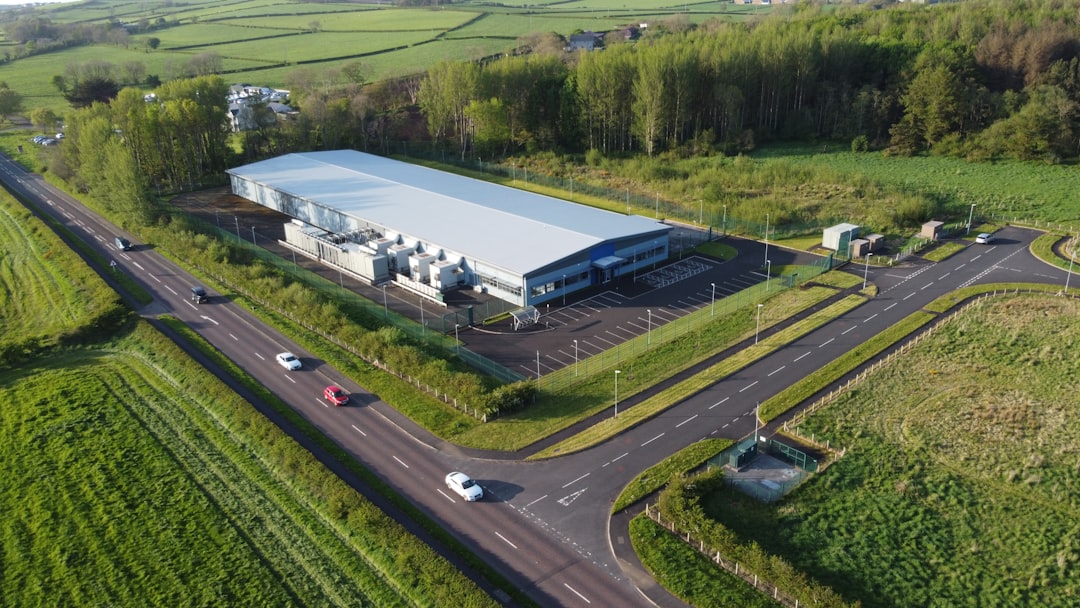
Fluctuations in advertised rents and leasing activity are challenging long-held assumptions about rental resilience.

On-site gas turbines emerge as fastest path to power AI infrastructure.
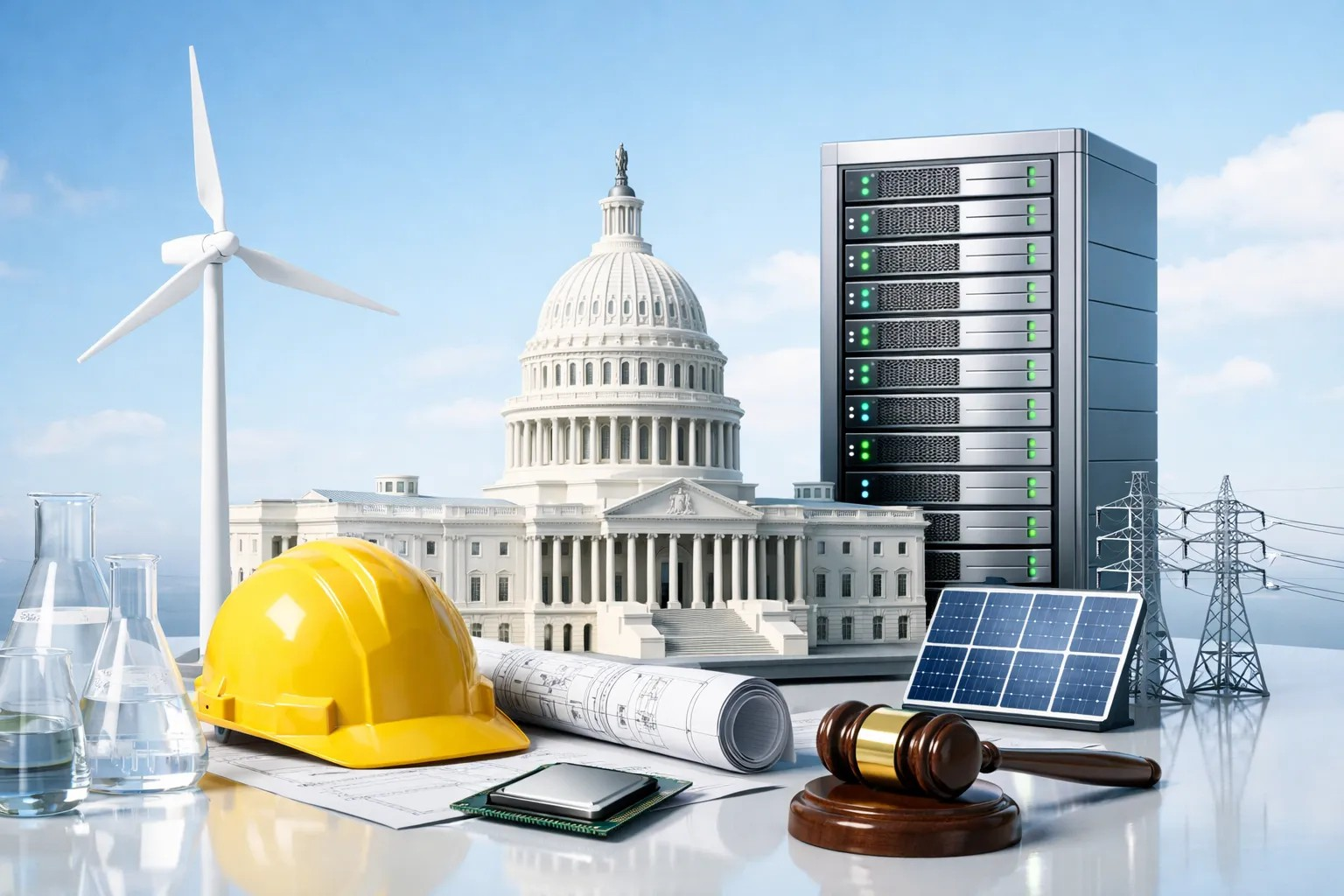
House-passed SPEED Act targets NEPA timelines, litigation risk, and review scope to accelerate U.S. infrastructure approvals.
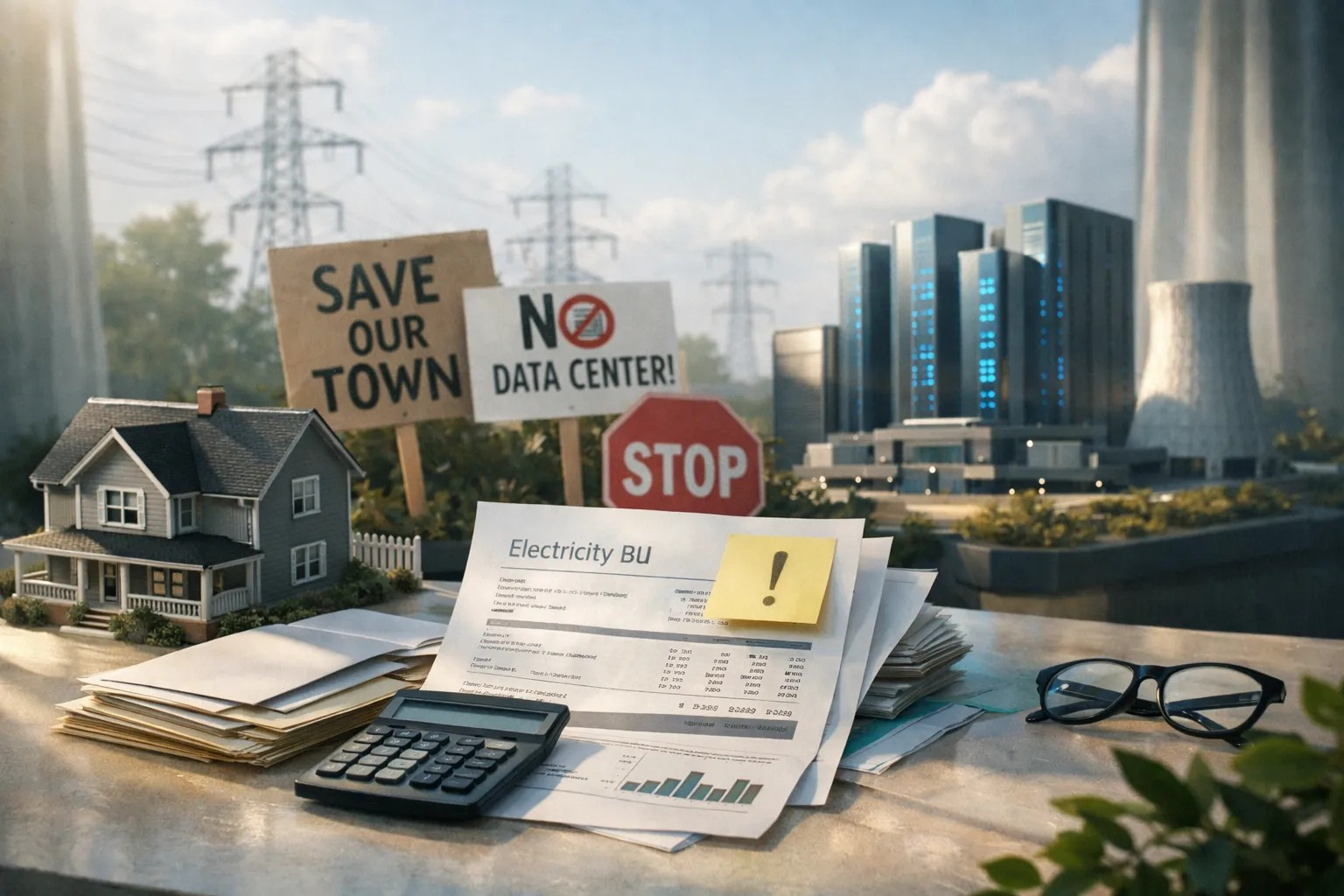
Power, water, and governance risks collide as hyperscale development accelerates.

Alphabet’s agreement to acquire Intersect Power marks a structural shift in how hyperscalers think about data center growth.
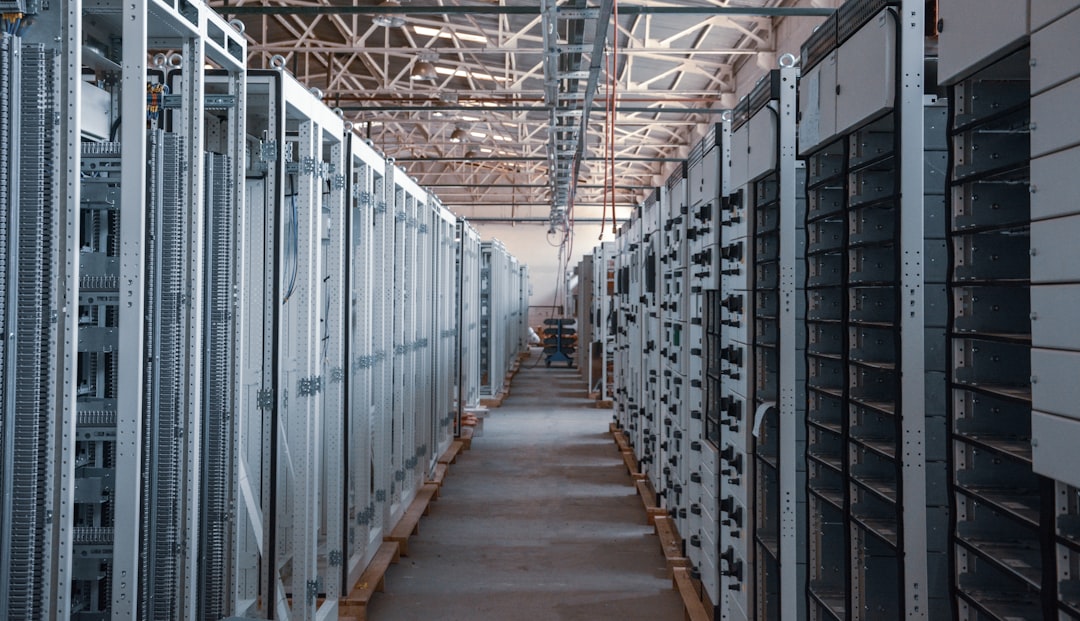
Major capital commitments and engineering partnerships reflect evolving priorities in next-generation facility creation.

Midwest emerges as a critical AI infrastructure hub through a $15B hyperscale data center investment.
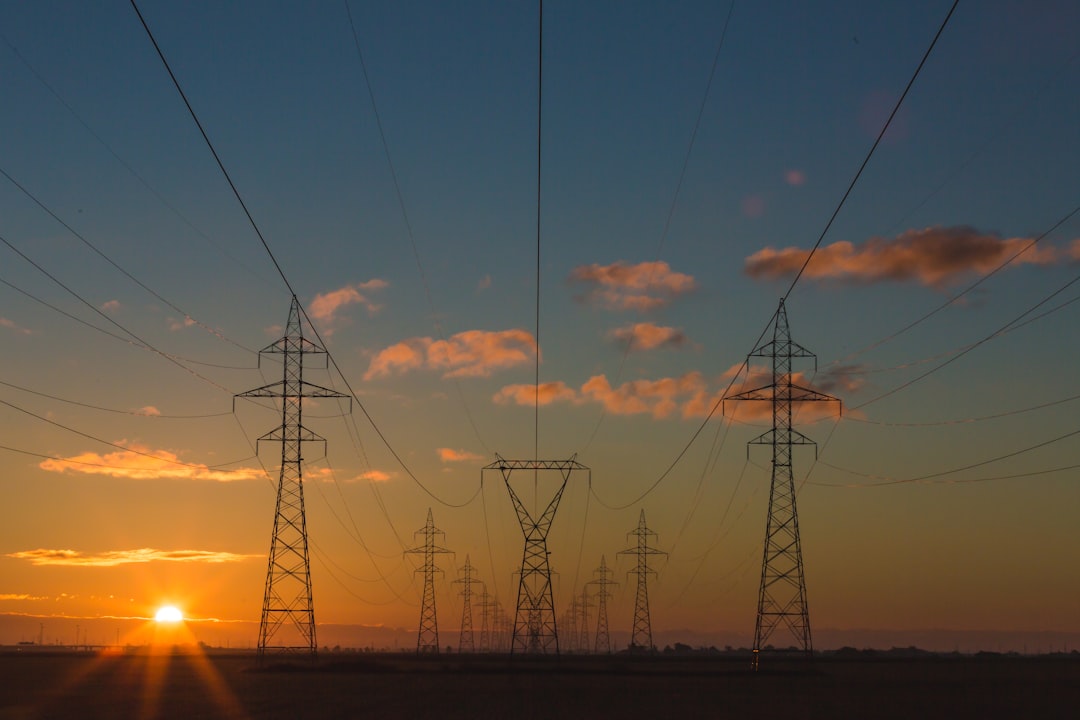
PJM weighs new rules as demand outpaces generation.

Kansas City, MO and Palm Beach County, FL are early signals of a broader national recalibration in how data centers are regulated, approved, and perceived.
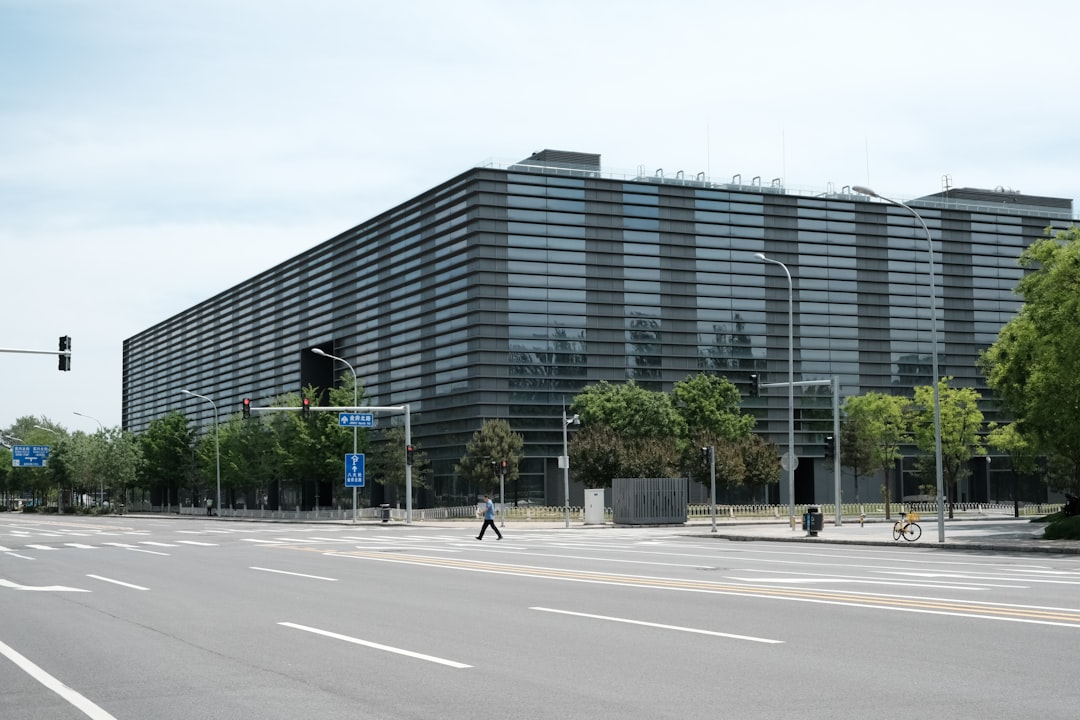
A major syndicate financing confirms AI data centers are now underwritten like long-horizon, utility-adjacent real estate—not speculative tech builds.
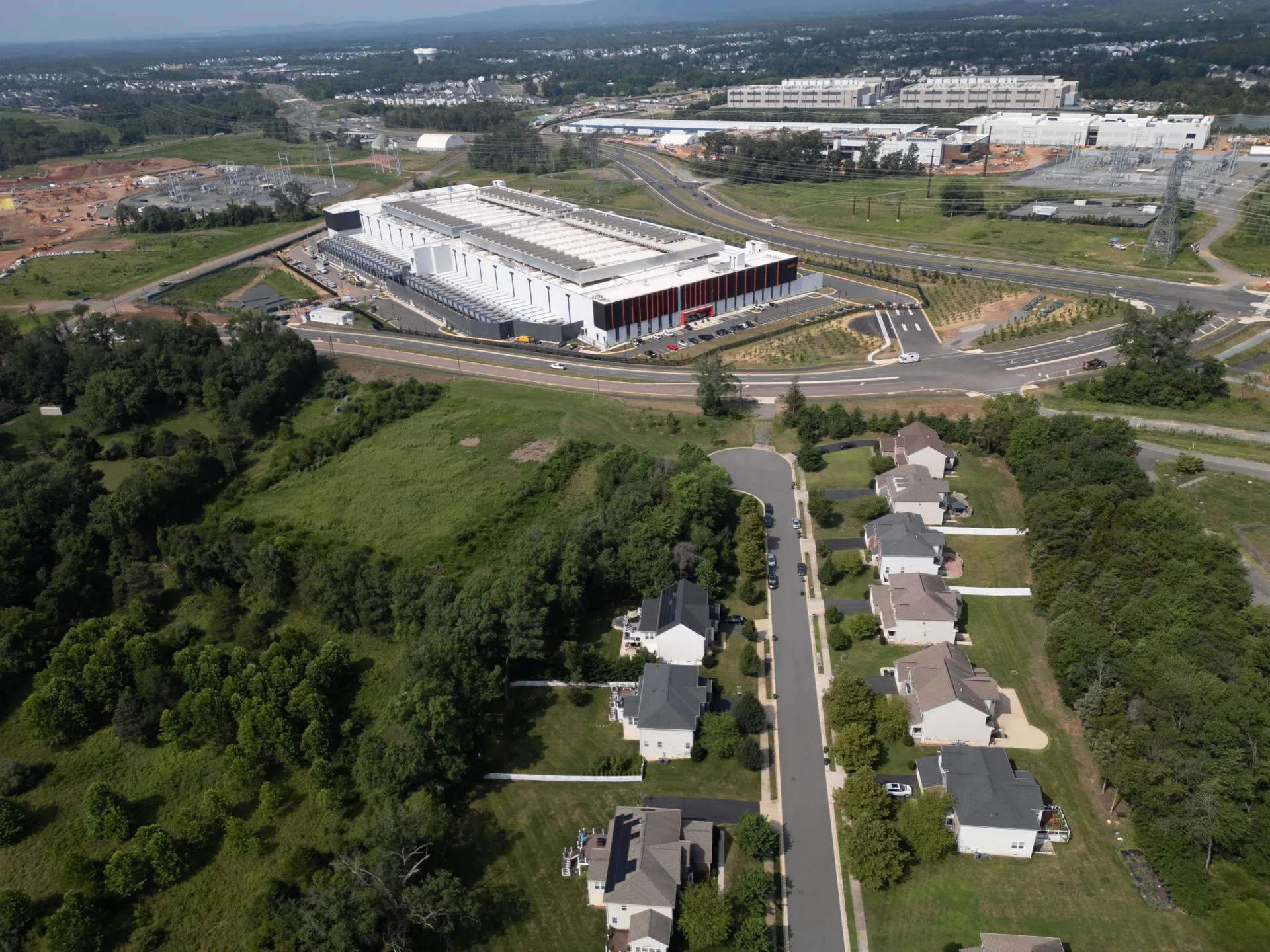
Despite regulatory pressure and power scarcity, major players are locking in long-duration compute projects through the 2030s.

Utilities’ data-center load projections face rising skepticism, with regulators warning that inflated demand assumptions could trigger unnecessary generation buildouts and higher long-term costs for ratepayers.
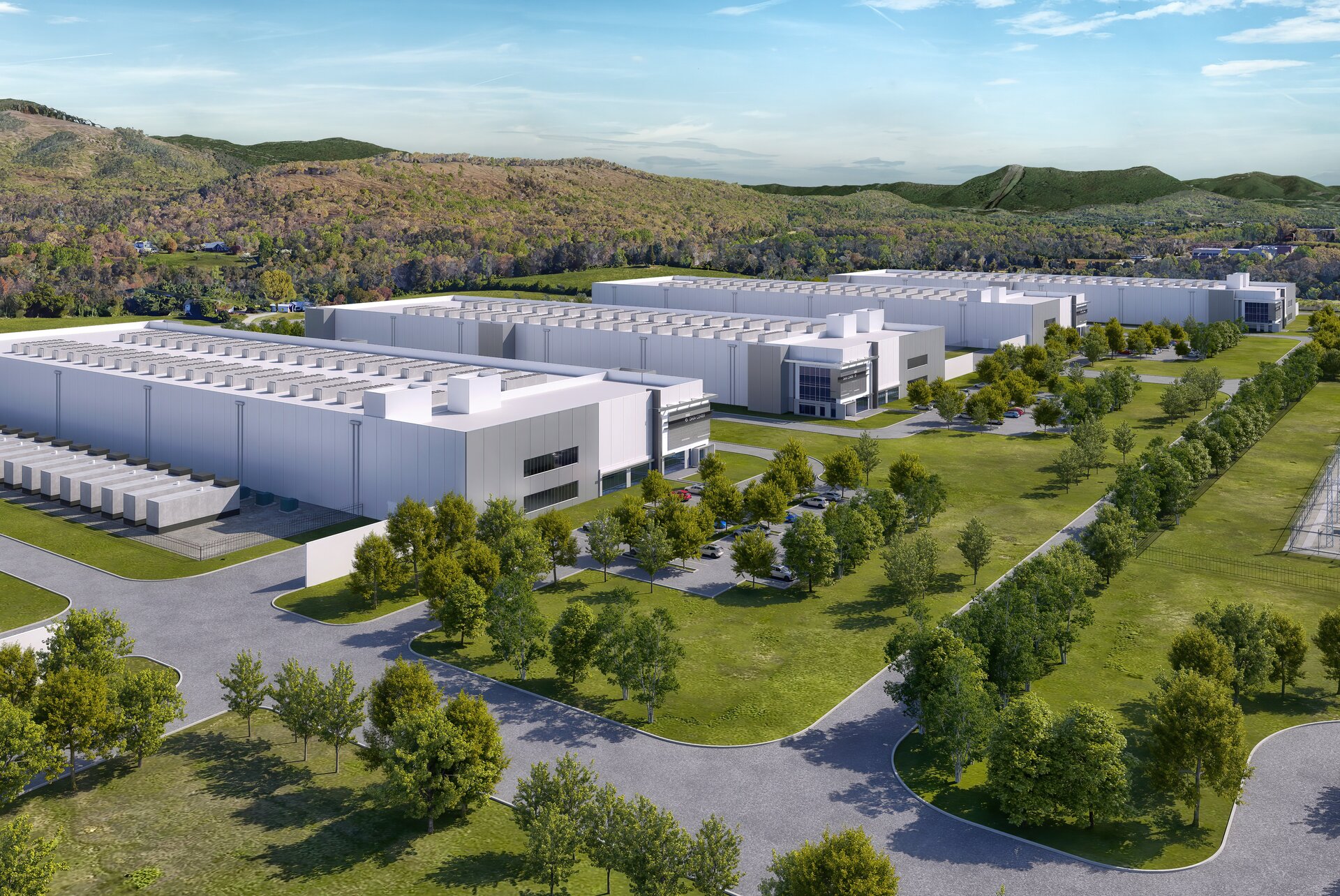
Two signals from the same week show how capital behaves when asset classes mature and how it resists when infrastructure strains.

High-profile mortgage software breach accelerates U.S. data center security spending, reshaping capital flows and vendor diligence across CRE and finance.
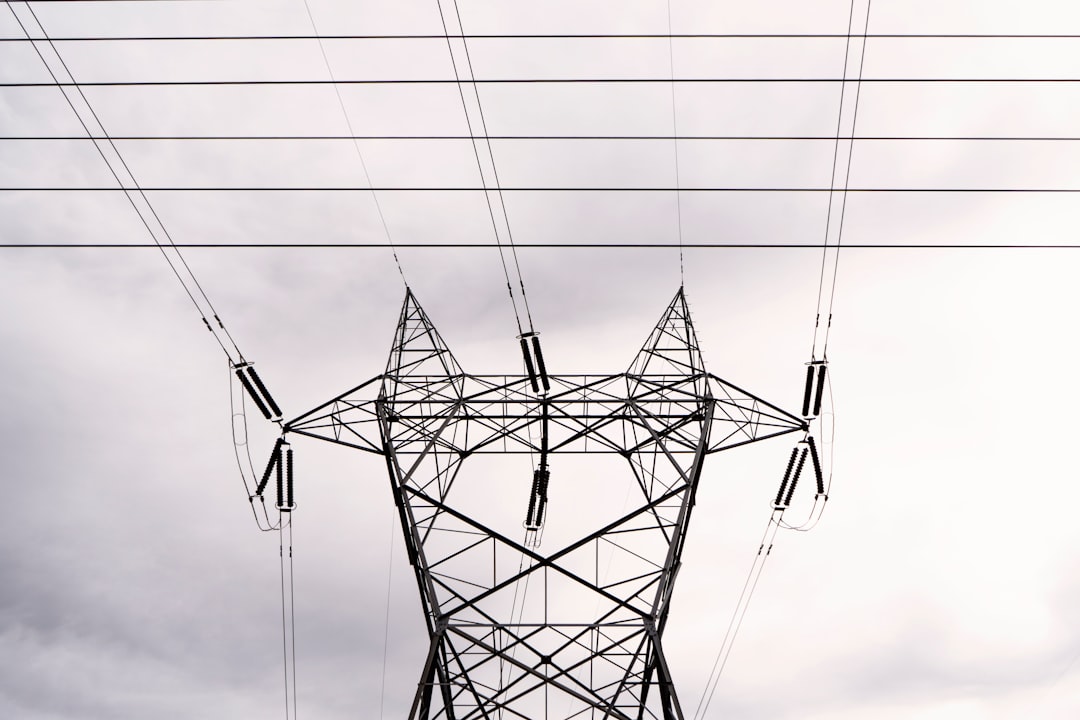
Surge in AI-driven power use leads U.S. data center operators to reconsider crypto mining leases and capital allocation priorities.

Multi-phase Google data center project underscores institutional tech capital’s divergence from traditional CRE development in Central US.
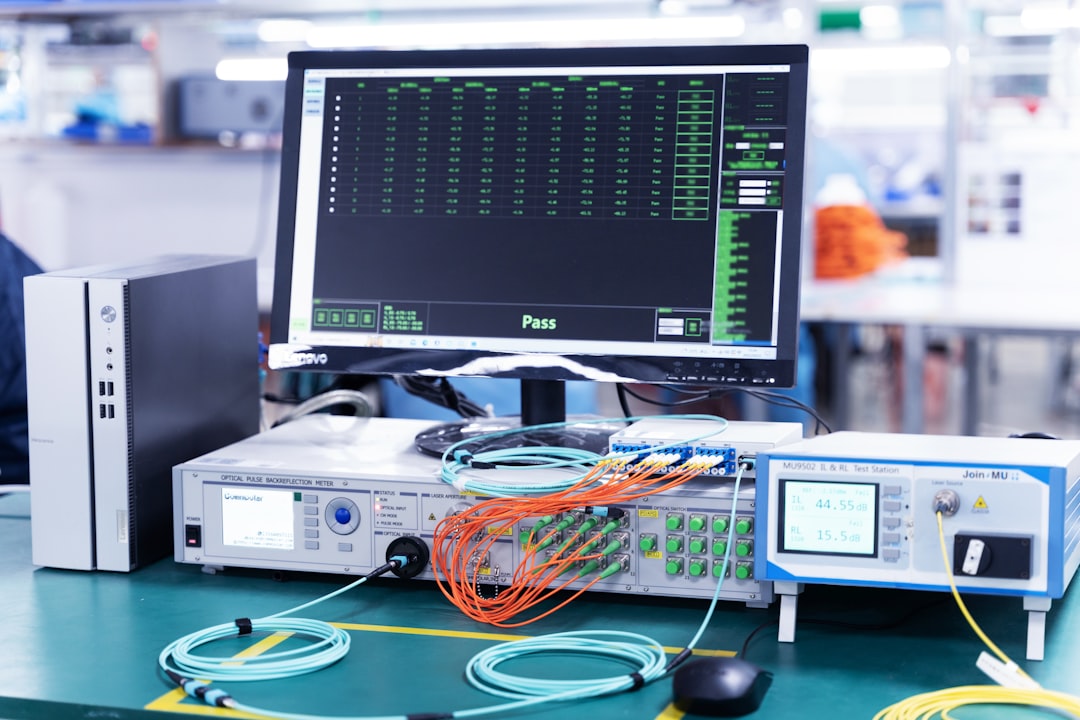
AI-fueled capital surge accelerates institutional data center buildout, alters land, power, and regional pricing dynamics
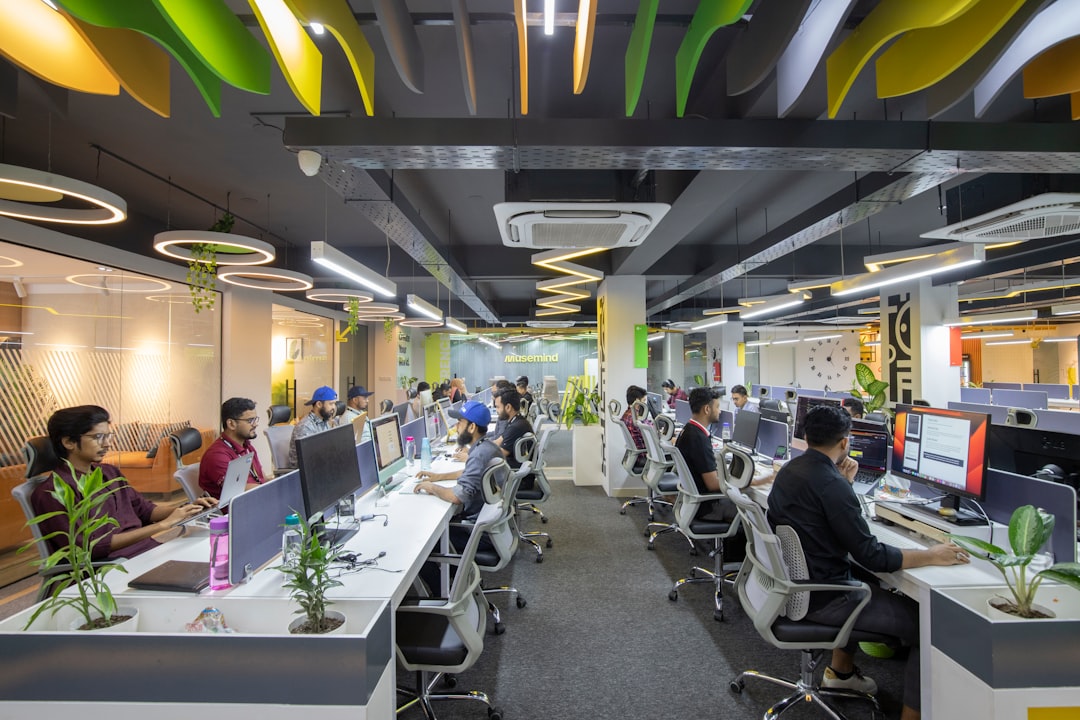
Metro-level absorption and capex outpace national averages; institutional capital active.

Revenue growth contrasts with varied profitability performance.

Institutional capital focuses on hyperscale, while smaller operators see limited activity
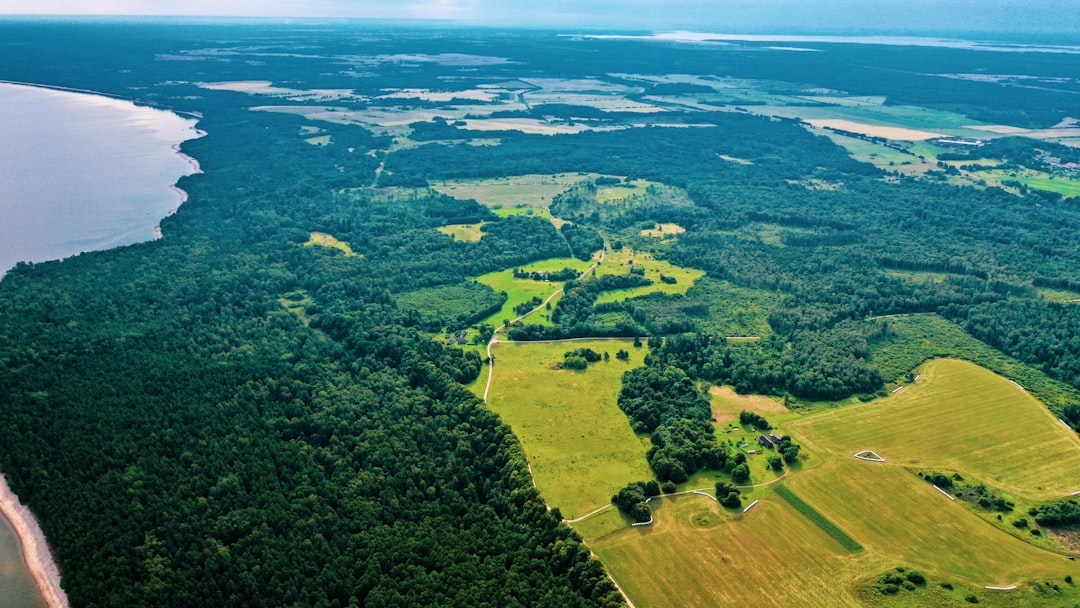
Institutional interest in data centers intensifies as land values soar in Northern Virginia.
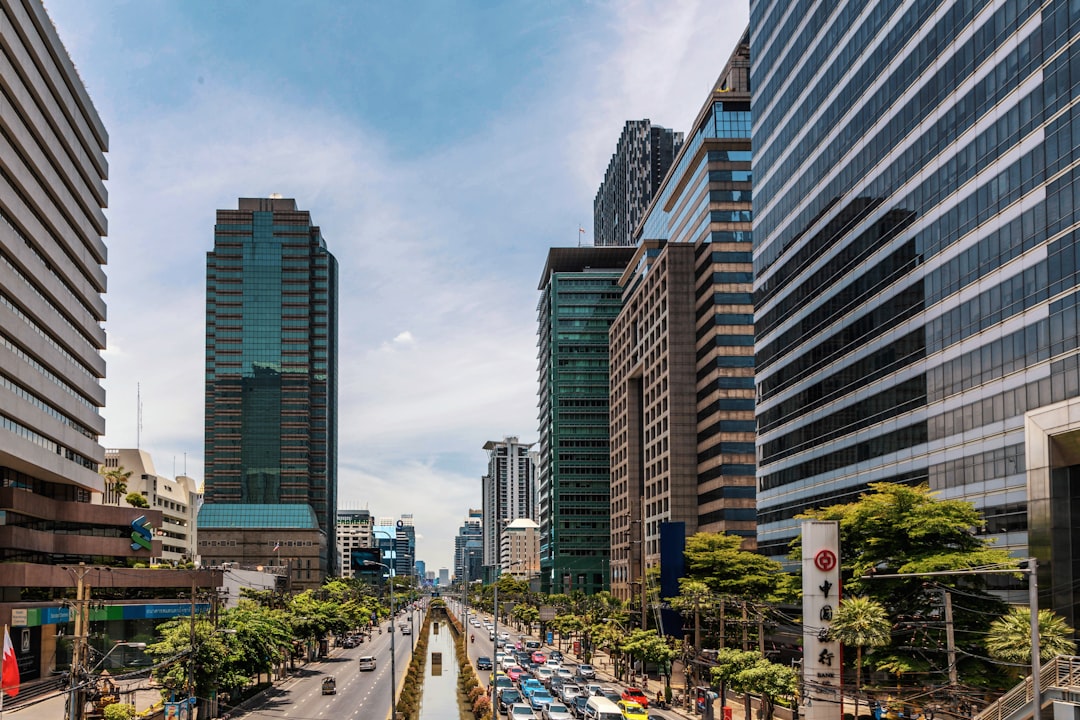
Mixed signals in capital markets highlight diverging asset performance.

Divergence in U.S. commercial real estate transaction volumes indicates sector-specific investment opportunities.

Mixed signals in CRE as data centers and industrial outperform despite overall transaction decline.
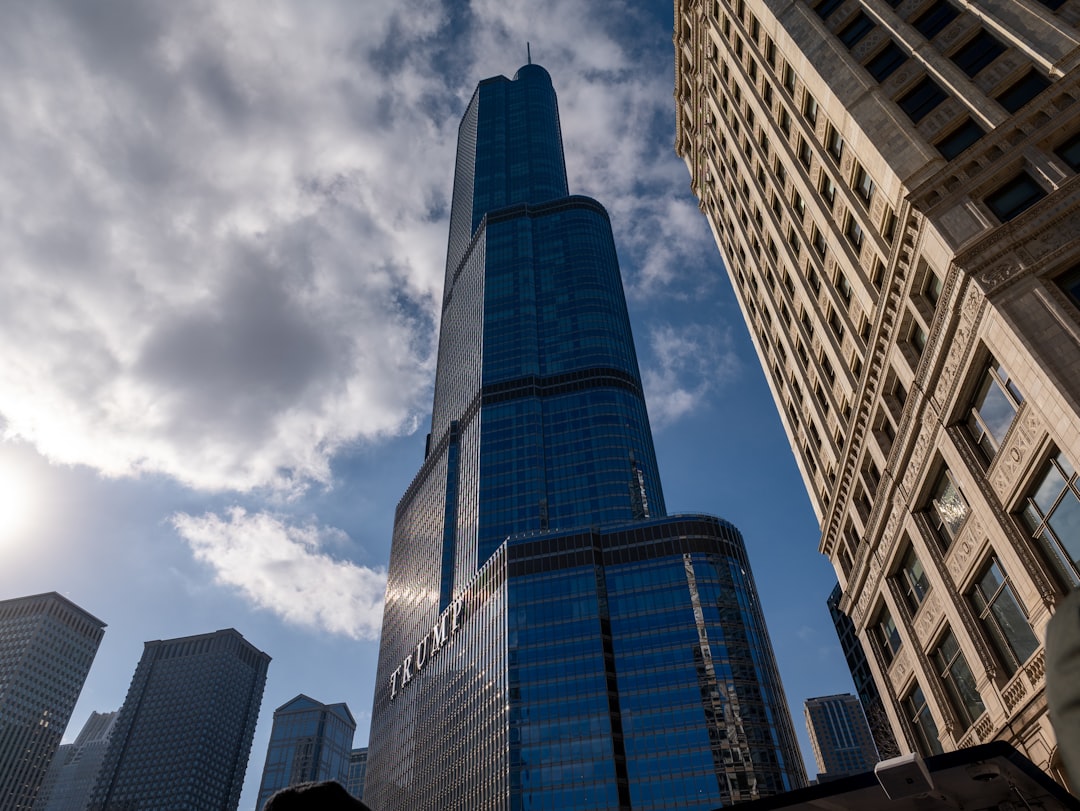
A $12M distressed office became a $40M data hub—proof that power now defines value.

AI infrastructure crosses into institutional-grade real estate finance.
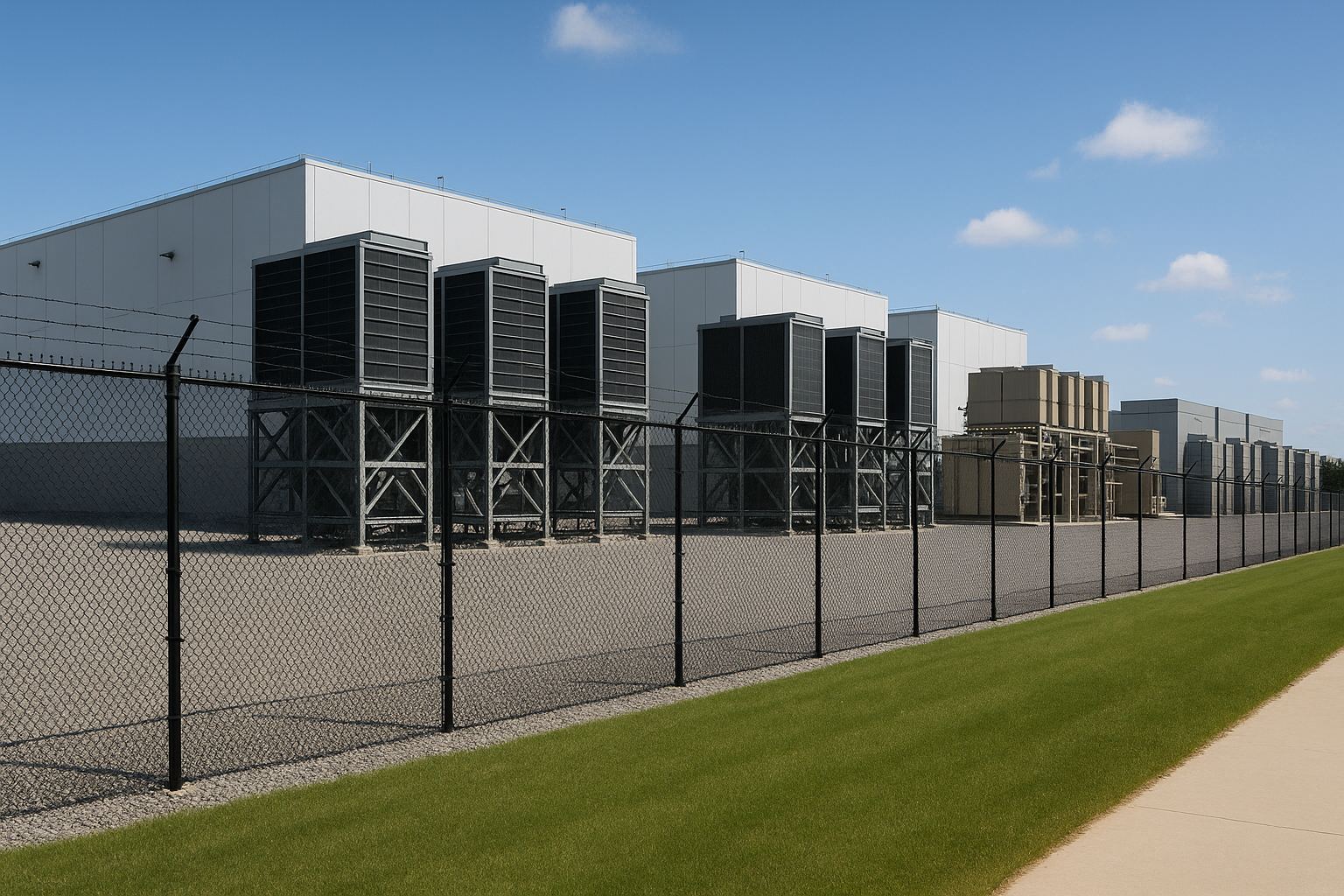
Energy-ready land emerges as a new real estate asset class amid AI-driven power demand
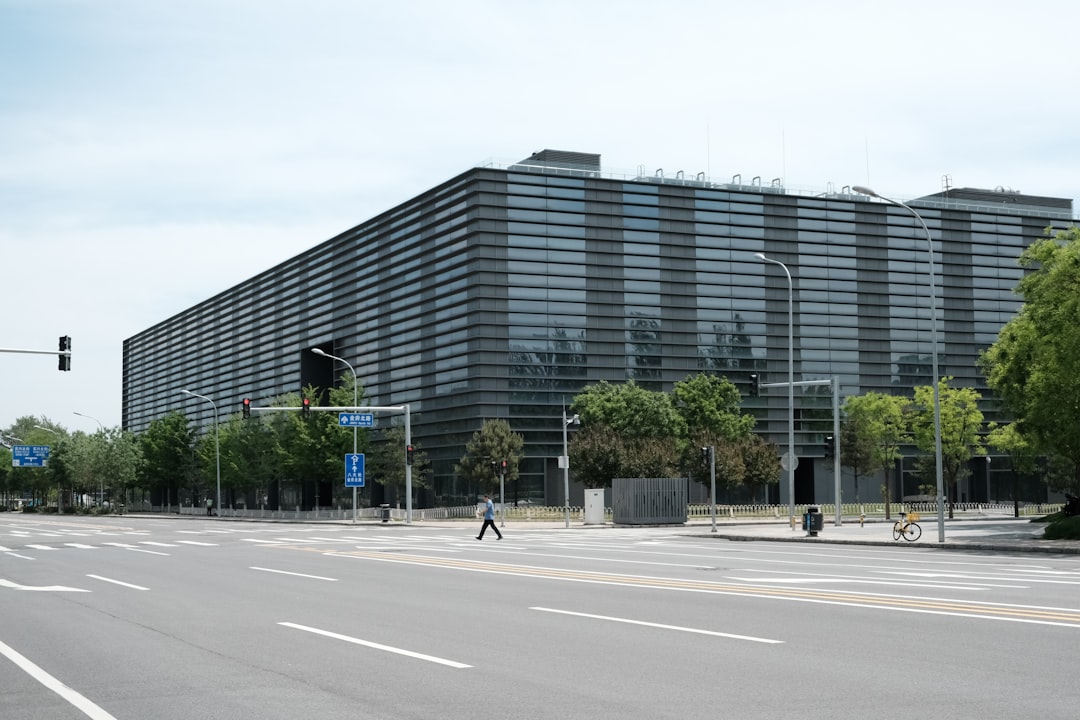
Exploding construction costs force Miami developers to reprice projects, rethink feasibility, and cap leverage.
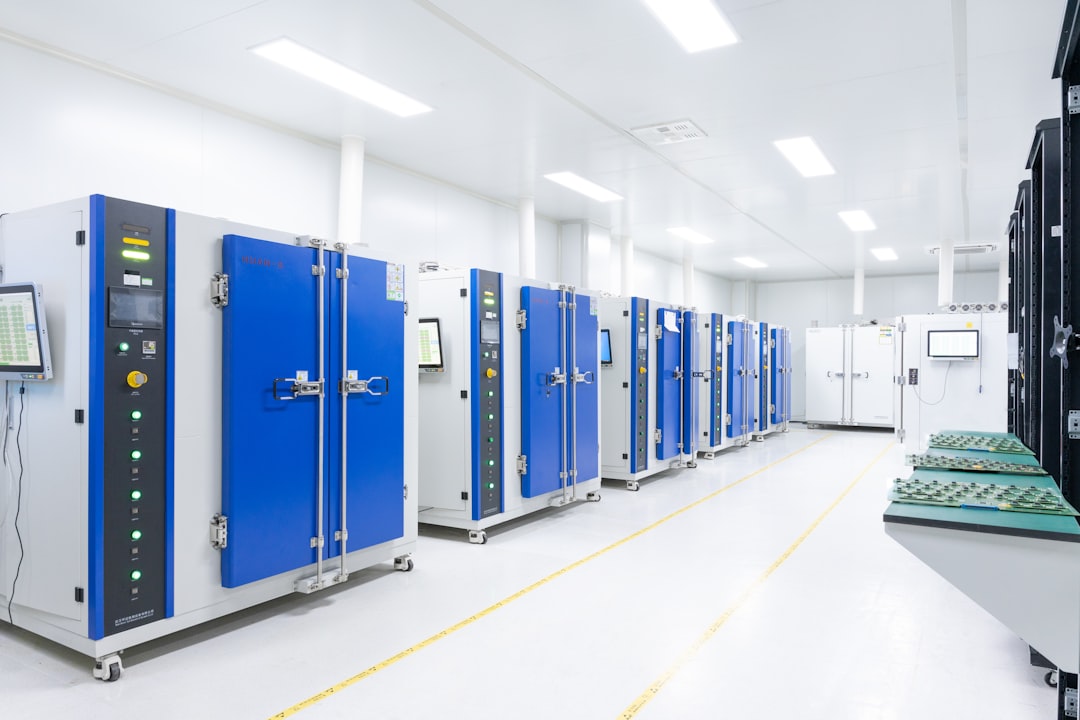
Record IPO capitalizes on AI demand, but execution risks loom over phased Amarillo megacampus build.
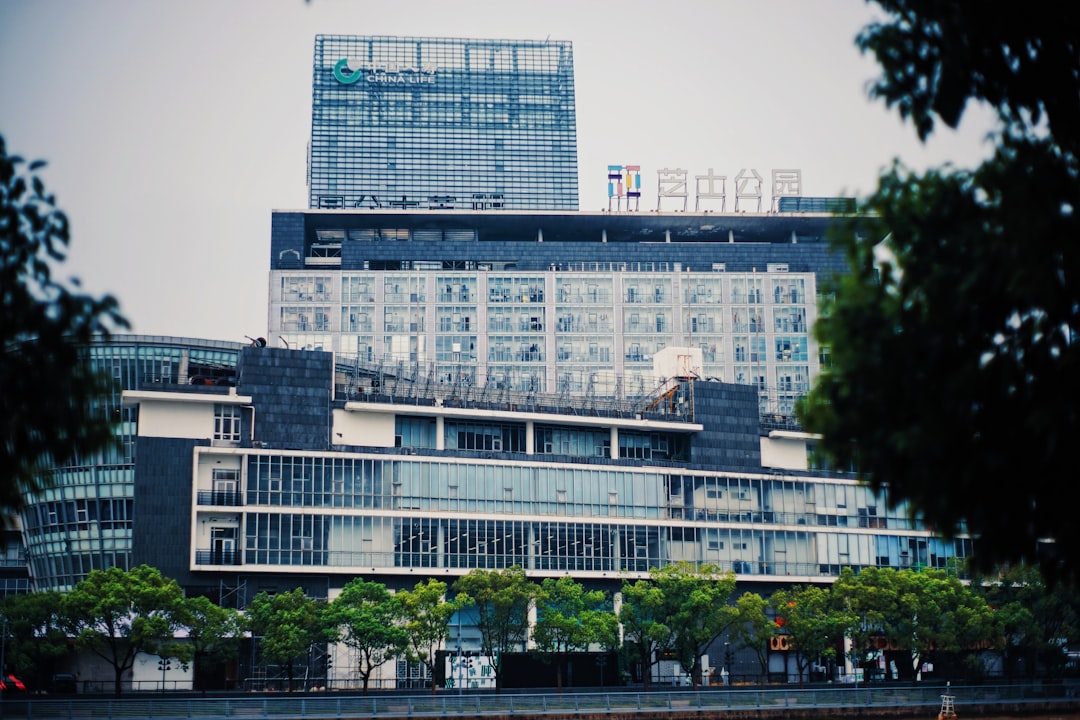
15-year hyperscale lease underpins Keppel’s $555M Inzai acquisition at ~4% yield.
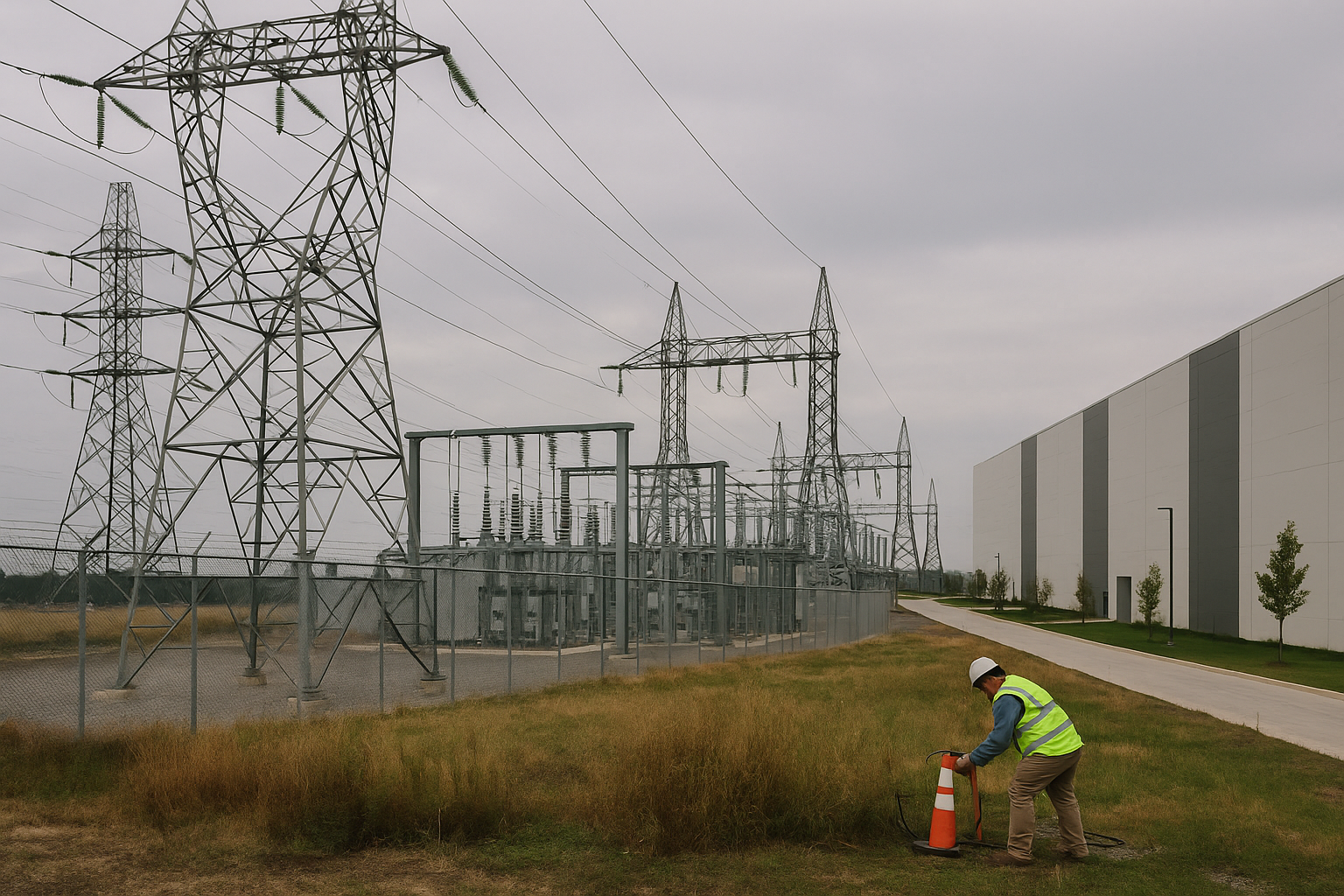
Expansion cements SE Wisconsin as a hyperscale hub, with spillover demand for industrial land, power, and supplier space.
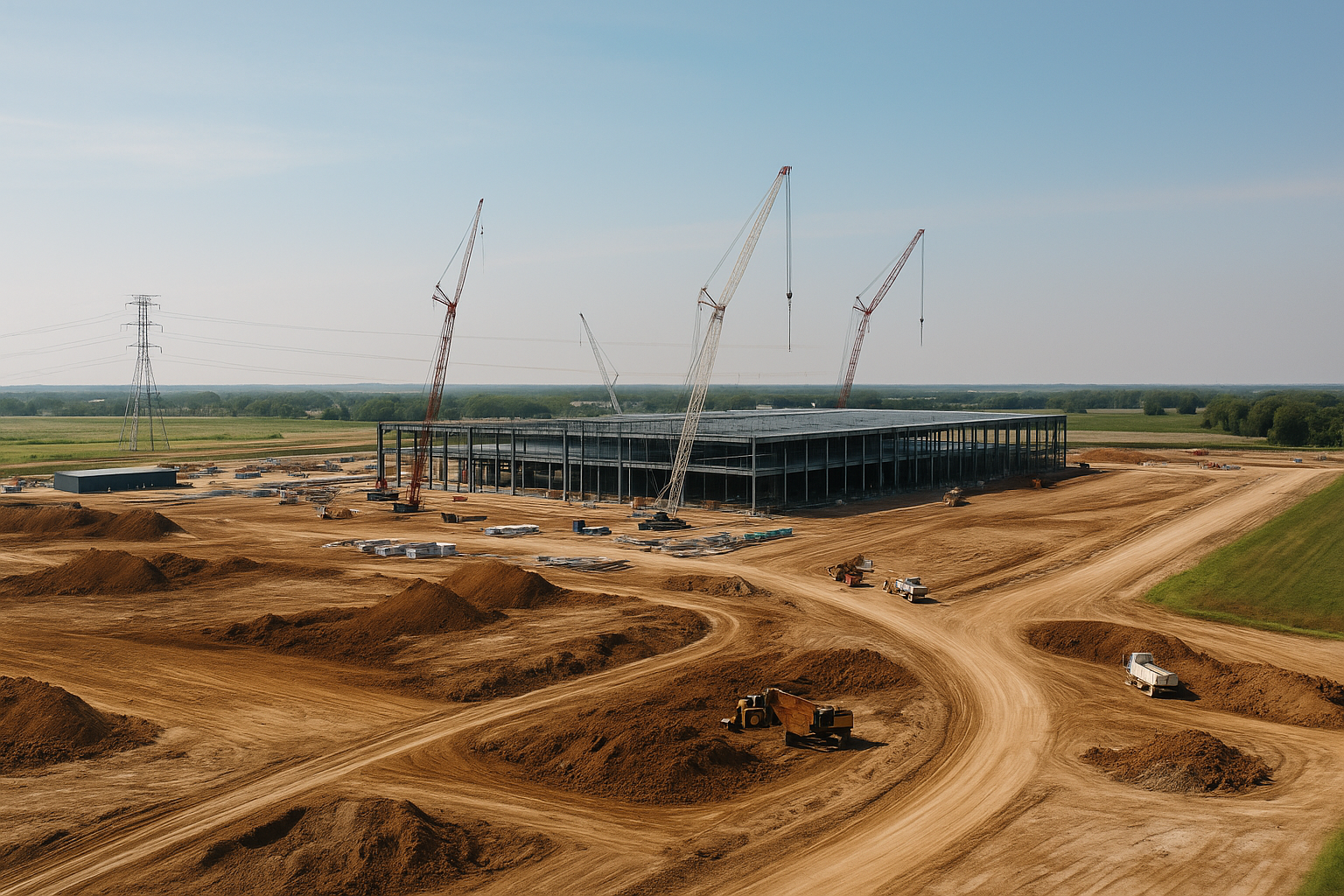
Expansion cements SE Wisconsin as a hyperscale hub, with spillover demand for industrial land, power, and supplier space.
Trusted Daily
40,000+
Daily Subscribers
Brokers, investors, developers, and lenders open CRE 360 Signal™ every morning for the market intelligence that moves their decisions.
Free. Independent. Editorially rigorous.
Follow the Signal
Add your profile URLs from the Editorial Desk → Social links.