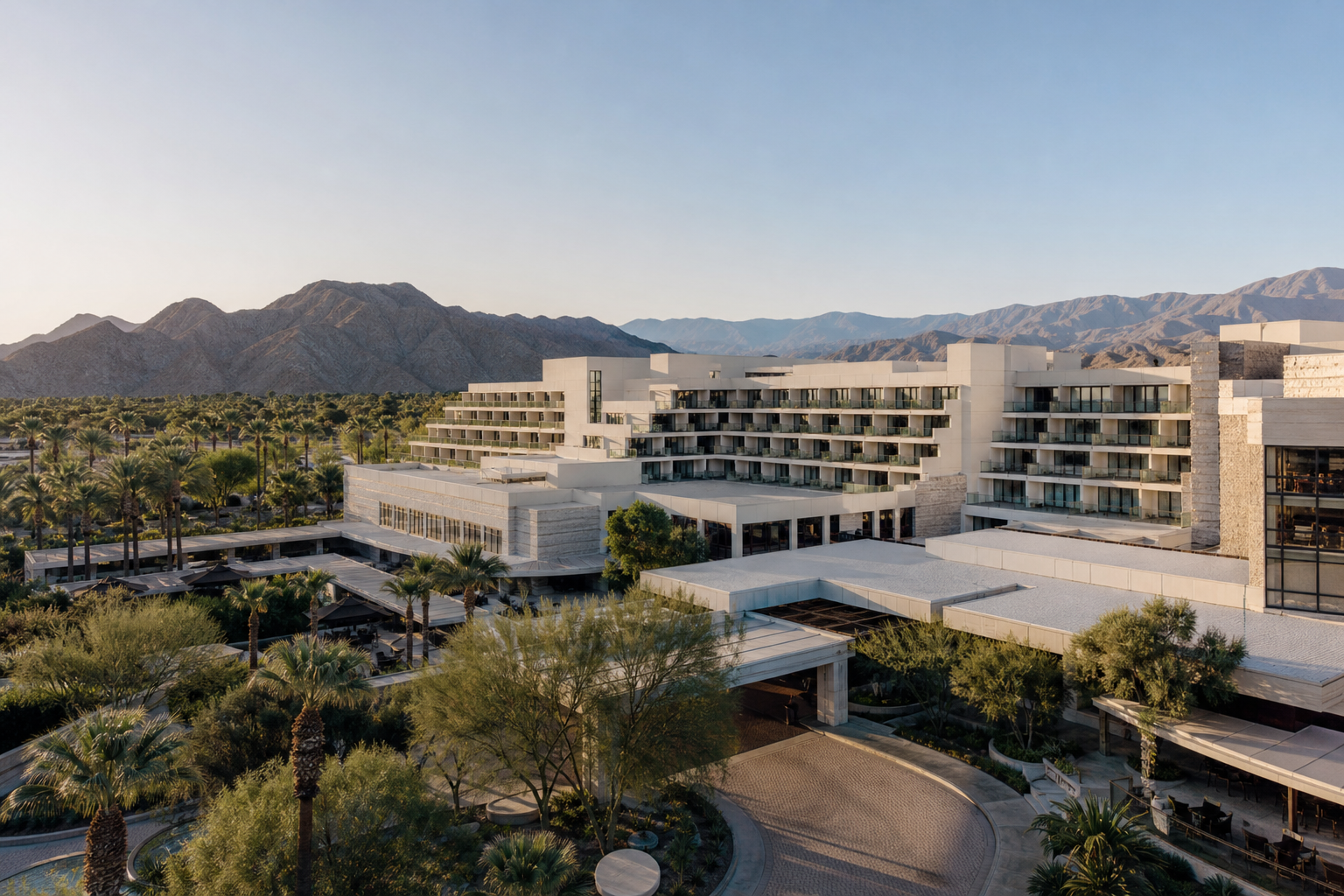
JLL Places $210M Floating SASB On Grand Hyatt Indian Wells
Citi provided a five-year loan on 531 accommodations after a $62M renovation and conversion to the Grand Hyatt flag.
CRE360 Editorial Desk·Oct 16, 2026
Topic archive
CRE 360 Signal briefings
1001 published items
Citi provided a five-year loan on 531 accommodations after a $62M renovation and conversion to the Grand Hyatt flag.
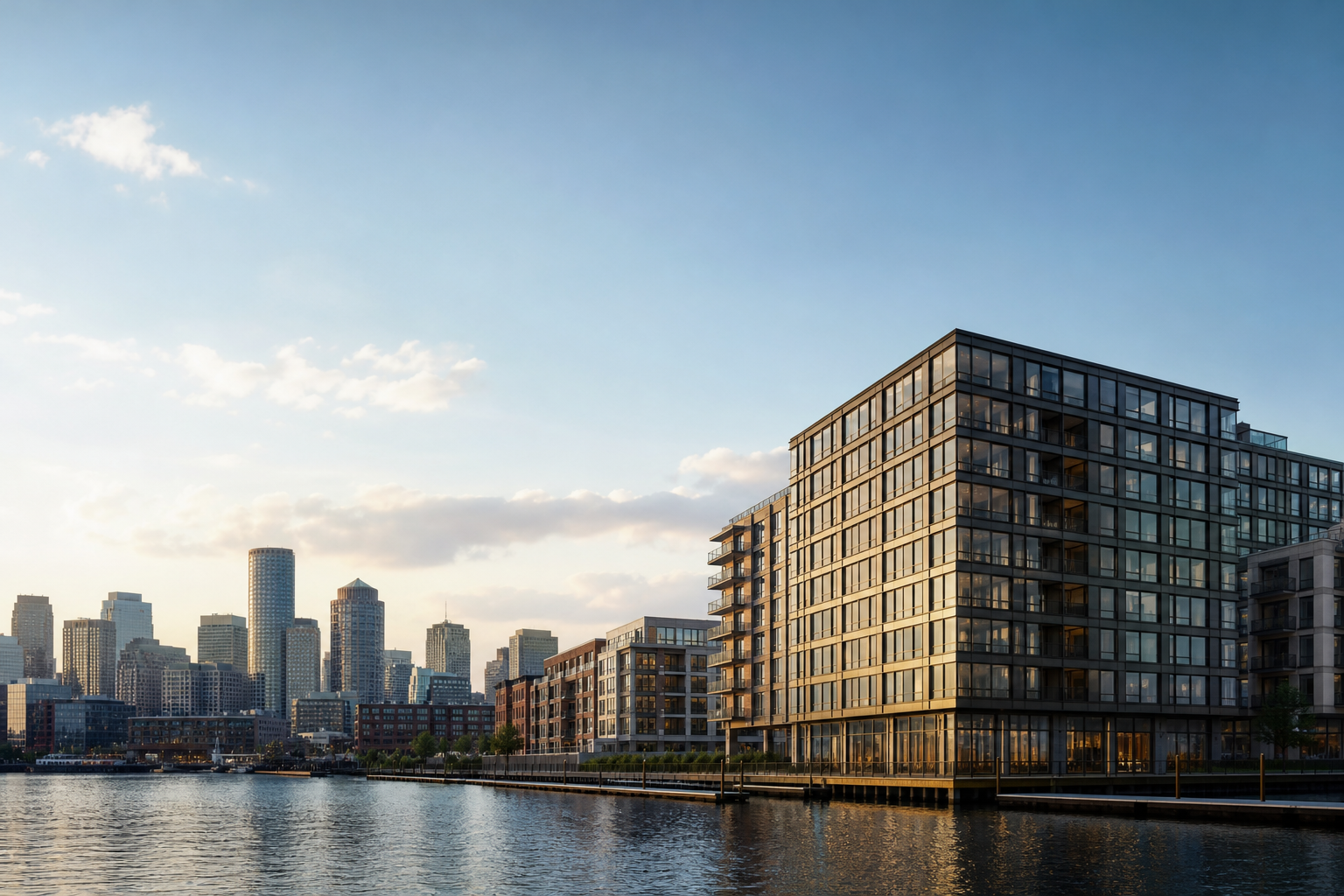
Connect CRE reports board approval; the city’s earlier proposal specified $31.5M in temporary relief and at least 185 affordable homes.
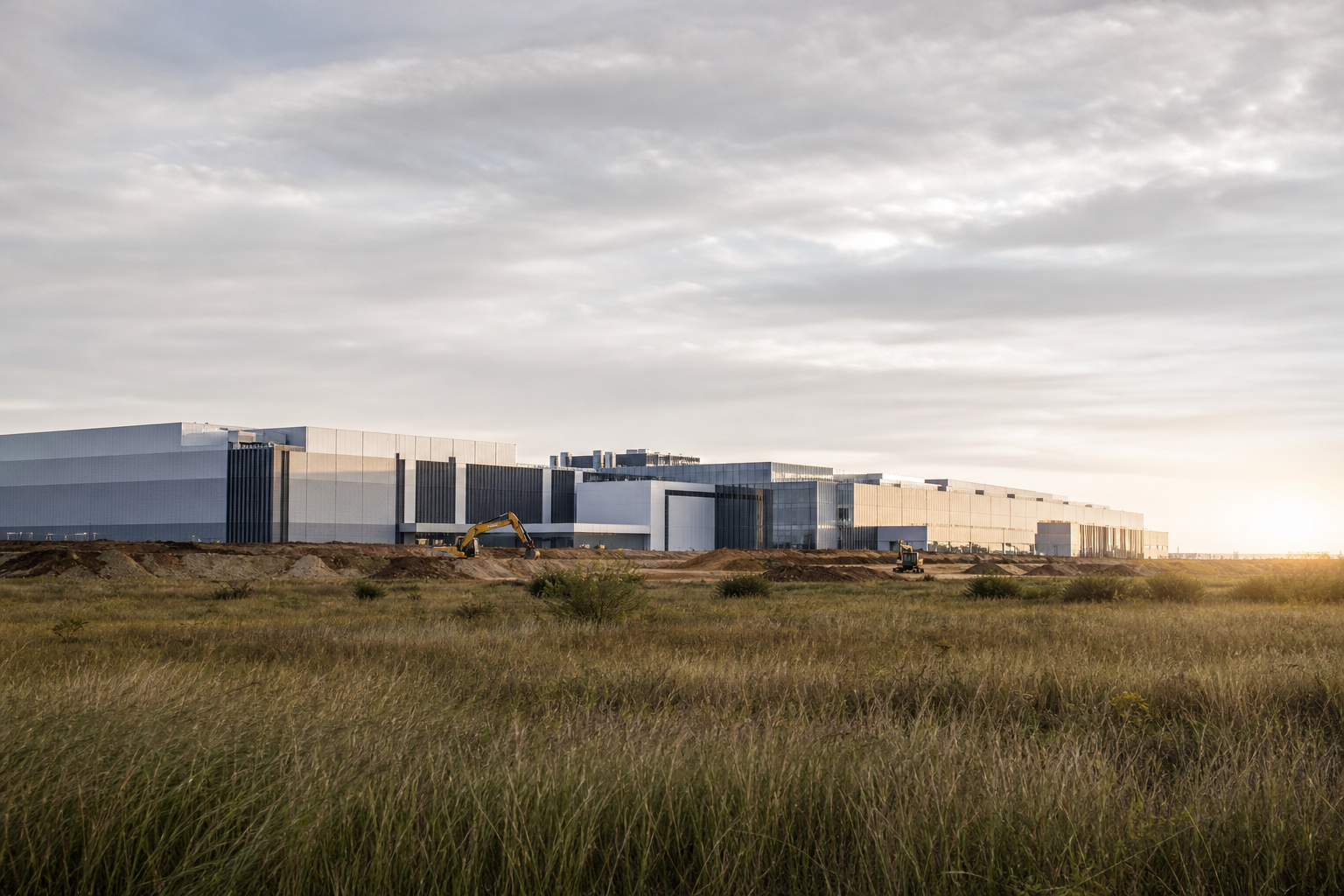
Reported November 2026 groundbreaking would advance a previously announced campus plan; Fab 2 mass production is targeted for 2030.
Trepp's August data show a 7.69% private-label delinquency rate versus 0.80% at Freddie Mac.
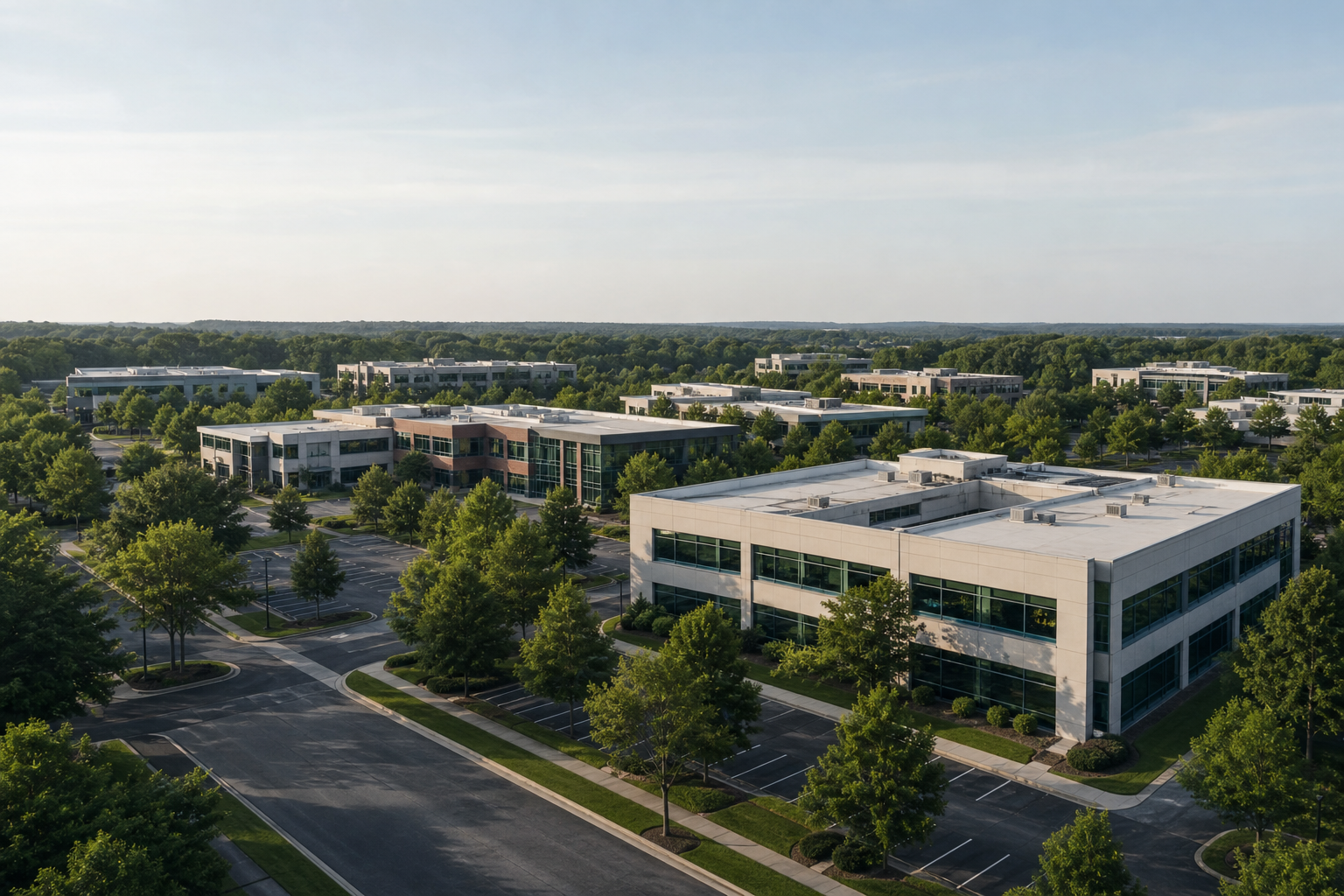
Nine buildings and a vacant parcel at Woodland Business Park; Capital One provided financing.
Hotels, self-storage and a PepsiCo expansion are projected; the repayment source was not reported.
Priced at one-month Term SOFR plus 180 bps; it repays about $267M due in February 2027.

CBRE counts 1M SF absorbed in Q3 while the pipeline grows to 3.48M SF.
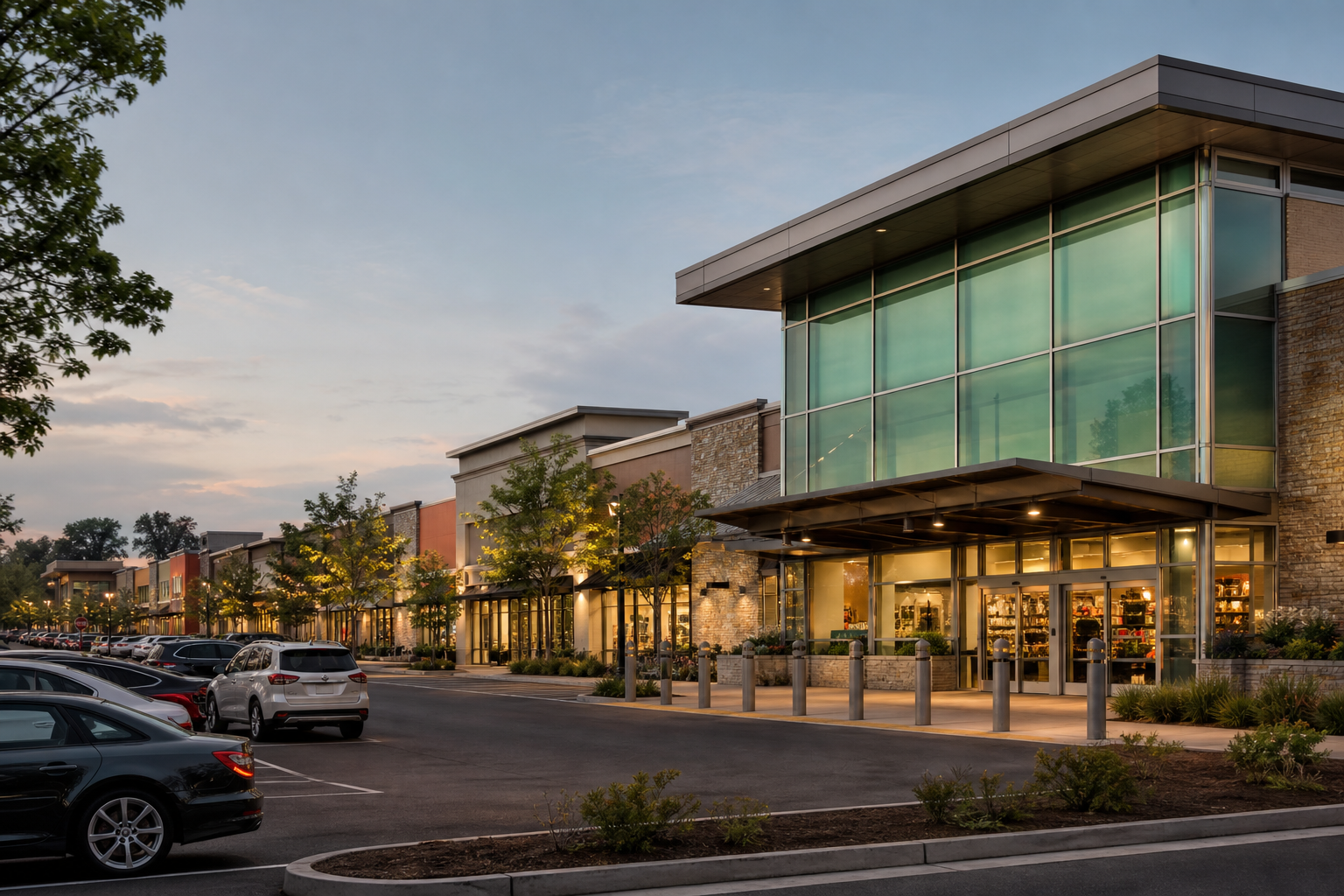
The 92,470 SF center is fully leased, with several shop leases below market; price undisclosed.
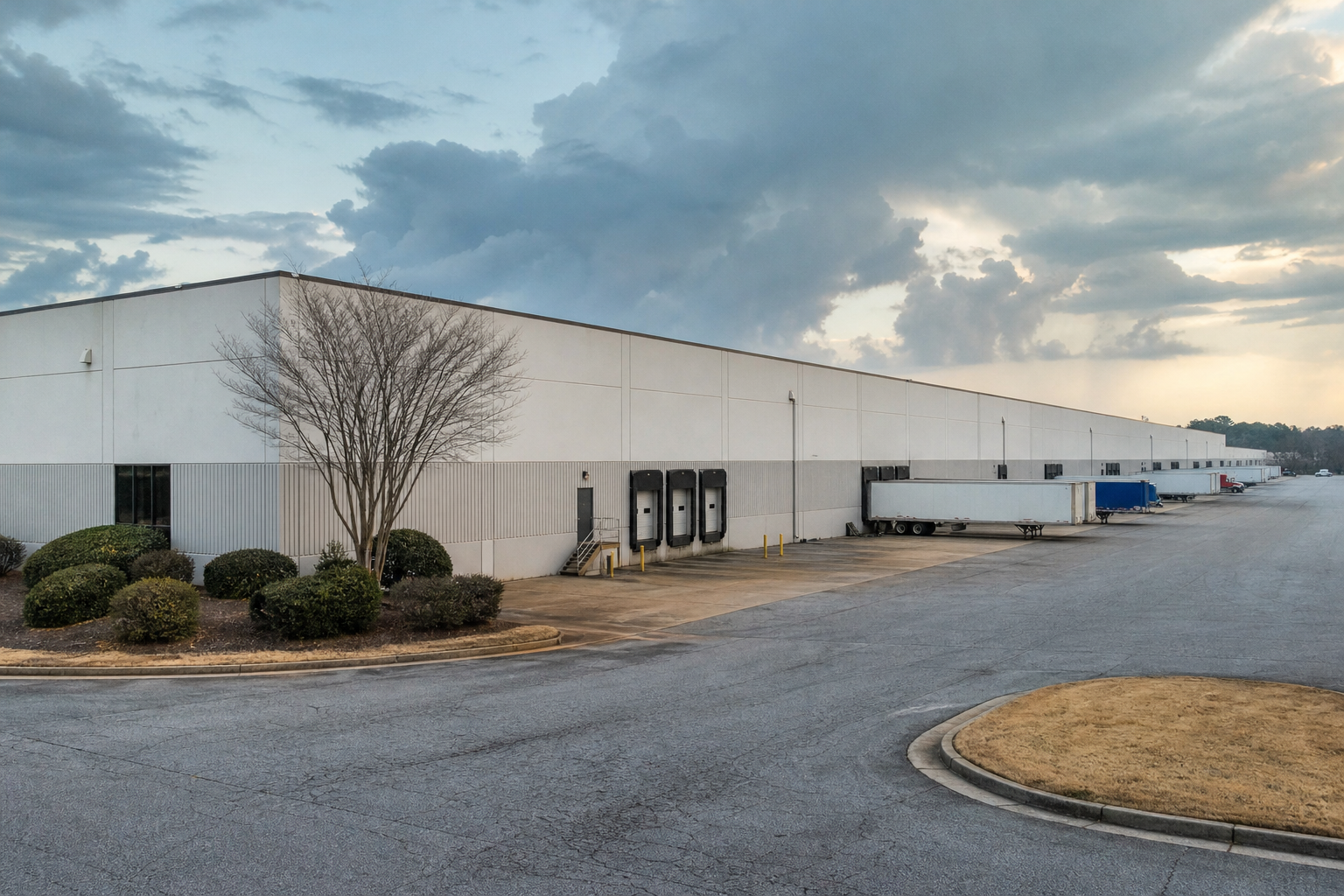
About $212 a SF for a 90%-leased, 1981-82 shallow-bay park; the buyers plan to reposition it.
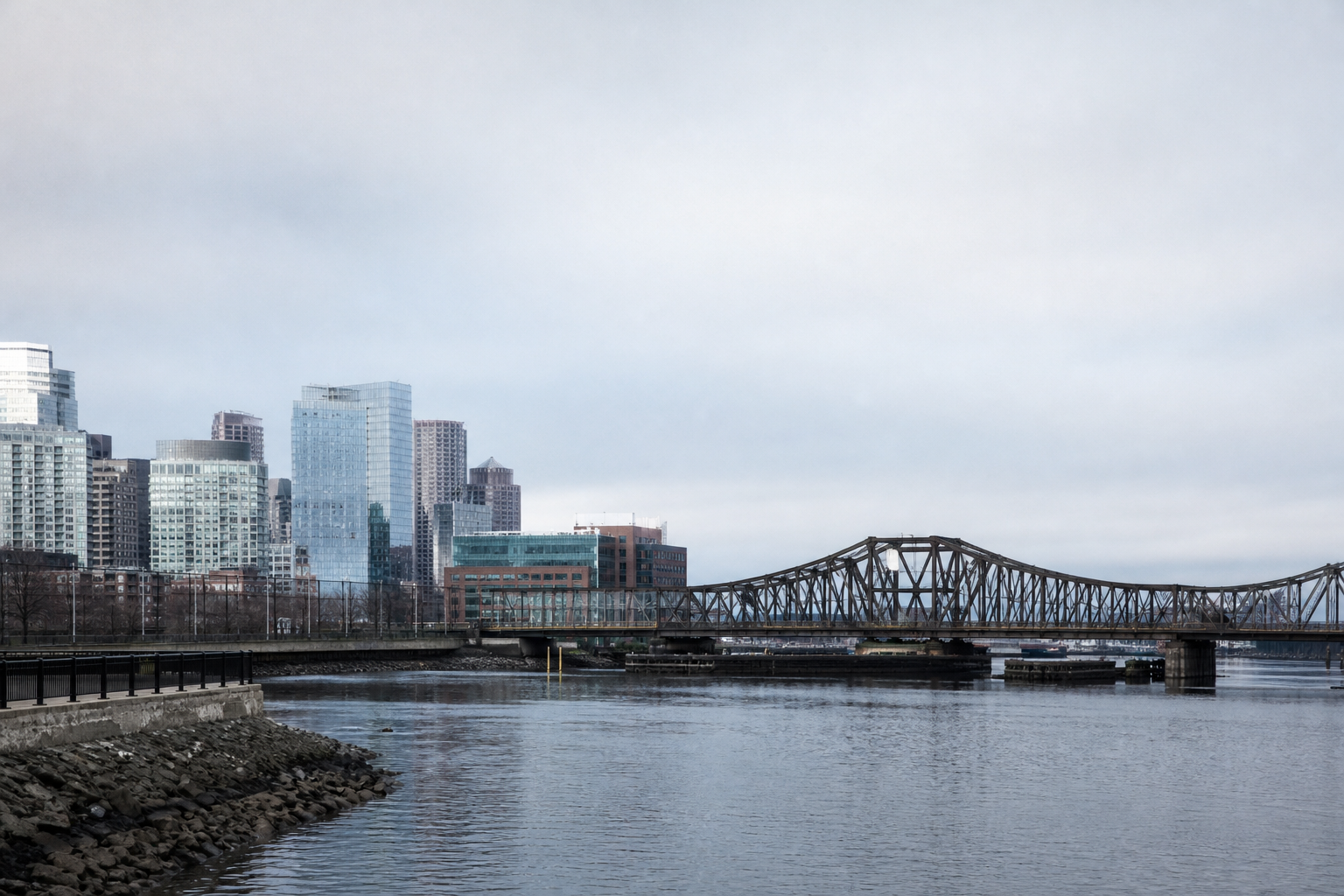
The proposed 2027–2036 map covers 46 municipalities; Treasury certification remains pending.

The unsolicited offer implies about $94,700 per key; SVC says it had no prior contact.
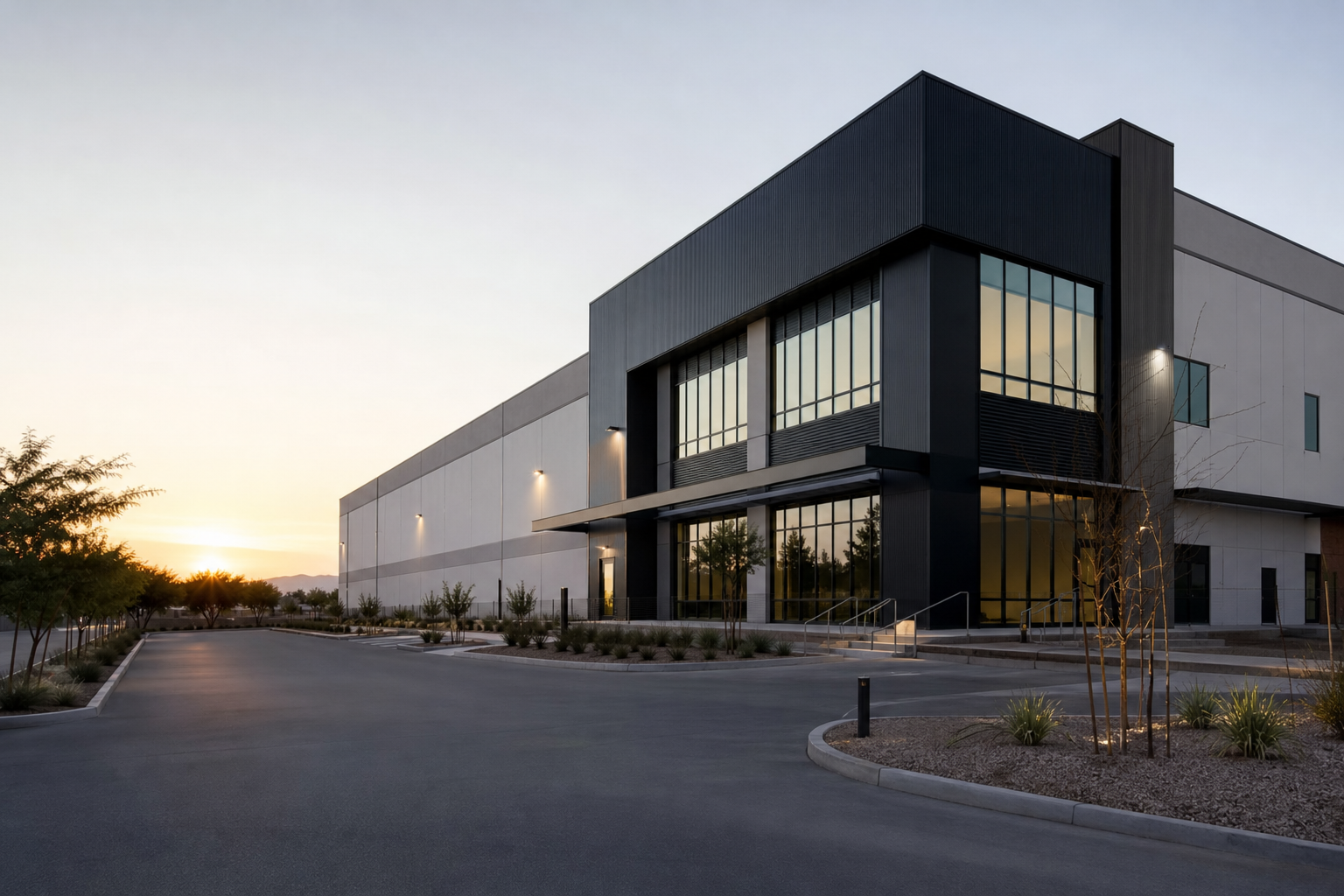
A $30M planned renovation and a separate 98,000 SF manufacturing lease support the construction company’s expansion.
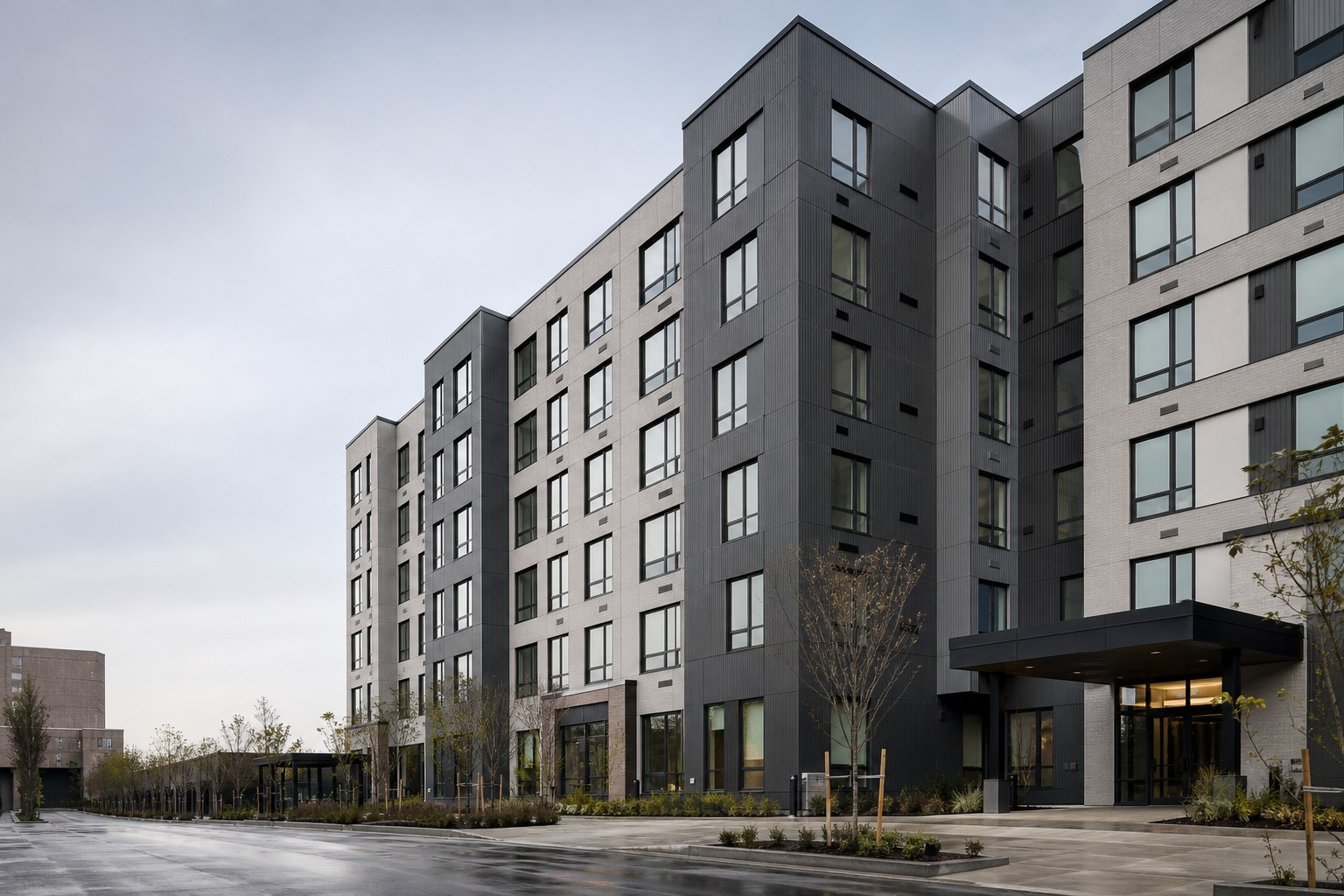
Construction financing included $84.715M of tax-exempt bonds and 4% credits; the 141-unit building held its ribbon-cutting on Oct. 8.
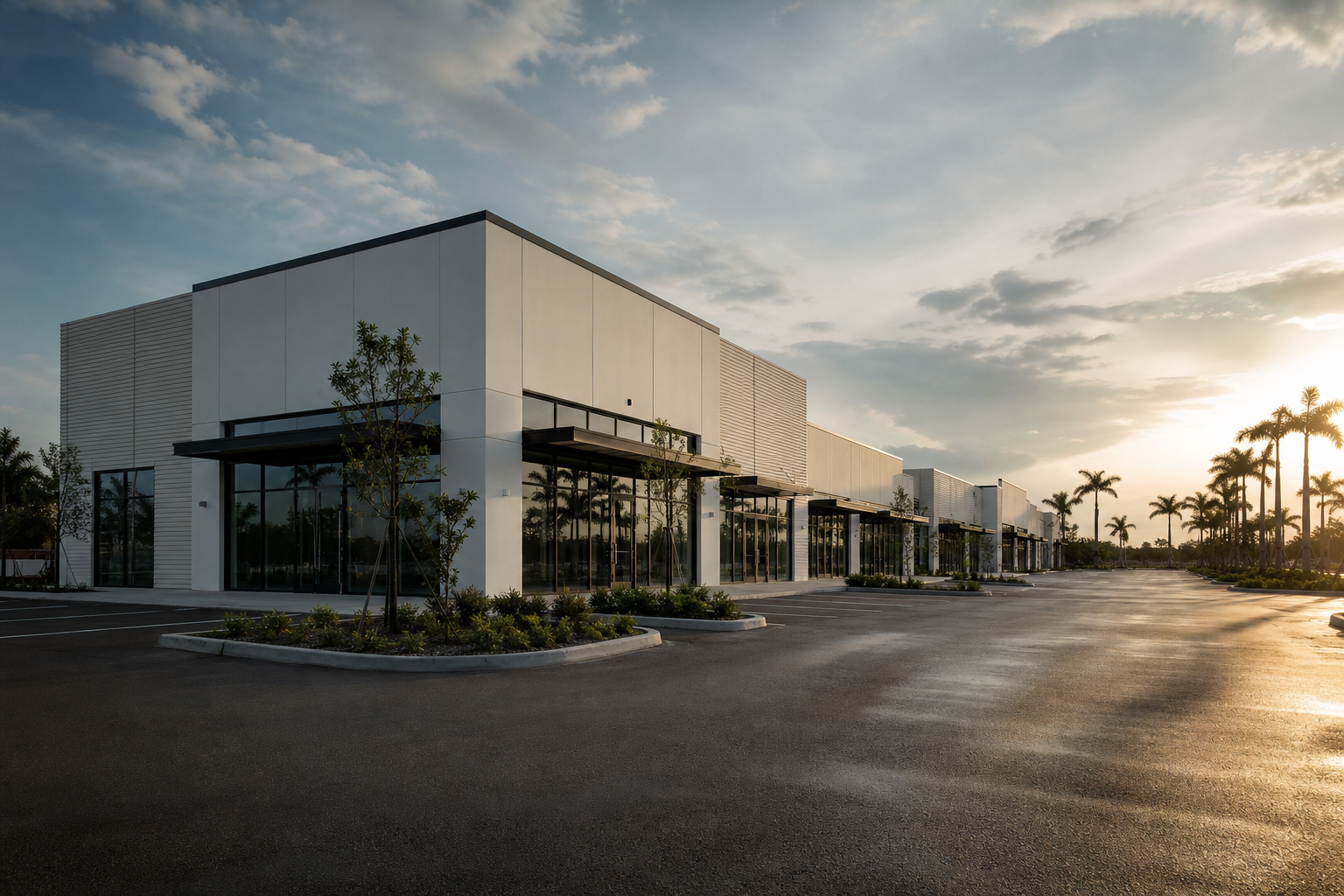
Colliers: vacancy is 3.0% and NNN rents hit a record $44.34, but Q3 leasing fell.

The register counts 19 more in 2026; UPS and battery rooms fail most often.
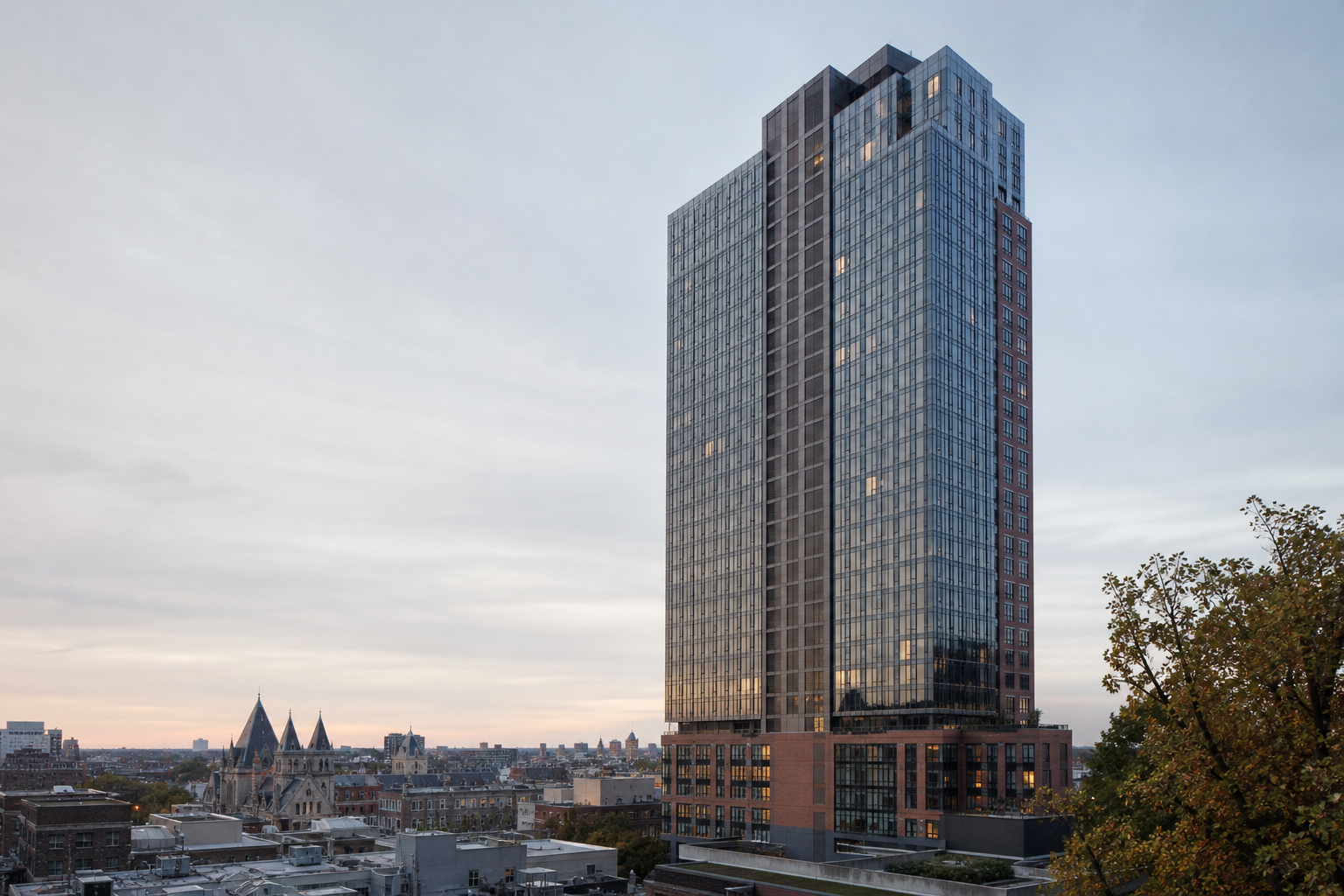
Cost and leasing were not disclosed; Landmark says most Penn and Drexel students live off campus.
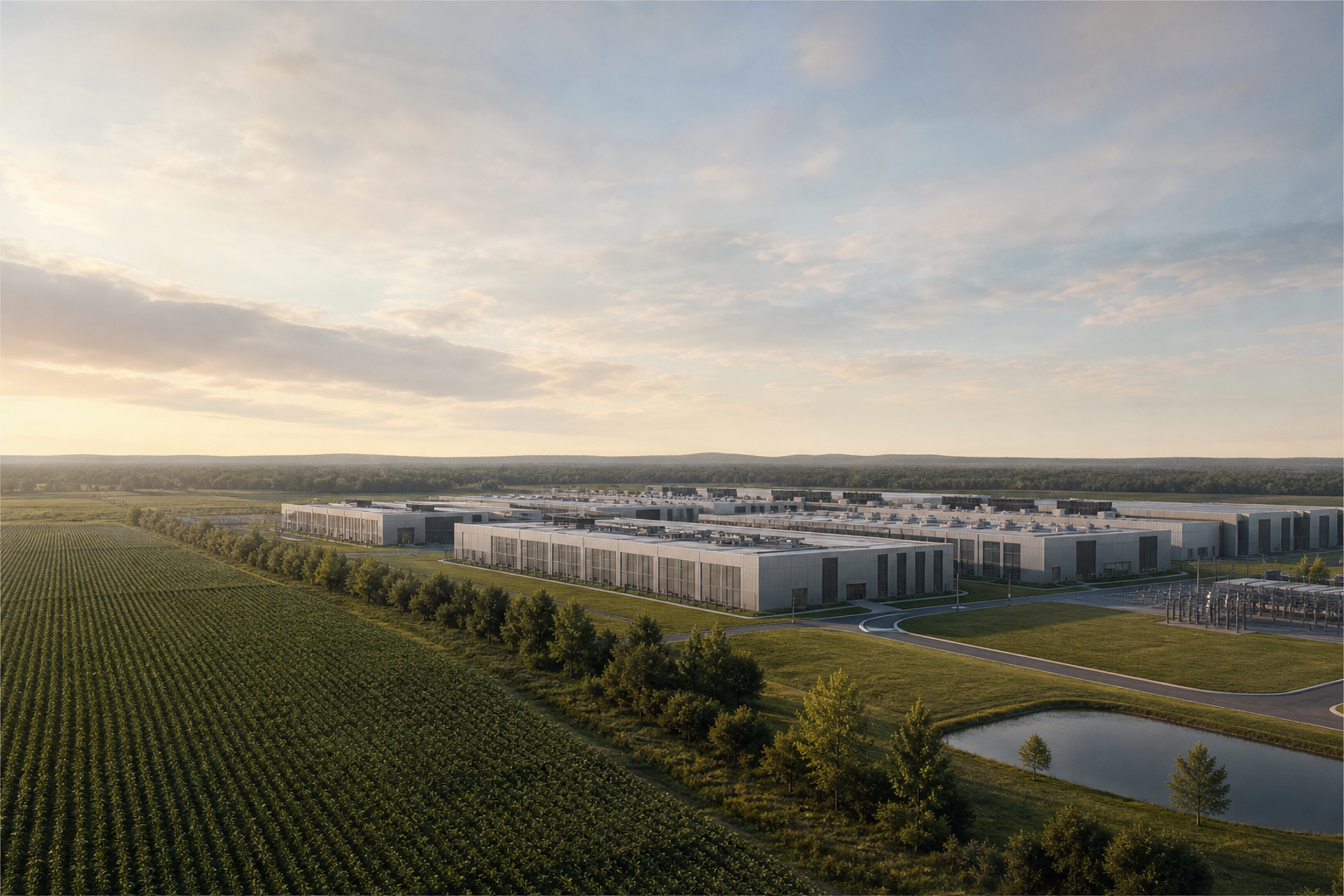
A rezoning would convert agricultural land to a PUD; the applicant is an RV resort LLC.
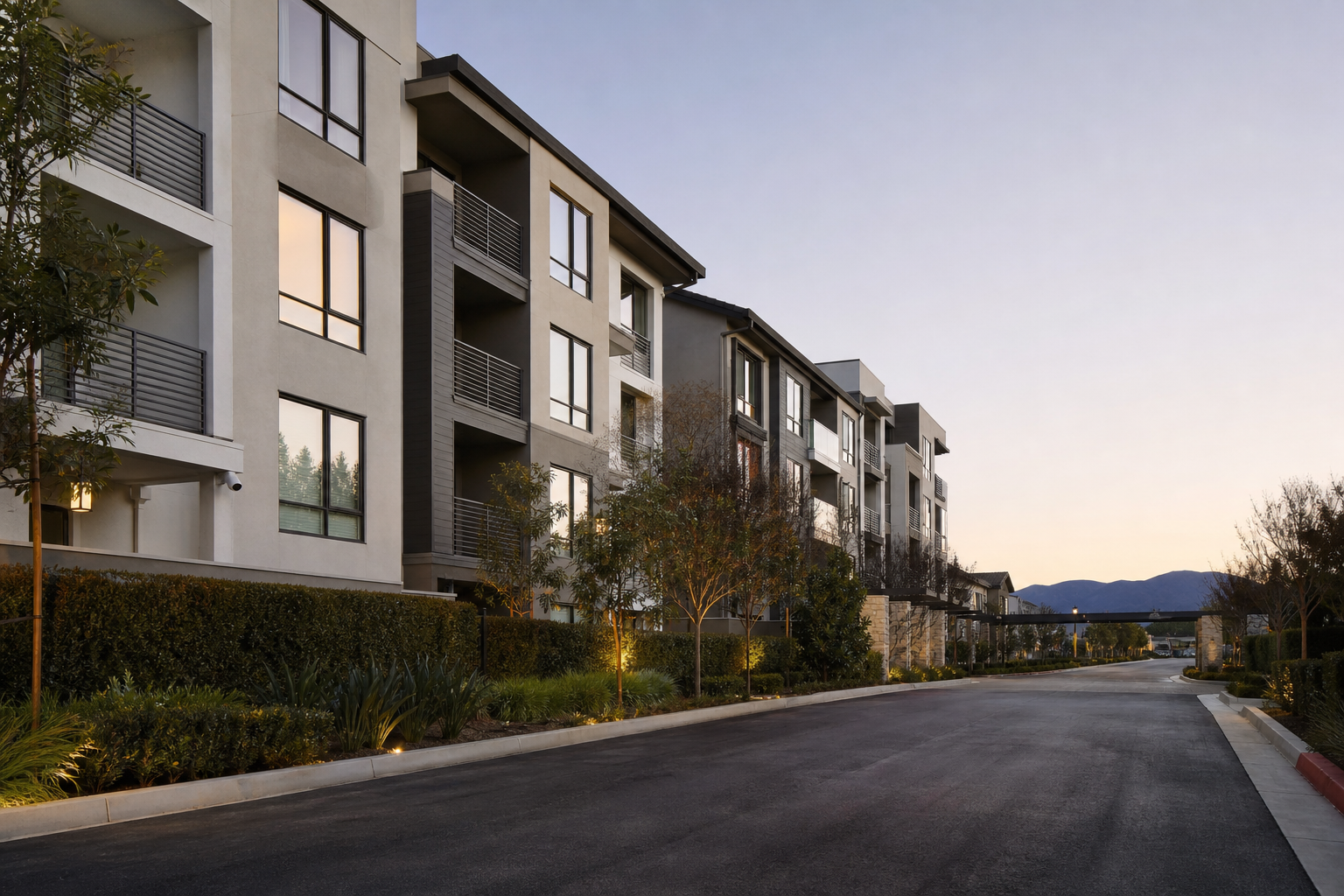
Seller Acacia paid $40M in 2011; the buyer will renovate 192 of 200 units on turnover.
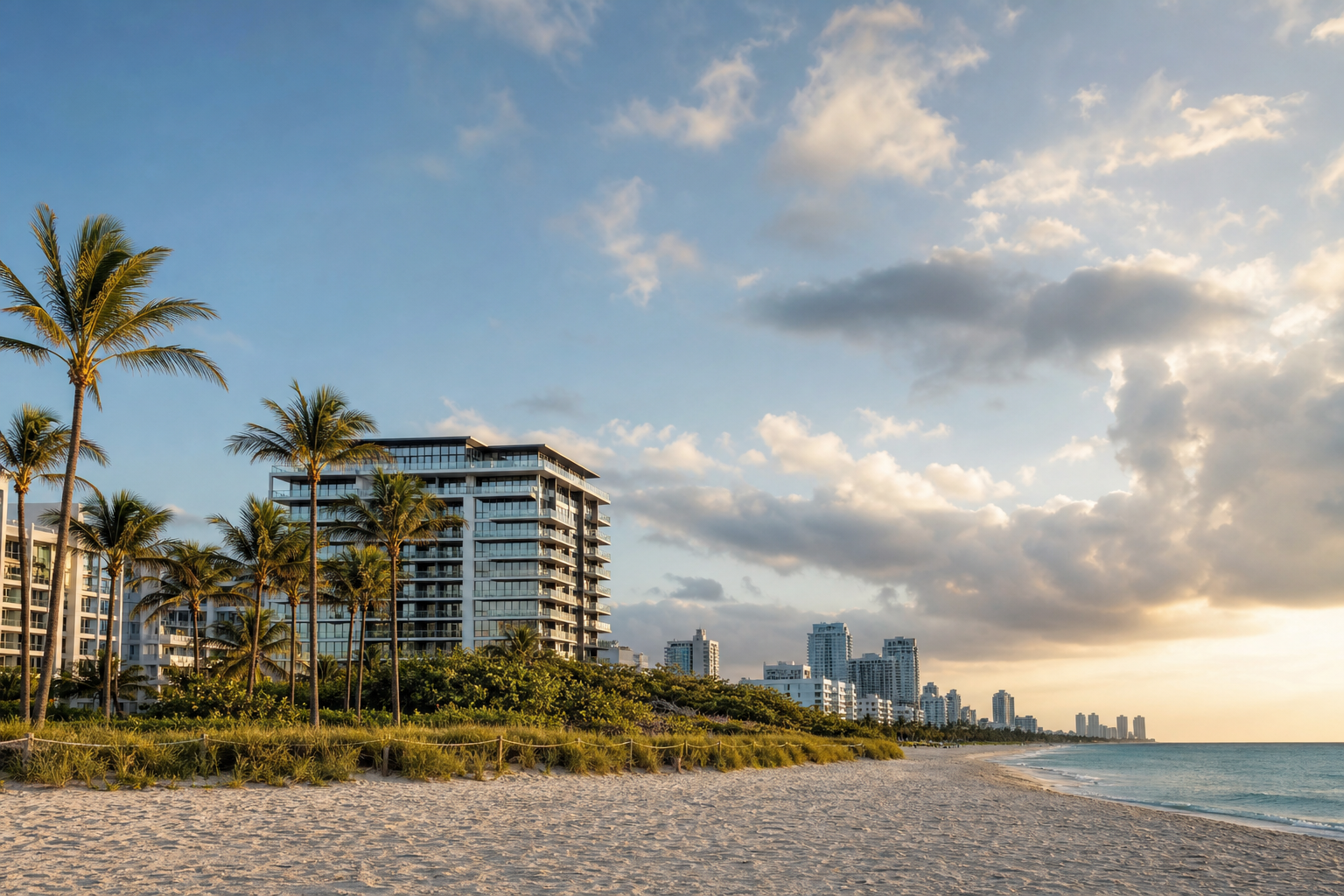
Tyko Capital's Elliott-backed platform lends on 106 units; the sponsor's 2025 site buyout cost $120M.

Unite Here Local 1 can widen the walkout to 46 hotels; contracts expired Aug. 31.
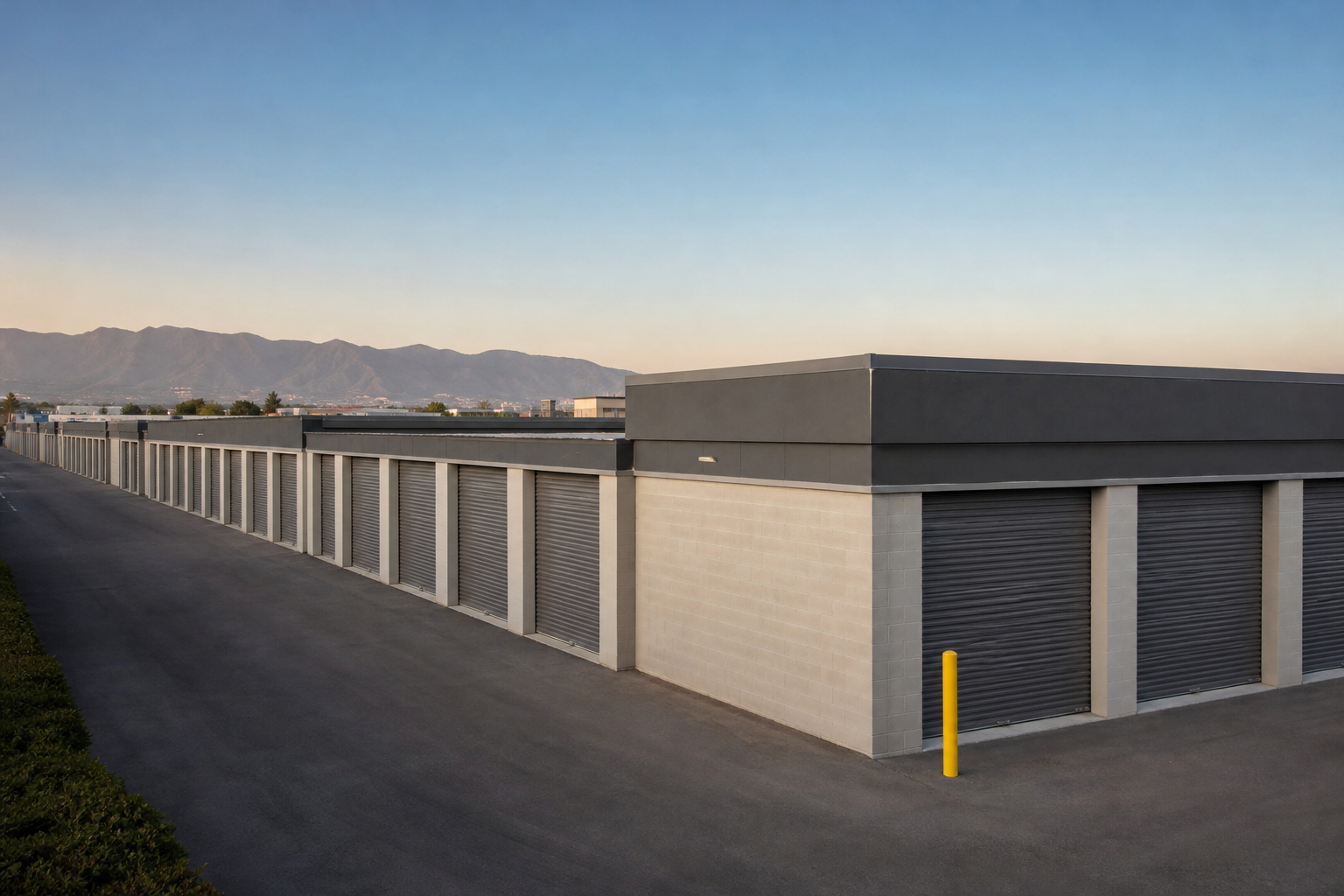
The buyers bet that slowing supply, down nearly 19% in Q2, outlasts values sitting 11% below peak.
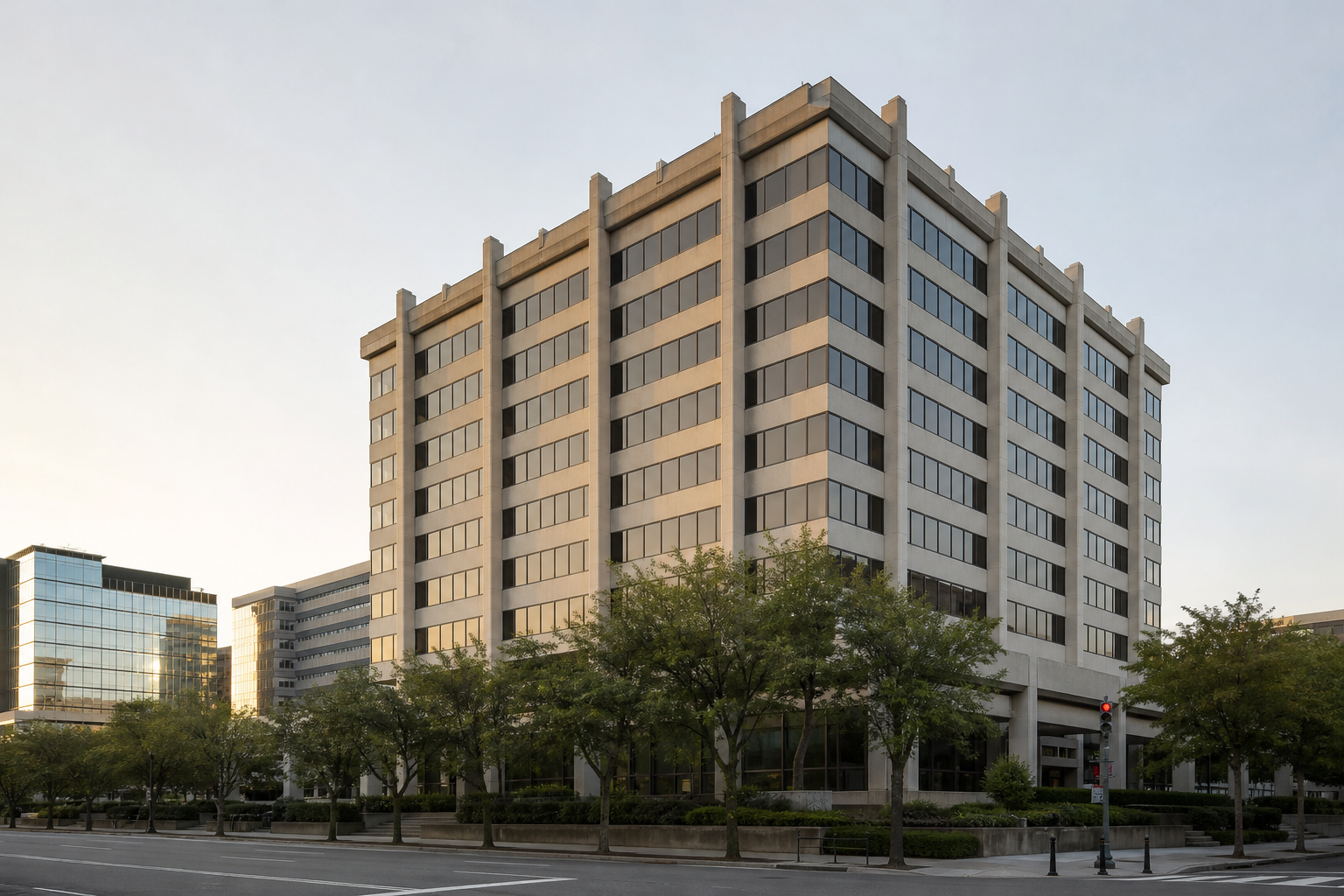
Madison Realty Capital's $40M loan funds acquisition and predevelopment; price, total cost and timeline are undisclosed.

Green Street's index fell 0.1% in September while the 10-year Treasury hit 5.31%.
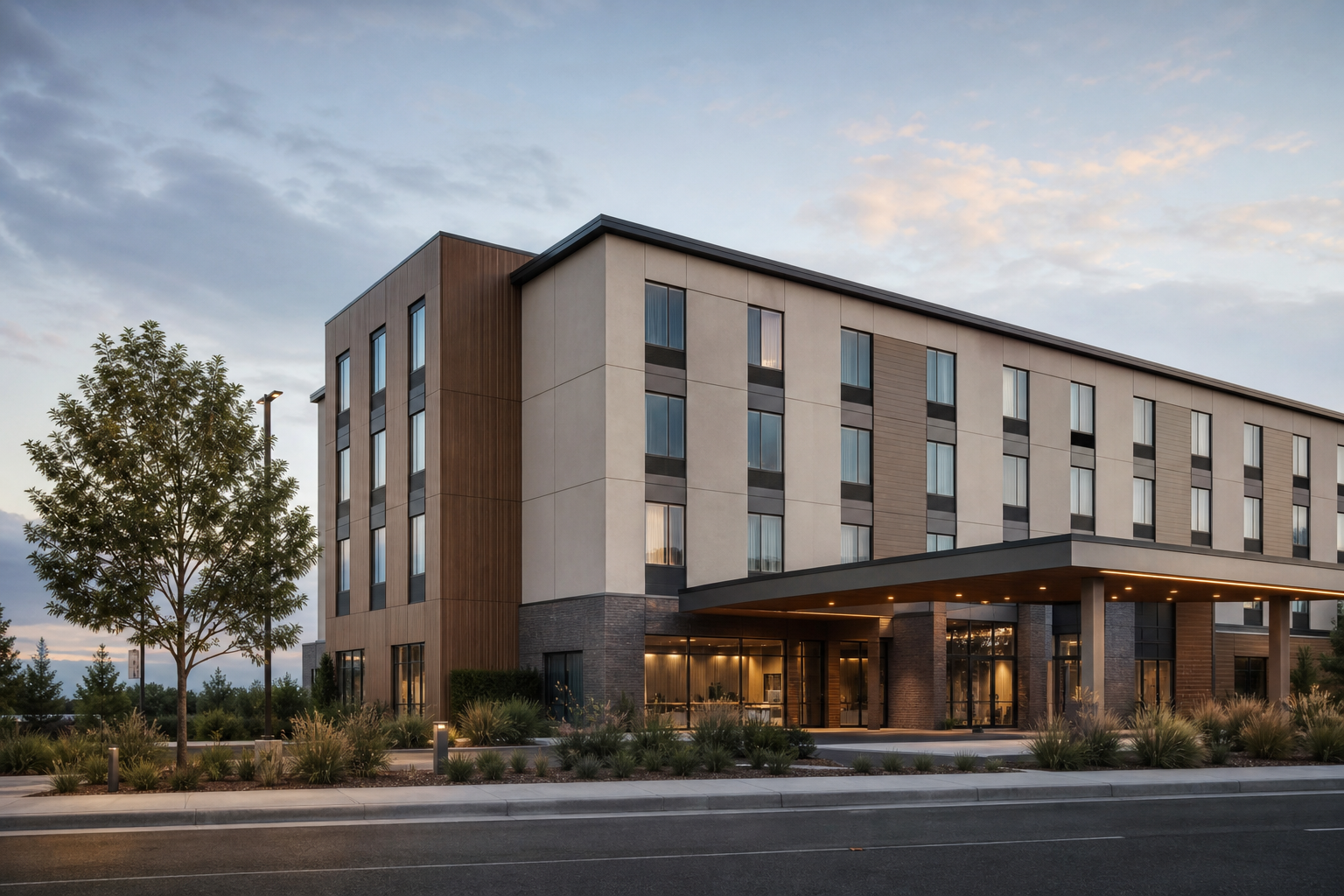
Smaller footprints and lighter framing target roughly 25% lower brand building costs for owners.

JLL counts 157 prime spaces, 38 fewer than a year ago, with asking rents up 5.7% to $605/SF.
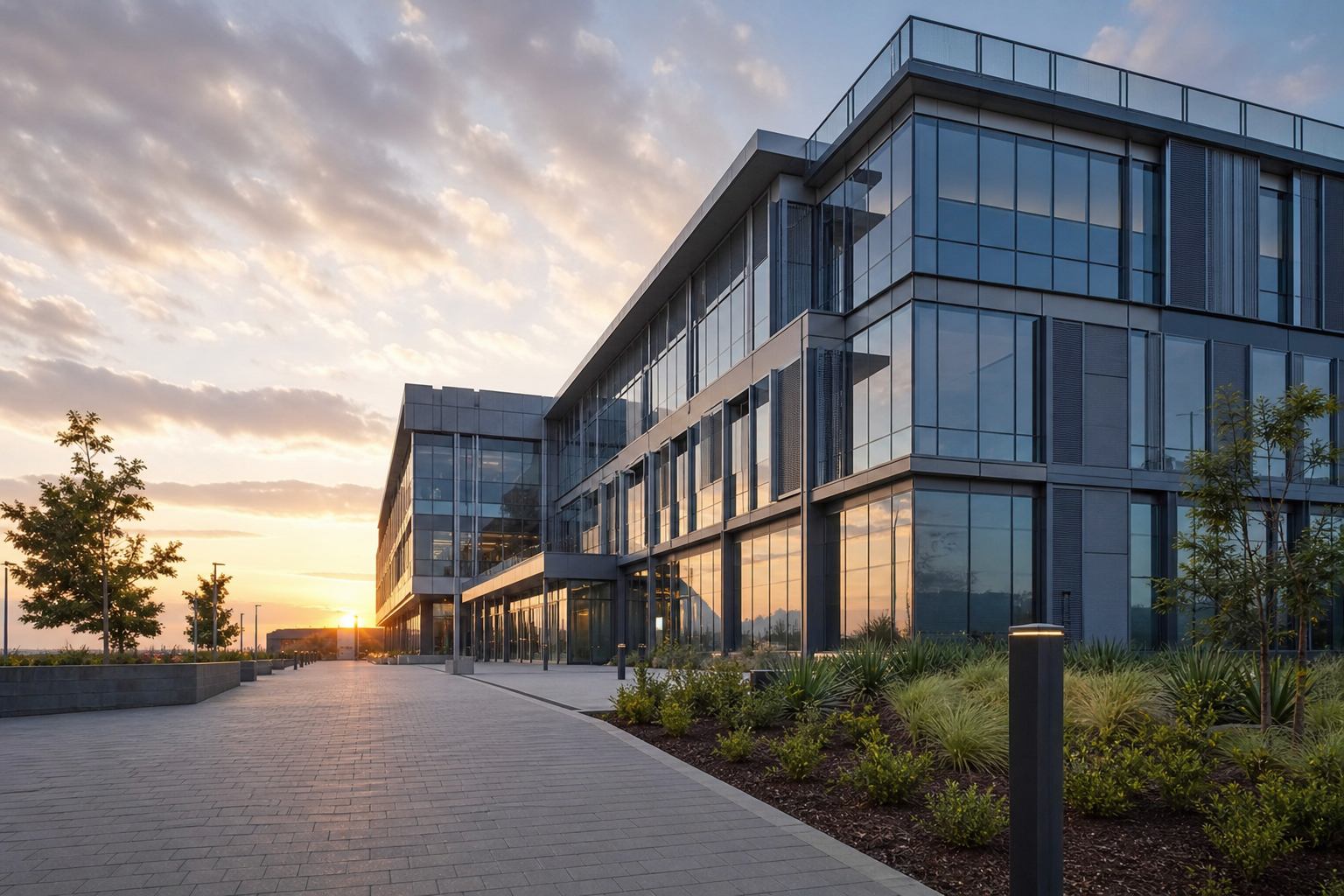
The 1.7M SF RaDD project finished in 2024 with no tenants; Citi calls the extension a forbearance.
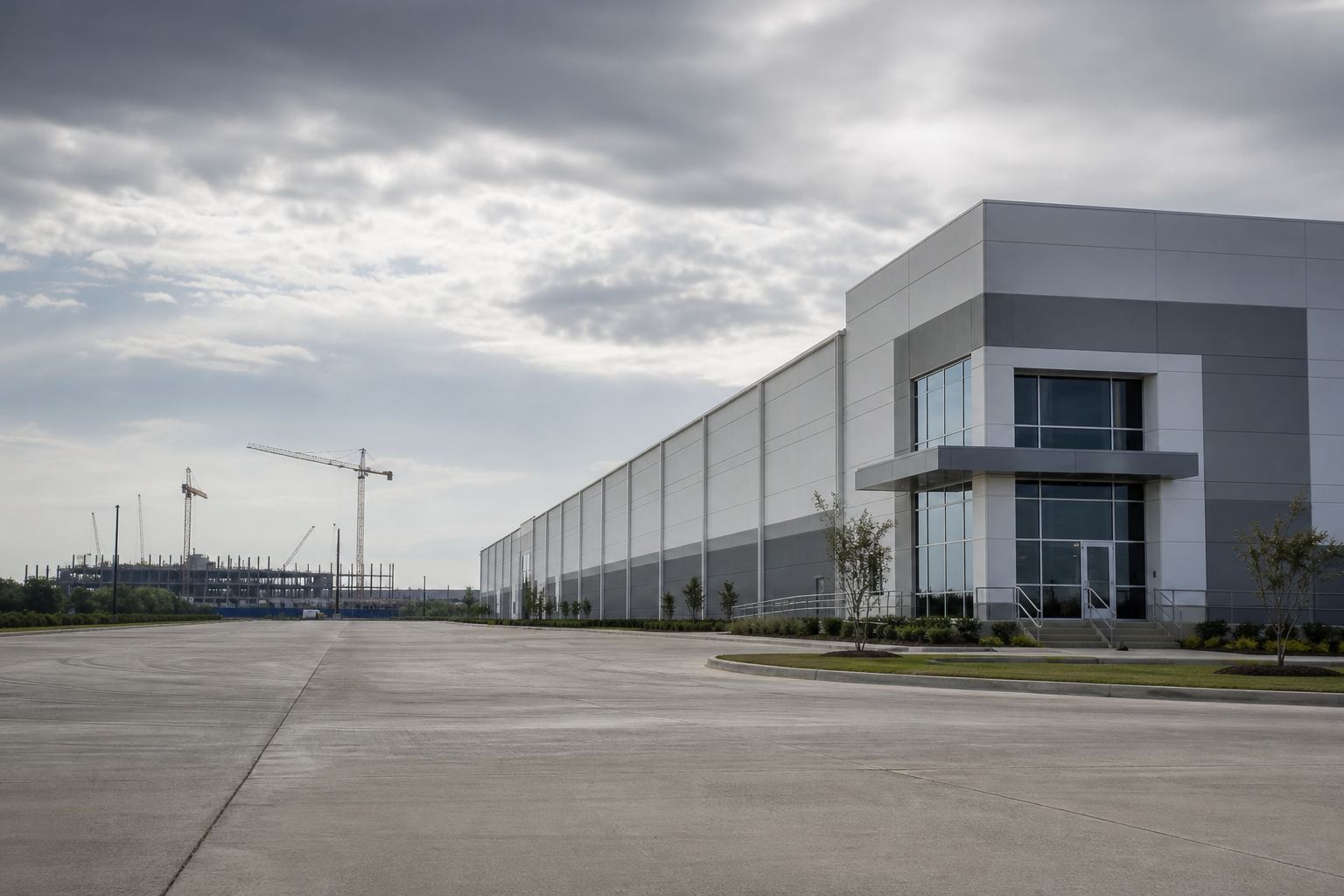
Absorption beat deliveries by 2.3M SF, but 18.4M SF is still under construction.
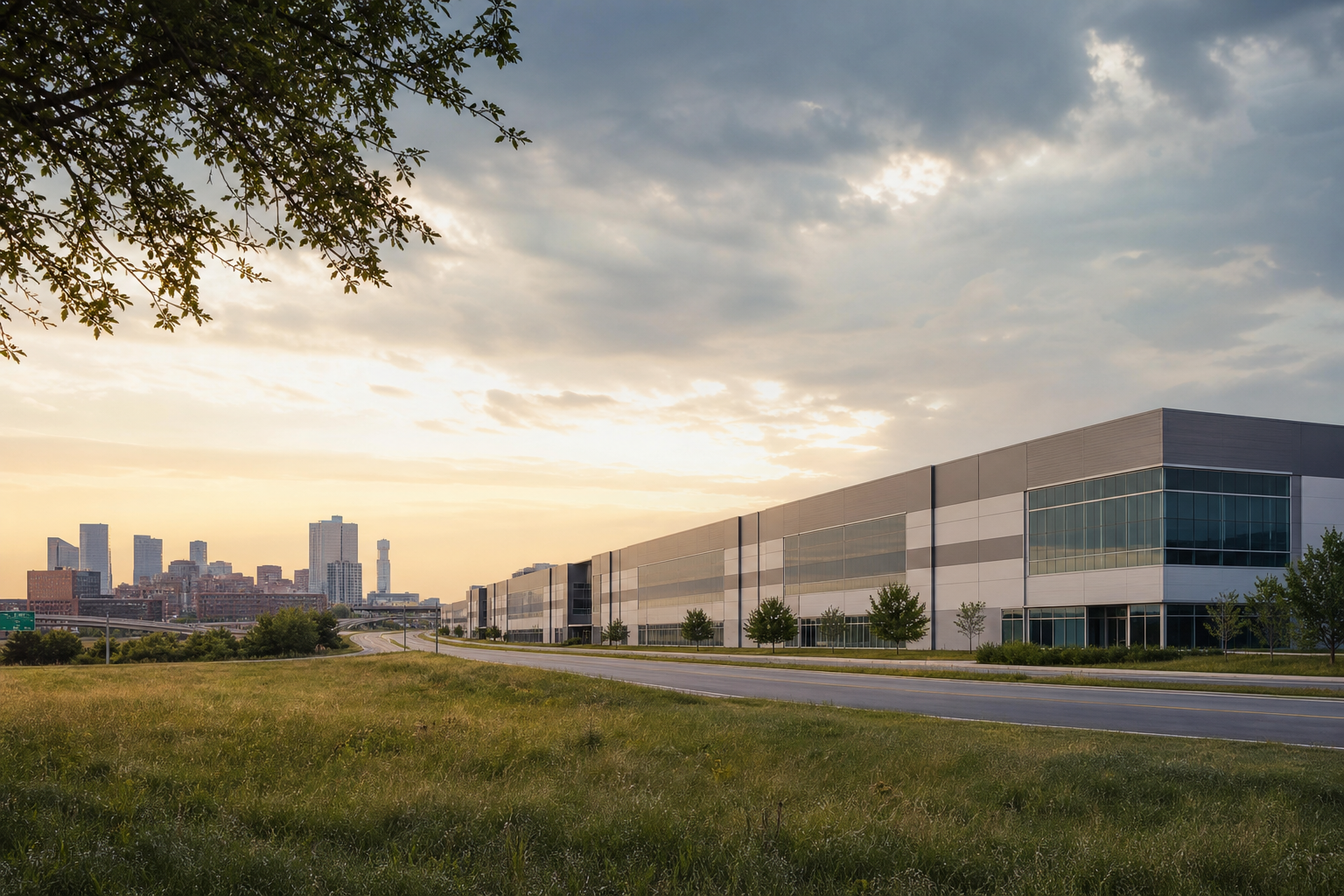
Update: the 10-year abatement is worth about $6M, and Harting is still weighing two other sites.

Cooper Union replaces RFR, which defaulted on $21M of ground rent, with a prebuilt-suite repositioning plan.

MSCI: insurers added the most leverage of any lender group; about 30% of 2025 lending funded data centers.
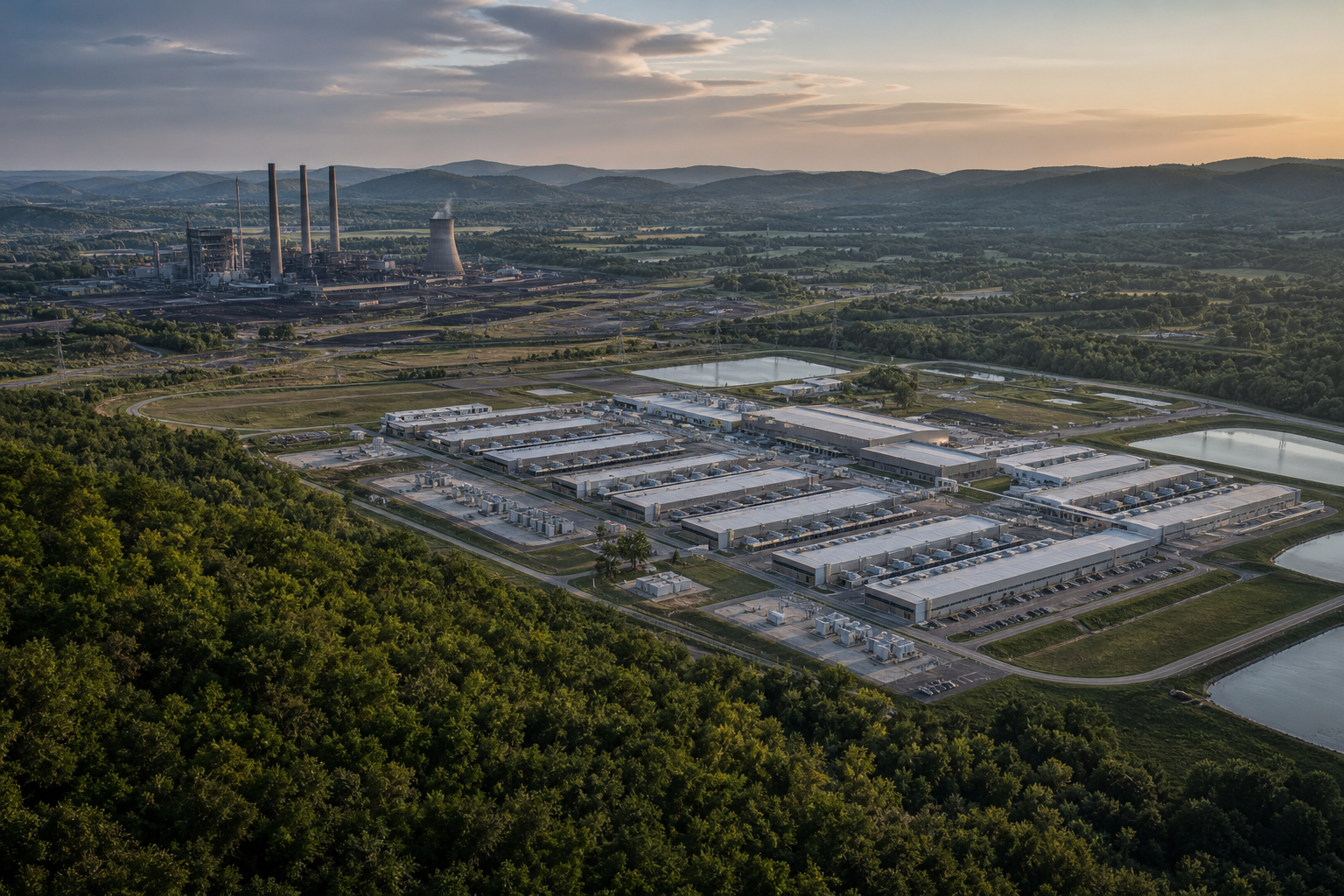
A 4.5 GW gas plant would feed Homer City, while Google locks 3.6 GW of PJM supply.
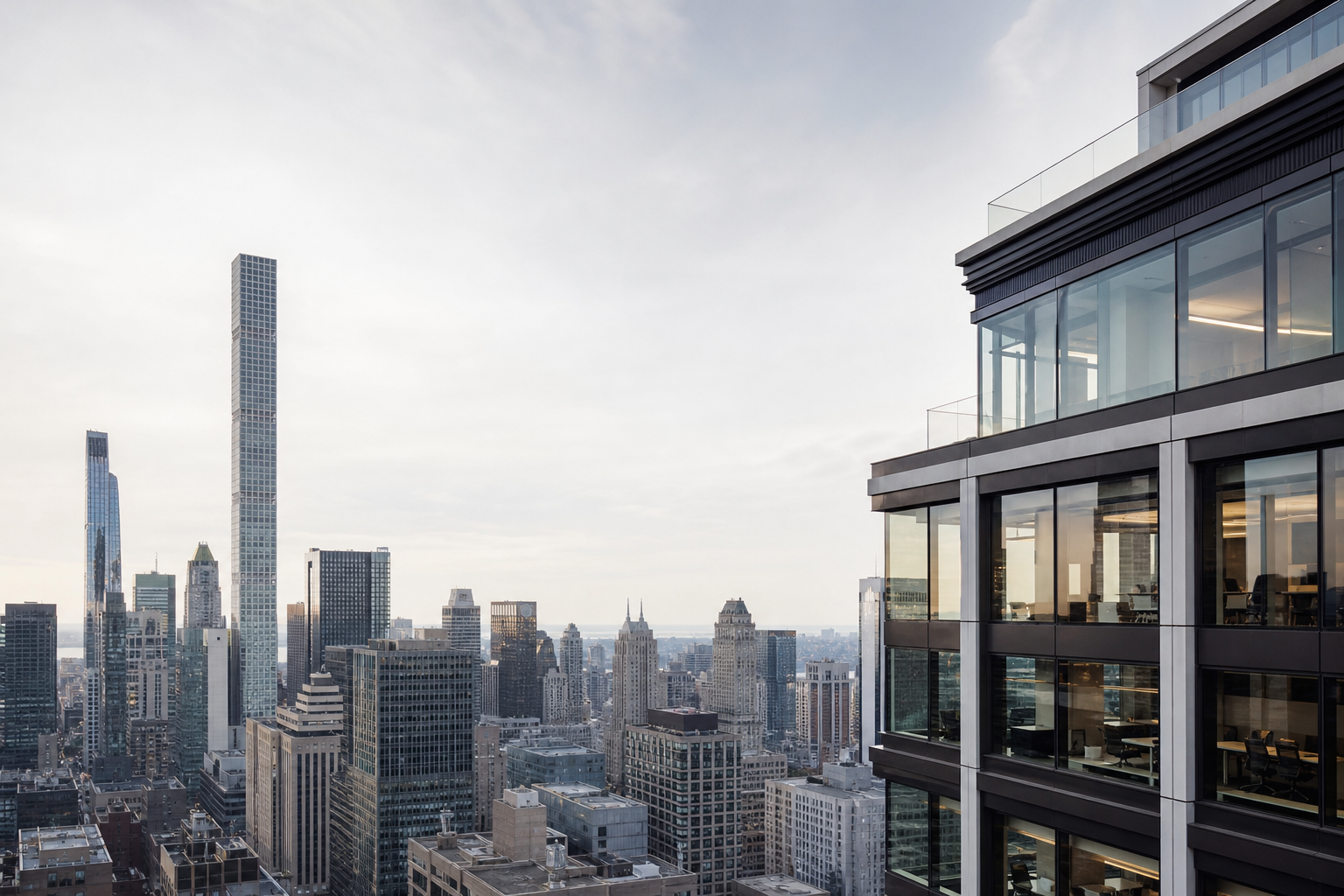
Availability hit its lowest since 2020, yet concessions, not rent levels, now separate Class A from B/C.
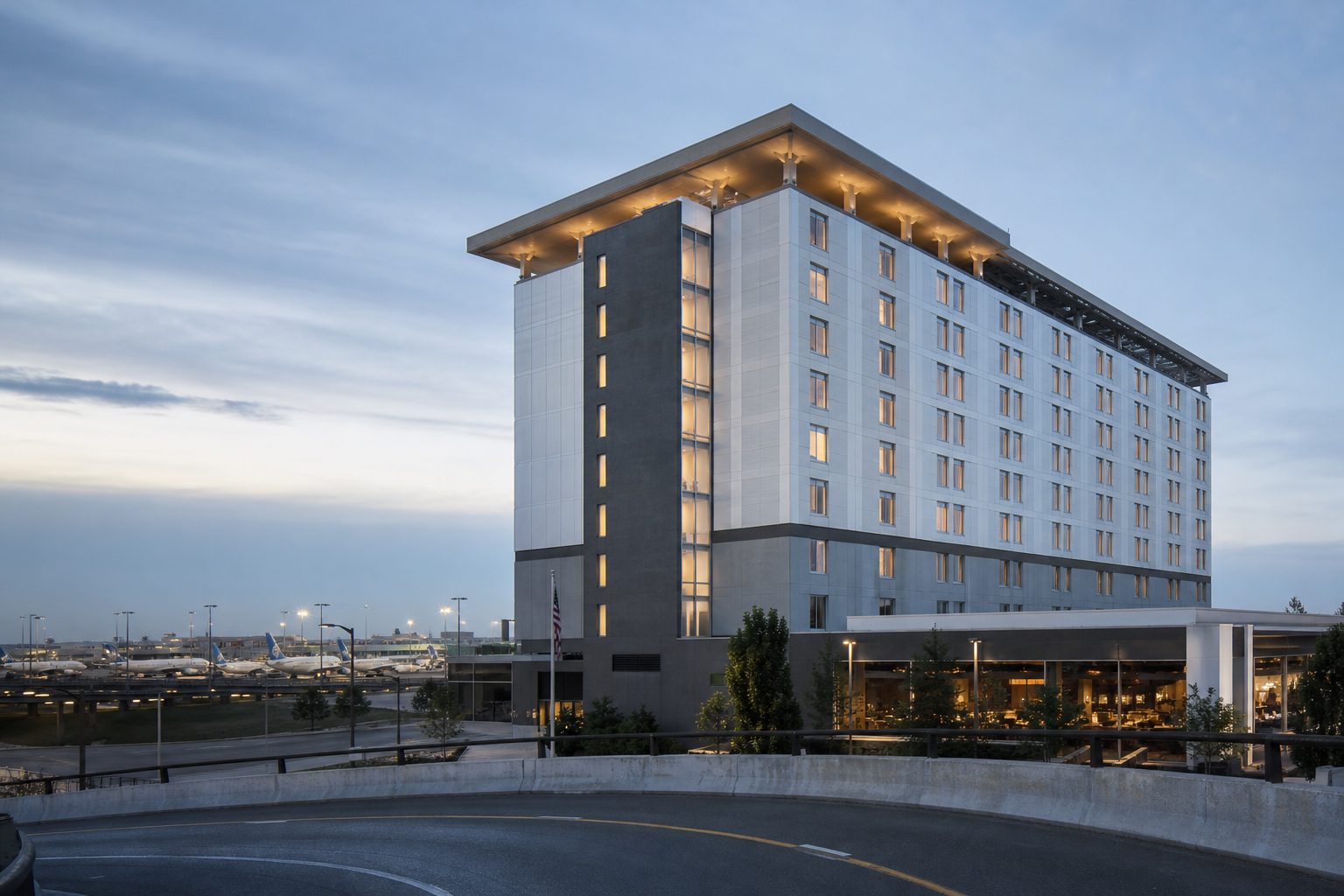
Palette Hotels buys from an owner that held the airport hotel since 2007.
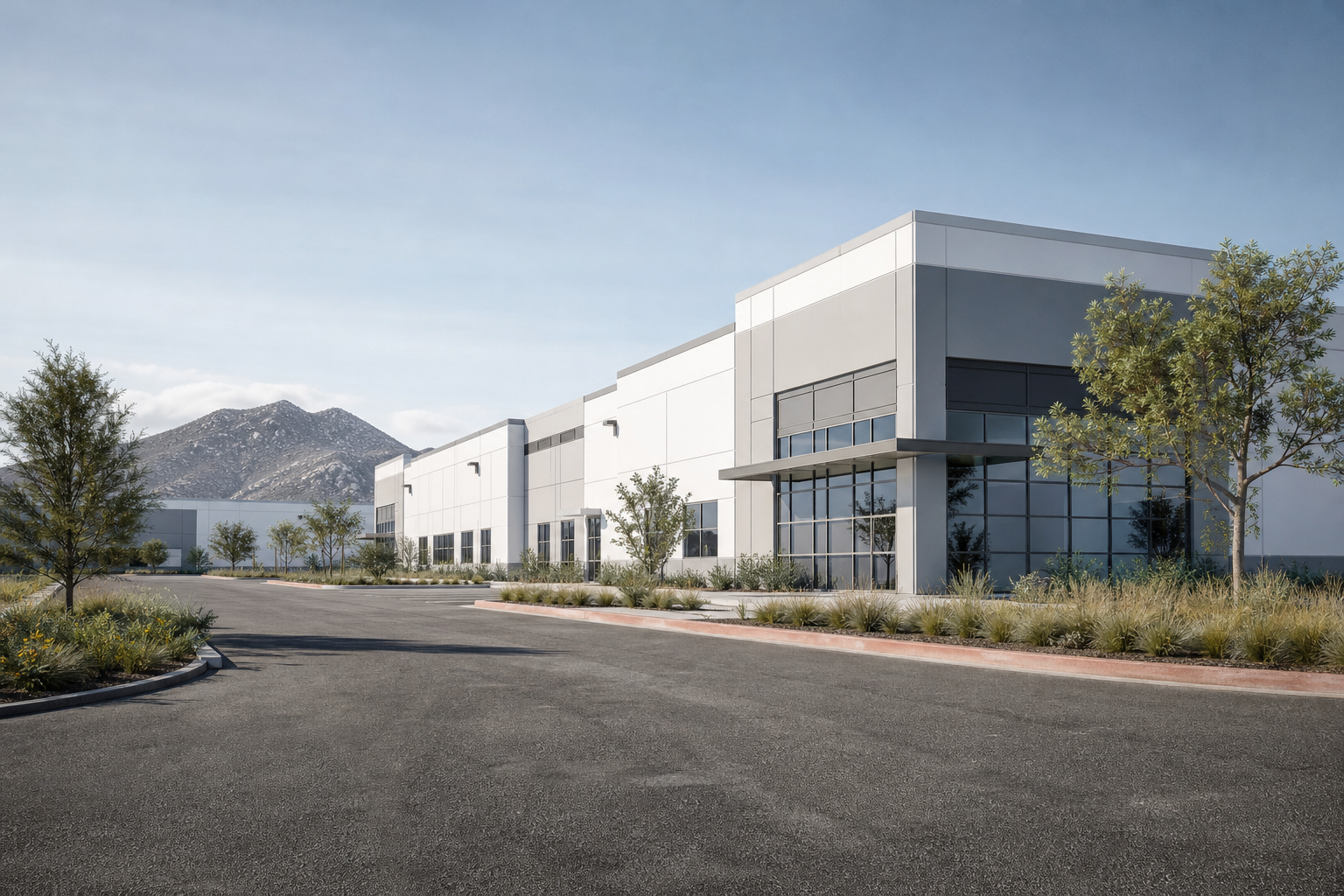
A 290,618 sf, two-building project in Santee targets a market with 1.5% vacancy.
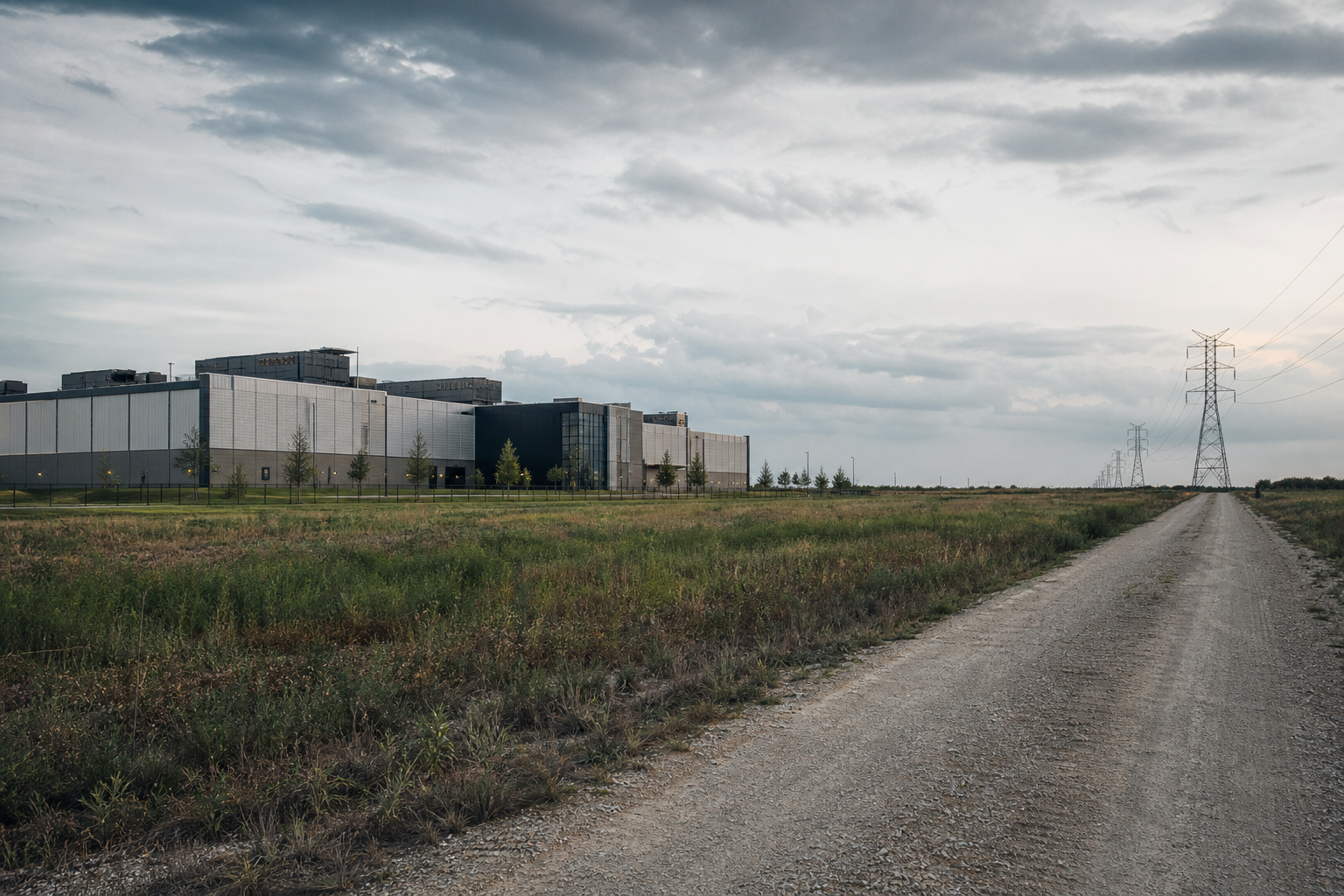
Skybox cleared Hutto zoning for a data center campus, but grid approval may not come until 2028.
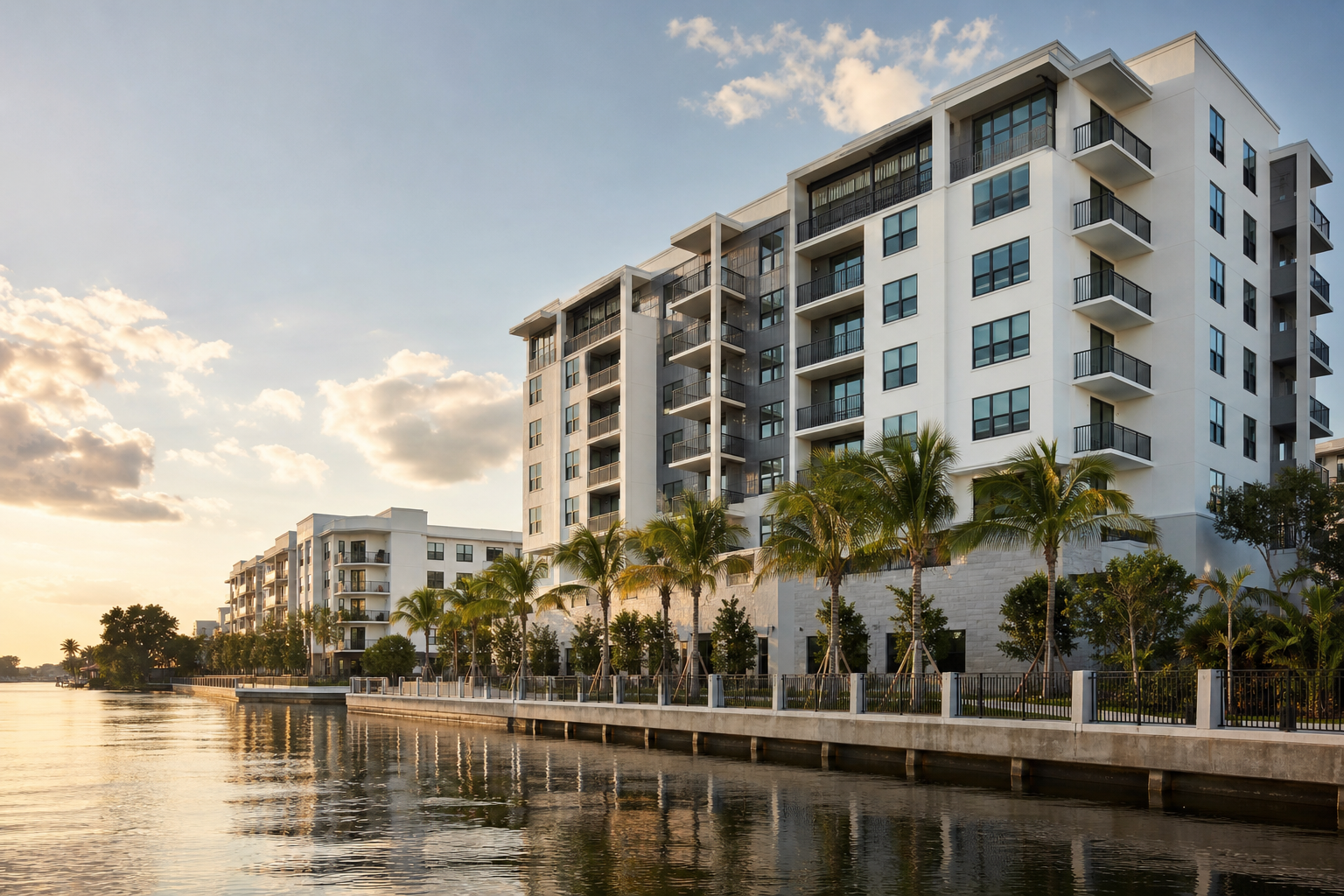
Madison Realty Capital refinances a newly built 502-unit Fort Lauderdale community with $10M of public support.
901 Fifth Avenue traded at $89 a foot, while a Chicago retail loan lost 91%.

Professional services, finance and information all contracted, and July was revised to a loss.
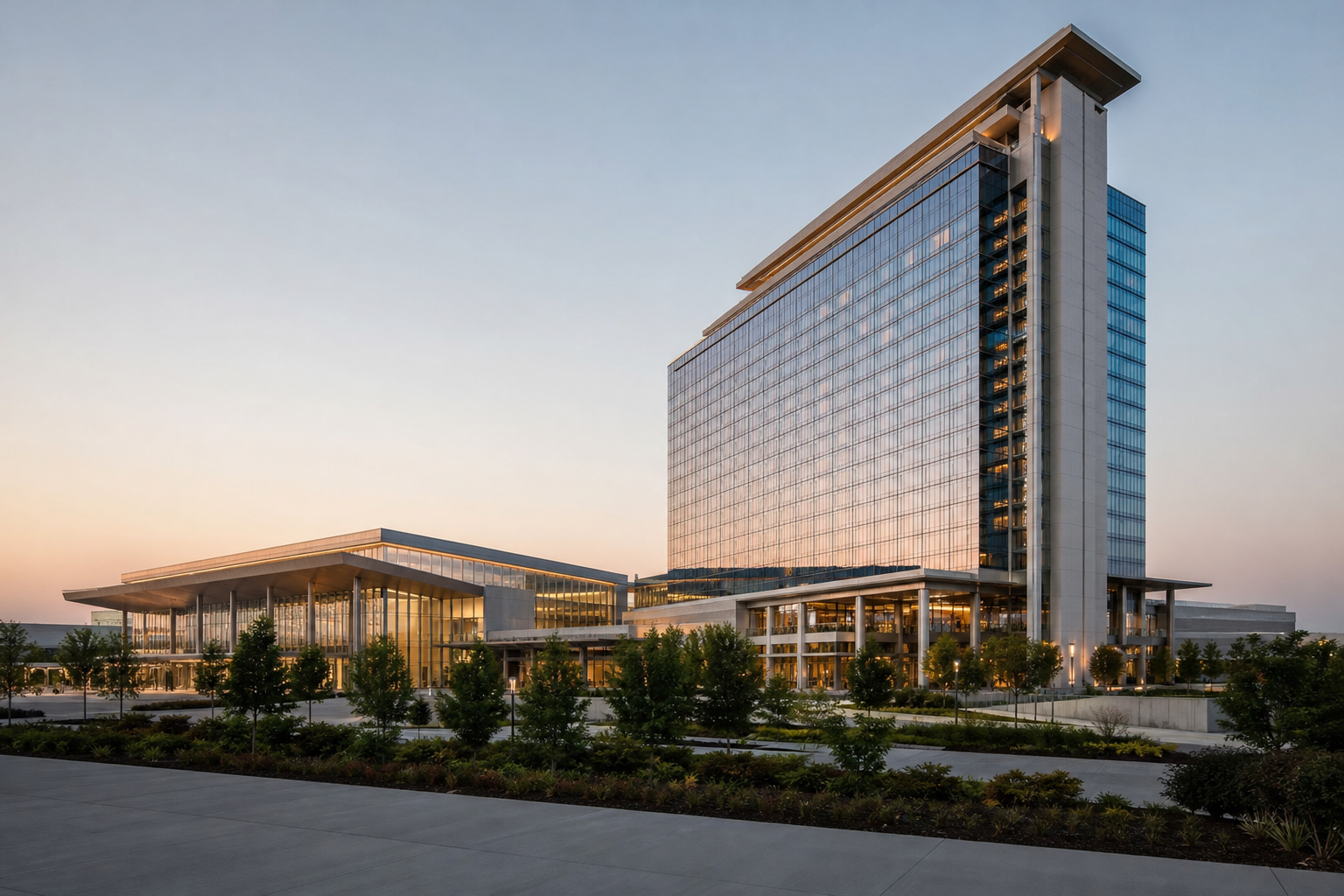
A $300M convention-center hotel is built on land the developer sold to the public partner.
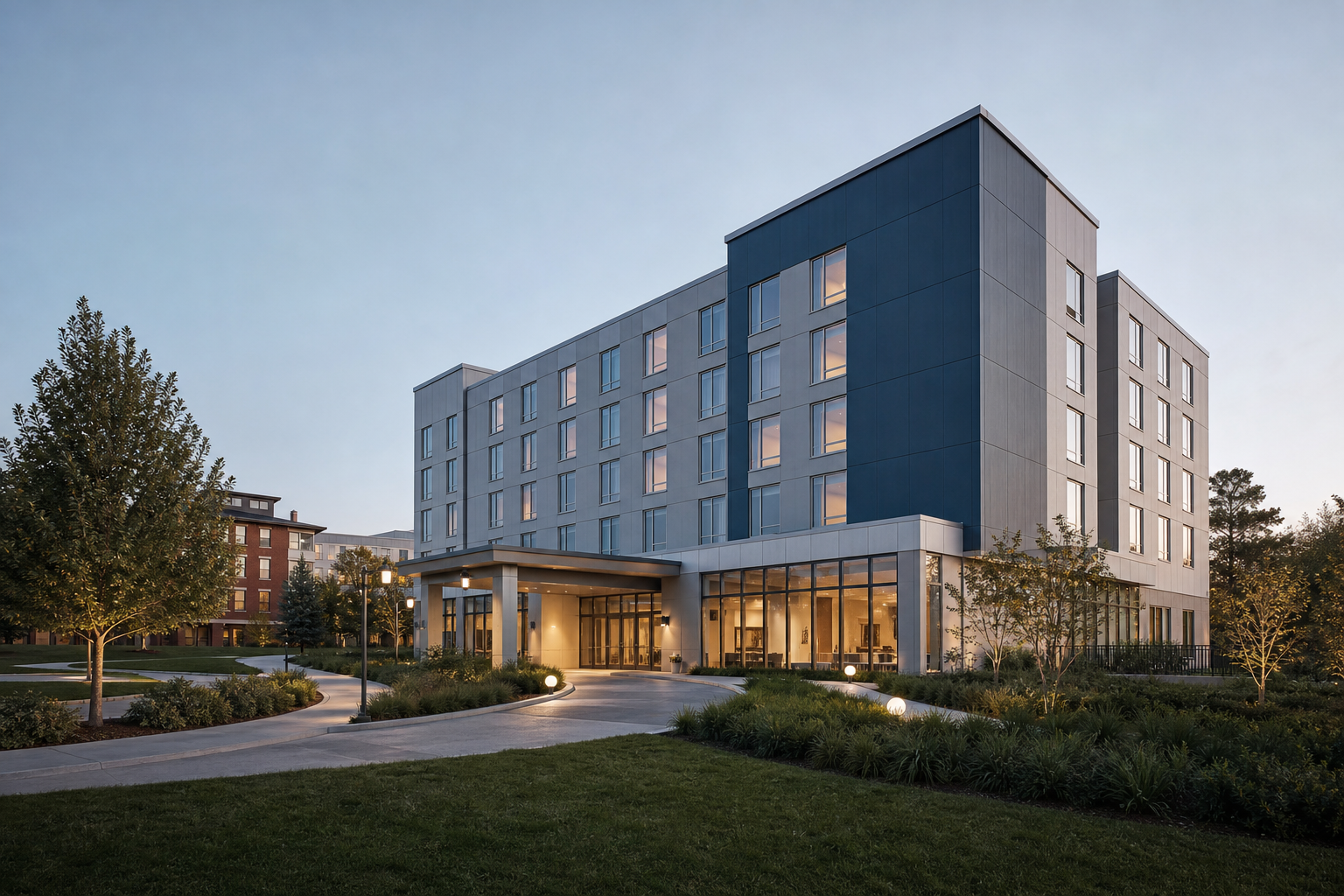
Undergraduate by Hilton opens its first property in 2027, with pipeline plans measured in decades.
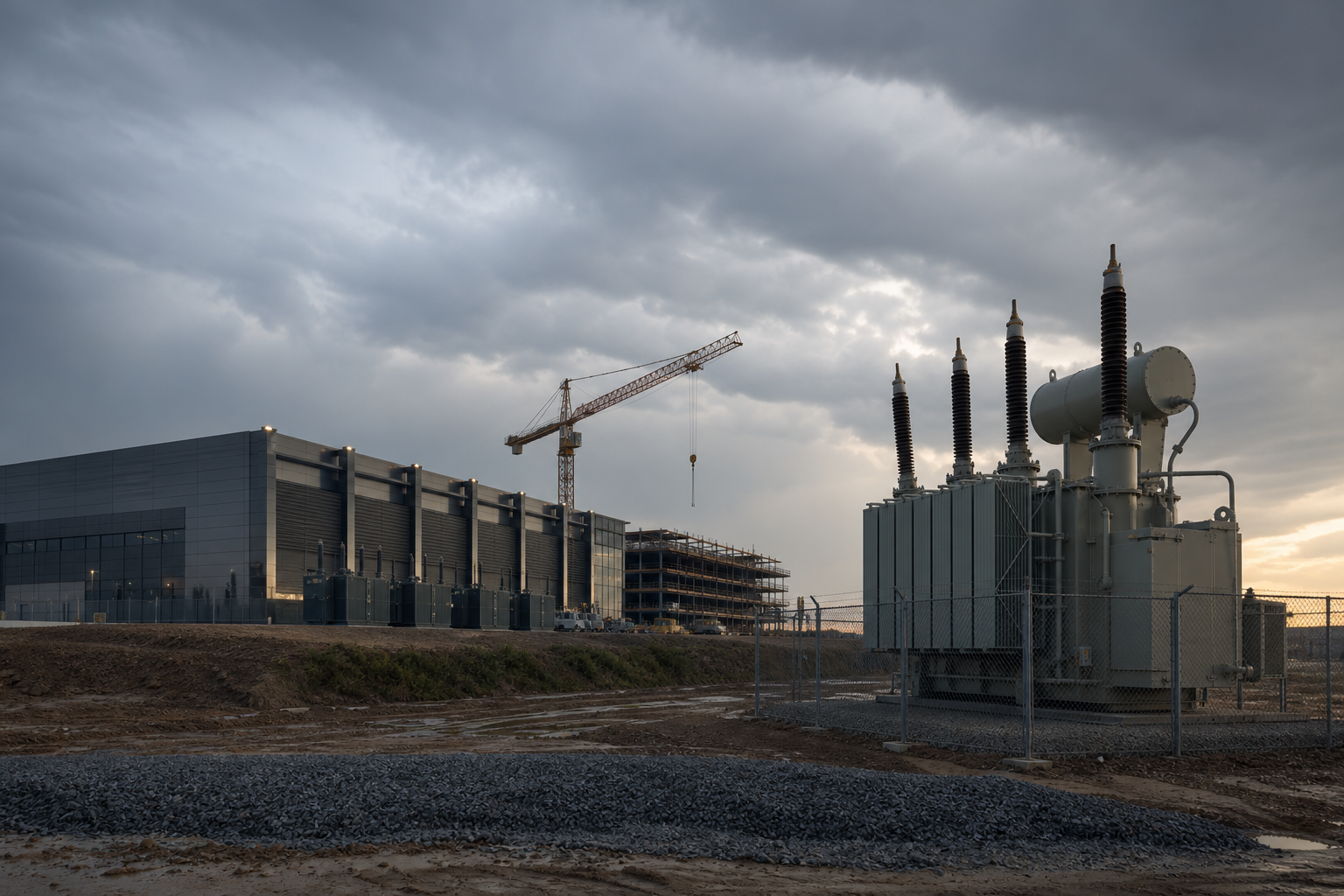
Power equipment, permitting and interconnection run on clocks that do not match construction.
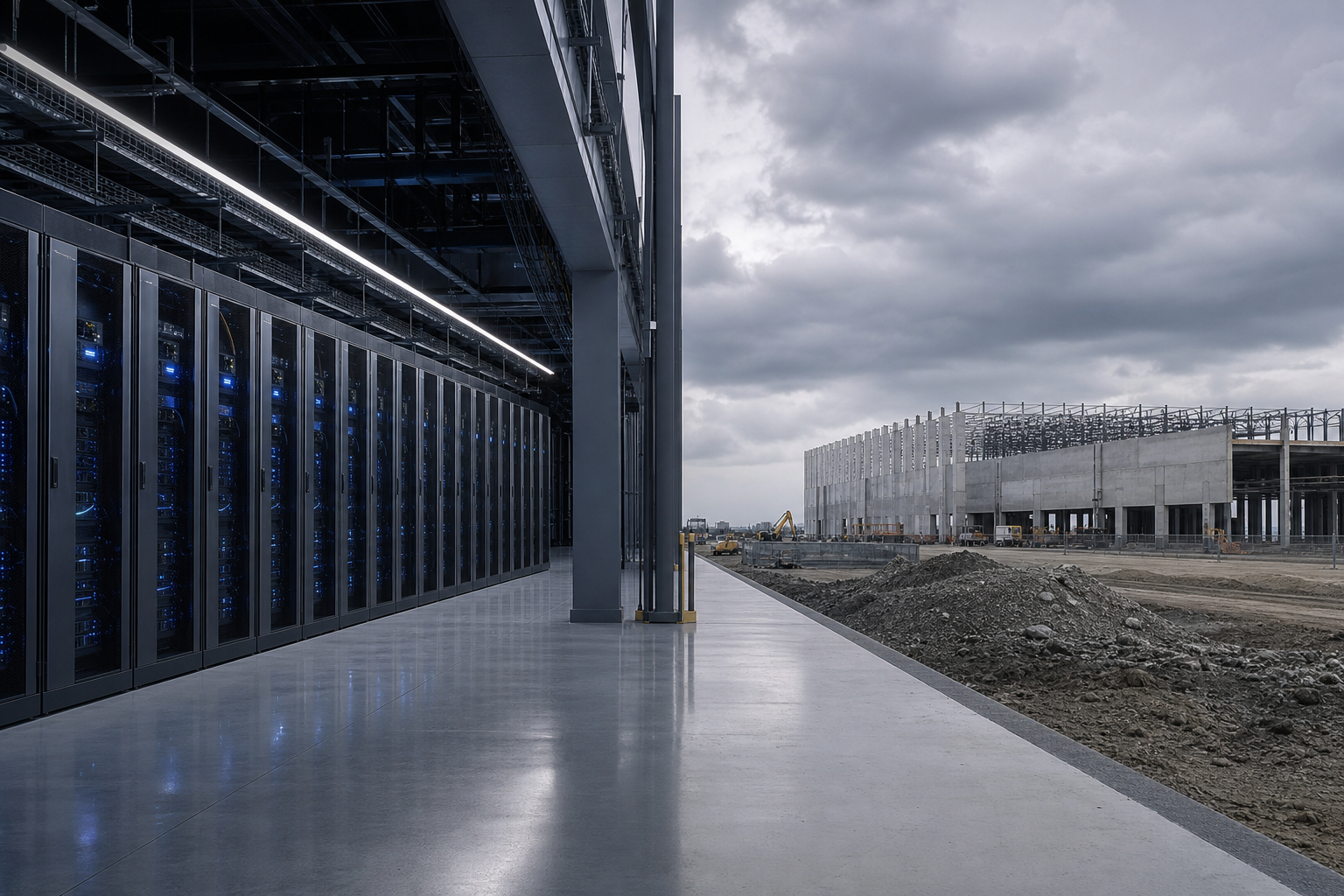
August spending ran at an $85B annual pace while materials inflation of 10% lands on every other project.

KBRA's September data show where stress sits, and this week's foreclosure sales show how far prices fall.
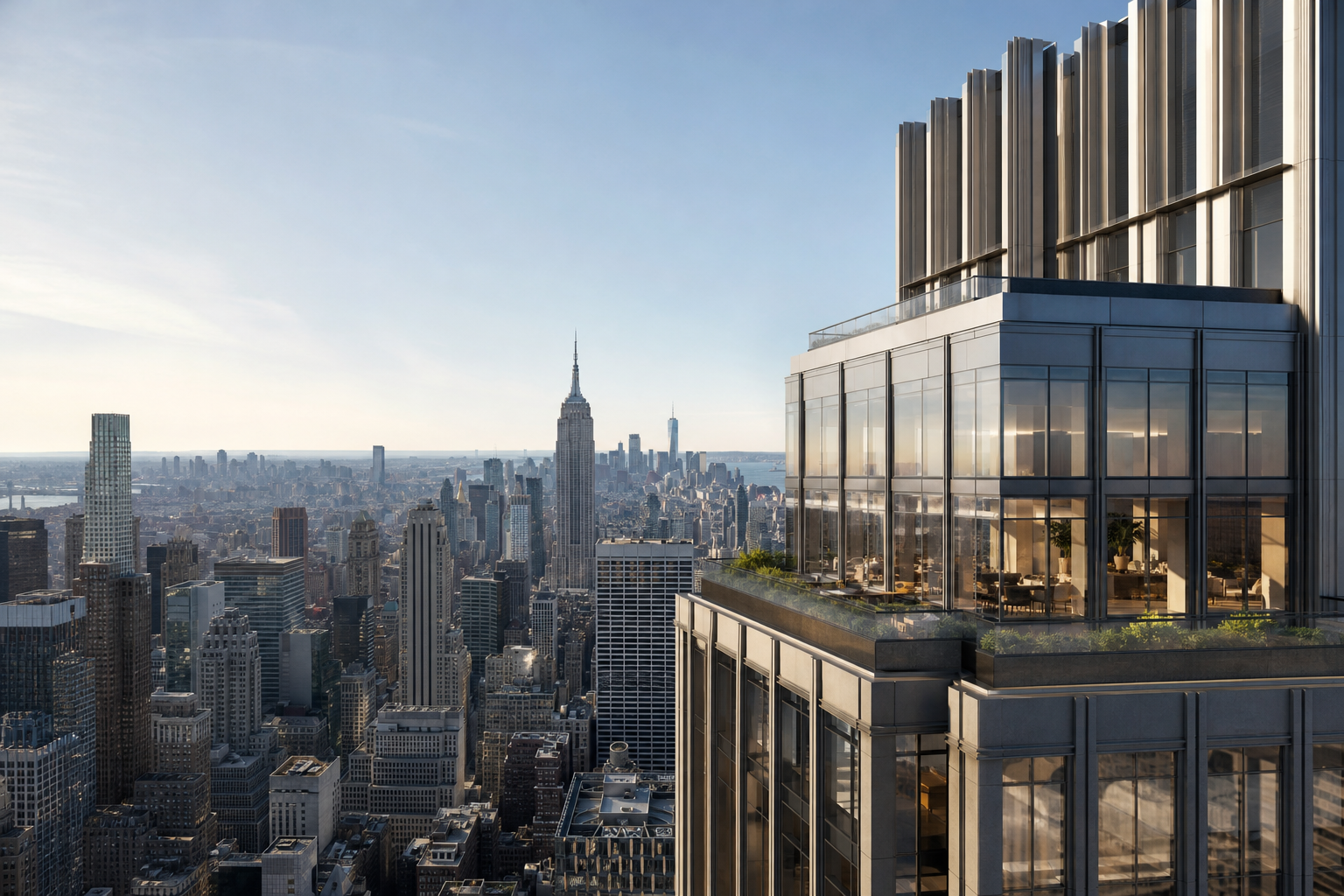
Castle Hook takes a two-story penthouse at 625 Madison for a 2029 move-in.
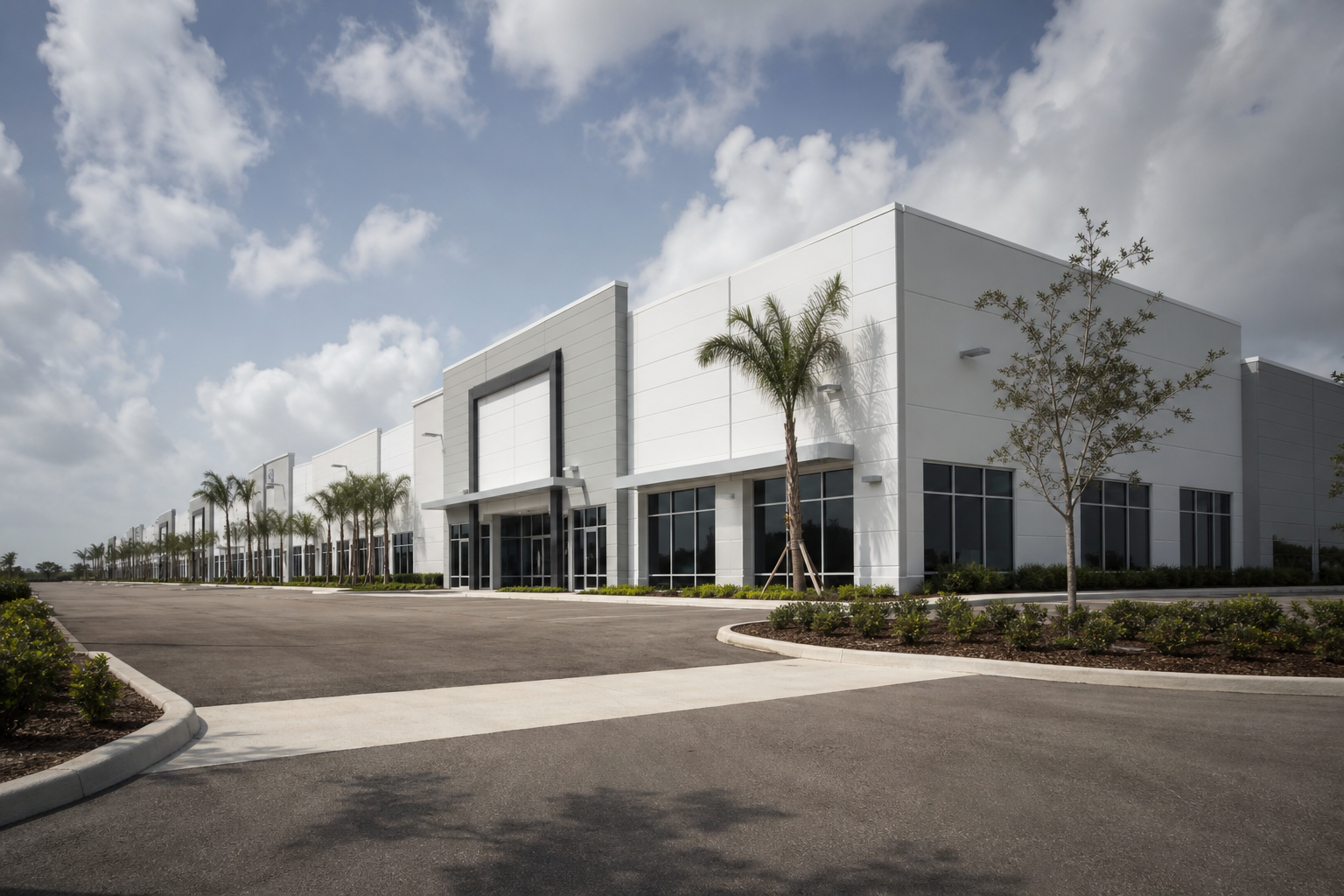
BKM and Kayne Anderson buy seven small-bay buildings that last traded for $17.5M in 2013.
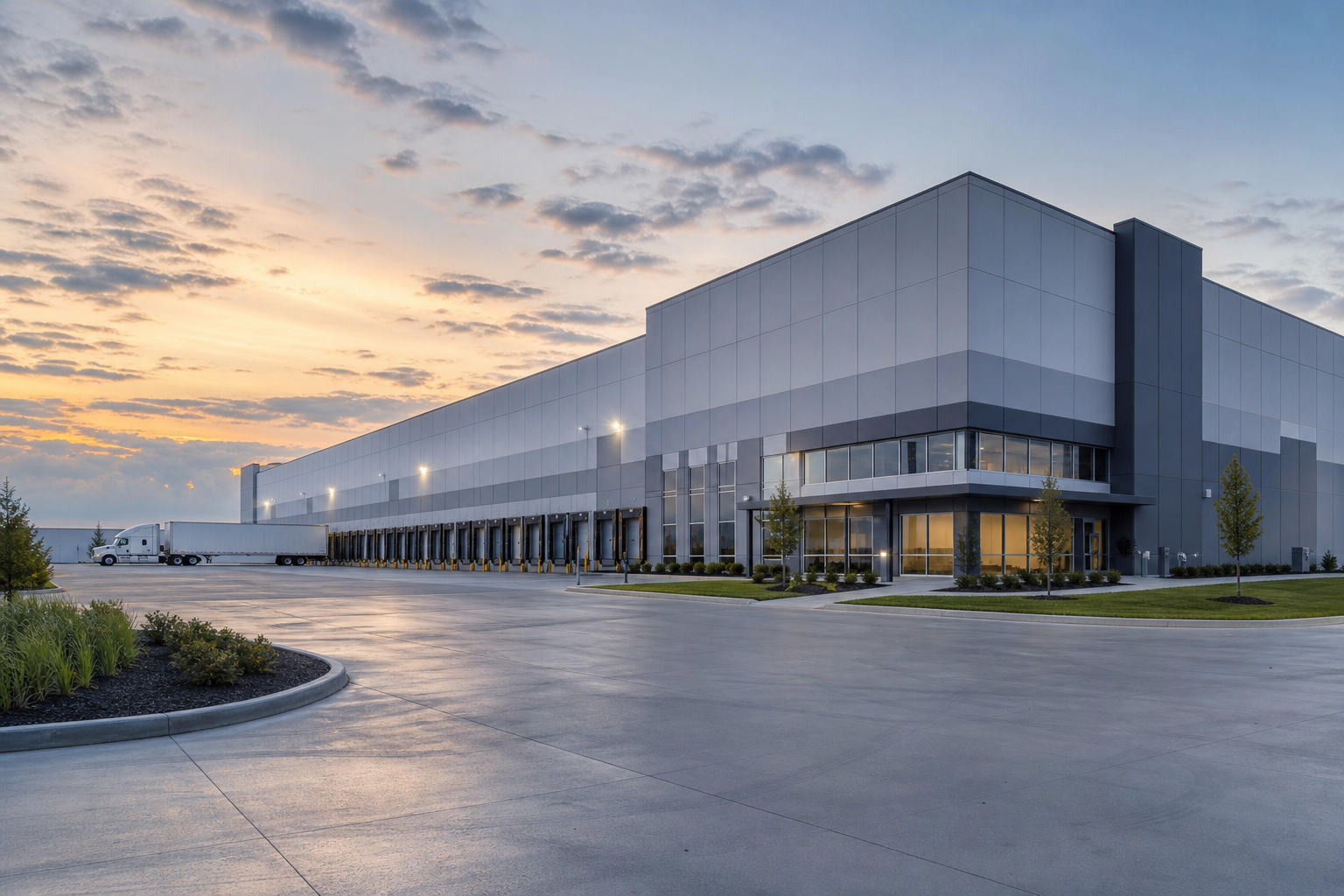
A Cincinnati-area site for furniture and televisions adds 300 jobs to a next-day delivery network.

Apartment values are down, CMBS stress is climbing, and $757B of debt matures by 2028.
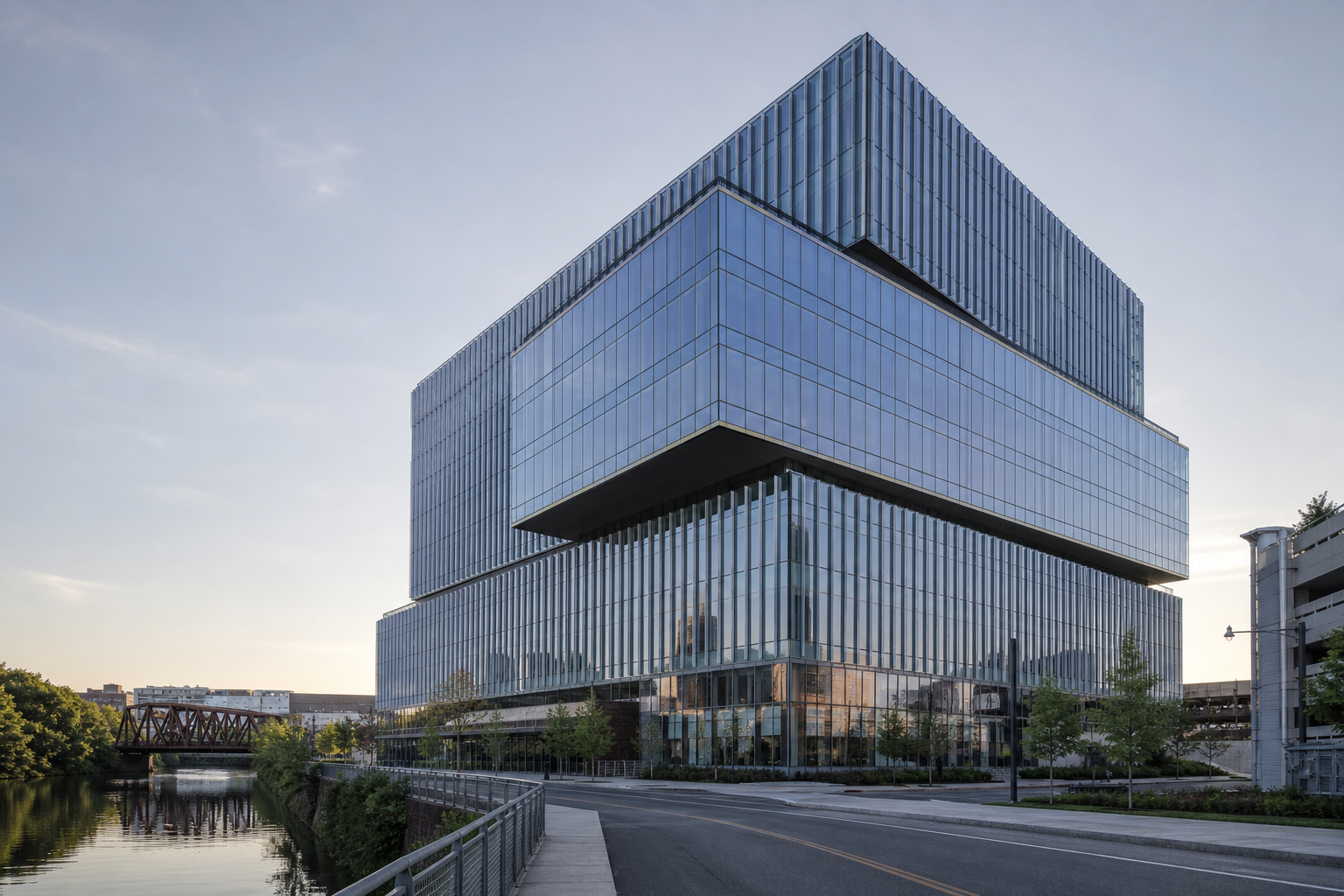
A health system takes 105,000 sf in a 469,000 sf building two years after delivery.
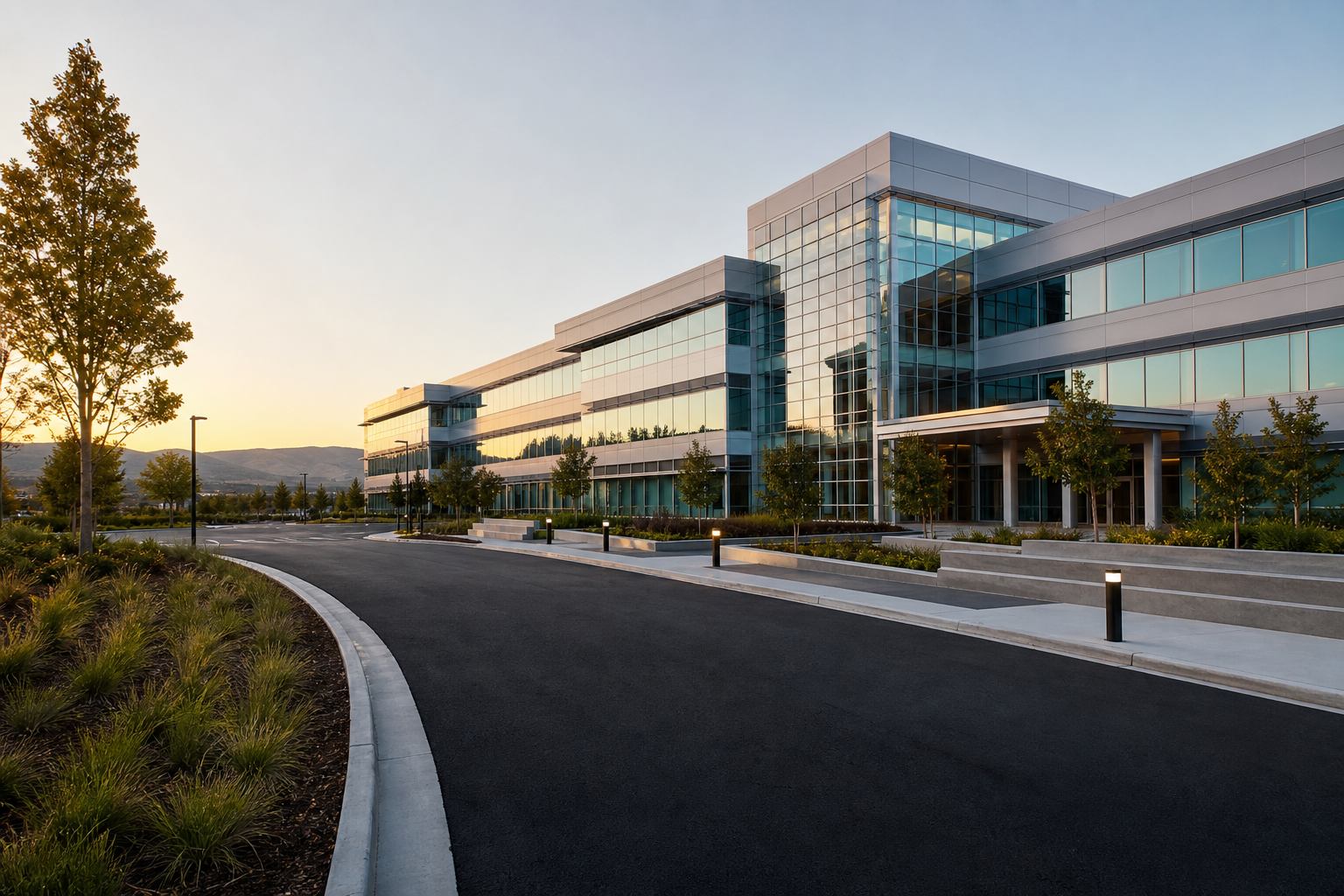
A tenant-funded power upgrade and a lease through 2037 anchor $445 per square foot.
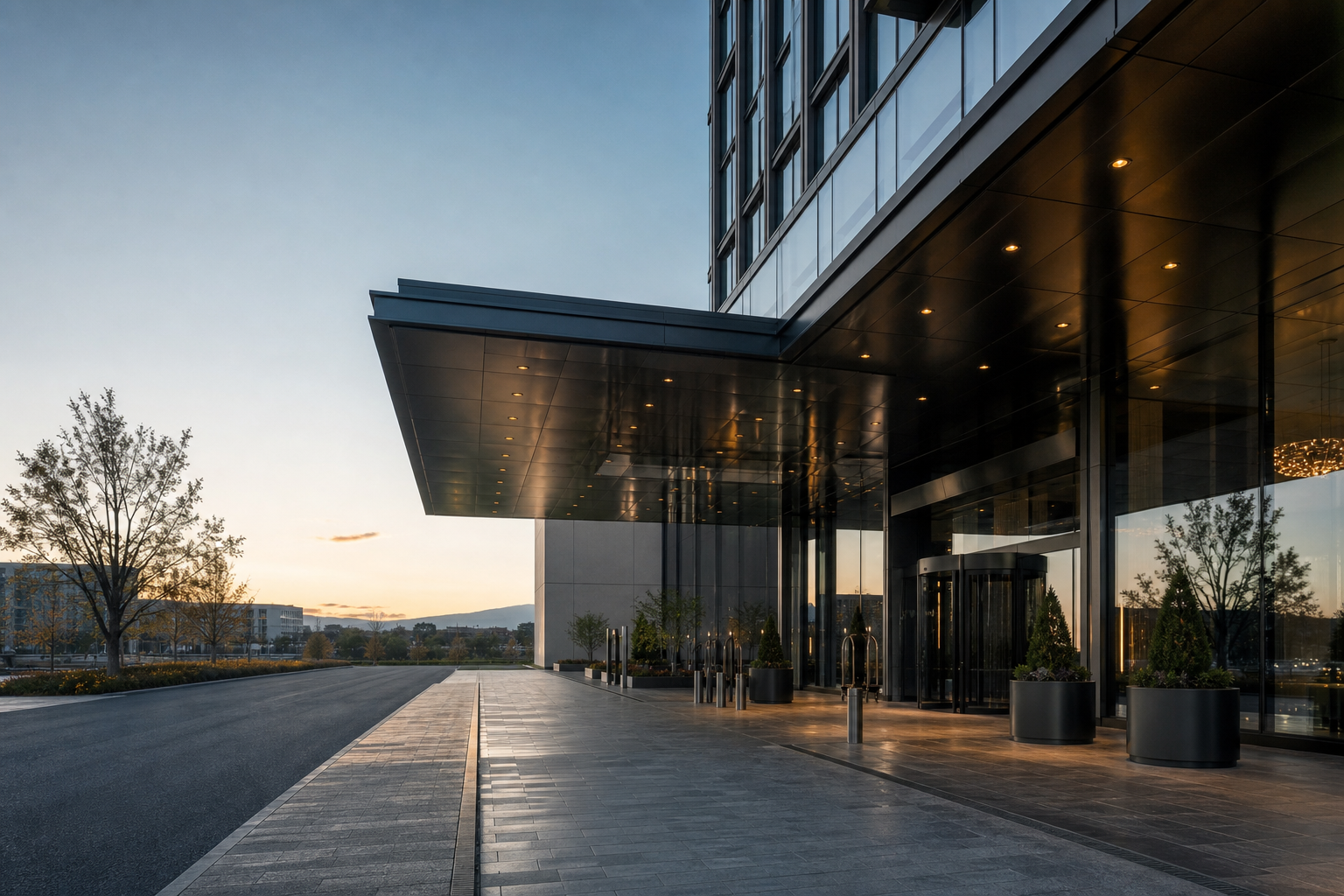
Occupancy and rate both rose in one week, and the calendar did part of the work.

A 75-basis-point move in 30 days is ending the hope that rates would rescue 2026 maturities.
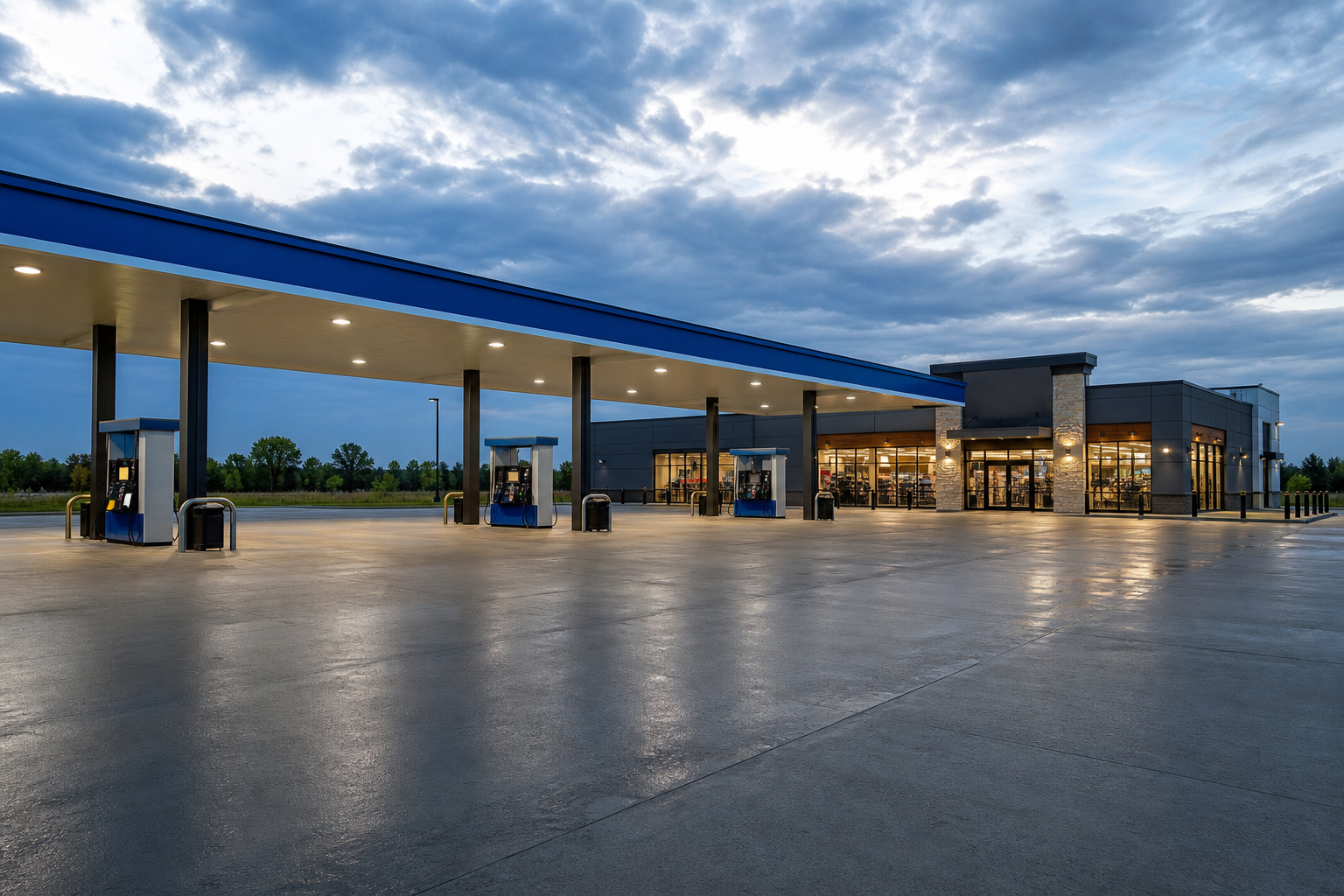
Buyers are underwriting food service and bonus depreciation, not gallons sold.
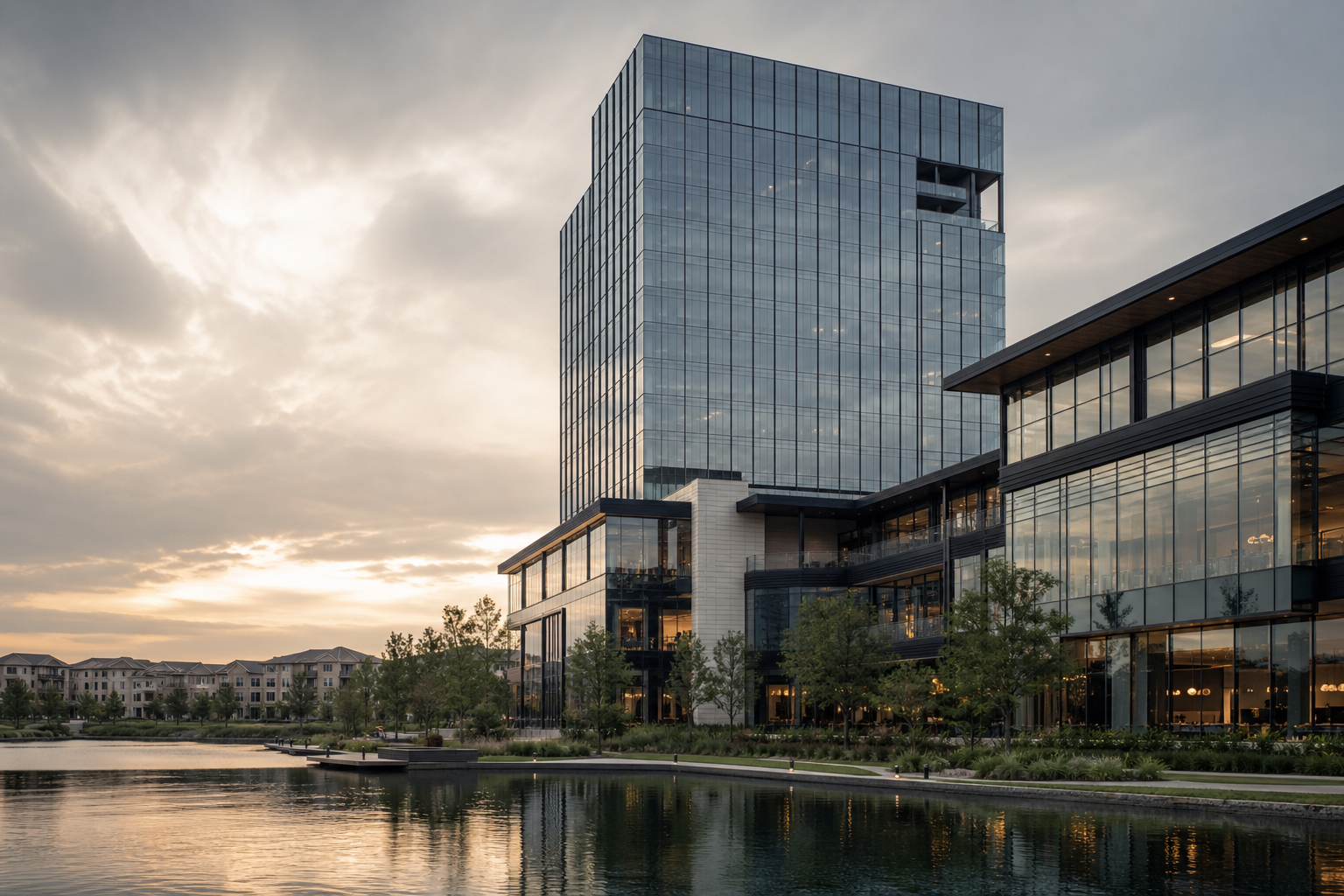
A land and master-planned-community owner is trying to become a Blackstone-style manager.
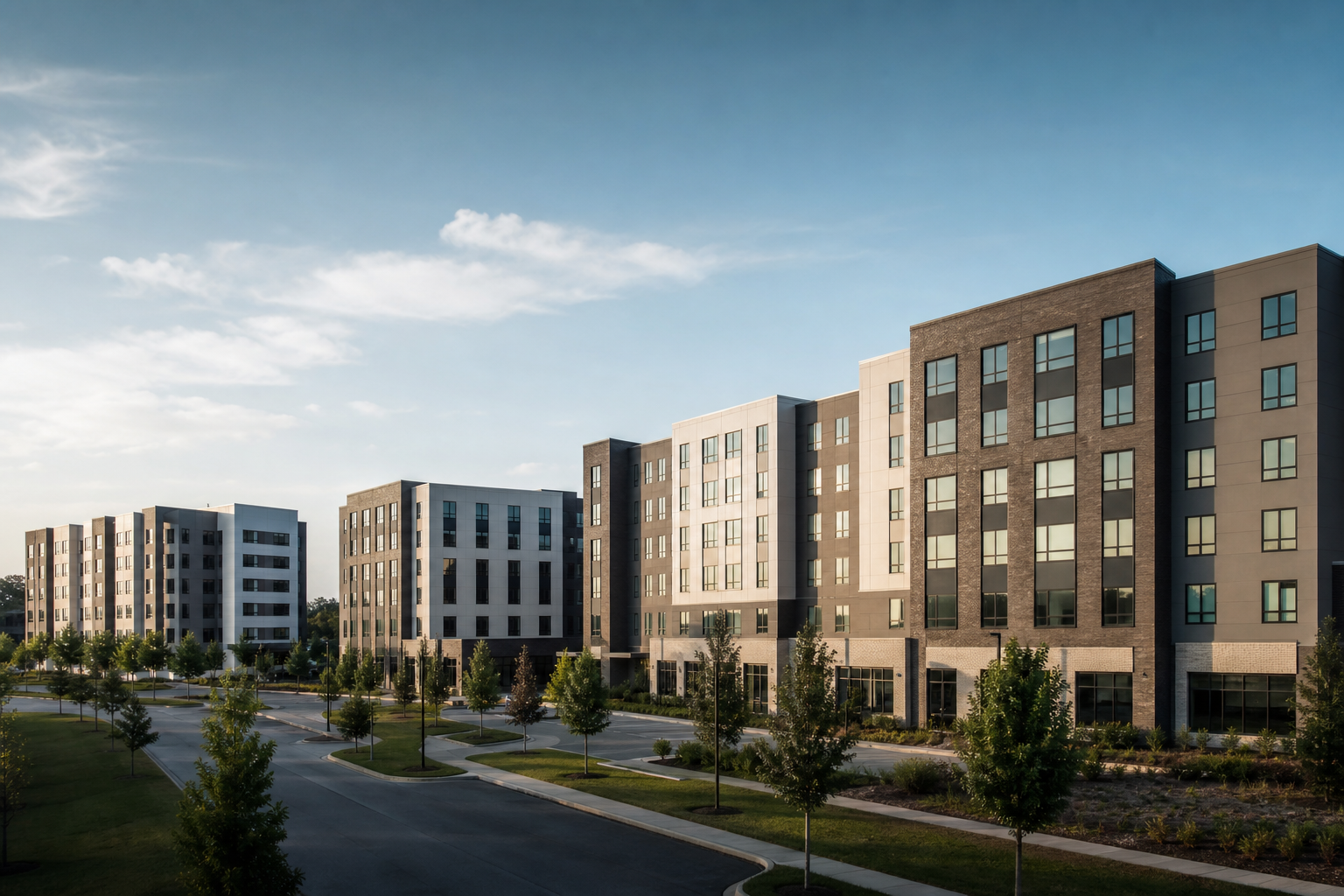
Society Hill Capital and Liberty Group are backing 1,681 beds across three campuses after their first bet paid off.
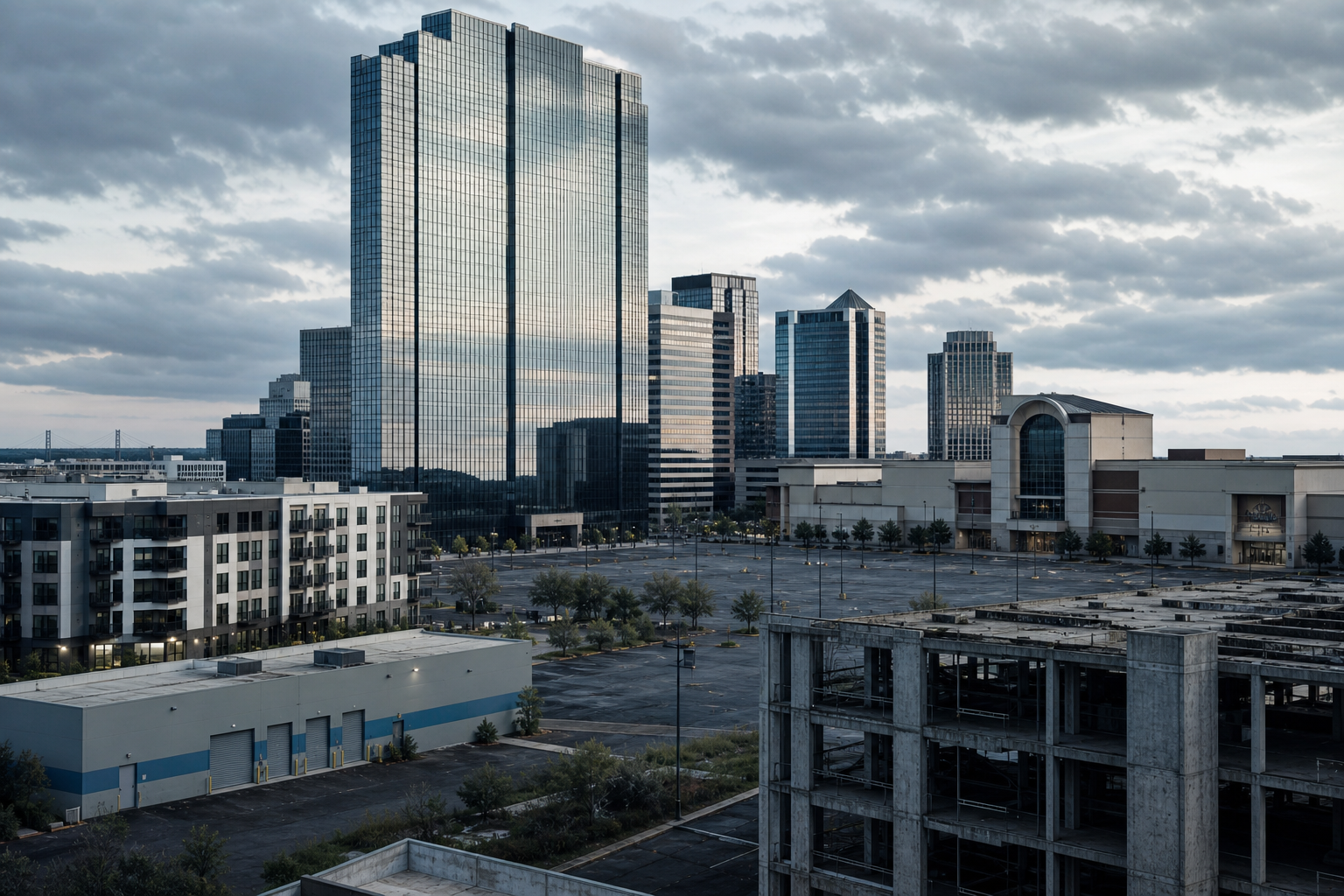
From a $806M Boston office to a Memphis mall, six loans this week span nearly every property type.
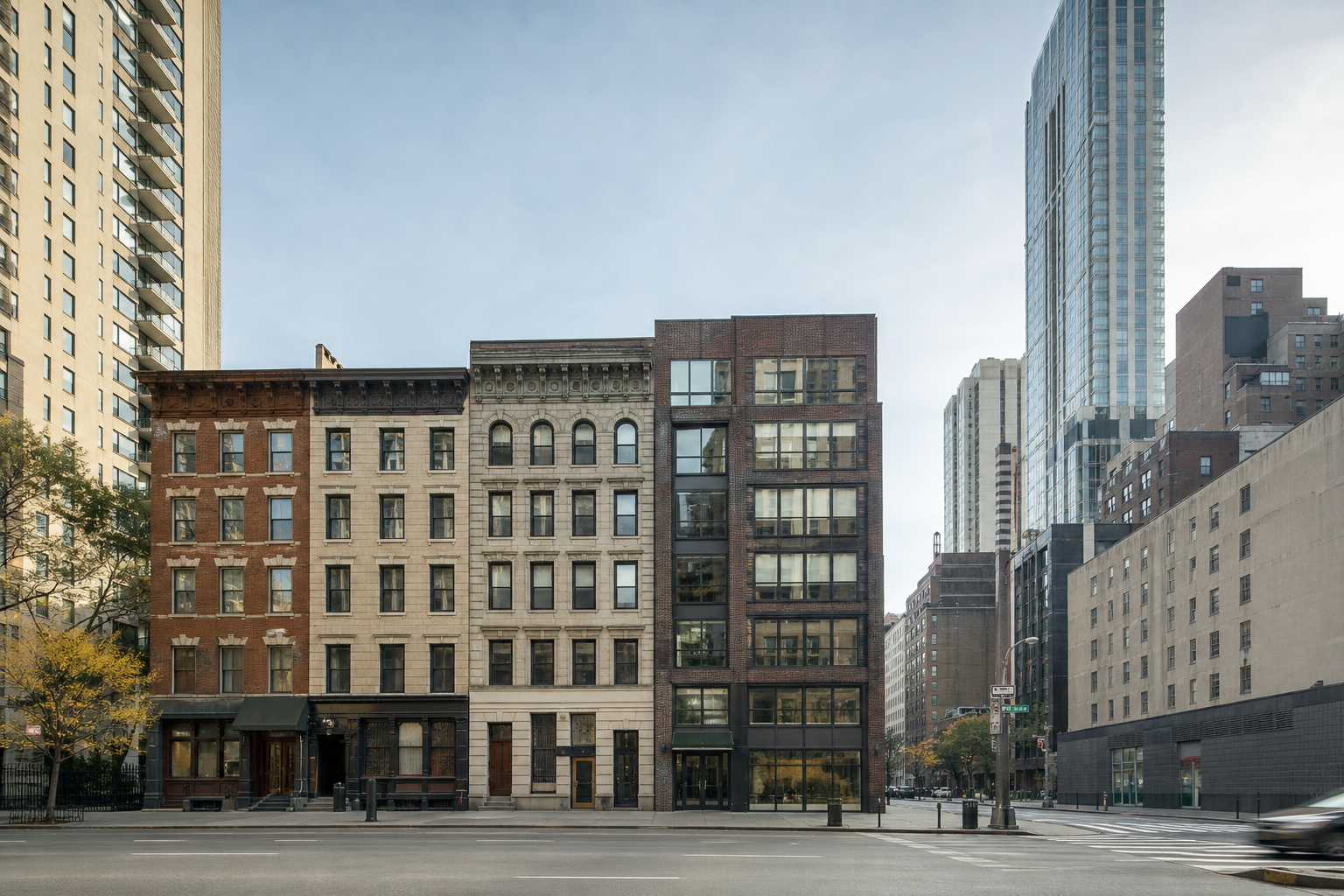
Three prewar buildings on Lexington Avenue traded for $28.1 million, completing a buyer's control of the entire block.
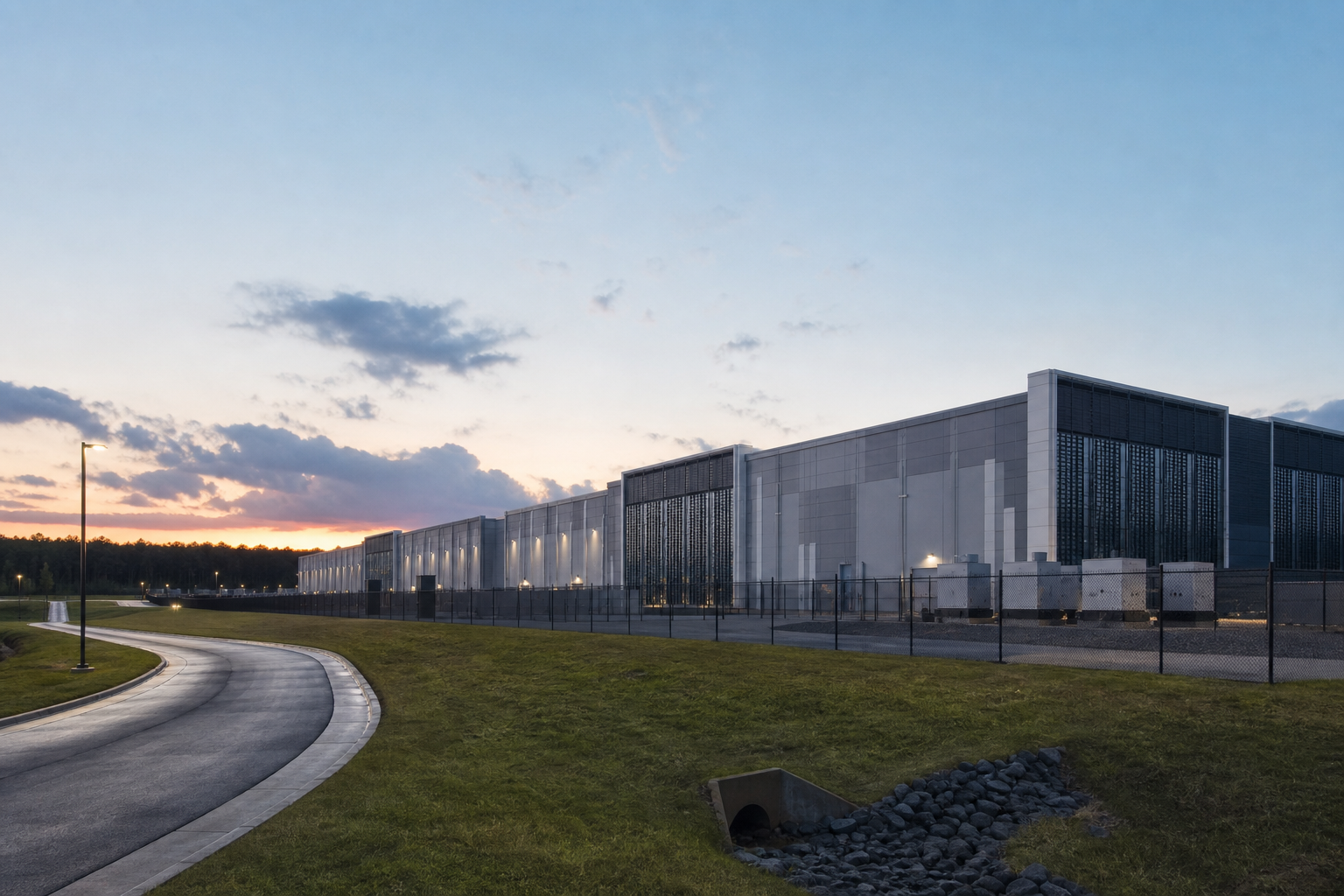
The senior secured notes fund a Sandersville data-center project, with closing expected the same day as this report.

A Chicago landlord's alleged back-to-back sales scheme now spans Illinois, Connecticut and Oklahoma, with $44 million in debt exposed.

August's $107B sales headline was mostly M&A -- property-by-property trading actually fell.

A state incentive freeze, a proposed Chicago moratorium and billion-dollar local approvals are now running in parallel.
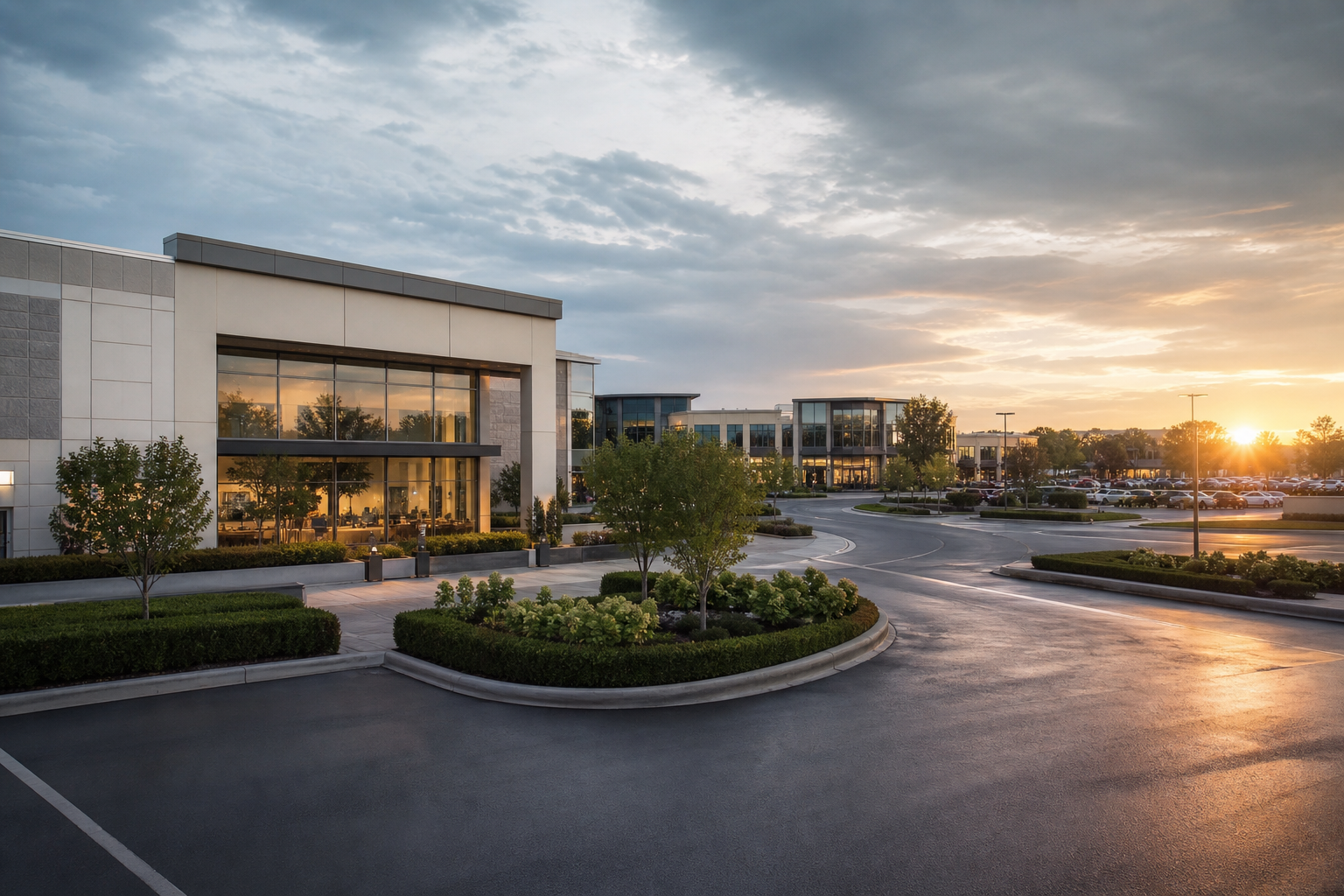
AEW and Brand Street bought the 410,000-SF Chicago-suburb center from a PGIM affiliate.

A $12.4M fraud suit says the firm's NOI projections on a DC apartment deal only ever went up.
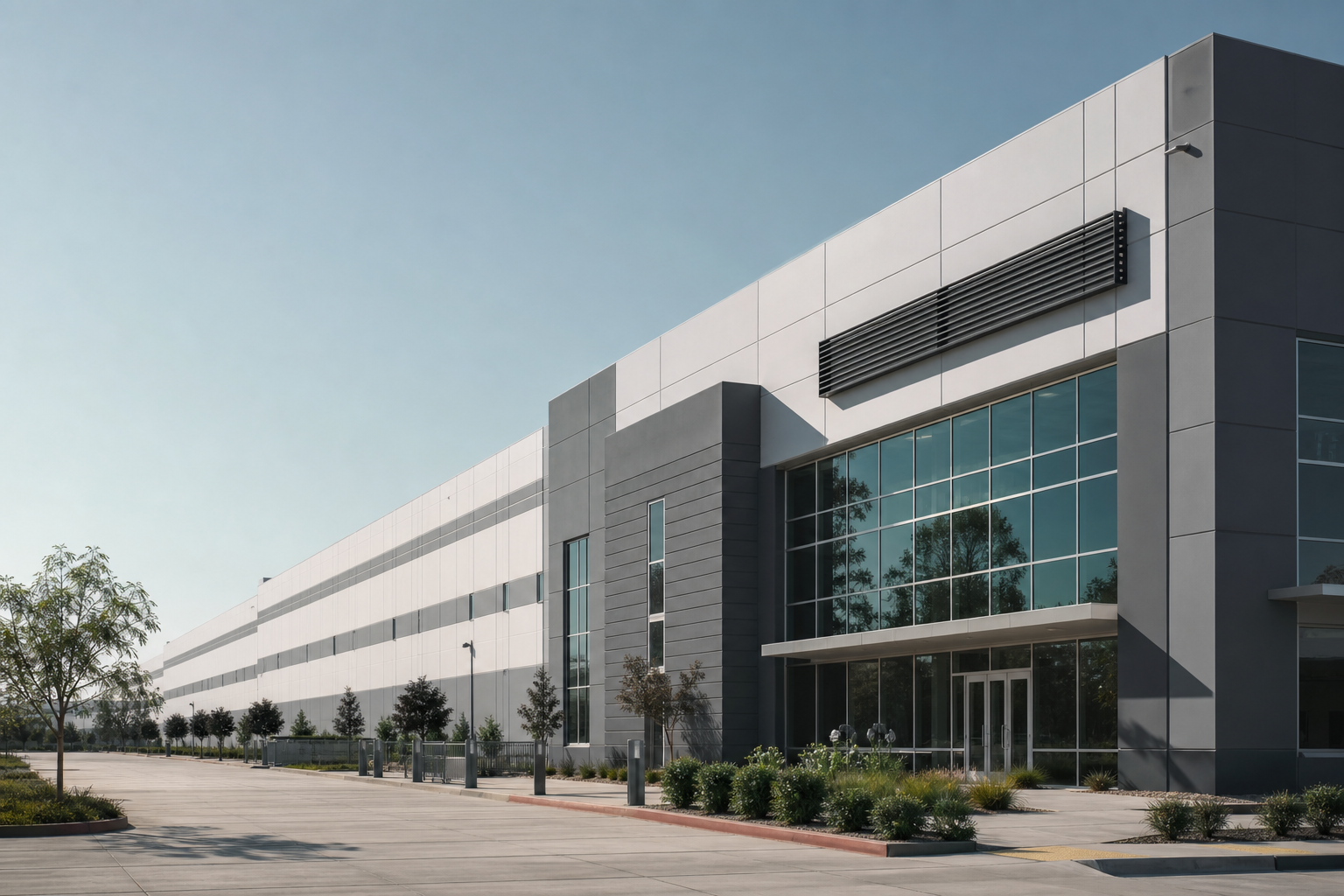
The 22-property SoCal portfolio has rents 28% above market -- which is exactly why Rexford is exiting.
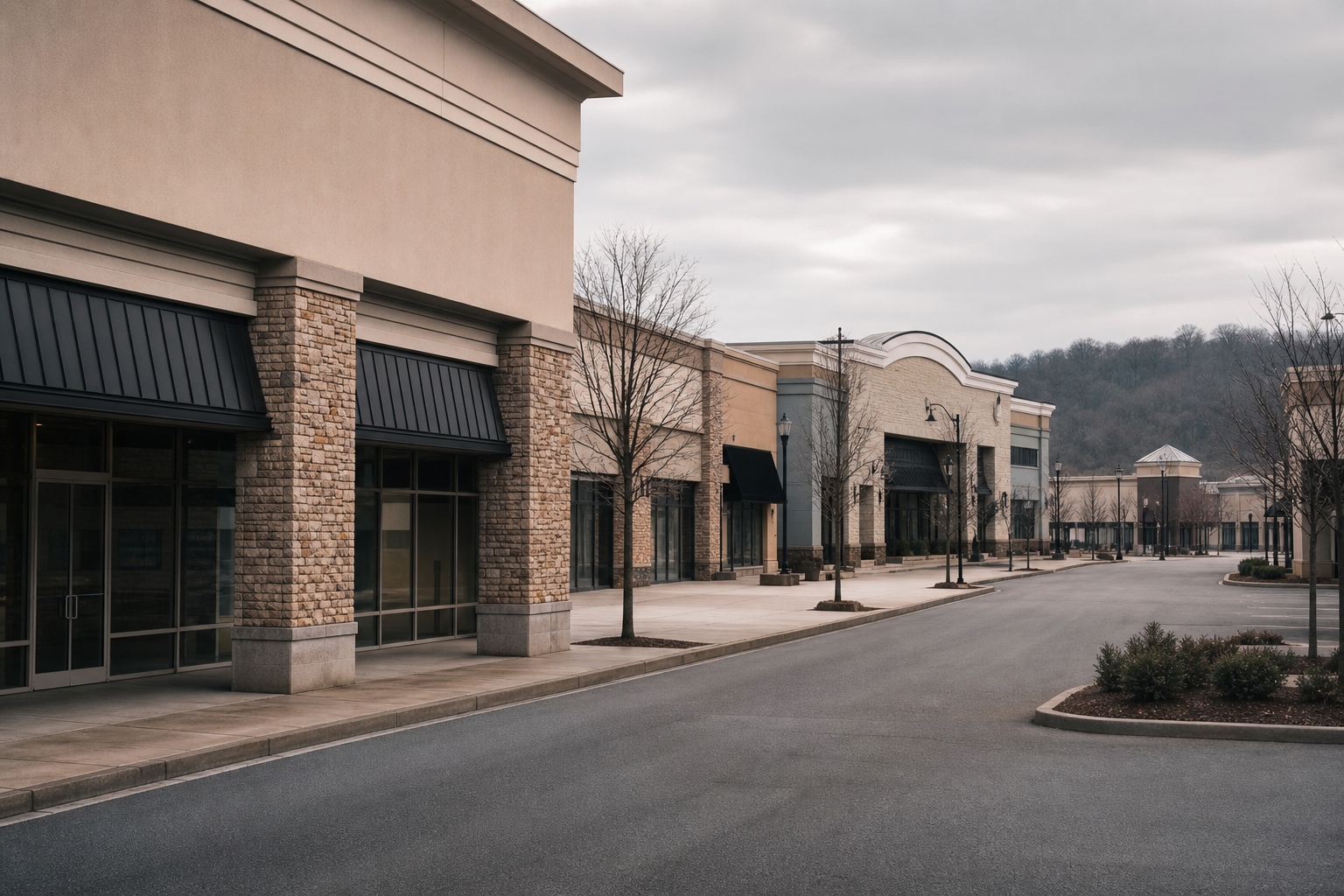
An $83.3M loan behind Gaffney, Calhoun and a third outlet property went to the trusts, not a buyer.
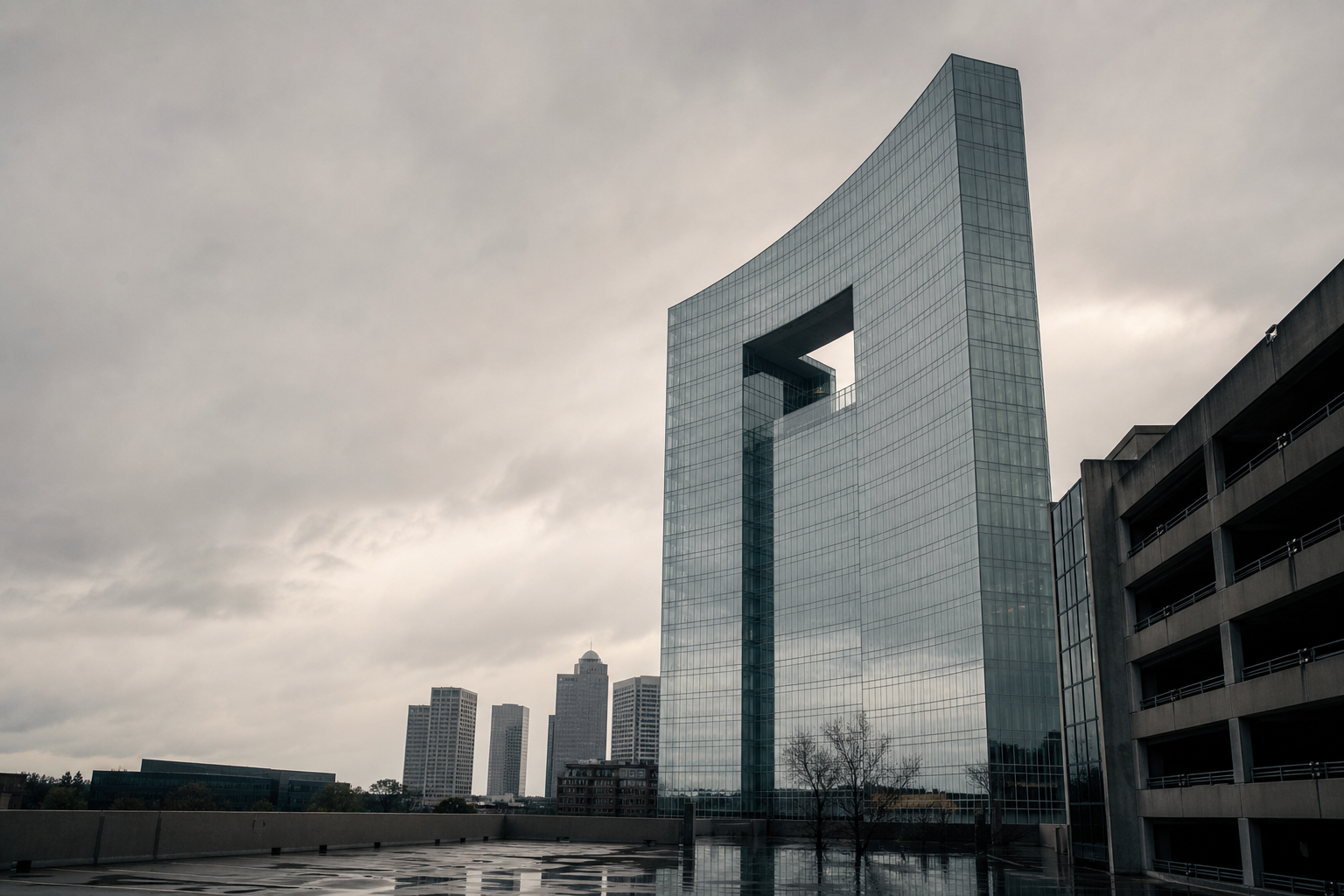
Three CMBS trusts absorbed the hit when 3000 Post Oak in the Galleria sold for far less than its debt.

Both a $2.7B equity fund and a $2.3B credit fund closed oversubscribed -- a real-money signal on institutional CRE appetite.
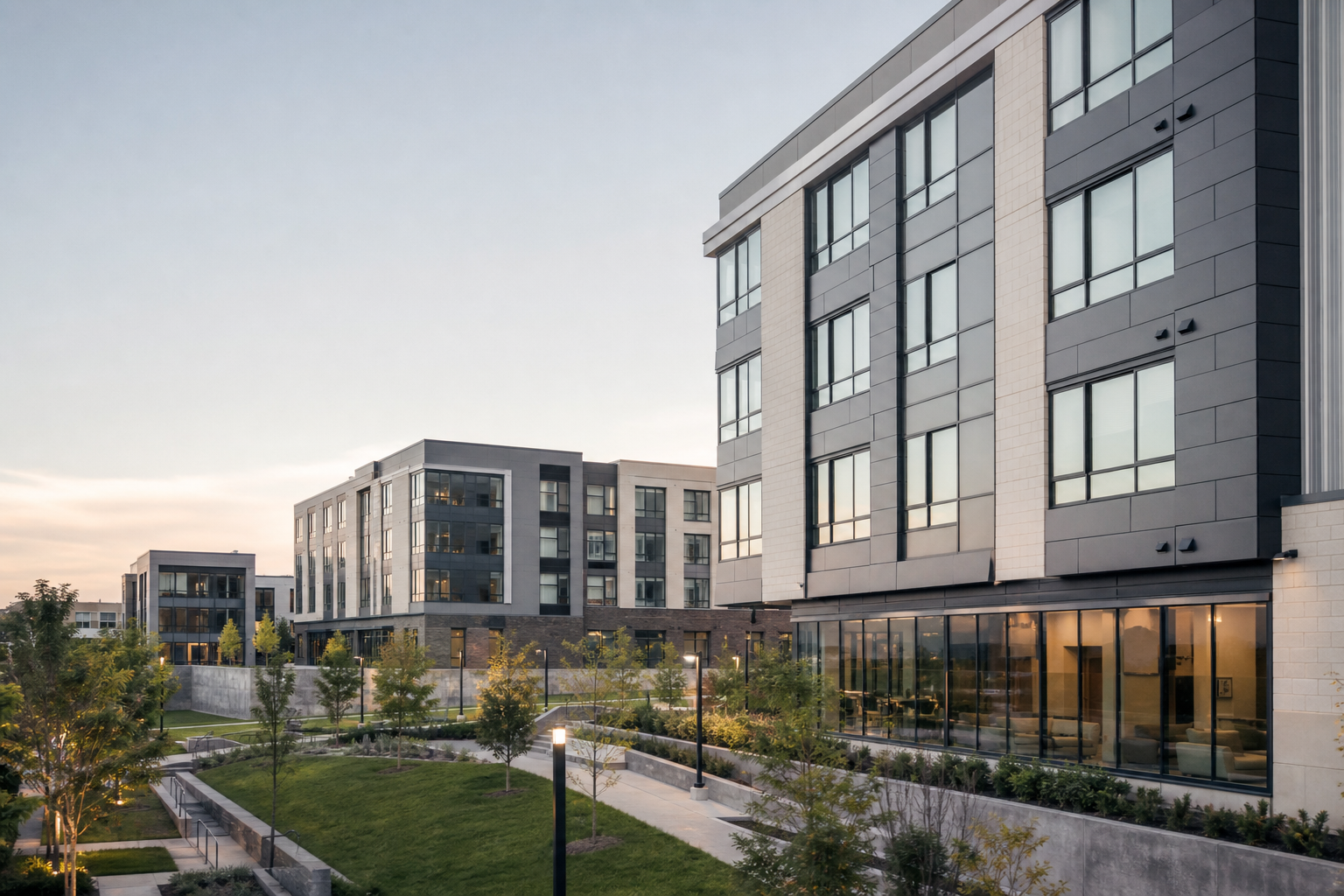
Preleasing hit a record 93% this fall even as rent growth cooled to 1.1%.
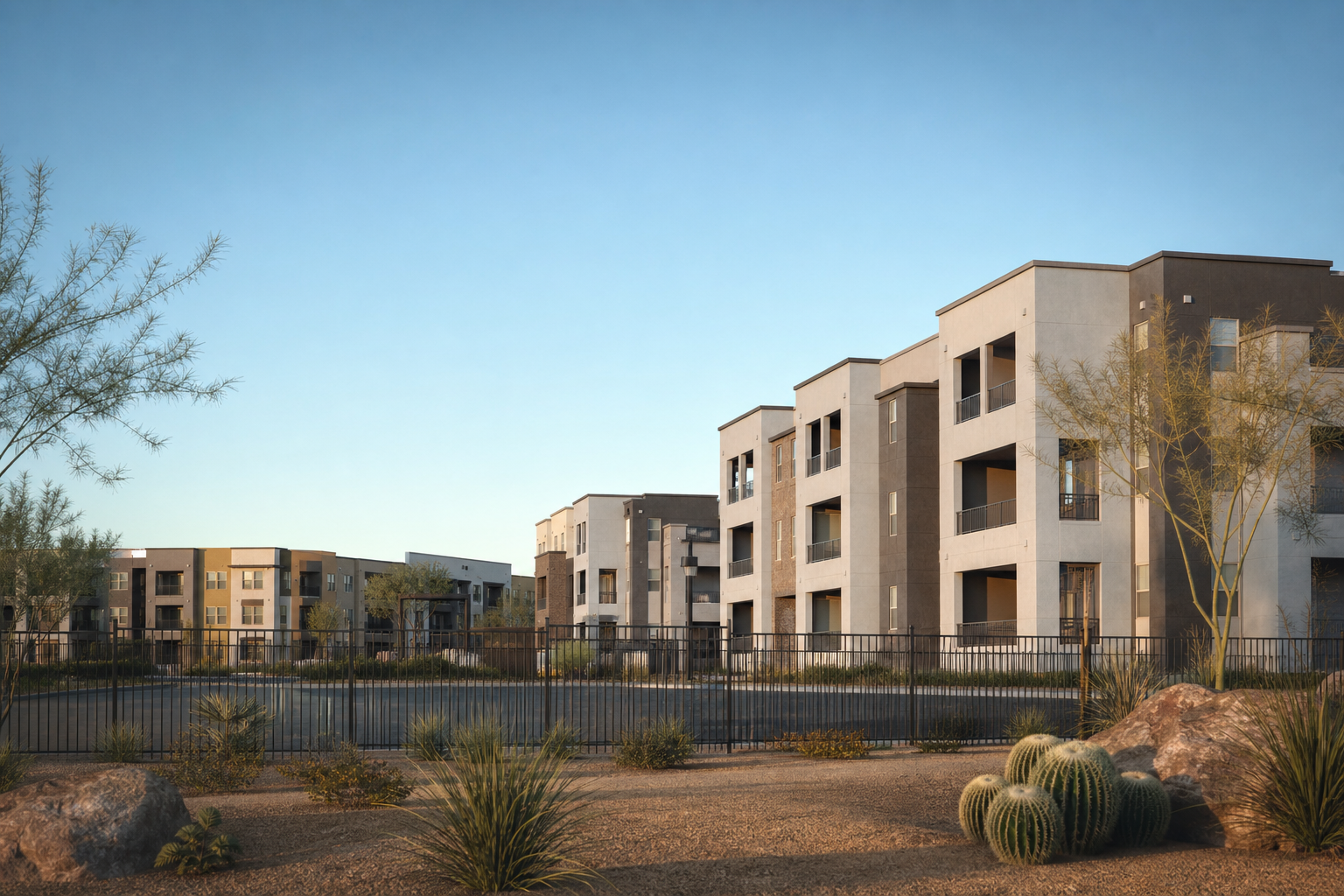
Millburn & Co. paid $58.7M -- $225,769 a unit -- for Ascend at Black Canyon.
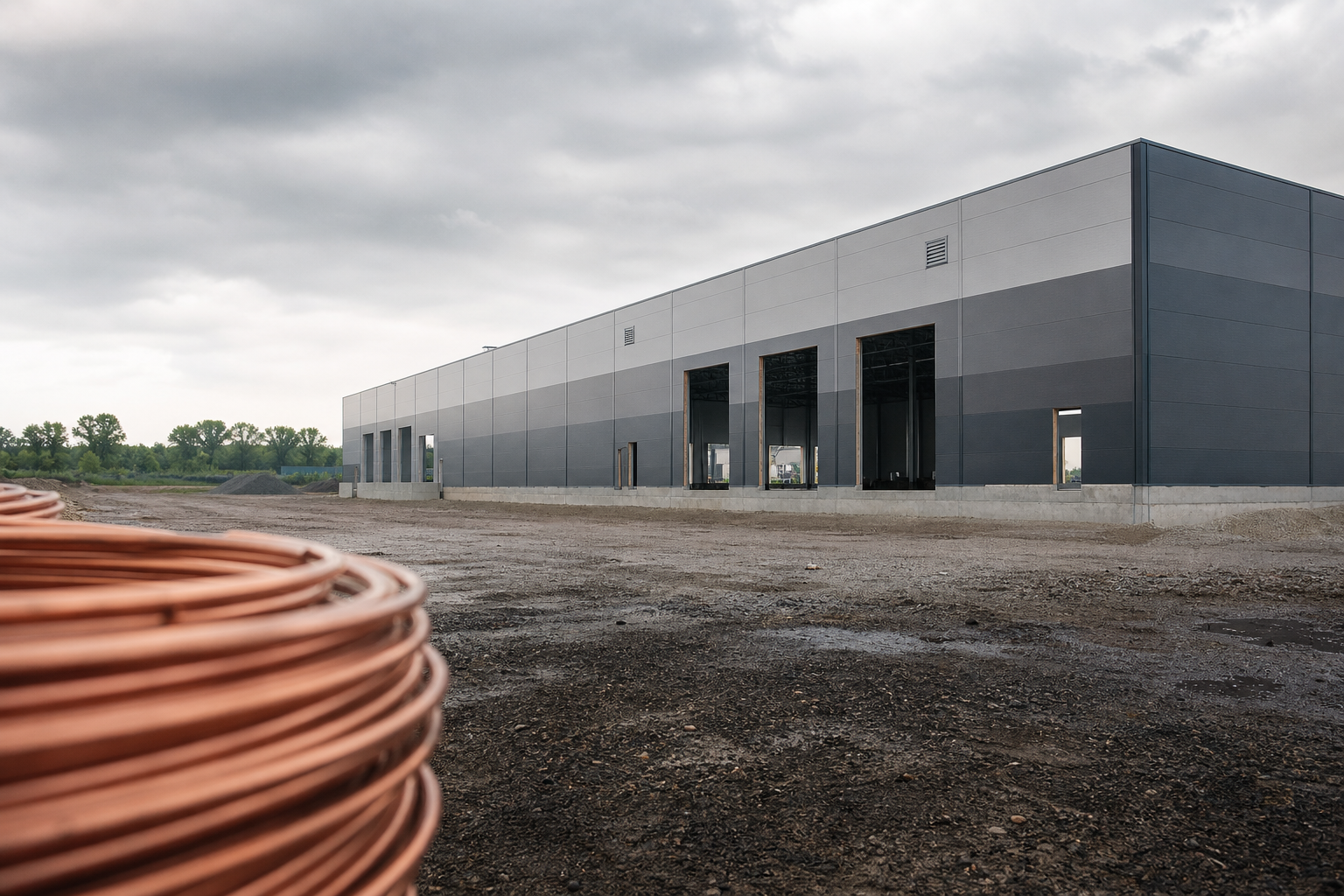
Small industrial projects are absorbing the sharpest cost increases as copper jumps 39% year-over-year.
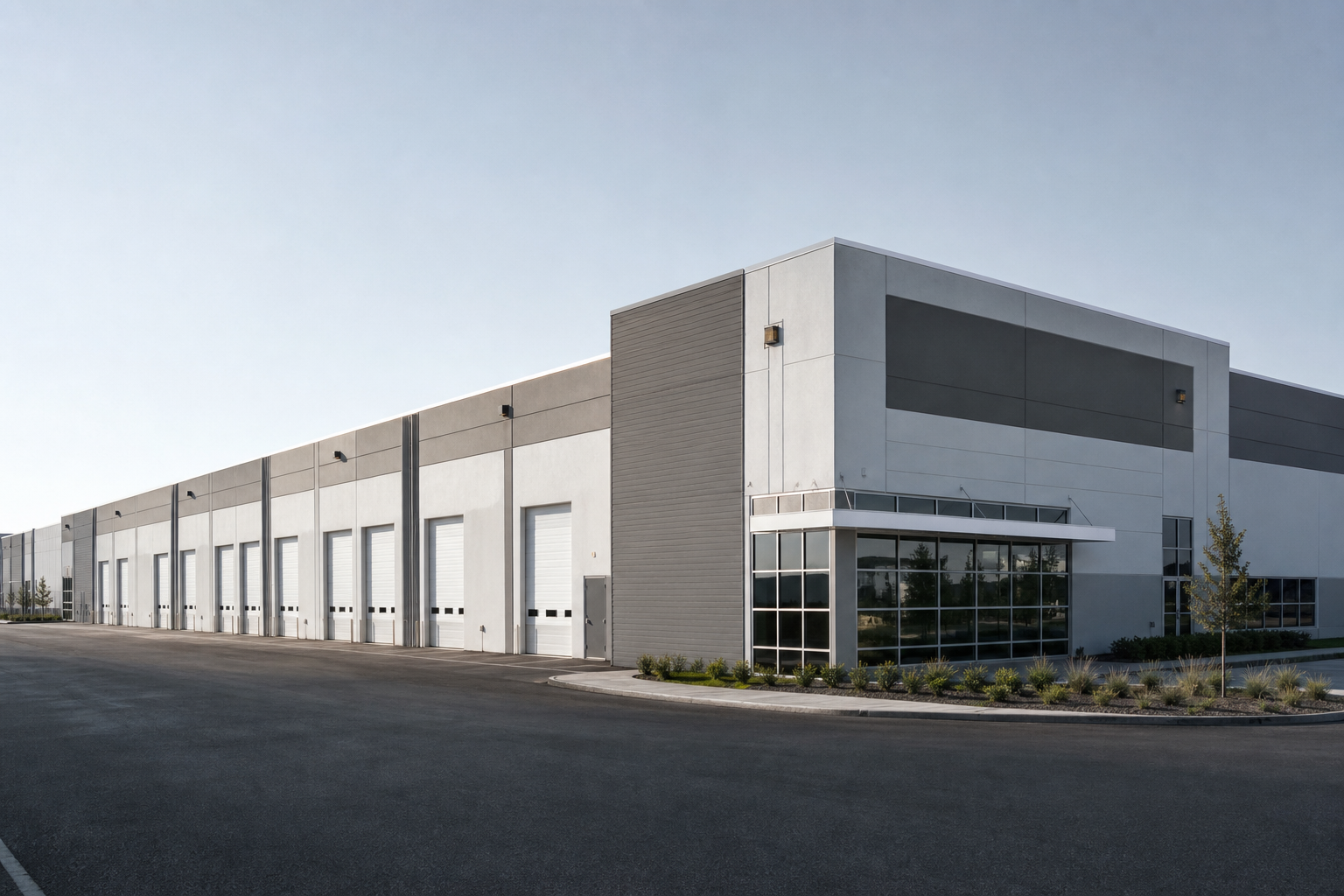
CIP bought 200,049 square feet in 109 suites from AEW for $60.65 million, with a $42.9 million acquisition loan.
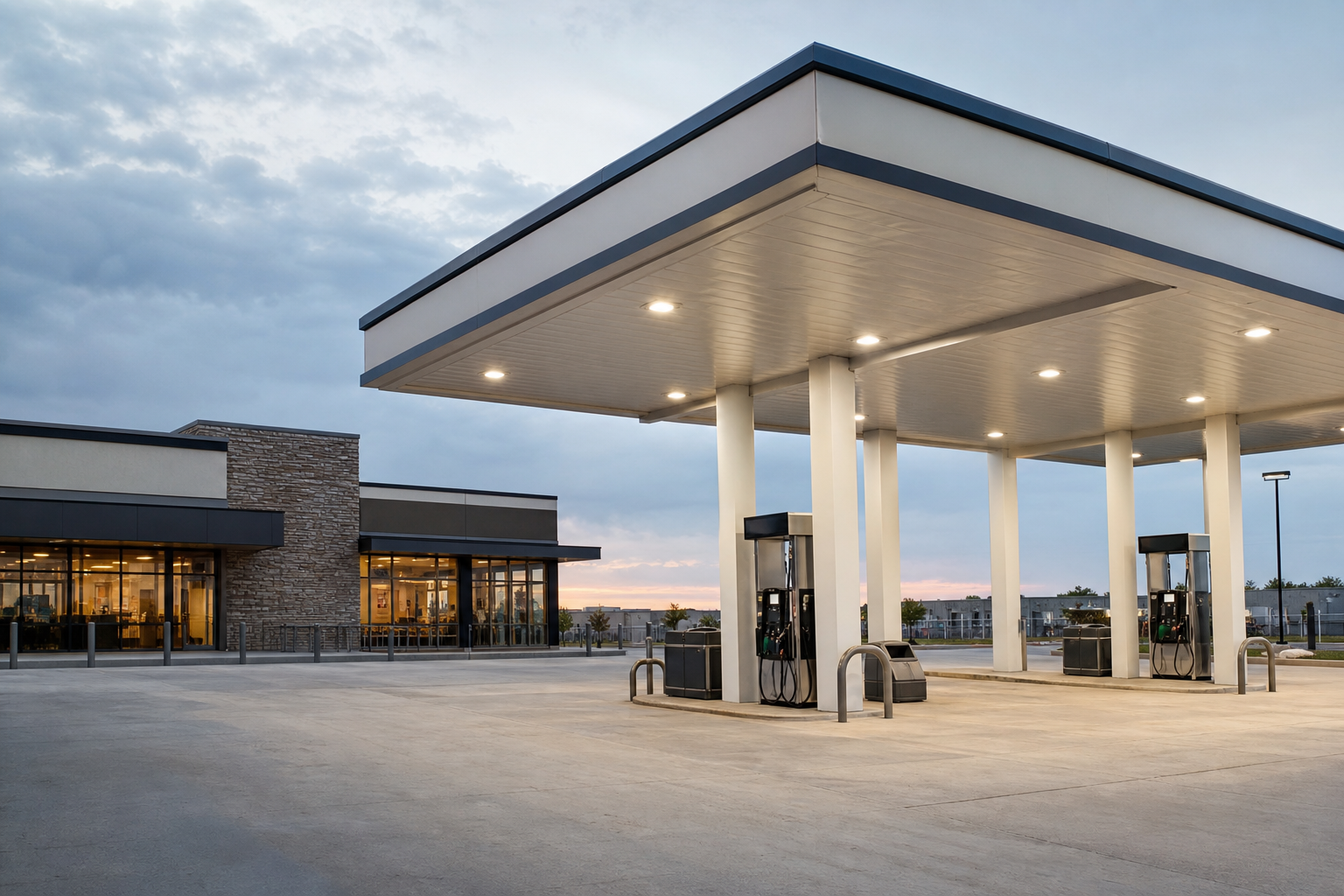
Forty-one stores across four states, four unitary leases, and 7.7 percent of annualized base rent in a single close.
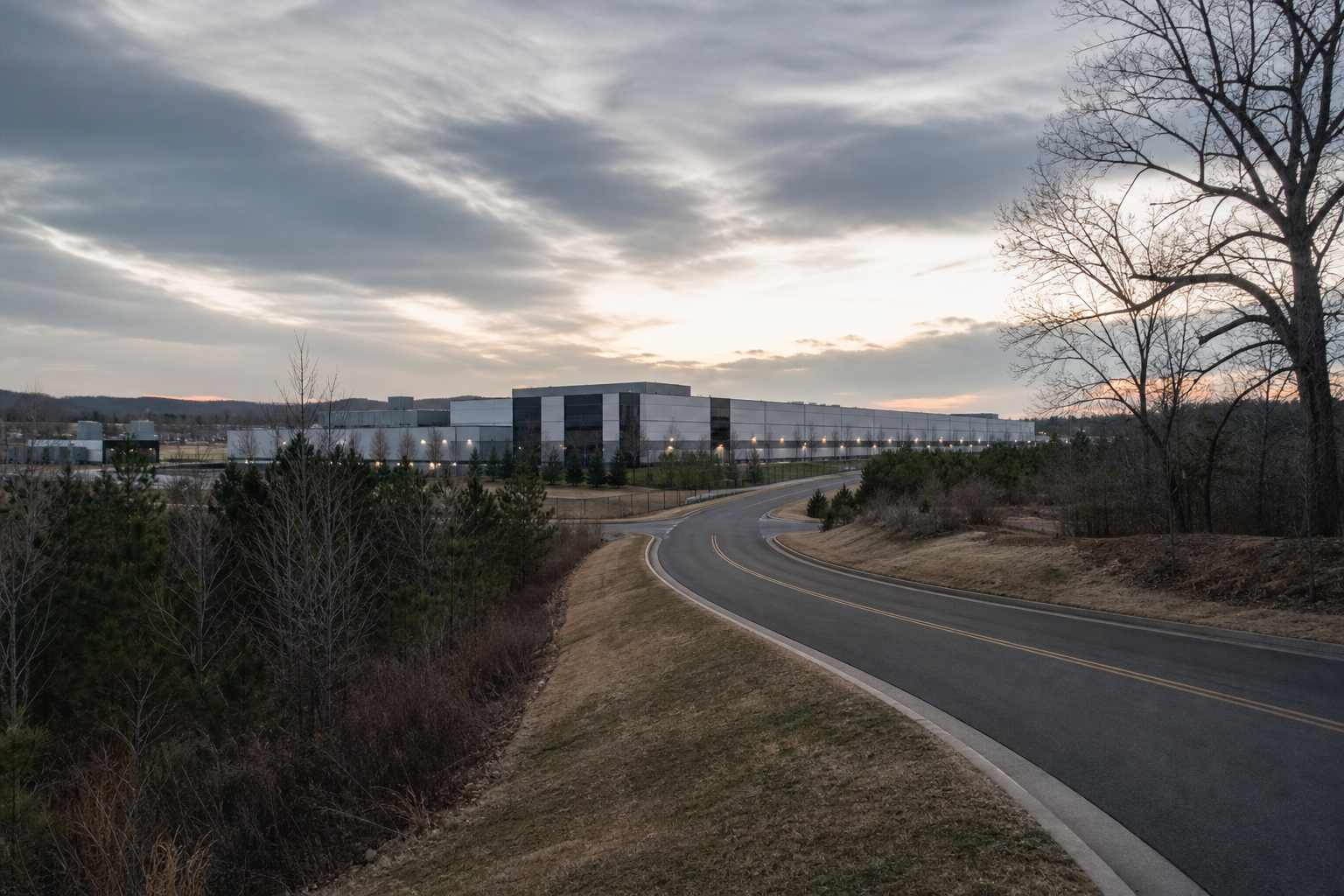
Prince William supervisors voted 8-0 to cut the overlay 62 percent and route nearly every new project through discretionary approval.
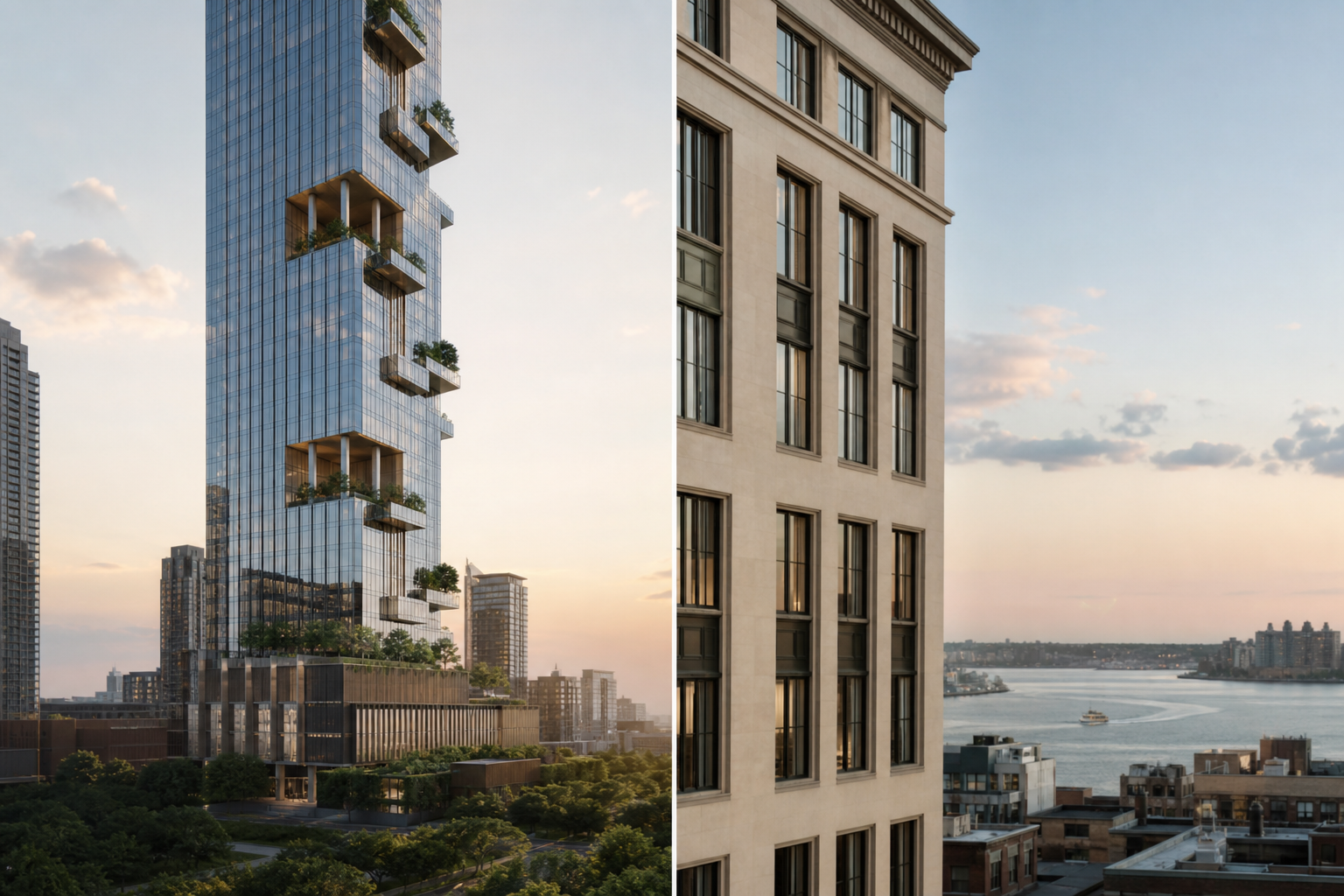
In Austin the hotel is the podium. In Brooklyn Heights the hotel is gone and the brand stays. Two launches, one model.

A secondary sale offers liquidity without forcing Blackstone to sell real assets into a soft market.
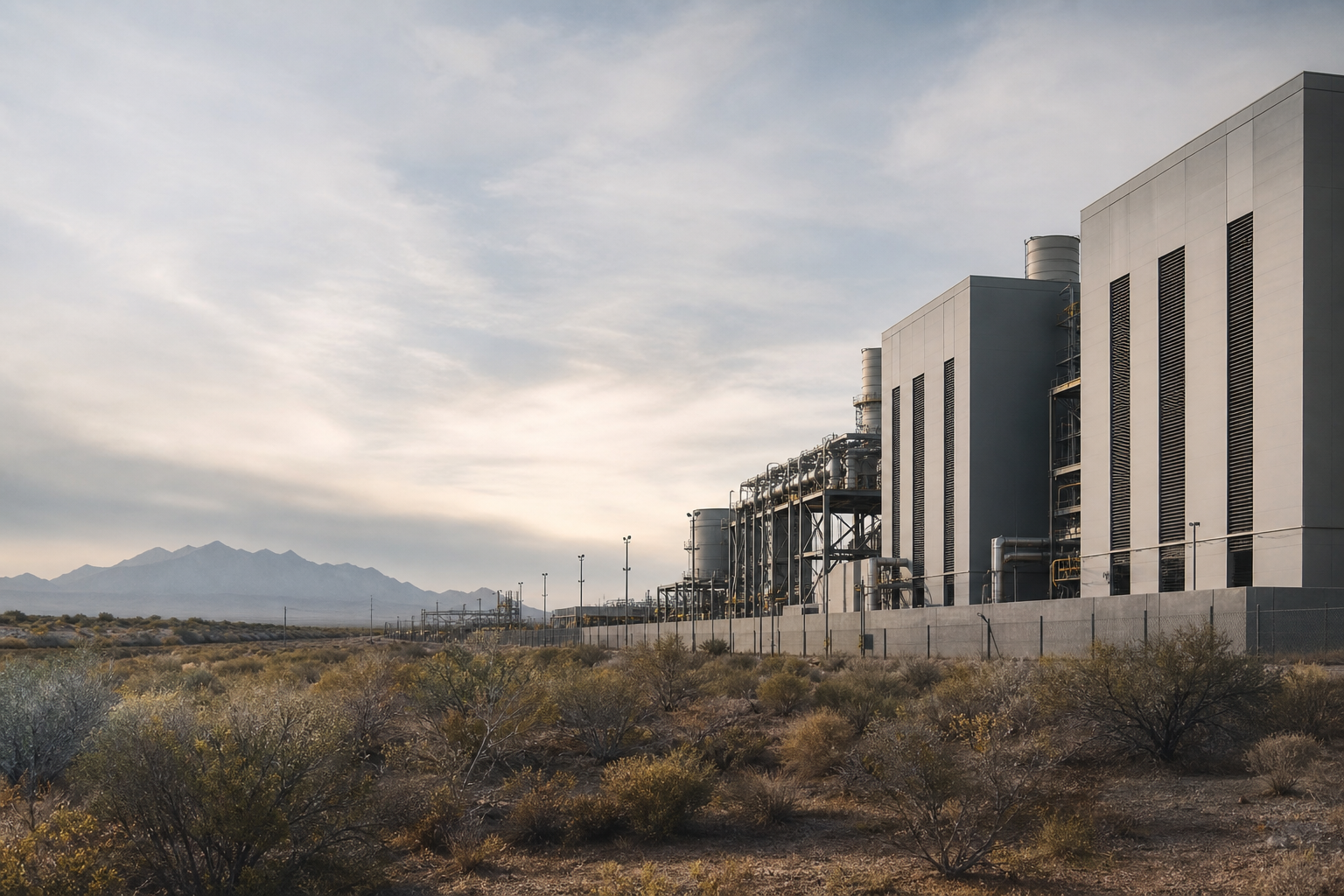
SRP's Marigold Energy Center goes before the siting committee this week. The load it serves is not yet approved.
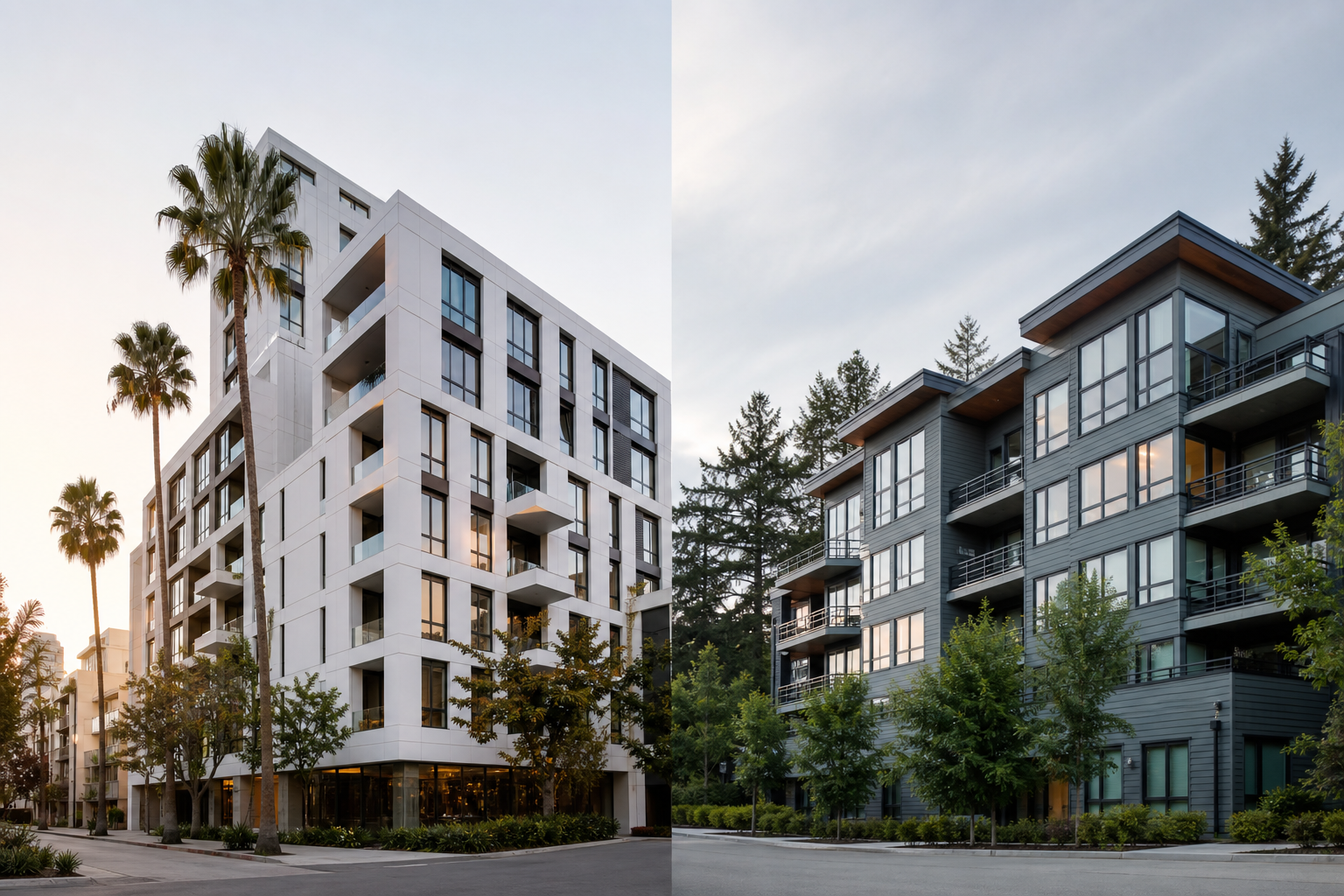
Decron paid $114M in L.A.'s Miracle Mile; TA Realty paid $102M outside Seattle. Both cite replacement cost.
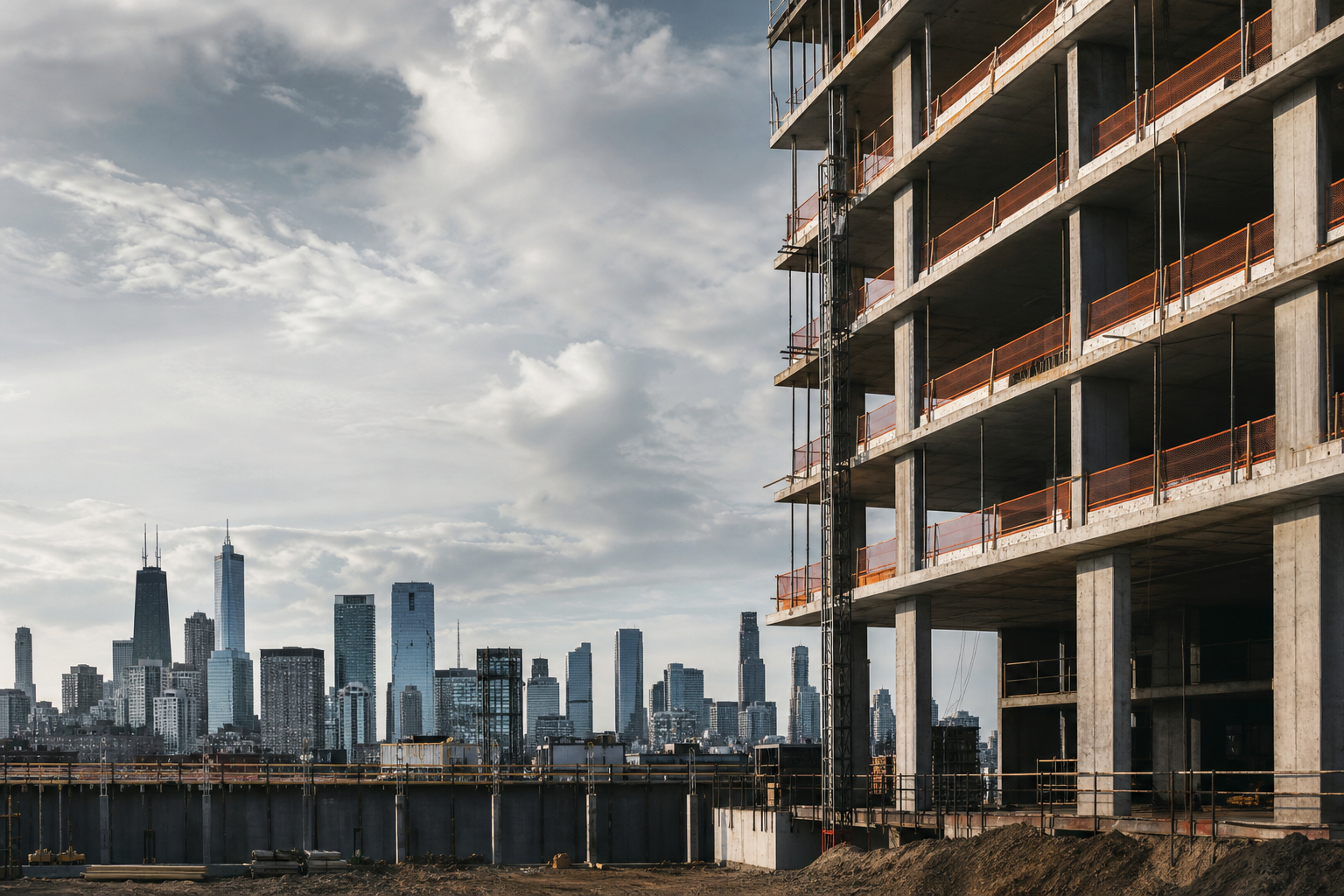
Two ground-up loans in 48 hours — Chicago's West Loop and suburban Boston — while August five-plus starts fell 22.5%.
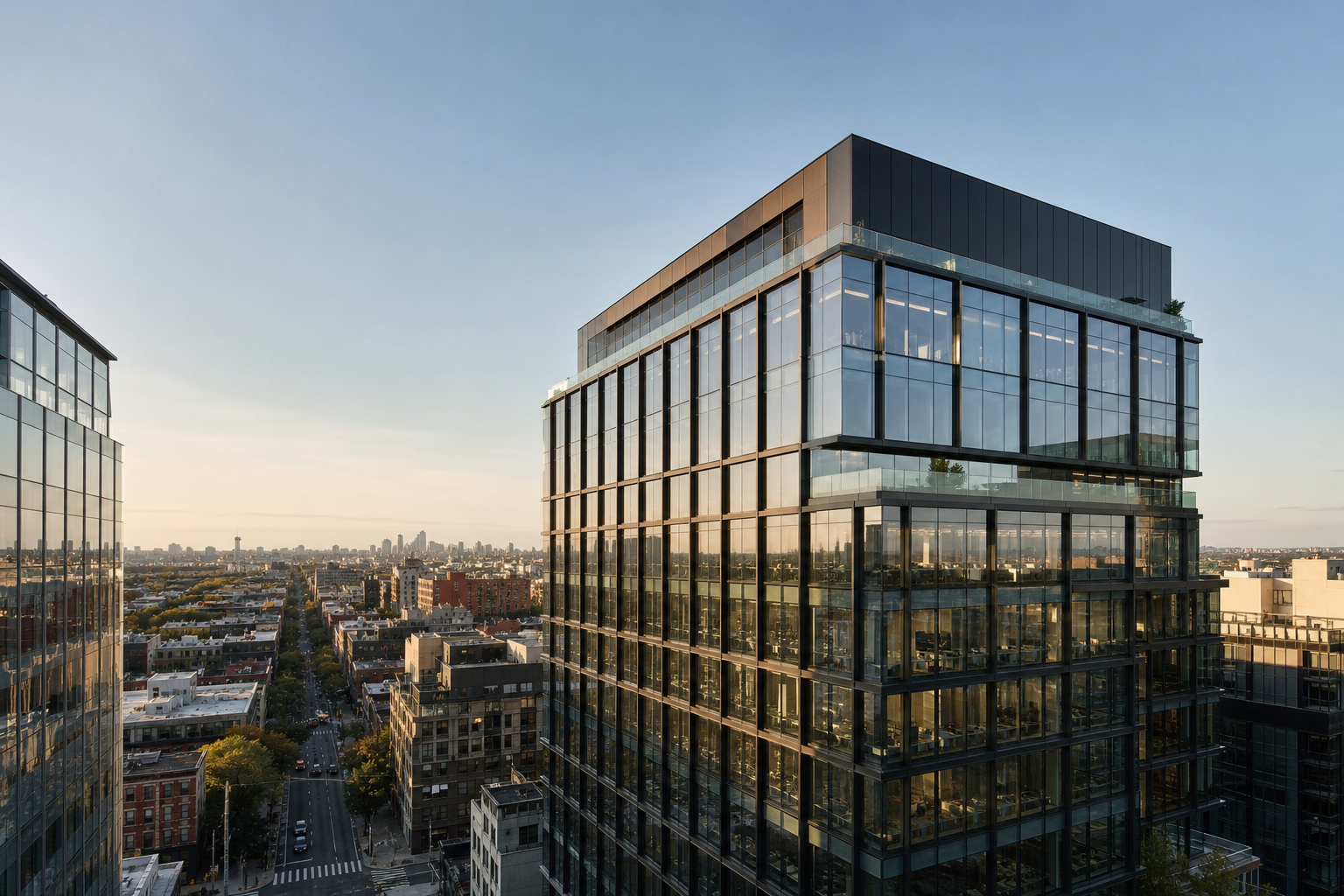
Corebridge refinanced 40 Tenth Avenue at nearly double its 2020 construction loan.
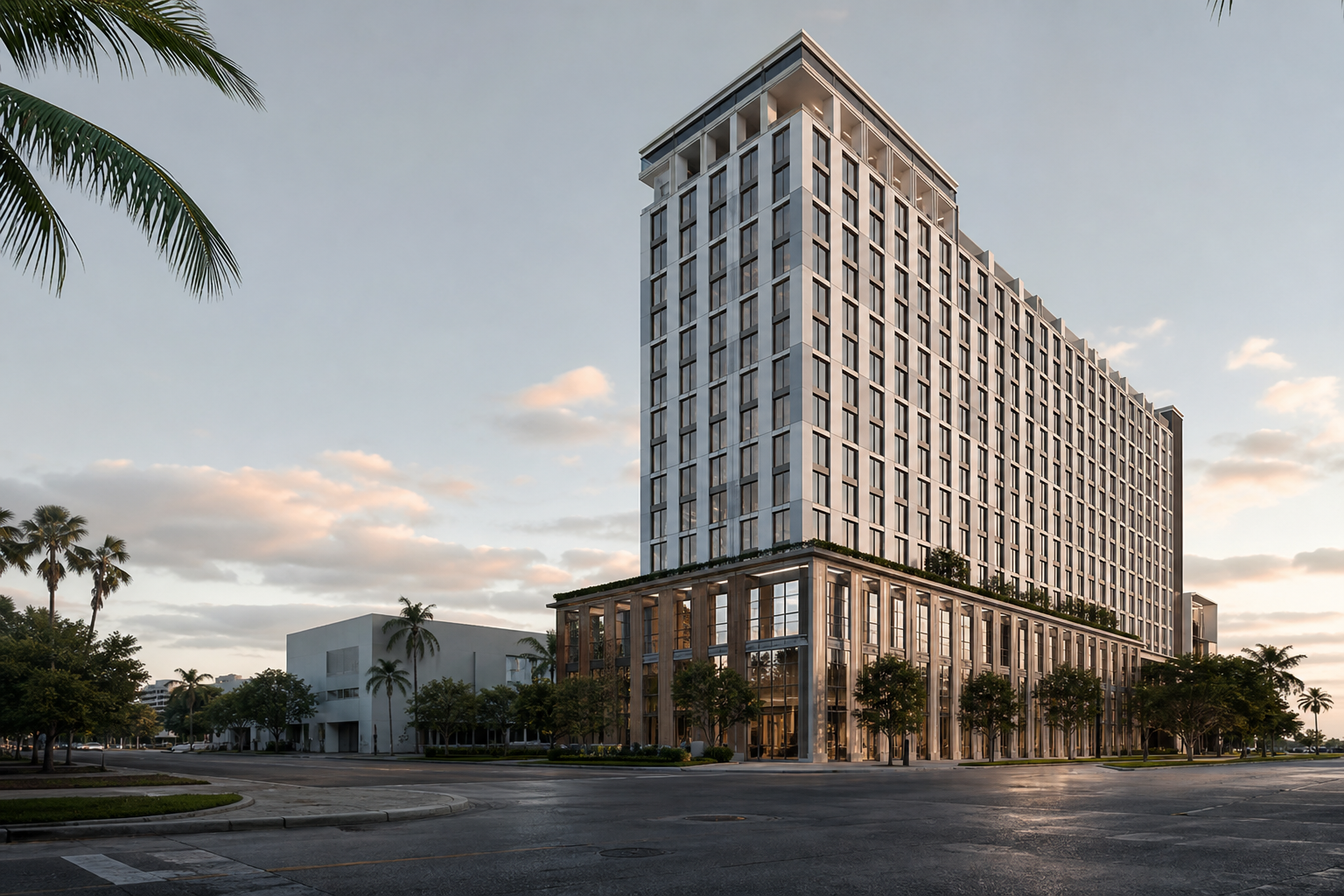
Alta is listing SoMi Walk near the University of Miami to close inside the Opportunity Zone window.

Senoa Resort and Spa is a $116M bet that wellness luxury underwrites at a cost basis most hotels never reach.
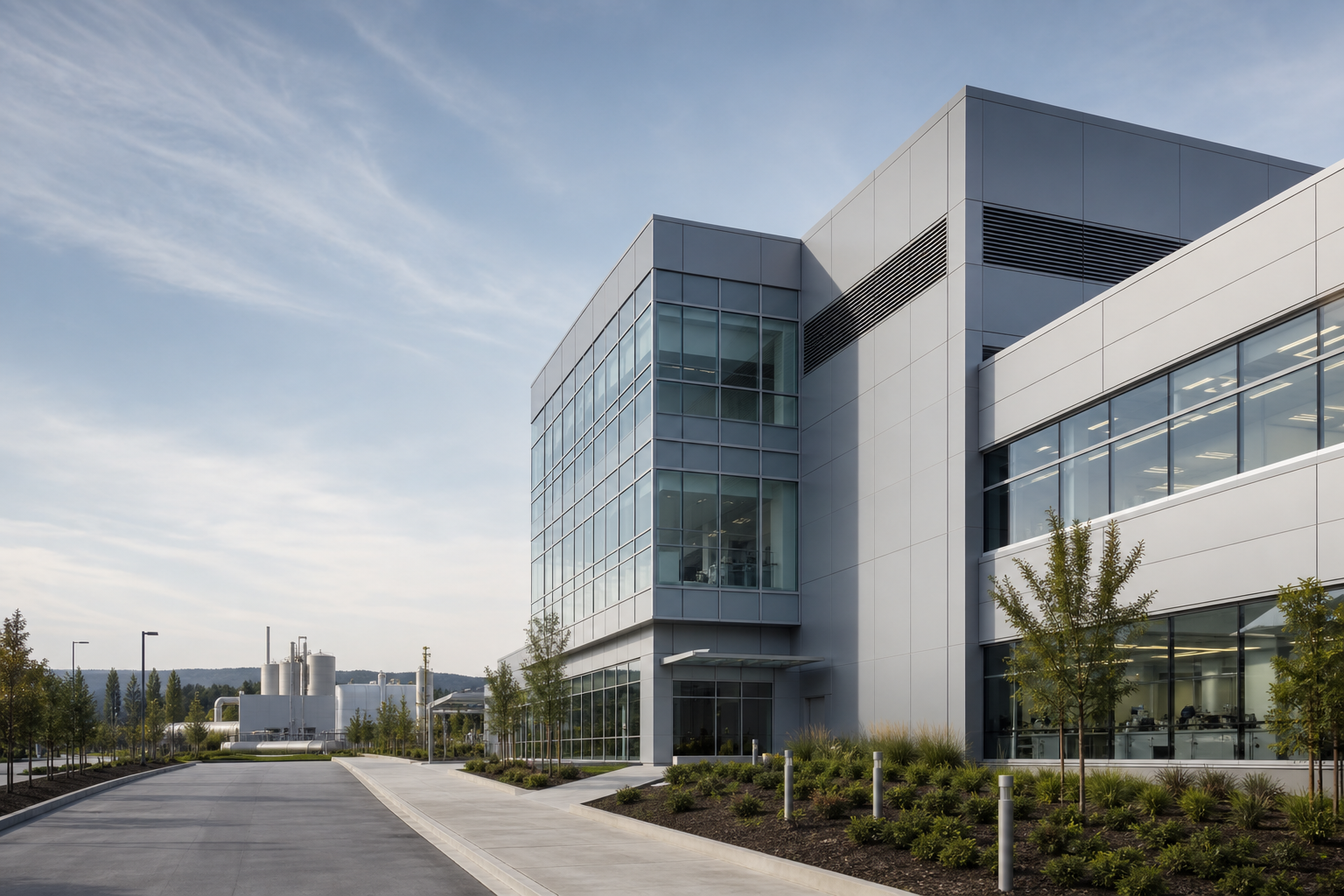
Cushman and Wakefield's Q2 pipeline shows a sector that has stopped building spec and started building for tenants.
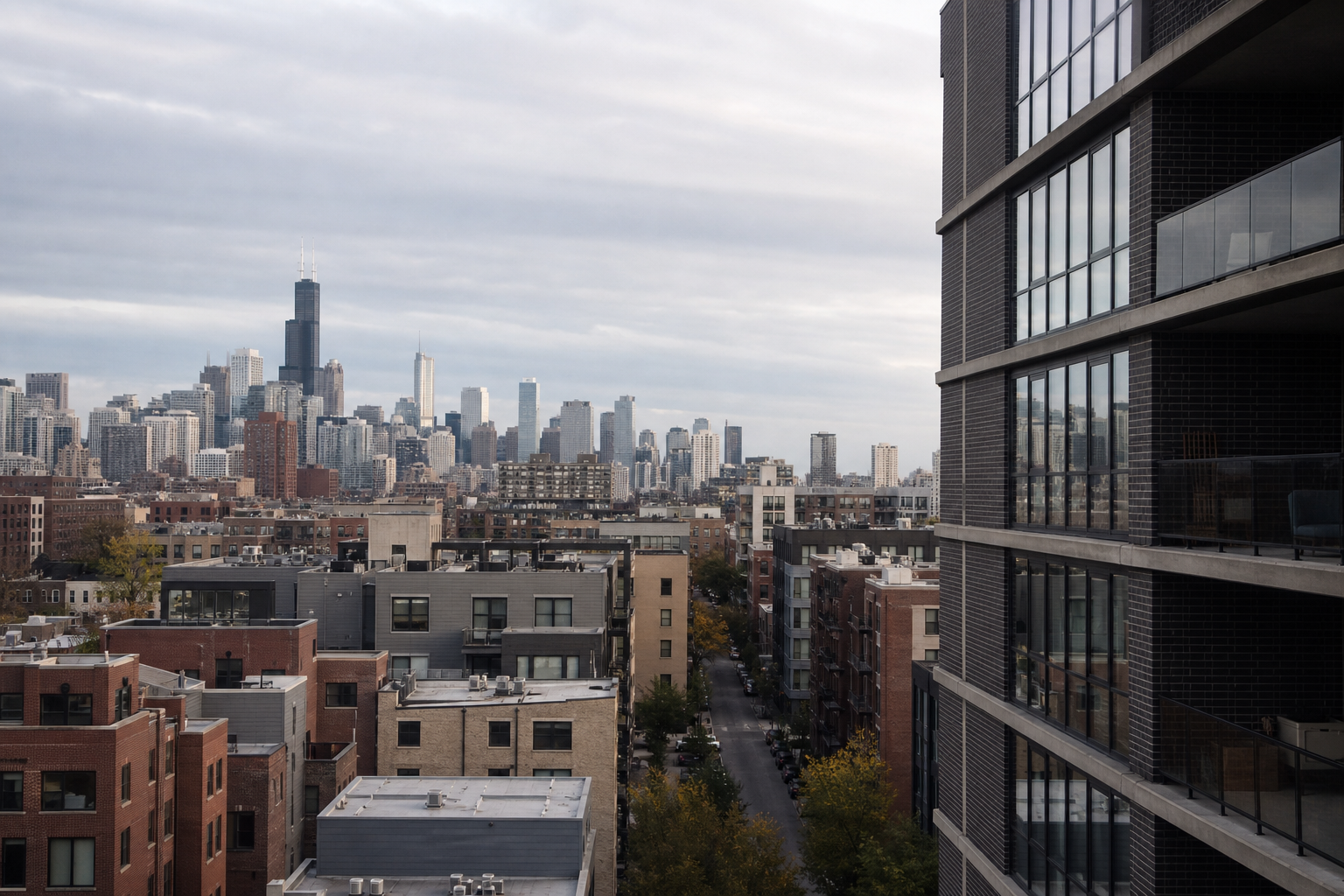
Both ordinances passed committee 24 hours apart. One charges landlords $20 to $60 a unit; the other exempts owners of up to 12.
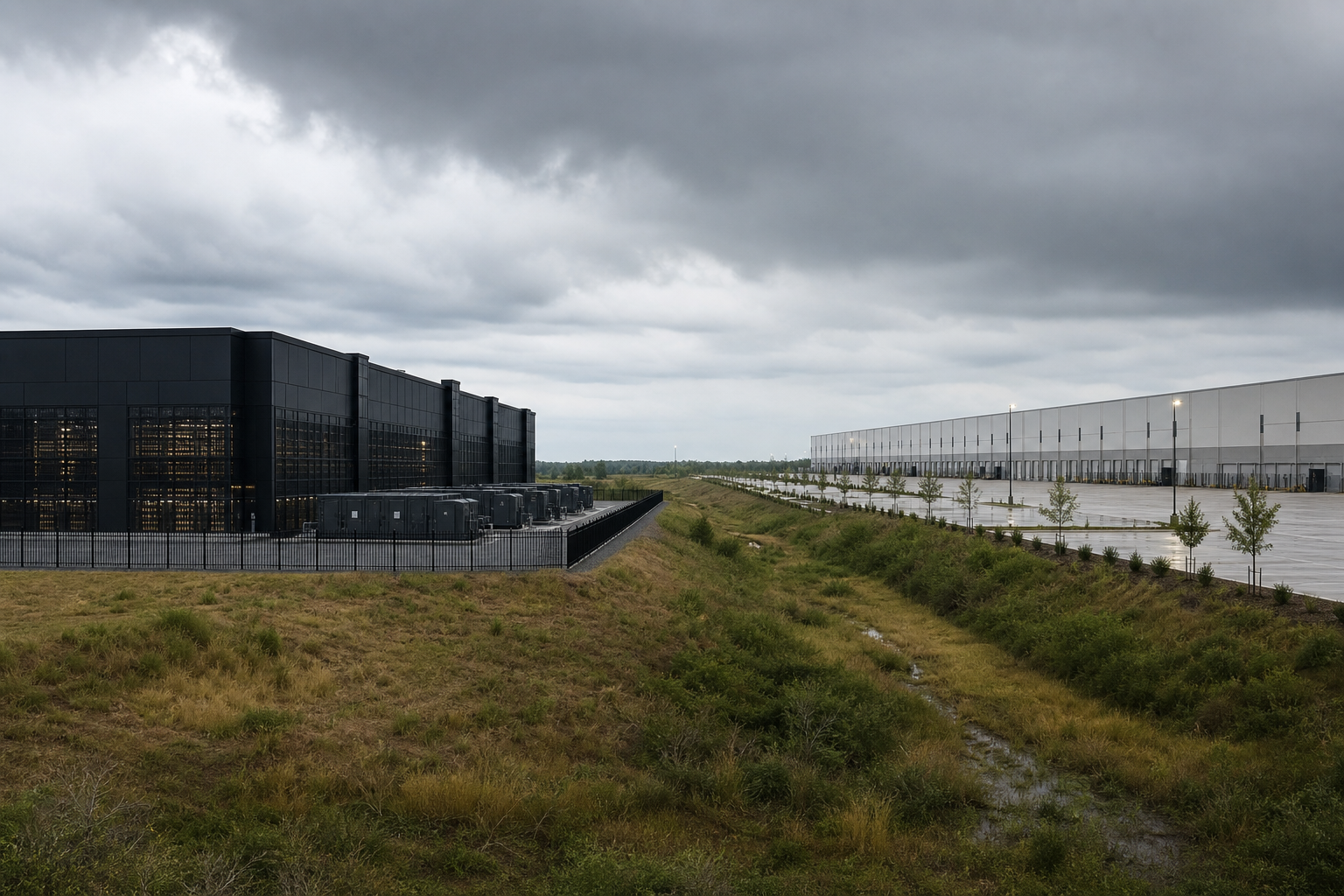
Counties are freezing approvals faster than capital is retreating. Vance County shows how developers respond.
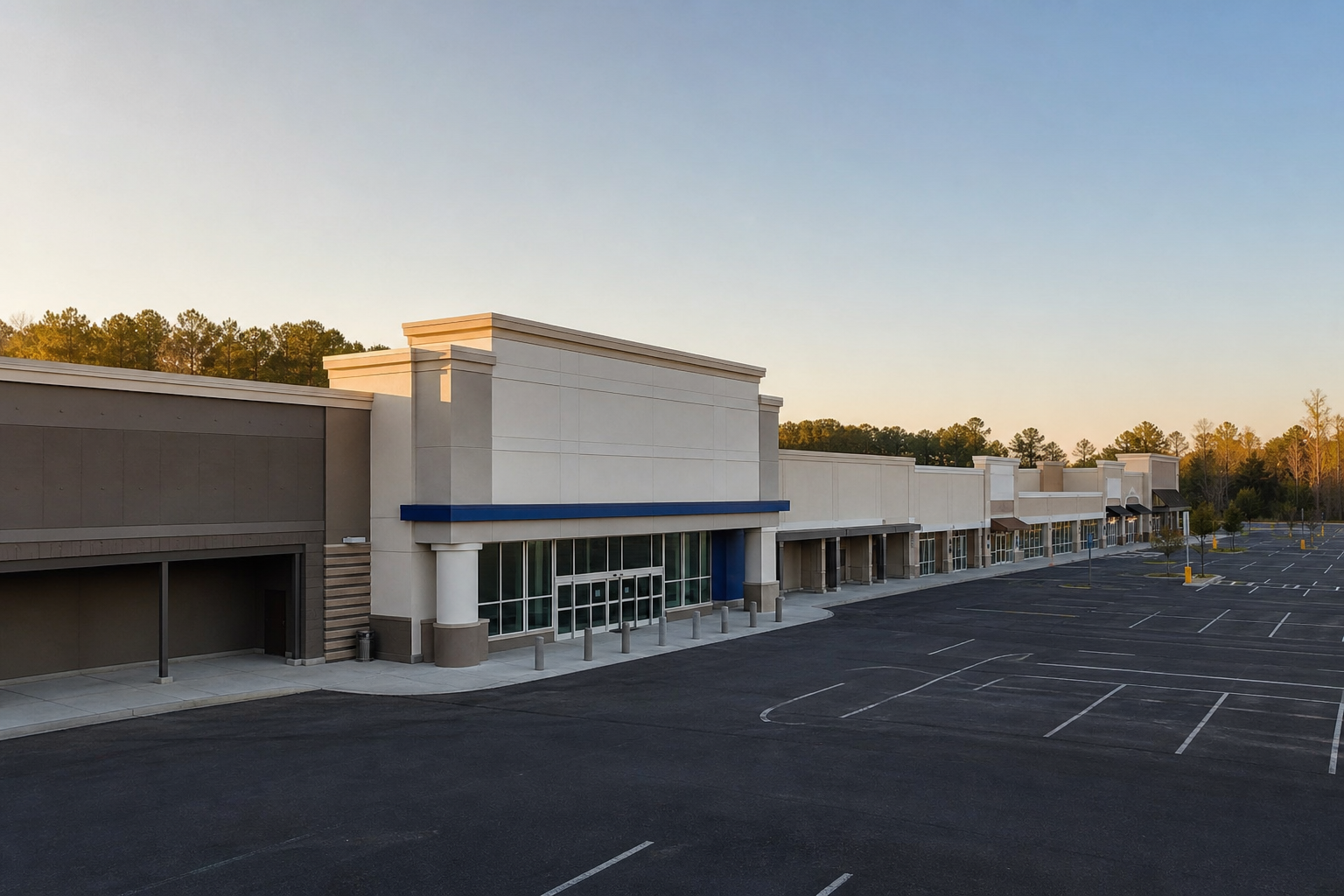
Invesco paid $86.7M for 100%-leased Knightdale Marketplace; a 120-store pop-up rollout absorbs dark big-box space through January.

Week ending Sept 12: U.S. RevPAR down 6.2%; economy the only chain scale that grew; top-25 markets down 10.6%.
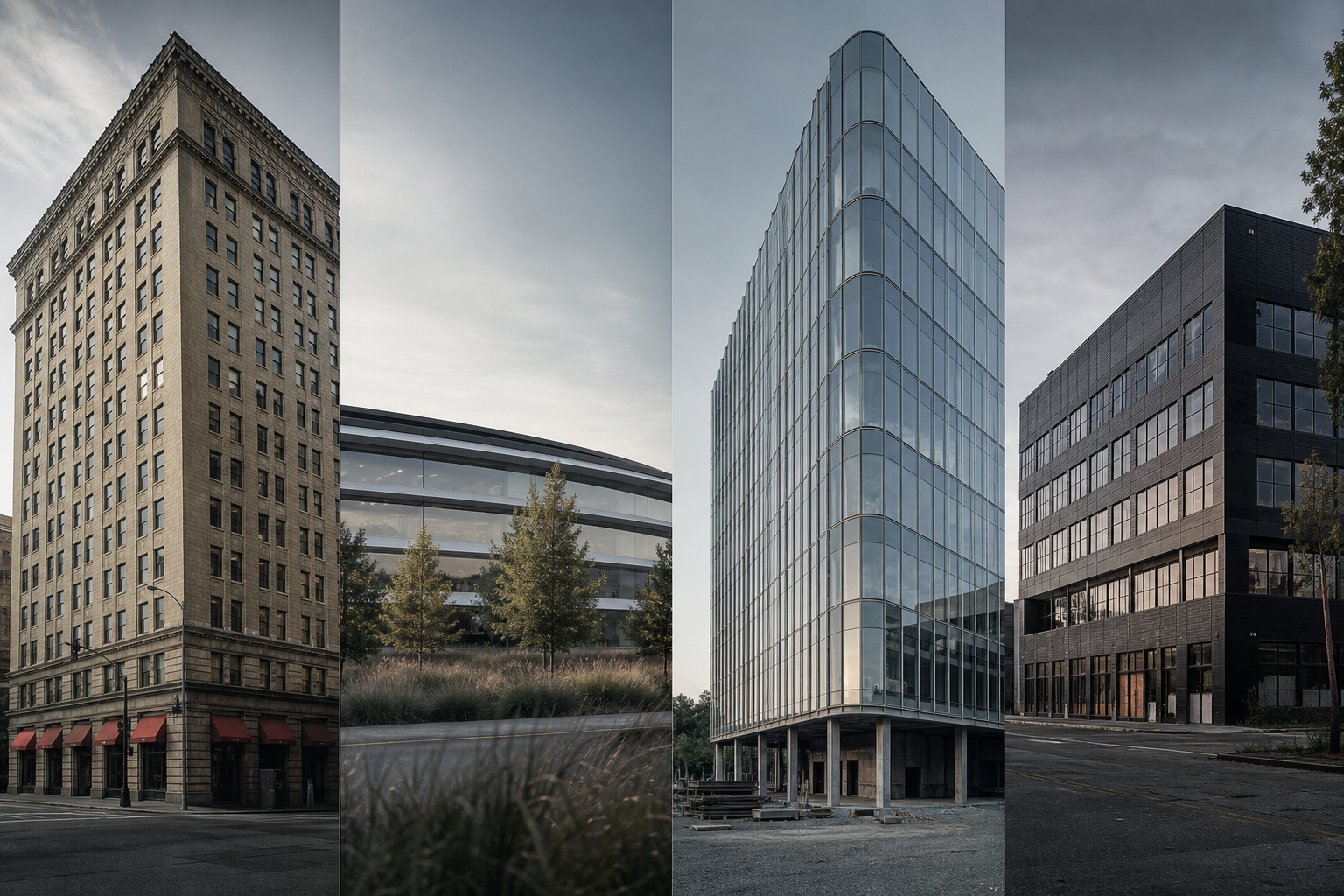
A Union Square note at 37 cents, an Apple campus in special servicing, a never-leased lab tower, and an Oakland deed-in-lieu.

BCB Bancorp expects an $87M pre-tax hit and a $126–136M quarterly loss, and raised $85M of equity to absorb it.
A $1.2B Southern California package with rents 28% above market underwrote to a 5.5% forward yield.
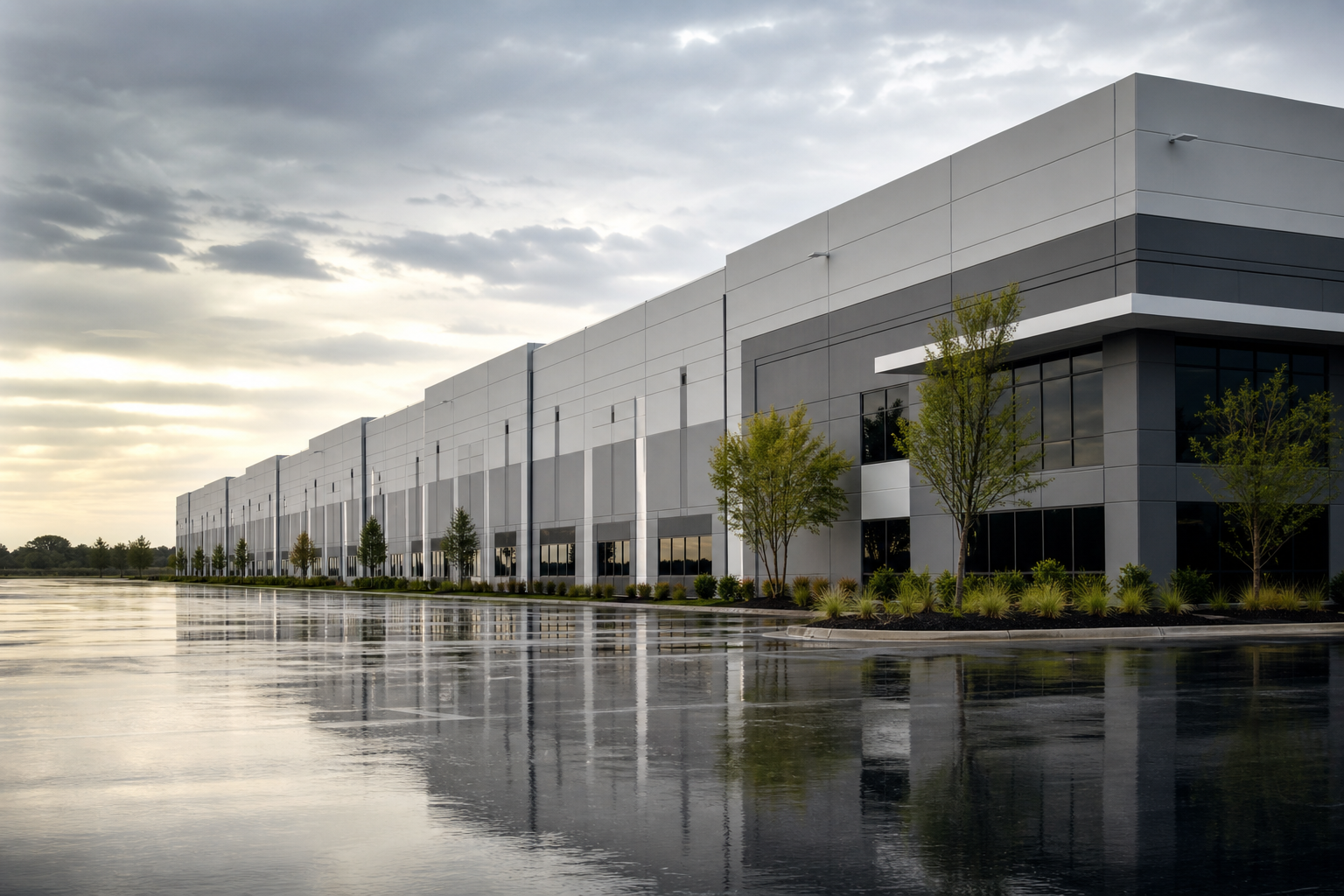
CIBC's nonrecourse refi of SkyREM's Southeast portfolio prices leased industrial at about $54 of debt per foot with a three-year fuse.

Google, Proskauer, and Greenberg Traurig all chose to stay and grow — and the buildings they stayed in are 93% to 100% leased.
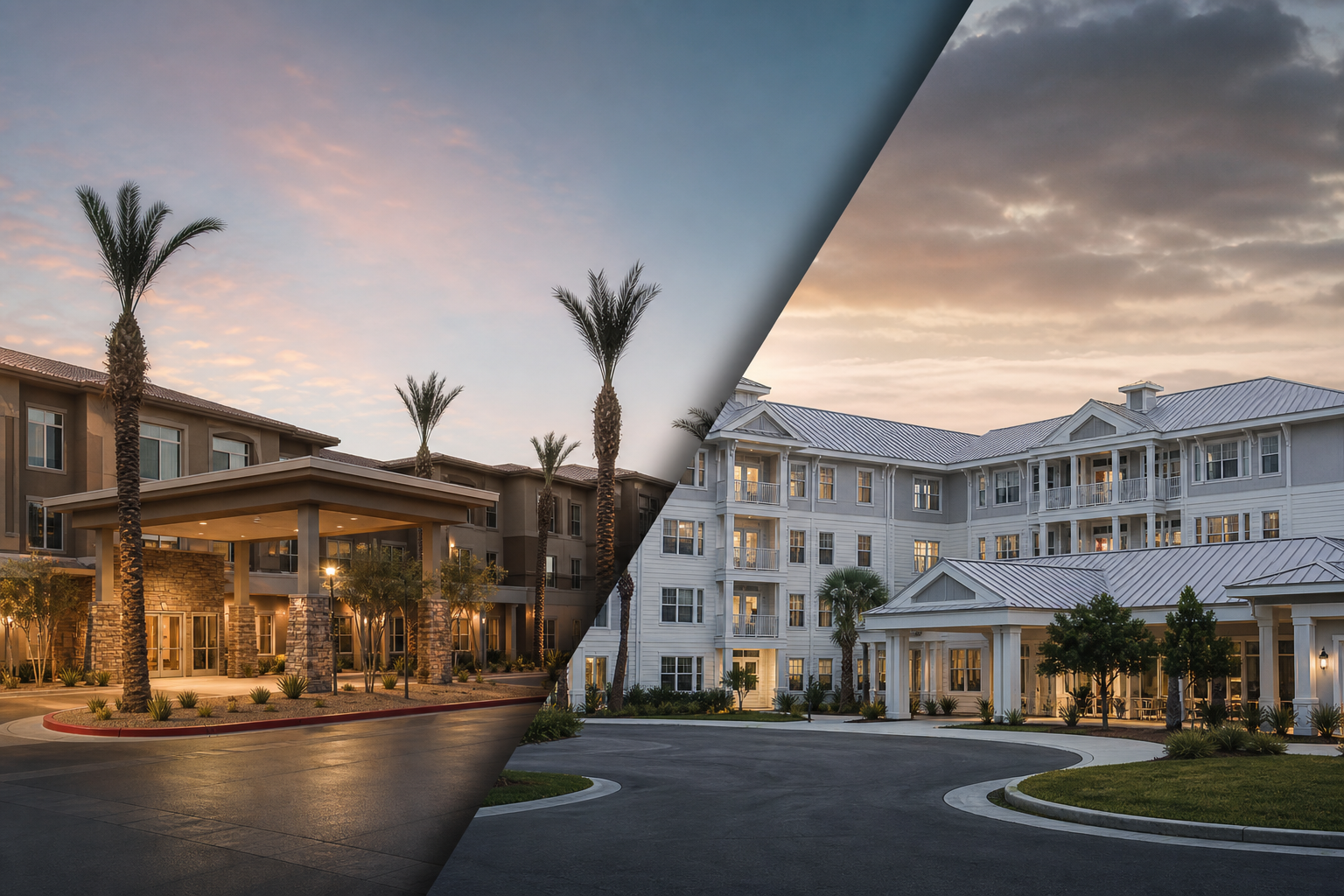
An infrastructure fund bought in Las Vegas and a public REIT bought in Florida — at four to five times yesterday's nursing-bed price.

A 12-0 vote to 3.75–4%, a dot plot pointing higher, and lenders who say they are done extending.
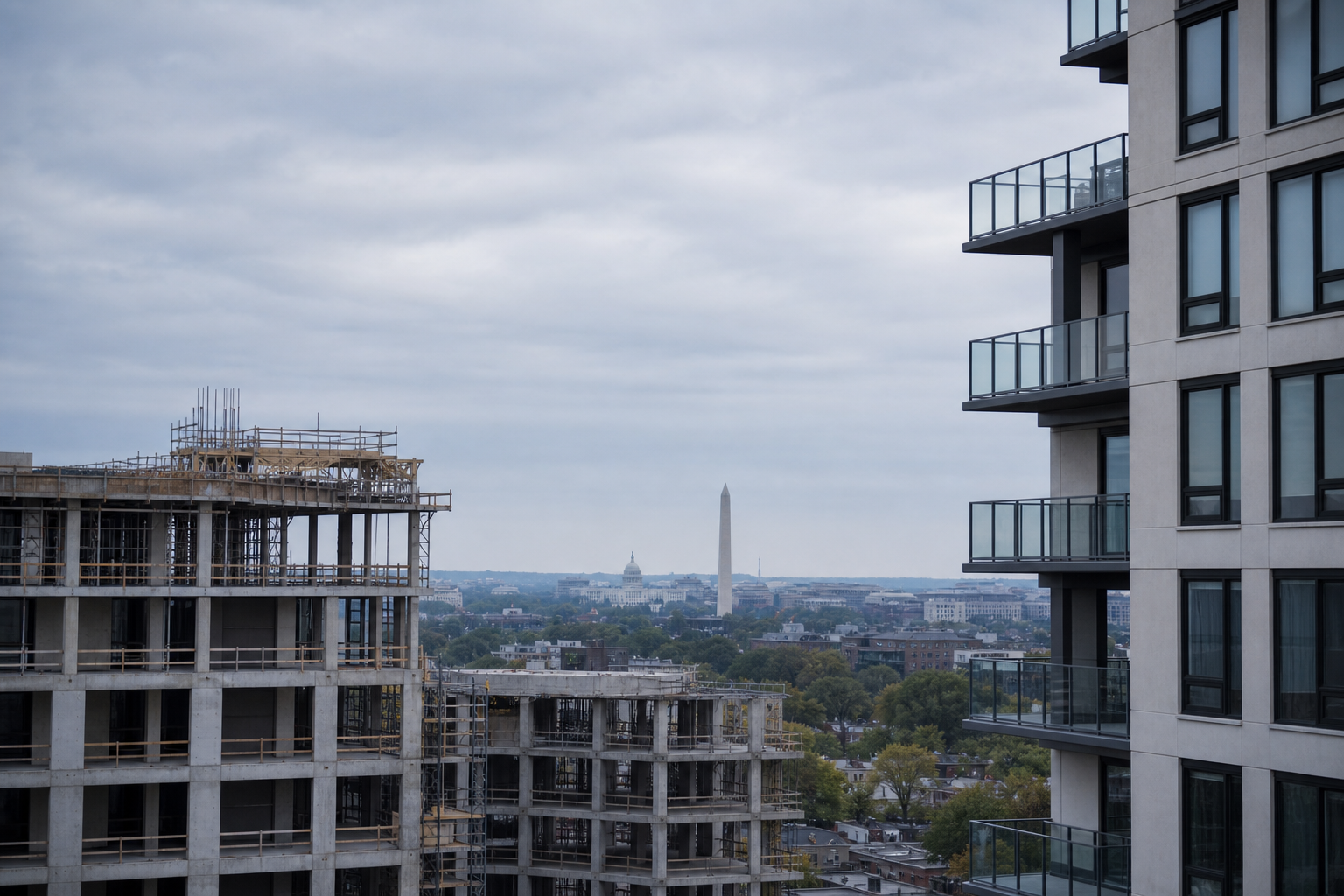
August starts missed at 1.275M; five-plus-unit starts dropped to 344,000 while a D.C. conversion still found $92M.
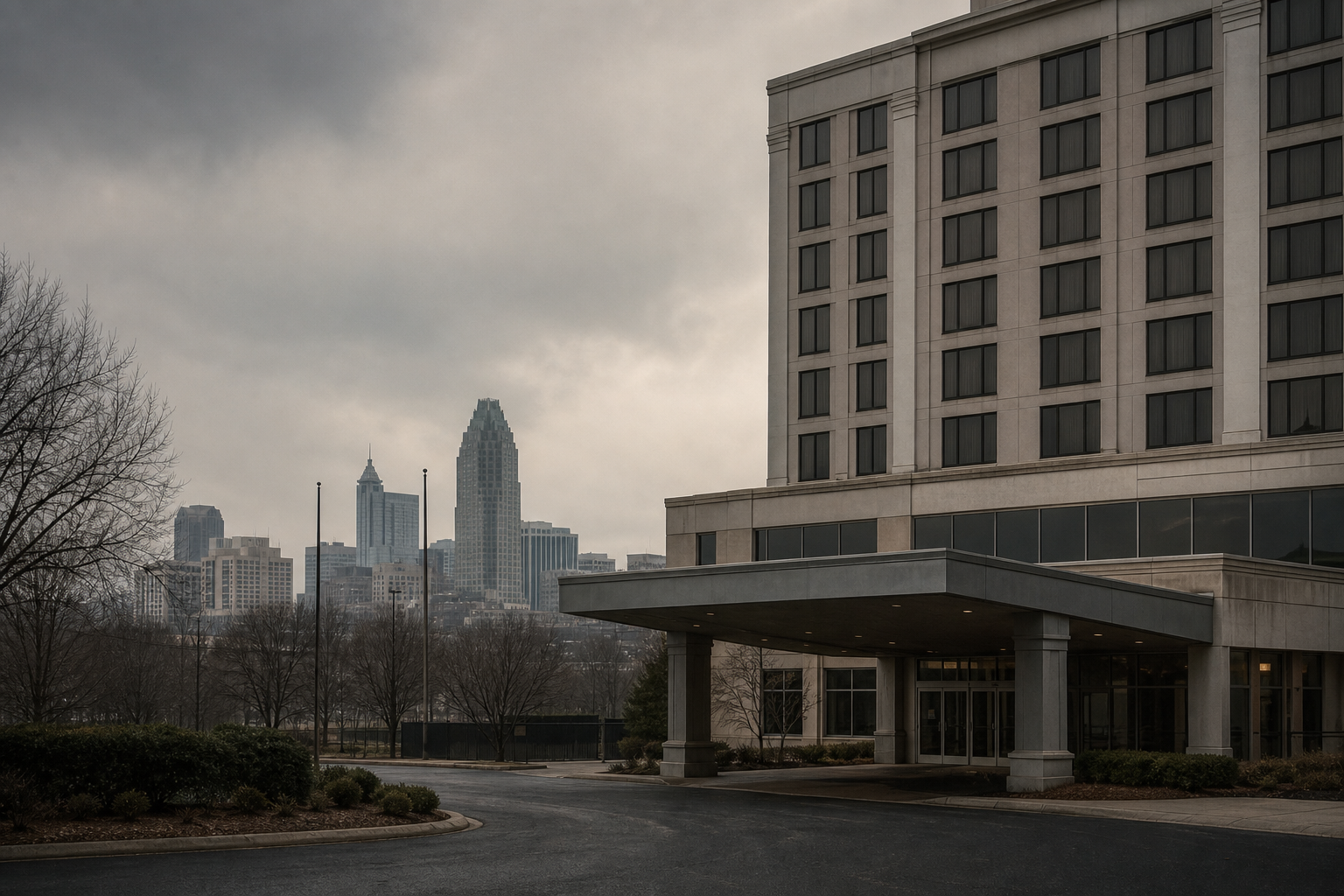
Downtown full-service hotels are hitting the wall from both ends: bankruptcy court in Raleigh, a CMBS modification in Jersey City.
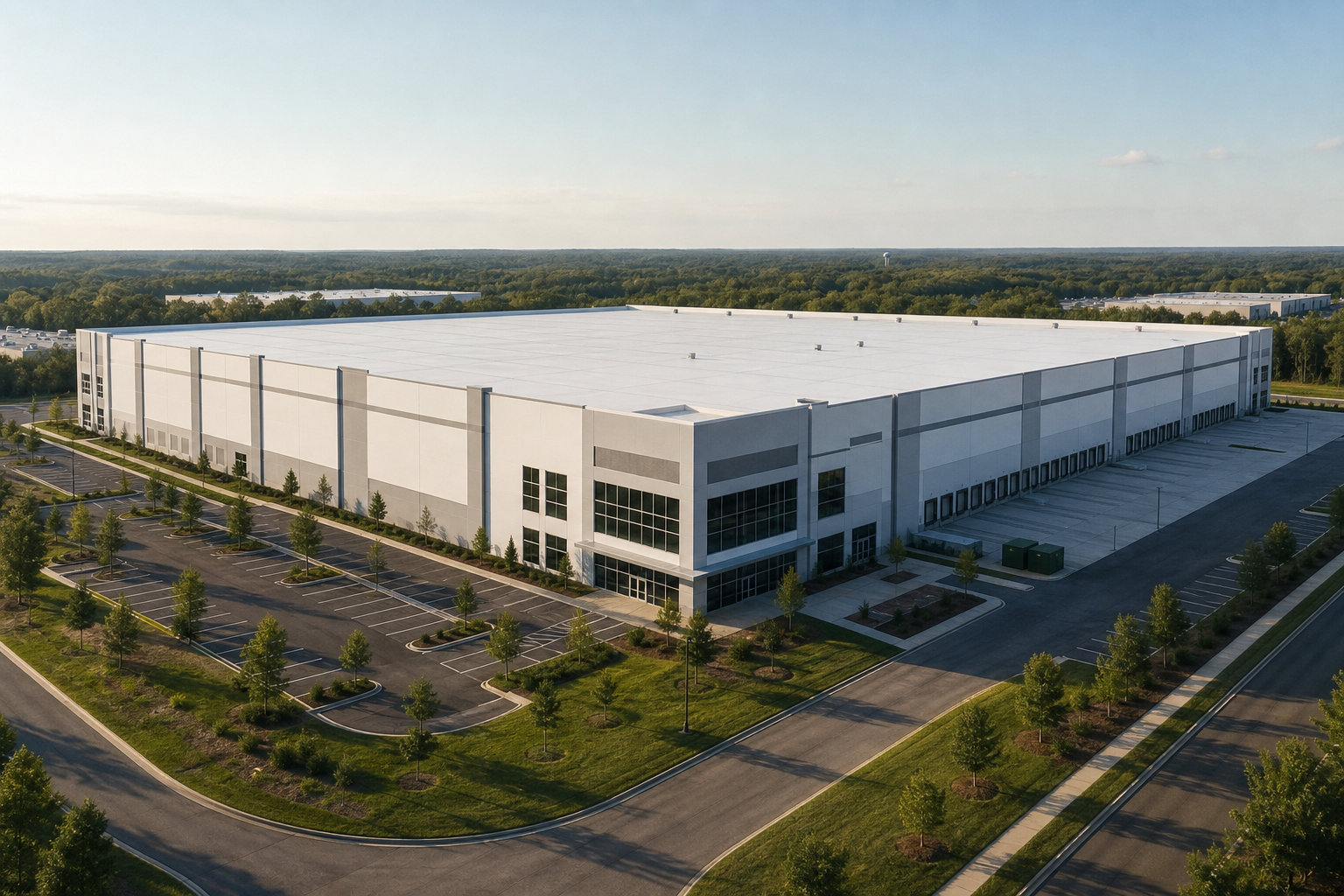
J.E. Richards takes an entire Stafford, VA building — the largest industrial lease ever between D.C. and Richmond.
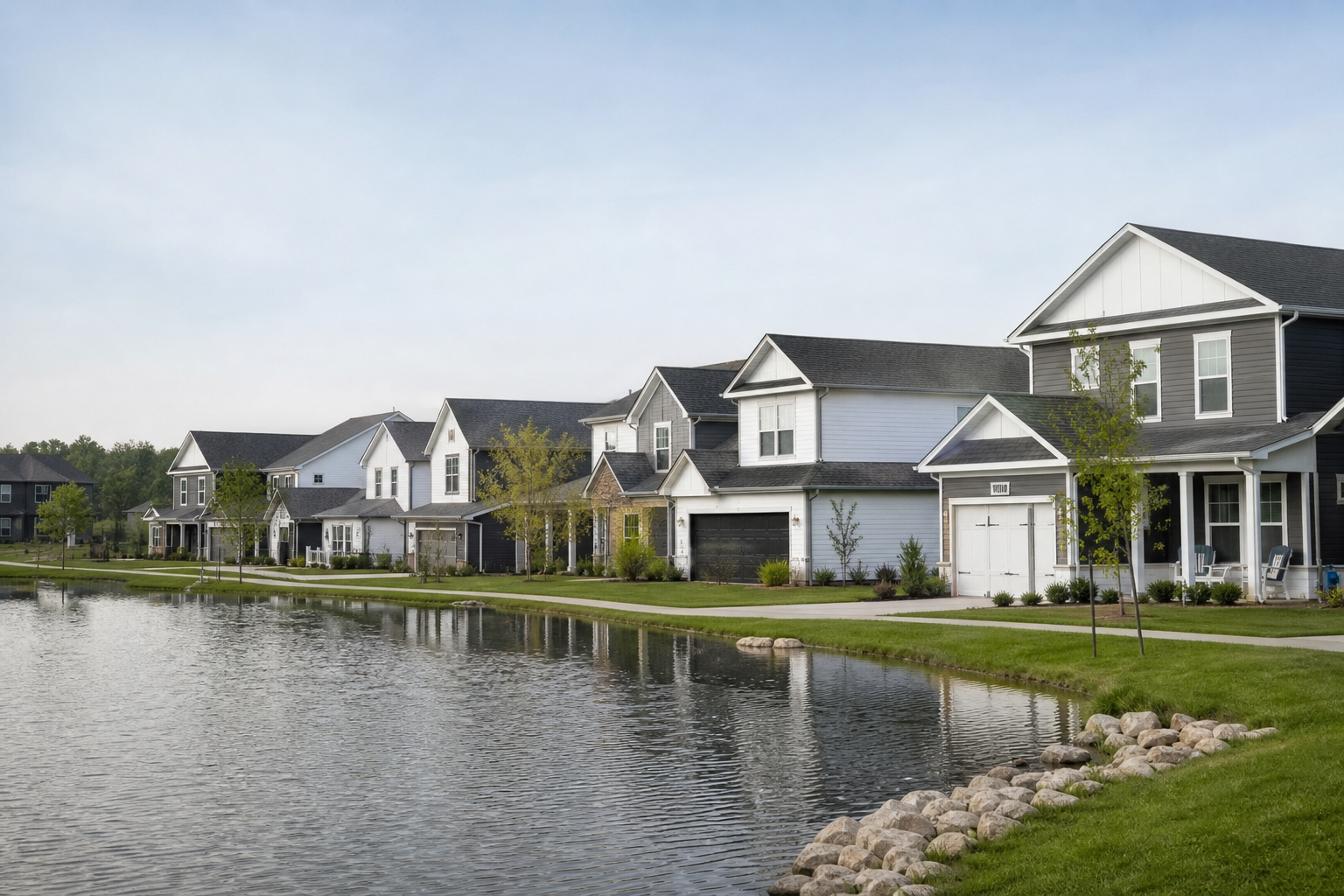
Northwest Arkansas cottages and townhomes are currently at 94.5% occupancy and are being financed for a 2029 exit.

A dedicated U.S. office-lending vehicle finishes well short of the $2.5B once reported.
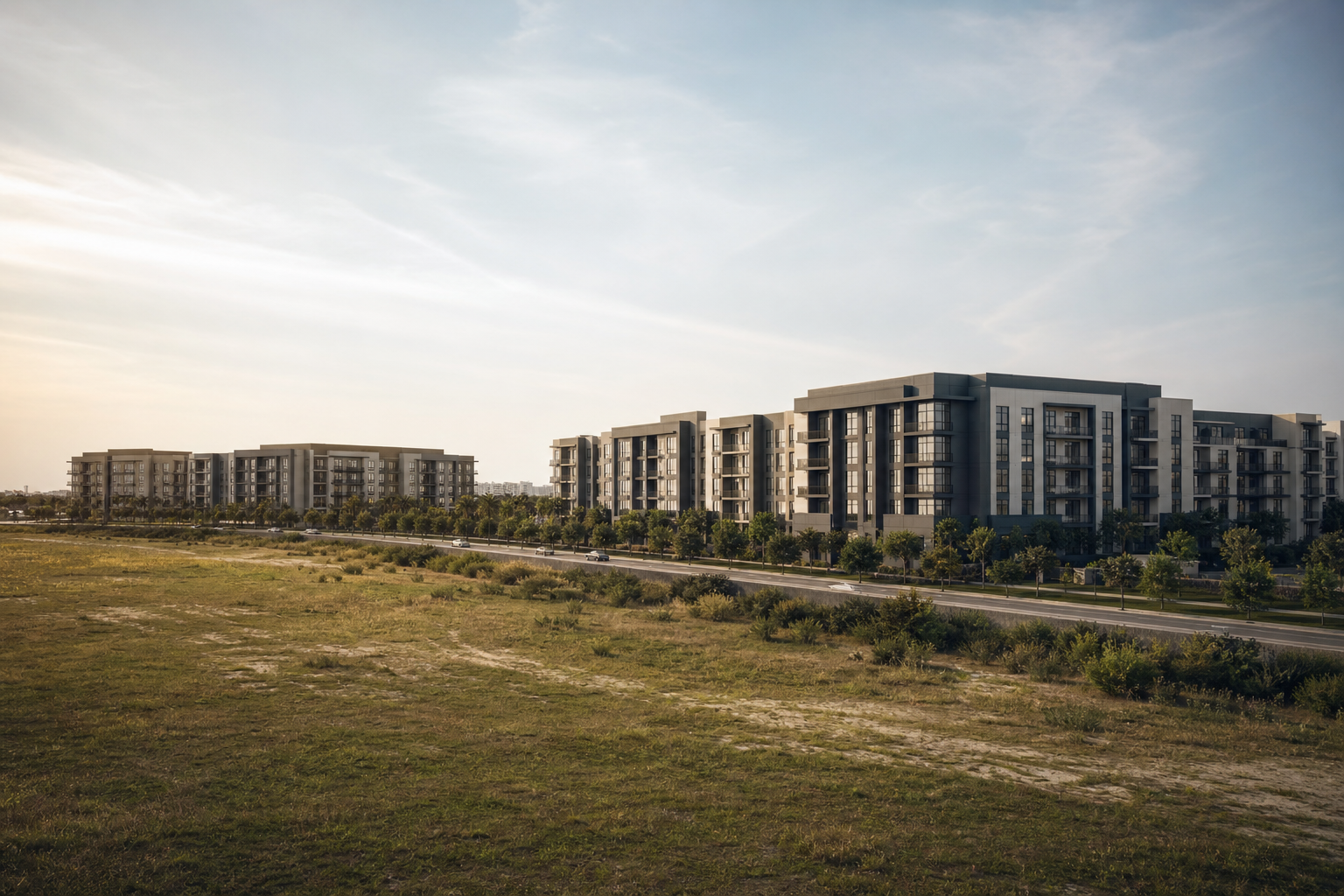
Time Equities is launching a $95.3 million tenant-in-common raise for a 465-unit project in Boynton Beach.
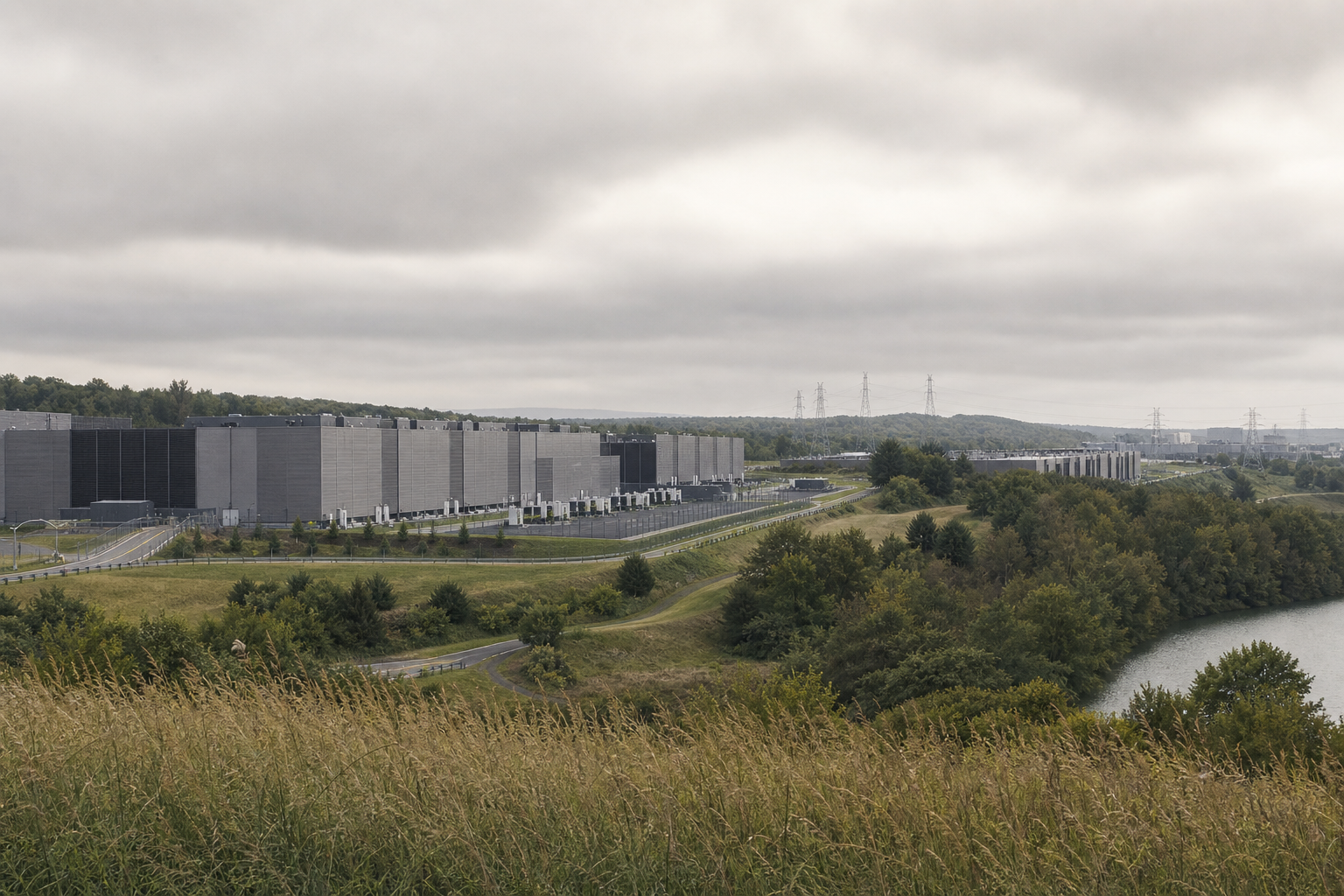
The county that allocates approximately 40% of its budget to data centers has recently reduced its data center intake.
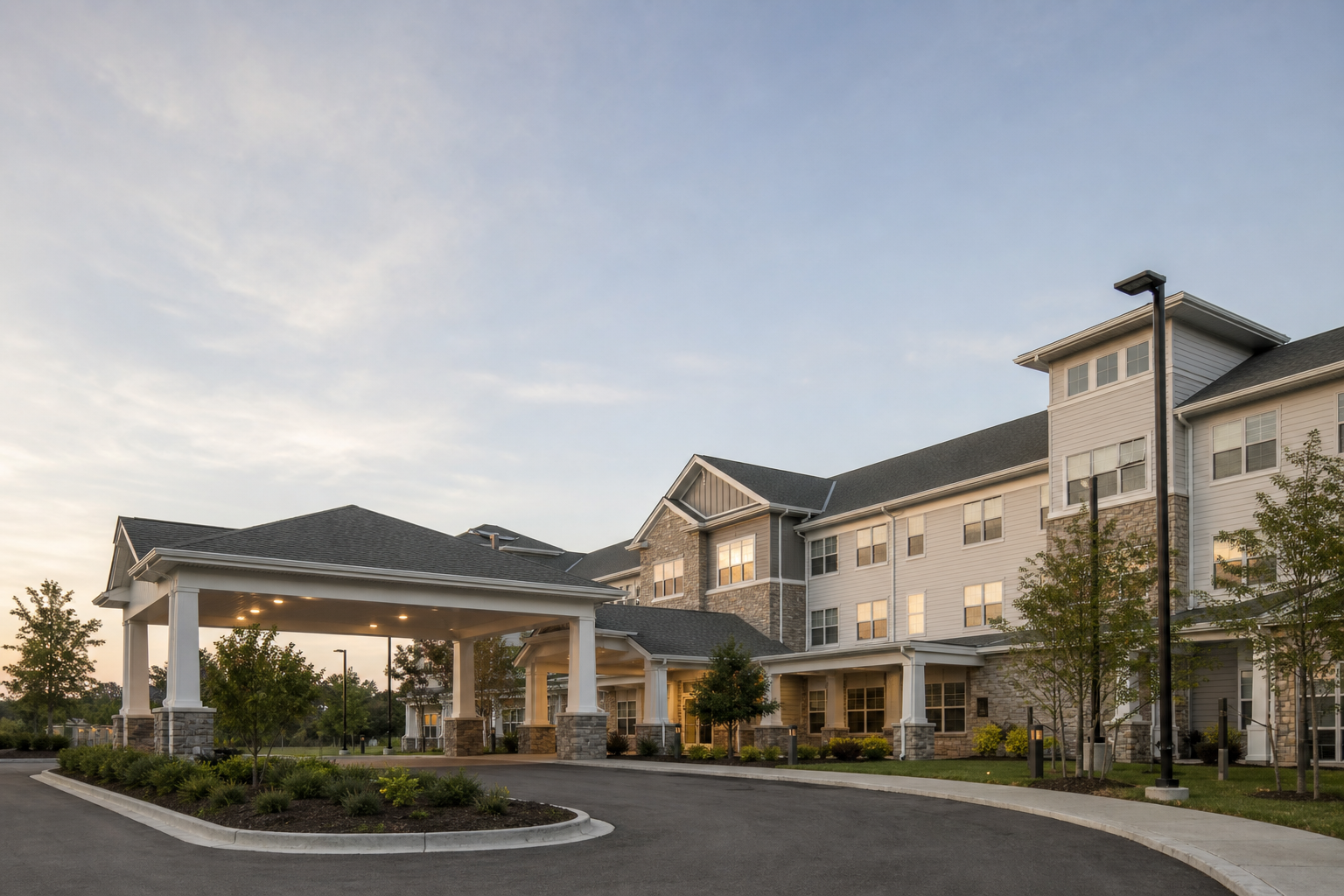
Skilled nursing keeps clearing 300-plus basis points above multifamily, and public REIT capital keeps chasing it.
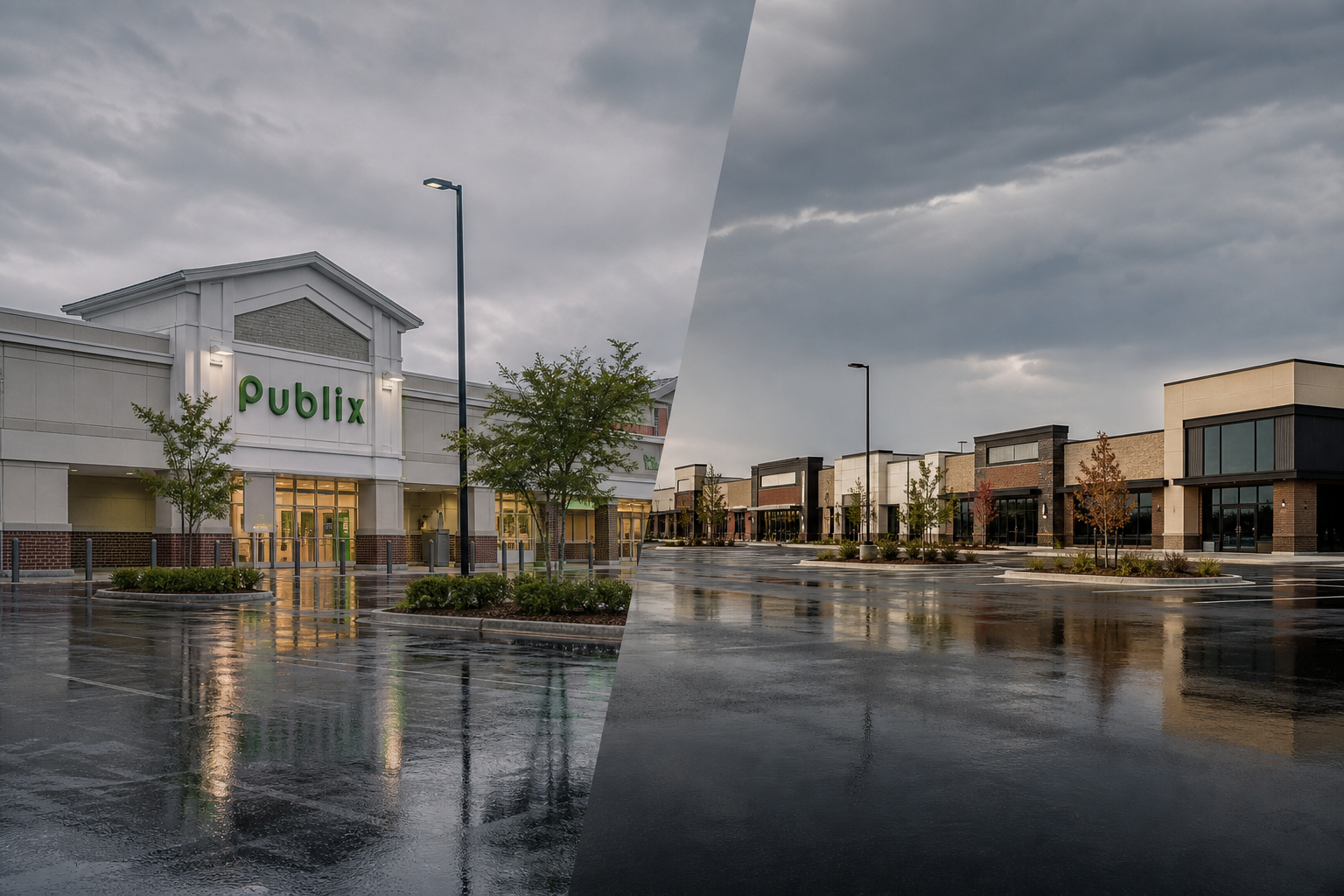
A Publix center trades at a 54% leverage, while a regional bank lends 82% on a Chicago power center.
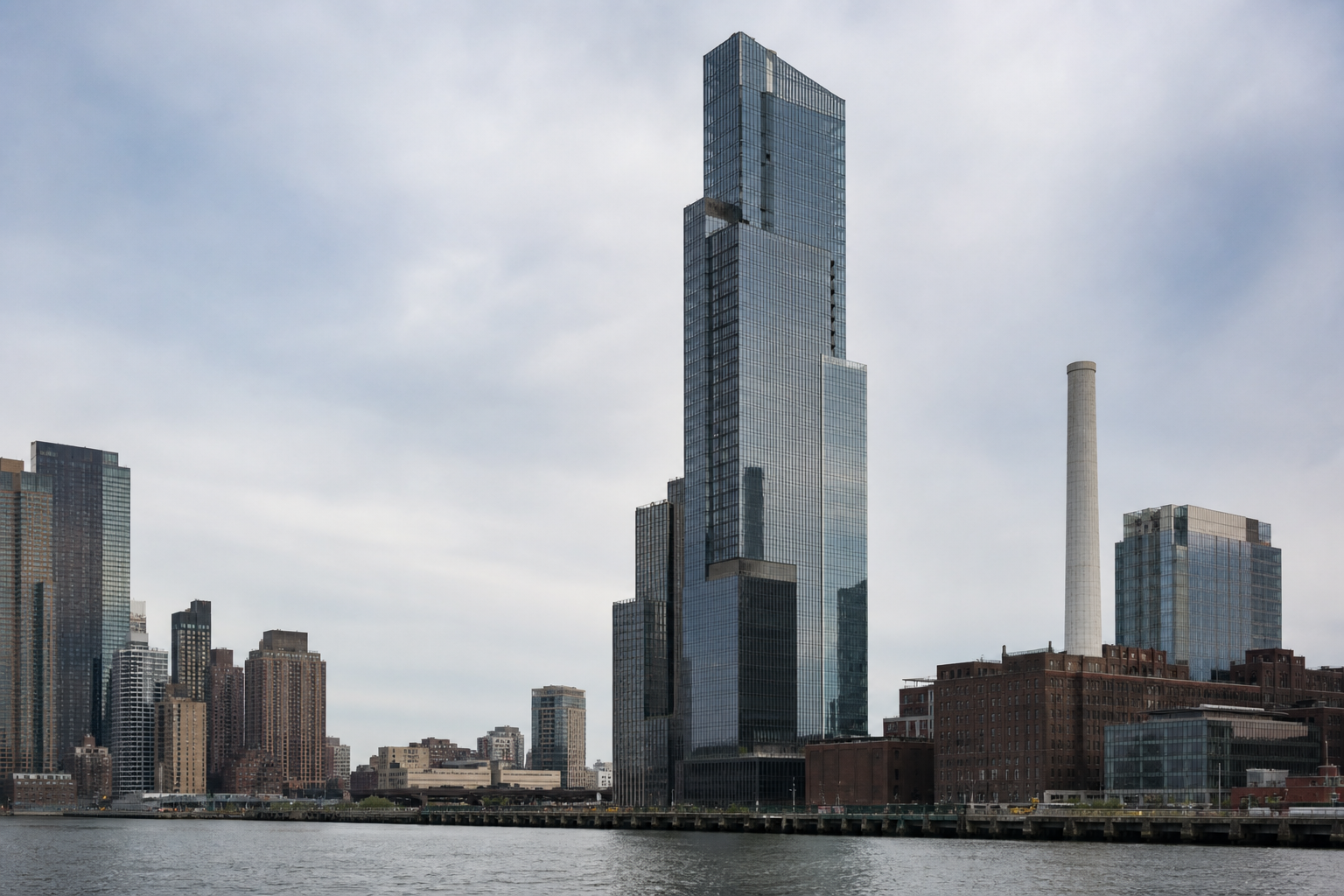
The largest reduction in the Mamdani era wasn’t denied; it simply wasn’t implemented.
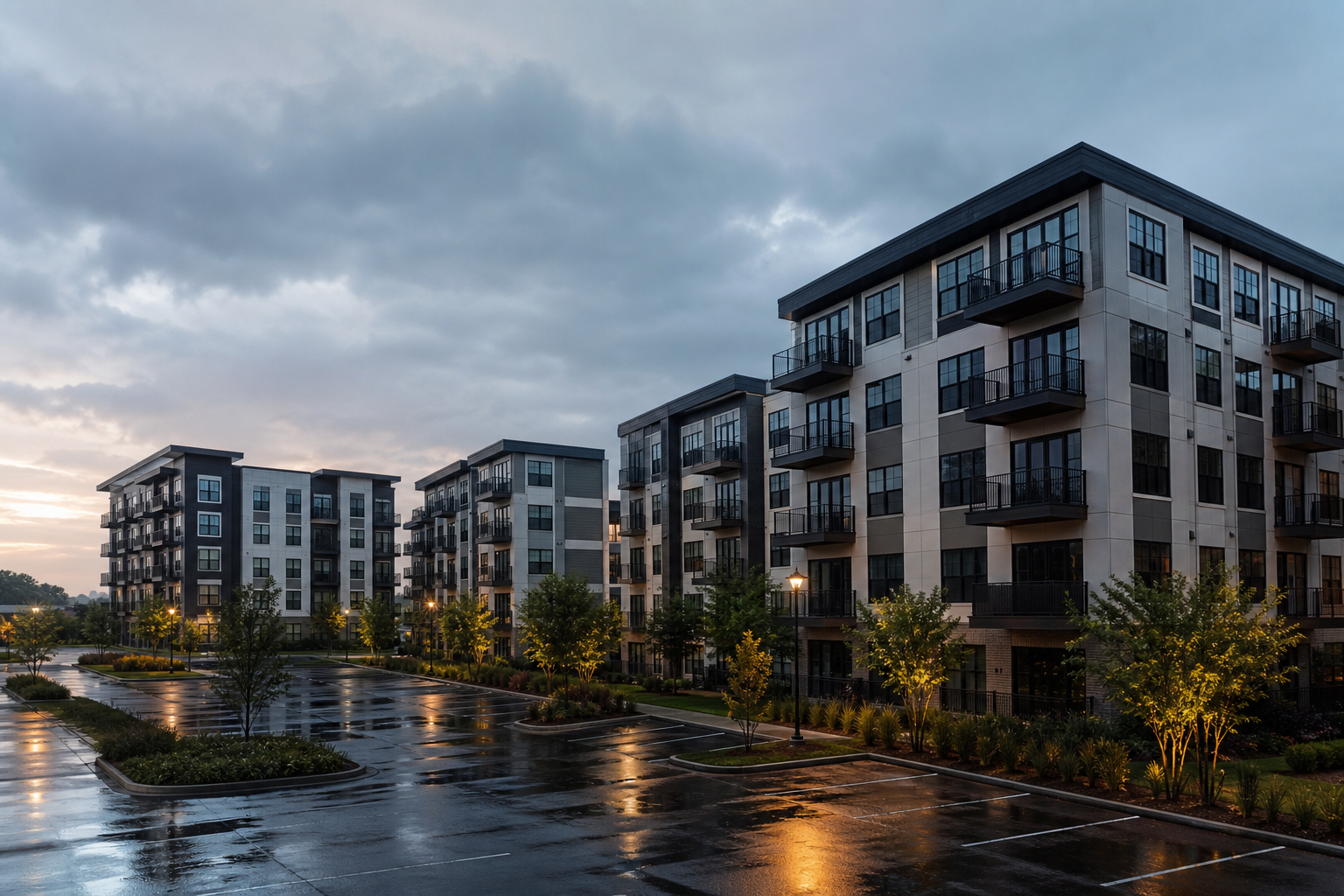
Multifamily buyers are already underwriting the decision; one is currently under contract at 80% of replacement cost.
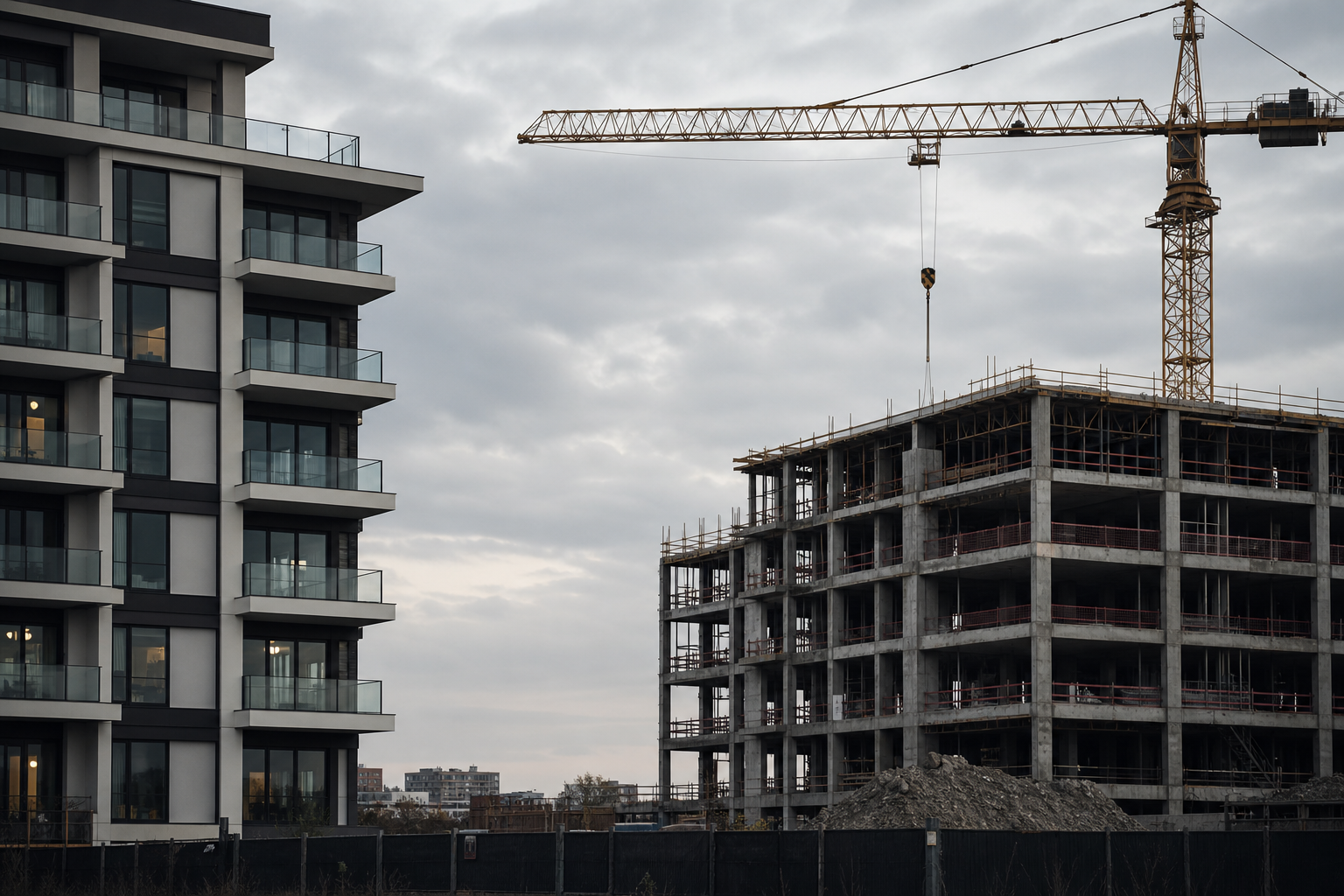
A short-term-rental platform is now a below-market last-dollar lender to stalled apartment projects.
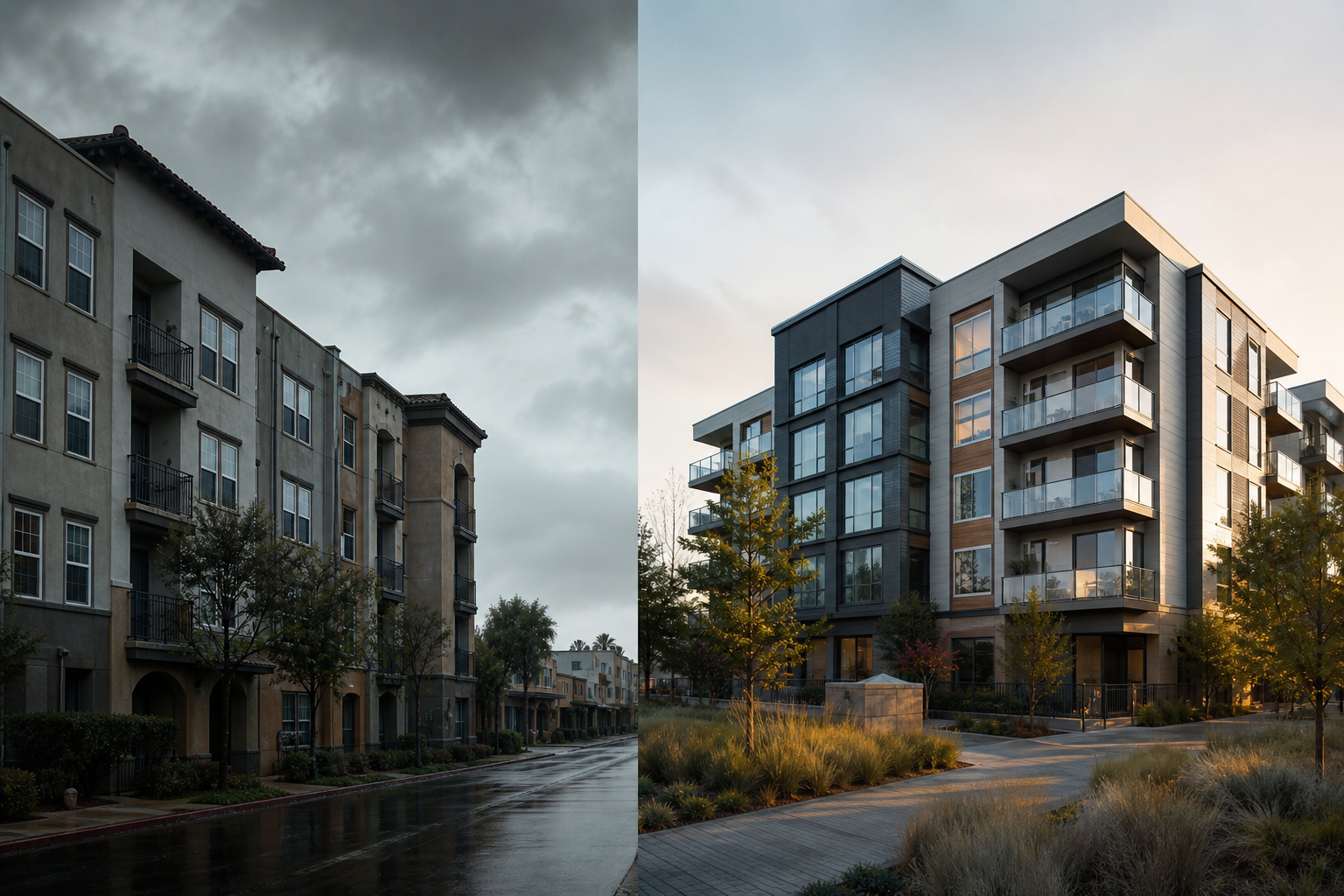
PGIM incurs a loss of 17.5% on its 2021 Anaheim product, while Nuveen records a gain of 20.6% on its 2019 Sammamish product.
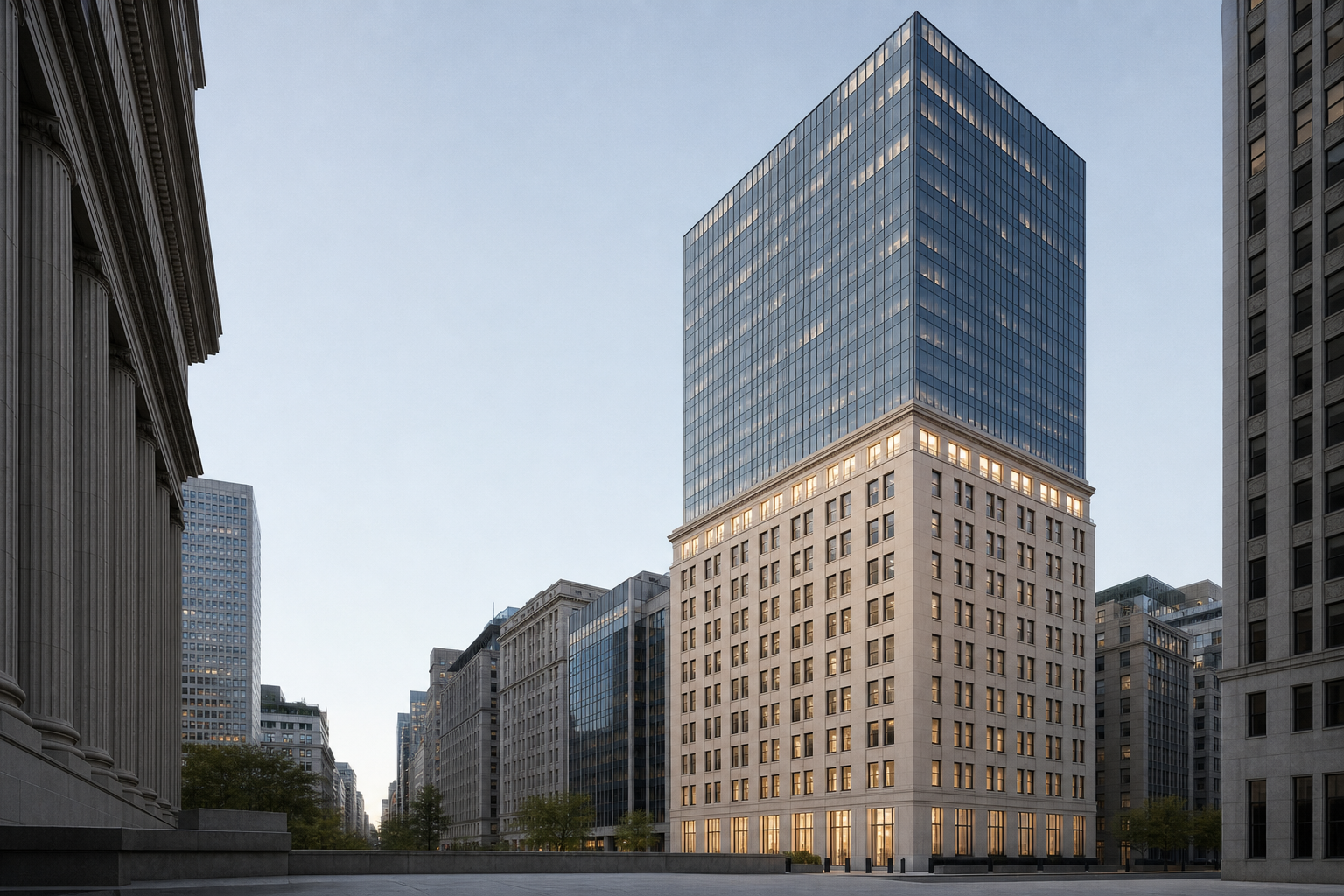
Northwind finances 168 apartments on floors 2 through 11, while the office tower above remains leased.
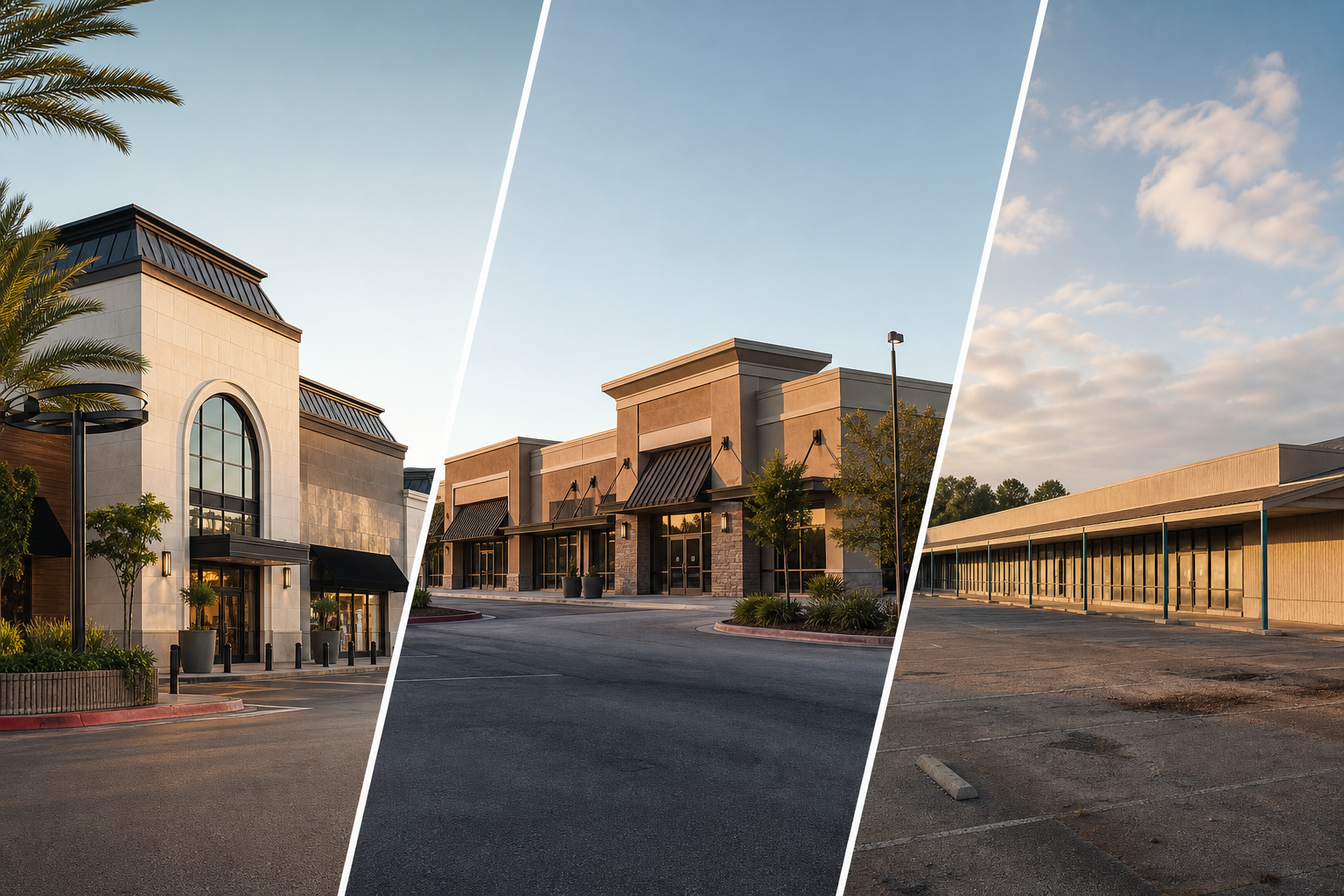
Three centers, three buyers, one Monday — and a five-to-one spread in basis.
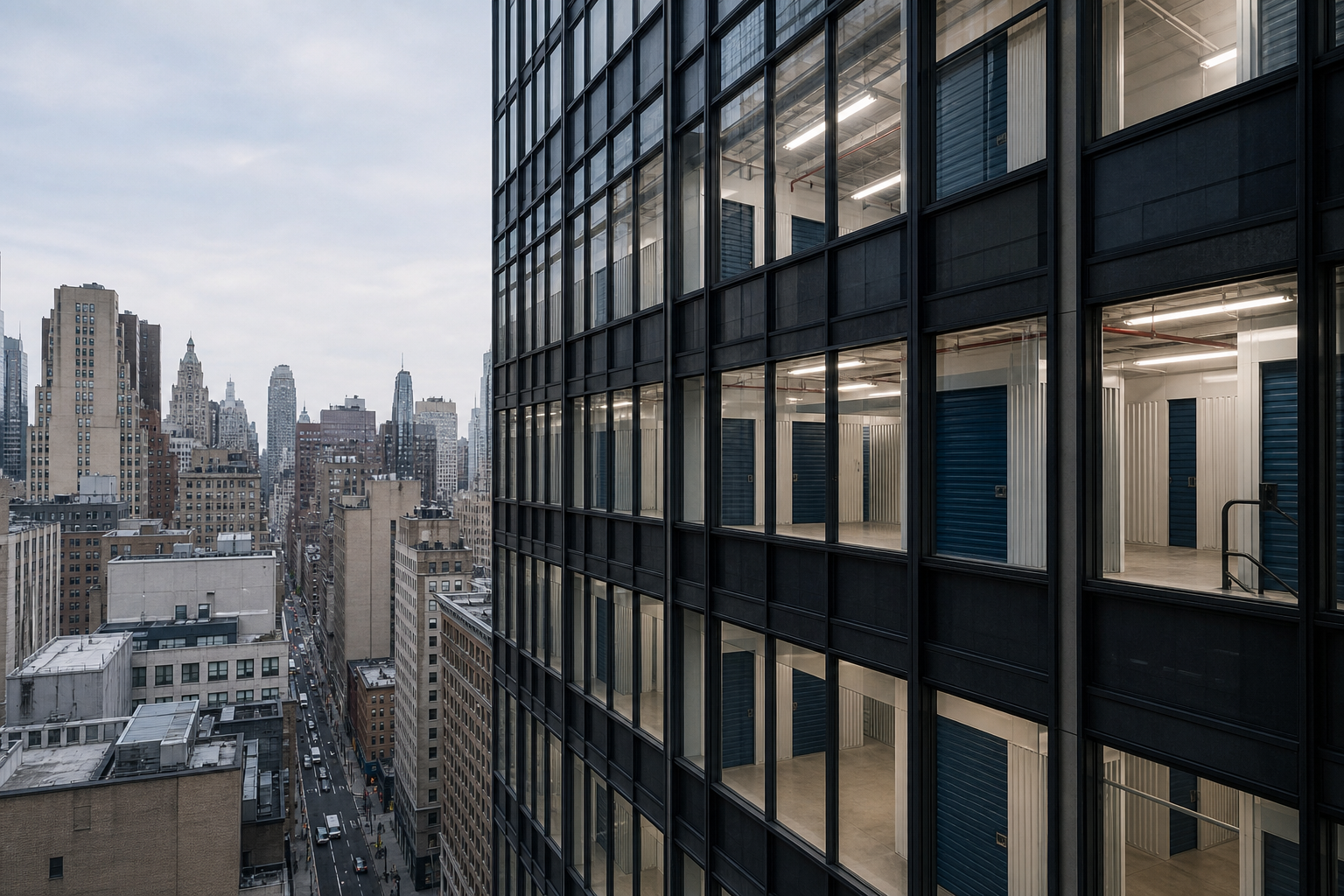
PGIM is refinancing an office-to-self-storage conversion at a rate of 2.4 times the sponsors’ 2024 basis.
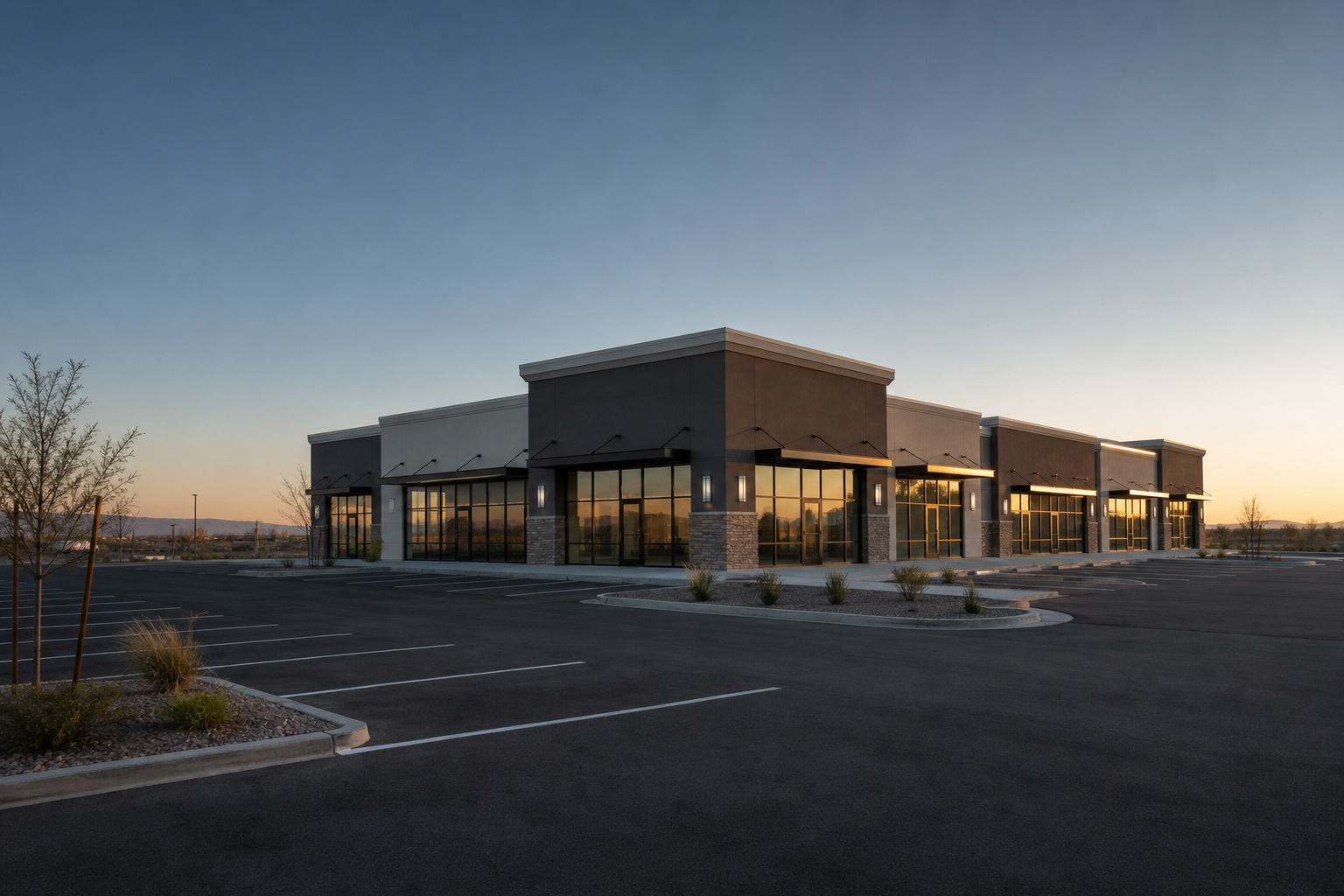
A 5,375-square-foot strip cleared at trophy pricing with no debt involved.

O'Melveny renewed 100,000 square feet through 2041 in a building taken at auction.
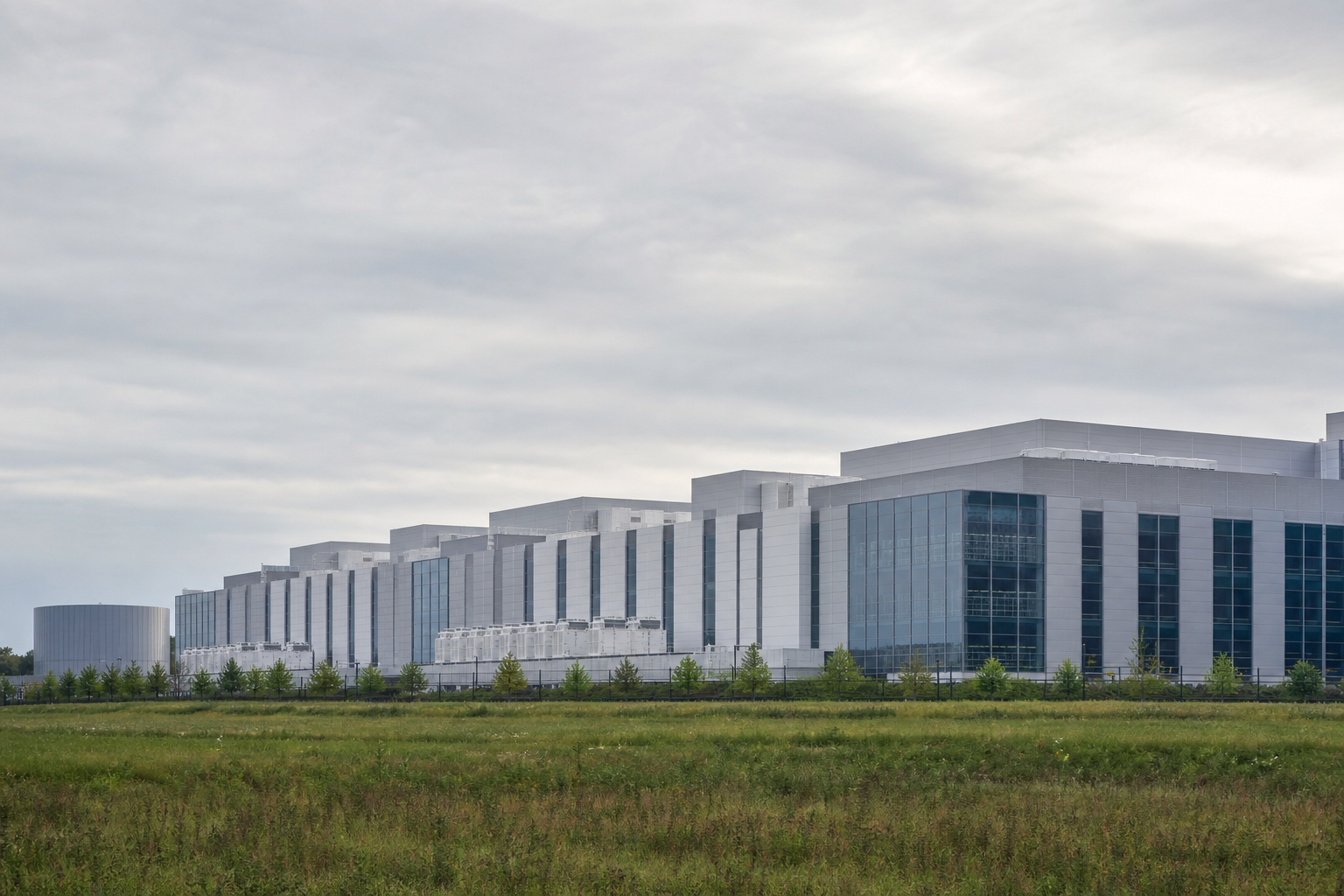
A single tenant just told the market it will more than triple its footprint by 2032.
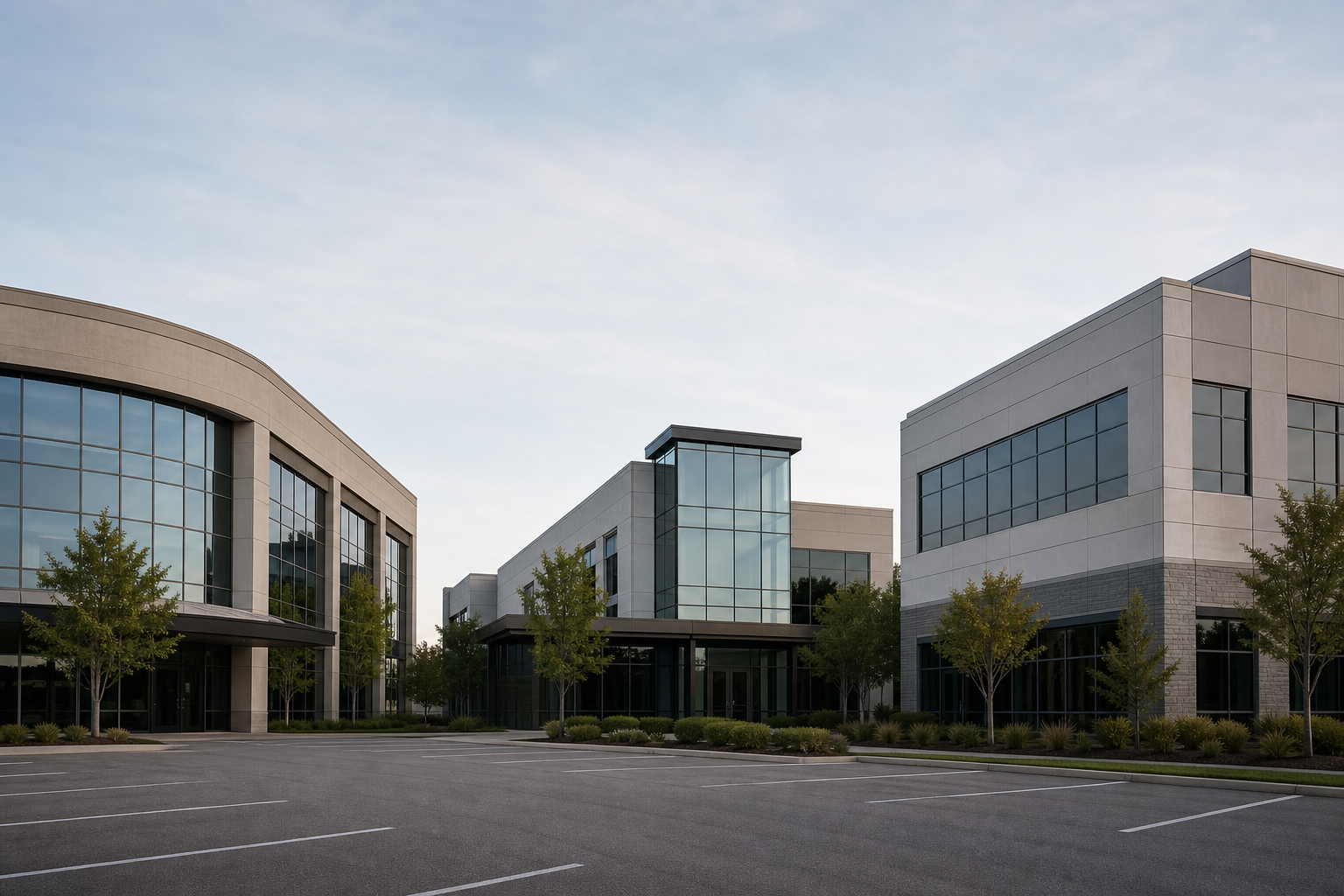
Lincoln and PGIM assembled 116,957 square feet of outpatient space in forty-eight hours.

August producer prices split the metals complex apart for the first time this cycle.
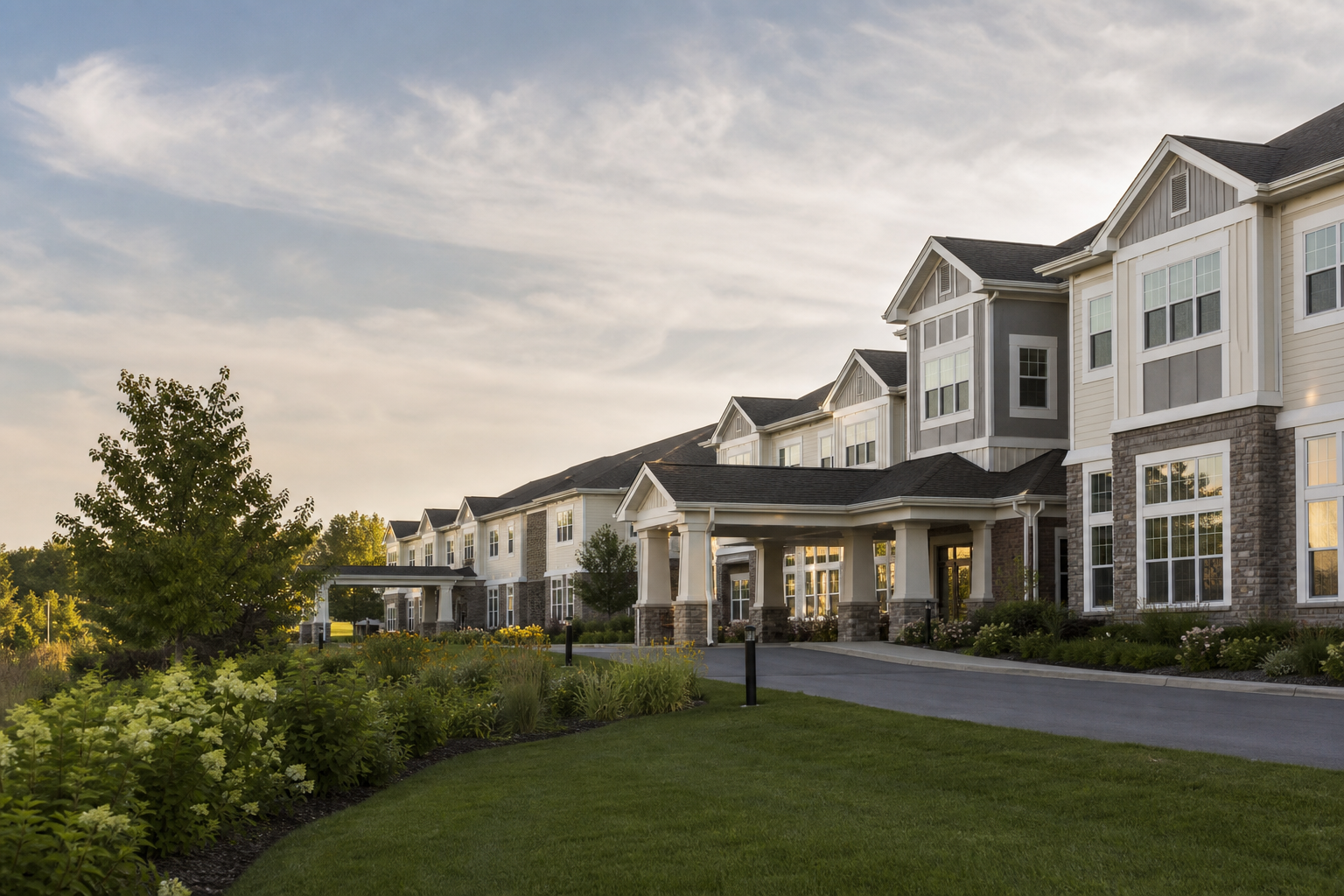
The country’s second-largest senior housing market has just reported a scarcity number.

San Francisco Centre is back on the market, and the ground lease just got extended to 2082.
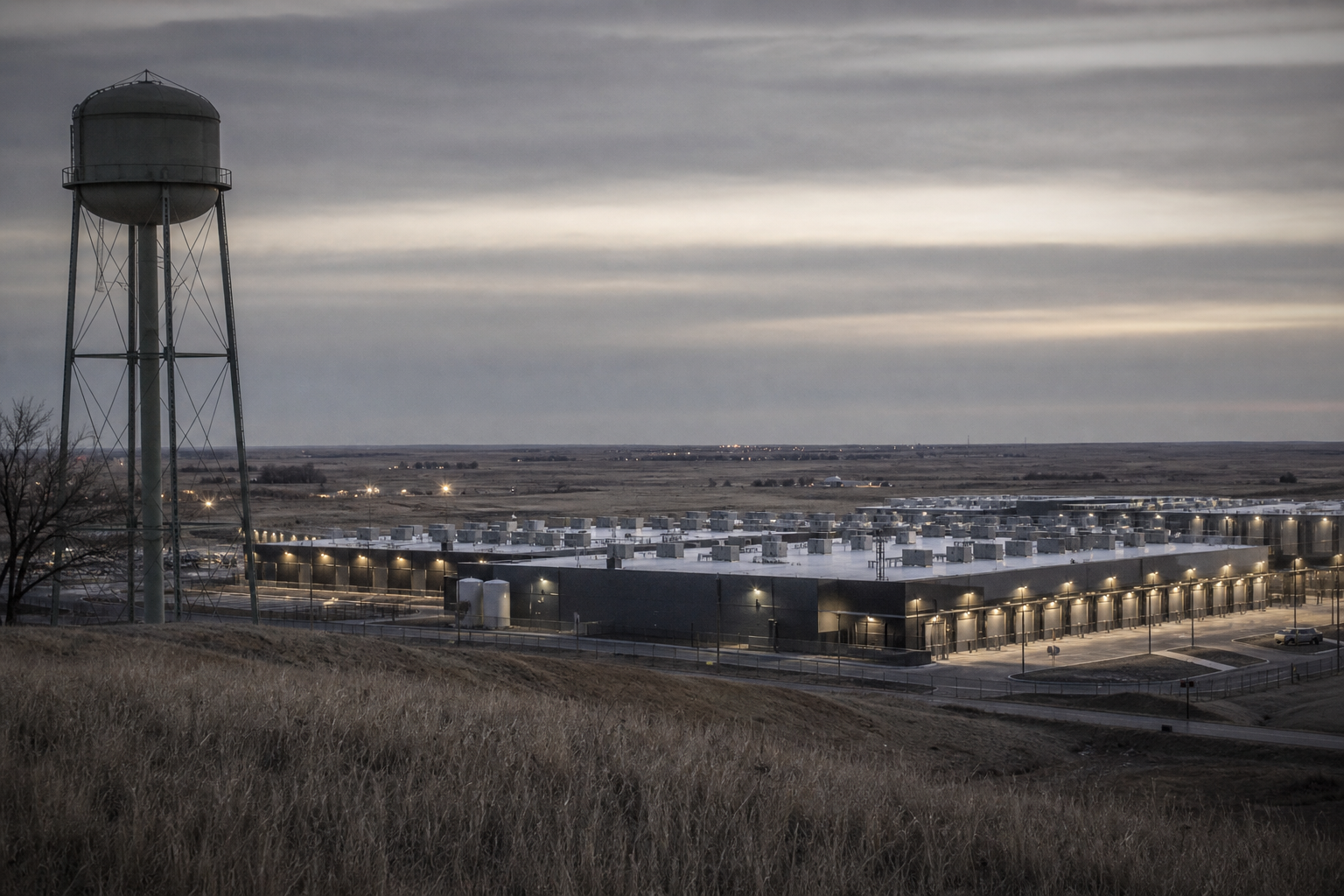
Kearney, Nebraska legalized data centers and permitted one nearly four times the size of the bitcoin mine it replaces — in a single night.
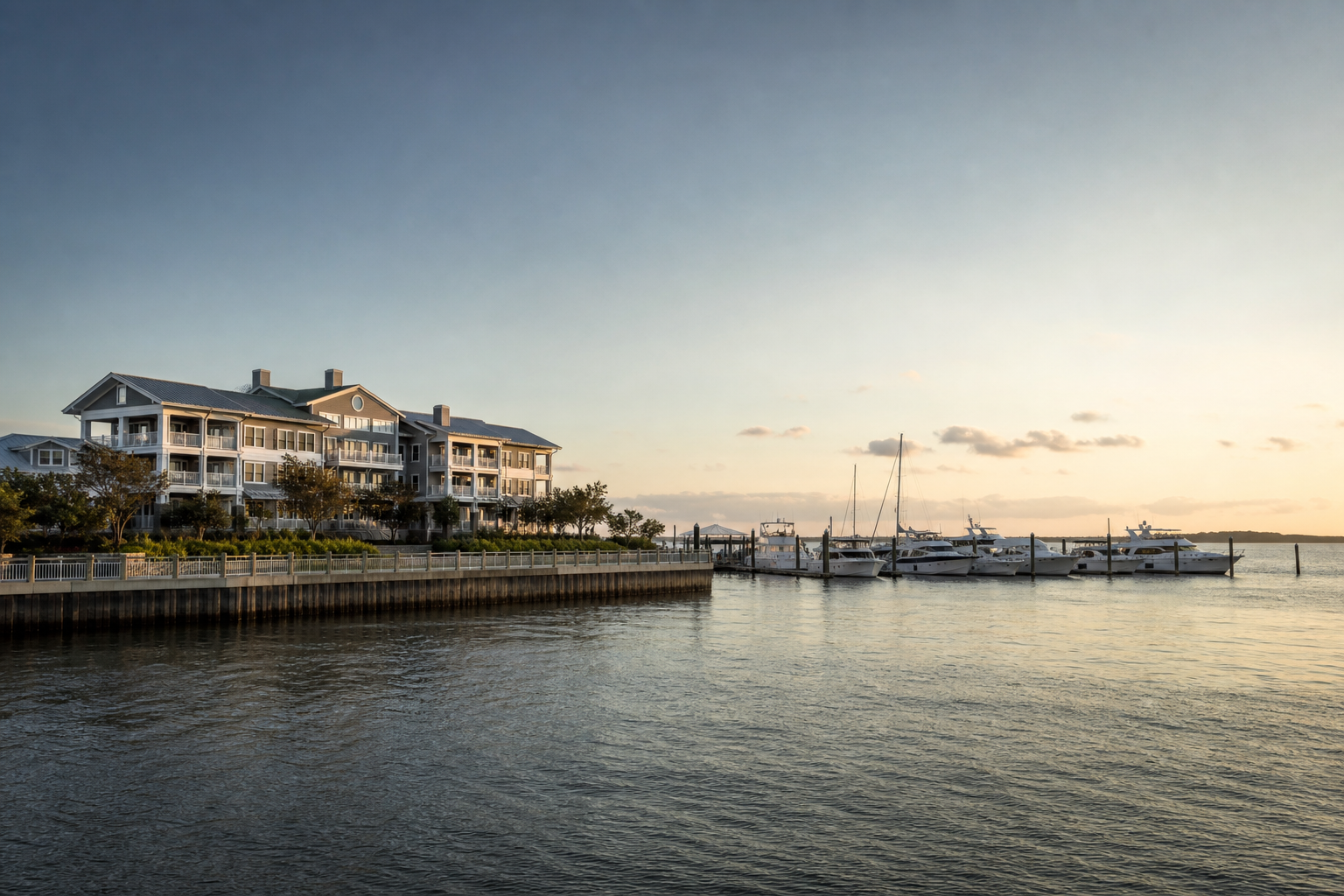
American Financial Group ended a twenty-four-year hold by splitting Charleston Harbor into its component businesses.

Chicago's first city-backed Loop conversion opened this week, and the subsidy math is the comp everyone should be reading.
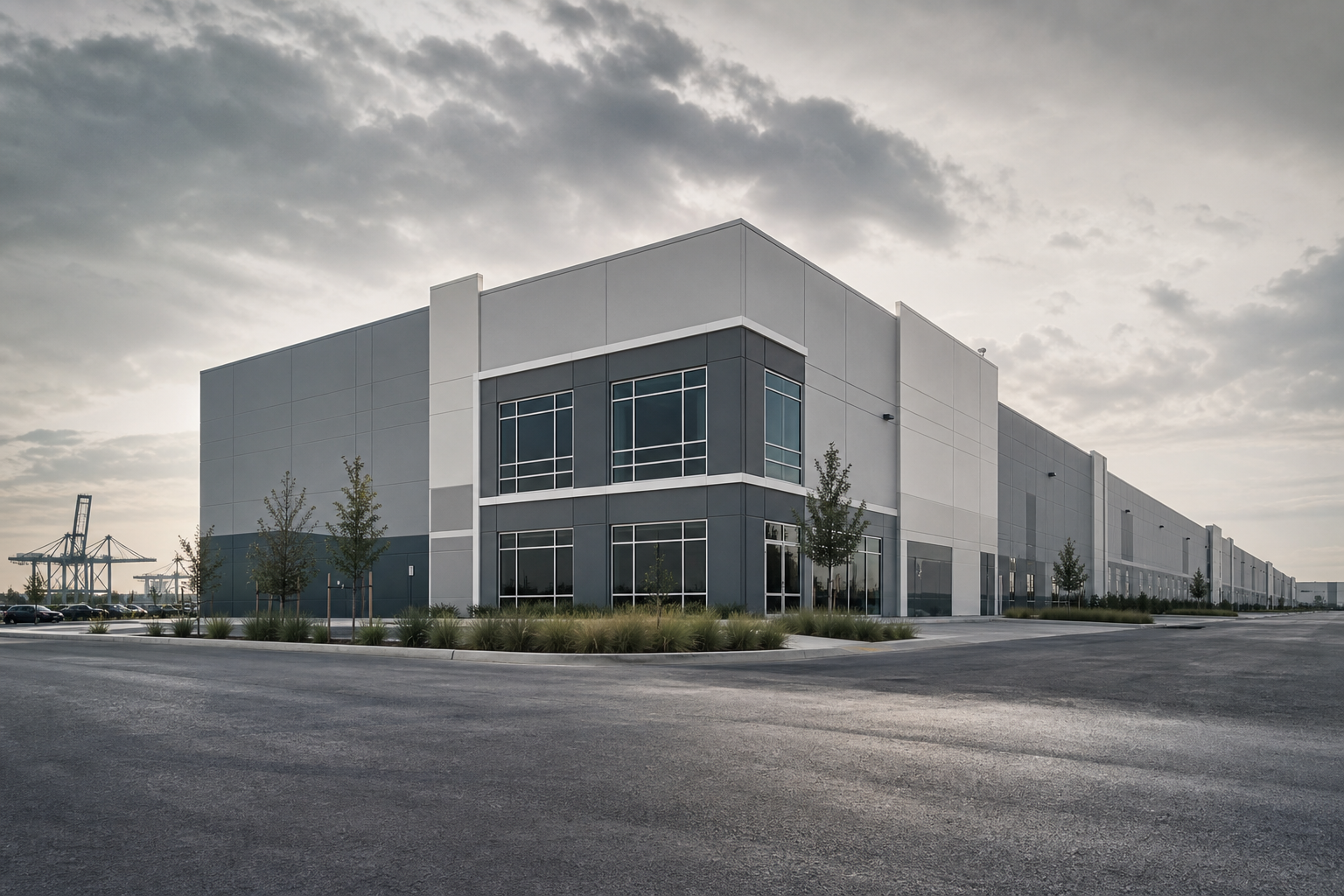
A debt fund refinanced Class A port-market industrial that is roughly fifty-four percent leased two years after delivery.
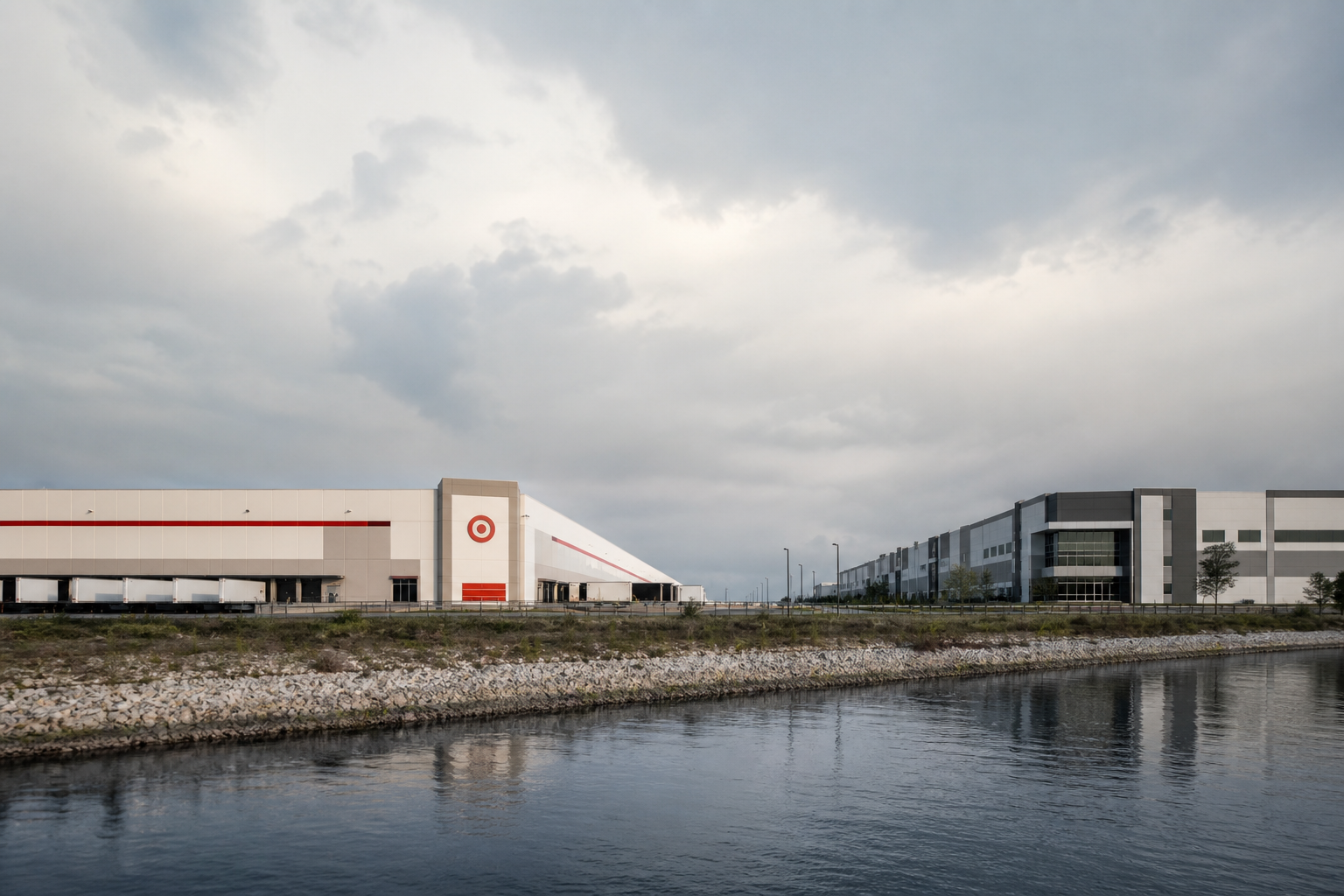
Ares bought a Target distribution center and a LaserShip hub in Miami-Dade on the same ticket.
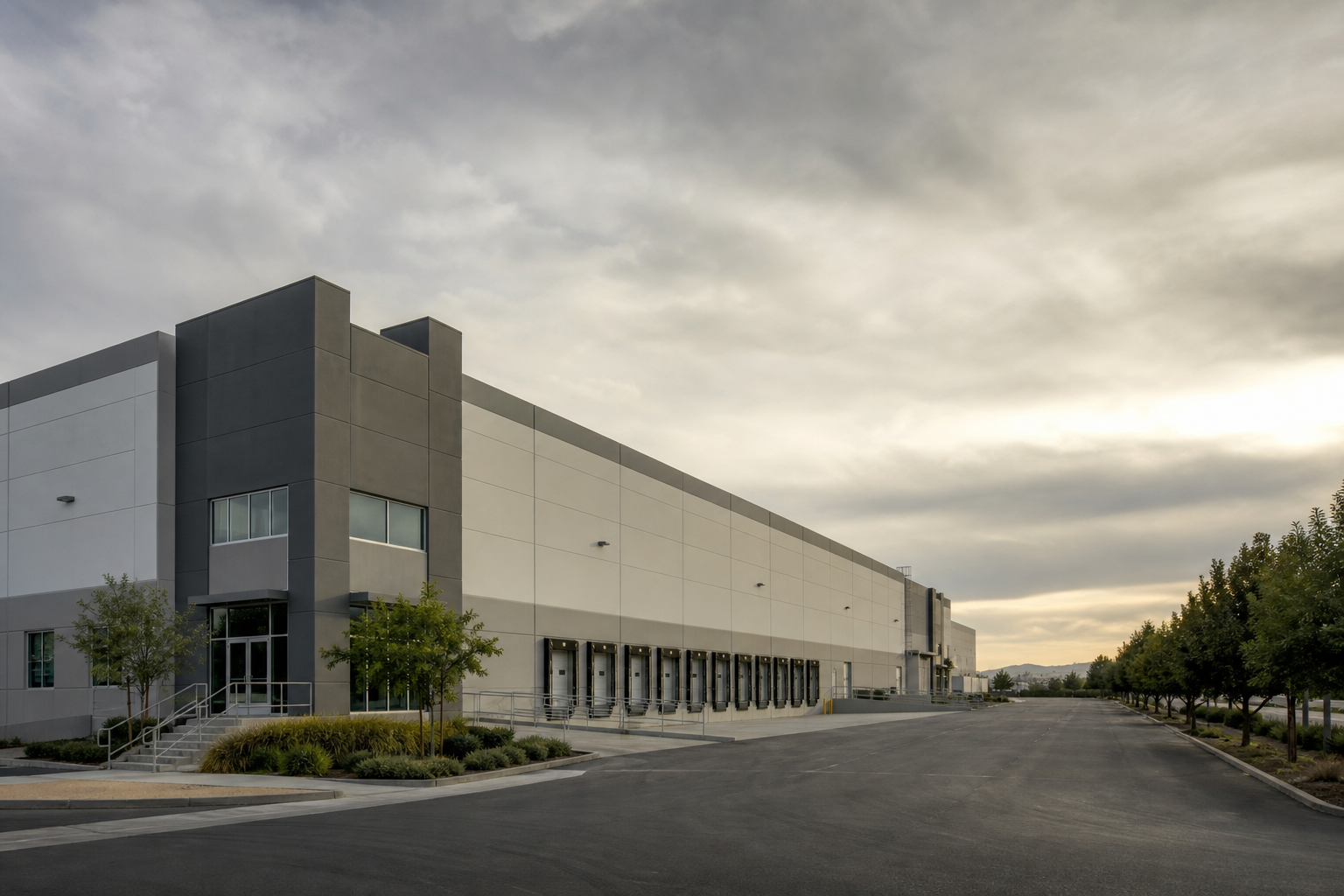
Link Logistics exits Benicia at $163.69 a foot on rents the buyer calls below market.
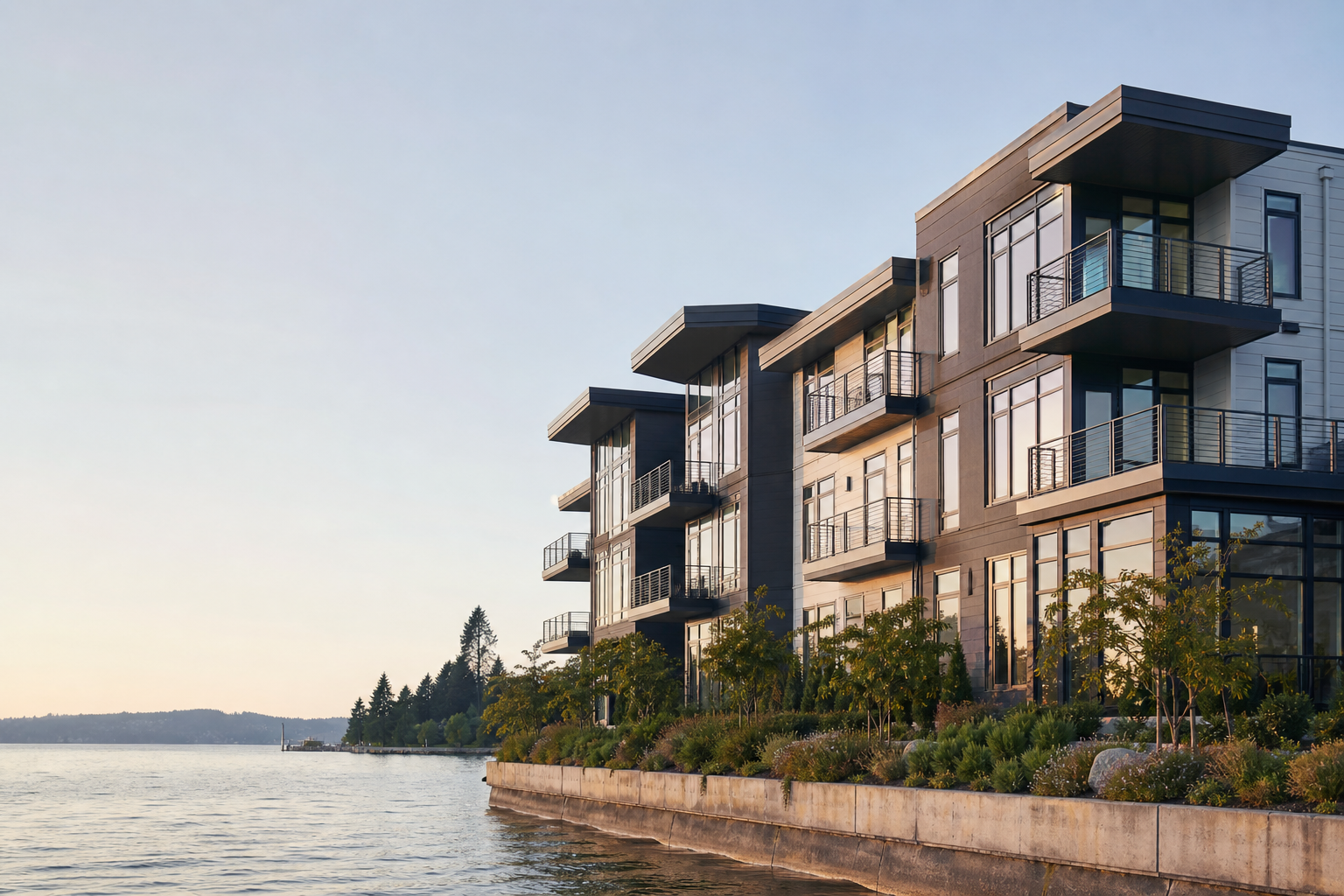
Sequel and Evergreen Gavekal pay $368,947 a door in a market where the debt still clears.
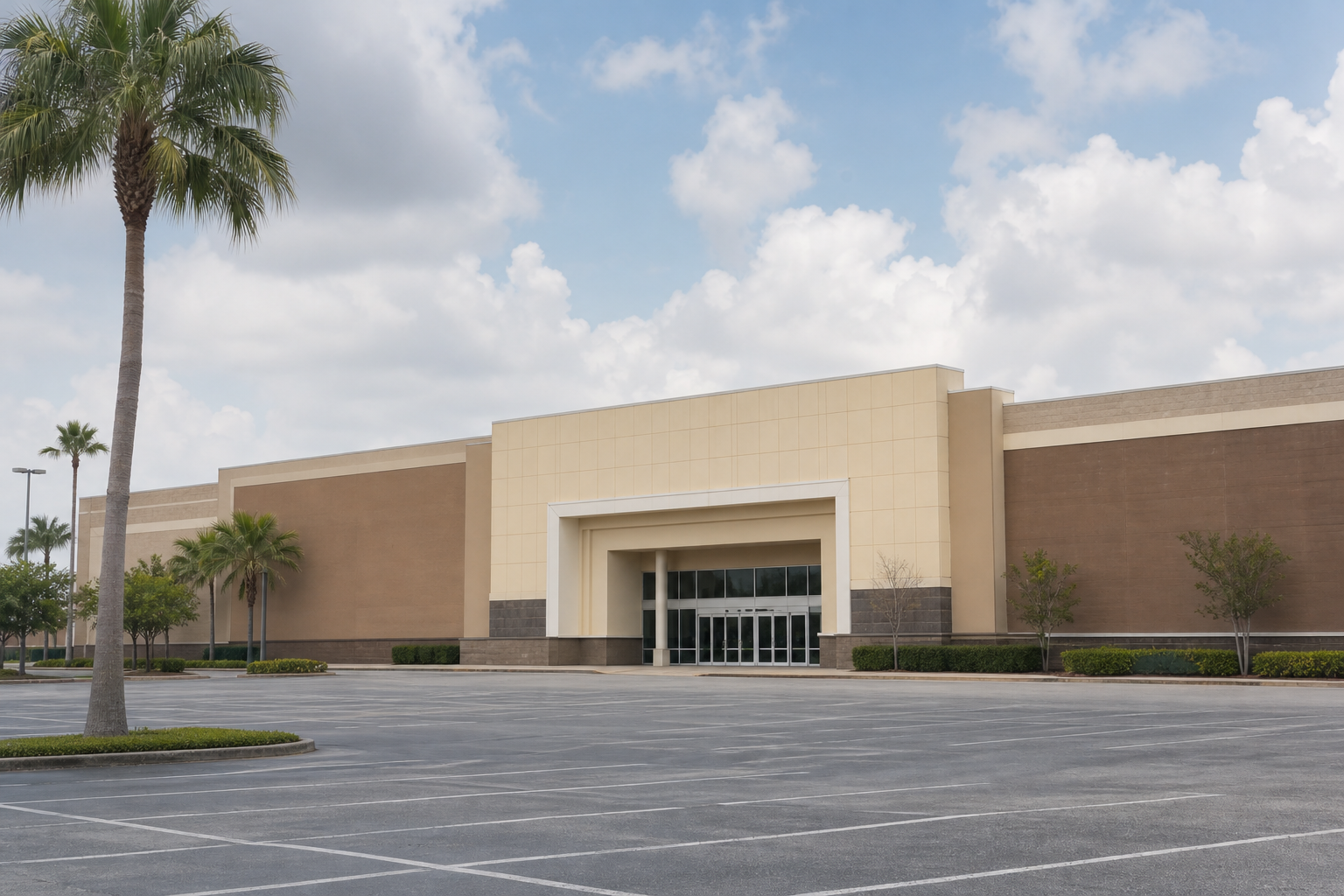
Baptist Health paid $577 a foot in Coconut Creek. Kohl's paid $160 in 2008.
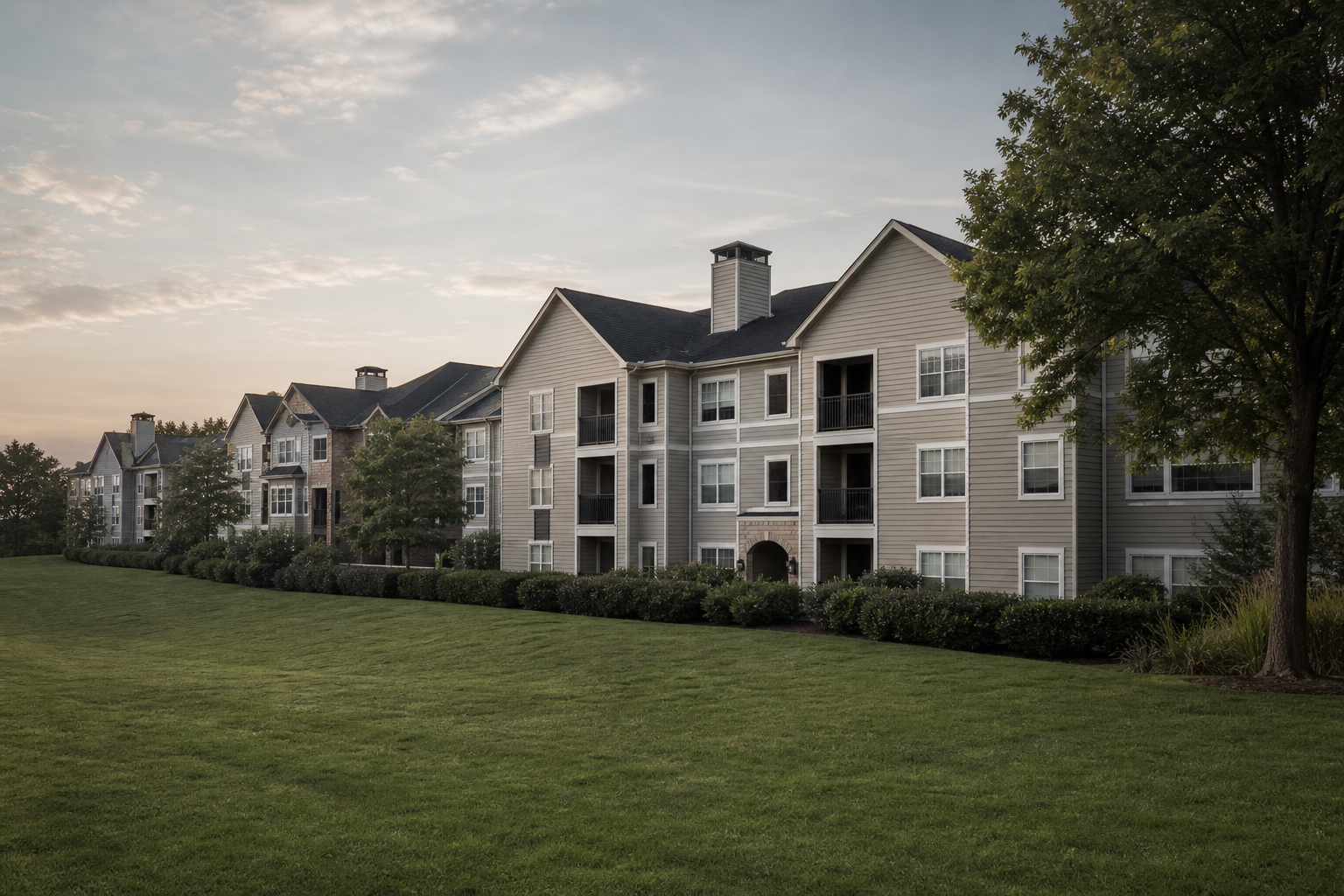
A 42-year-old Atlanta-suburb complex resold for $110 million eight years after trading at $72.5 million.
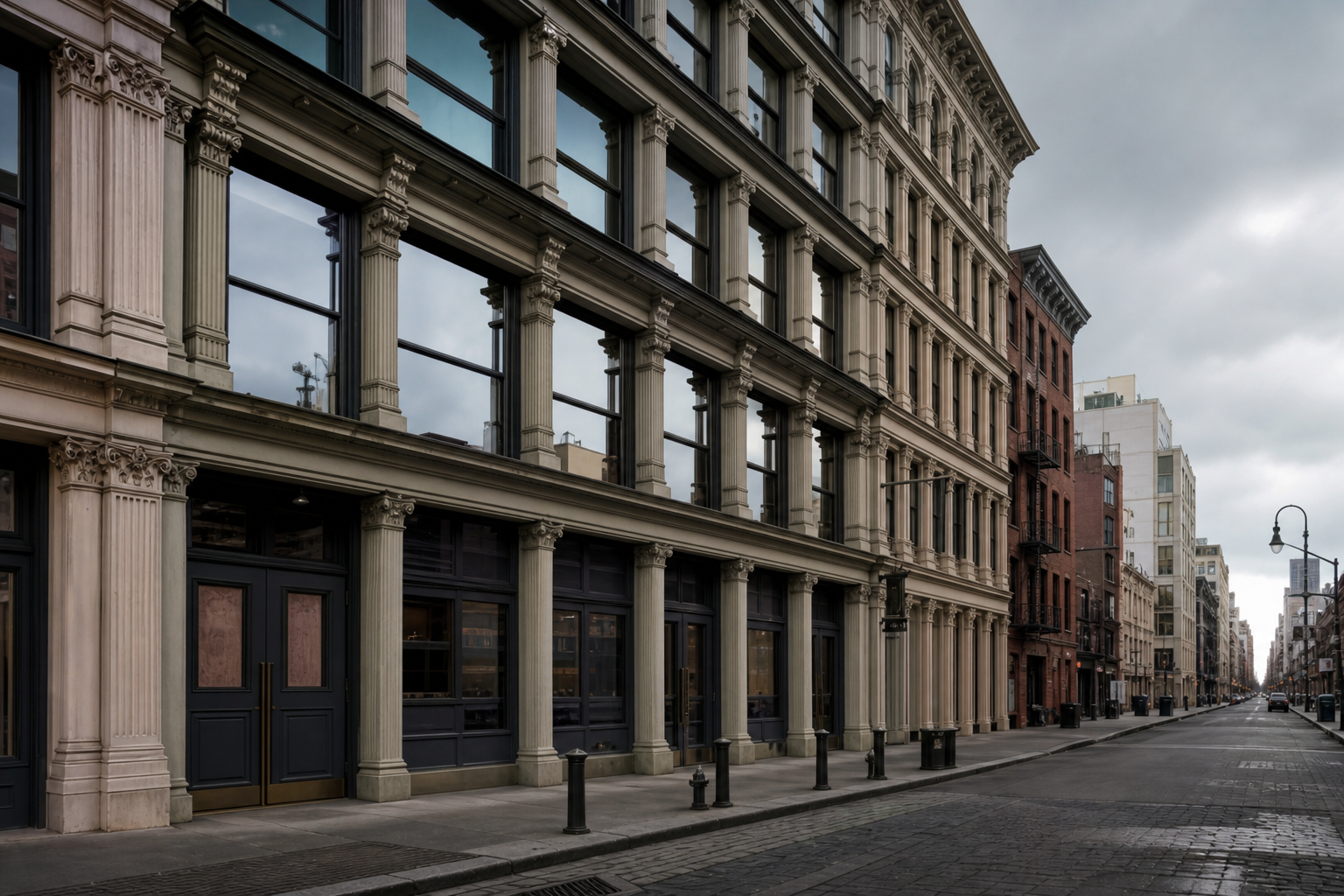
SoHo's Suspenders Building sold for $47 million because a foreclosure made the number public.
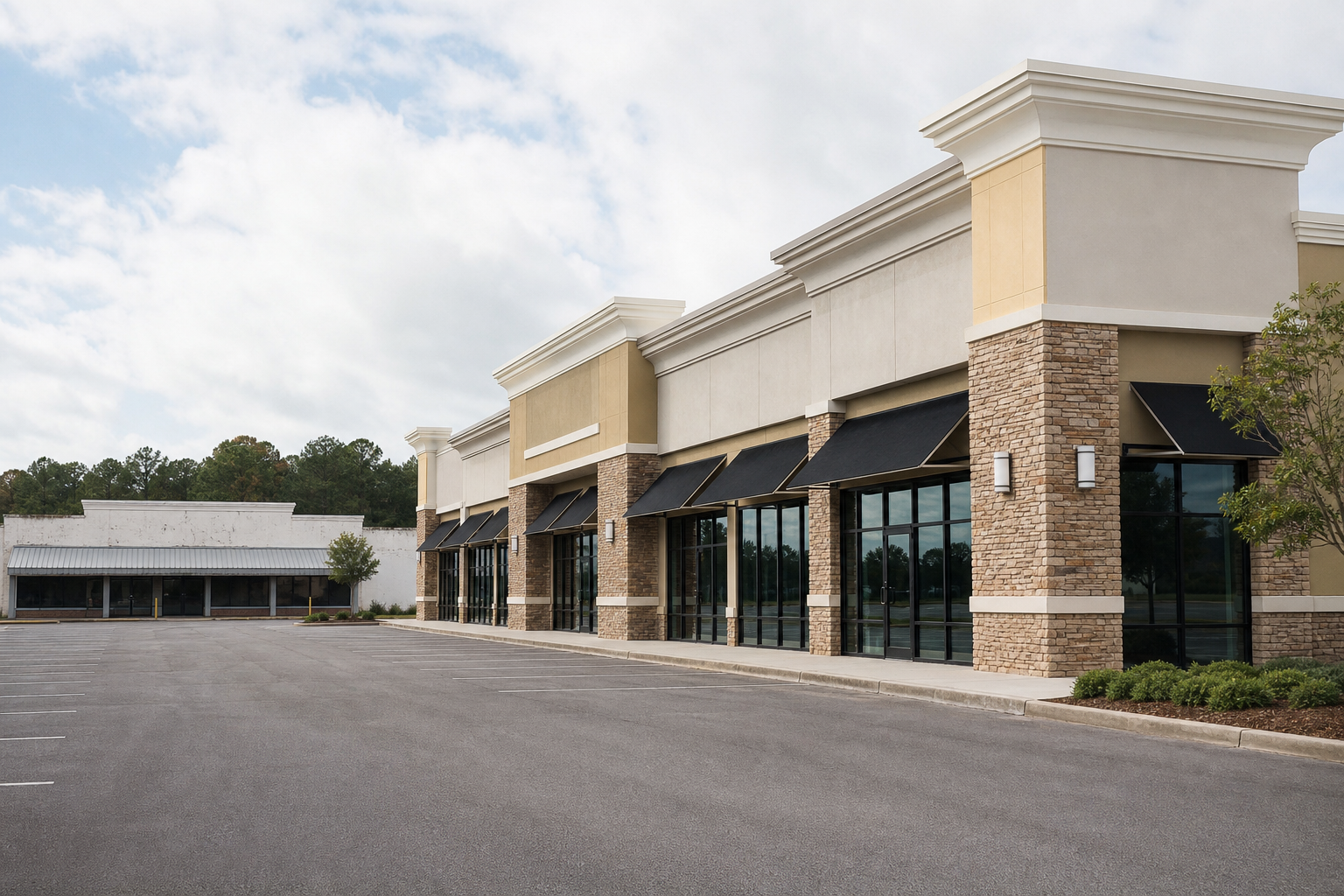
A Tampa-suburb strip center priced at fifteen times what a Mississippi center fetched last week.

Shorenstein's thirteenth office buy in twenty-seven months came with a yield target and no number.
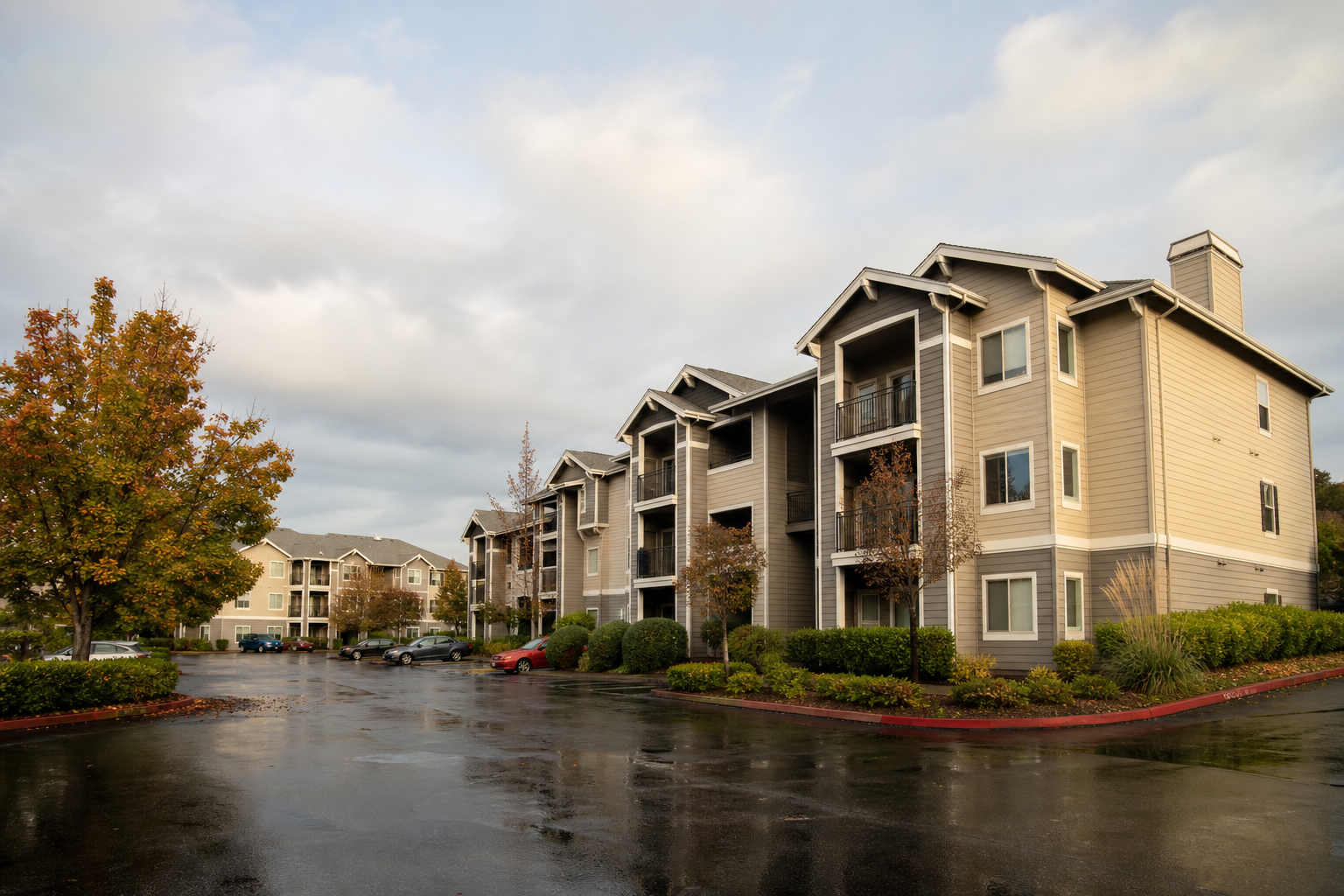
A 1997-vintage suburban property outperformed its 2015 basis by 31%, exceeding the growth over an impressive eleven years.
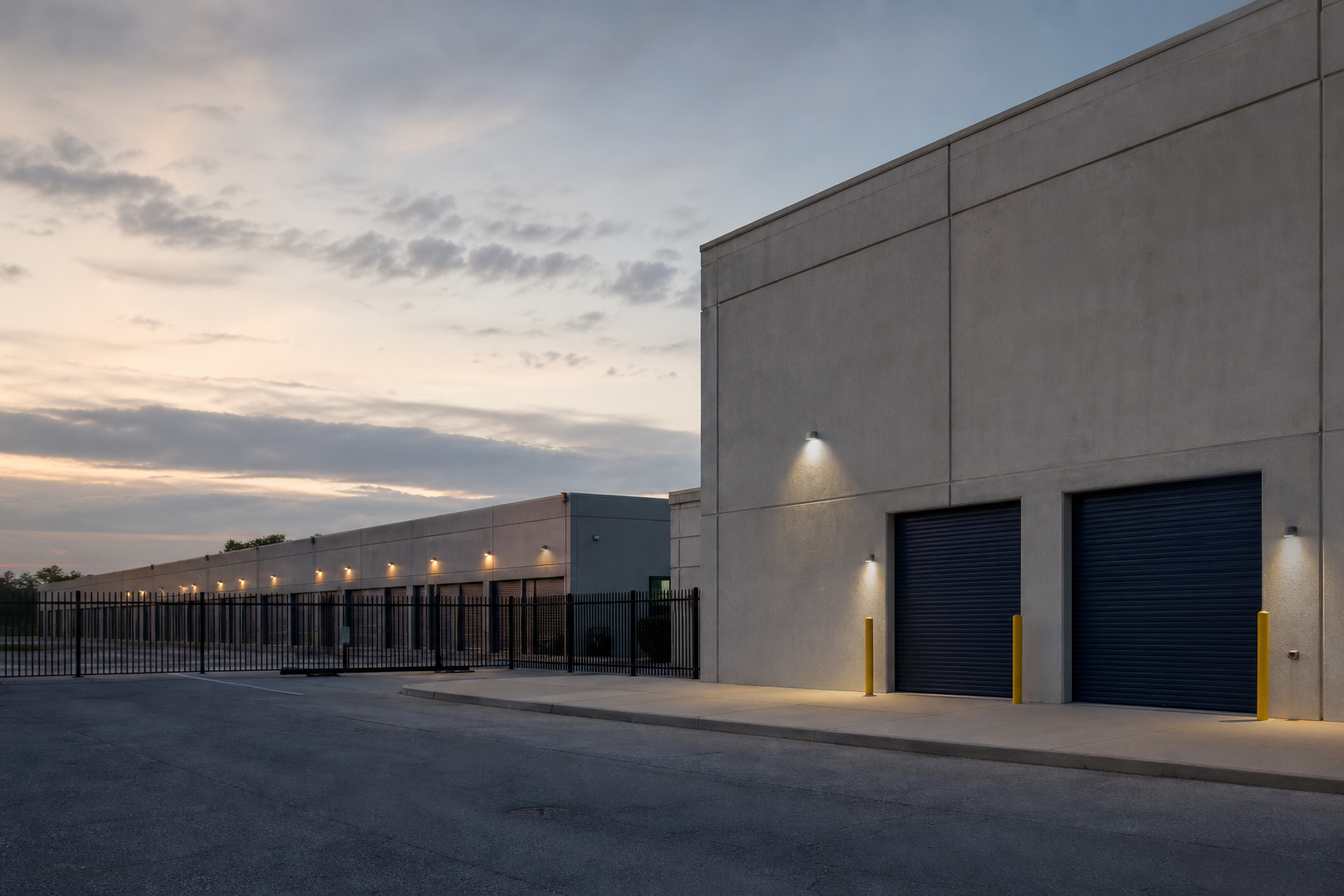
A five-year, full-term interest-only loan on 243,496 square feet — and no purchase price anywhere.
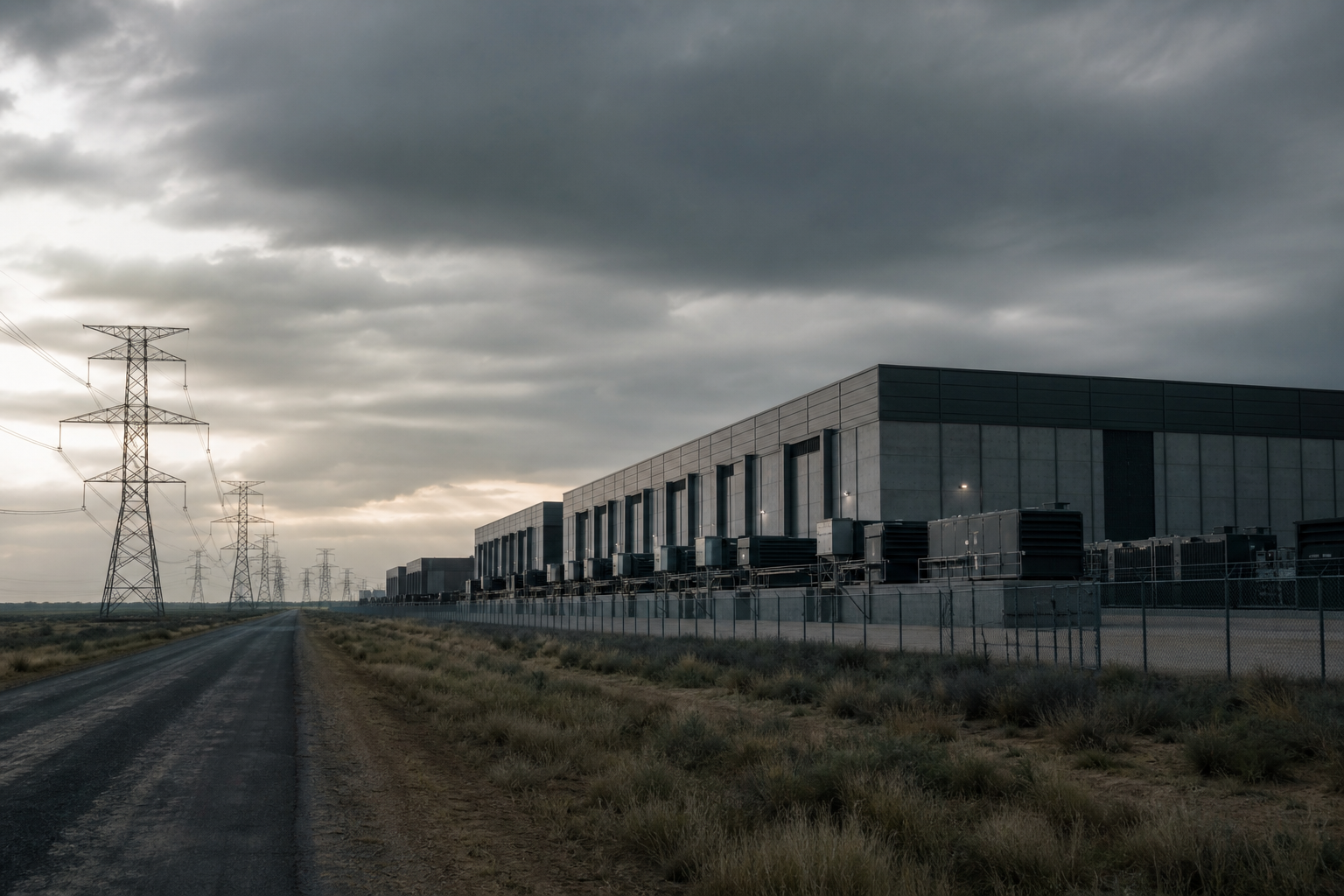
Texas classified Galaxy's data center load — and most of it came back conditional.
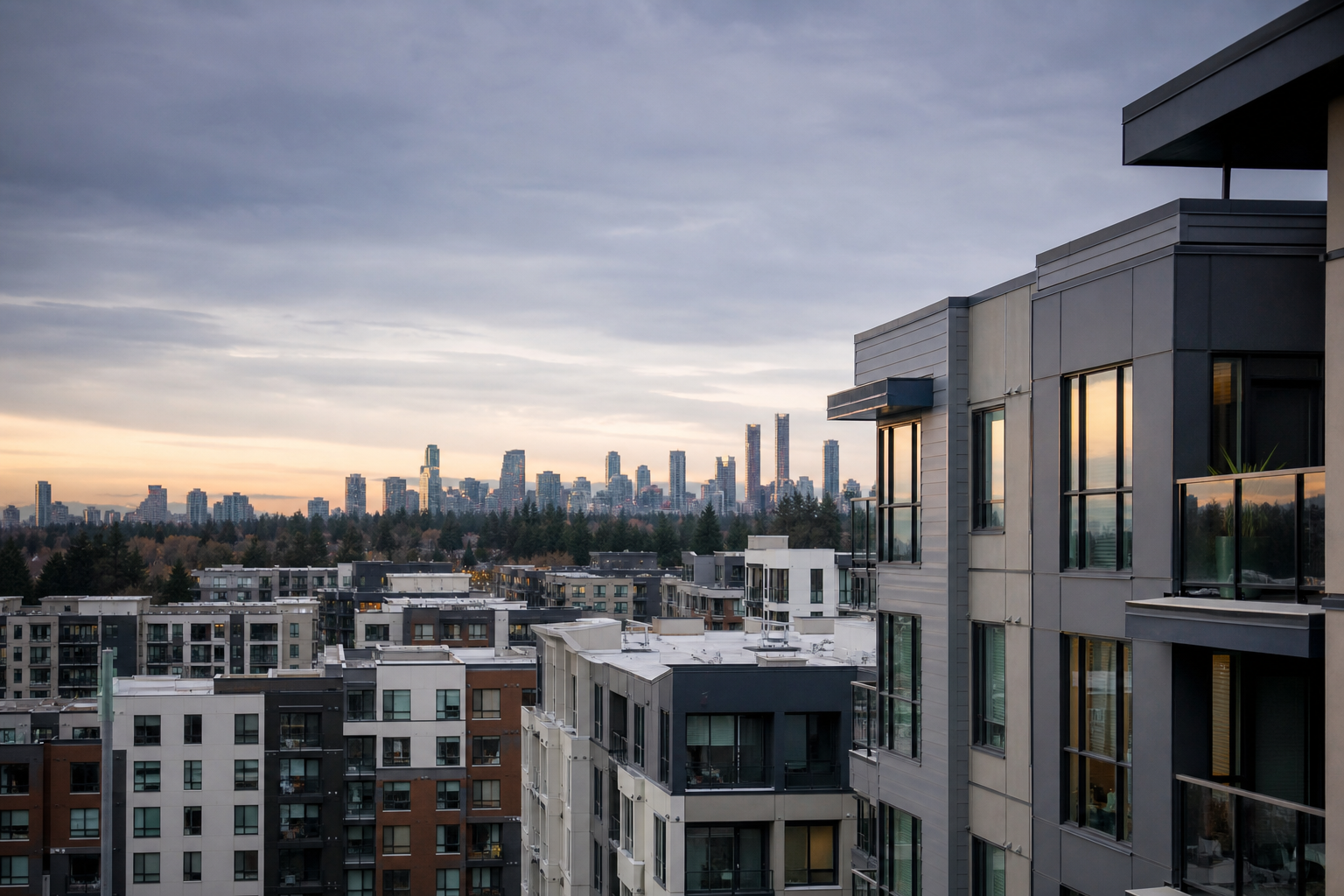
The middle market's largest consolidation in five years priced units within 3% of a private trade the same day.
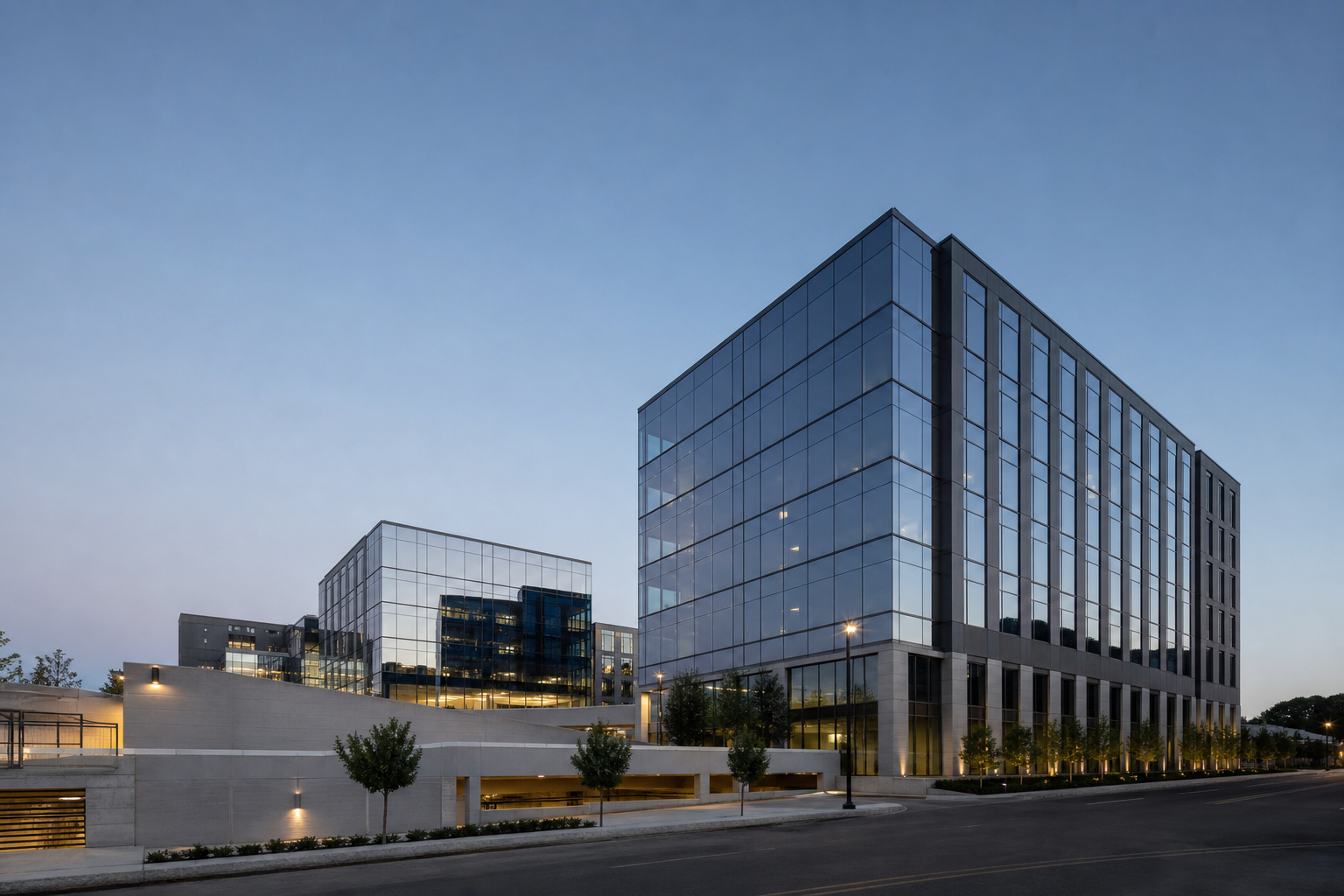
CIM and Tokyo-listed Hulic took out a White Plains lease-up barely a year old.
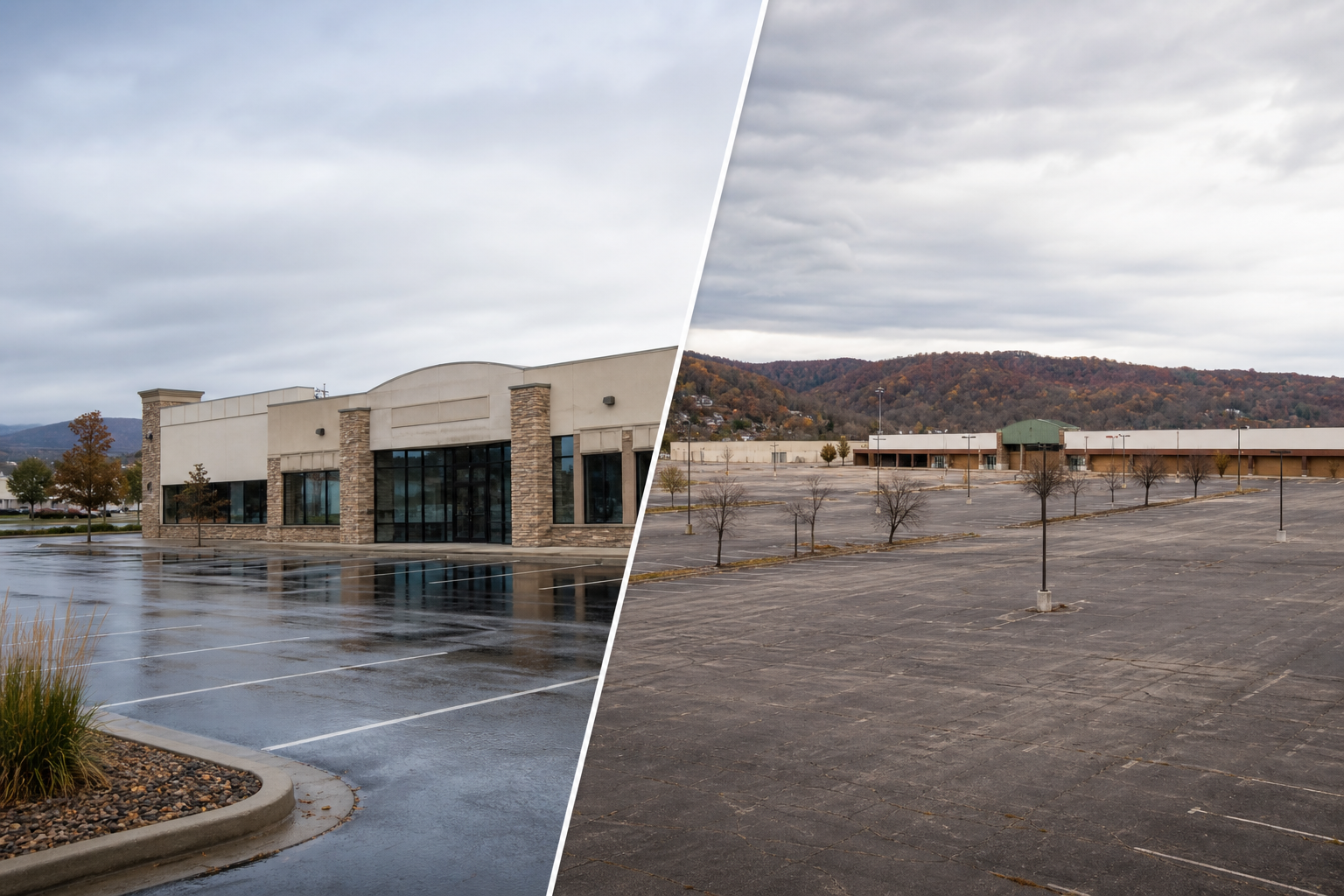
$164.56 a foot in Arvada, the same week open-air cleared $250 outside Pittsburgh.
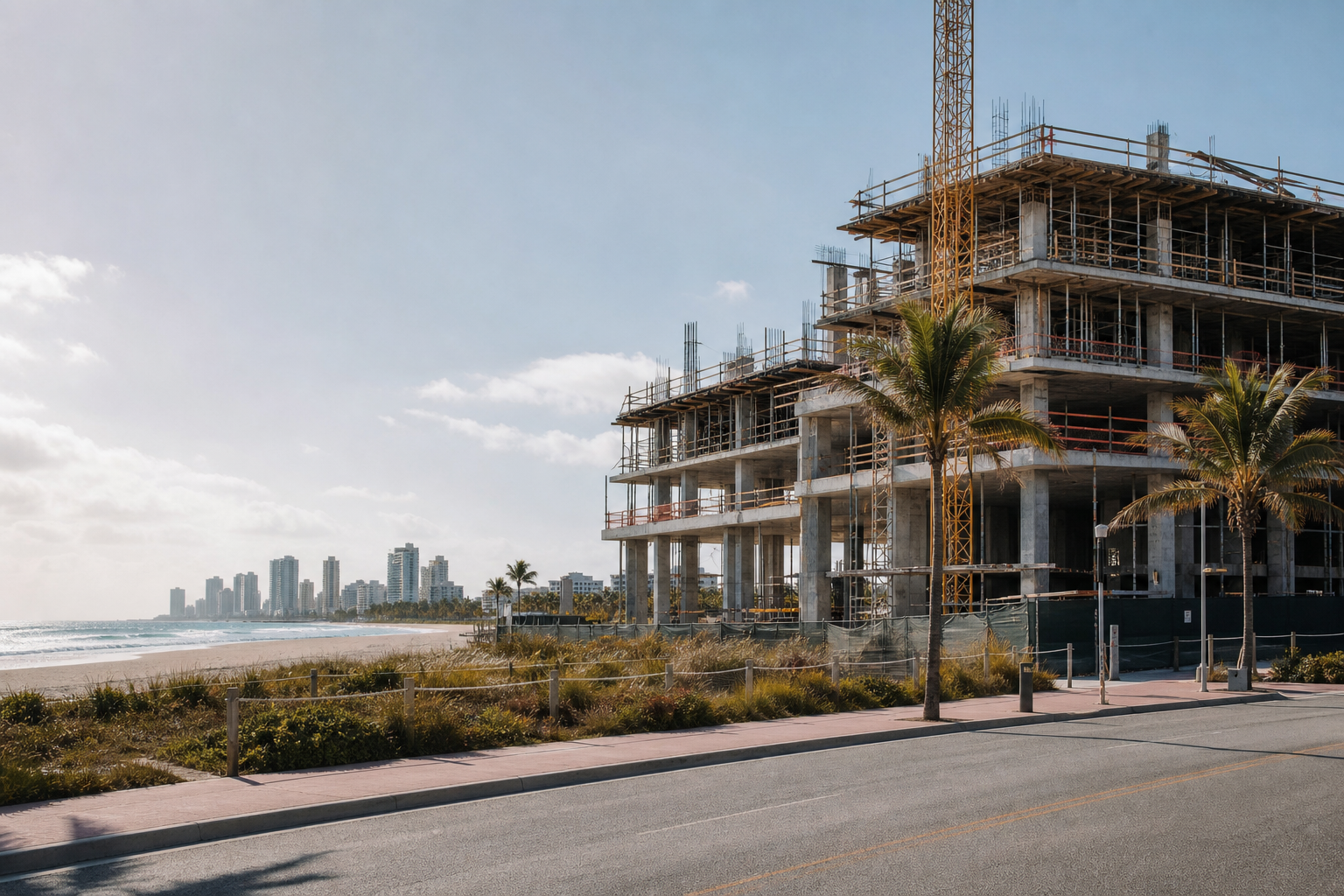
A Miami Beach hotel is being rebuilt at $1.41M per key on $44M of C-PACE.
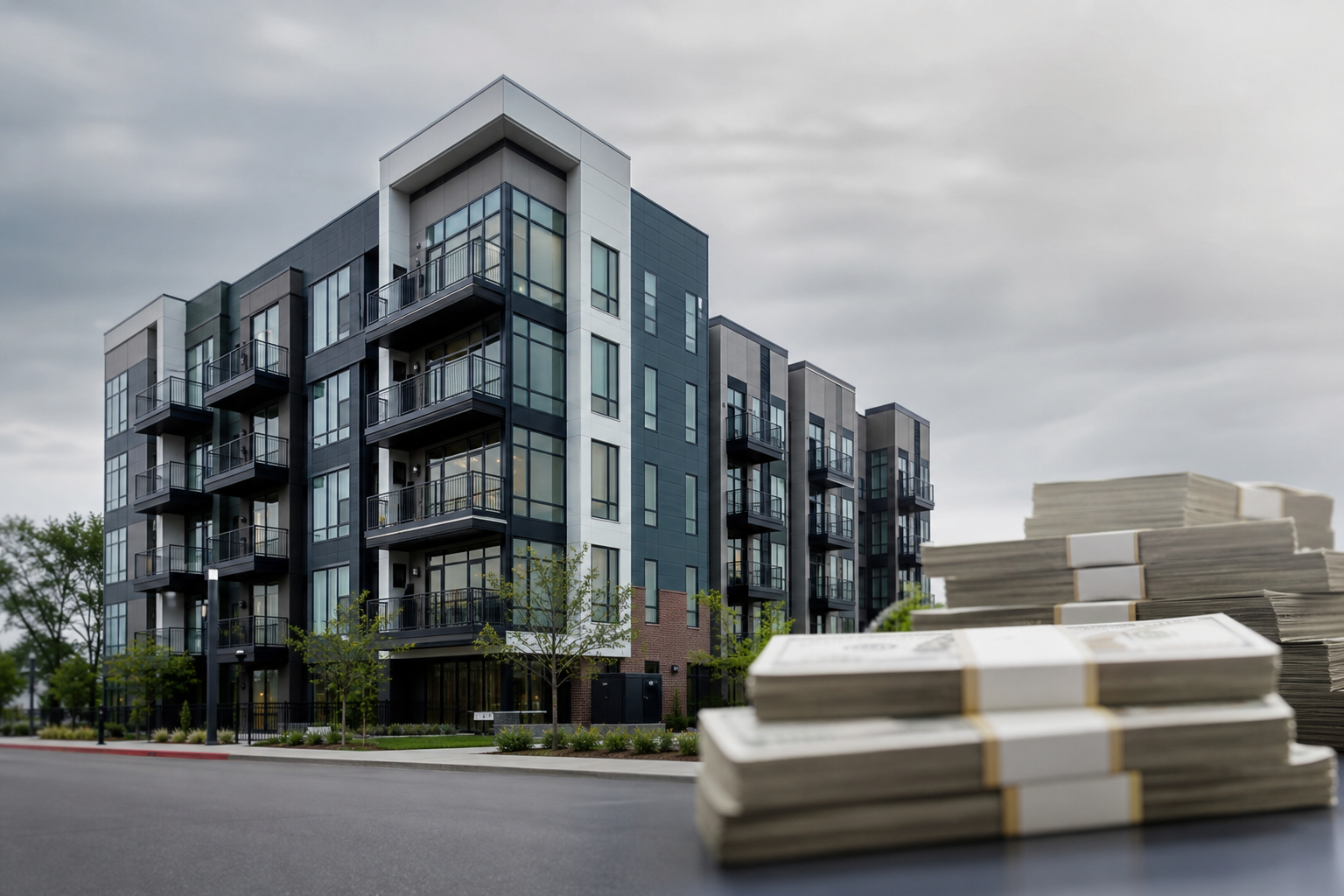
A 2022 delivery exited into its own loan maturity for $110M.
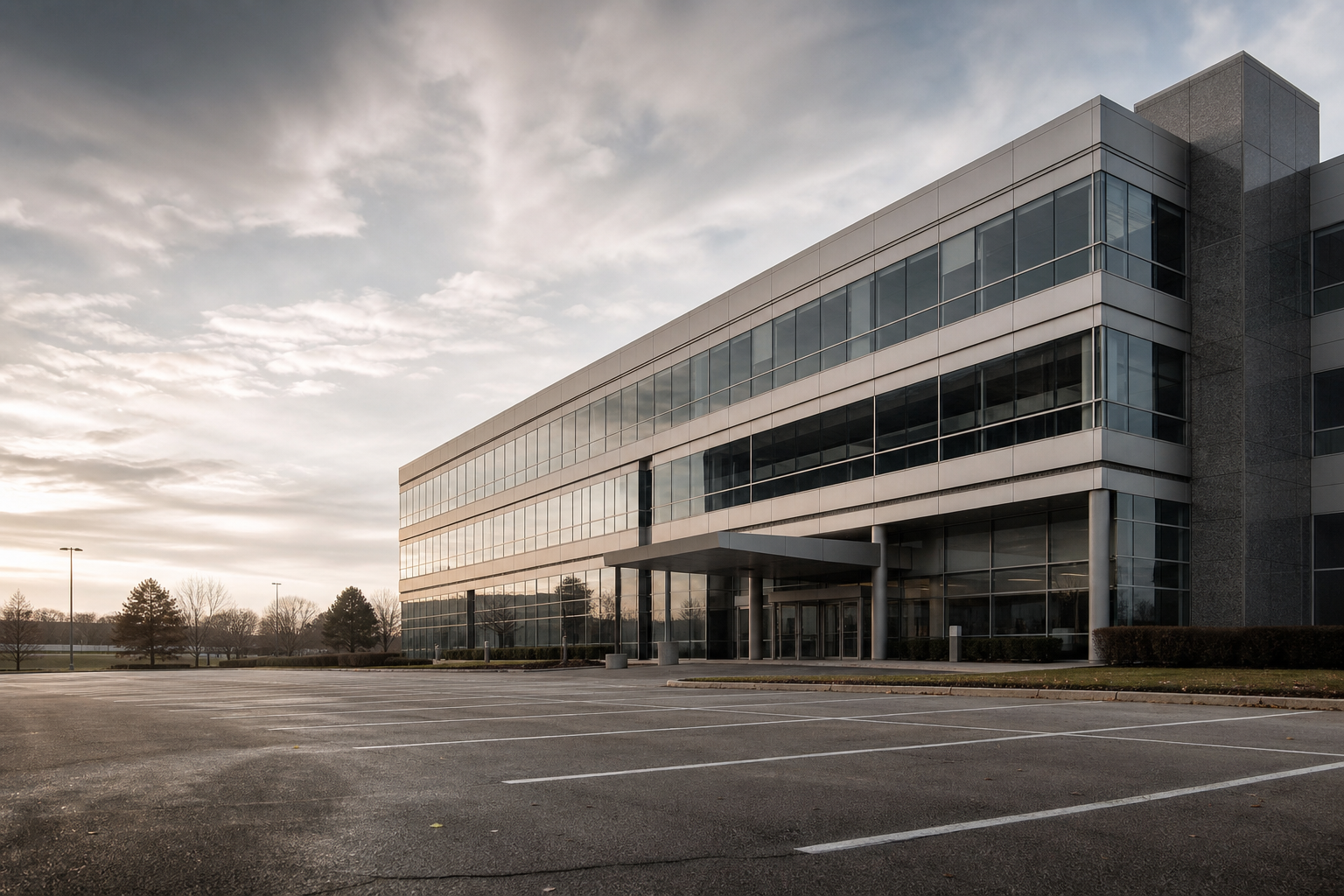
Burlington is paying $544 a foot for space that is 4% leased.
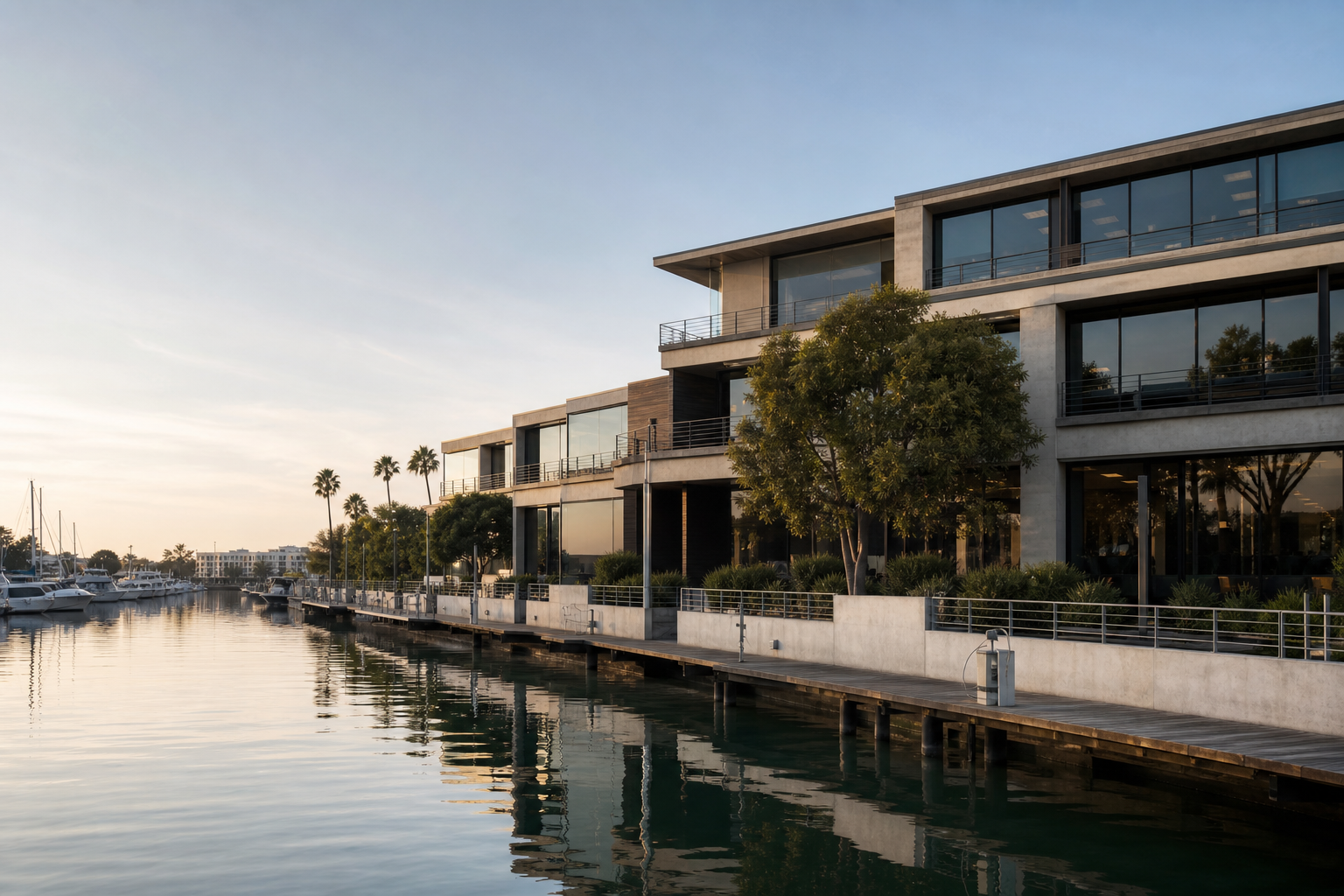
A Marina del Rey leasehold cleared at $24.8M — against $64.6M of basis.
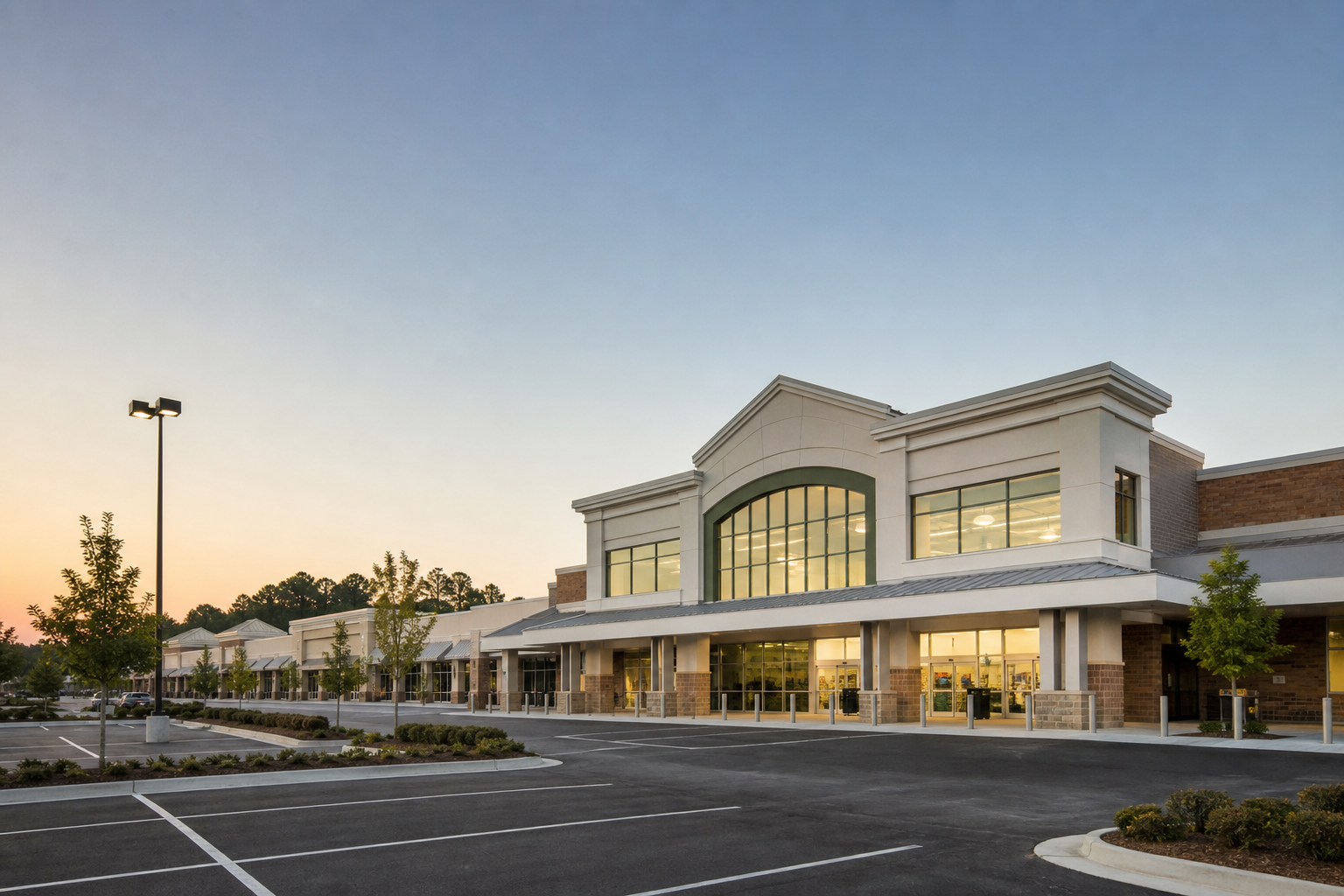
Montreal's Brasswater bought its way into the Sun Belt at a 2.8% annual mark.
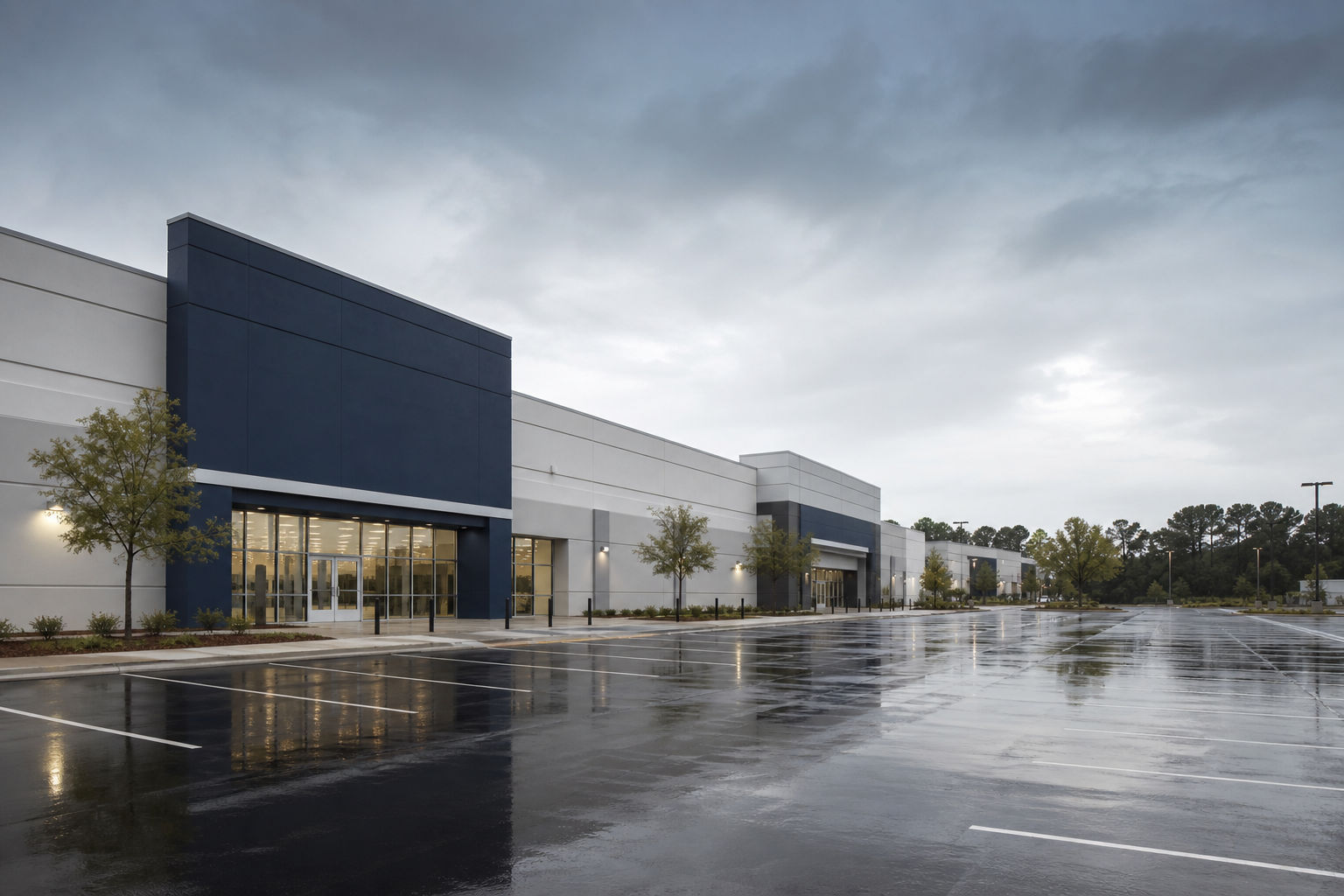
A renovated Mississippi power center cleared at 27% of a Georgia box's price.
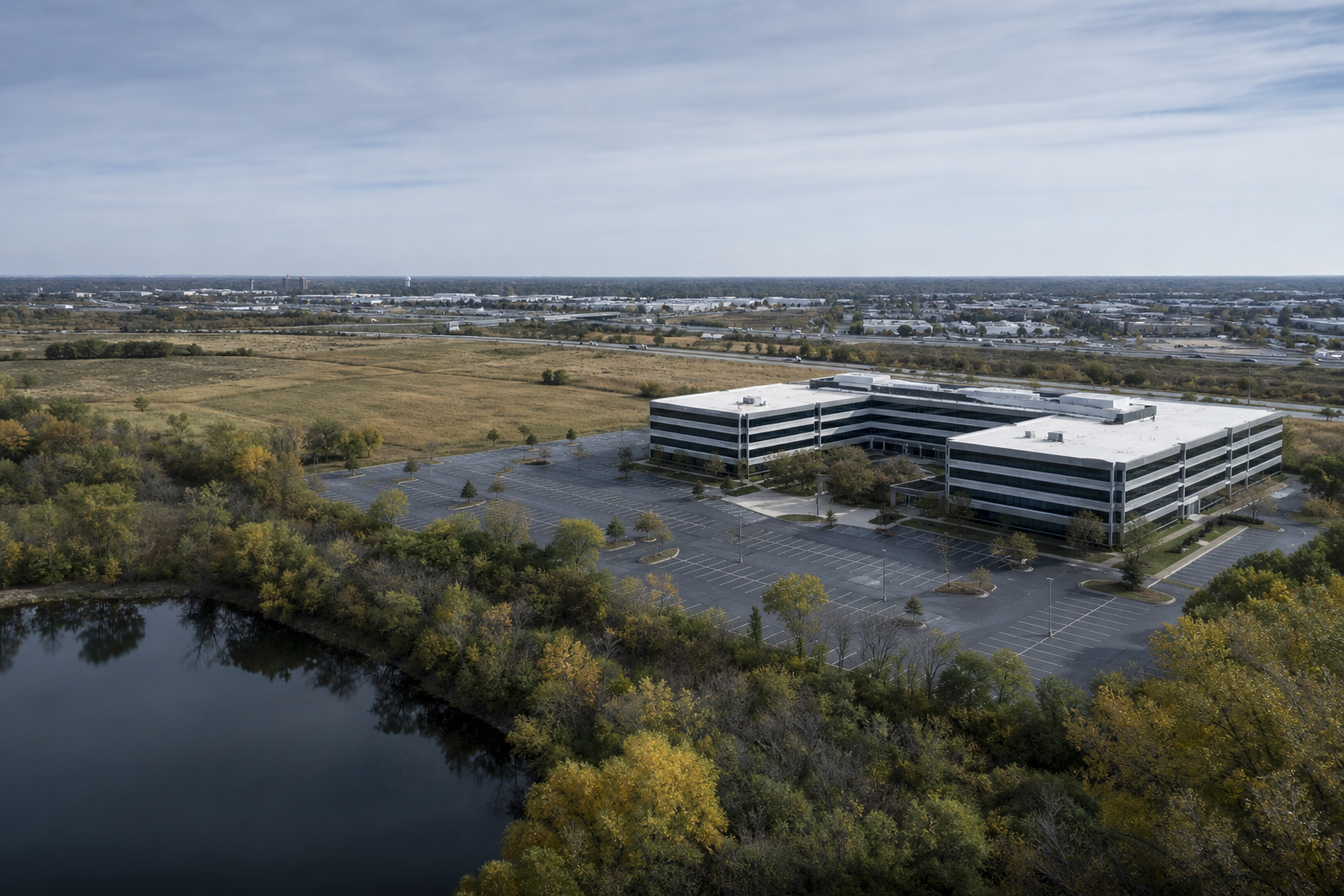
Digital Realty paid 3x a 2023 foreclosure basis for 40 acres in Rolling Meadows.

Tishman Speyer closed $340 million on 2.5 million square feet — $136 a foot. This is an update.

A $1.2 billion cross-border close where only a quarter of the consideration was money.
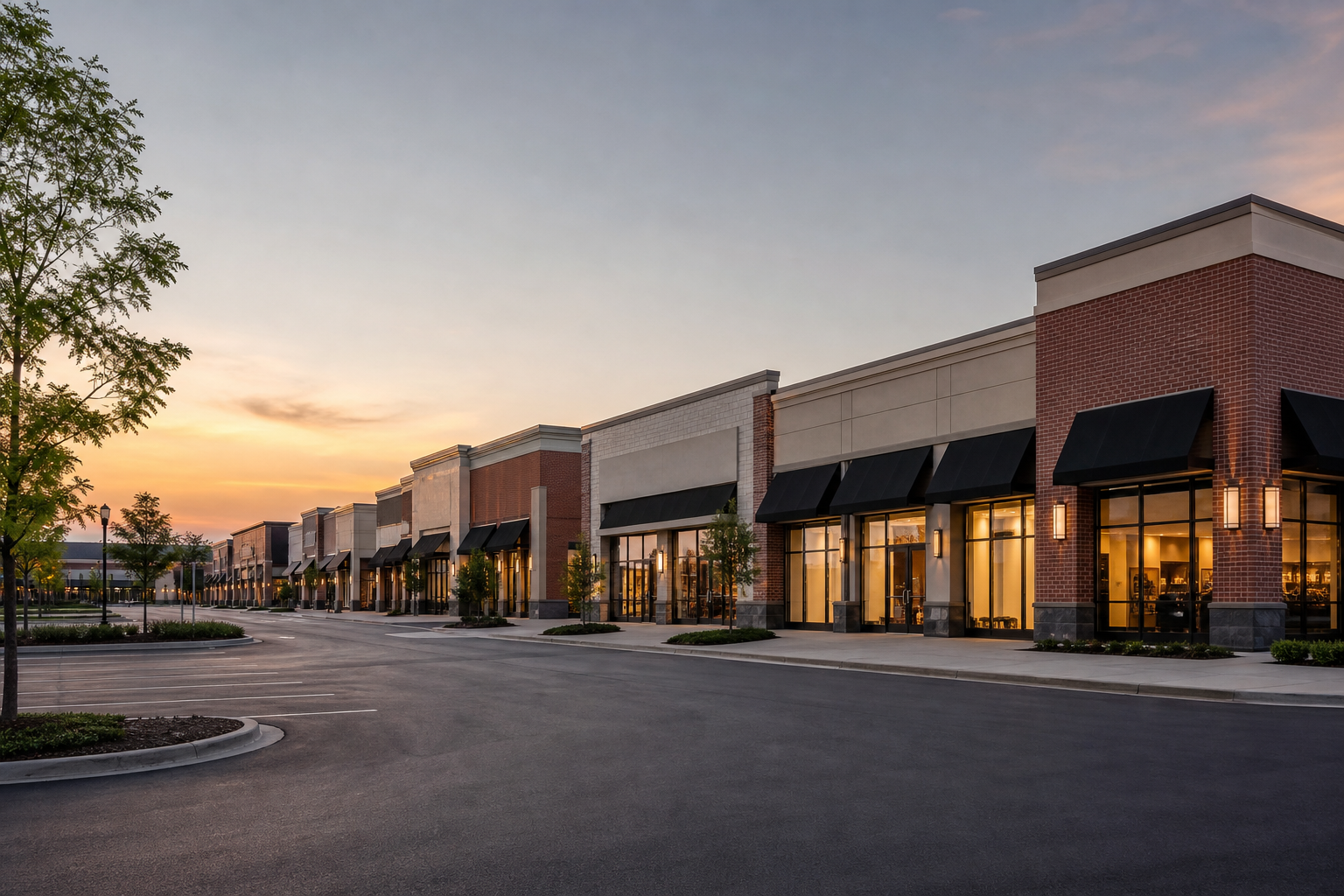
A 181,000-square-foot North Shore center changed hands five years after a $26.2 million basis.

Fourteen years, a National Register building, IBM and GE in the rent roll — and a $259-a-foot haircut.
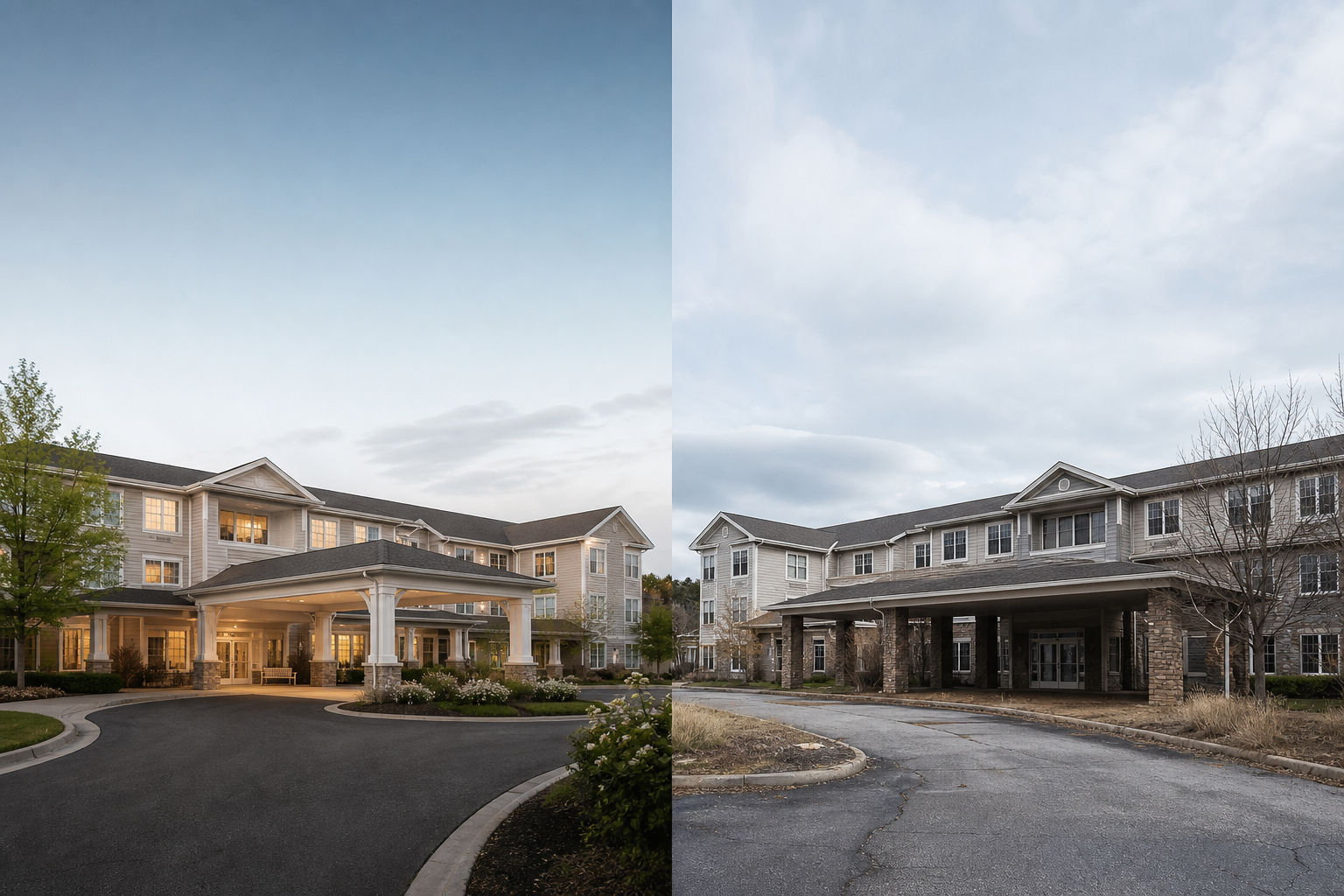
American Healthcare REIT spent $1.268 billion on senior housing in twenty-one days — at a 53.6% per-unit spread.
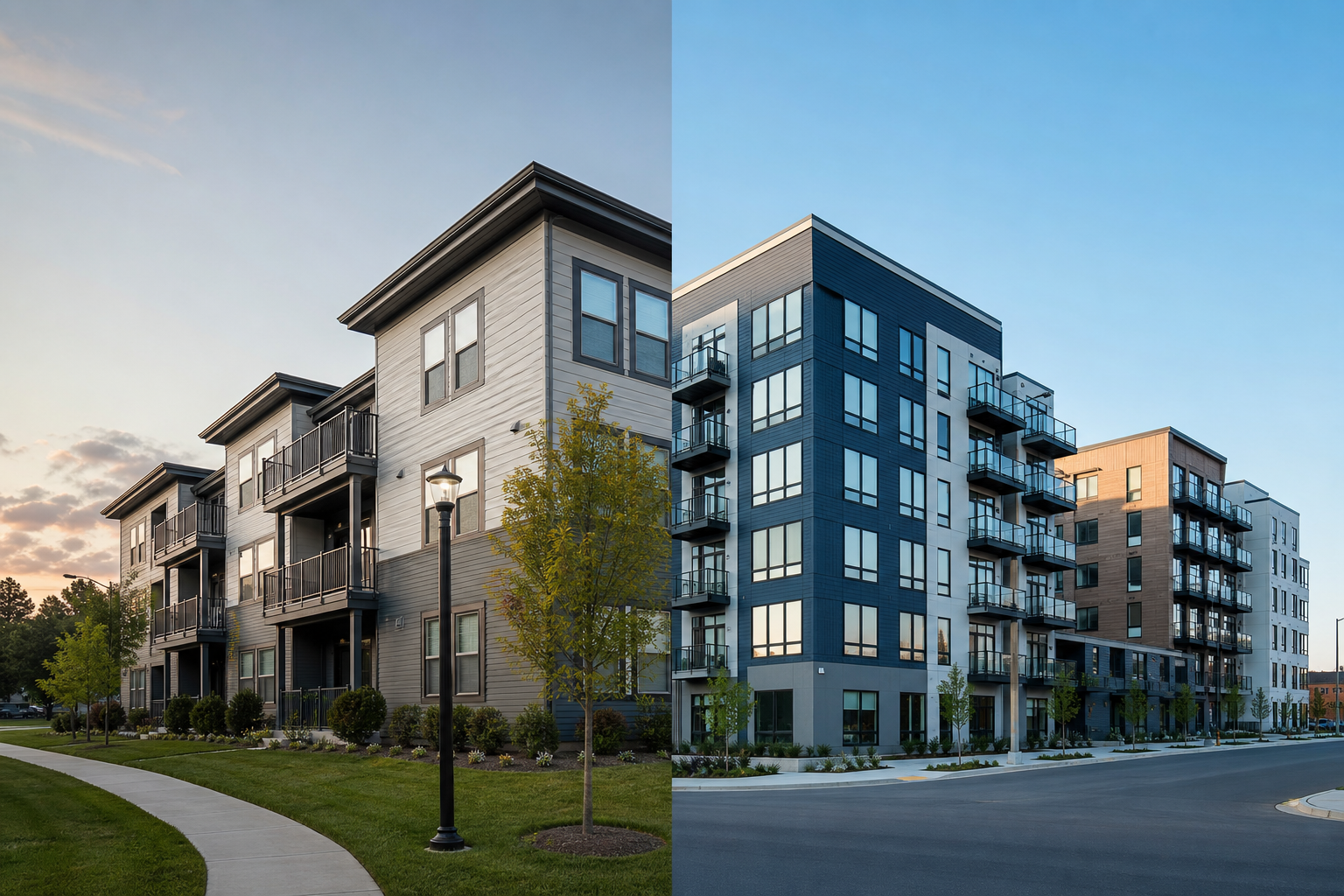
$142 million of 221(d)(4) debt across 612 Virginia units priced almost identically per door.
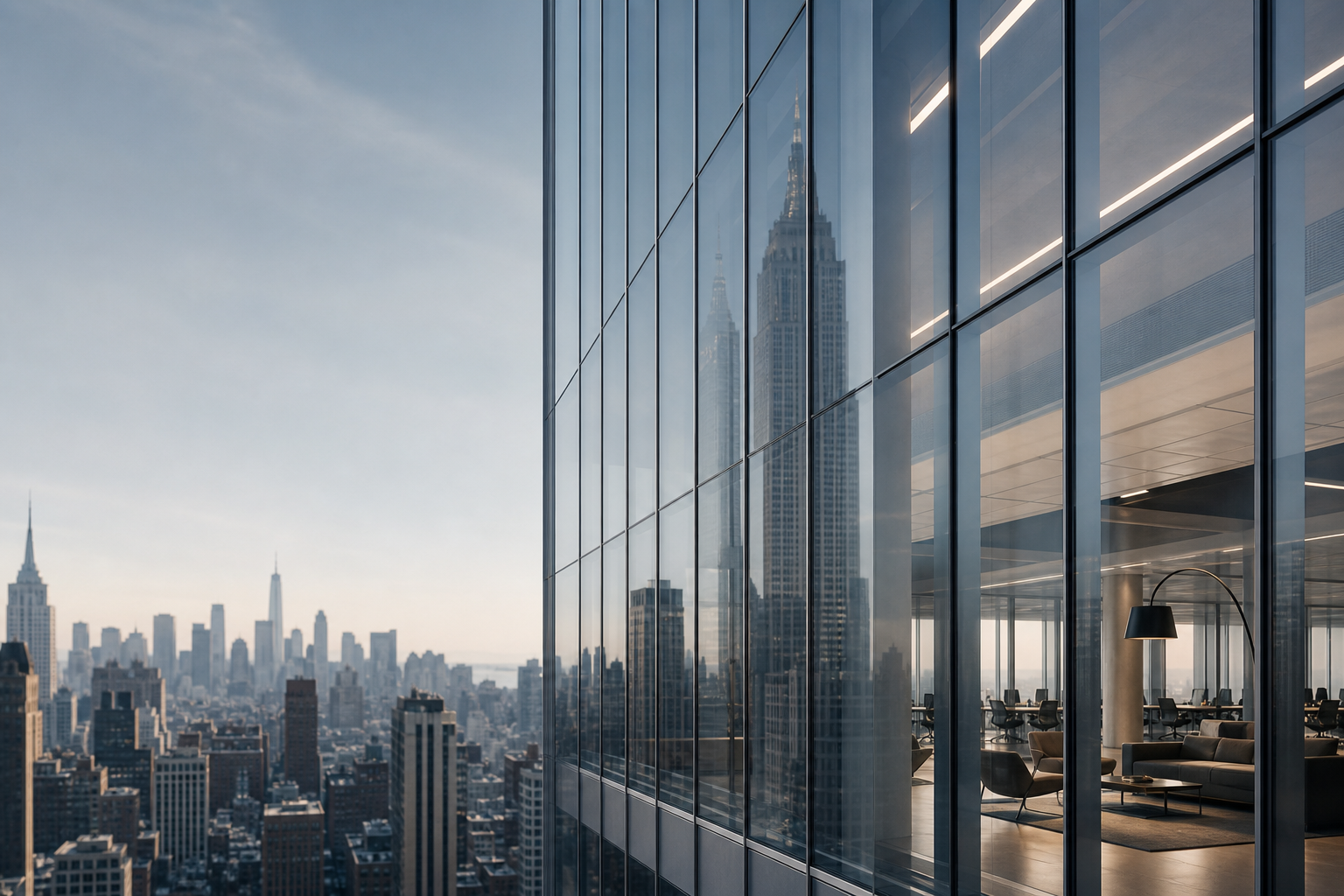
Three tenants, 182,000 feet, and two headquarters relocations into one Midtown tower.
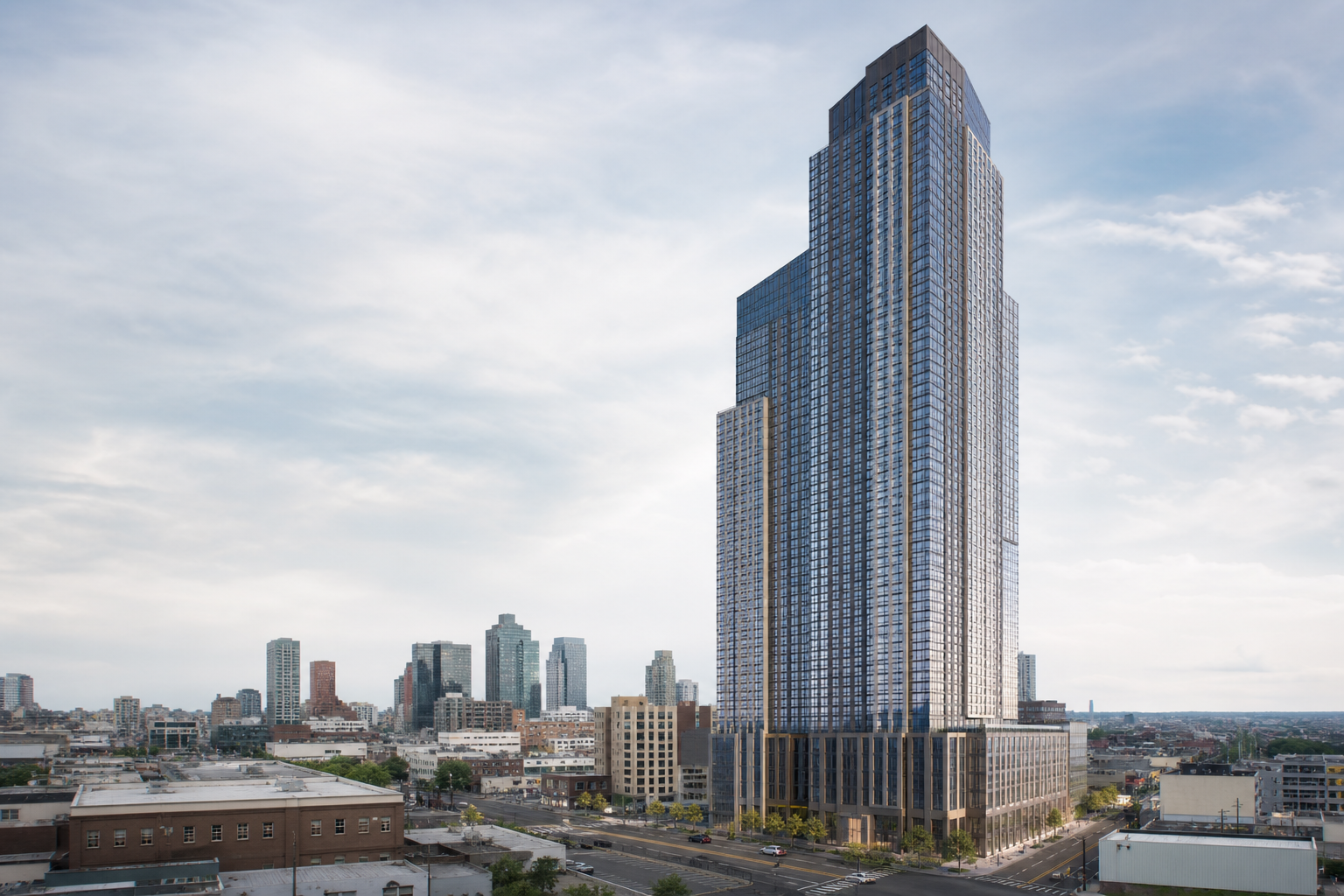
Affinius funds 1,049 units and 47 stories in Journal Square.
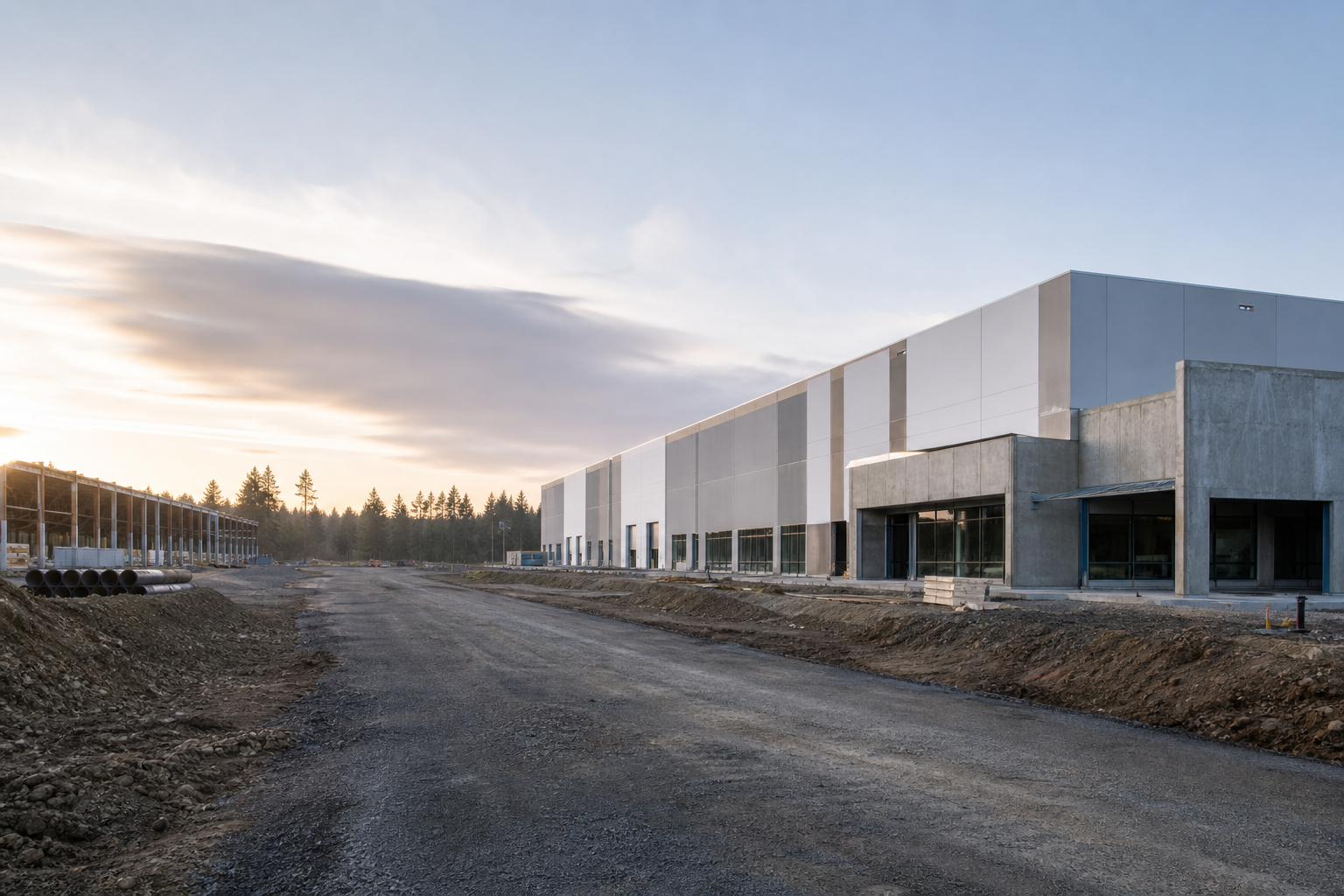
294,700 speculative square feet break ground in Oregon's Silicon Forest.
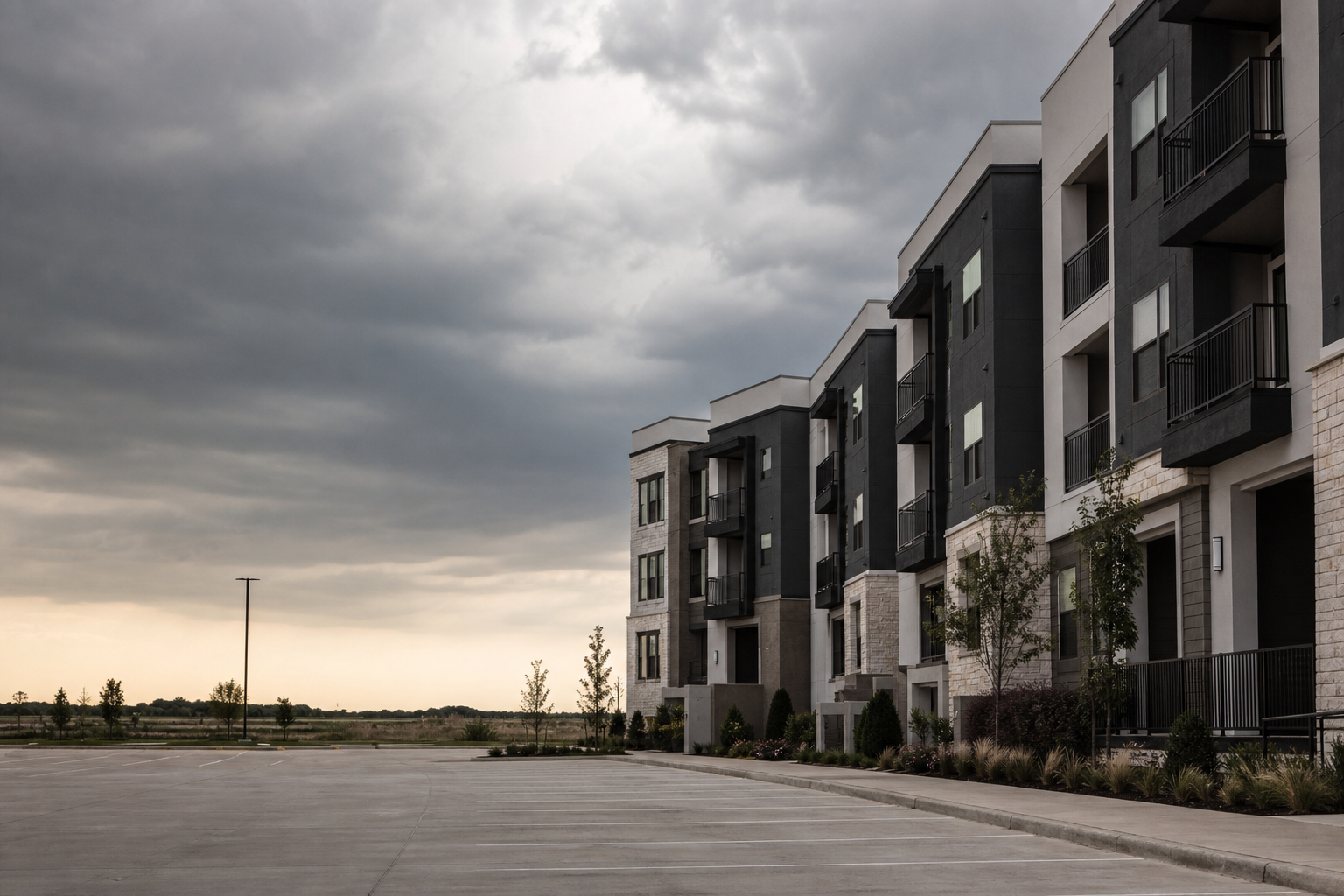
$778 million posted for September auction. $562 million of it is multifamily.

Knightvest takes 1,027 North Austin units off a seller who bought at the top.
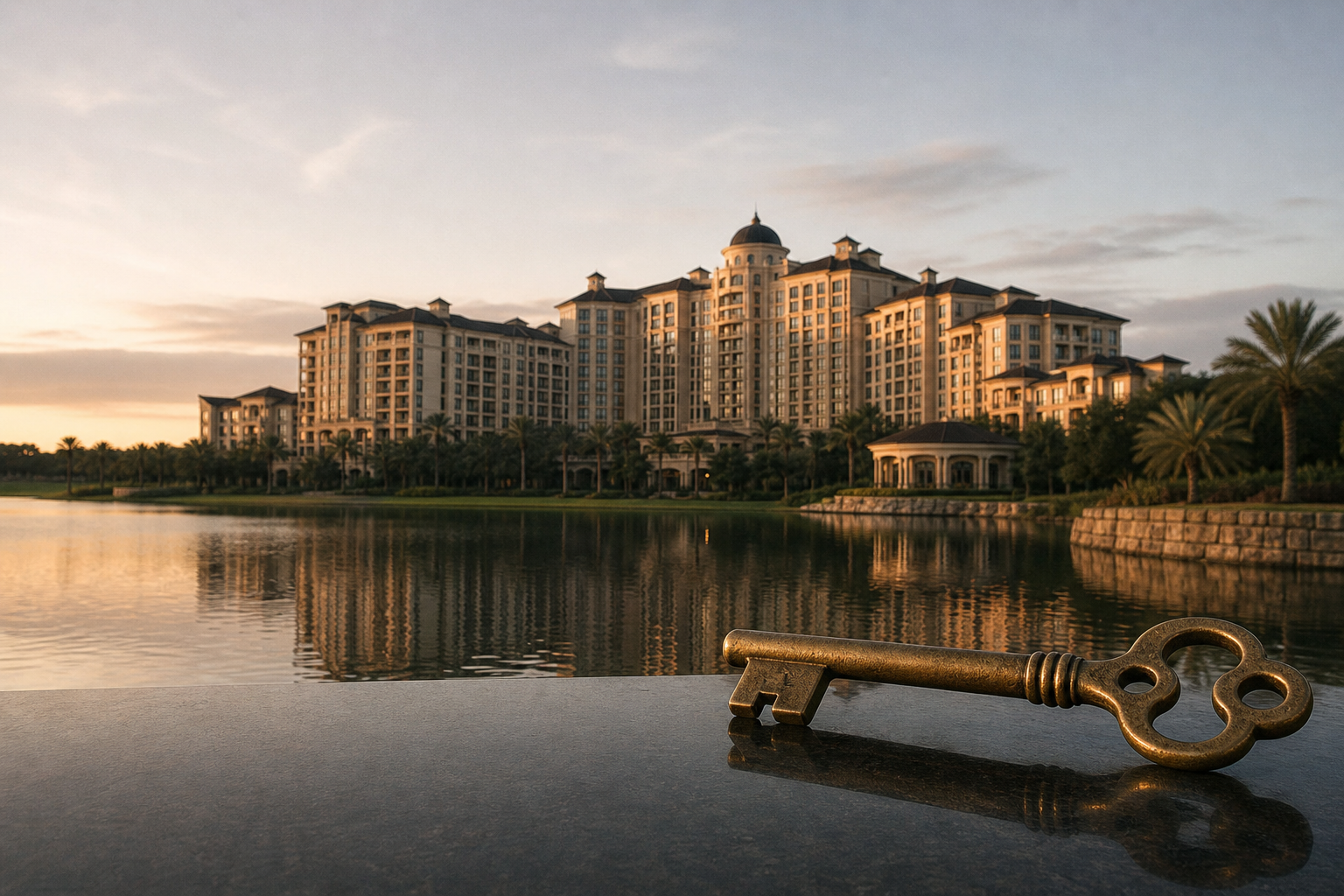
The closure of the Grande Lakes adds 1,592 rooms and $16.8 million to the 2026 FFO.

Innocean USA took 101,000 sf at a converted Northrop Grumman plant in El Segundo.
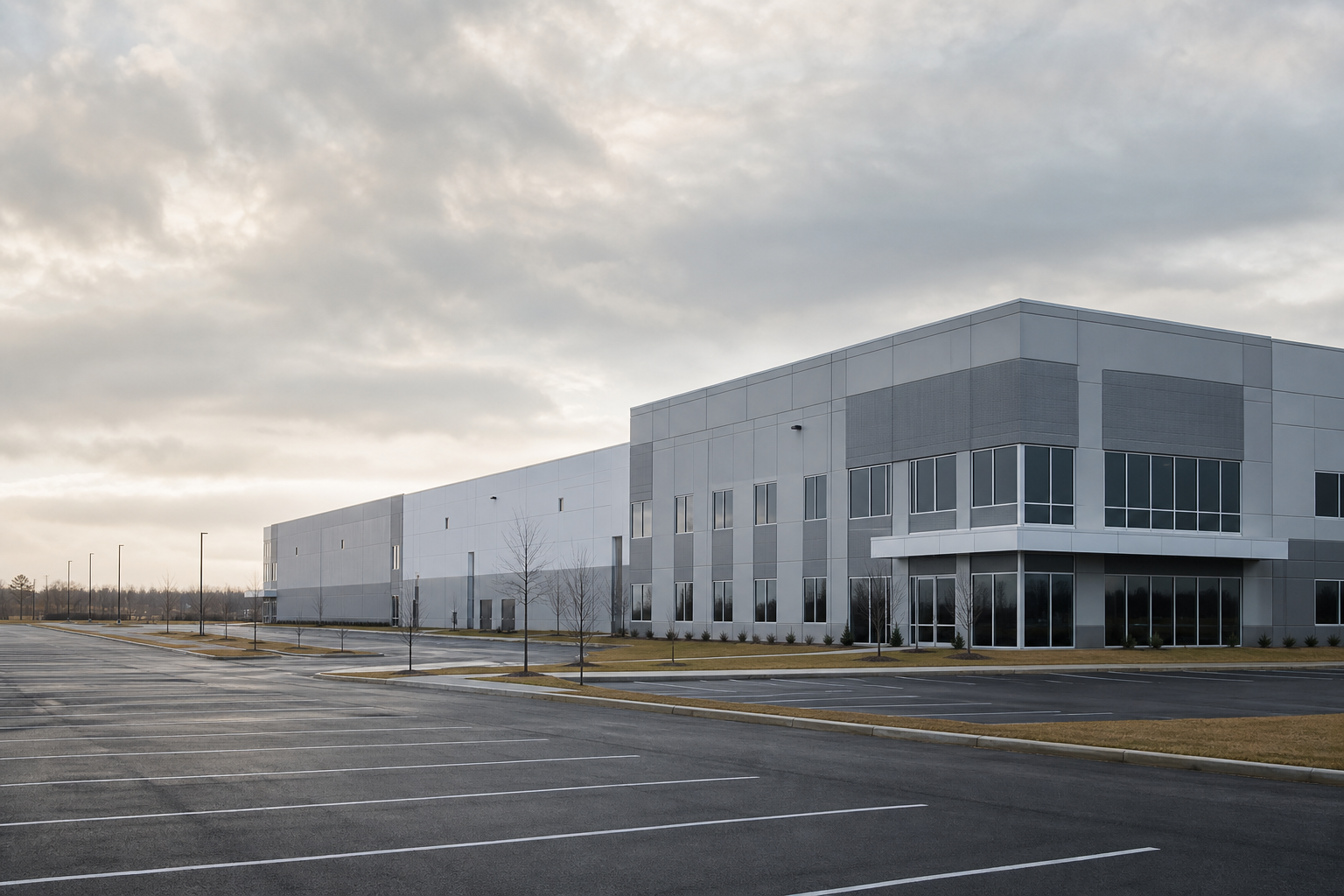
Bedford's advanced manufacturing campus is two years old and one-third leased. It got $62.5M anyway.
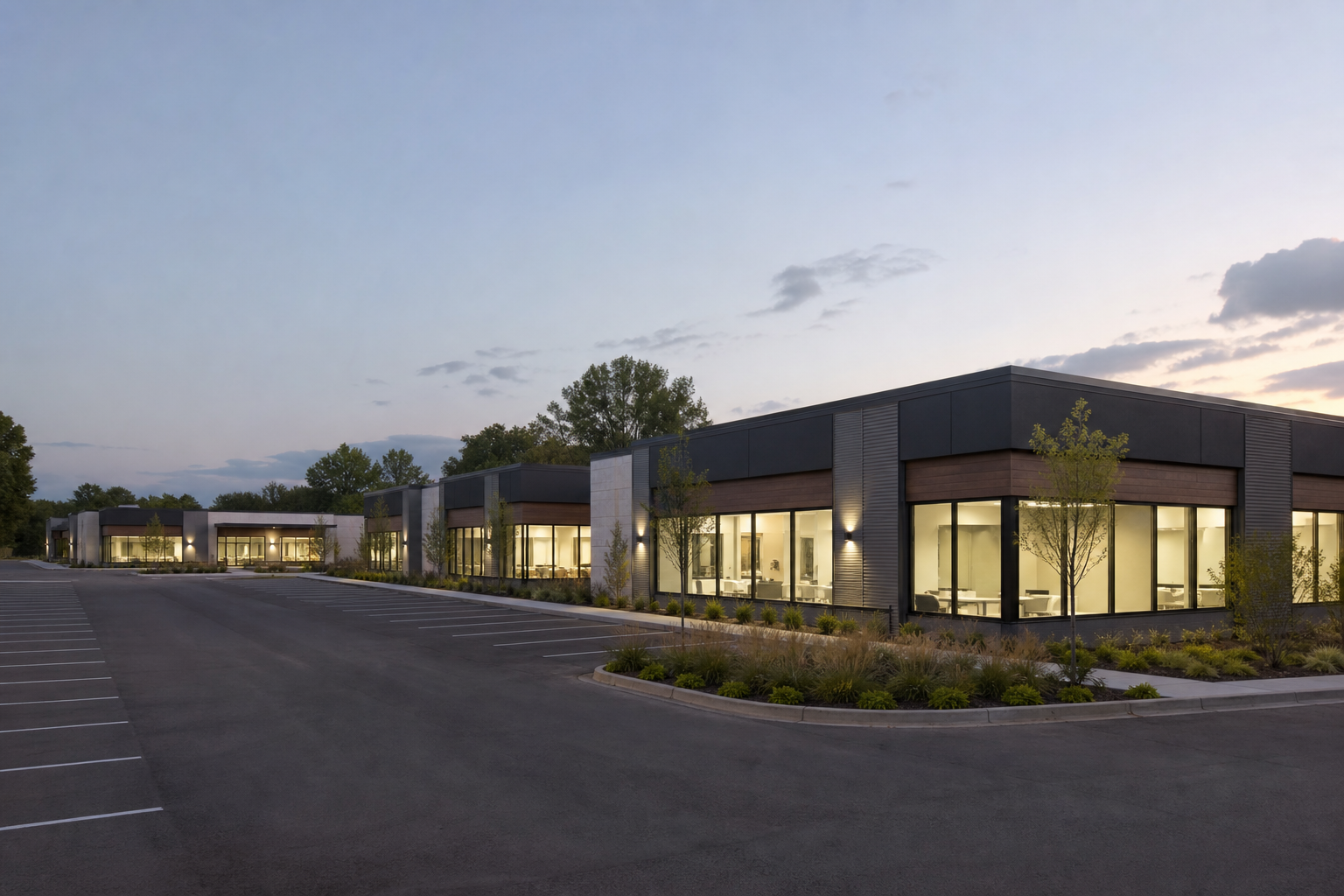
A tired Eagan plaza became a specialty-care cluster and sold to Hammes Partners.
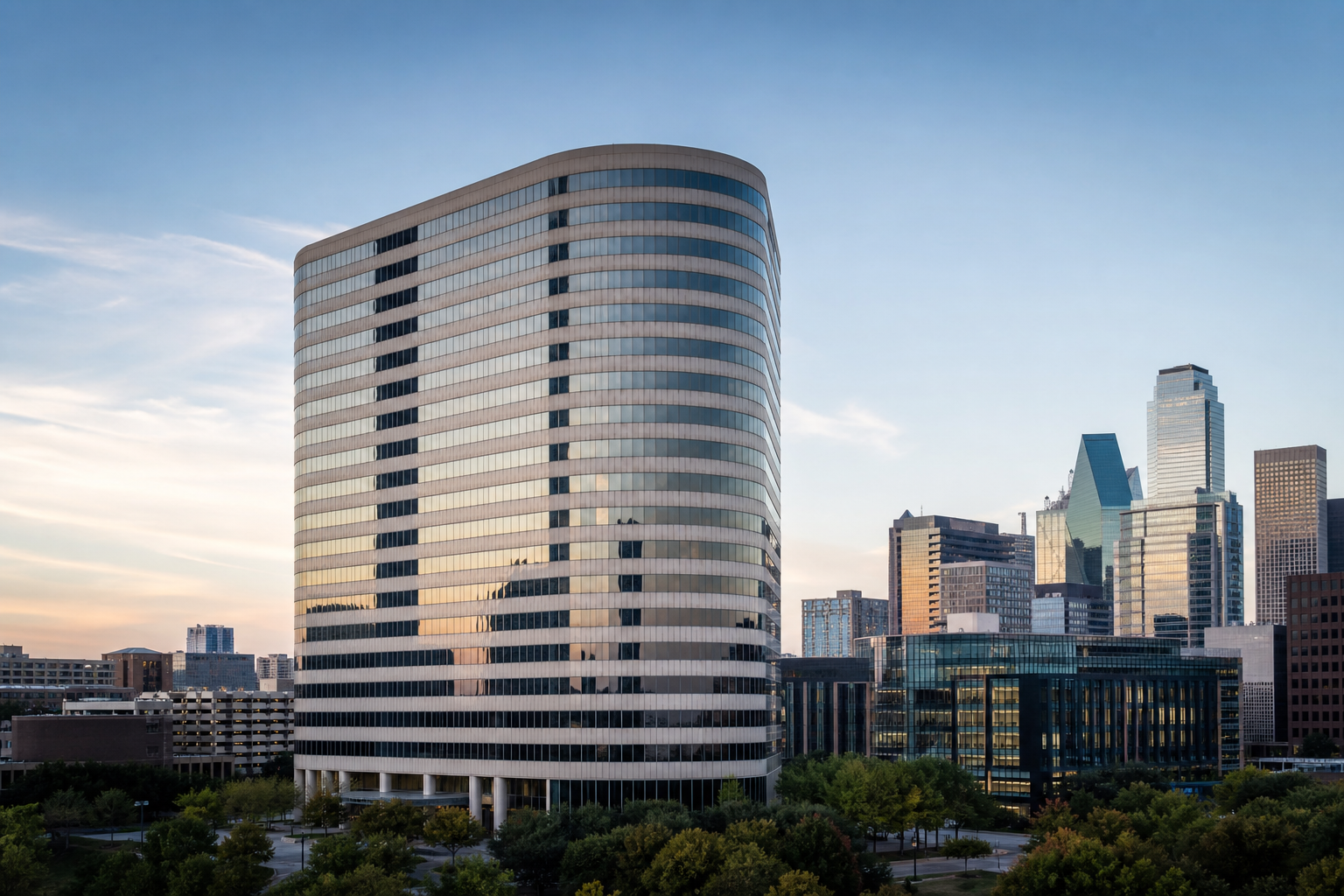
HALL Group takes a 2003 tower in Uptown. It develops for a living. It chose to acquire.
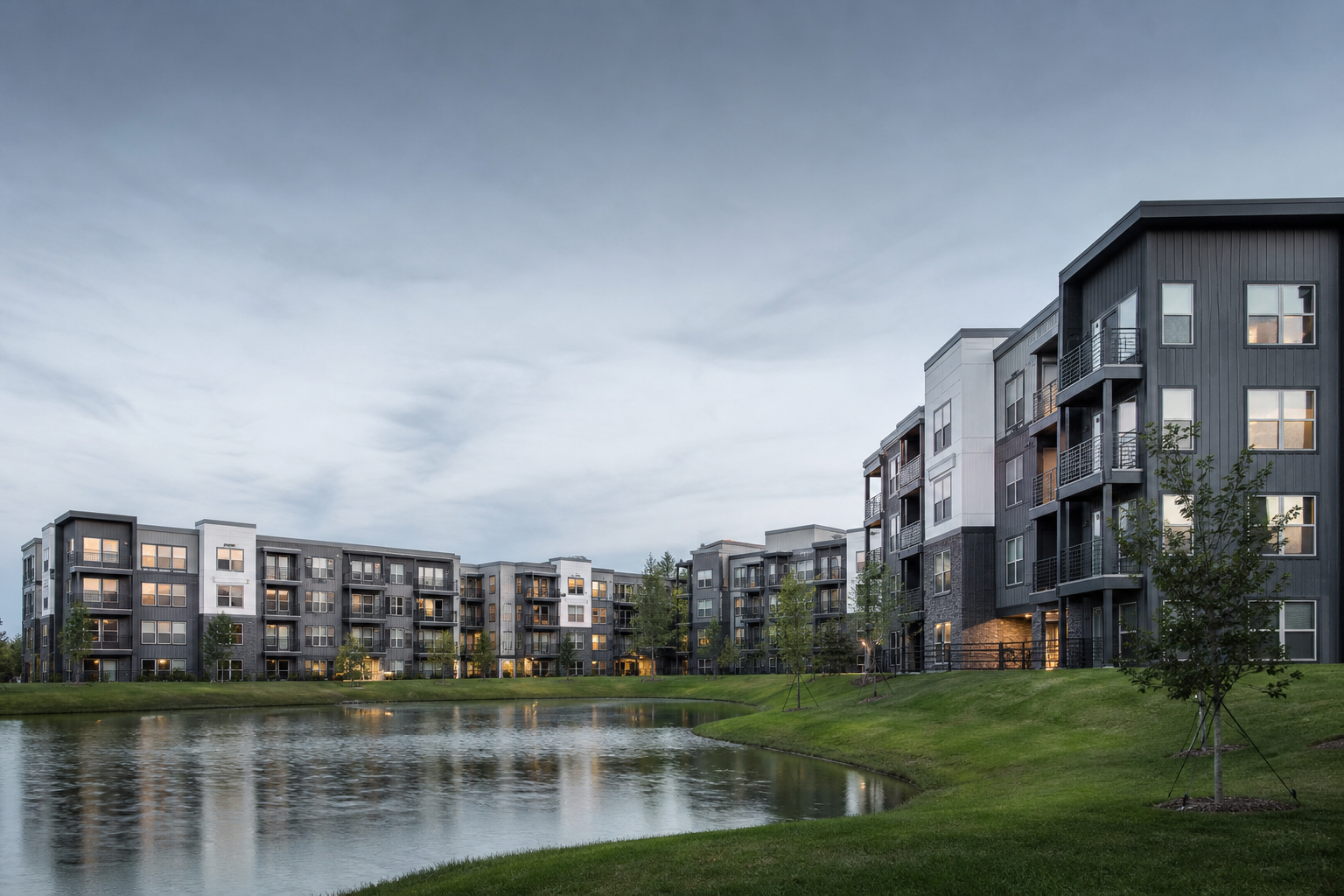
A four-property 2,316-bed portfolio traded. Three of the four were built by the seller.
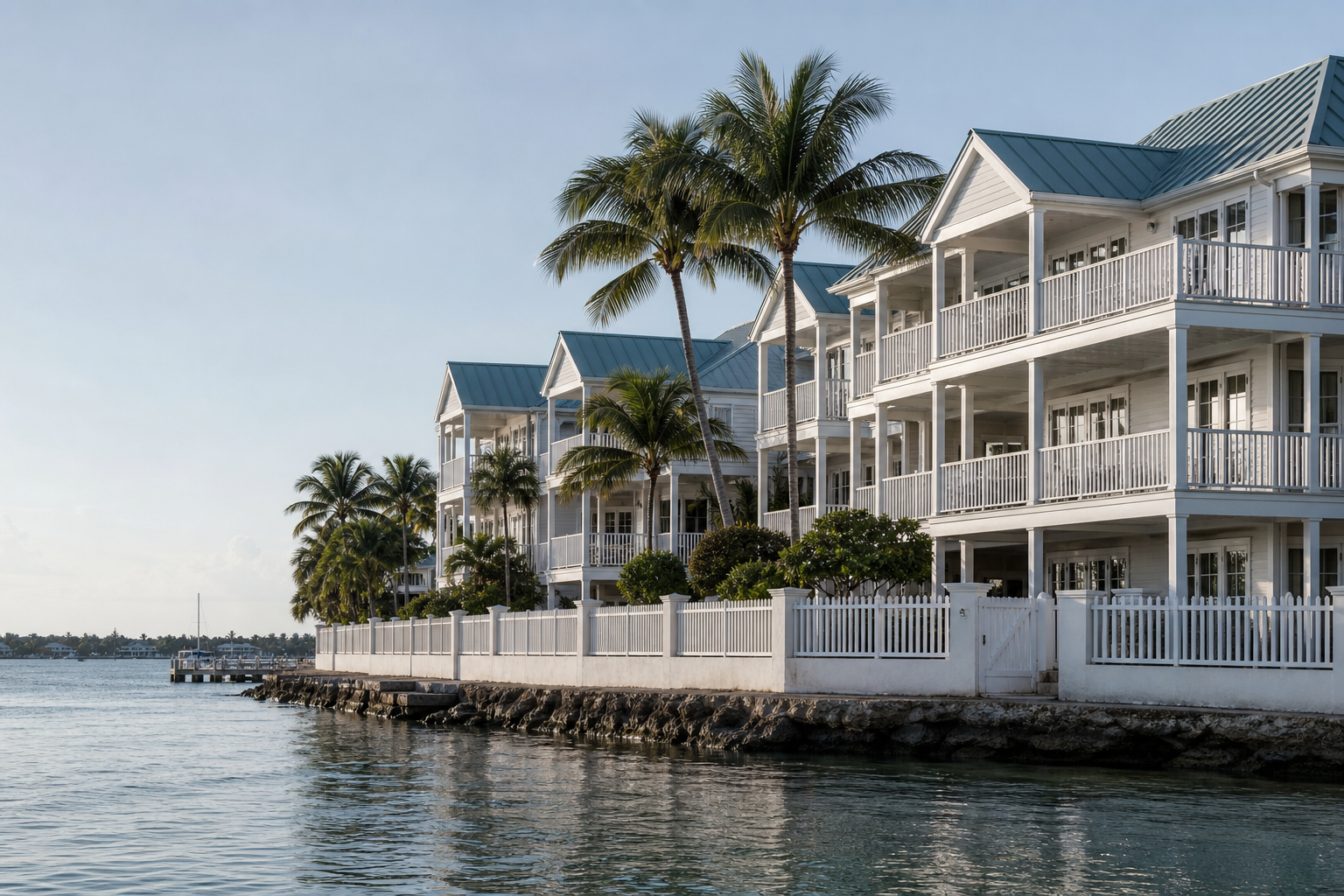
A REIT dropping its external manager set the price, and a debt fund financed 74% of it.
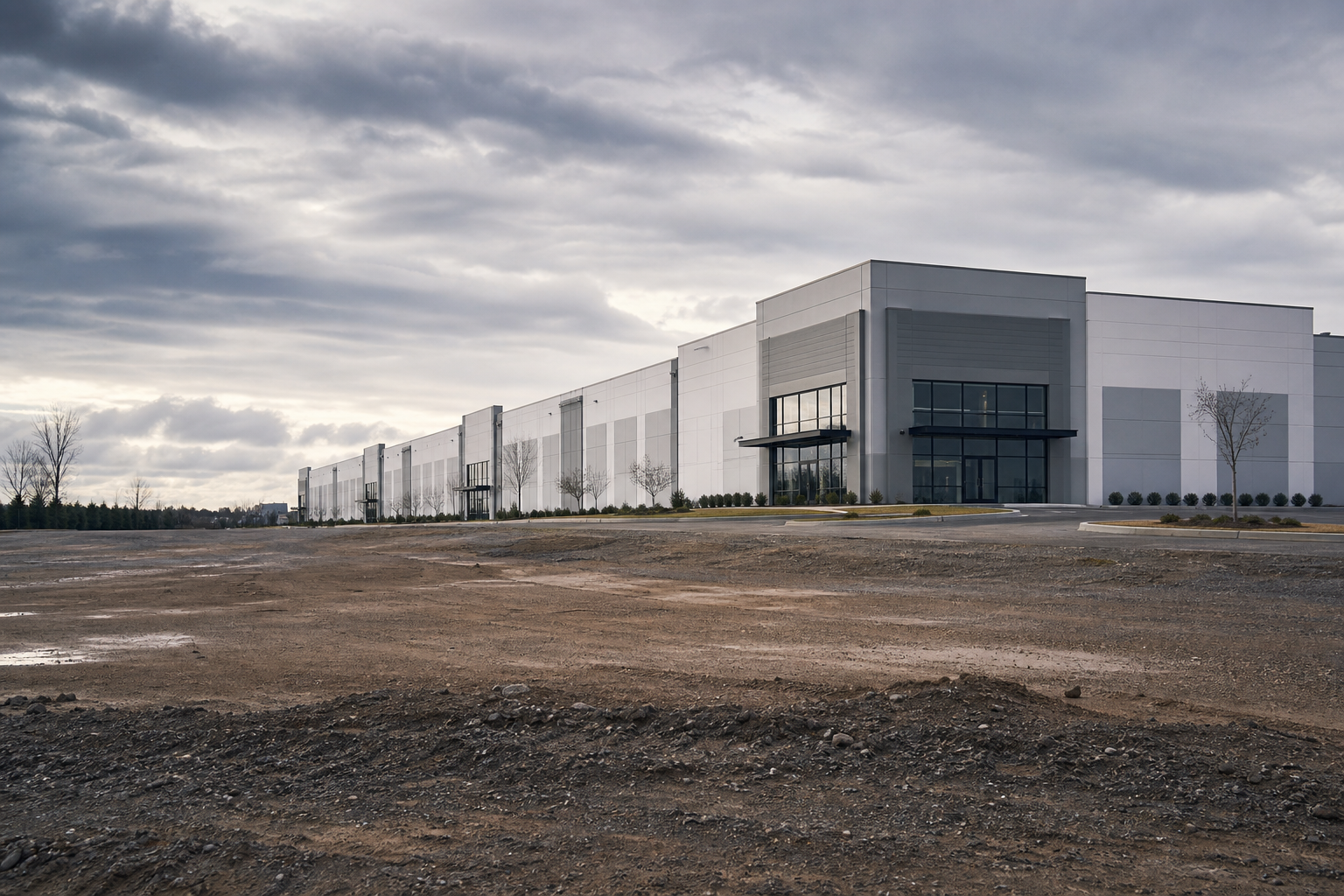
Same site, same sponsor class, 16.7% less program than the zoning allows.
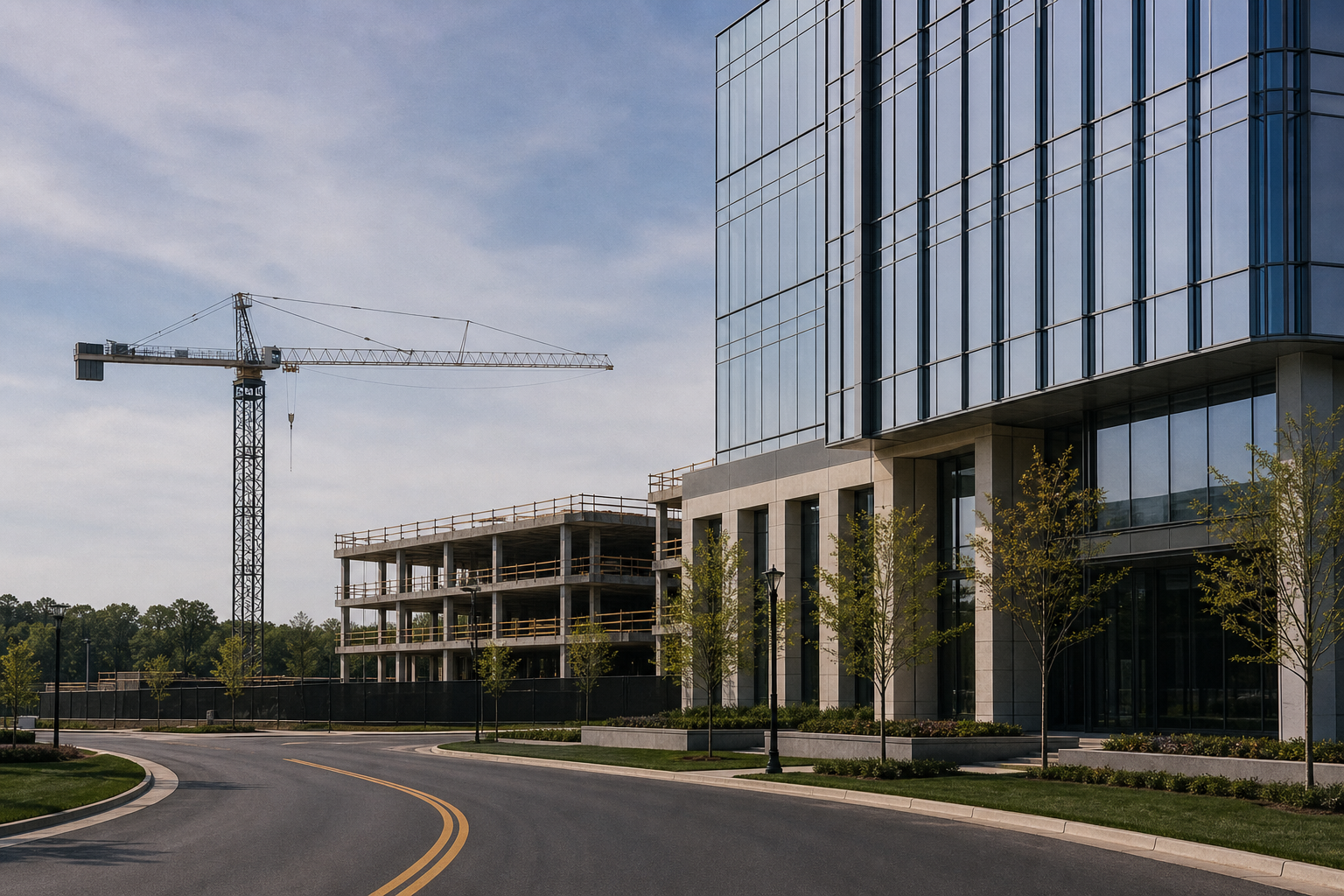
Kennedy Wilson's first Georgia development is funded by a contractor, not a fund.
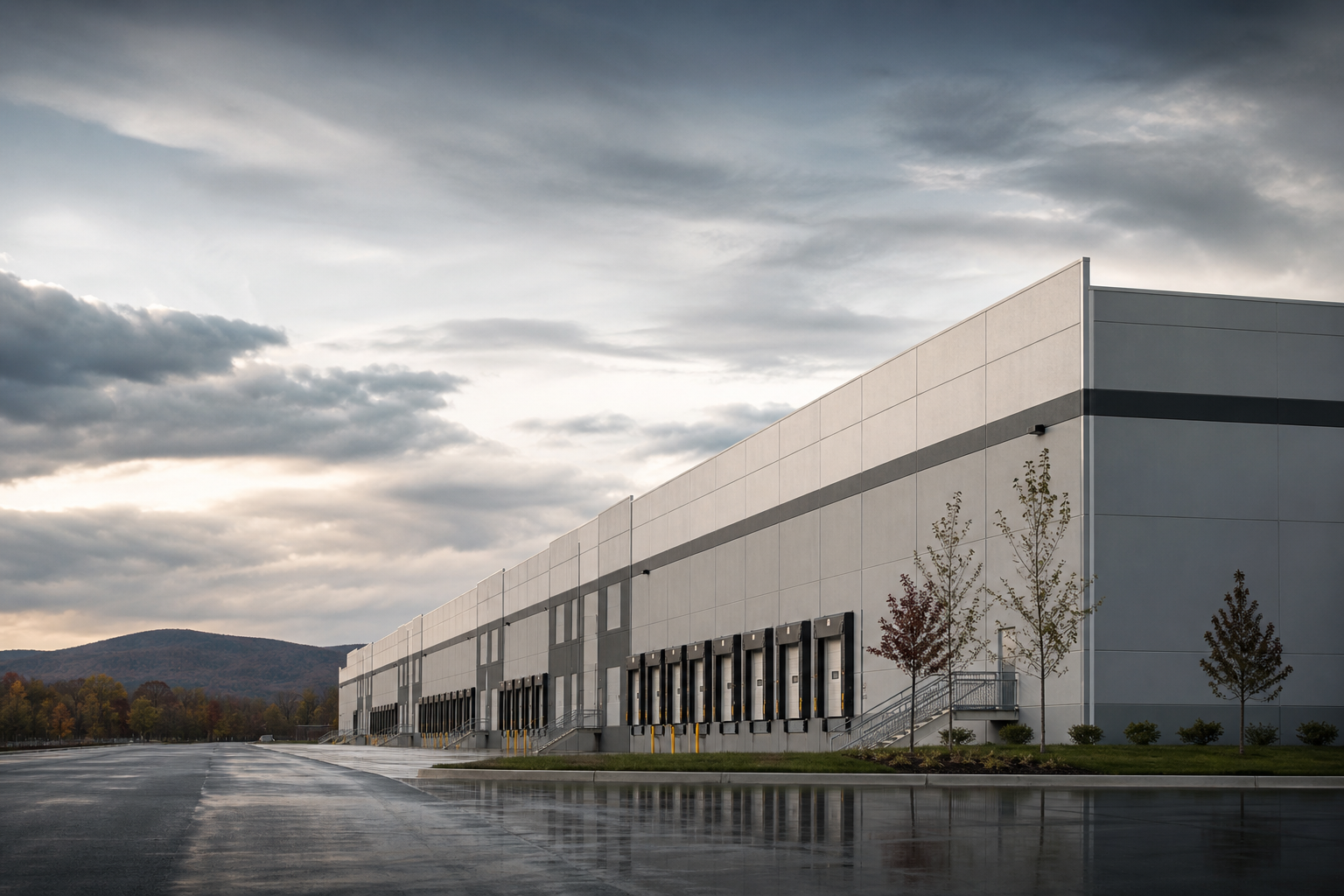
Core institutional capital returned to industrial — but only for signed credit.
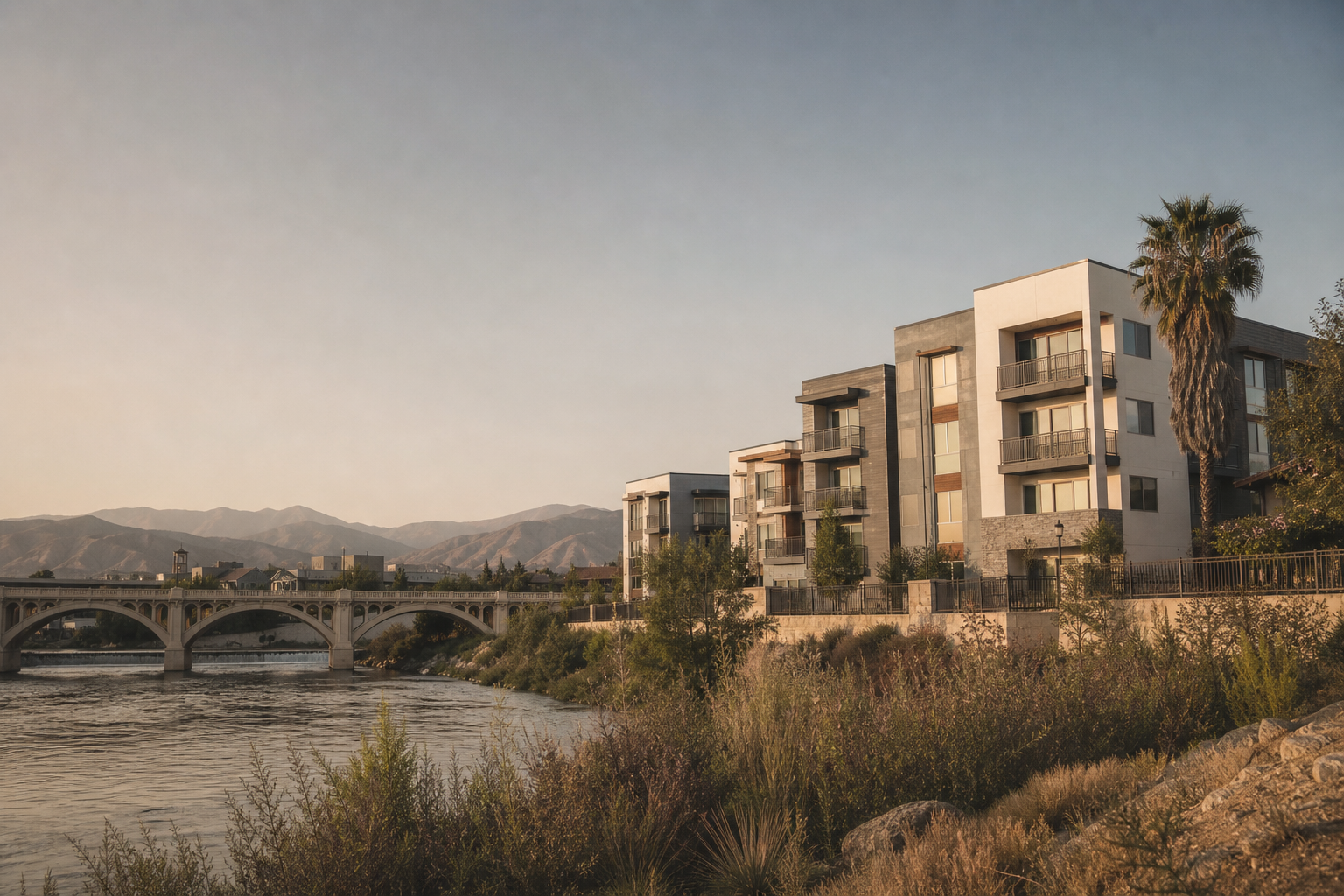
Canyon and J.P. Morgan wrote $415,000 a door in August. In March it was $393,000.
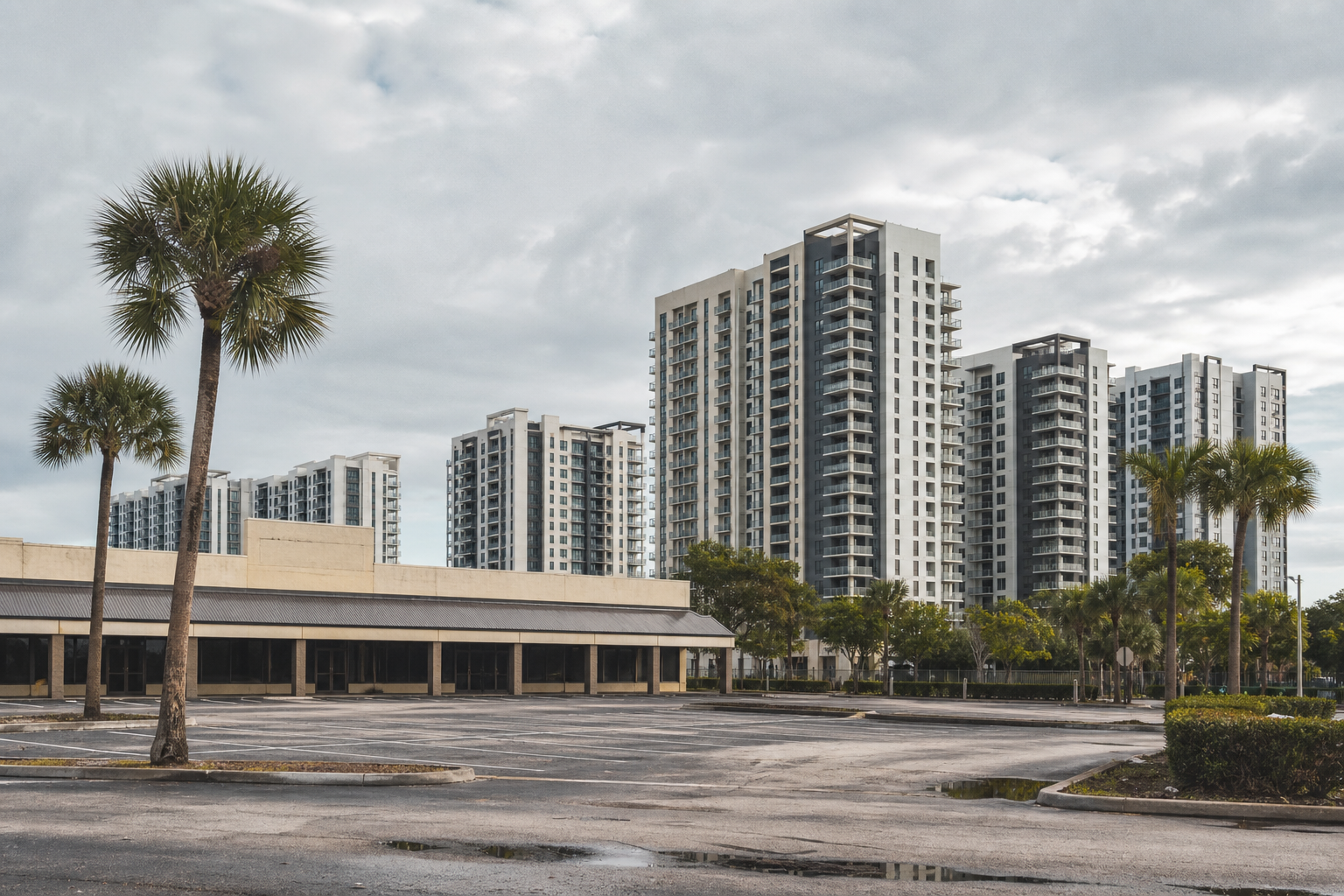
Broward's land basis math: $25,611 per proposed unit, and half the retail disappears.
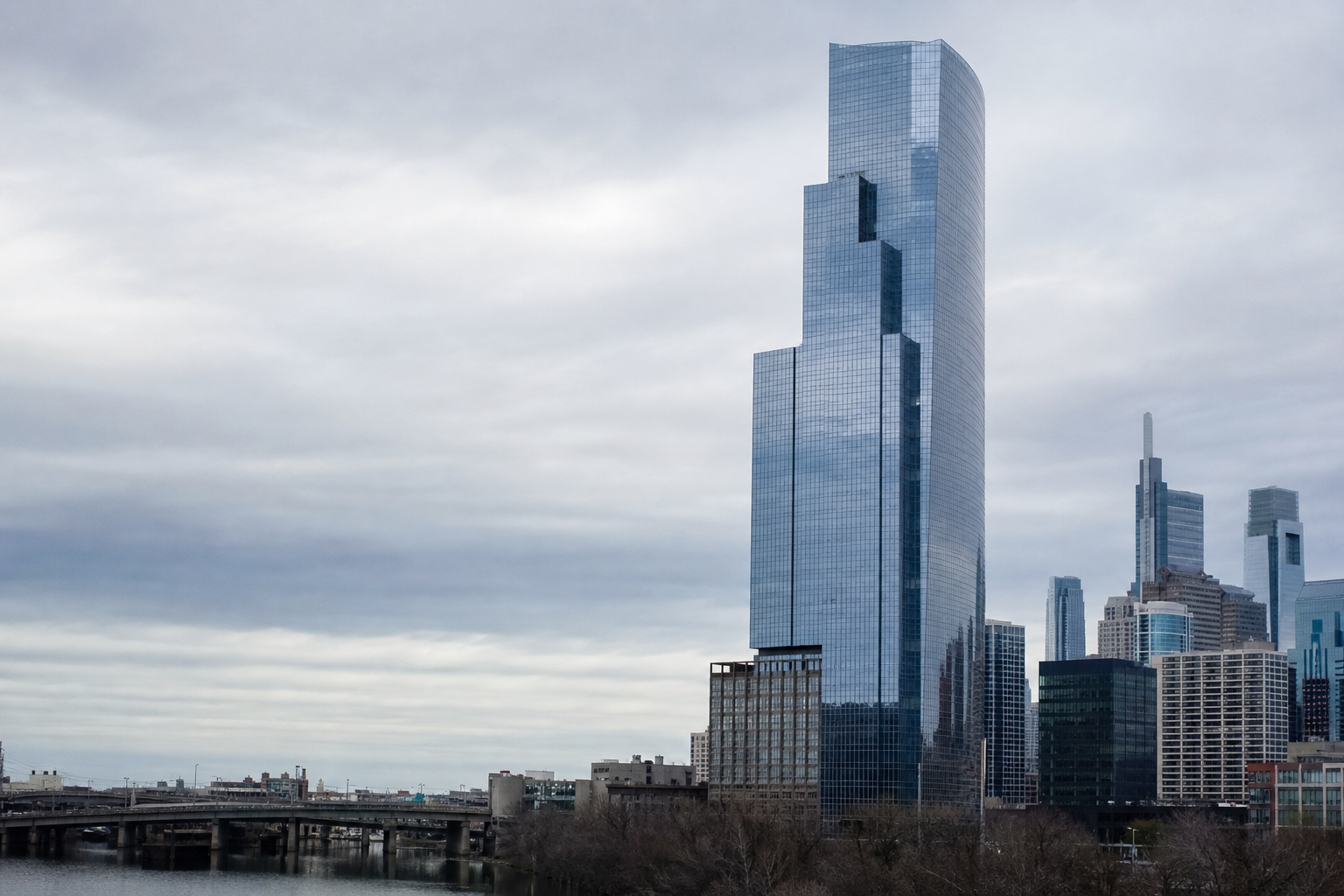
Two bidders tried to walk. A federal judge would not let either one.
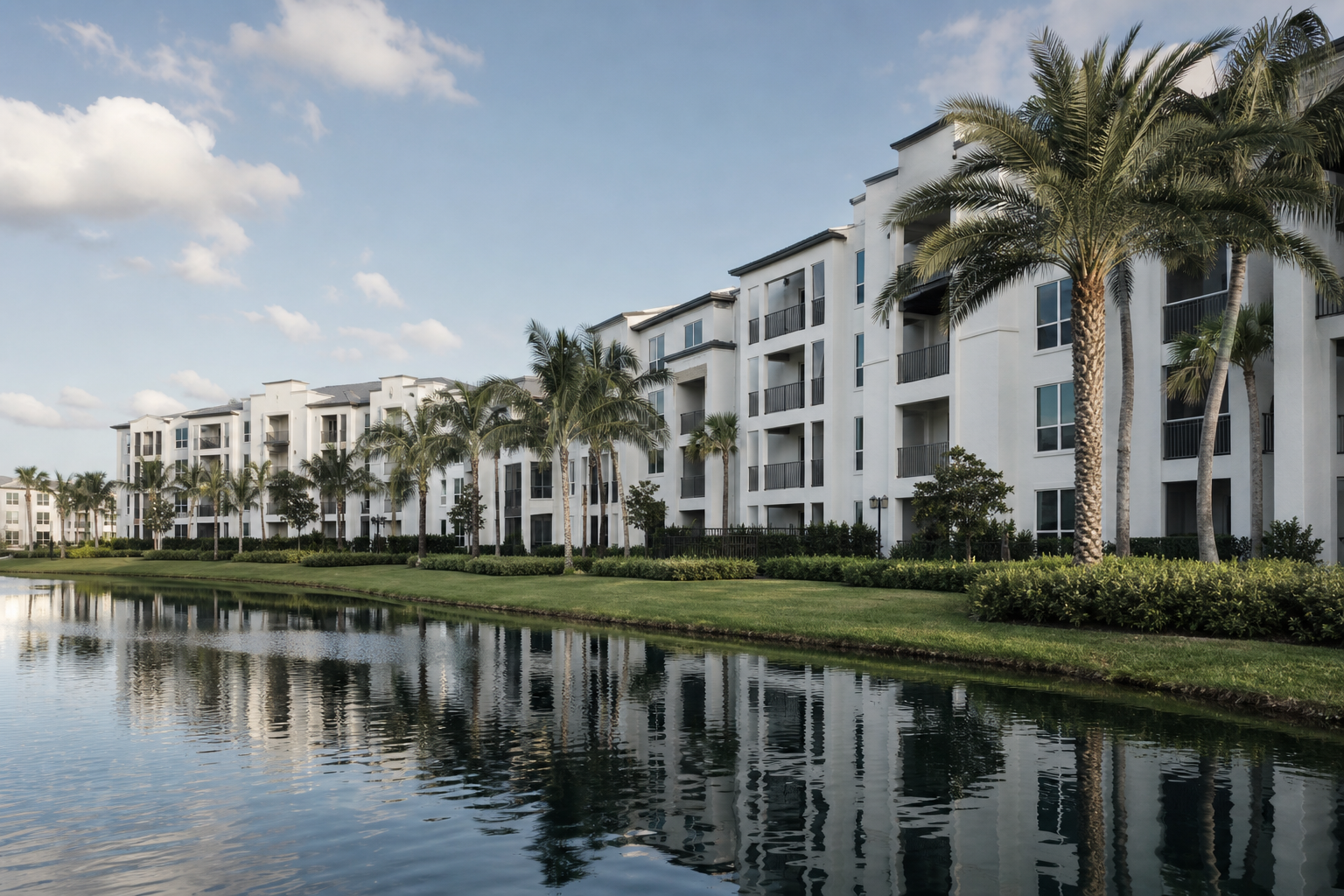
Cortland 812-unit West Palm Beach complex traded for $208M, down $21M since 2021.

Enverra bought 513,000 sf near Minneapolis for $83.9M and is spending $7M on hospitality.
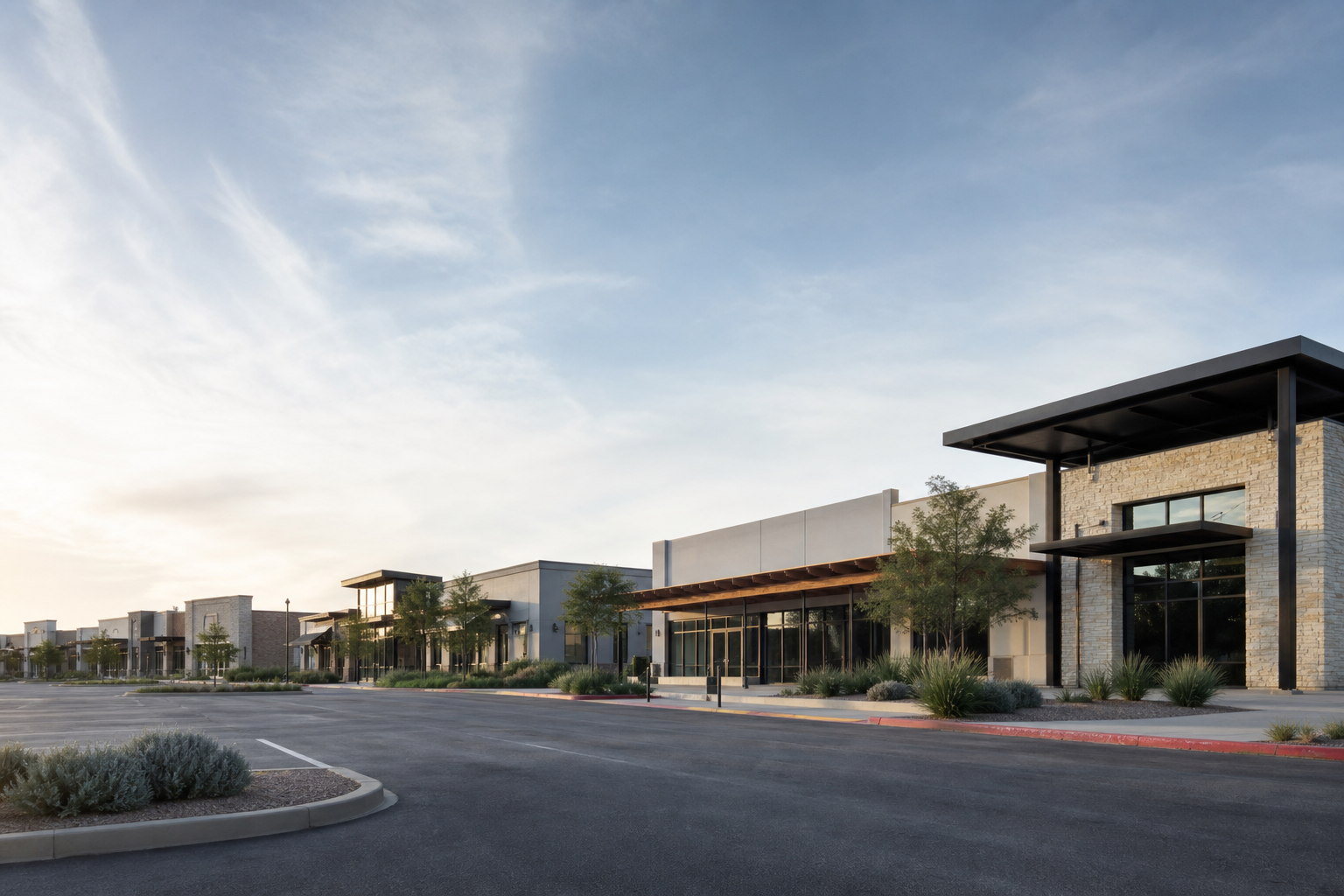
A listed-securities manager joined Trademark to buy Oak Hill Plaza after a five-year hold.
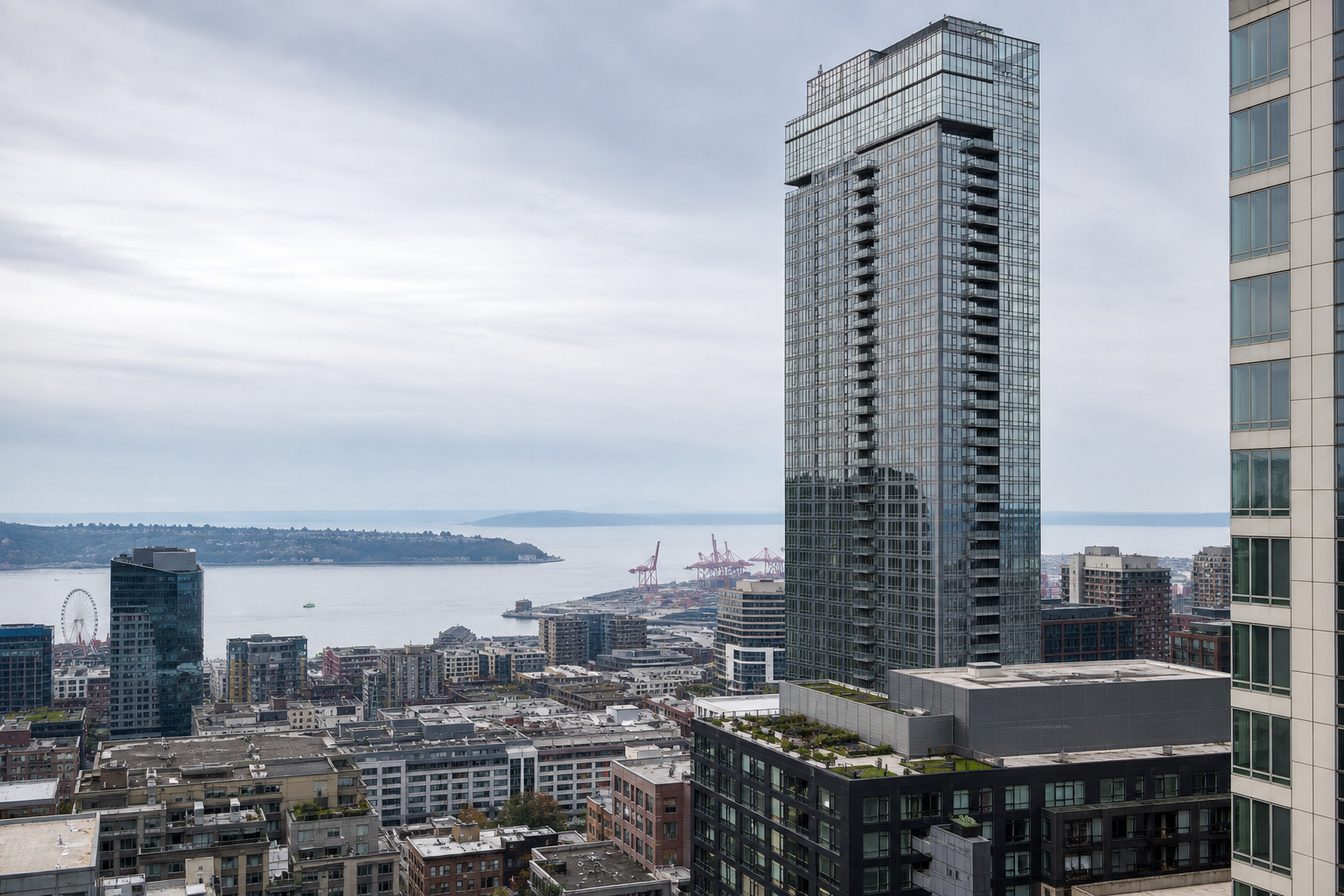
Arrive 344 Belltown units traded for $155M — floors 11 to 42 only, in the tower first sale.

Fund V exited 46 buildings eleven weeks after Fund VI bought into the same corridor.
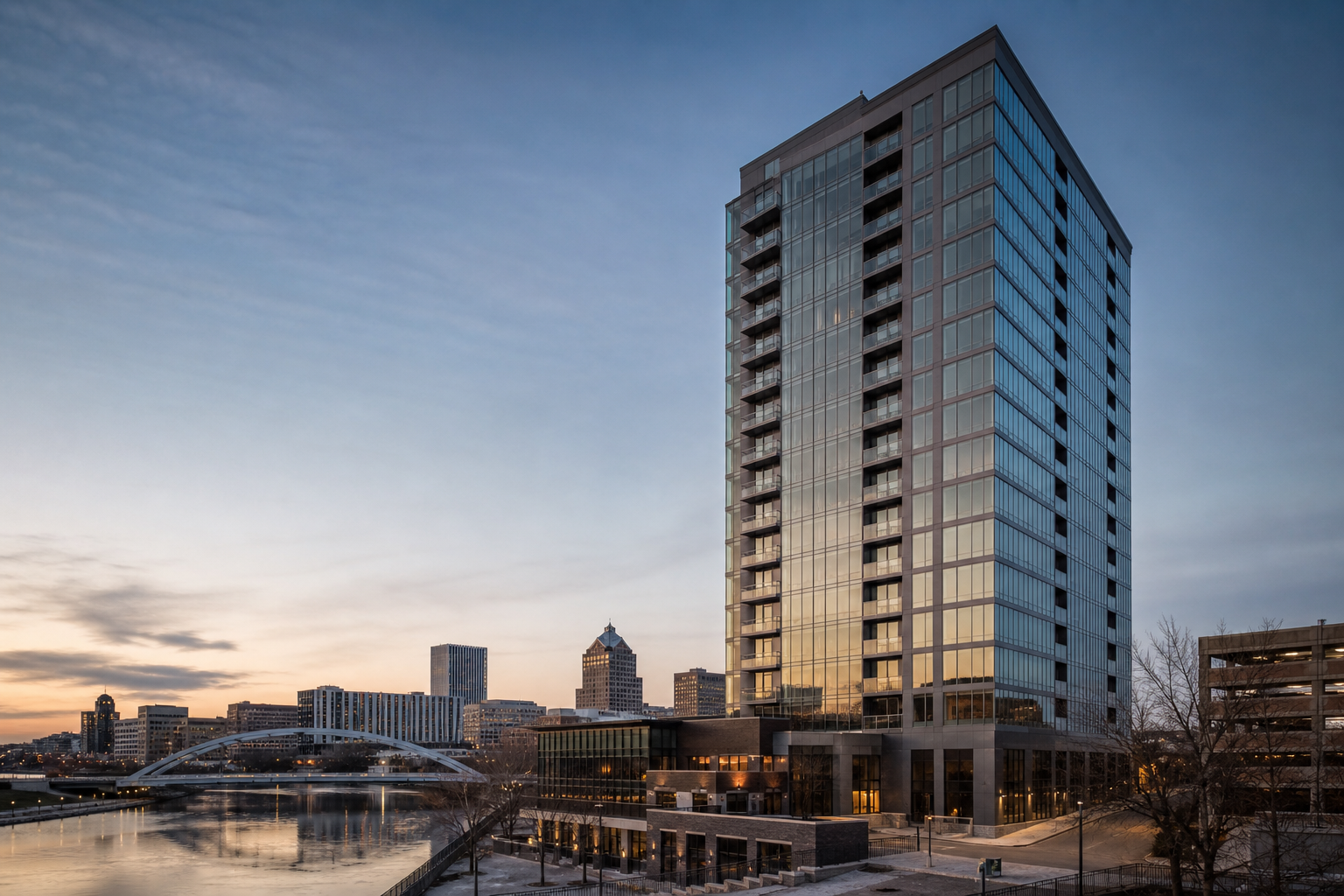
Sherman Associates closed $136.5M on a Rochester tower where a fifth of units run short-stay.
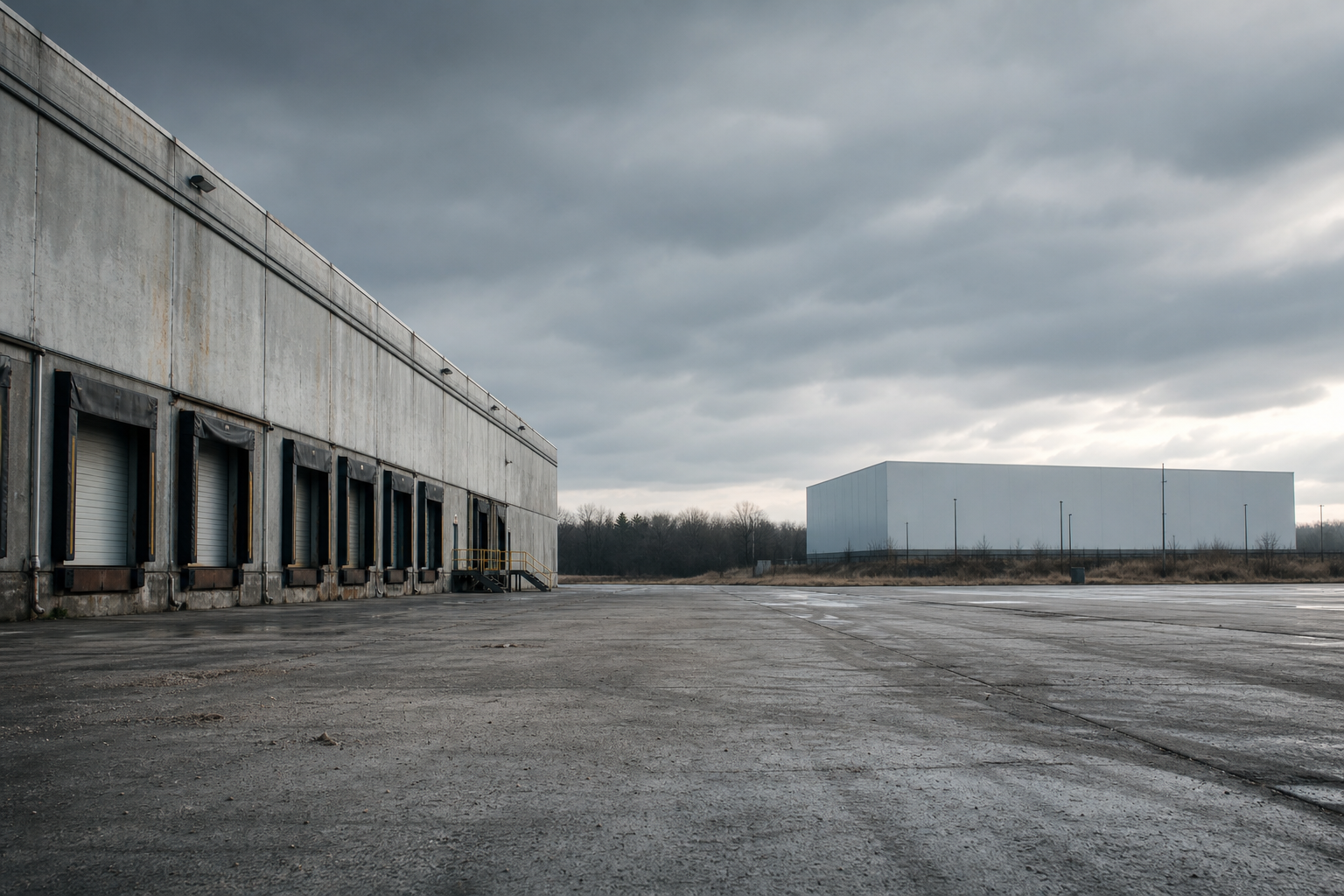
Move-outs beat deliveries by 15 million cubic feet — and almost all of it was old.
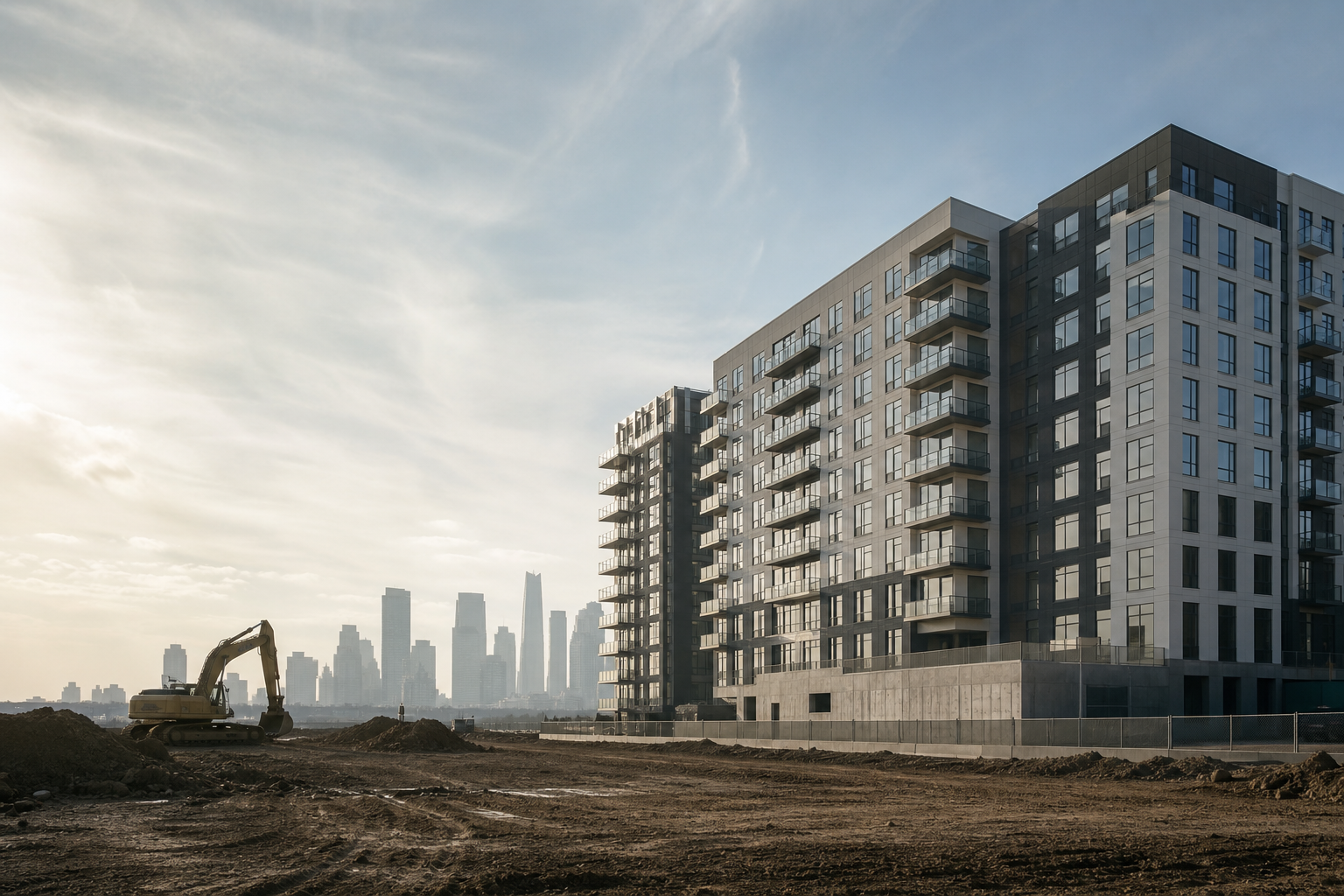
Bonaventure broke ground on 344 units without the JV — and locked the rate for four decades.

Havas Health expanded 64,657 sf at 200 Madison and extended through at least 2041.
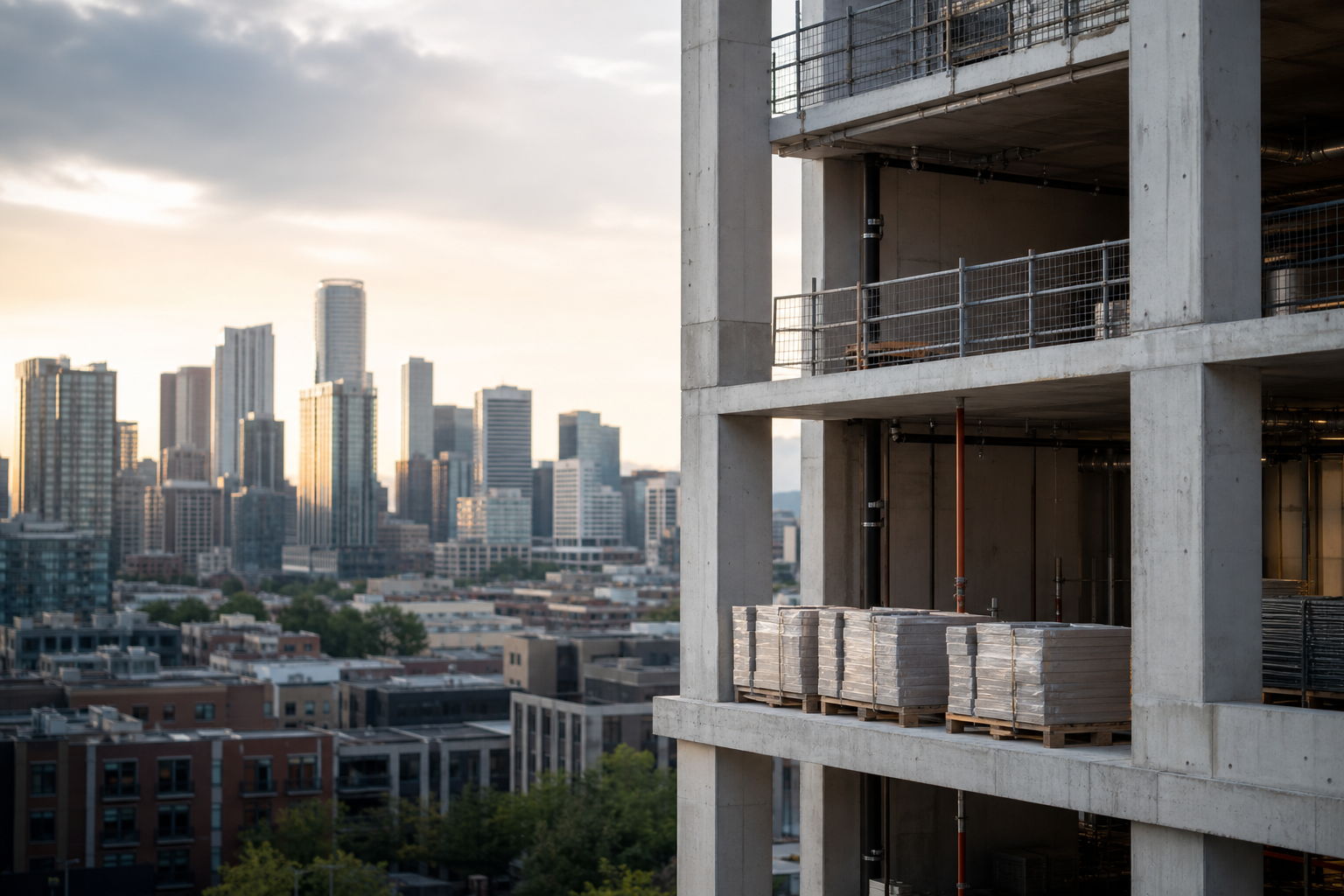
Fifty percent duties took effect August 22 on materials most GMPs were priced without.

SummerHill's San Carlos project closes at $123.5M with $27M of pref behind the bank debt.
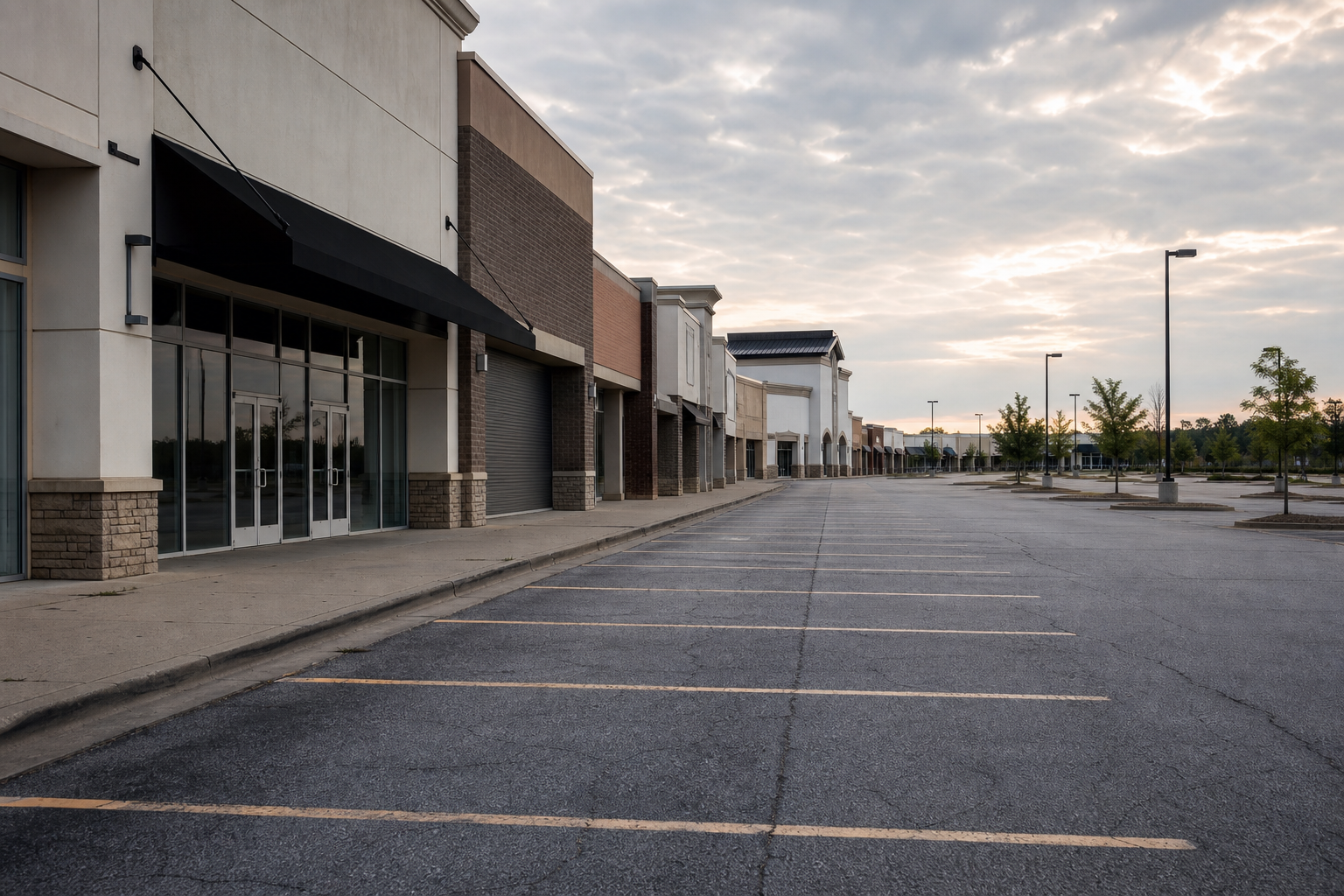
The store count fell by 144. The square footage rose by 26.1 million.

The largest D.C. office lease of the quarter is a consolidation wearing an expansion's clothes.
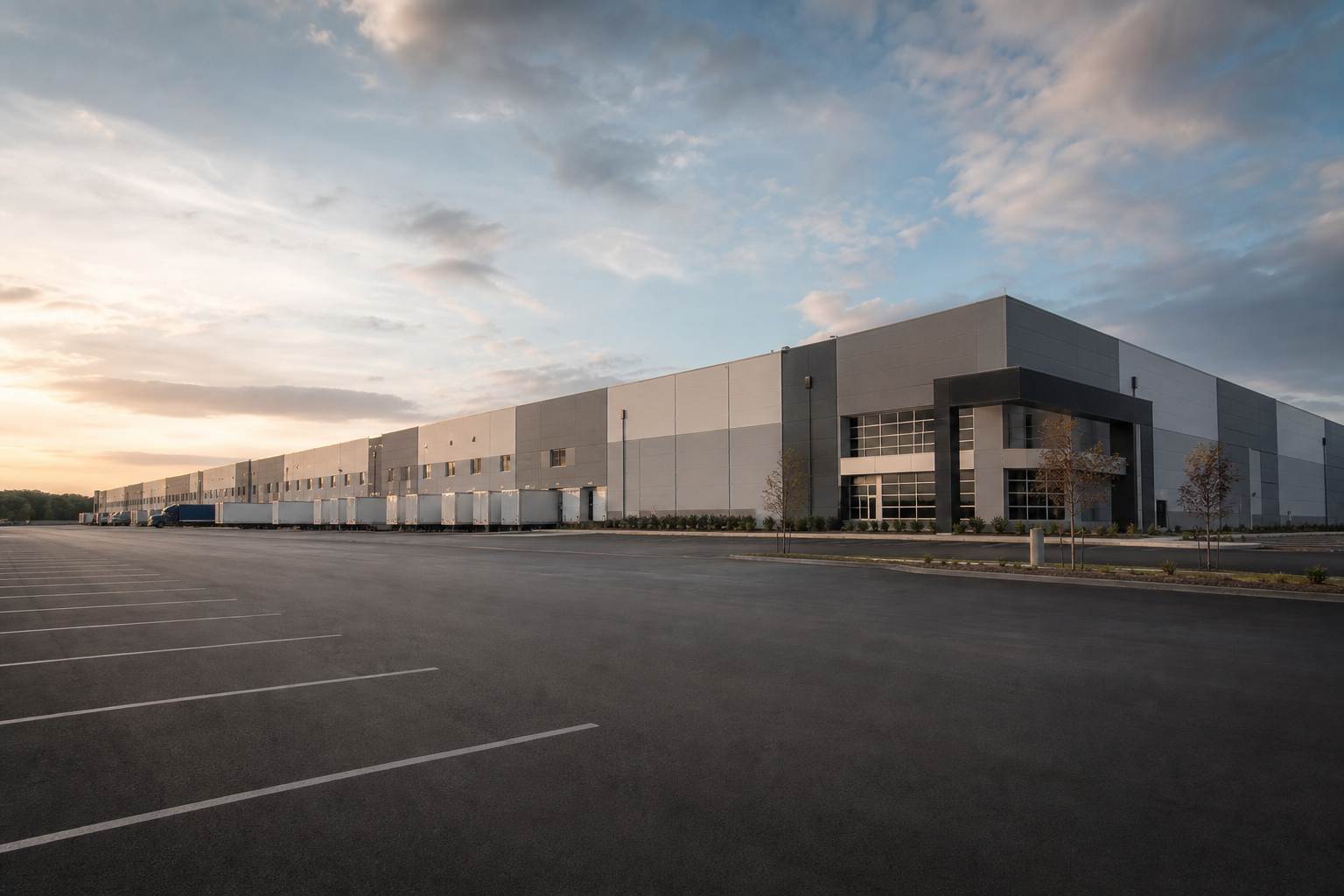
ExchangeRight steps outside necessity retail for a single-tenant industrial asset at $126 a foot.
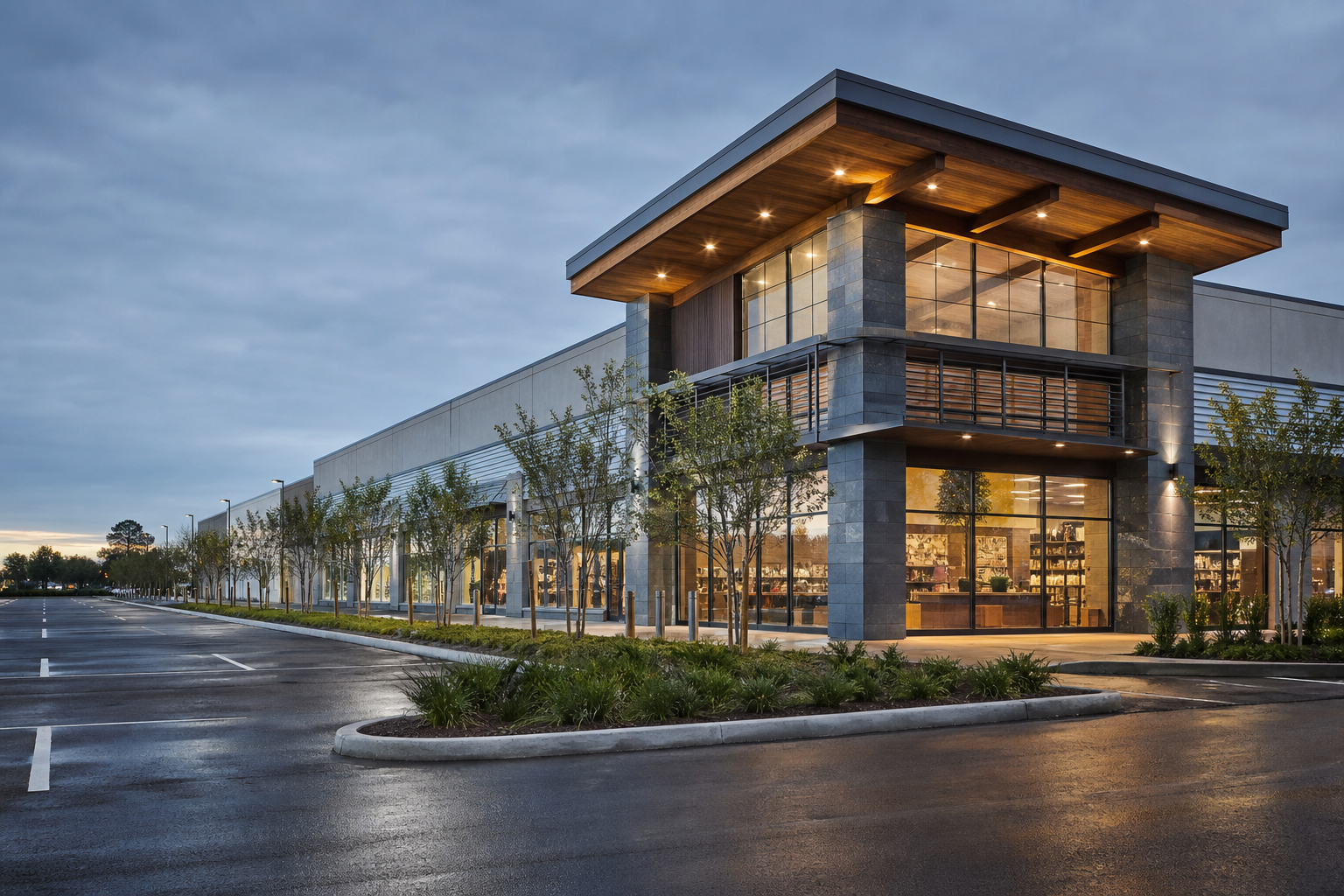
Doral Marketplace trades at replacement-cost pricing to a buyer from another asset class entirely.
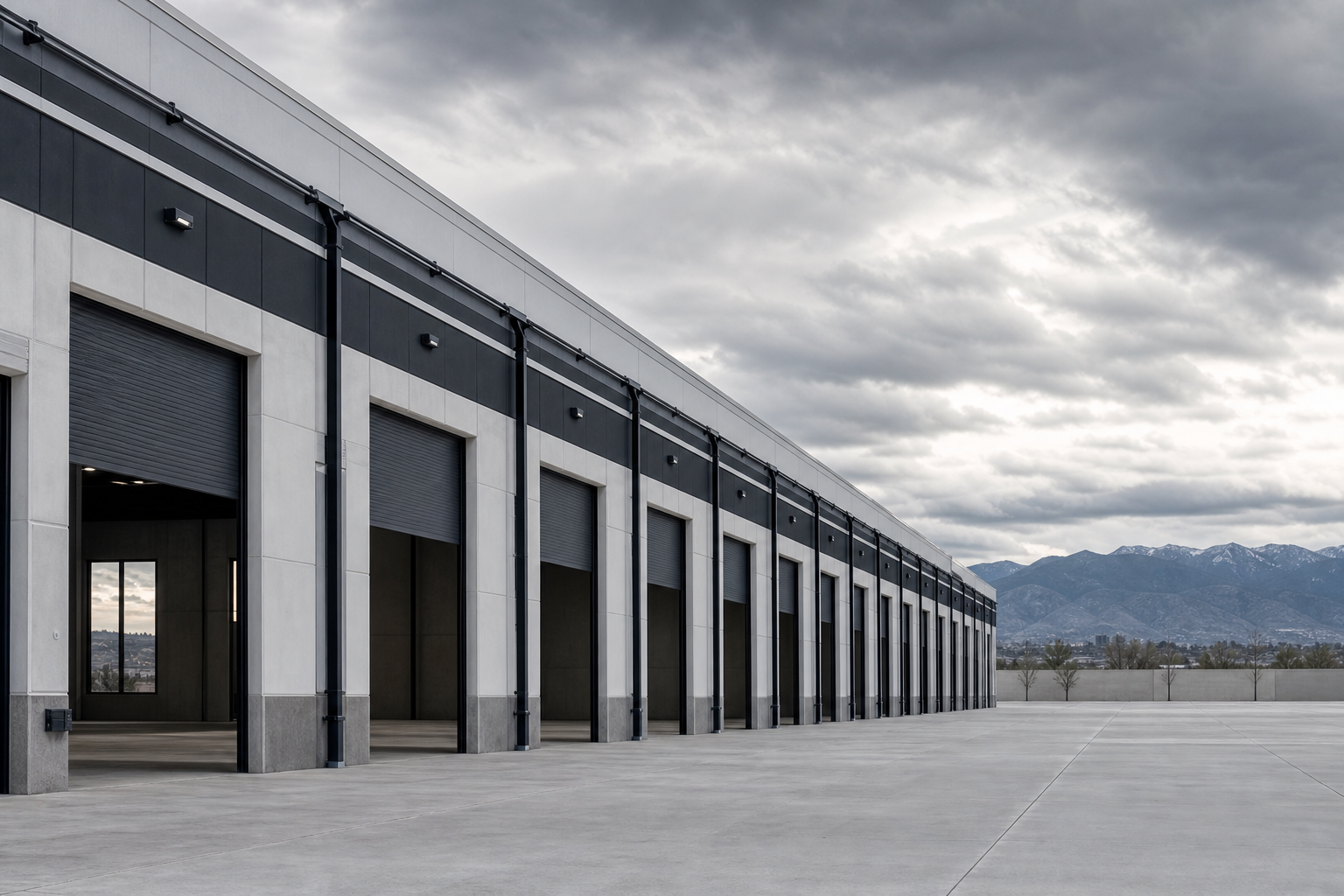
WareSpace opens its second Denver site at unit sizes institutions never underwrite.
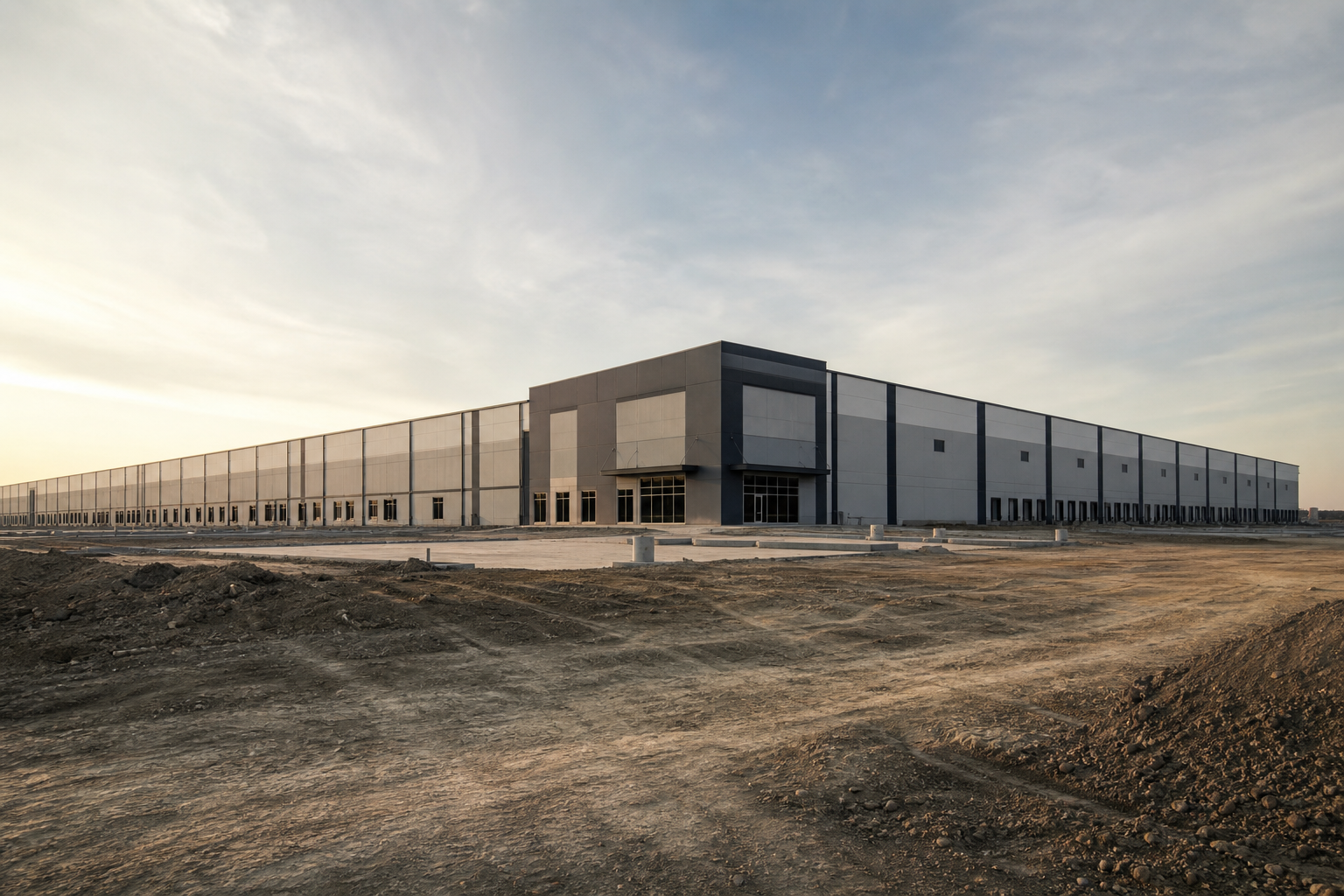
Green Point starts speculative construction 30 miles north of Austin.
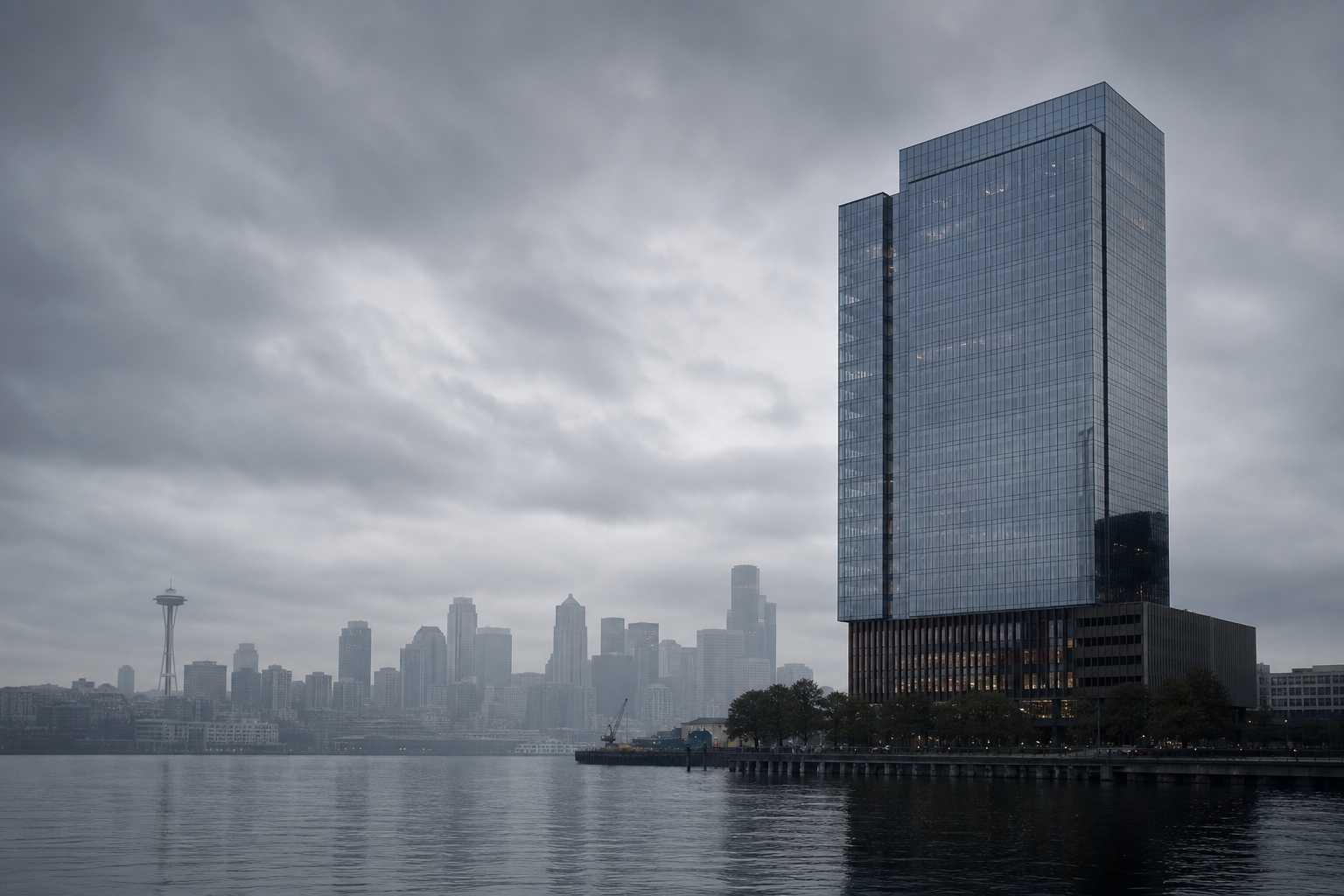
Barings put $250M on a delivered Seattle tower nine months past maturity.
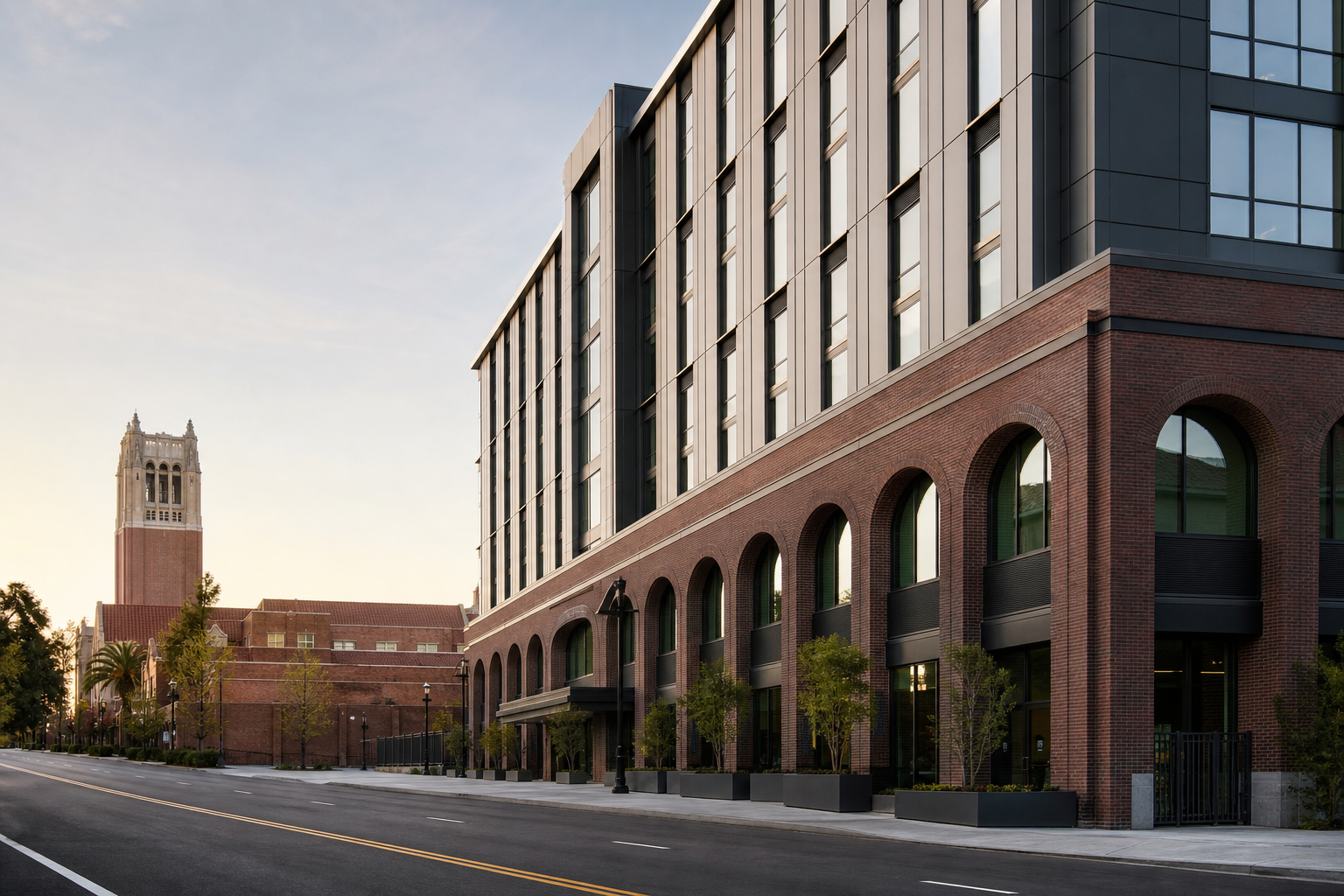
Landmark delivered 1,261 beds - twenty-three fewer than it broke ground on.
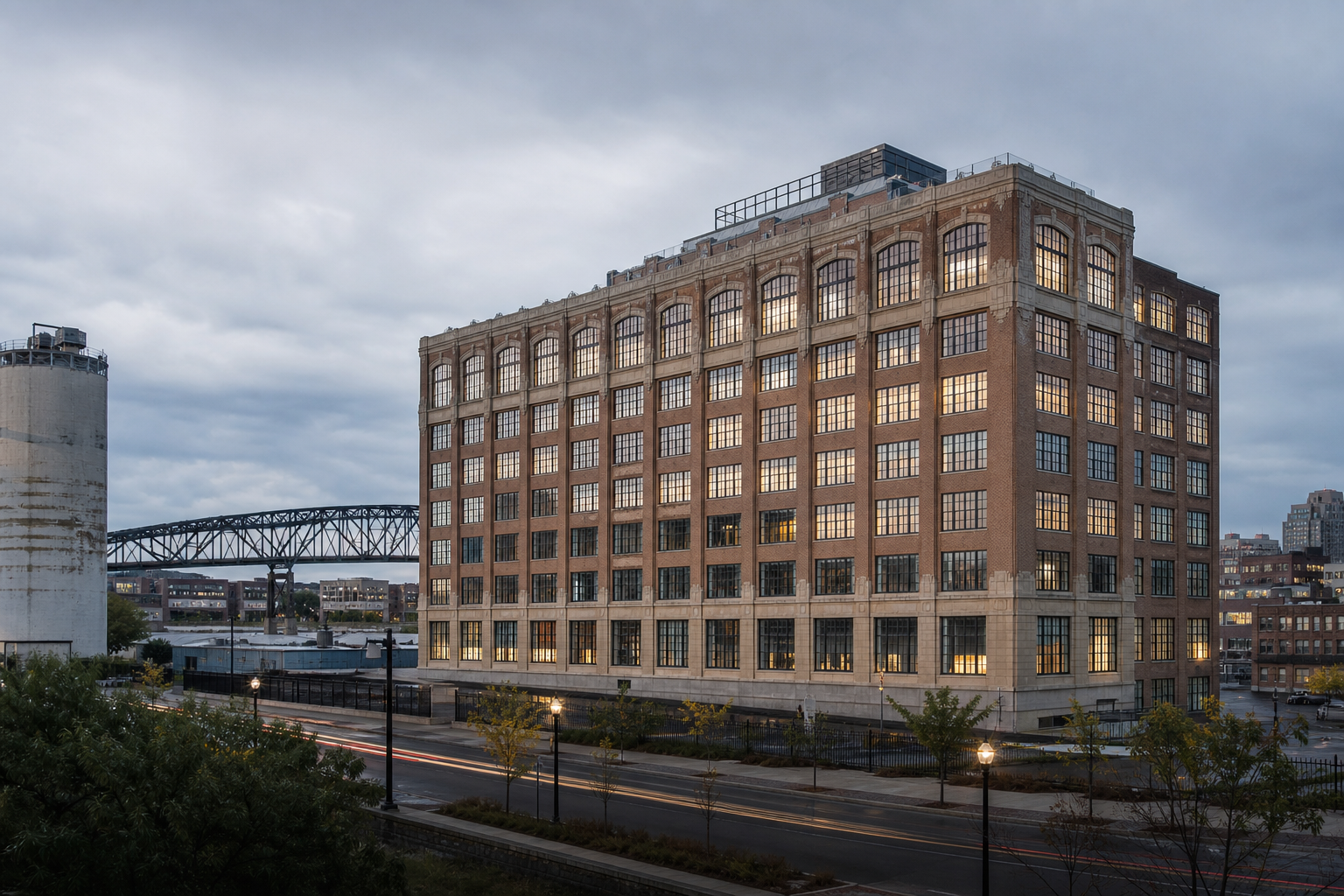
Woodbury closed the IBM Building conversion on stacked 40% historic credits.

Zillow paid Redfin to leave rental listings. Regulators unwound it Monday.

SB 79 took effect July 1. The first compliance fights are already filed.
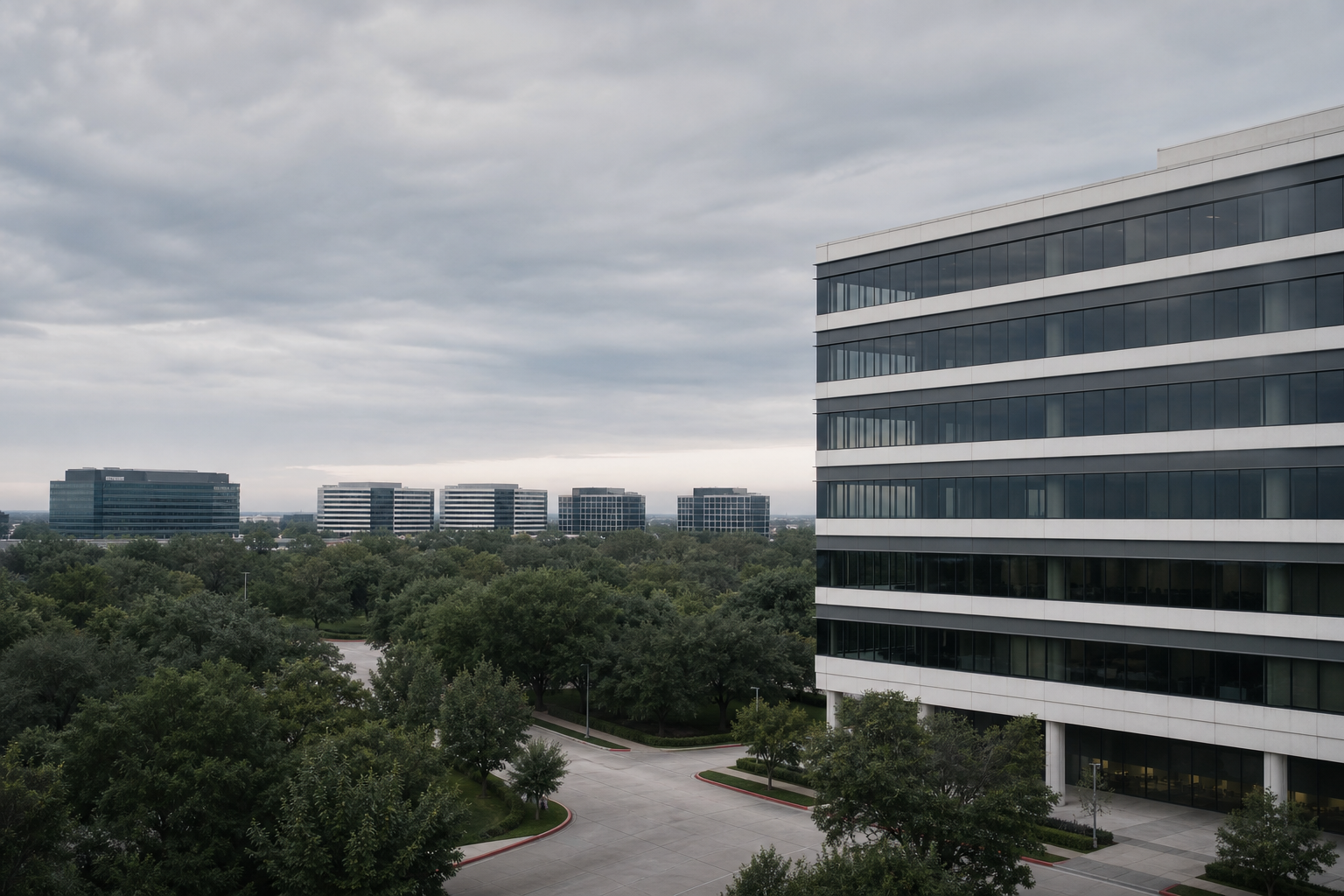
829,000 square feet in the Energy Corridor, 94% leased, half of it to one tenant.
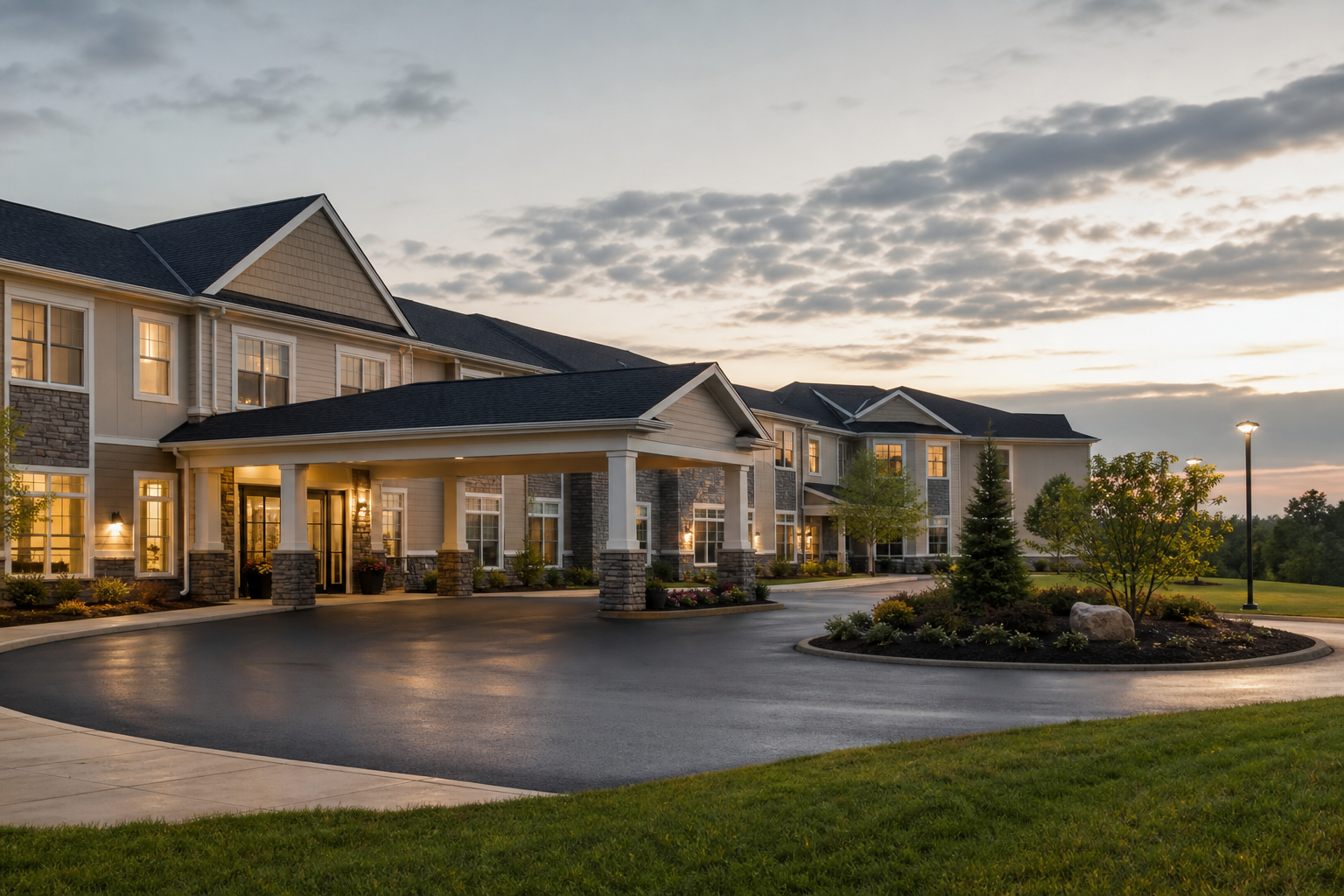
Two communities, 182 units, $114 million - and no cap rate disclosed.
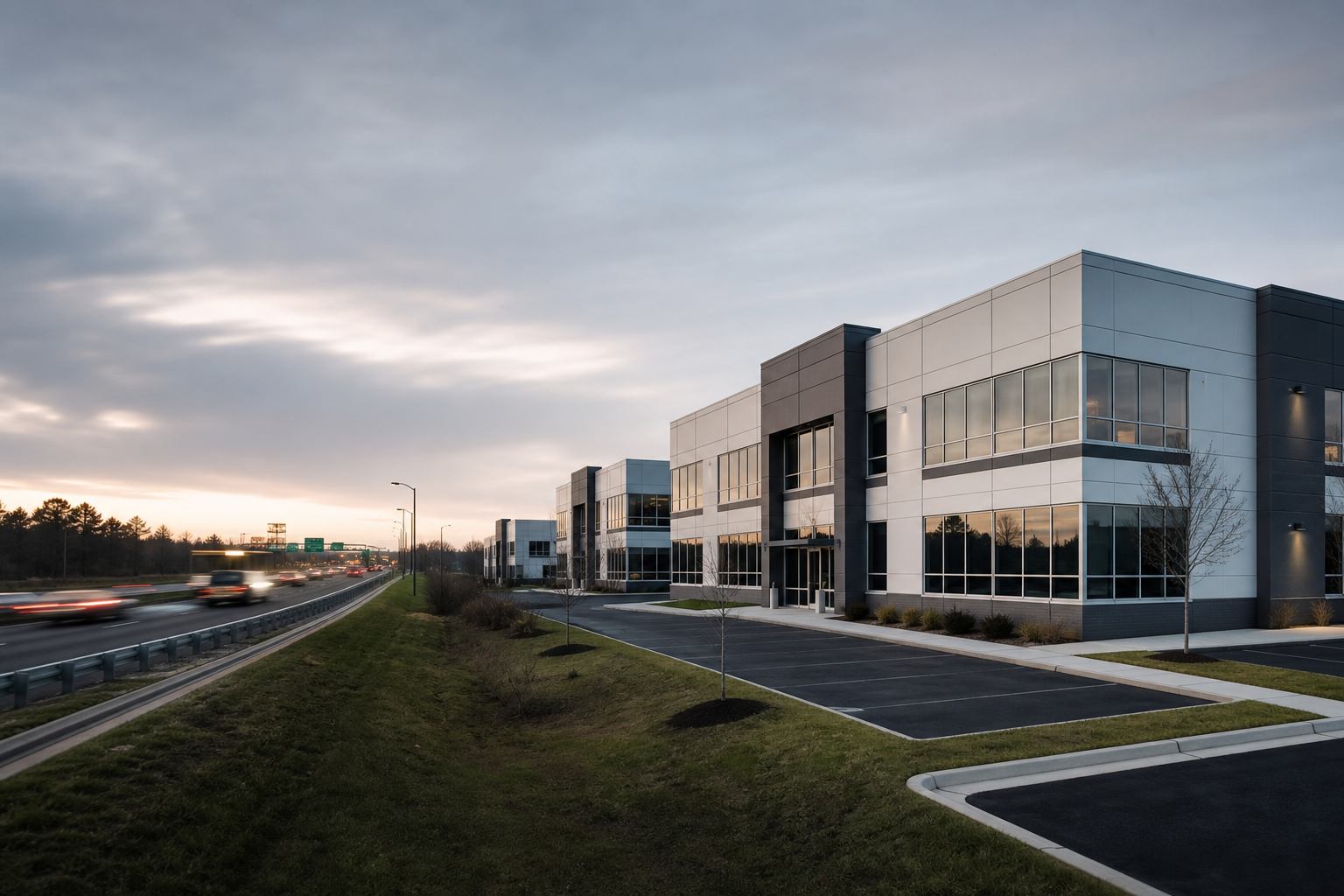
$271 a foot for two Rockville buildings, 93% leased, on the I-270 frontage.
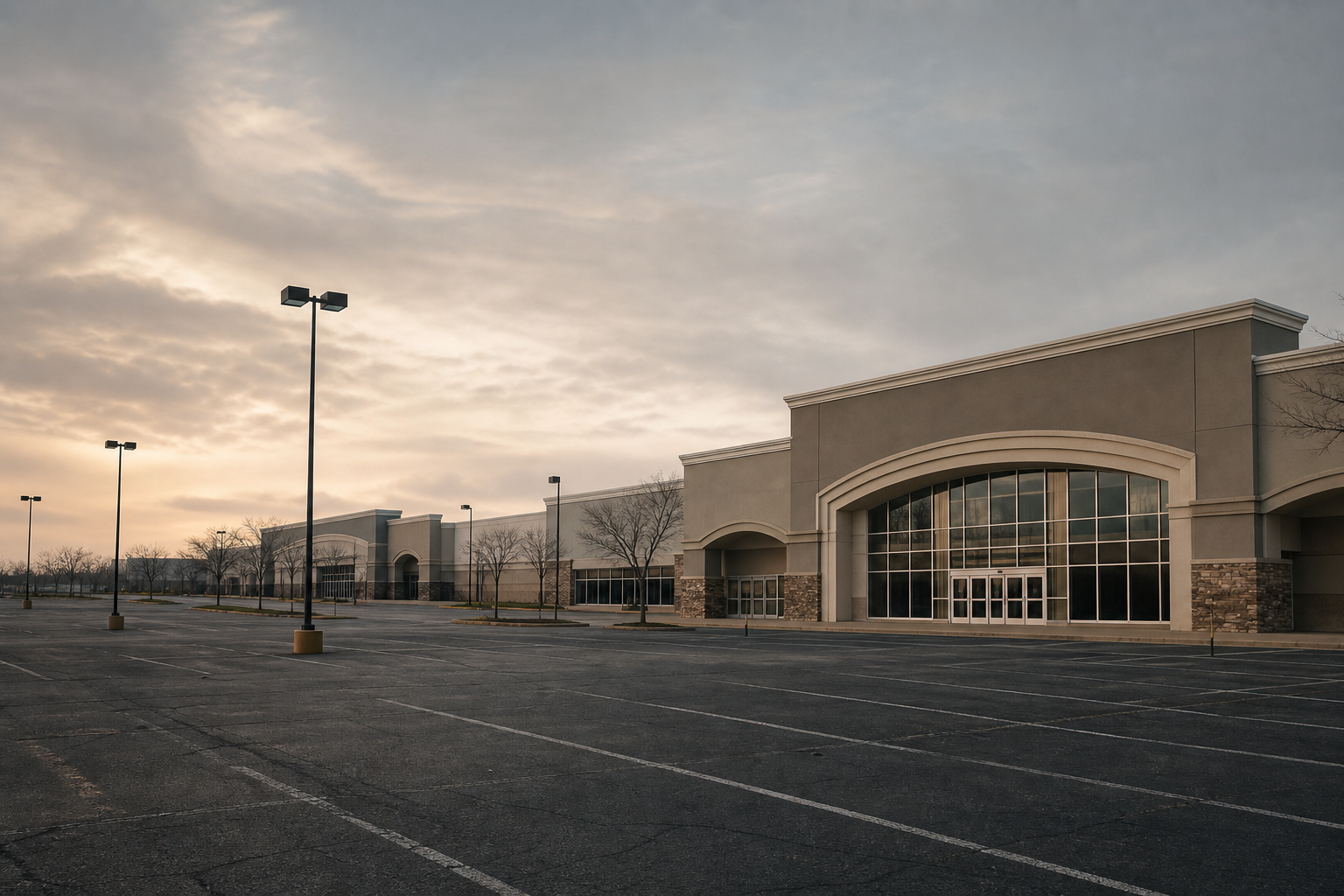
$115 a foot for 384,153 square feet, nine months after the anchor signed ten years.

Talks collapsed Friday night. Plywood is in. Softwood is out. Refunds are over.

$410 million for LCN Capital - roughly 80% in stock, $150M contingent on performance.

Property tax is the largest operating line - and the only one that is negotiable.
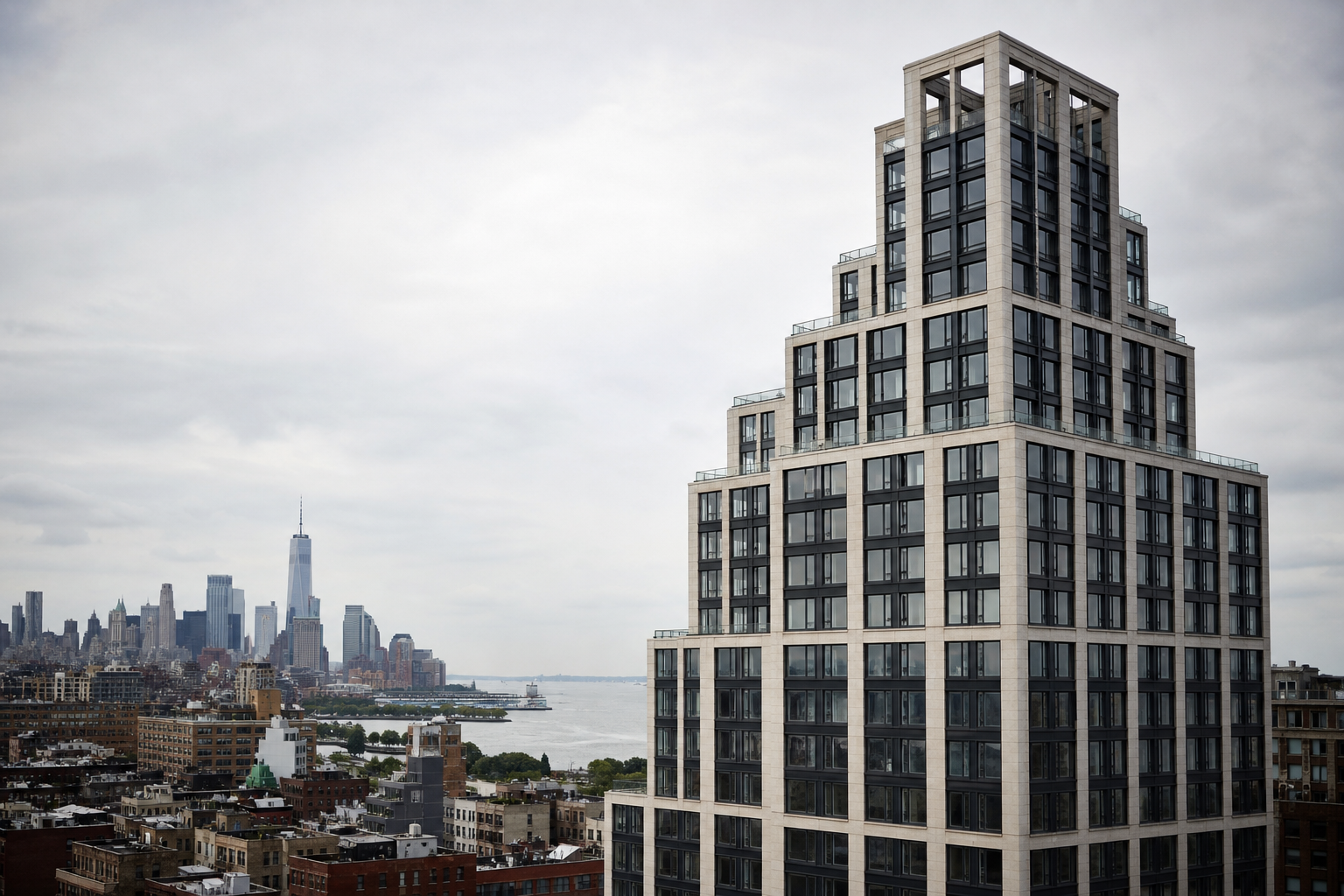
An analysis of 312 filings found three projects at or above 100 units. Three.
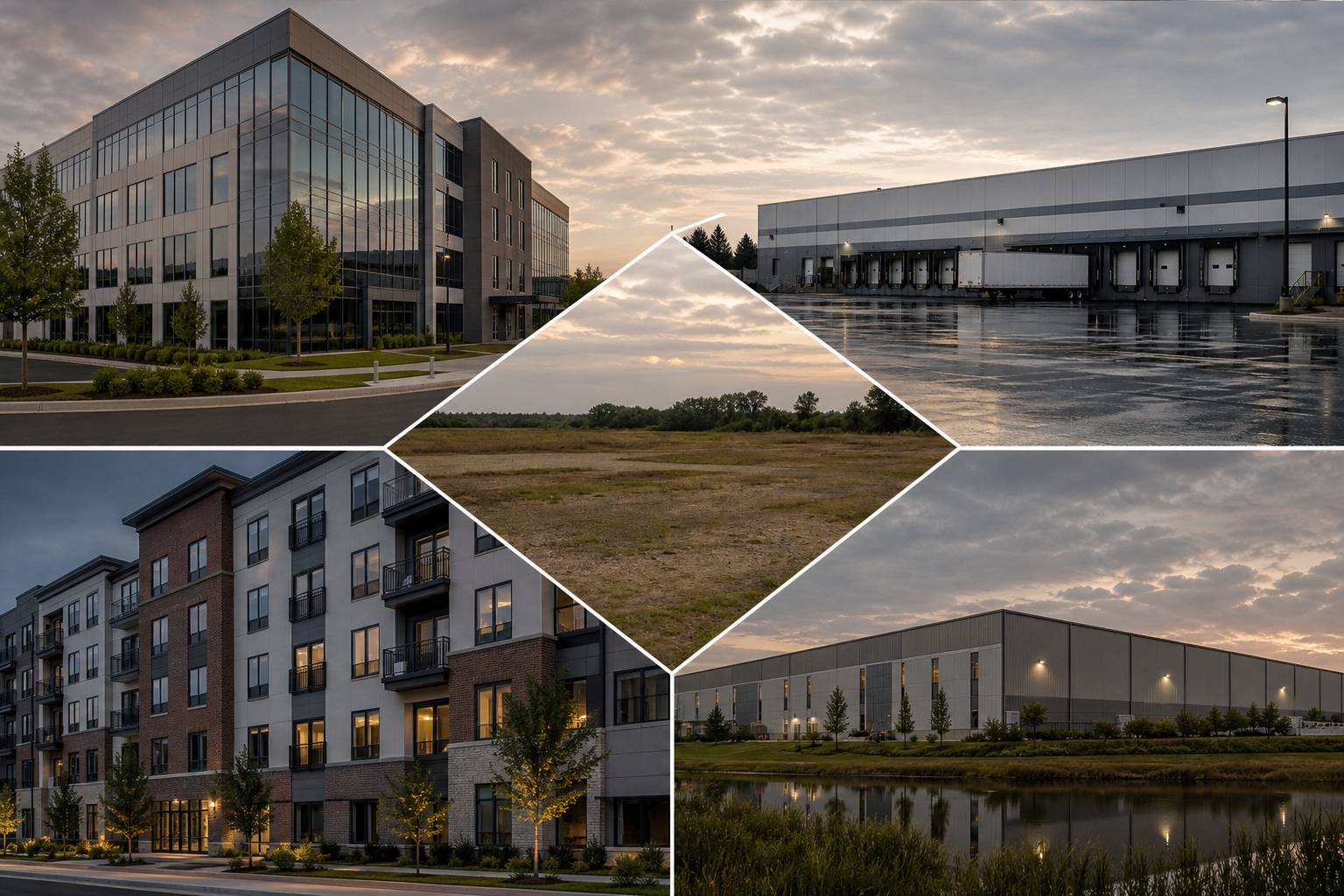
Four assets, three states, two CMBS assumptions - and surplus land nobody priced loudly.
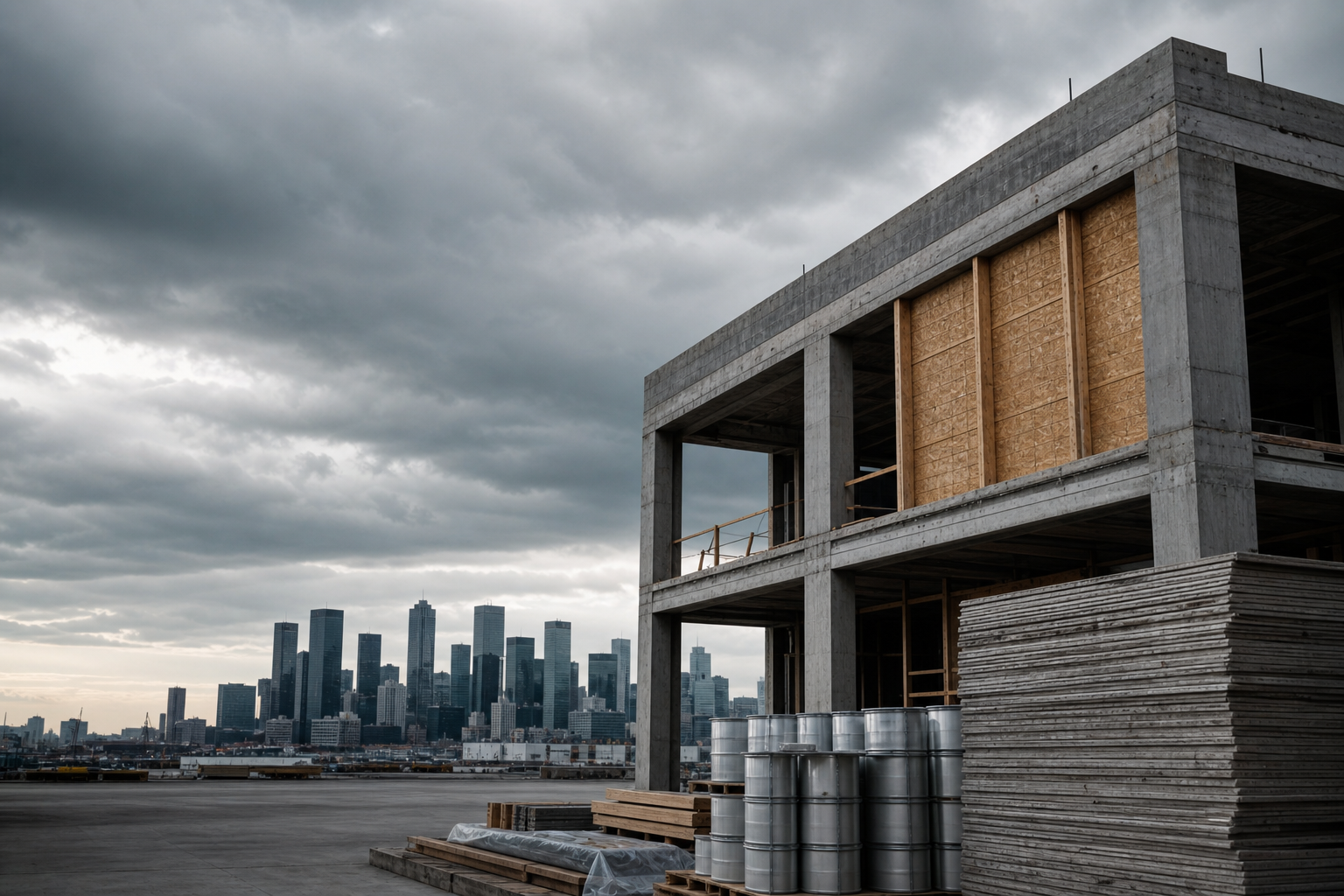
Fifty percent lands Saturday on Canadian building materials. USMCA qualification exempts nothing.
A vertically integrated operator bought the credit, not the square footage.
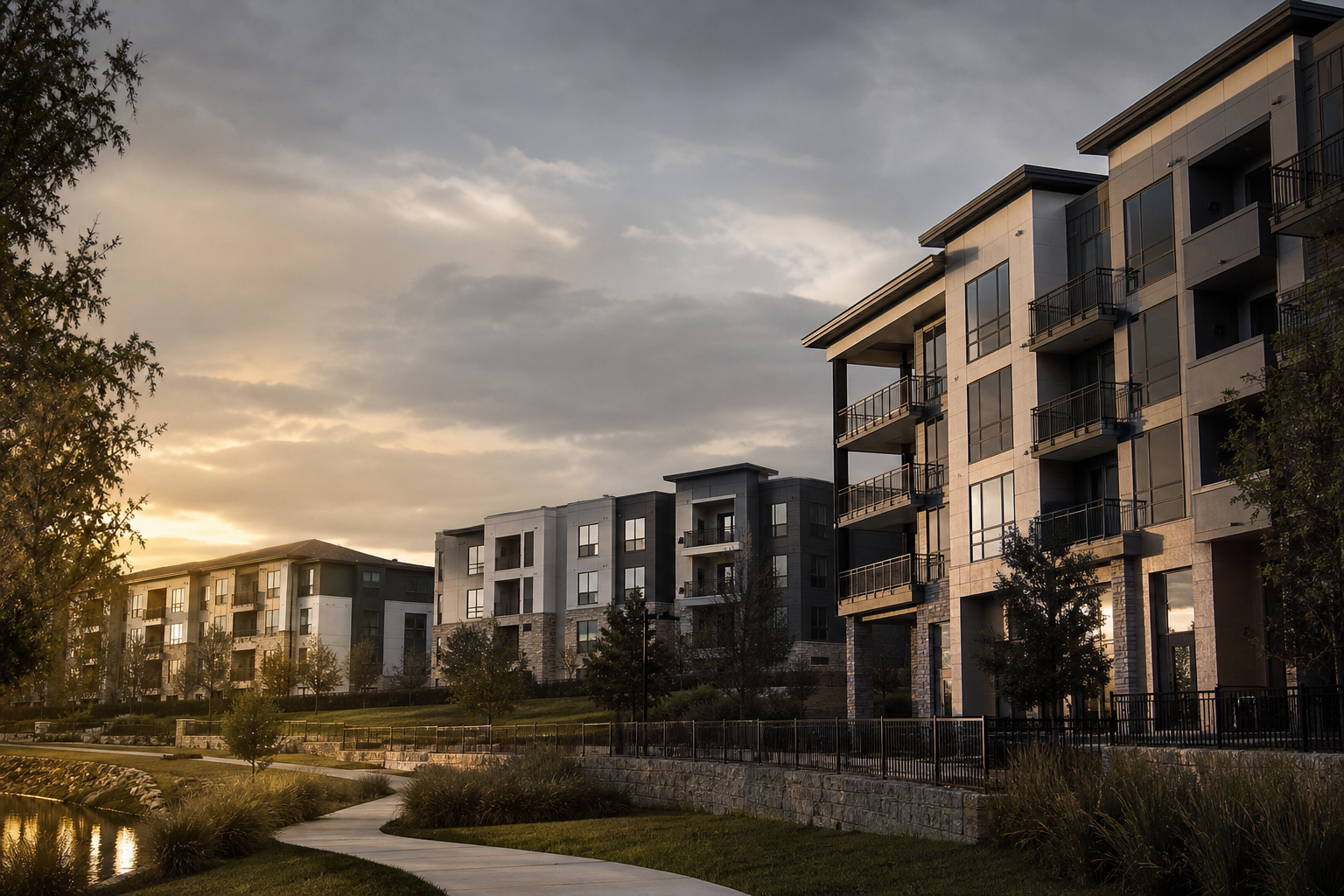
Knightvest bought three Round Rock communities at a deep discount to their peak-cycle price.
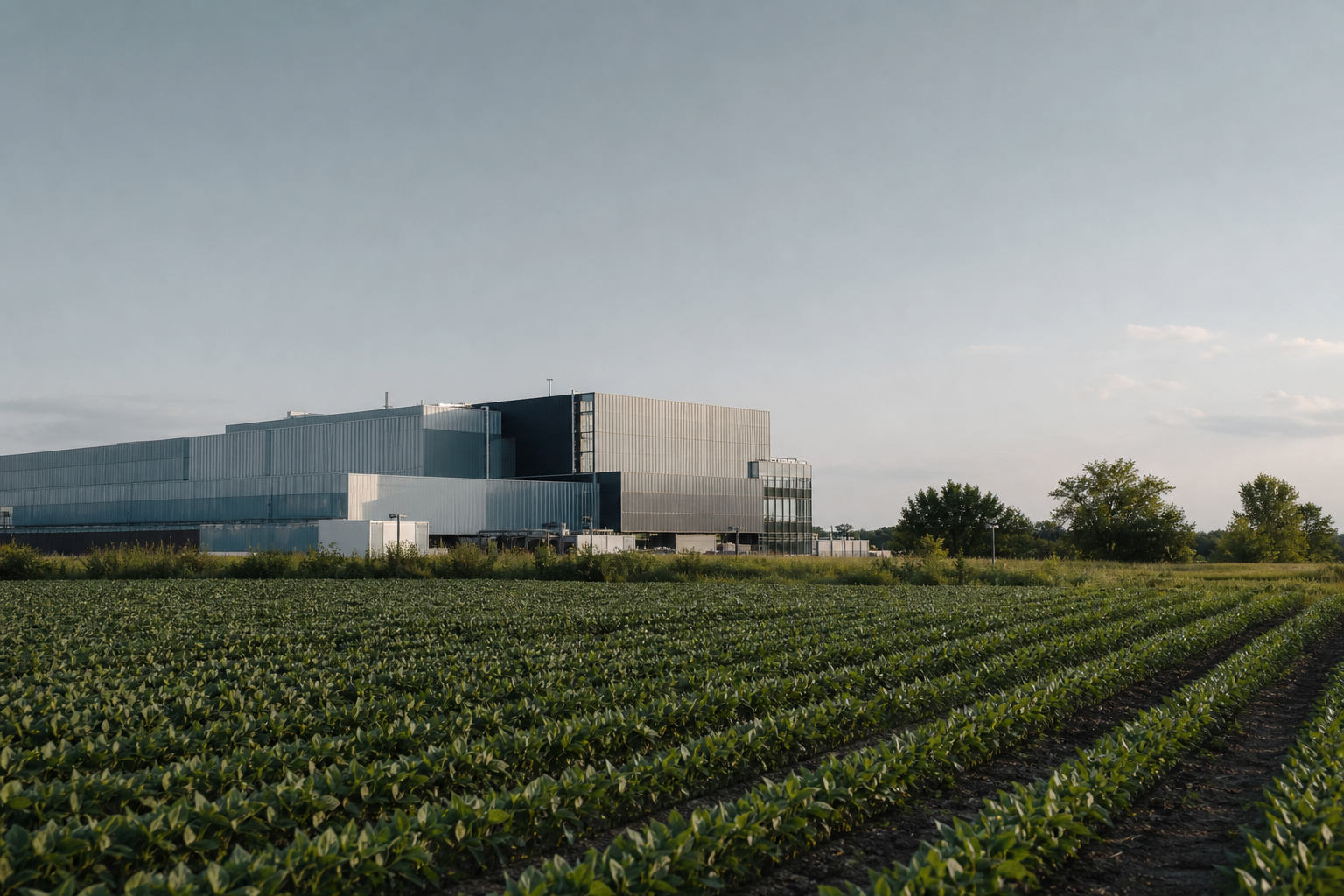
Nvidia will cover up to $105 billion if OpenAI walks away from its lease.
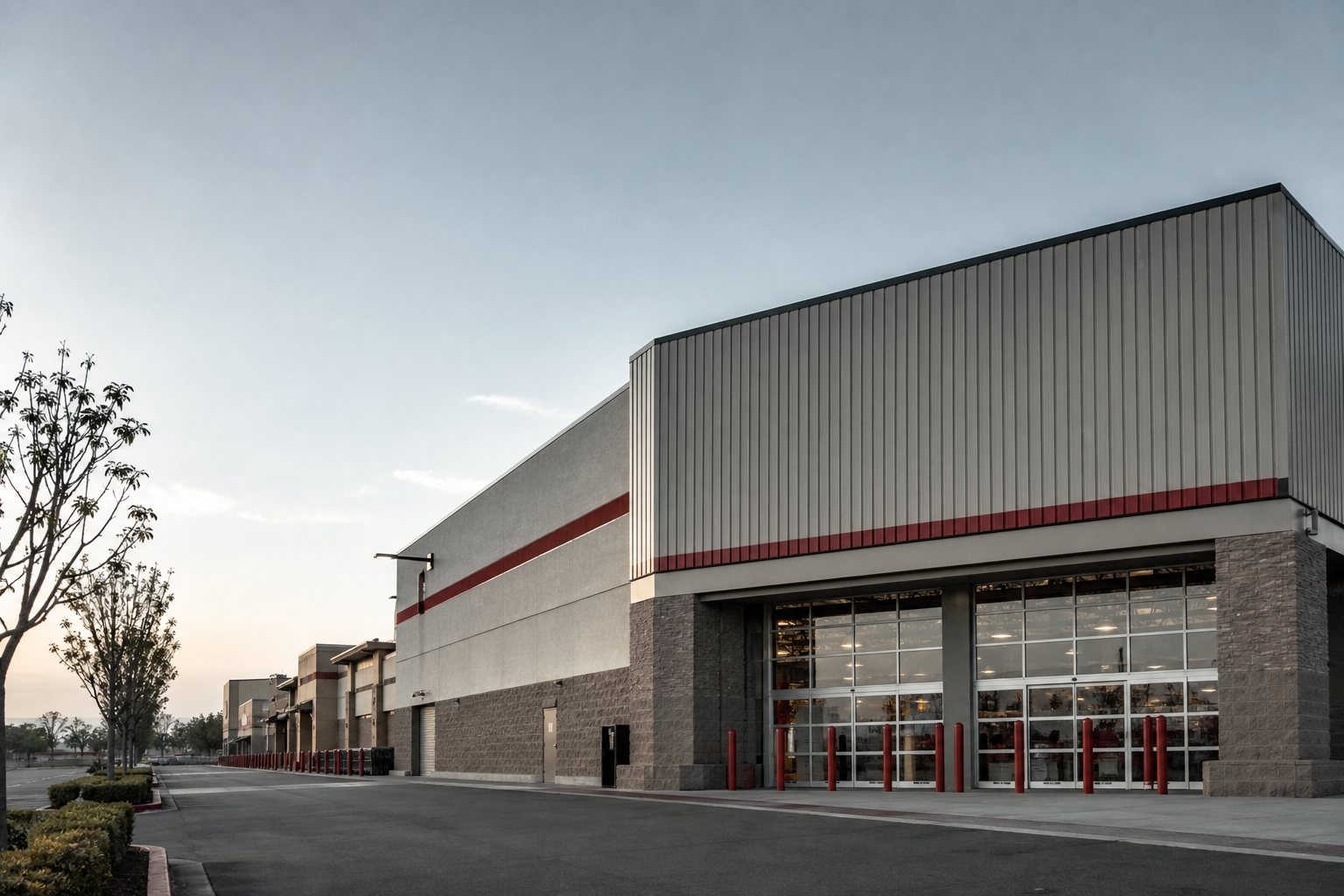
Kimco sold a flat-lease Alhambra asset to its own tenant for $301 a foot.

Marriott posted its best RevPAR quarter in 13 while growth came from conversions.
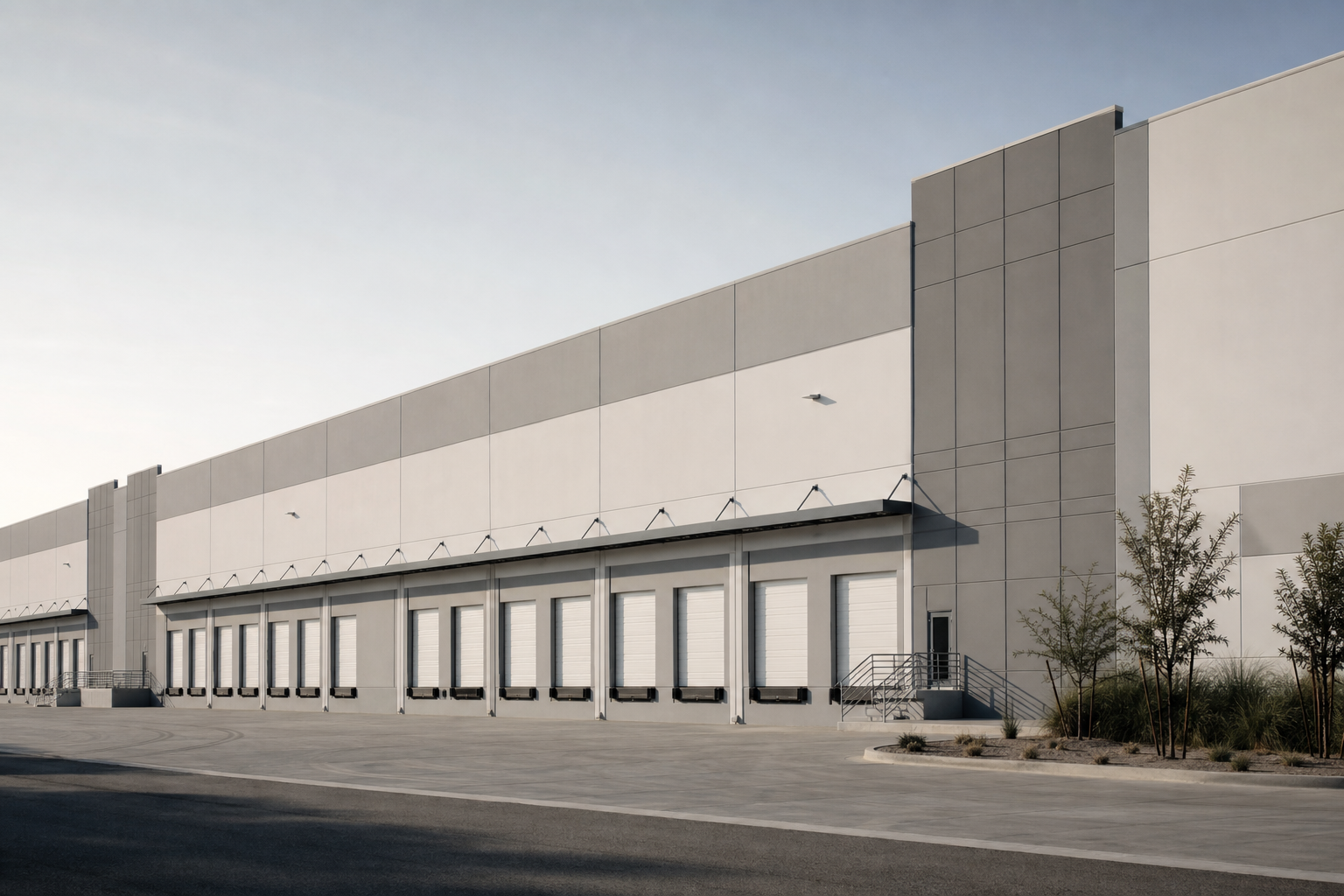
EQT buys 22 Southern California industrial properties from a seller shedding above-market leases.

Input costs rose 7.1% and no trade policy fixes the wage line.
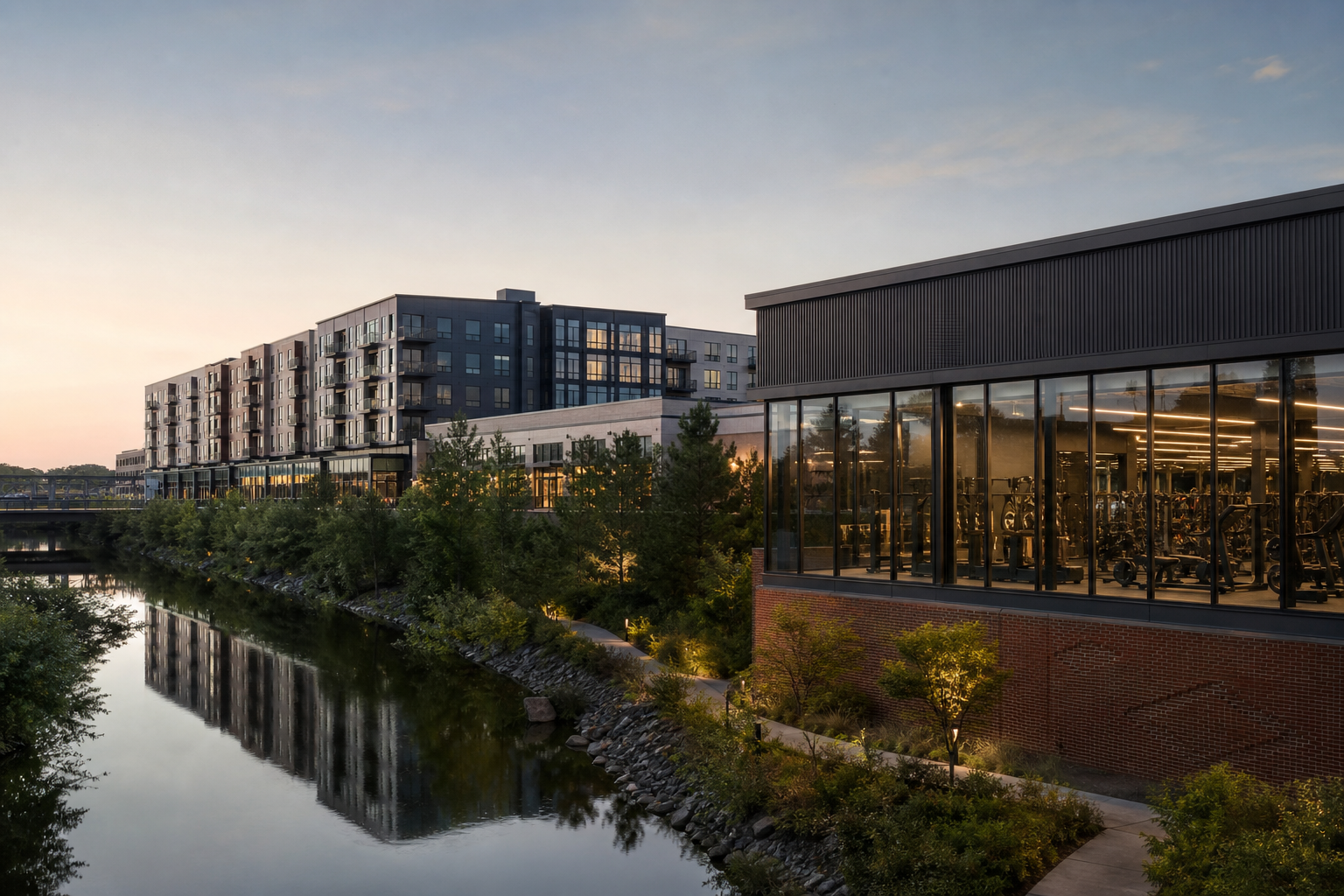
Frederick Brickworks pairs 30,000 feet of fitness with Whole Foods and 652 homes.

184,000 apartments under one ticker. The question is whether size pays.
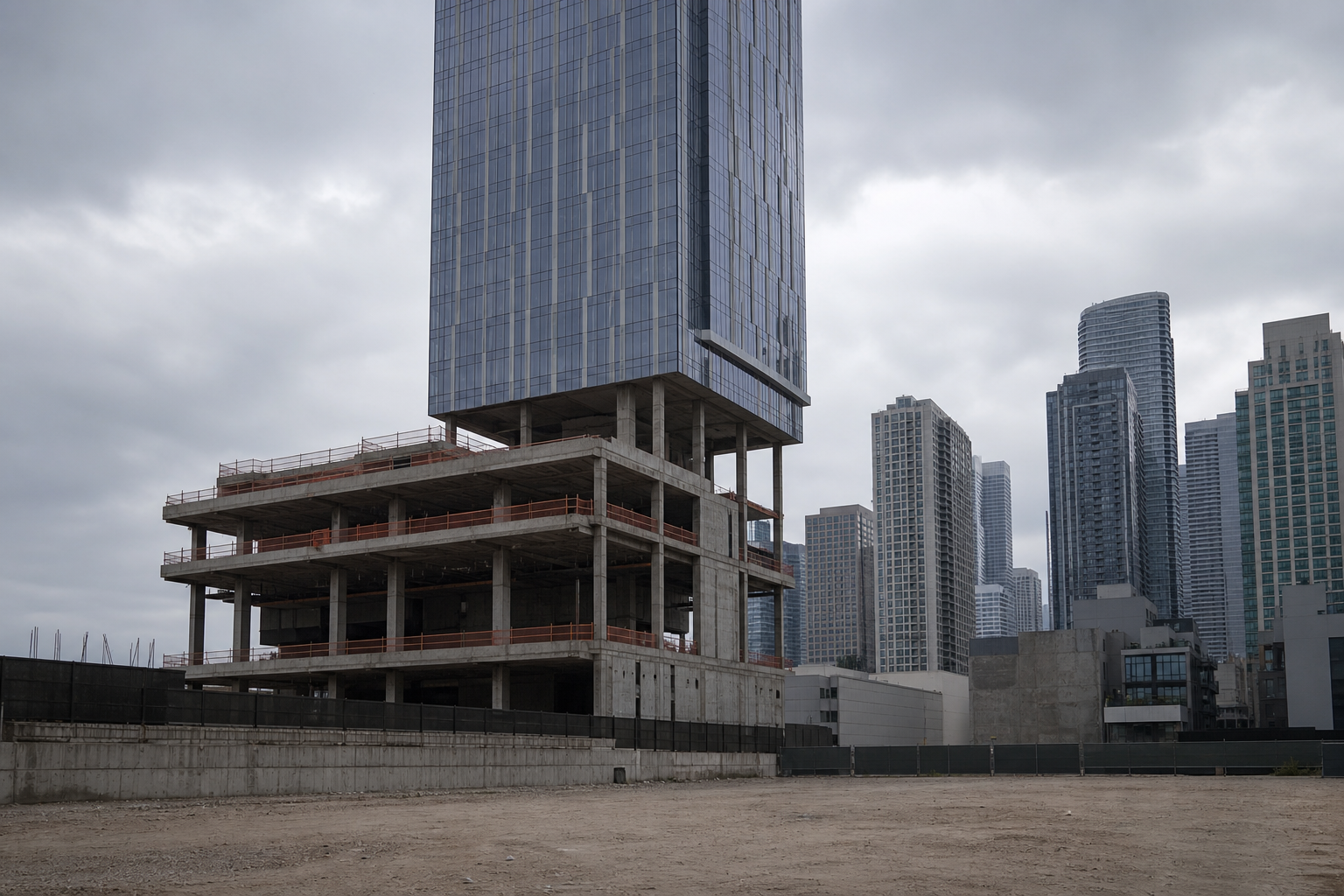
A 184-room hotel inside a six-year-stalled complex asks the city for its own tax back.

Versant expanded by 84,509 feet and committed to 2044 in a 1912 building.
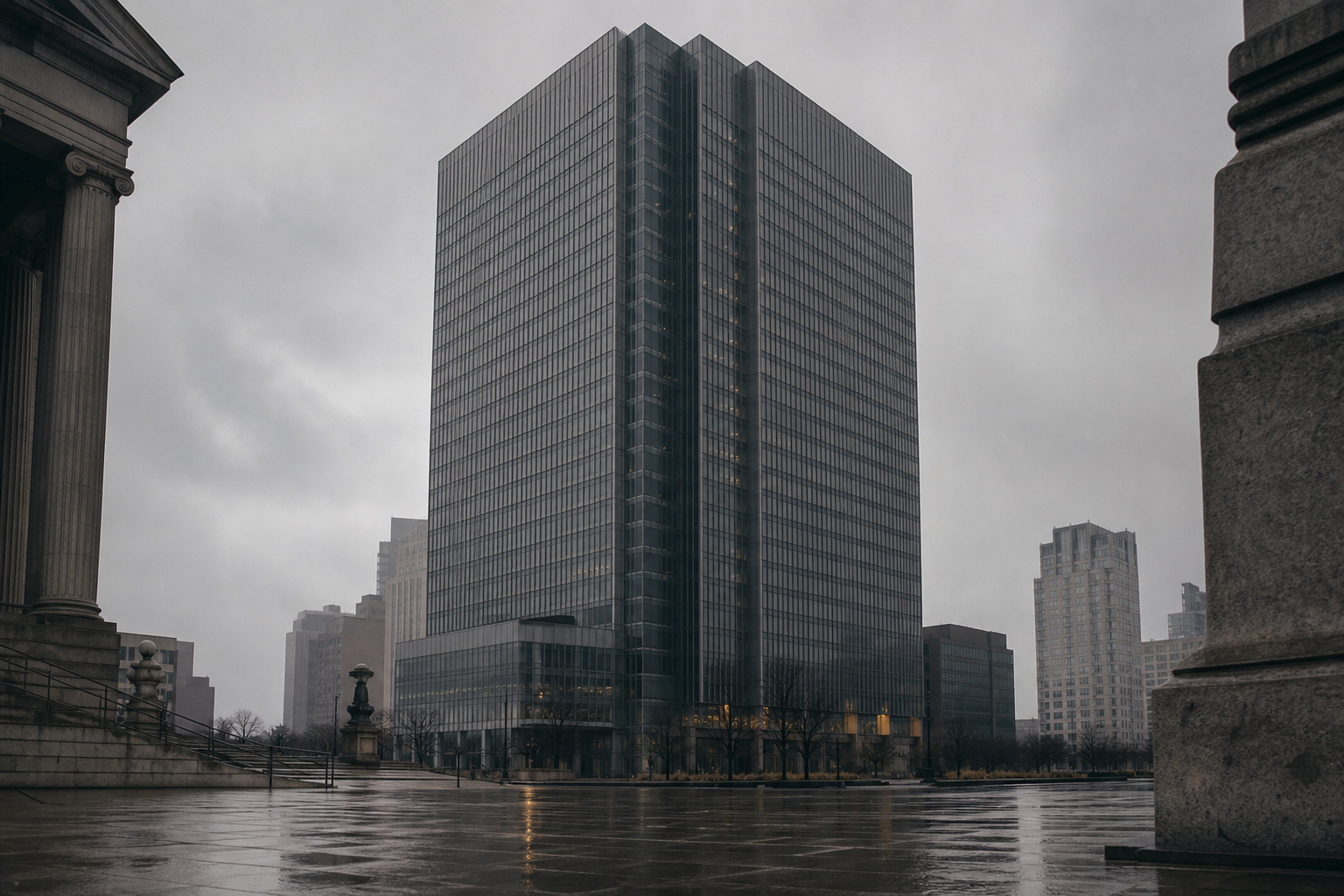
Centre Square sells for 21 cents on the 2017 dollar, by court order.
Bally's says legalizing video gambling breached its 2022 agreement with Chicago.
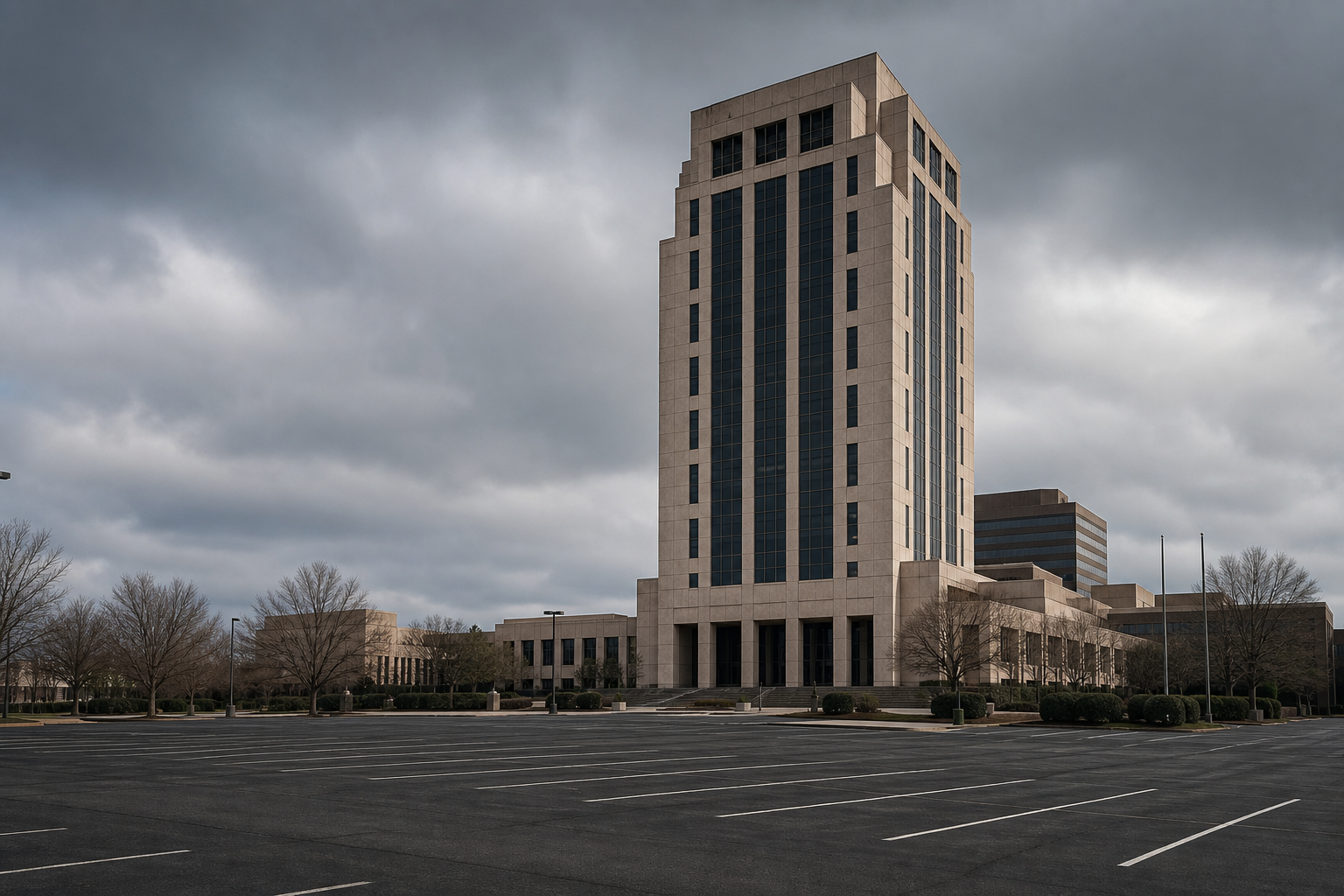
Winston-Salem former BB&T Financial Center heads to auction, price discovery at the bottom.
A Brooklyn refinancing and a competitive lending field show refinancing, not default, is clearing the wall.

Brandywine is buying back bonds at up to 6.9 points over face and drawing its revolver to do it.
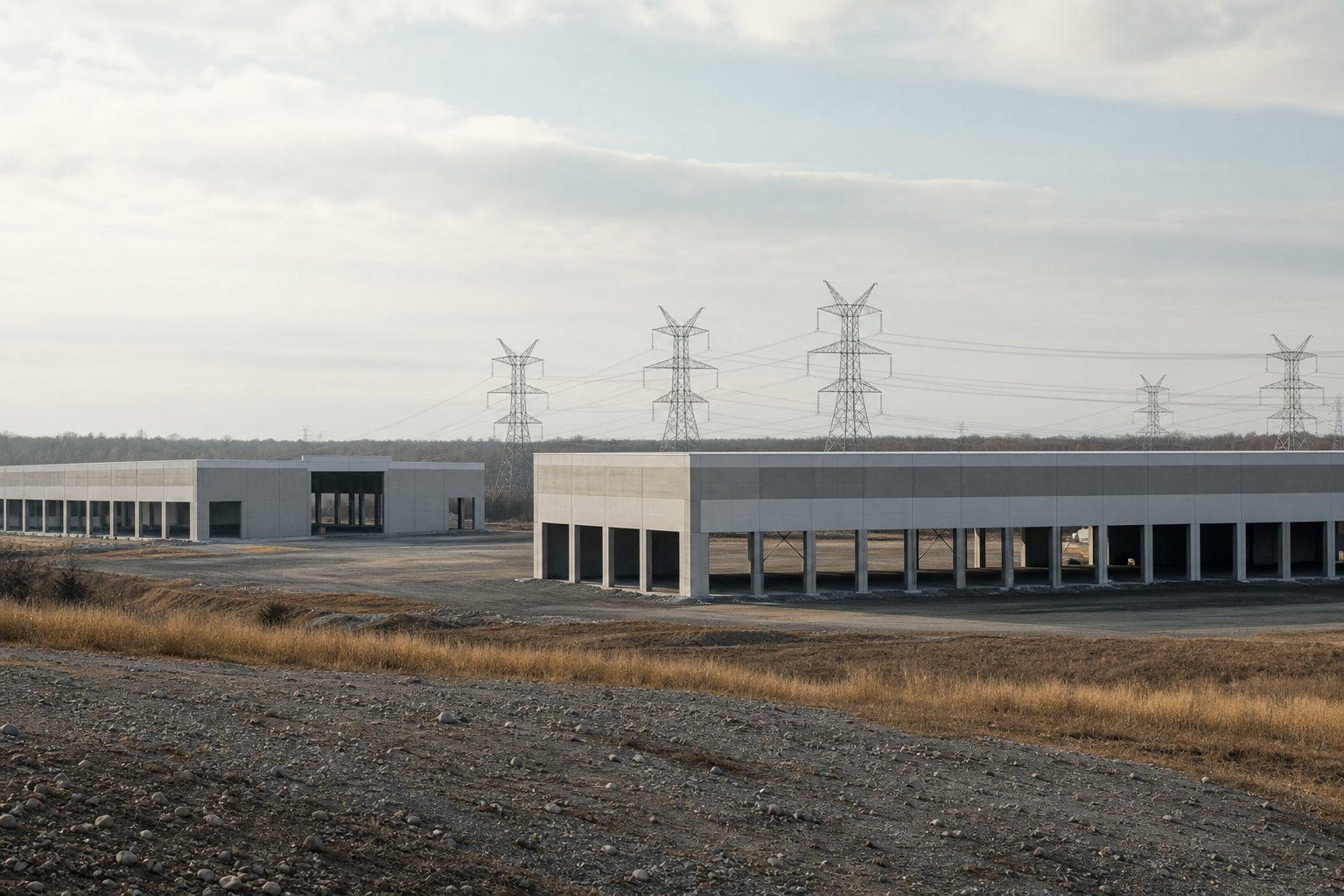
Two Yadkin County industrial shells, priced on 60 megawatts of interconnect.
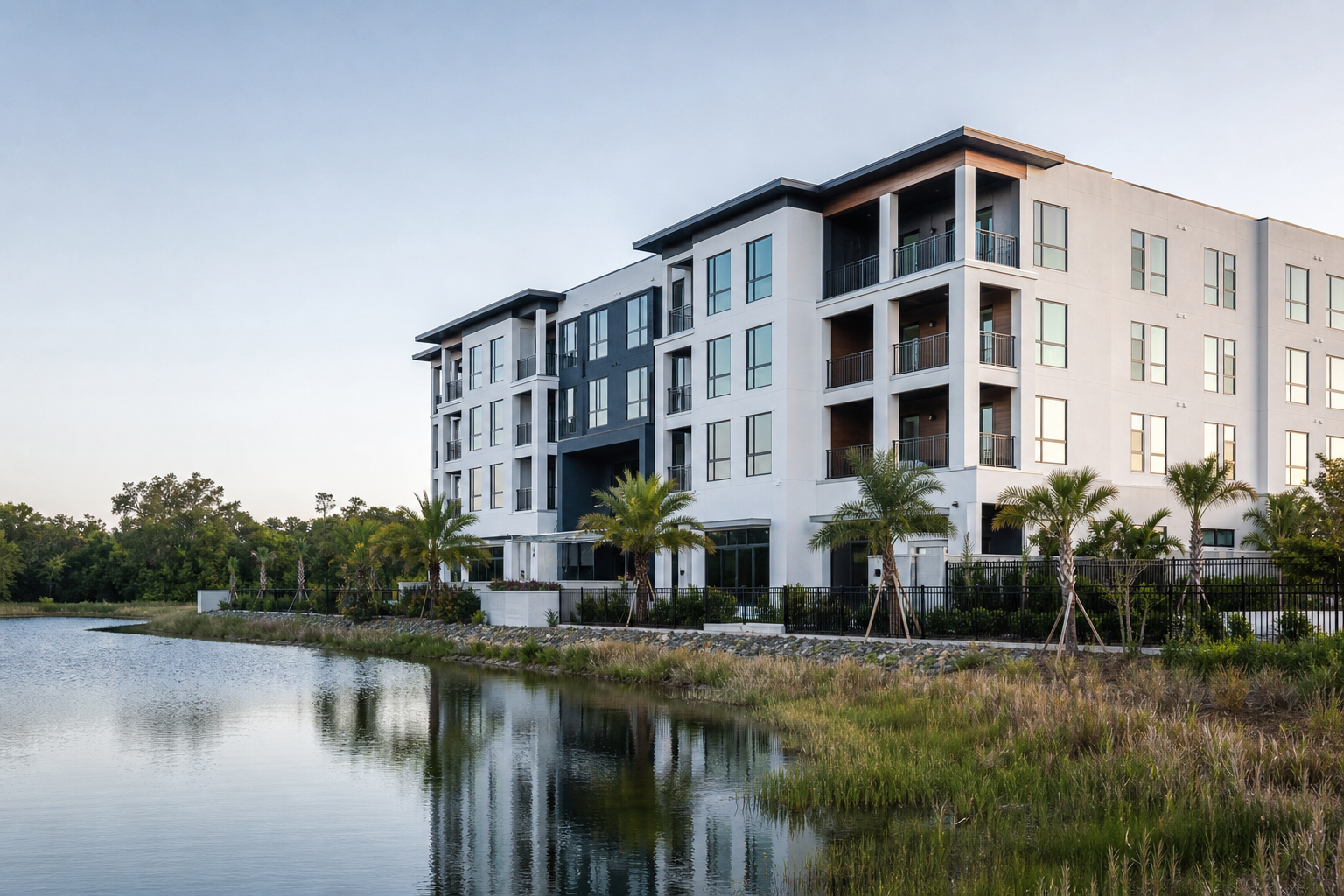
Broad Creek's second close bought a 2023-built Sarasota property at roughly 213,000 dollars a unit.

Philadelphia was up 27 percent. Miami was down 8.5 percent. There is no national number.
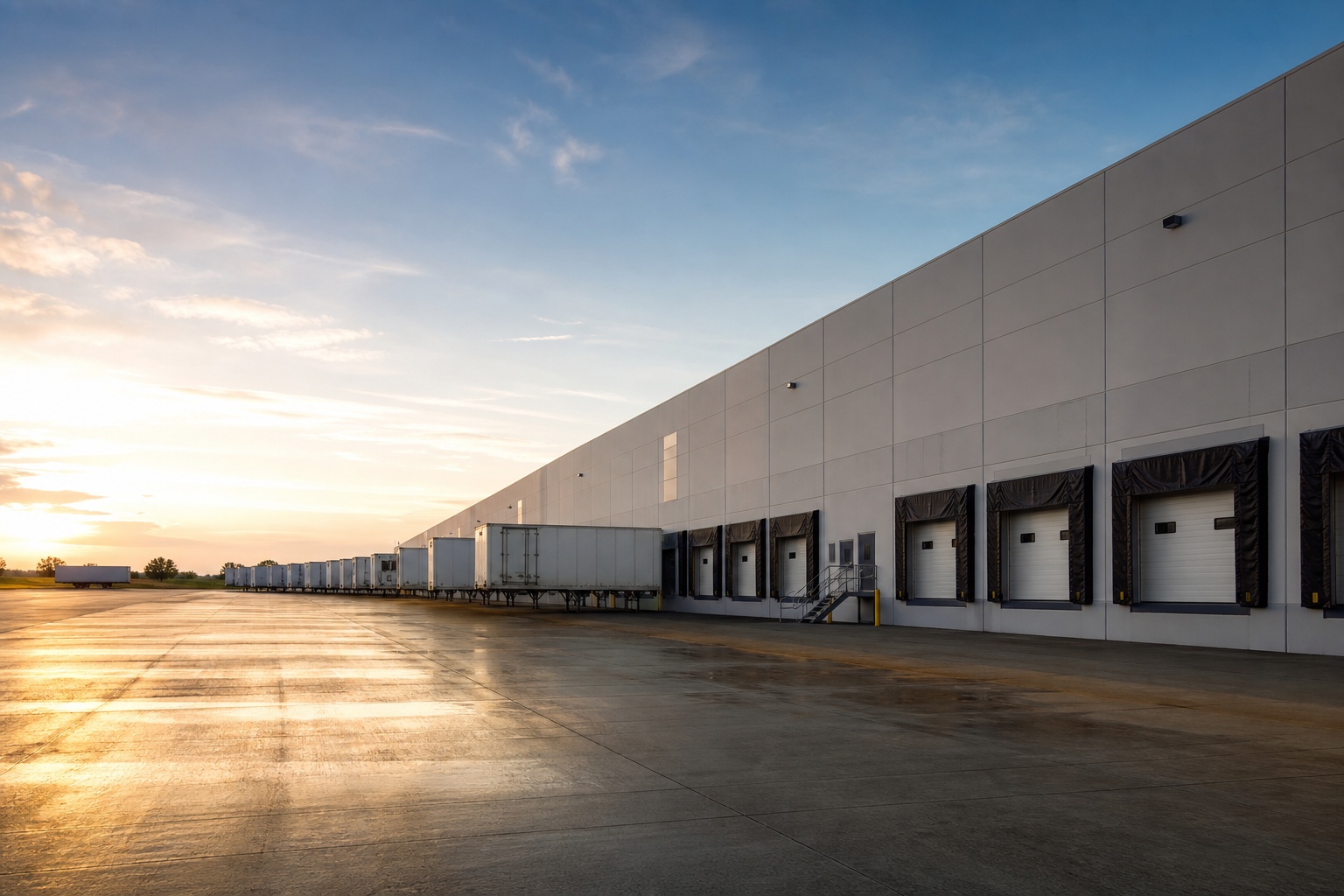
Twenty Midwest logistics assets, one full-cycle exit, six markets nobody called core.
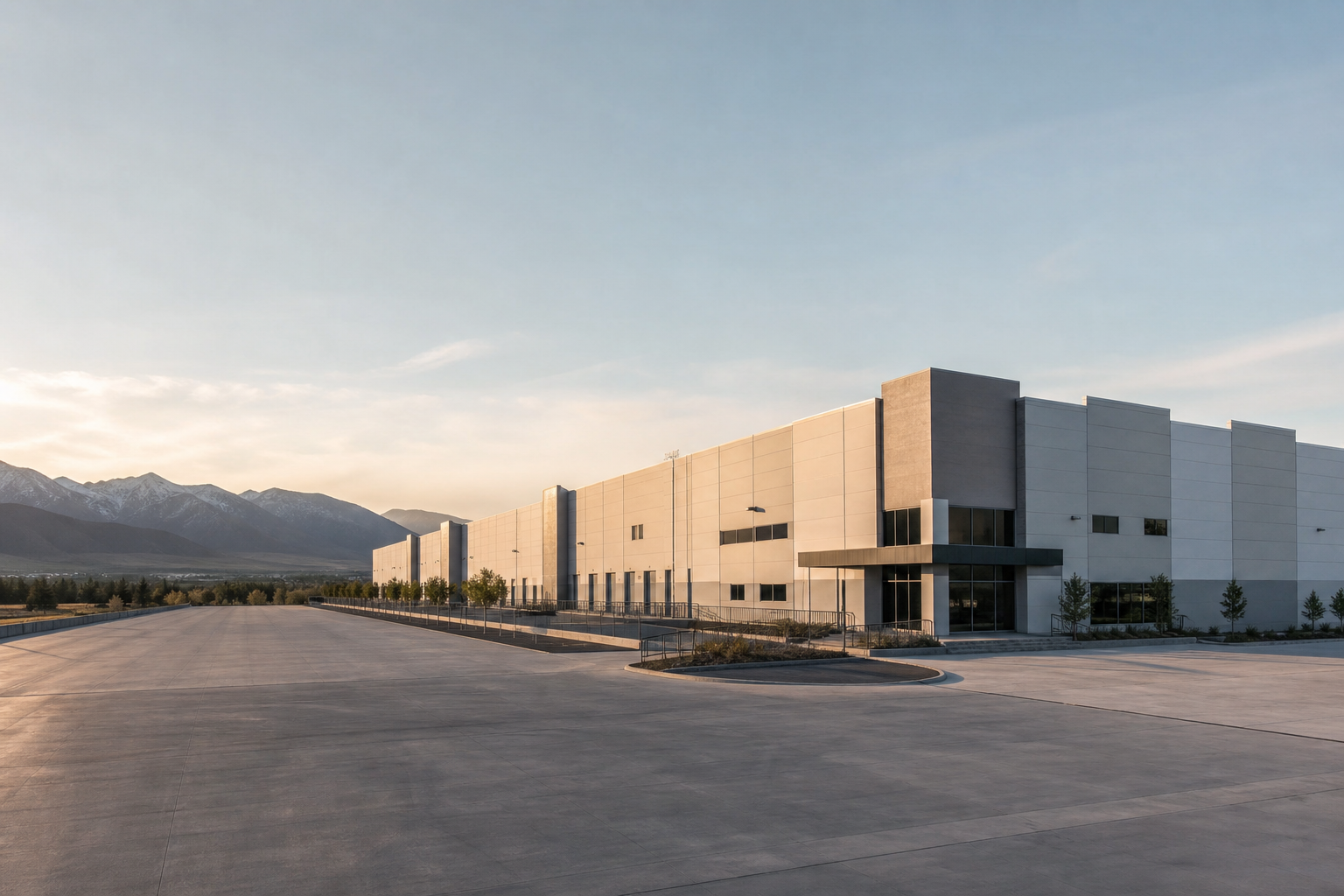
Ares and a Stonemont and PCCP venture paid up for infill warehouses far from the coasts.
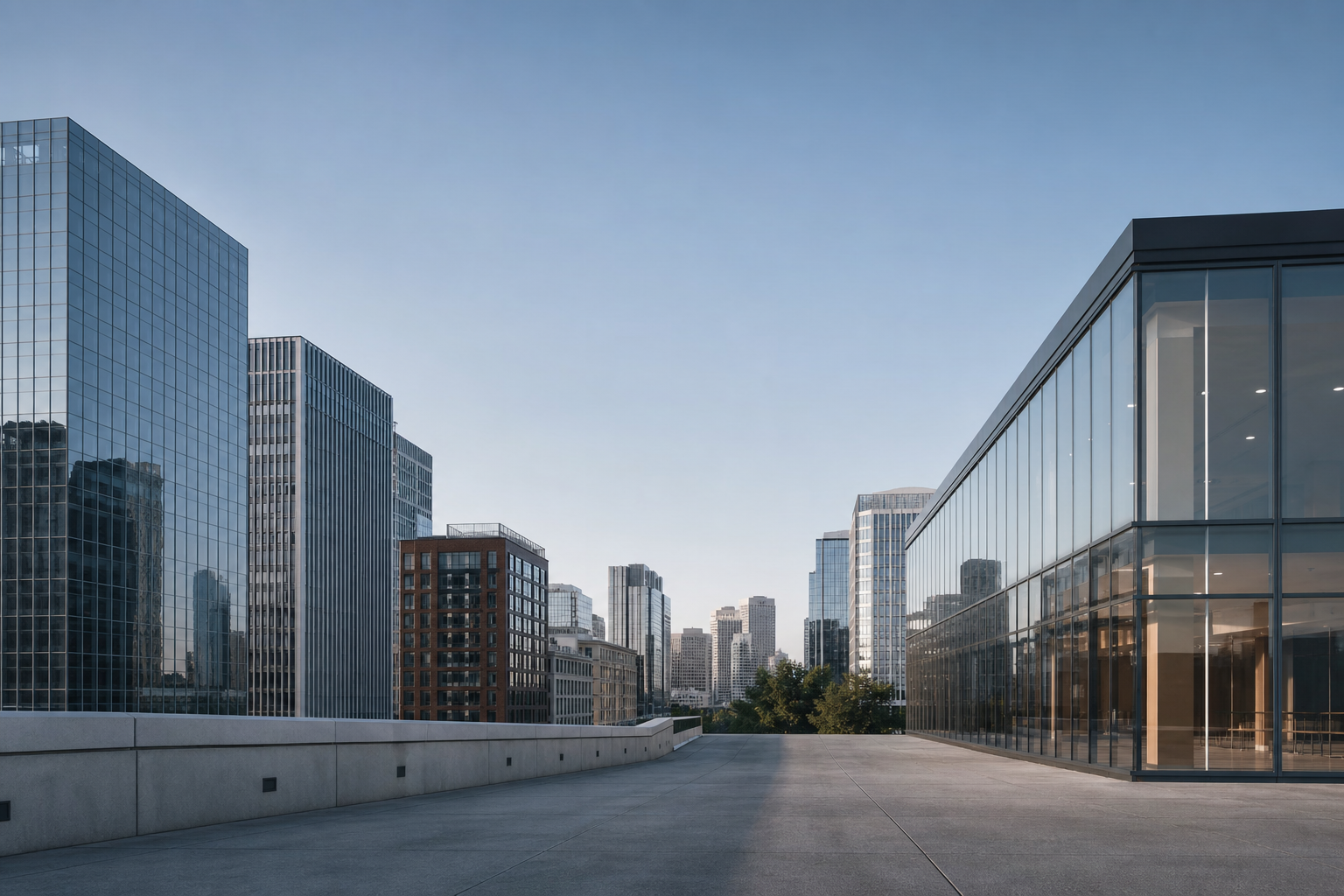
Q2 originations jumped 16 percent, with debt flowing hardest into the two most-written-off sectors.

Sixth Street bought a Key West trophy for 1.3 million dollars a key from a REIT unwinding its adviser.
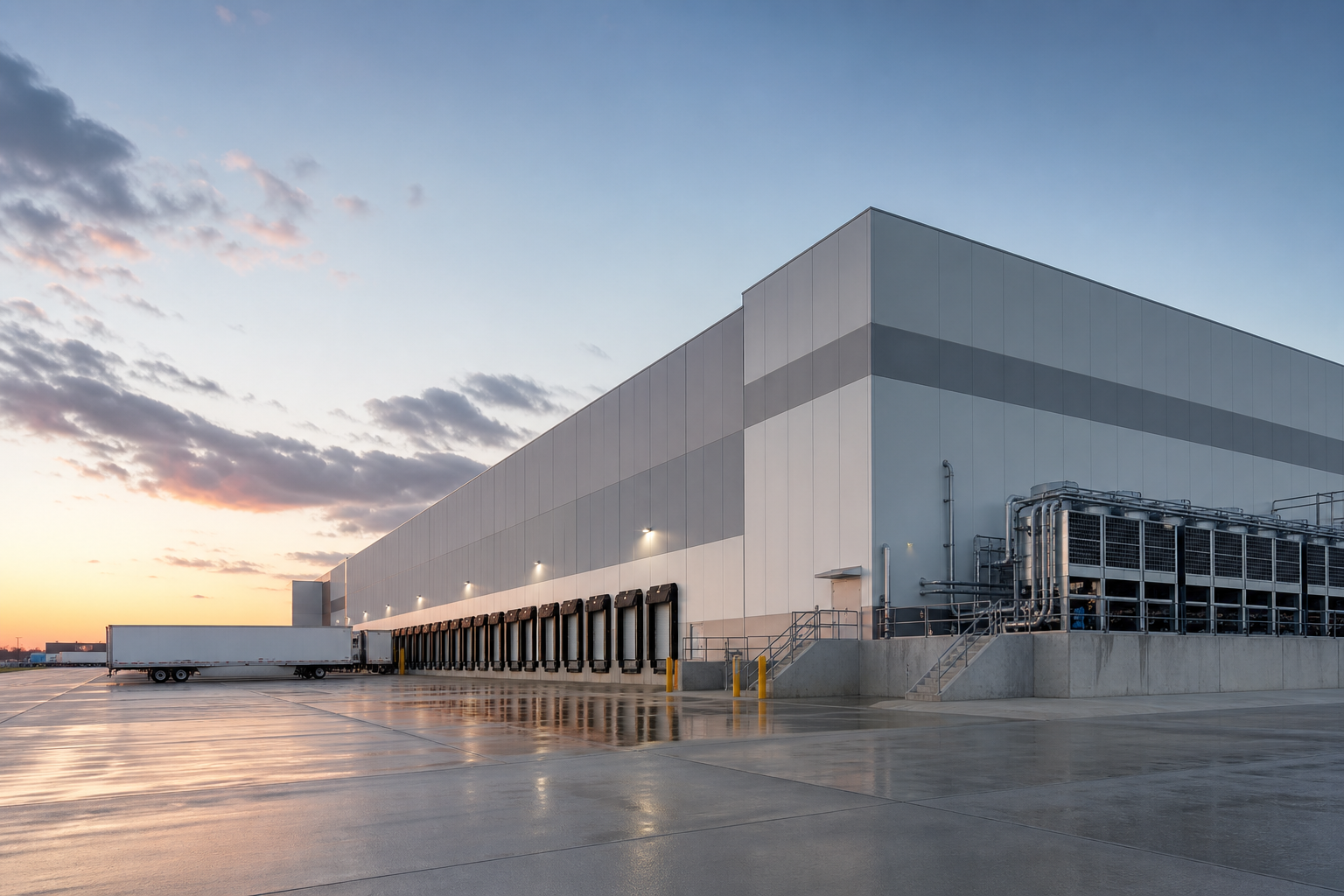
216,000 square feet fully spoken for in the industrial subtype nobody builds on spec.
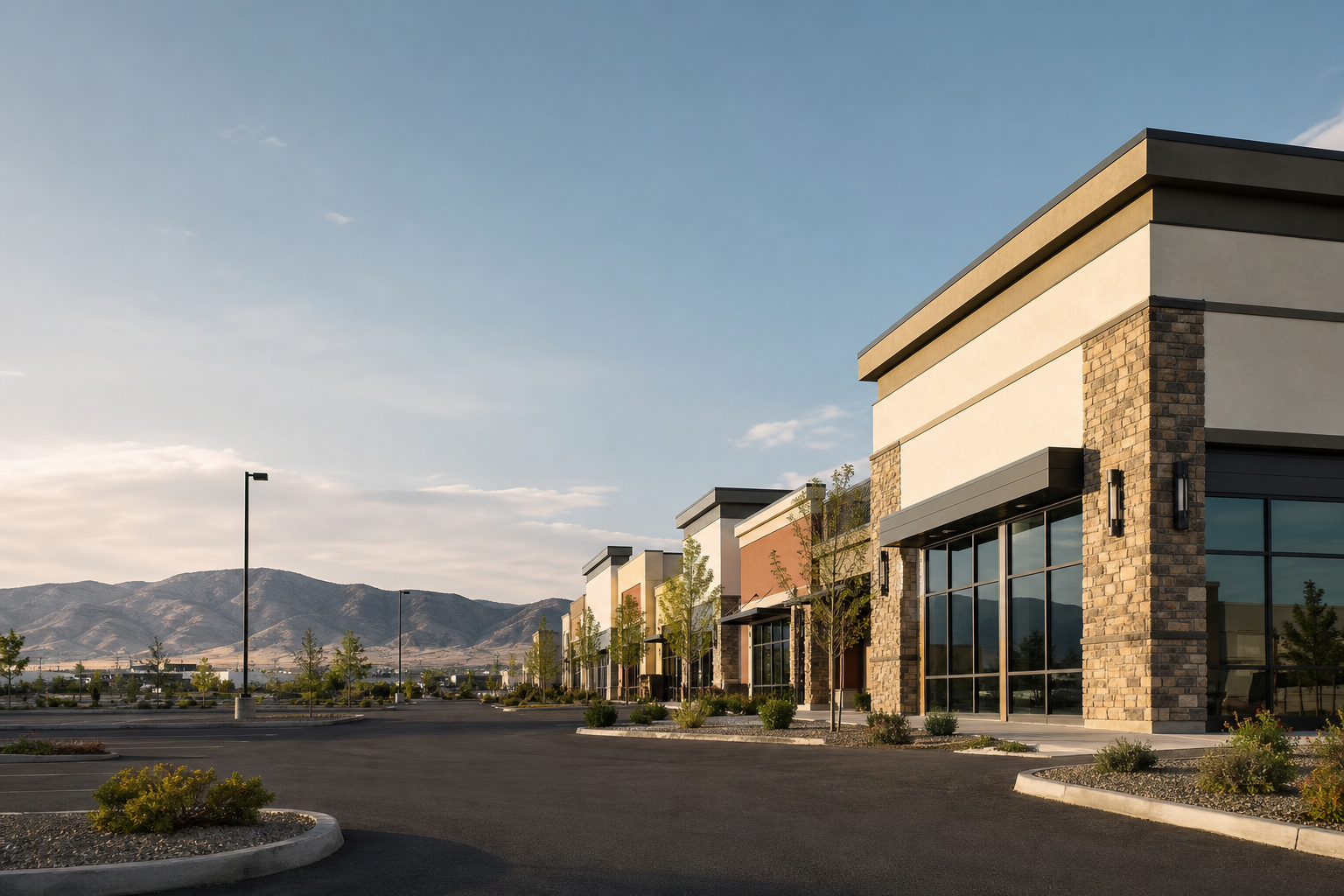
A 95.8 percent leased Sparks center traded at 244 dollars a foot with no gateway market required.

Boston's Winthrop Center used an energy-assessment program to extend term and cut cost of capital.
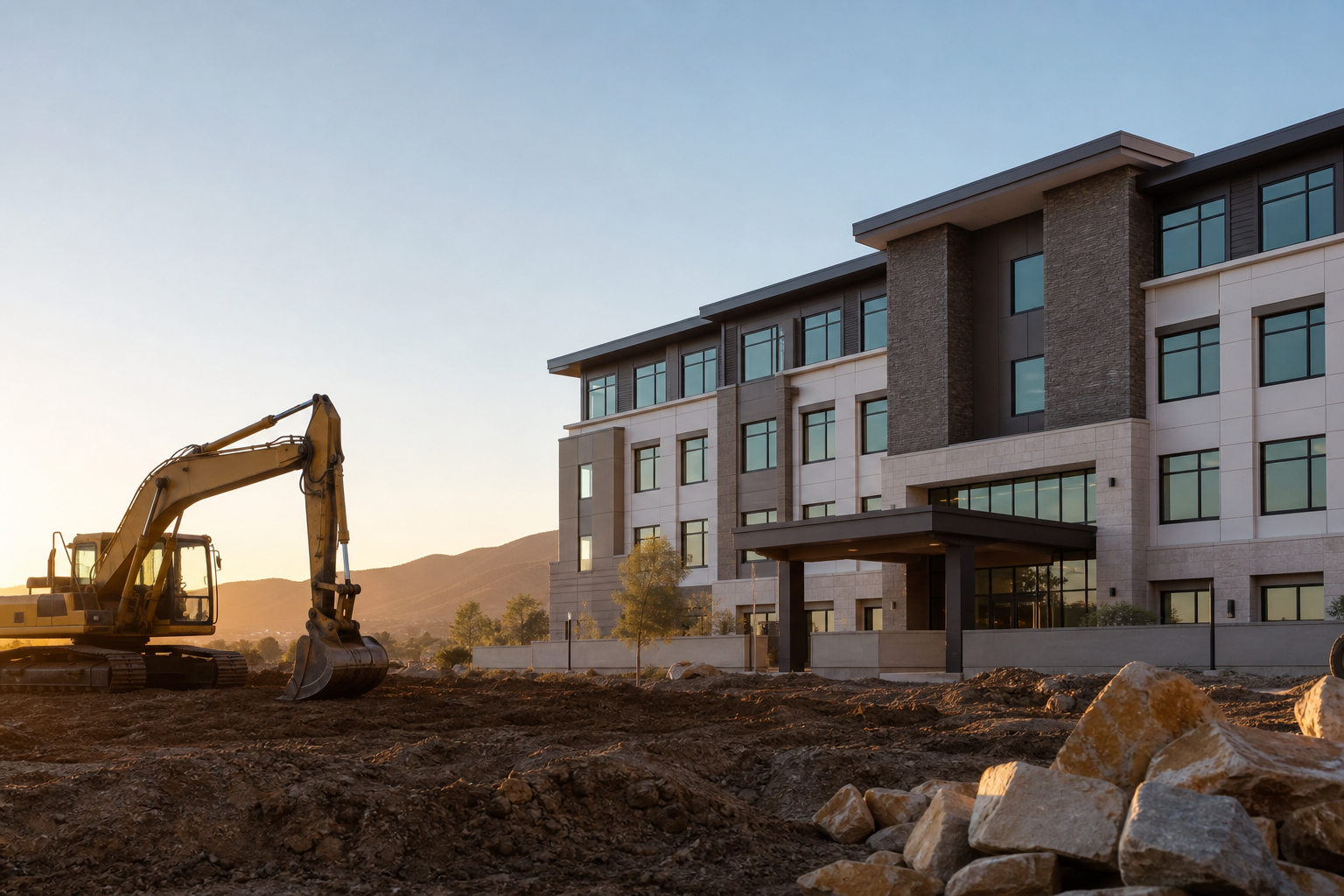
PMB and Loma Linda broke ground on 80 post-acute beds with Harrison Street behind the capital.
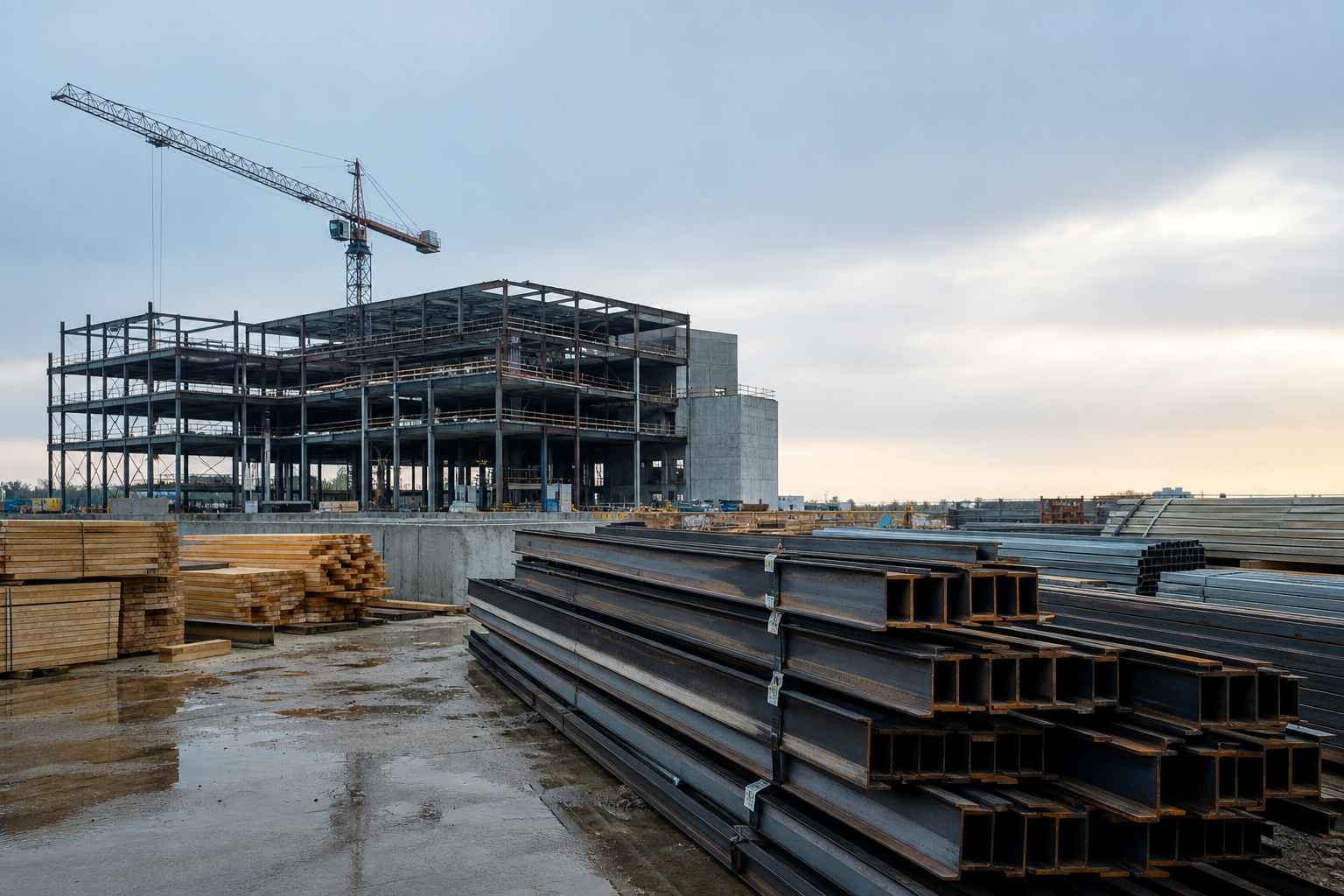
Metal and lumber tariffs are still pushing nonresidential input prices up in 2026.
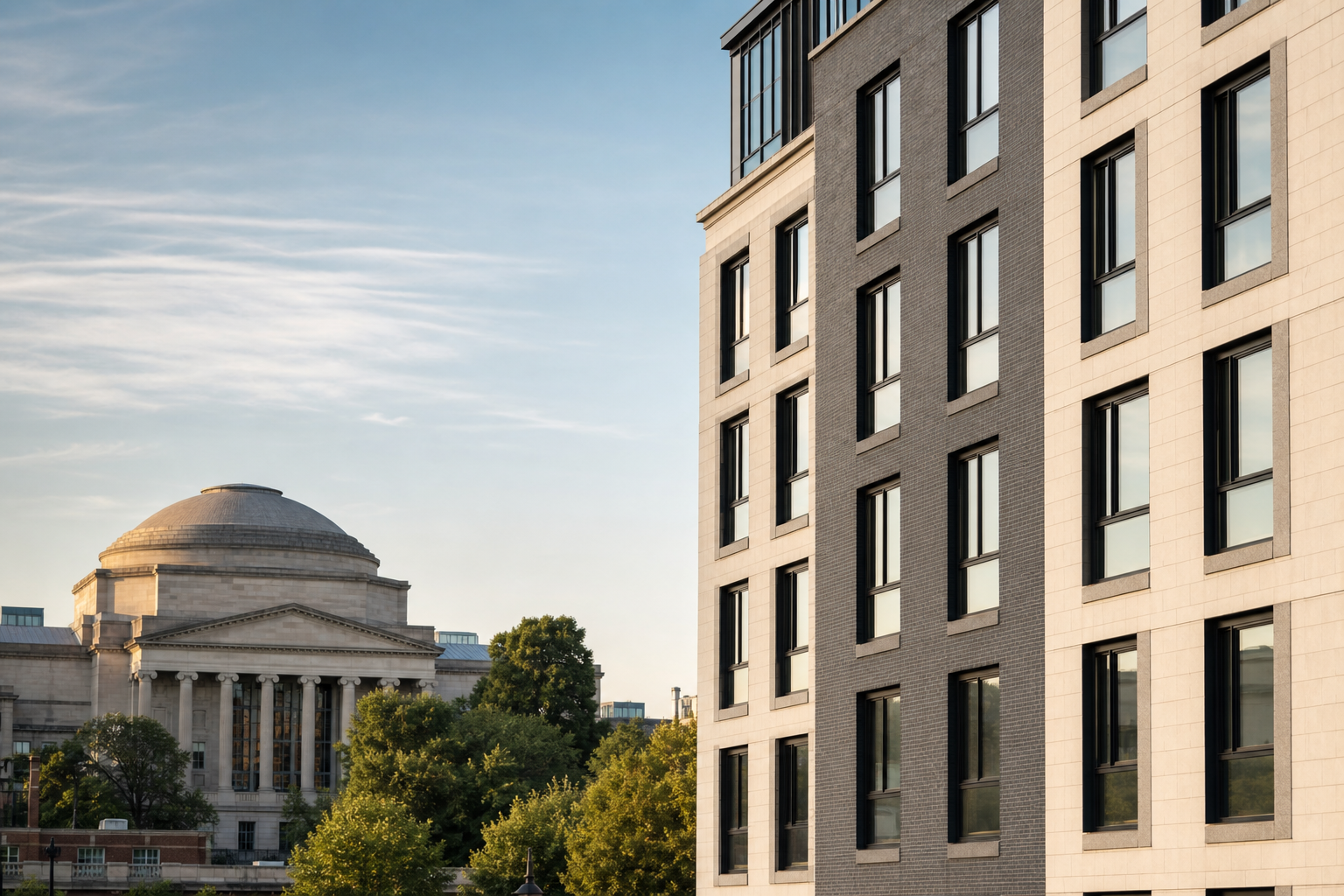
A 212-bed acquisition steps from campus underlines the pedestrian-to-class premium.
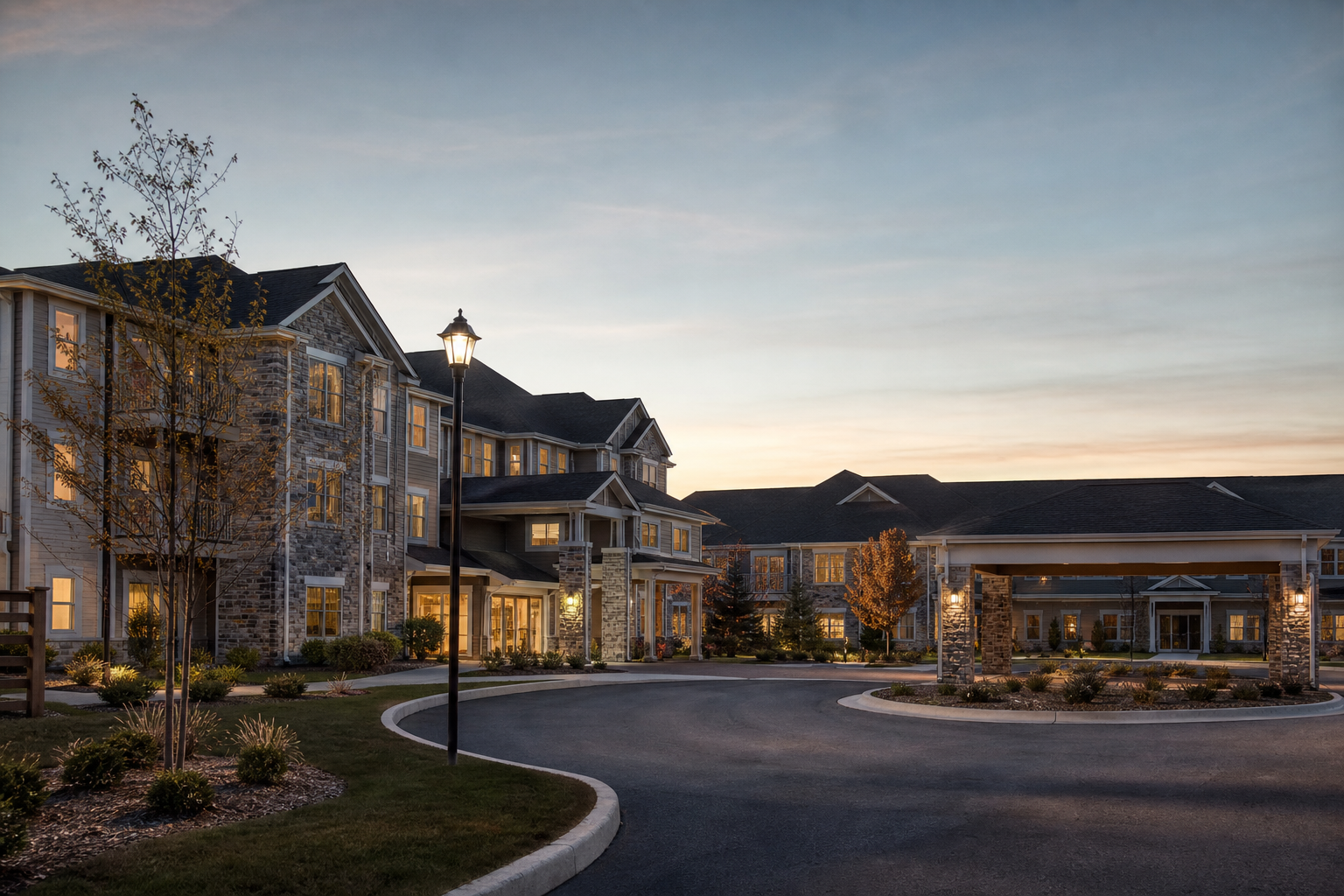
American Healthcare REIT buys eight Kensington communities and funds it with equity, a demographics conviction trade.
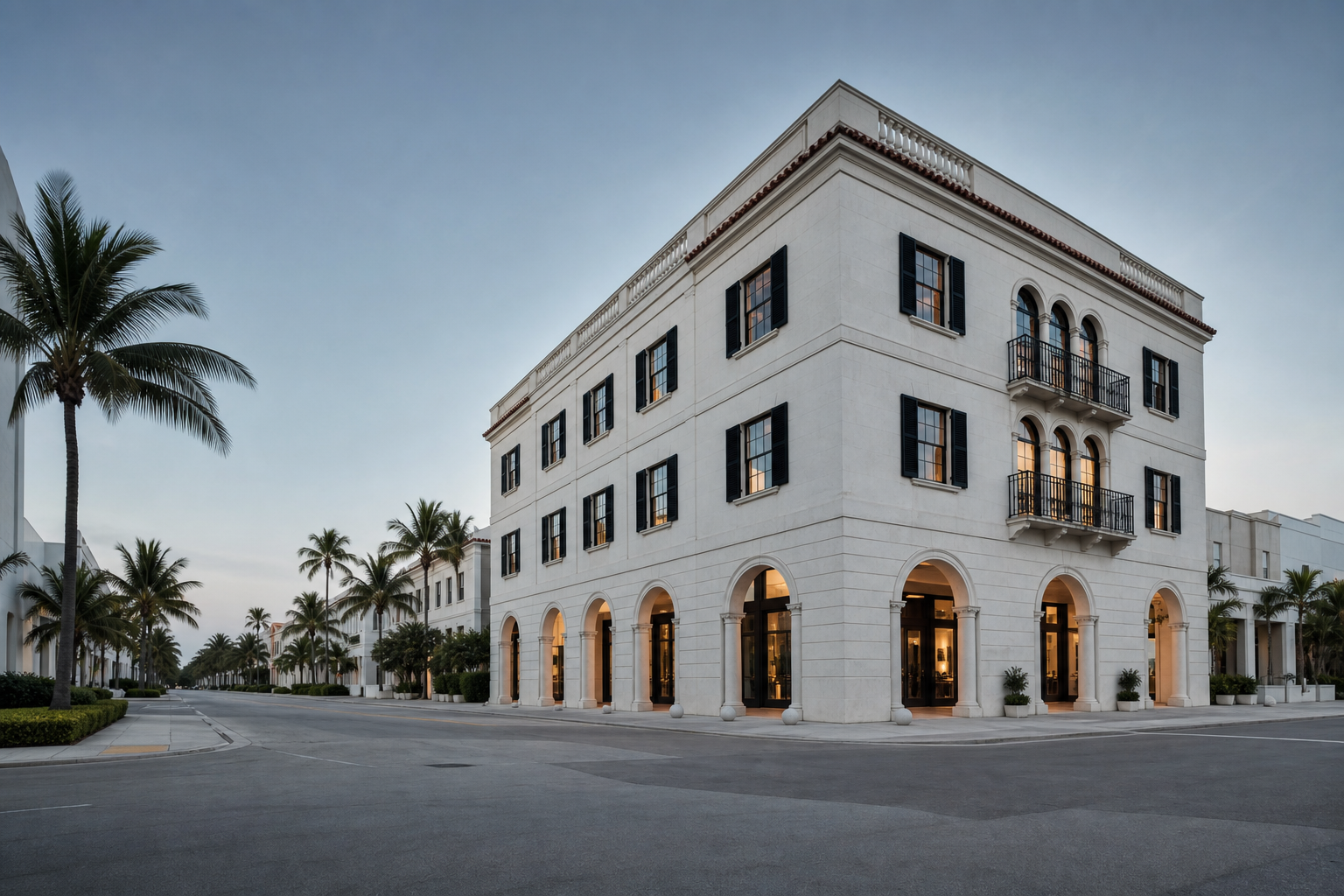
A 1,720-dollar-per-foot office-and-retail trade cuts against the office-is-dead tape.
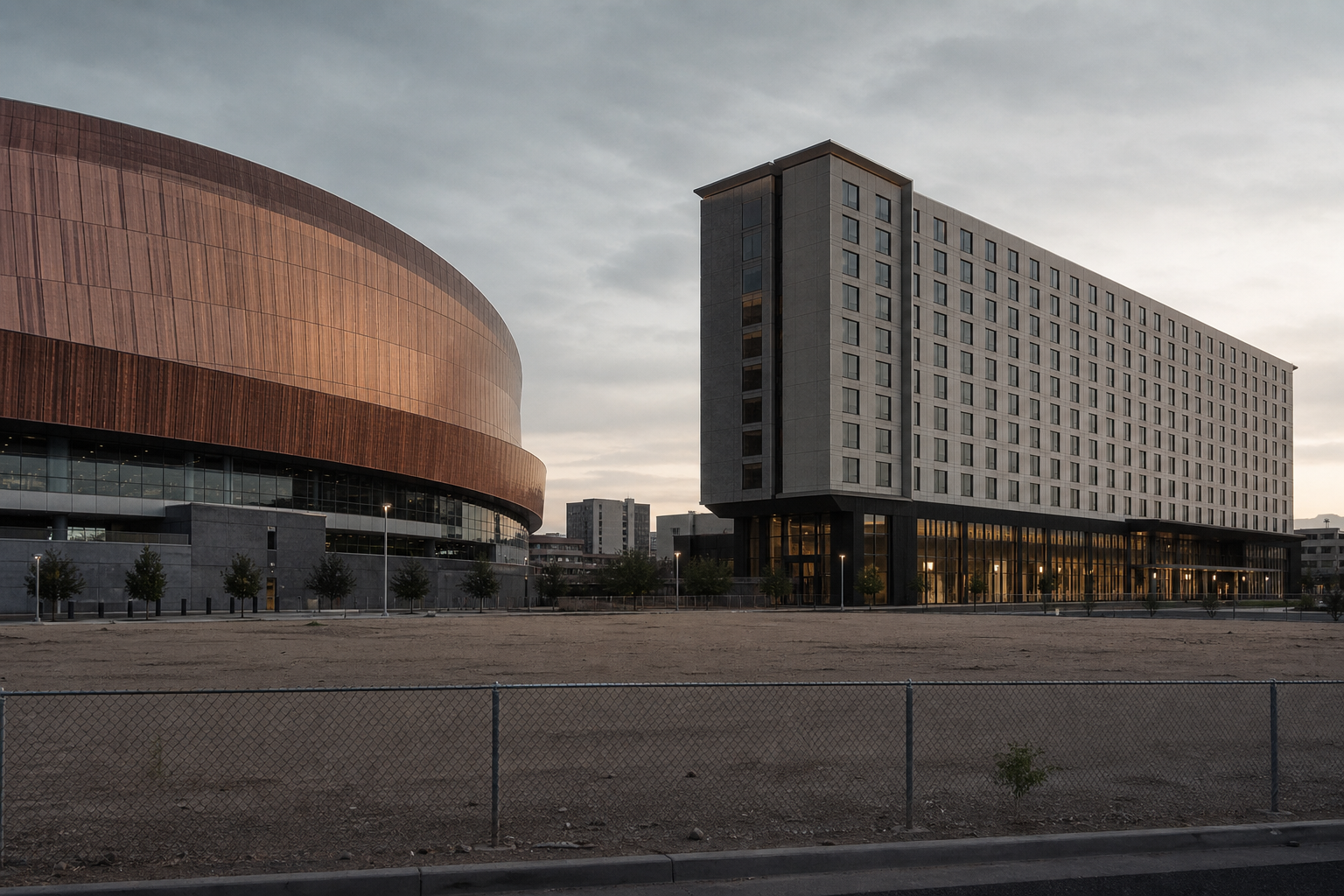
Hotel development does not pencil in 2026 unless someone else funds the demand generator.

A 162 million dollar conversion and a 635-unit lease-up show the Loop repositioning math finally works.

Cement, paint, plywood and fiber cable get more expensive on August 19.
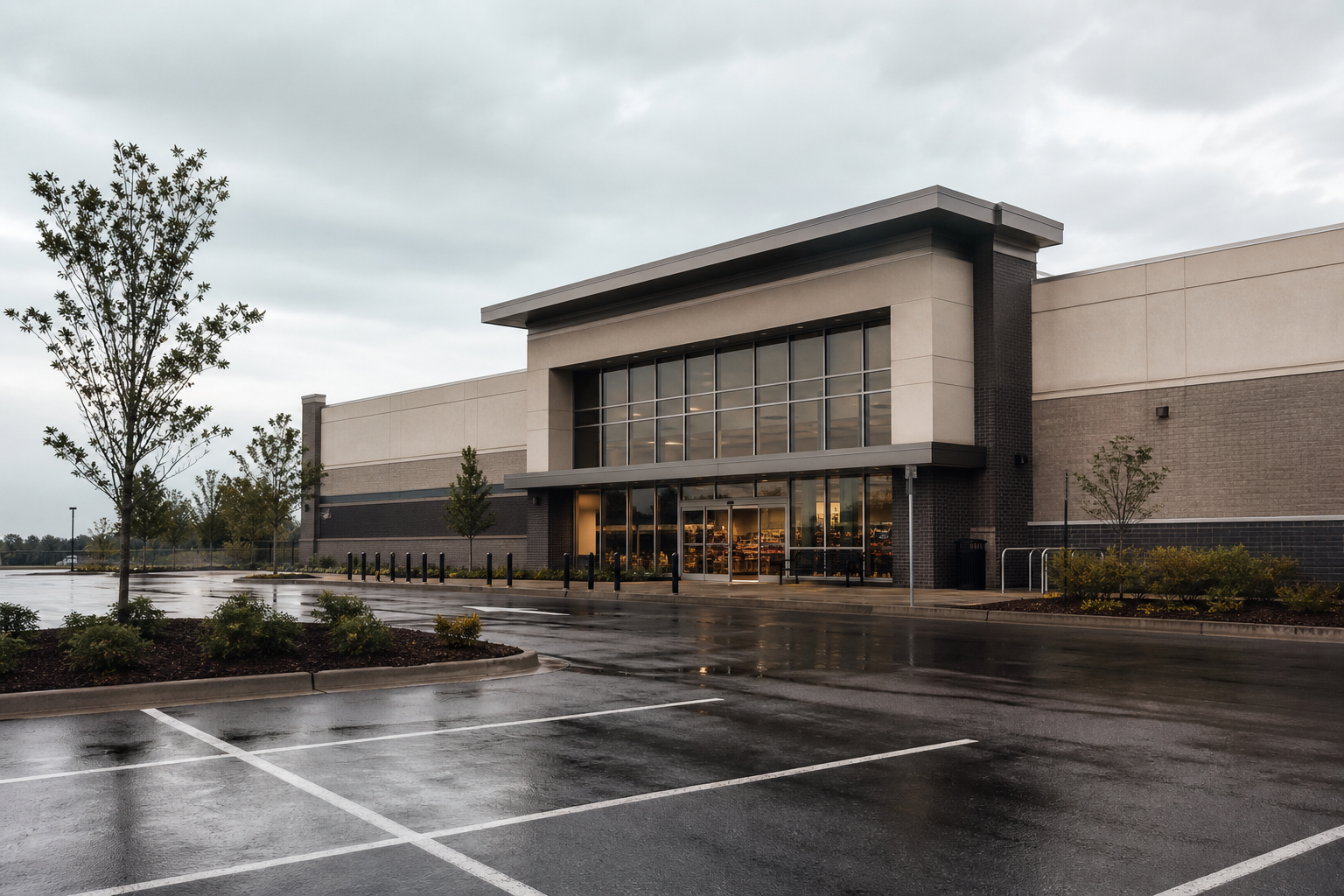
A public REIT keeps buying necessity retail off-market, where the durable income lives.
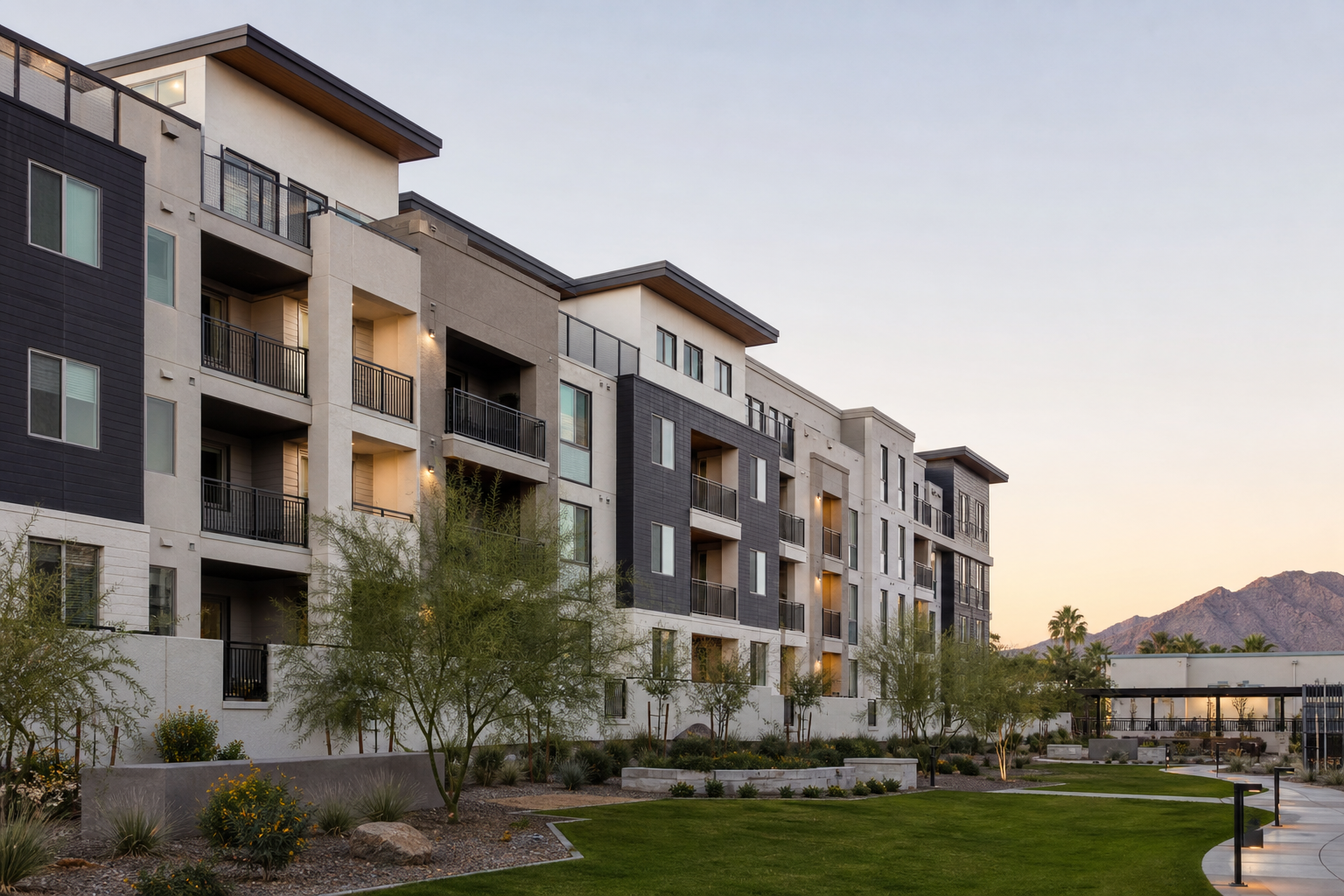
A clean 211,000 dollar-per-unit trade shows institutional buyers are back in metro Phoenix.
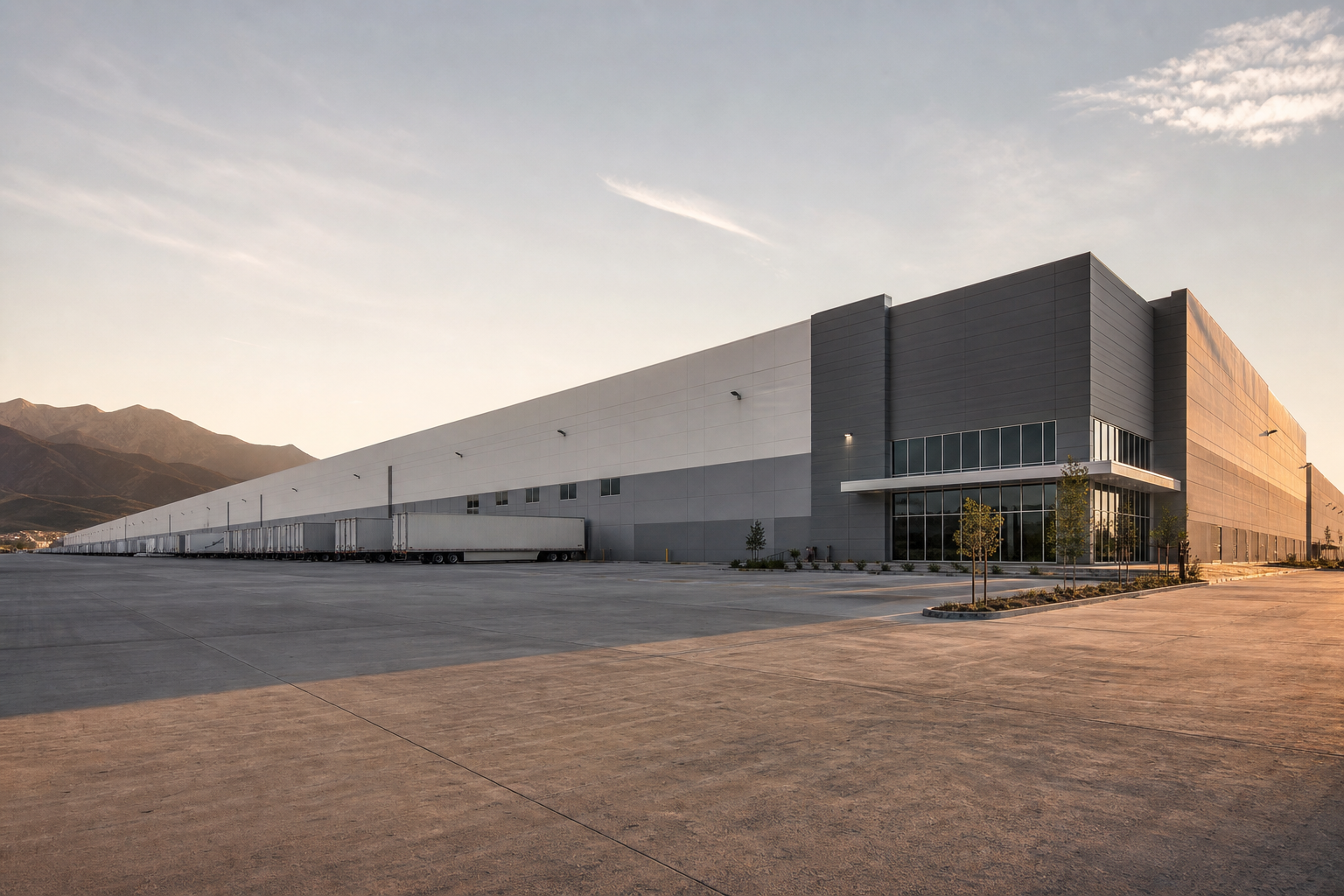
Big-box occupiers are committing to more space for longer, and the Inland Empire is leading.
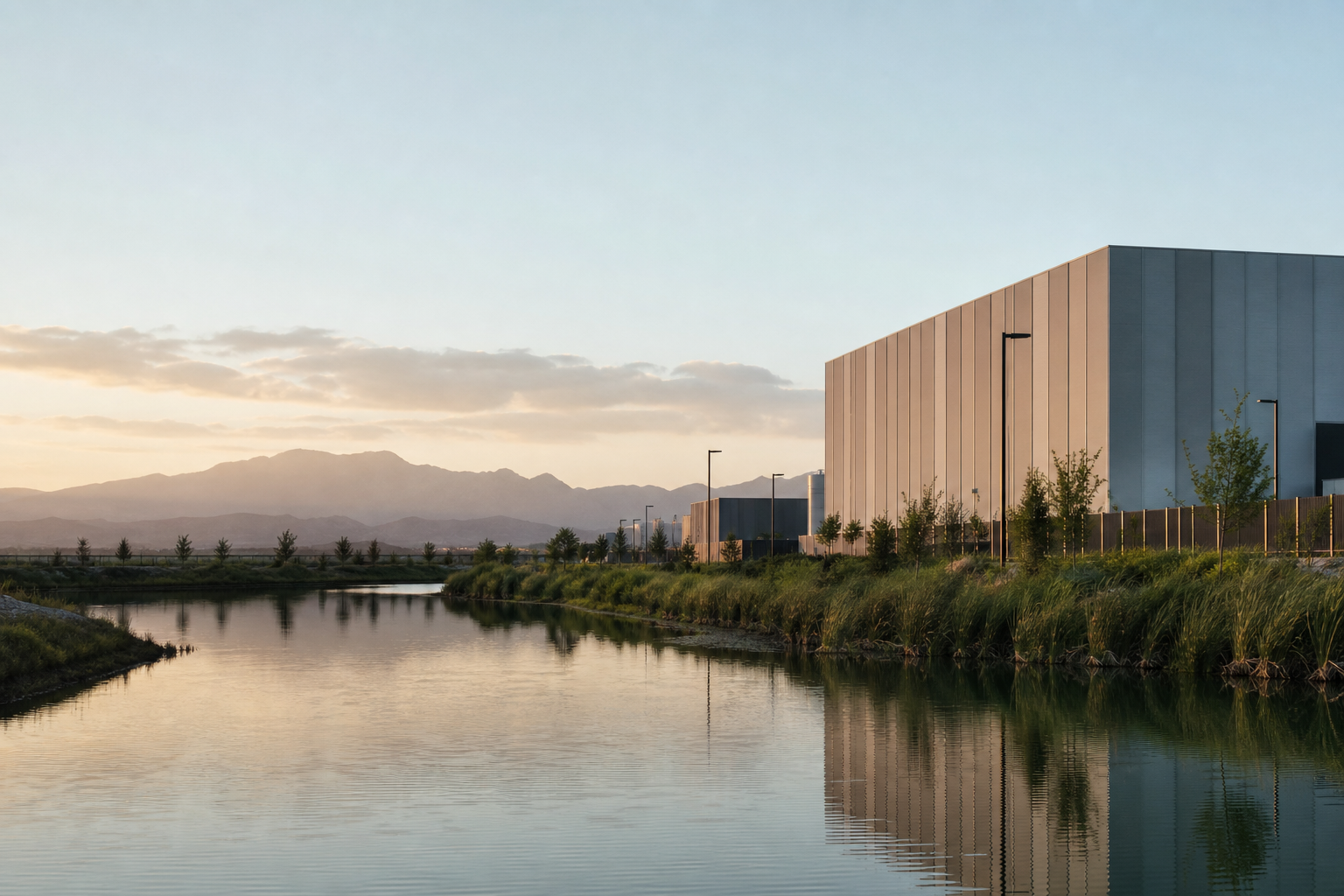
A billion-dollar community fund is the softest cost of the AI build-out, and now a visible one.
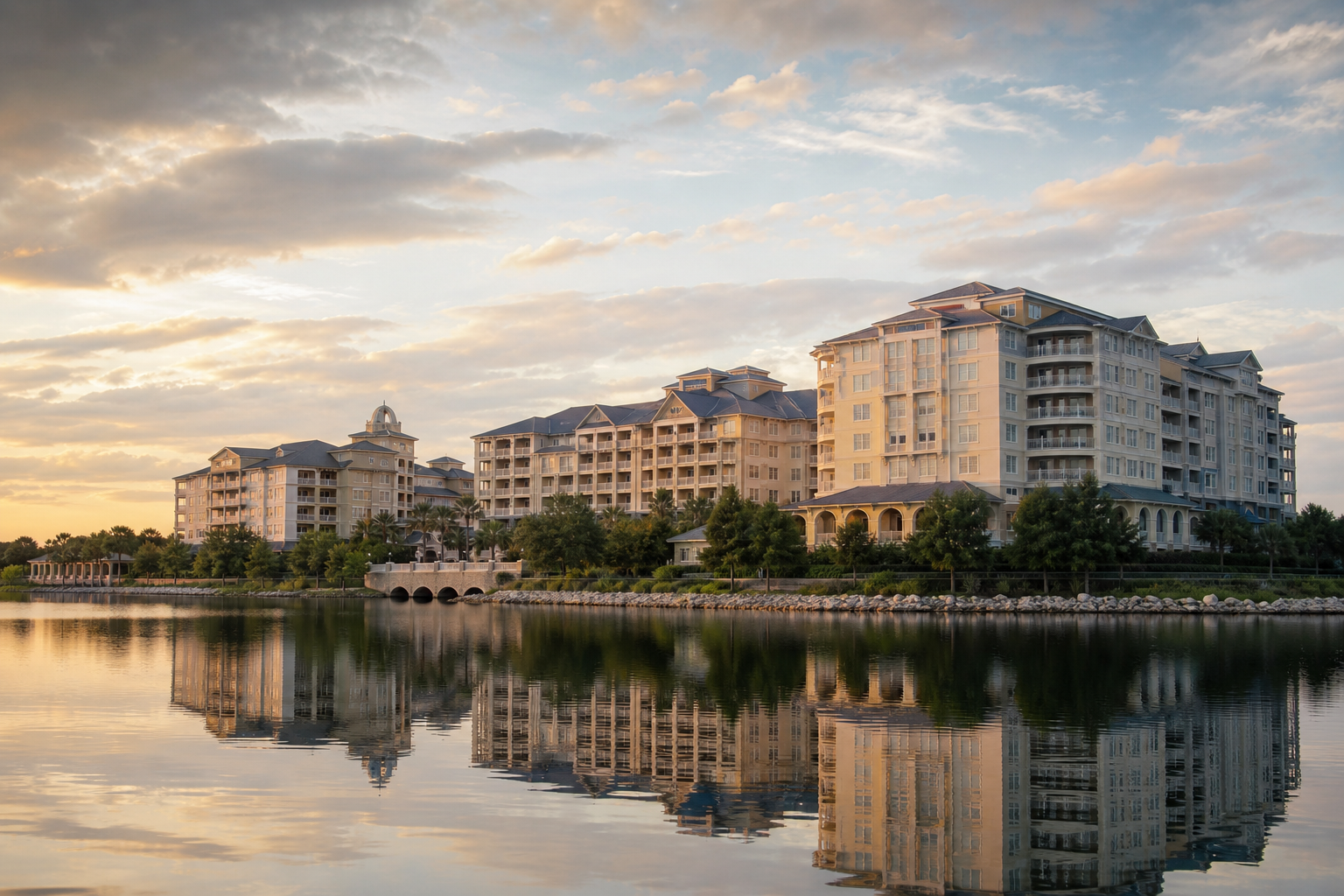
A full price on a stabilized asset, funded largely with equity, while the rest of CRE hunts discounts.

A second pharma giant plants a Sun Belt flag, turning Generation Park into a life-sciences cluster.

The transaction rebound is being carried by portfolios and M&A, not single-asset trades, and it is uneven.
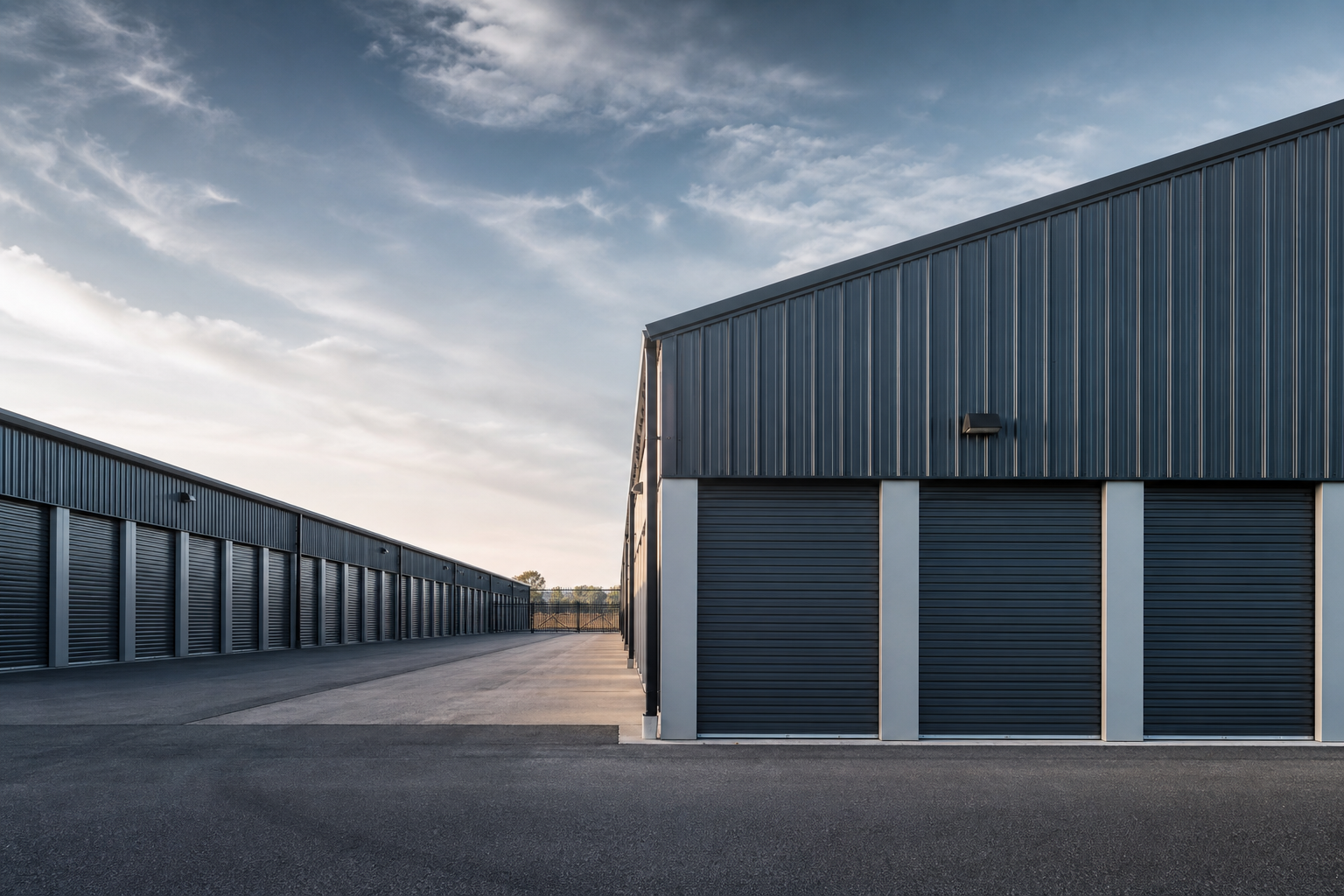
With occupancy back above 94 percent, the majors are growing through partnerships and loans, not buyouts.
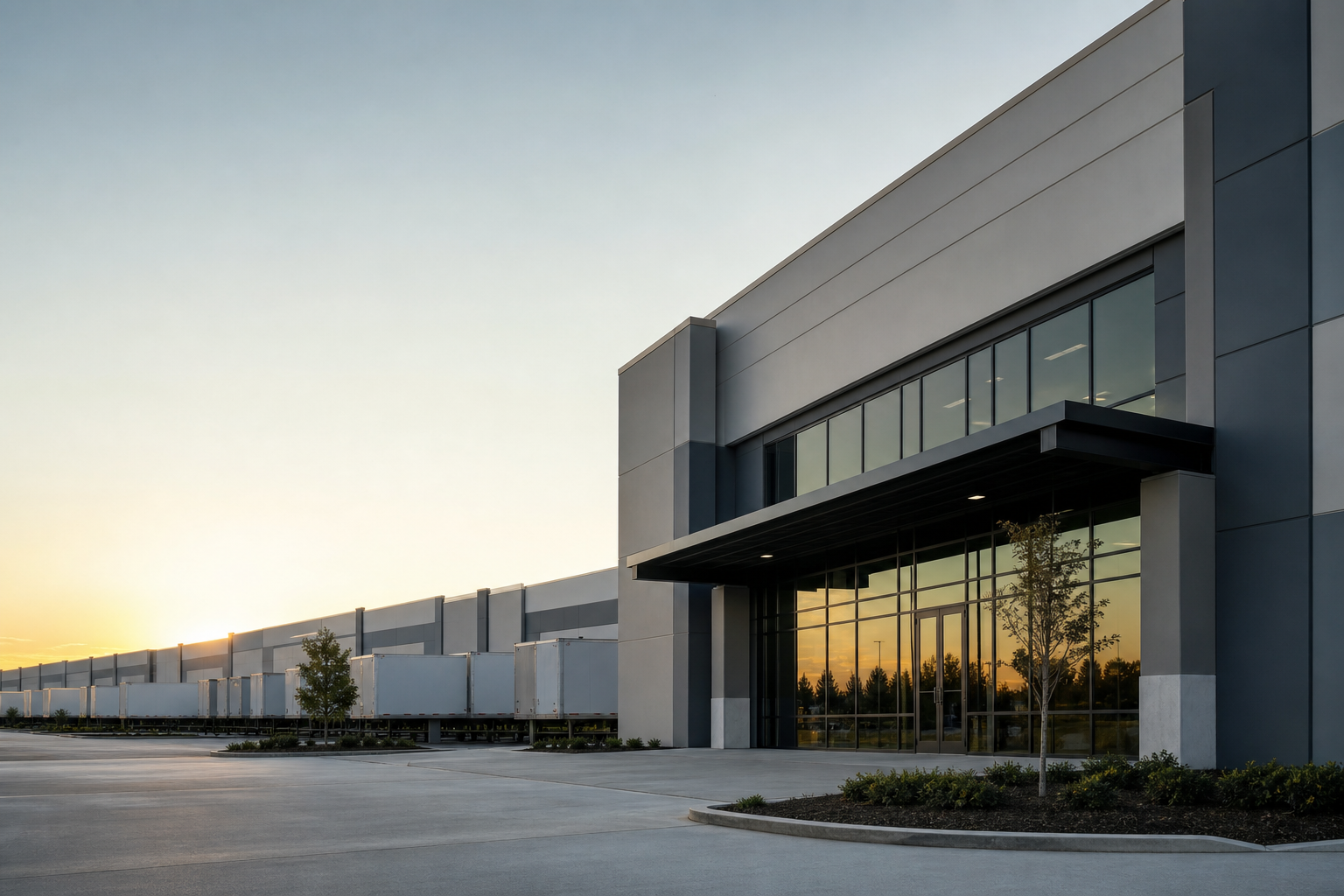
NNN lifts its acquisition target as private equity turns to sale-leasebacks for cheap leverage.

The rate is climbing because loans cannot refinance at maturity, not because buildings are empty.
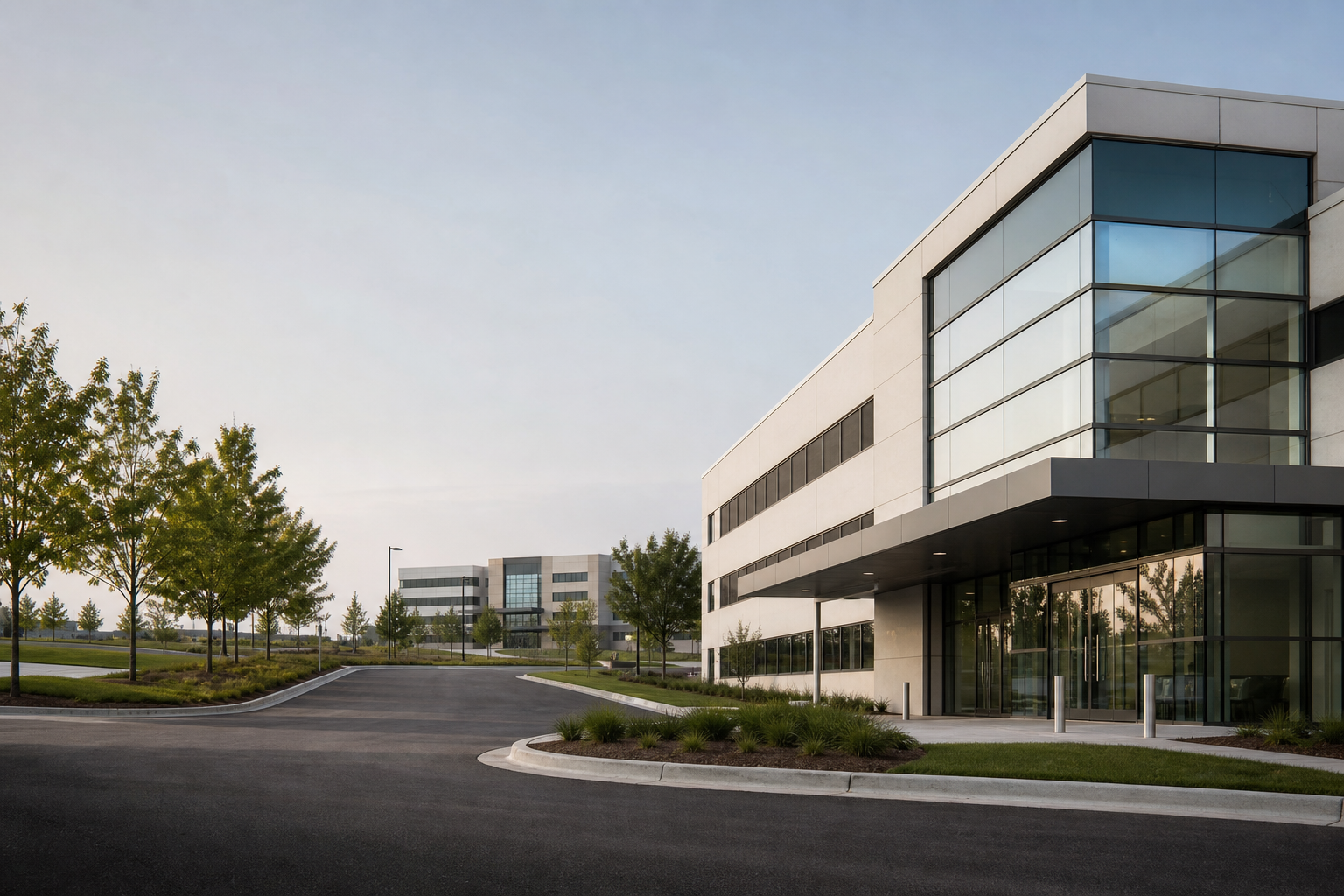
MOB is the health-care sleeve institutions are buying, and they are buying it in bulk.
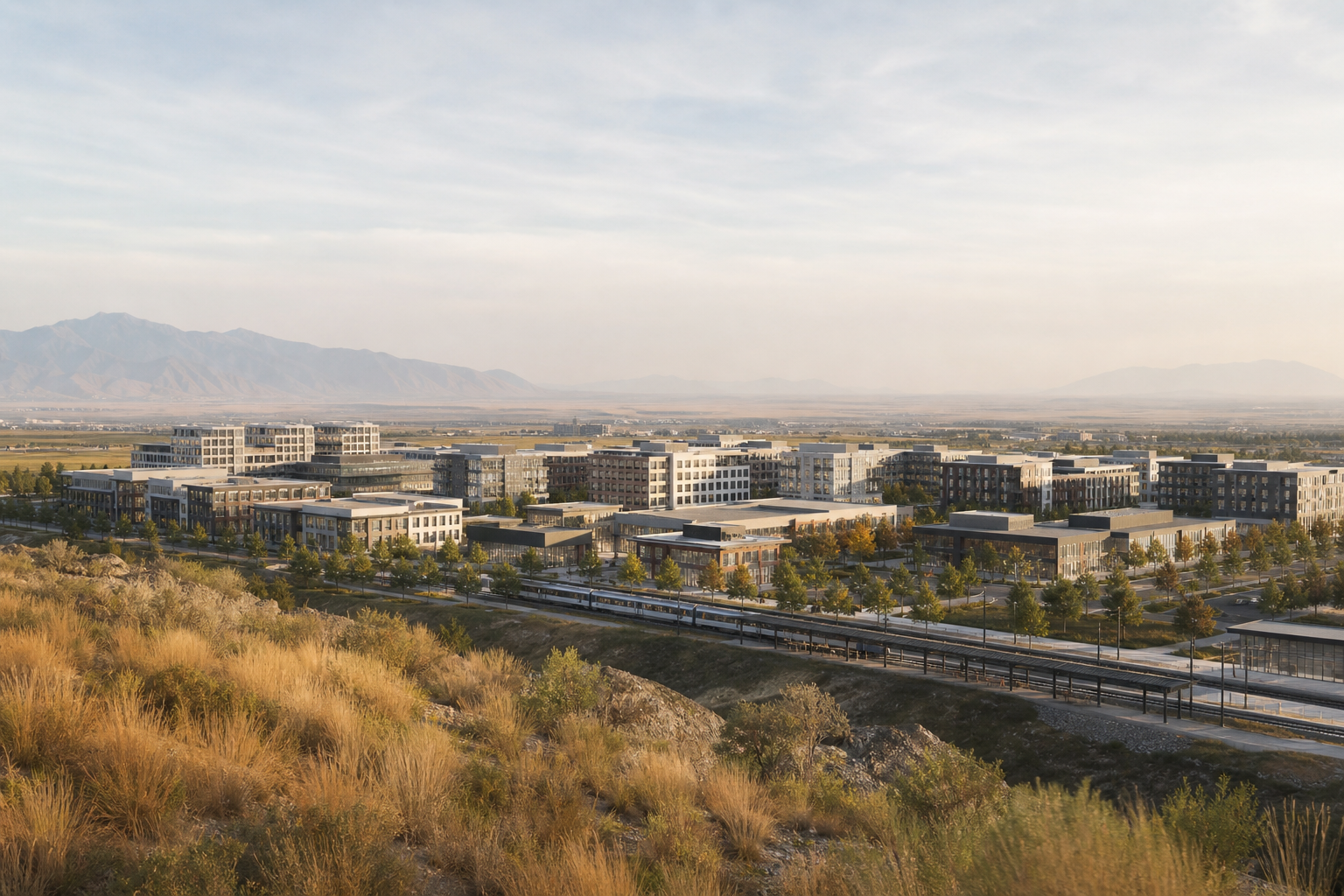
State-led land turns into a walkable, transit-anchored downtown south of Salt Lake City.

A single Kentucky trade sits inside a billion-dollar rotation toward supply-constrained university markets.
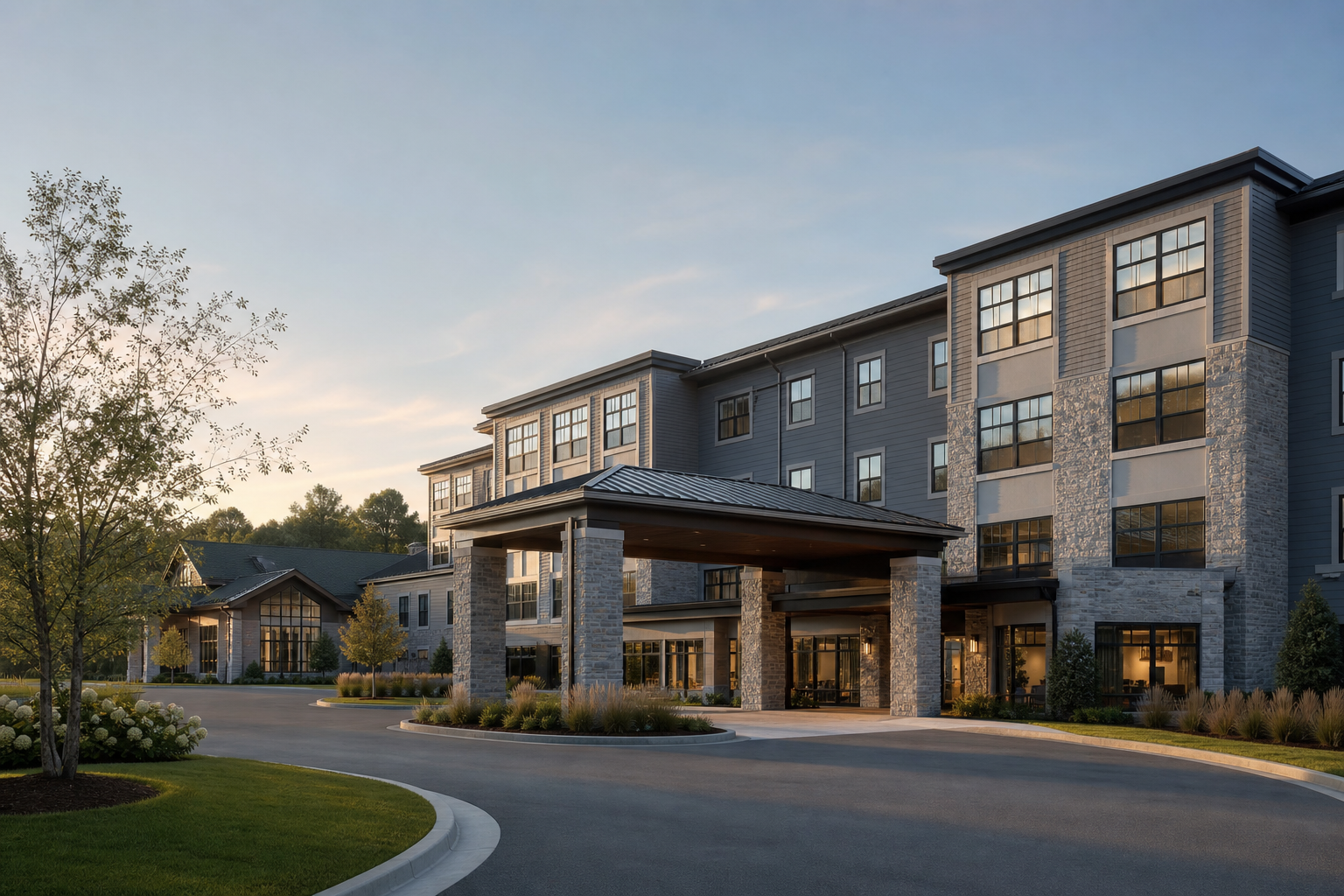
The beds are filling faster than anyone can build them, and institutional capital is selling into the strength.

The office bid is back where the buy is mark-to-market rent, not a fire sale.
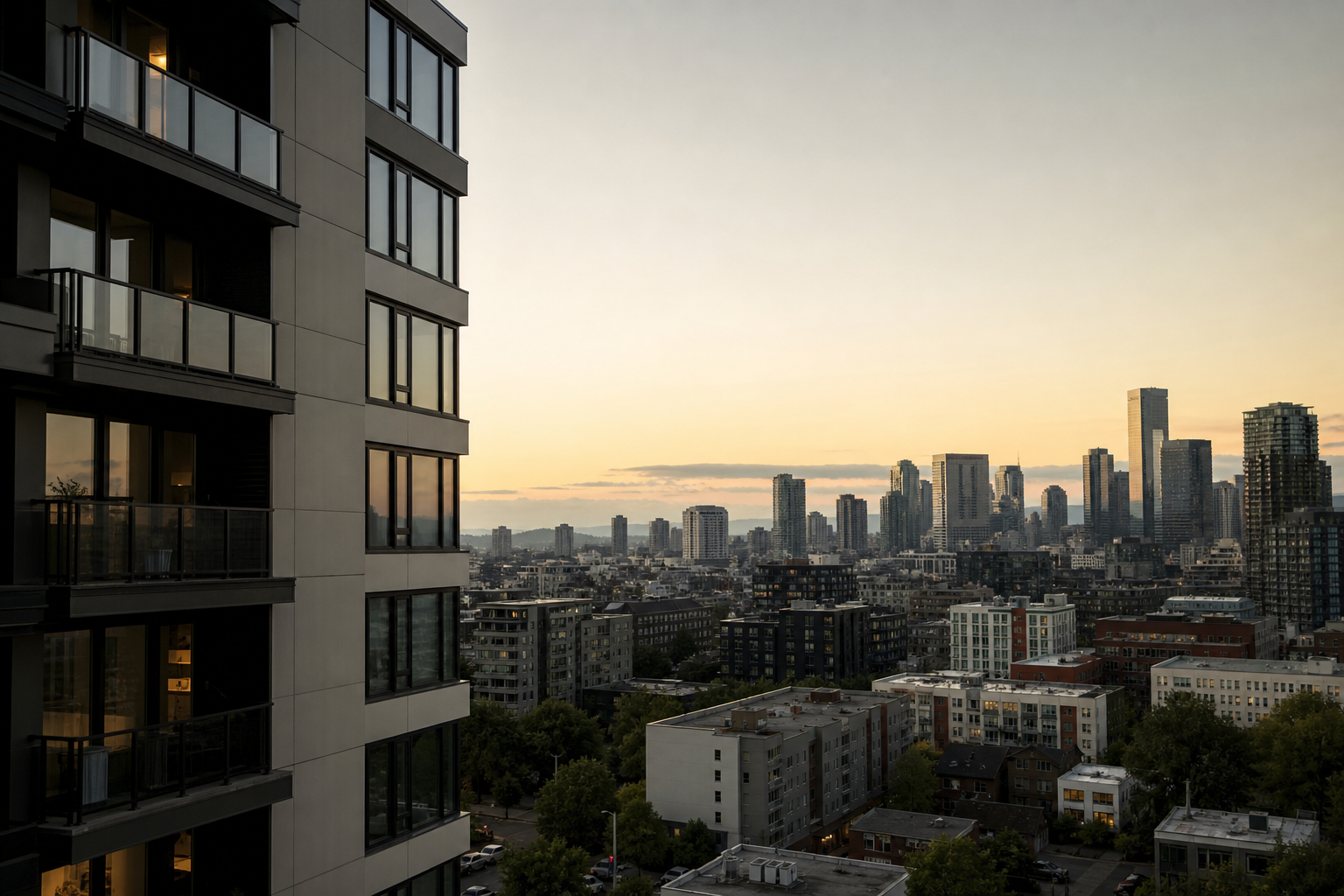
Demand is absorbing the last of the supply wave right as the pipeline empties toward a 2027 and 2028 cliff.
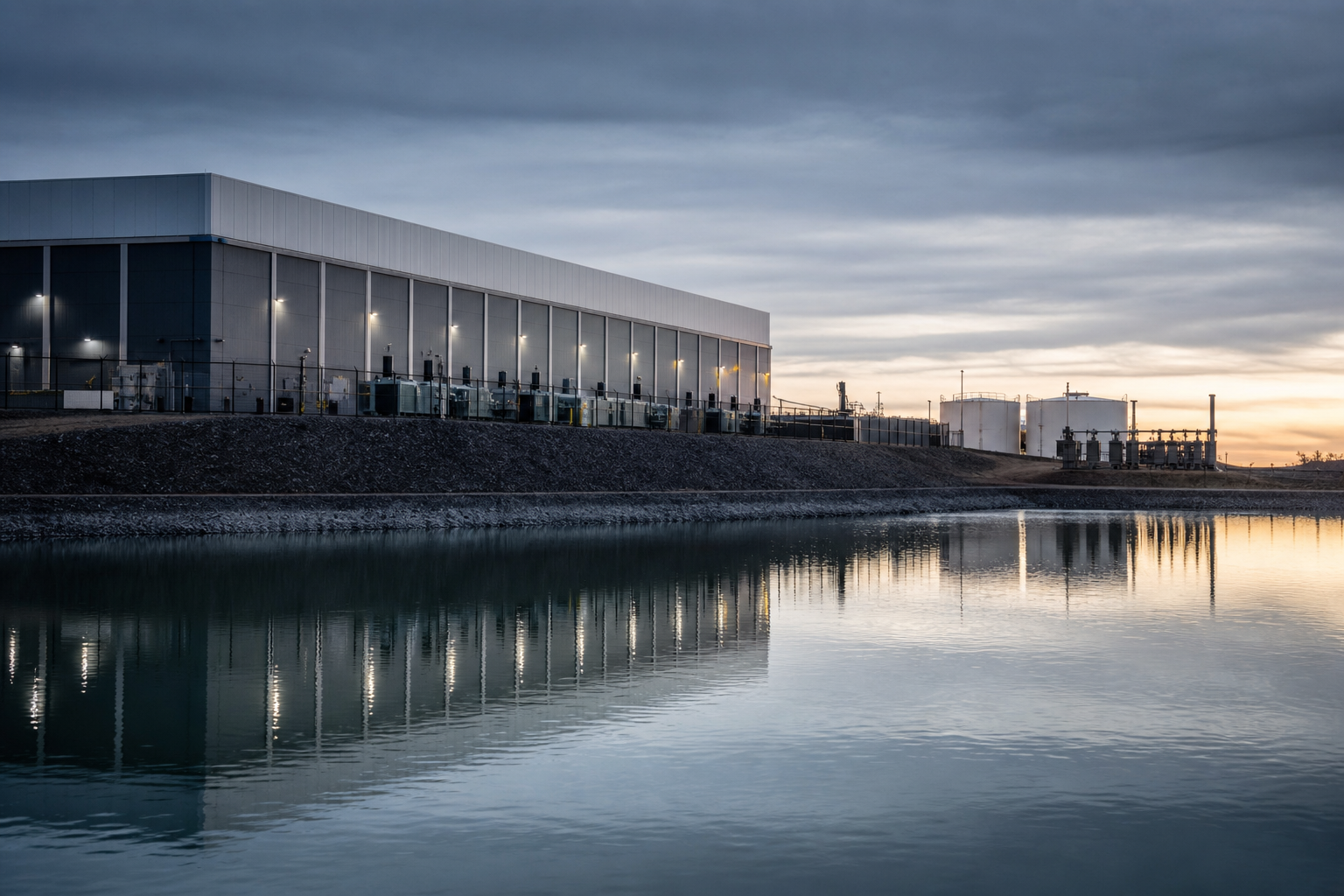
Behind-the-meter power and long-dated contracted backlog are the new data-center development model.
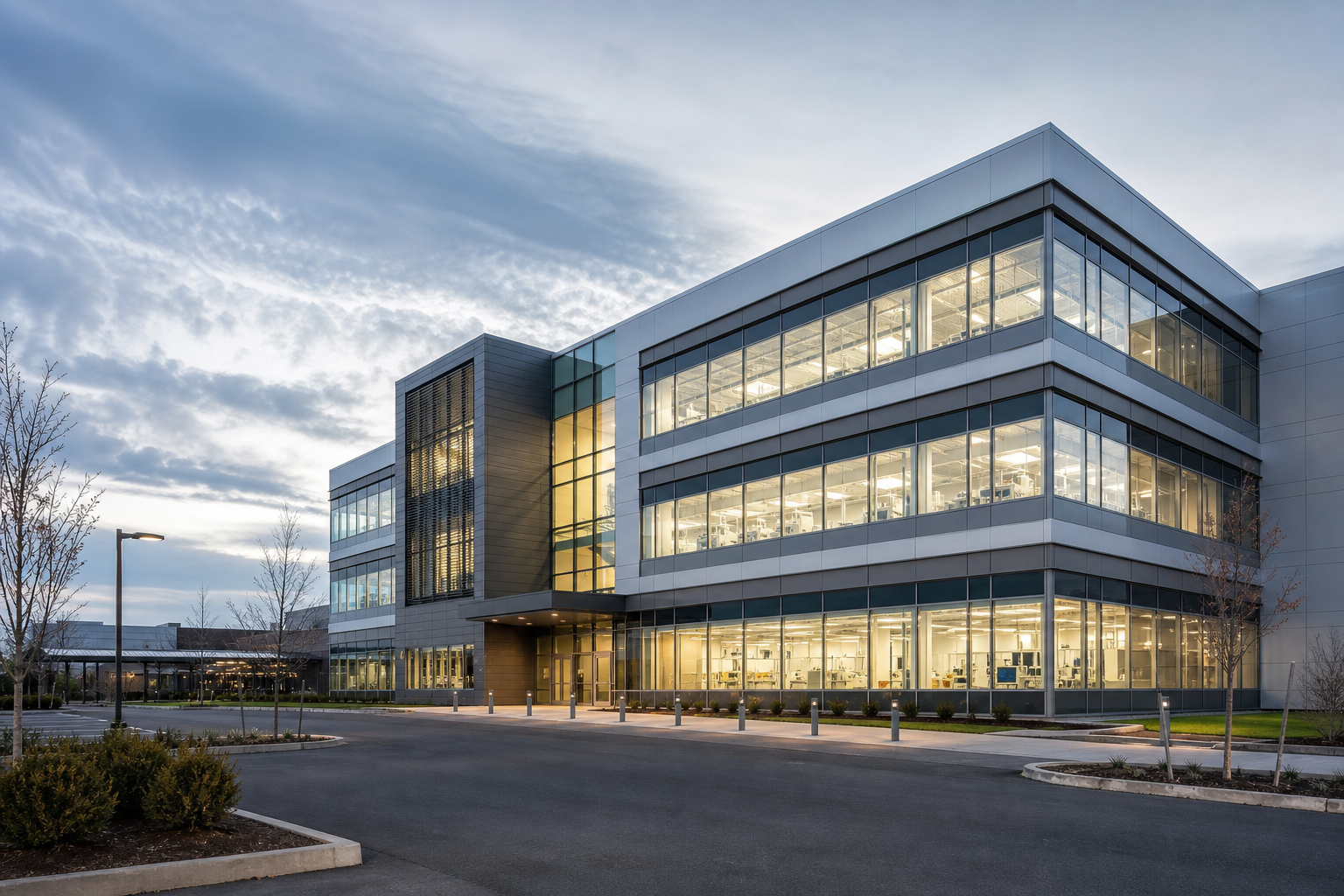
A developer takes a freshly built spec lab off its balance sheet as U.S. lab leasing slows.

Deal volume is climbing year over year while price per key resets, so capital is back and it is cheaper.
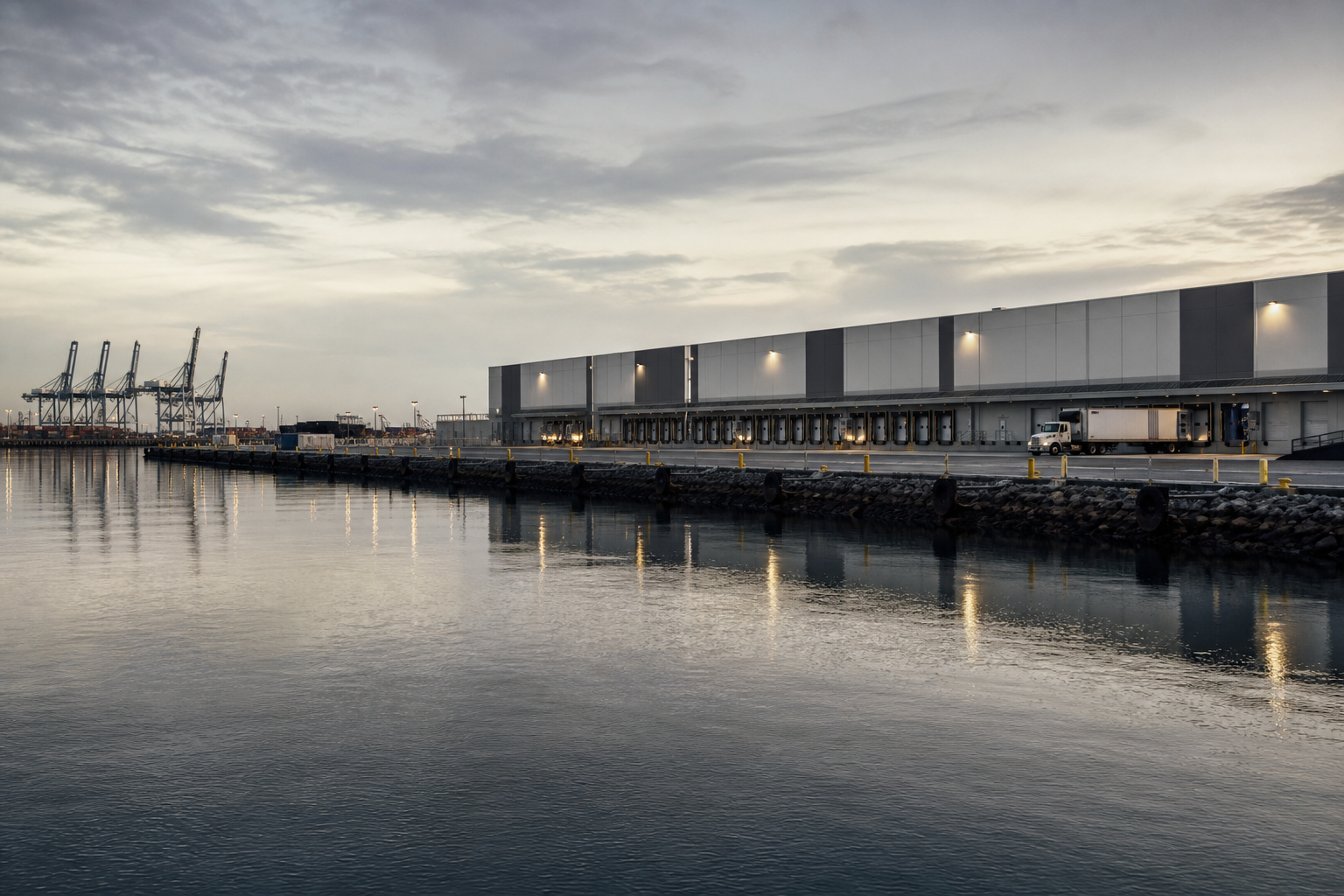
Institutional capital is bidding essential-goods logistics near the port, not speculative e-commerce big-box.
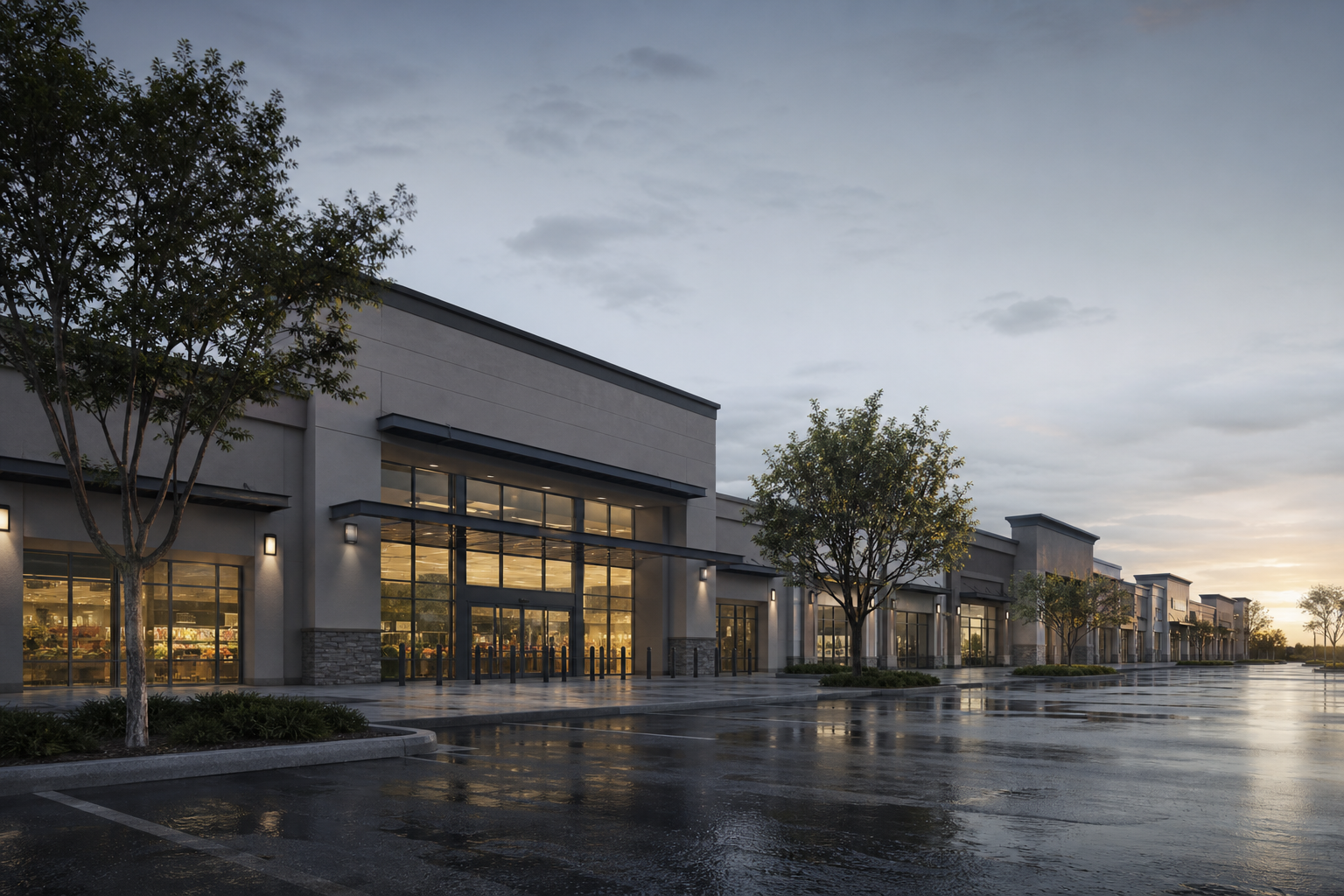
A 625-million-dollar West Coast portfolio and a 2-billion-dollar platform buy signal consolidation on both sides of the lease.
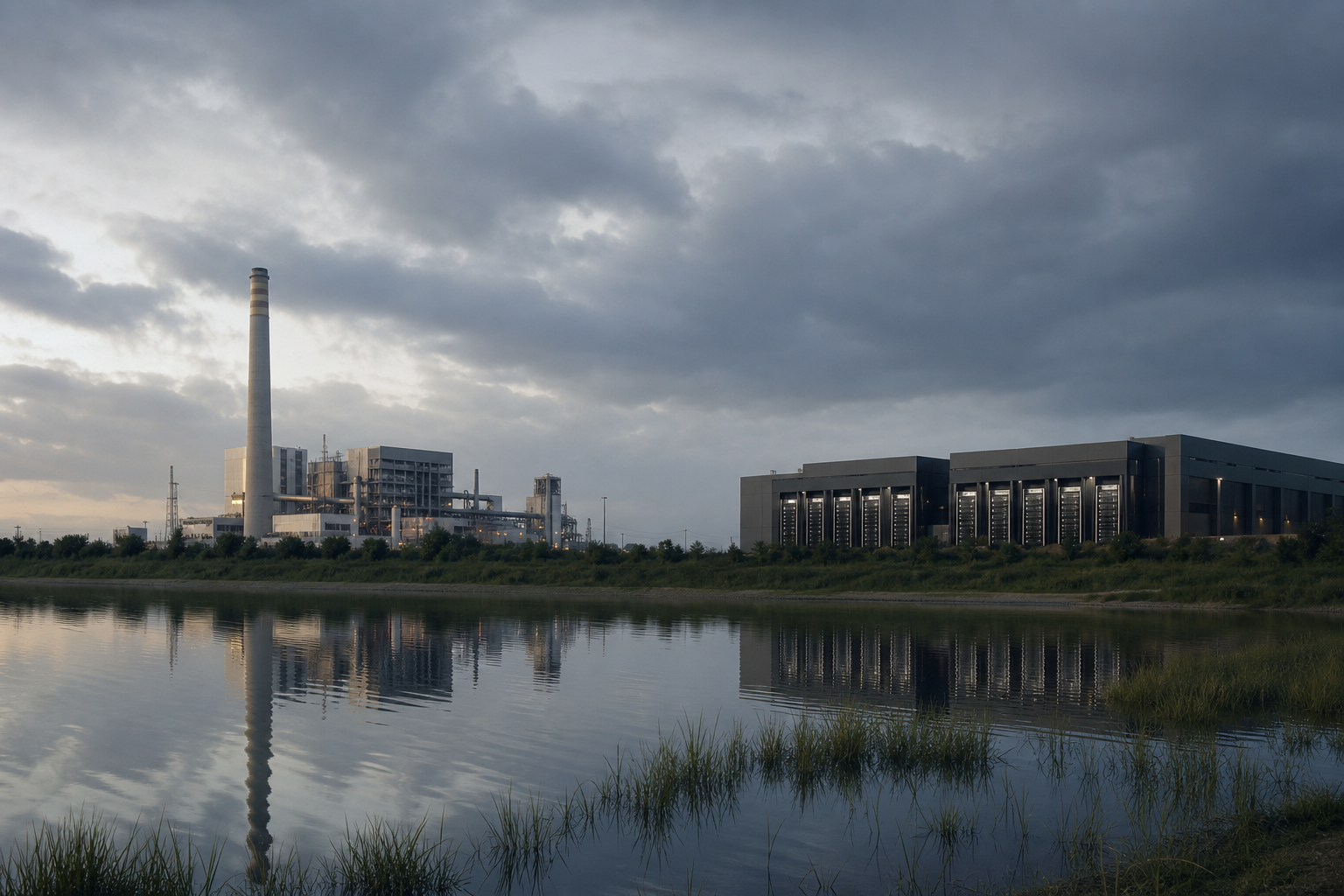
NRG 3.2-billion-dollar, 1.2-gigawatt hyperscaler deal lands as the state hits the brakes on new interconnections.
Values are down a quarter from peak while new construction dries up, the classic entry setup.

A temporary tariff shield expired July 24, and H2 2026 construction budgets inherit a harder floor.
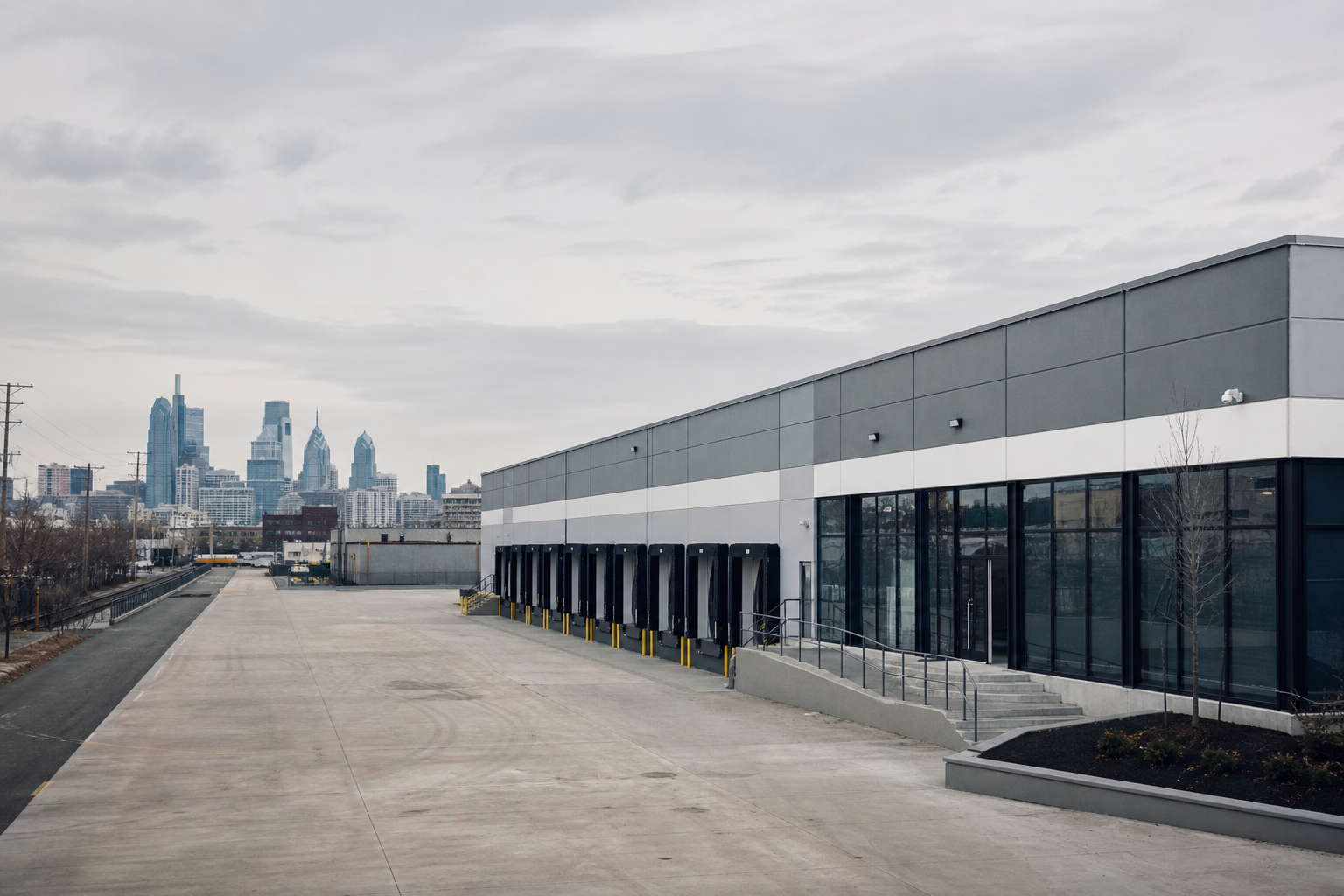
Speed Bay first Northeast deal is a bet on infill last-mile, not big-box logistics.
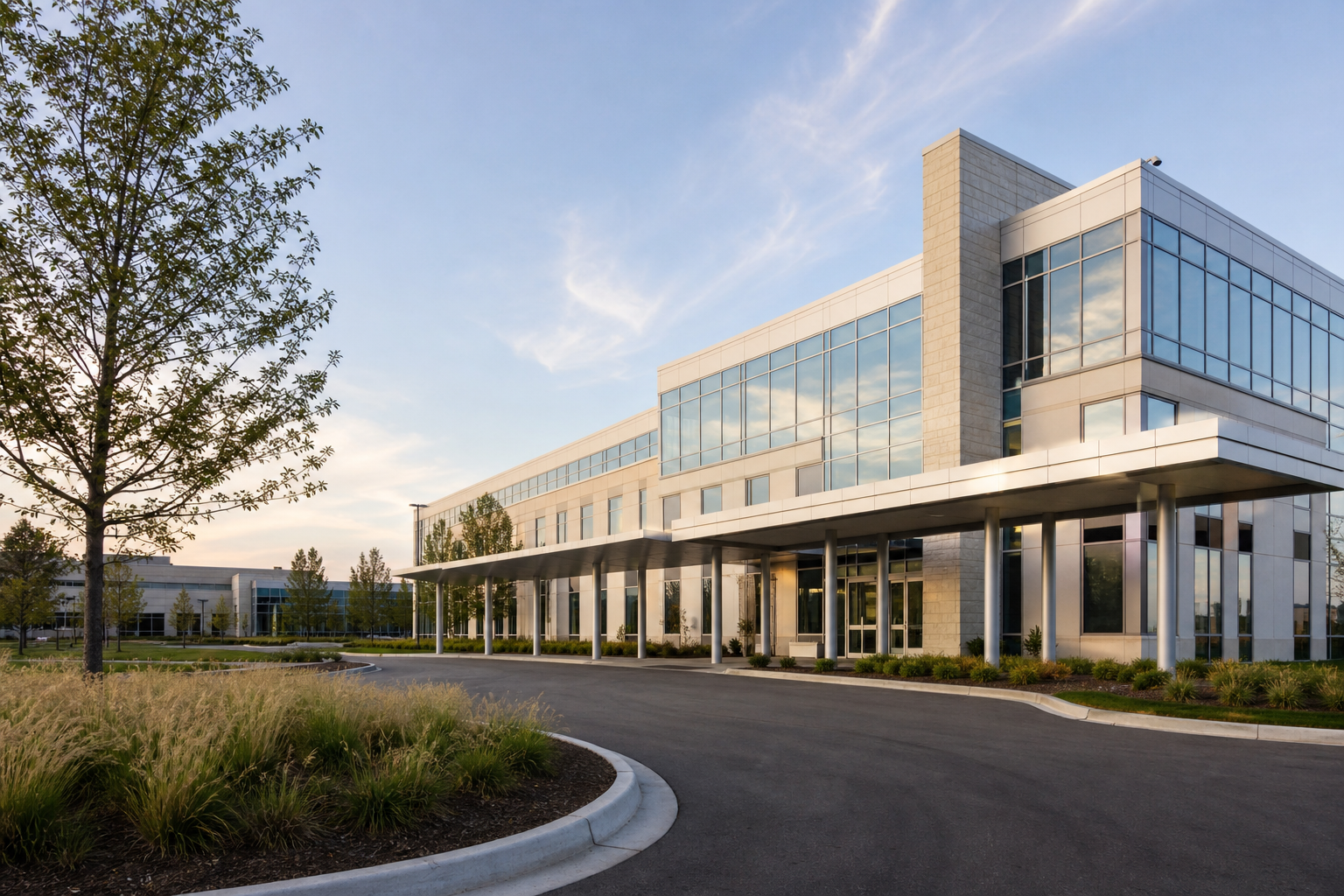
A new JV underwrites 1.3 billion dollars of medical-office and specialty builds through 2028.
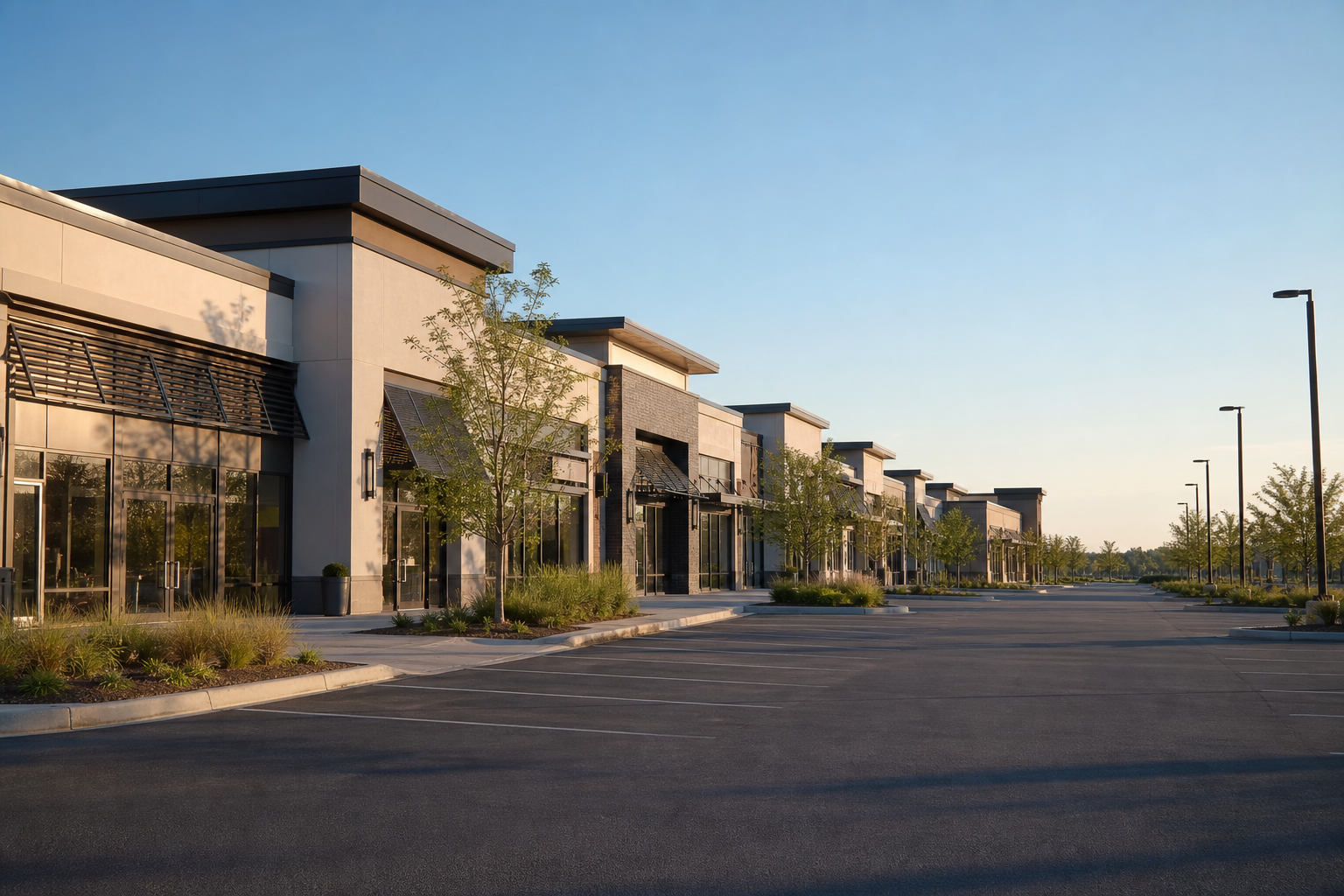
Kimco, Brixmor and Federal Realty all posted record small-shop occupancy in the same quarter.
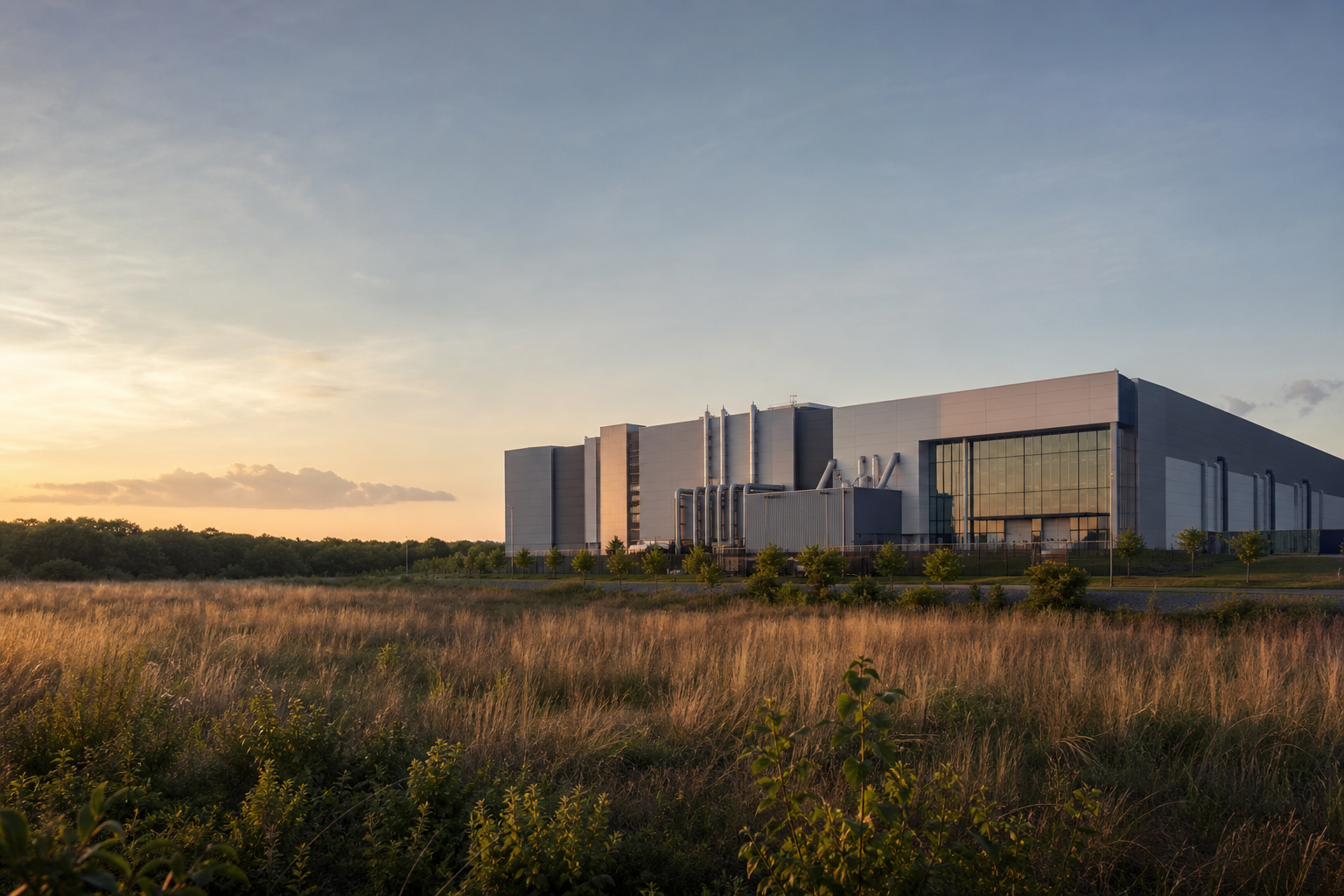
Blue Owl Stack pays 66 million dollars for a Culpeper site 60 miles from Data Center Alley.
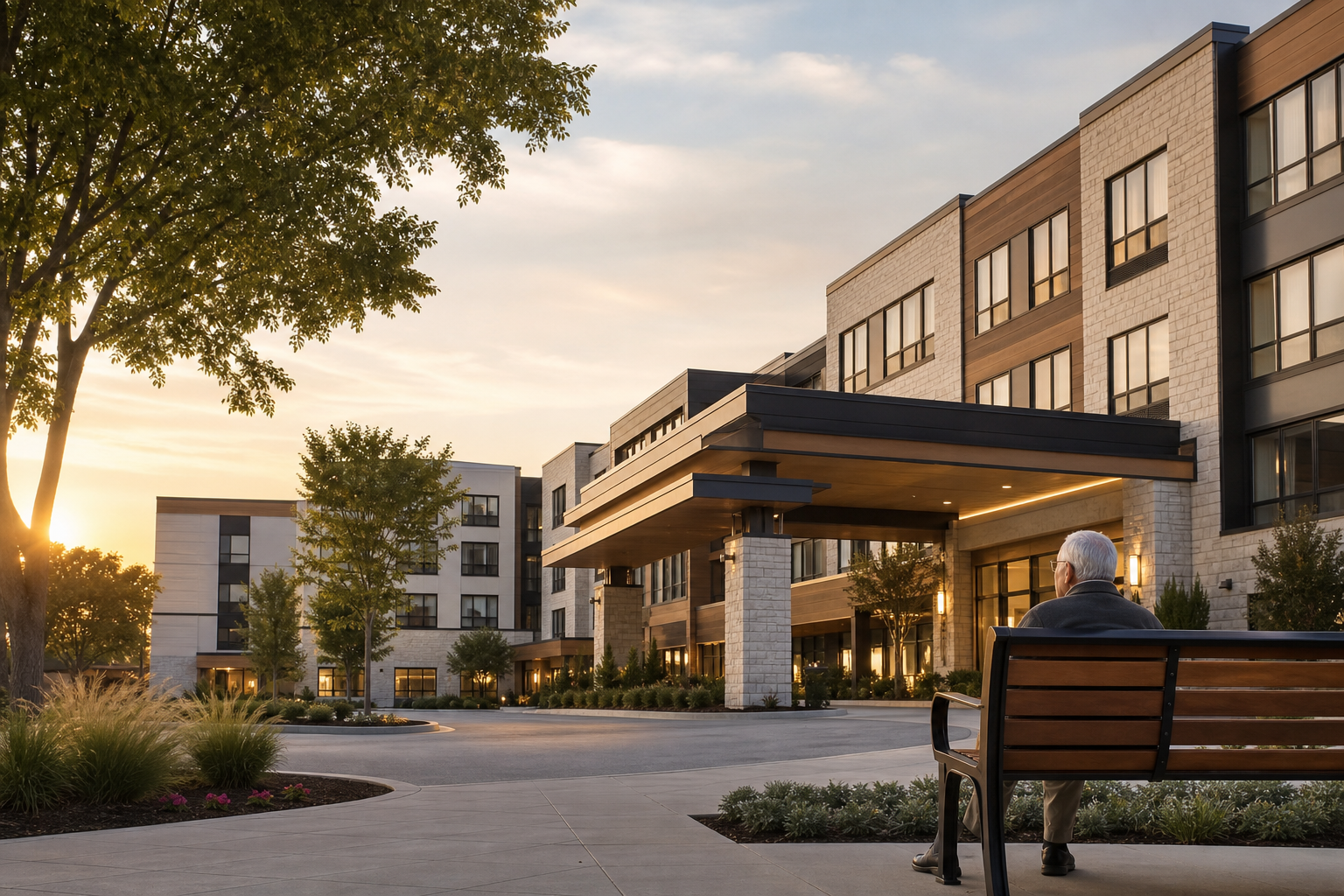
A 147 million dollar Atlanta portfolio and Welltower Exton buy mark a senior-housing M&A surge.
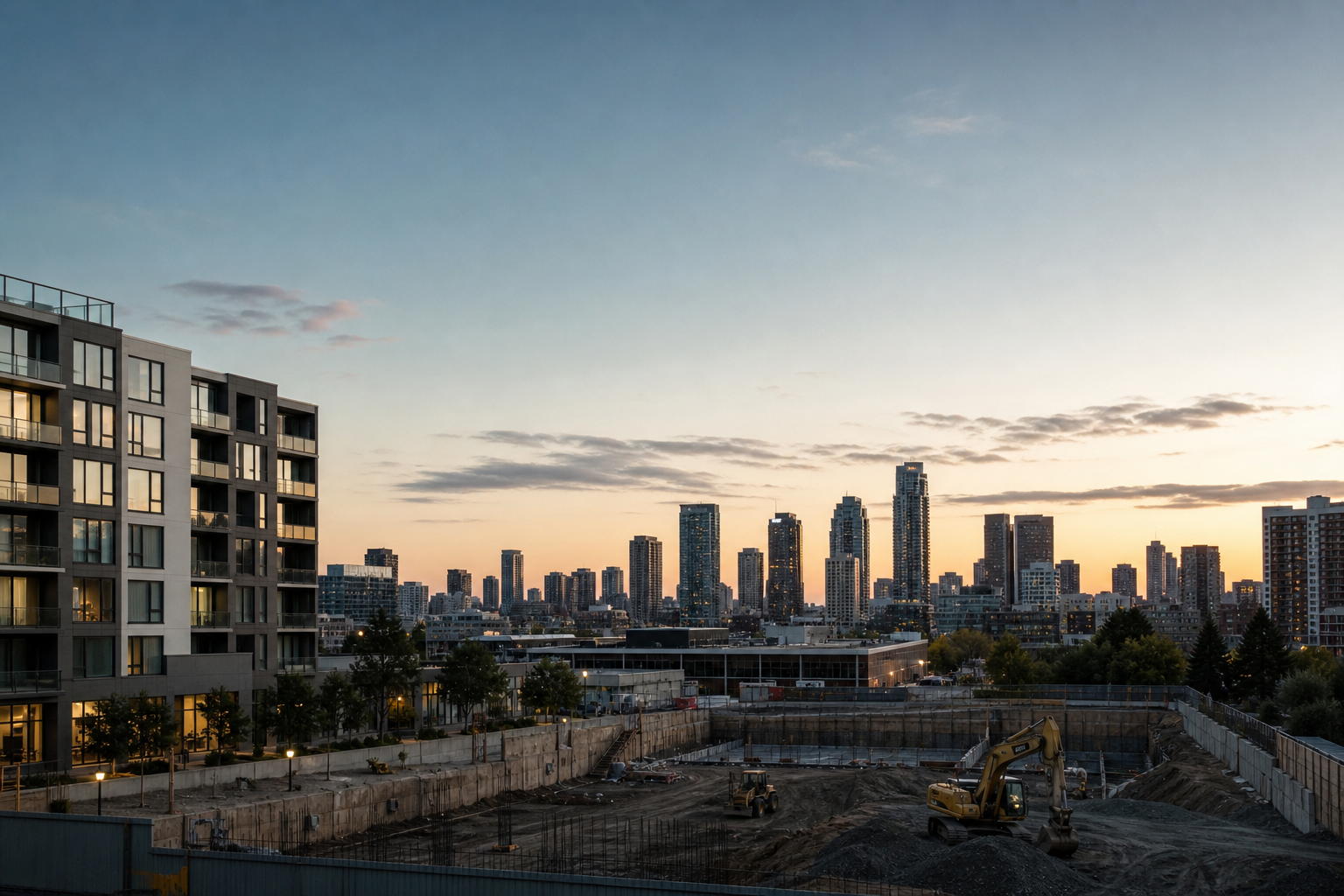
Developers breaking ground now are underwriting the 2028 supply vacuum, not today rents.
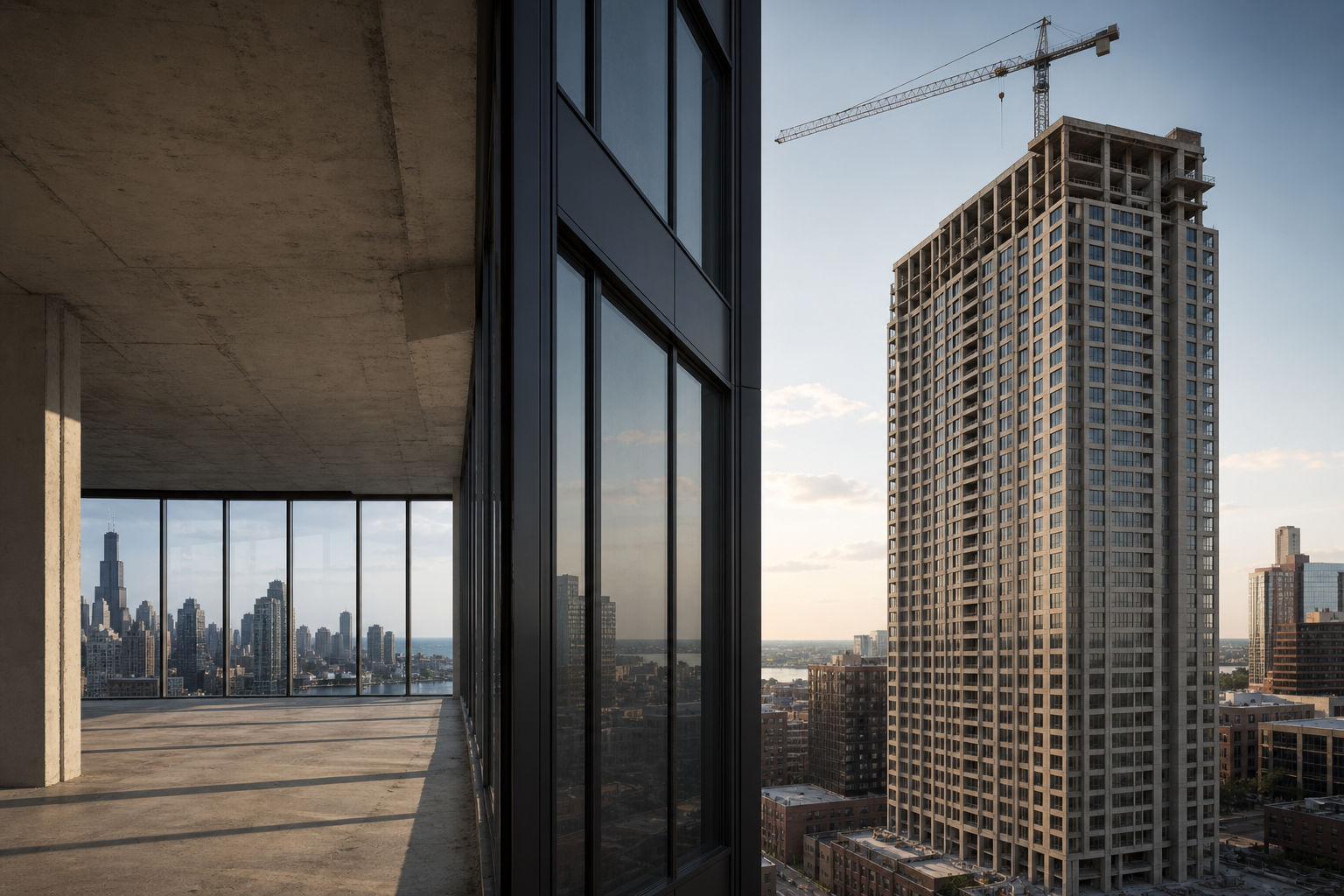
A record 90,300-unit national conversion pipeline, and a 162 million dollar Chicago tower just broke ground.

RevPAR jumped 6.3% in late July, but the gains stack in luxury while economy slides.
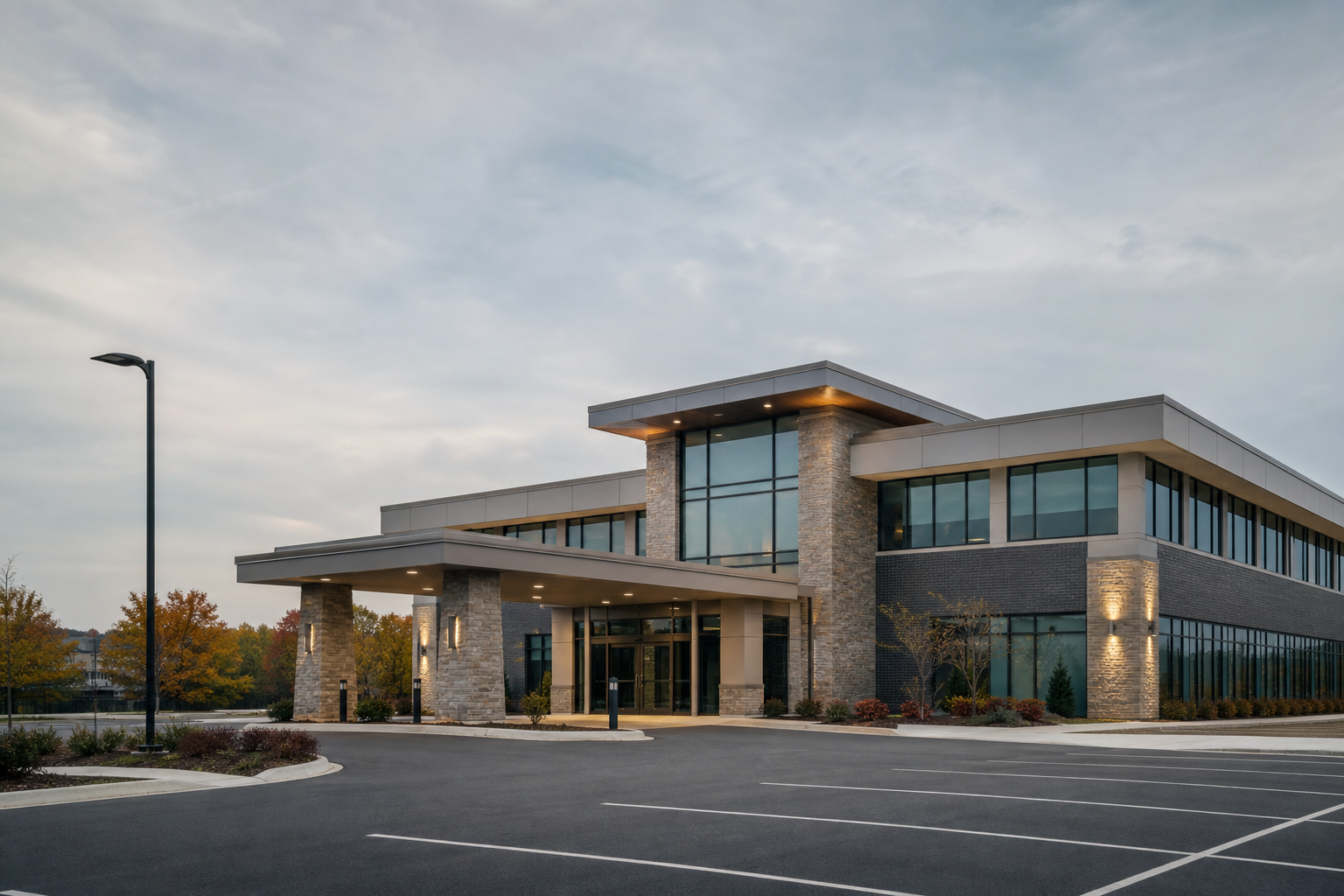
Medical outpatient is the defensive yield institutions keep funding while other sectors wobble.
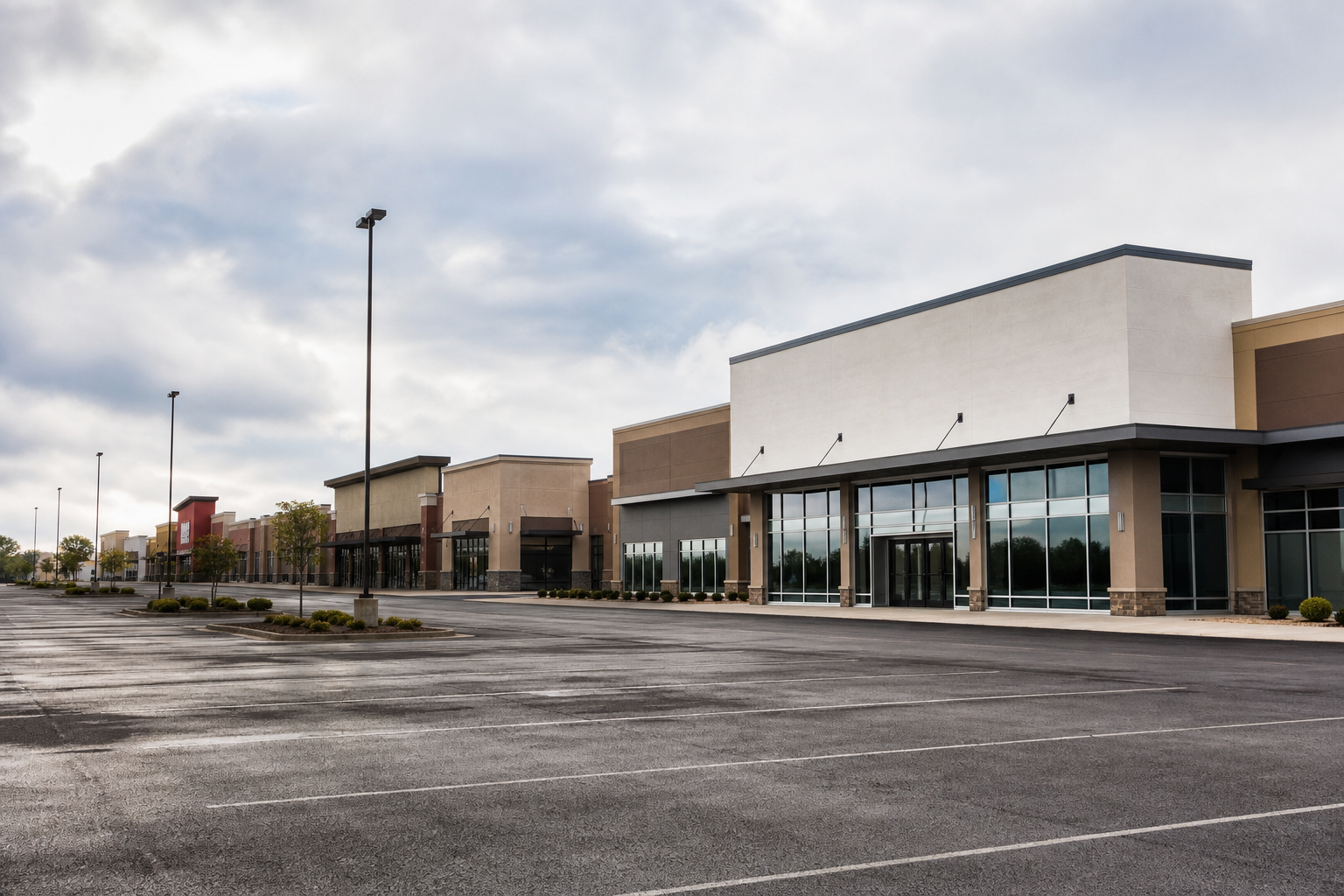
$51M for an Indianapolis power center, financed at 65%. Secondary-metro retail is fundable again.

A third of 2026 maturing office loans sit below the yield floor lenders need to say yes.
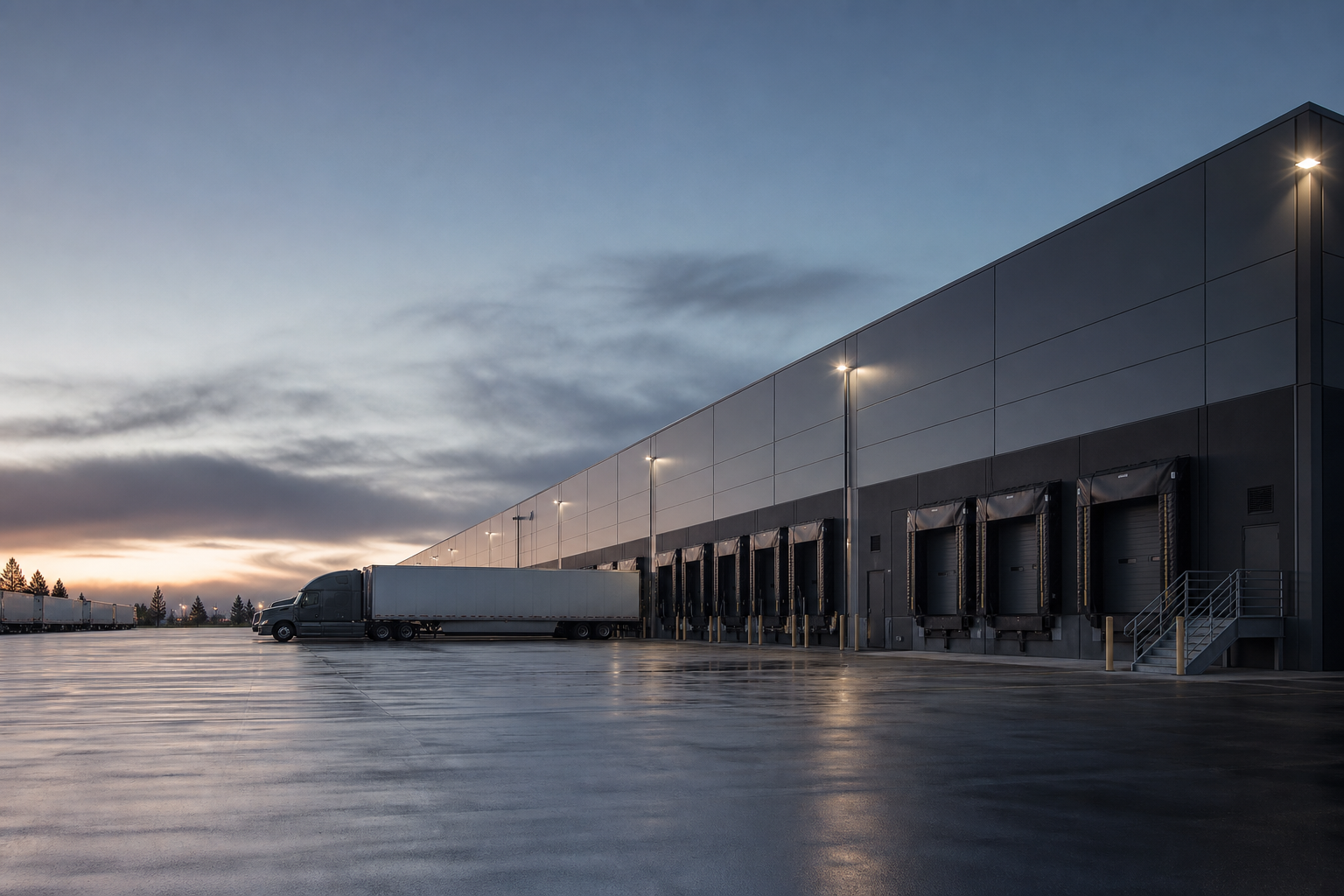
Industrial debt is not just available, it is aggressive, when the boxes are already full.

A $1.63B apartment trade, the biggest since 2024, is a REIT rotating out of an entire state.
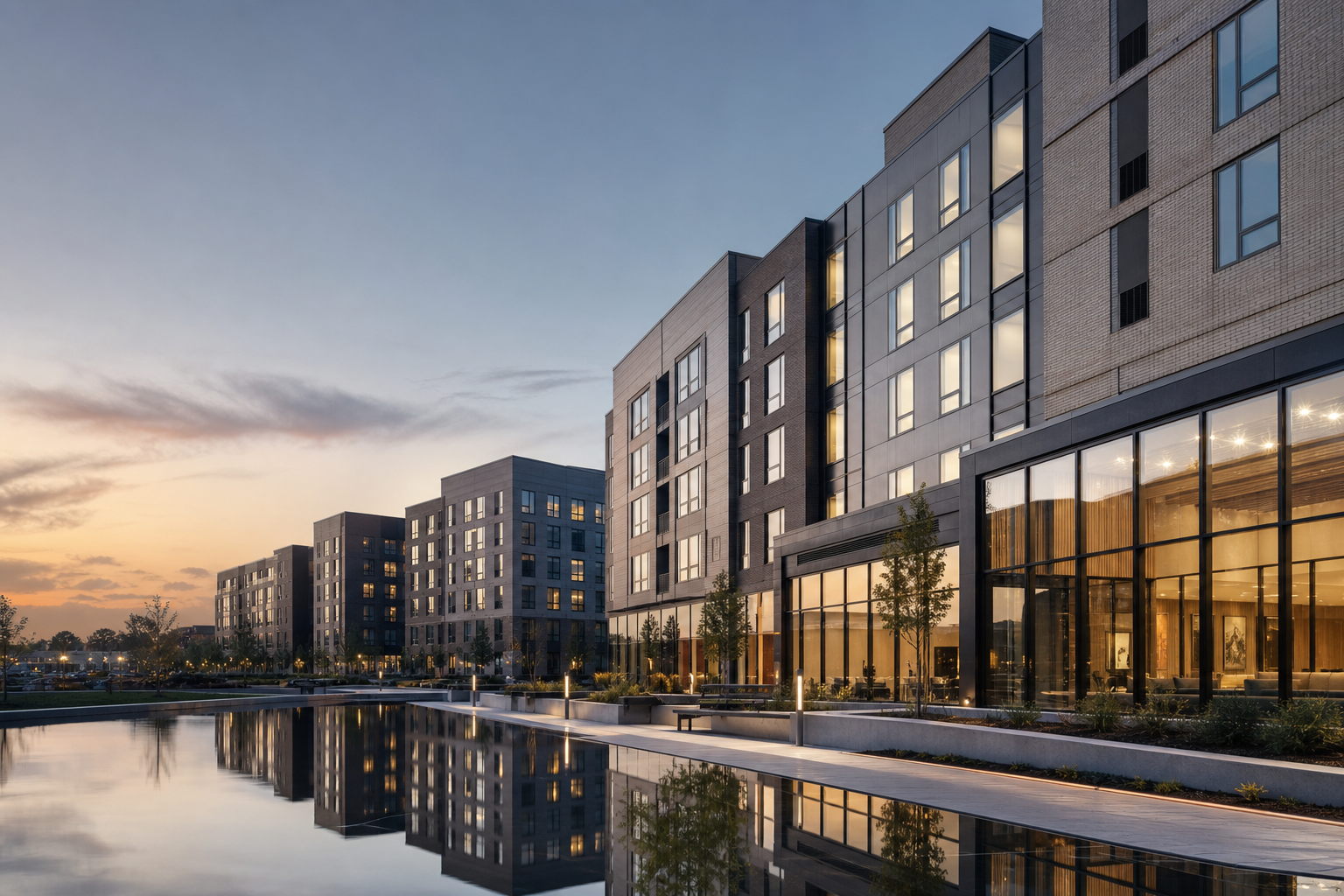
A $1.5B platform deal turns student housing consolidation into a management-scale game.

Kamson bought a converted-back rental complex, supply created without a single new foundation.
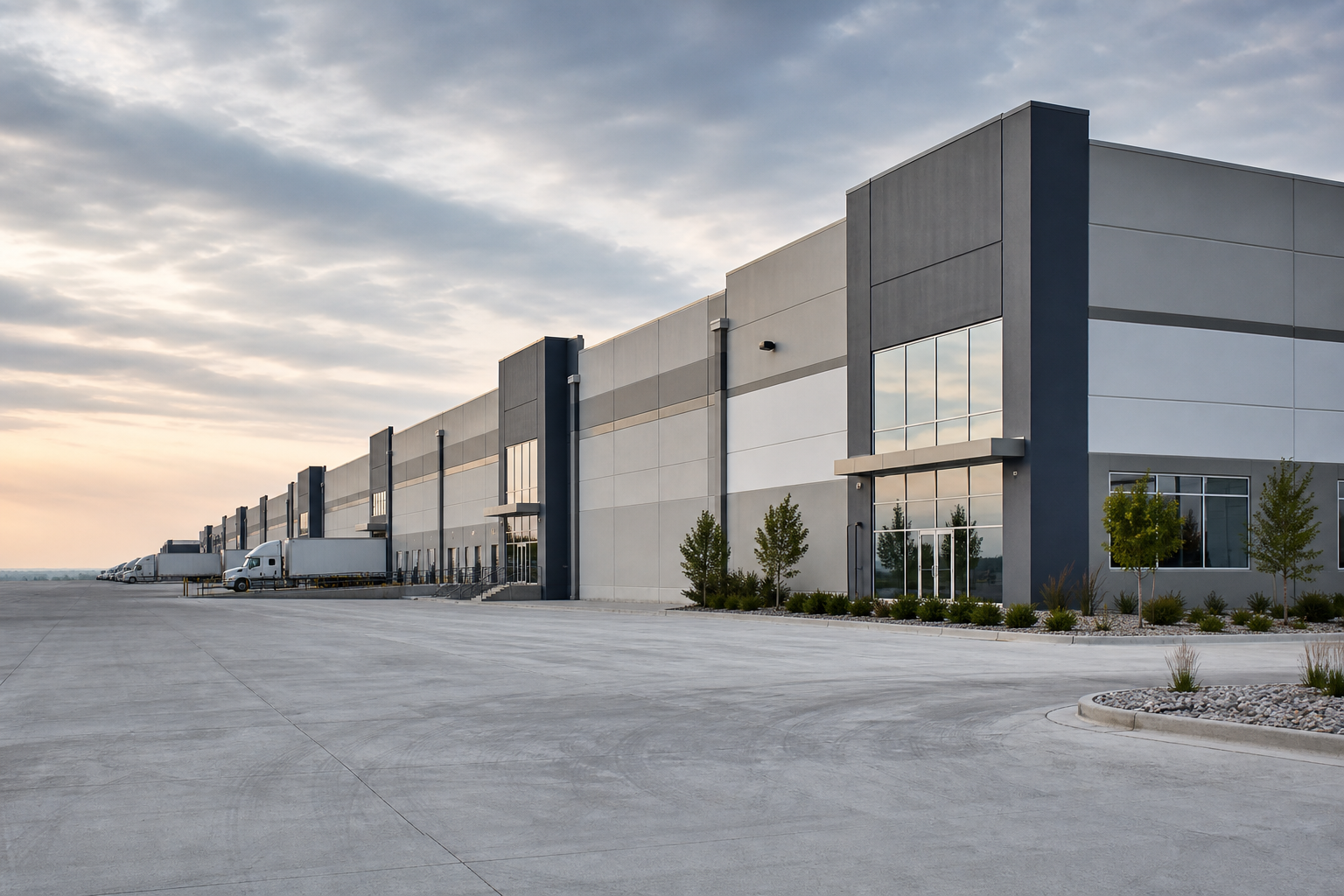
Million-square-foot industrial leases more than doubled in H1, occupiers are committing again.

Greenberg Traurig is leaving a 1990s trophy for 80,000 SF of 2025 glass, and taking more space.

Q2's pipeline fell 4.9%, but luxury and conversions both hit all-time records.
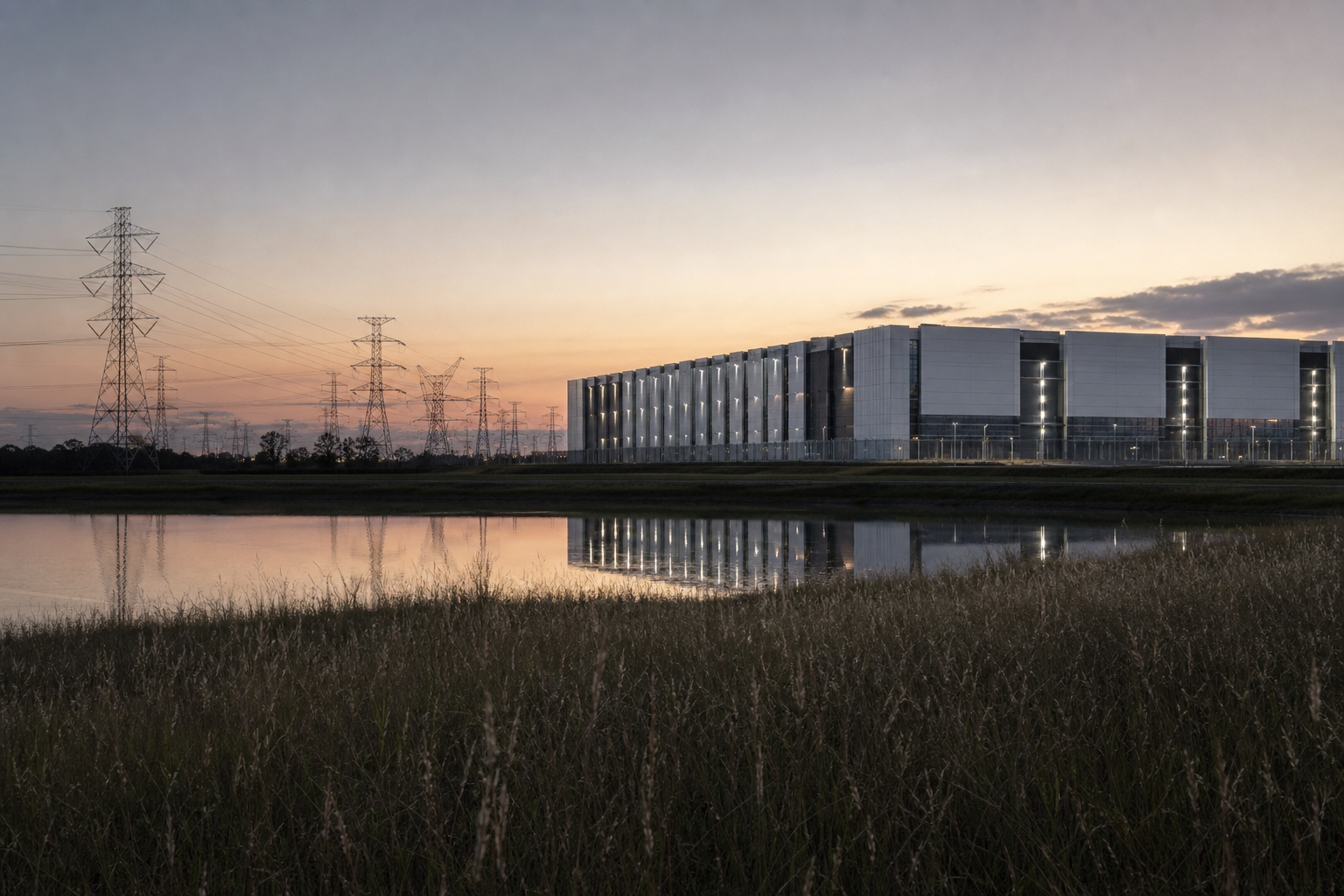
Power, not money, is the scarce input, and land that already has it is the new trophy asset.
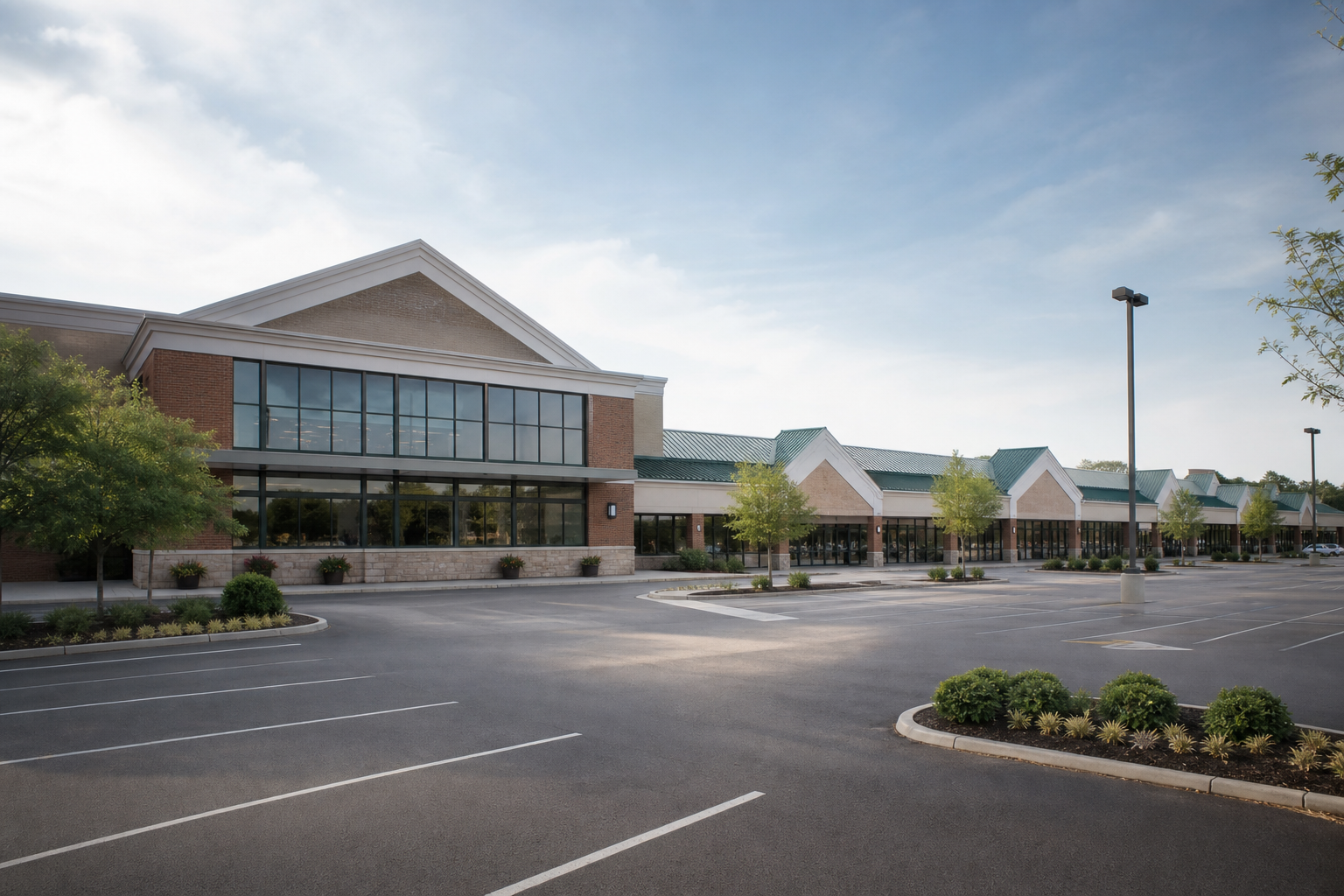
A $74M Market Basket center shows necessity retail still clears at a premium.
A $10.5B takeover proves scale, not rent growth, is the self-storage lever now.
Canyon Creek enters Austin buying an older CBD tower at $413 a foot.
Off-market senior-housing buying and 20% NOI growth signal a demographic supercycle.
A public REIT is buying certainty: 97% leased, hospital-anchored, demographic-proof.
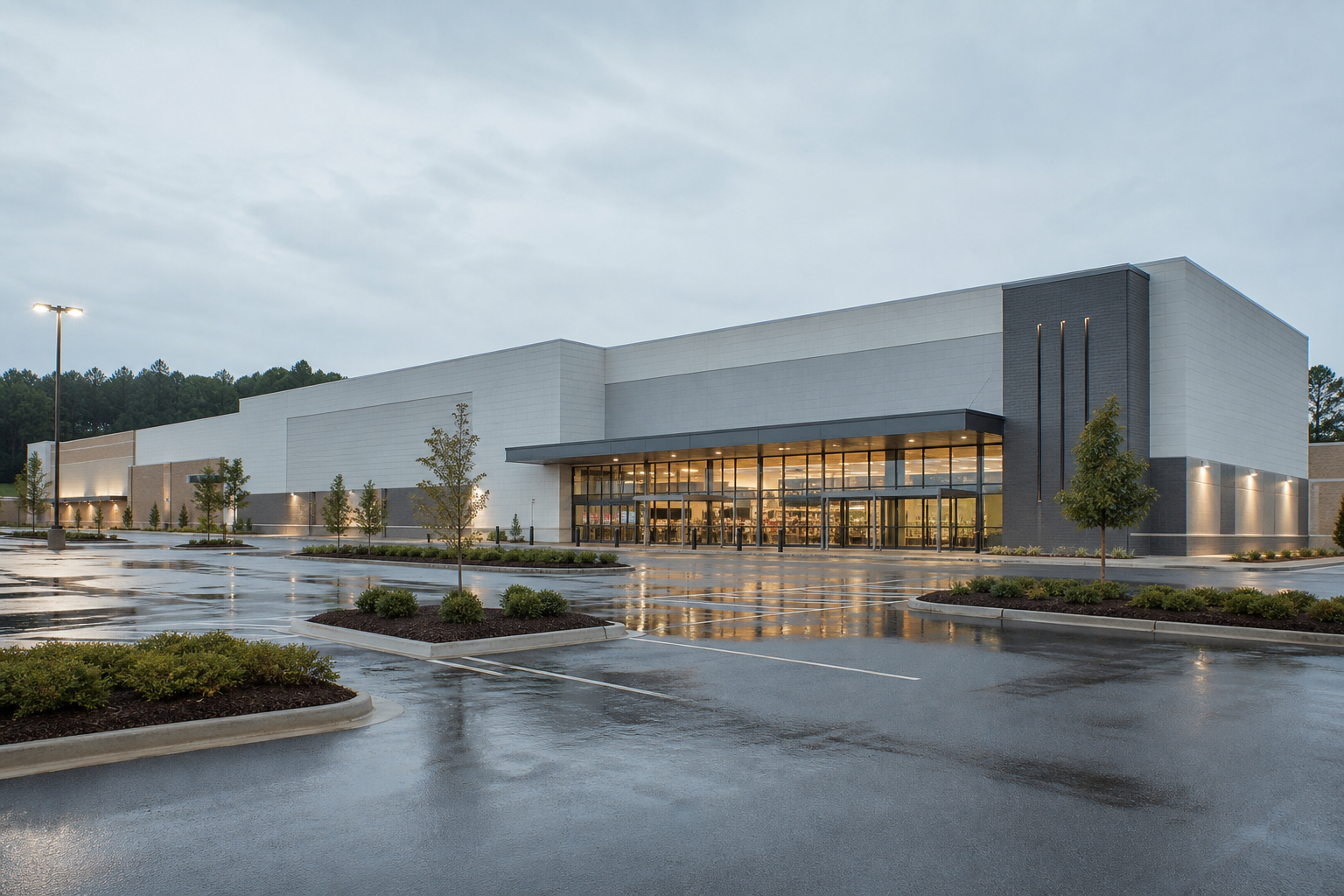
Kimco backfilled a vacant 183,000-SF box with a Kroger Marketplace, and cleared the zoning last week.
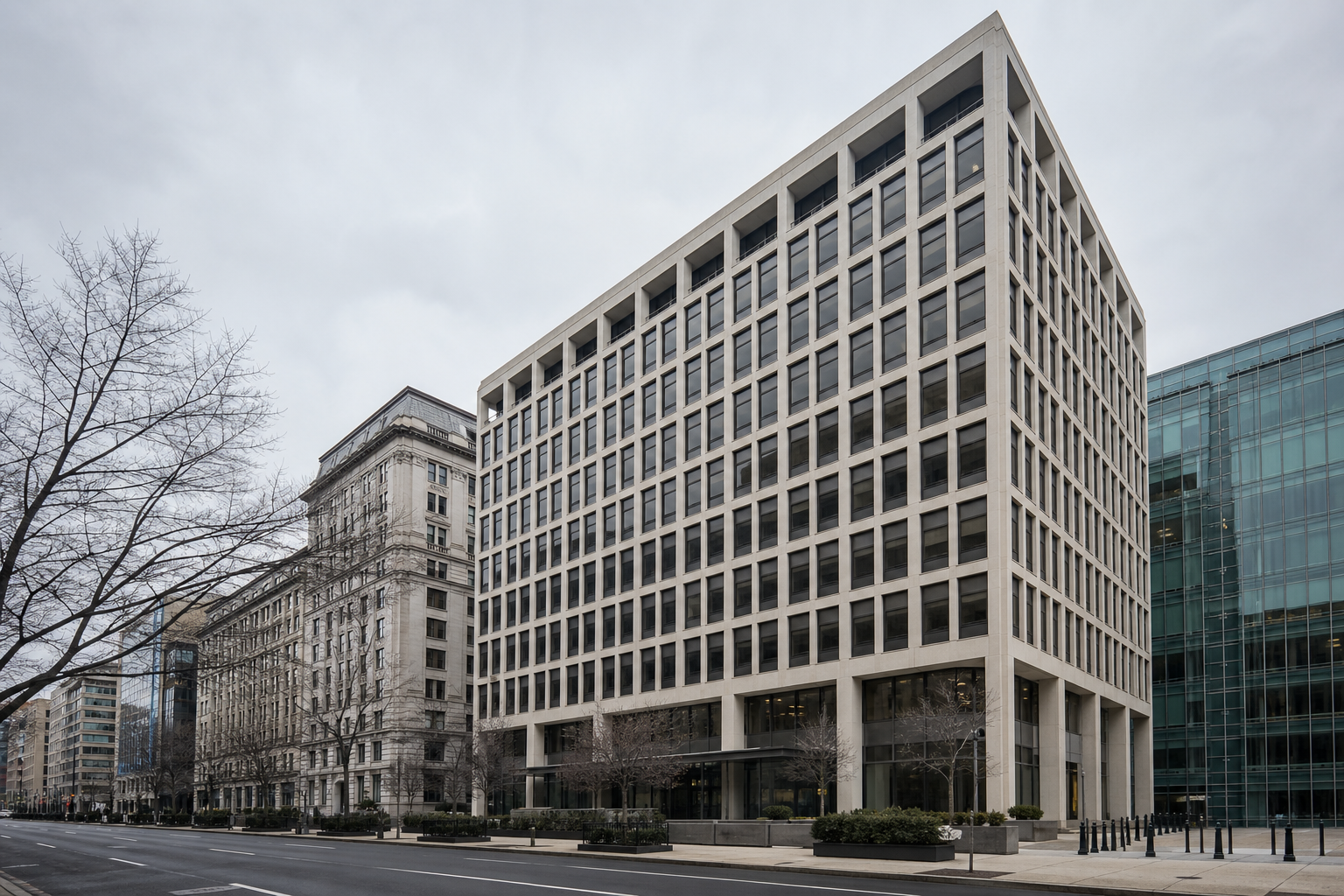
Garfield and Broad Creek bought a 194,000-SF building on Farragut Square for $26.2M, and plan to spend $10M more.
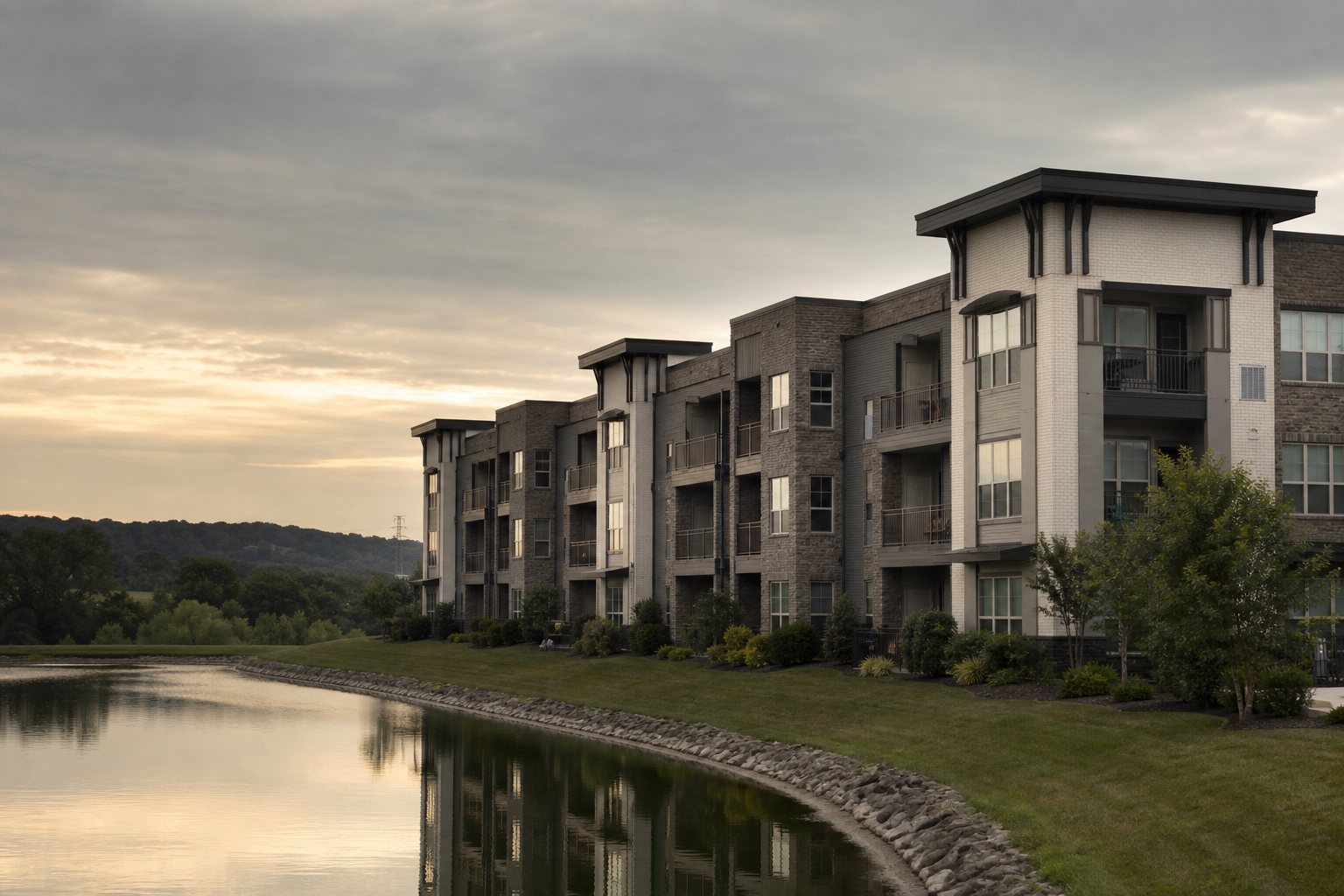
Berkshire took a nominal loss to exit a 560-unit Franklin deal to Waterton.
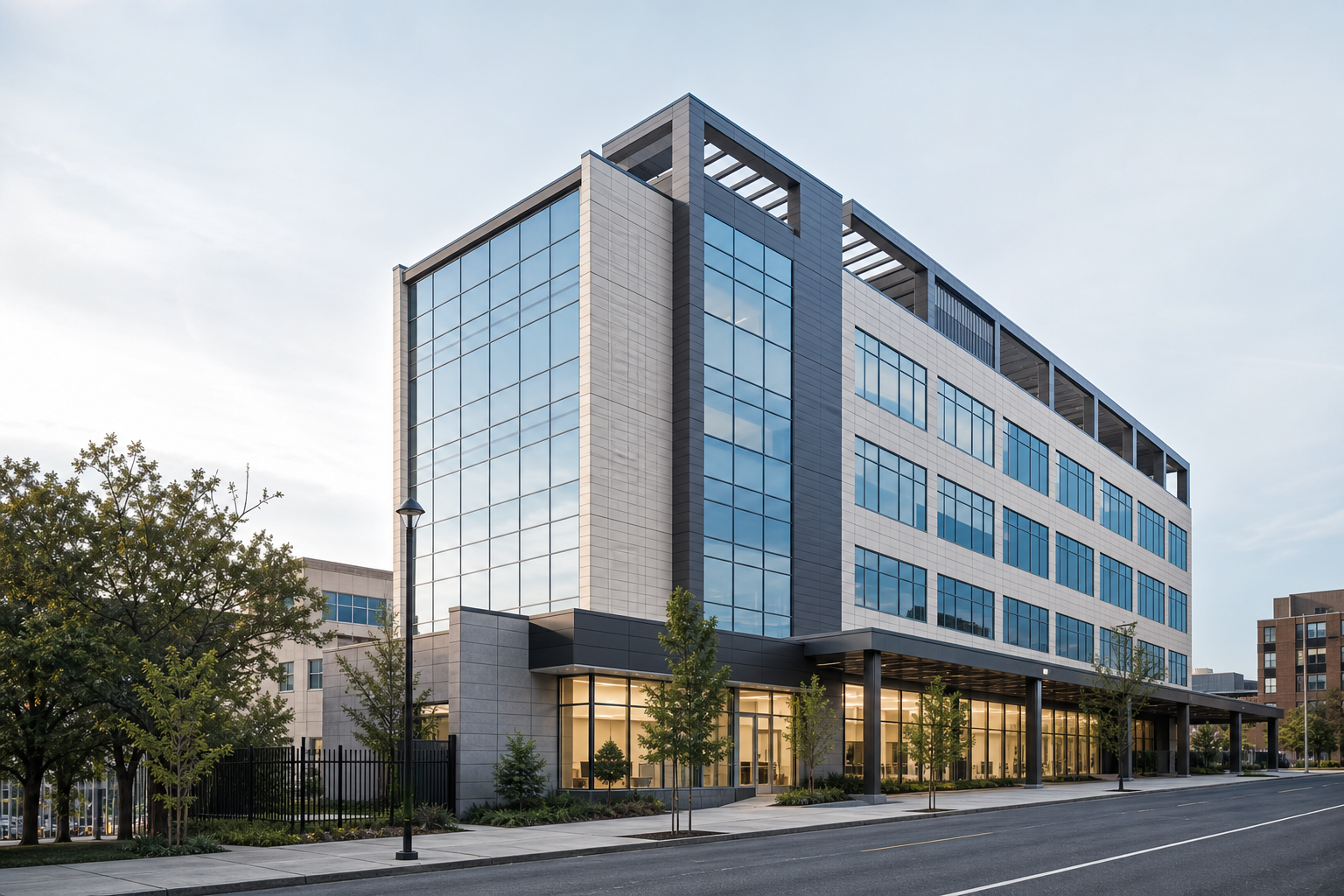
A global healthcare REIT pays up for a fully leased, EmblemHealth-anchored medical building.
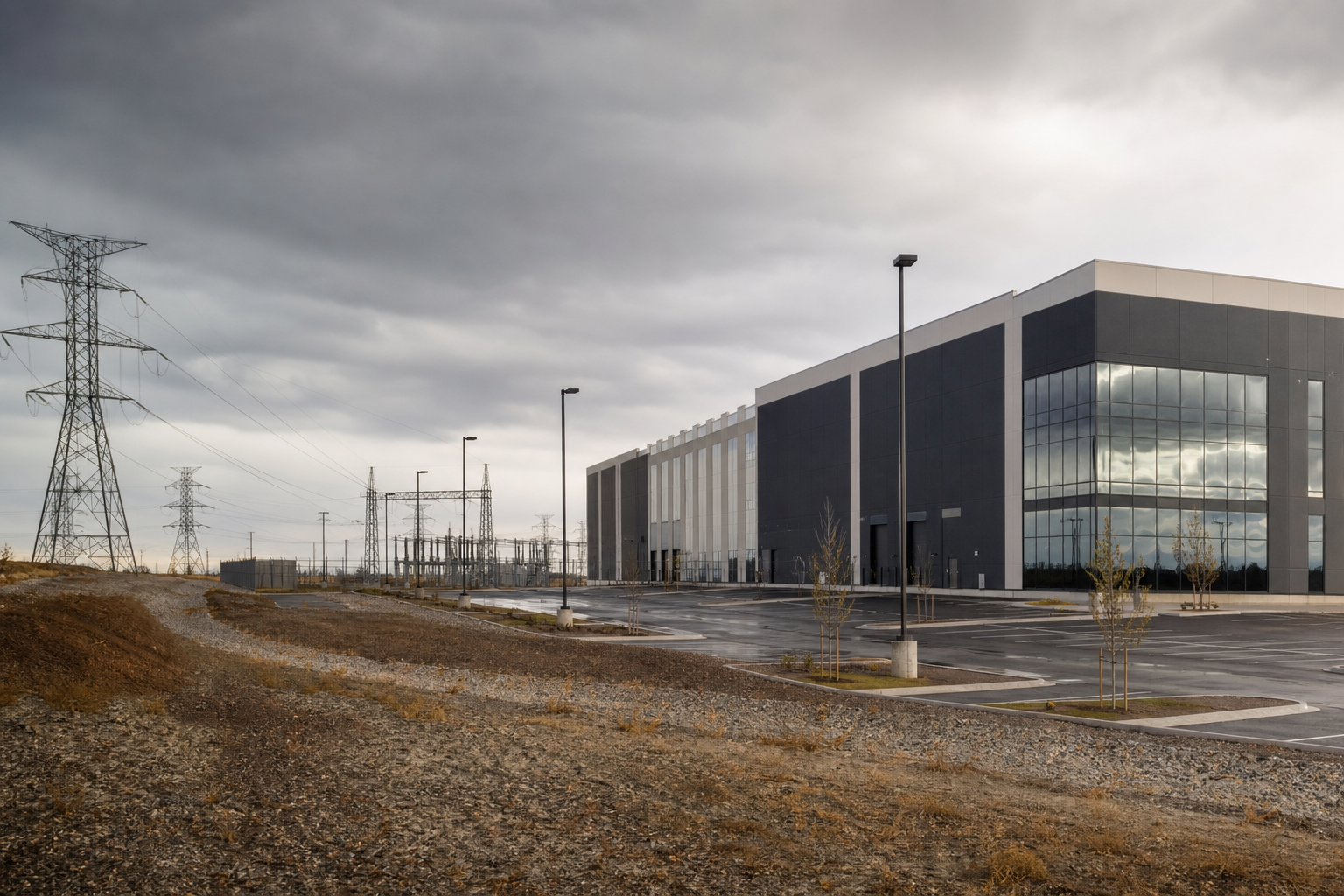
The federal government just underwrote a hyperscale campus by solving power first and leasing later.

Public Storage's same-store is still negative, but it raised guidance and rents are turning up.
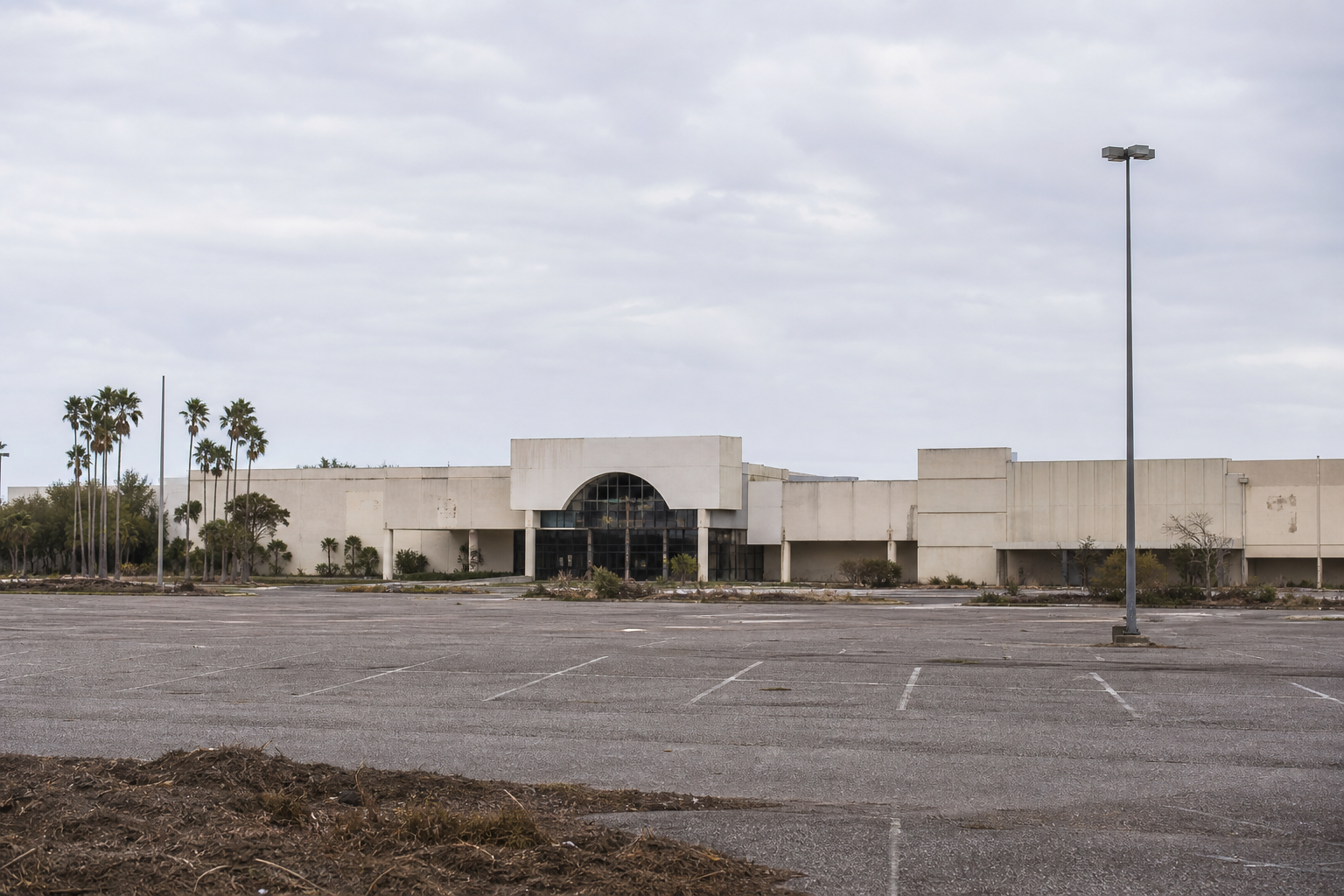
Tampa's WestShore Plaza sells for $135M, not to be leased up, but torn down.
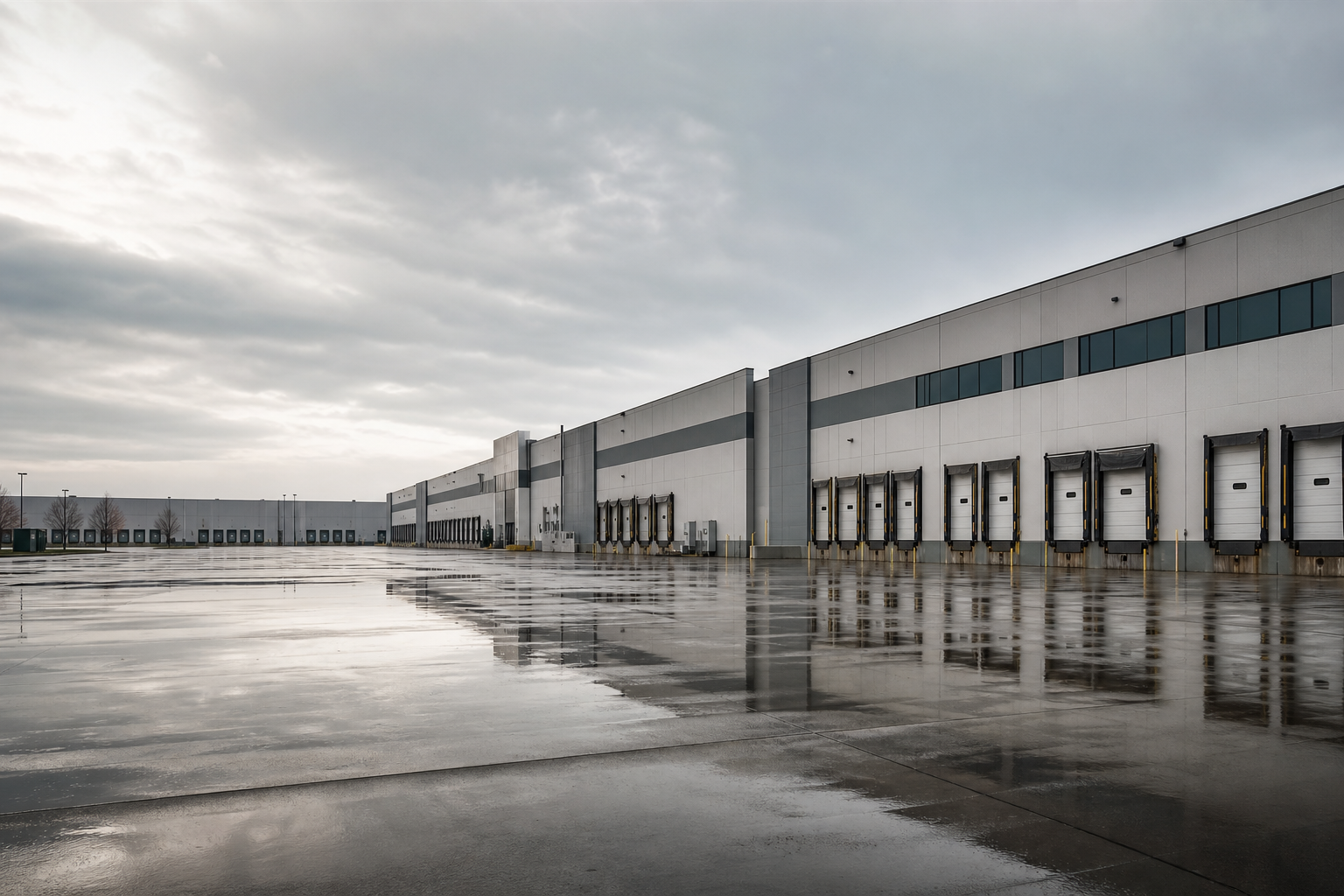
A global asset manager just took down eleven infill industrial buildings across Chicago and Minneapolis in a single move.
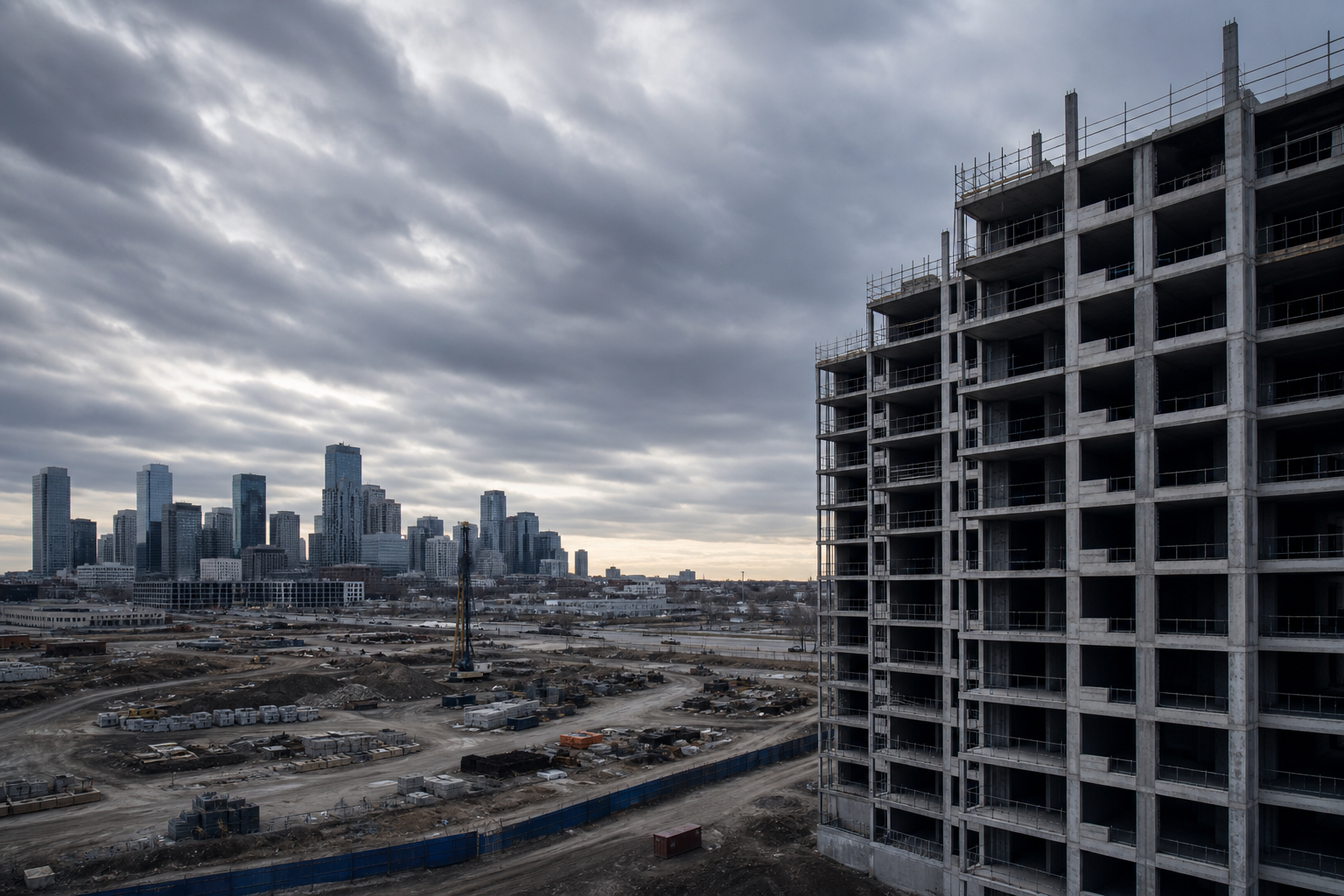
Starts dropped to 55,000 units, the fewest since 2011, setting up a 2027 supply drought.

A country-by-country duty map is about to reprice the materials that build everything.
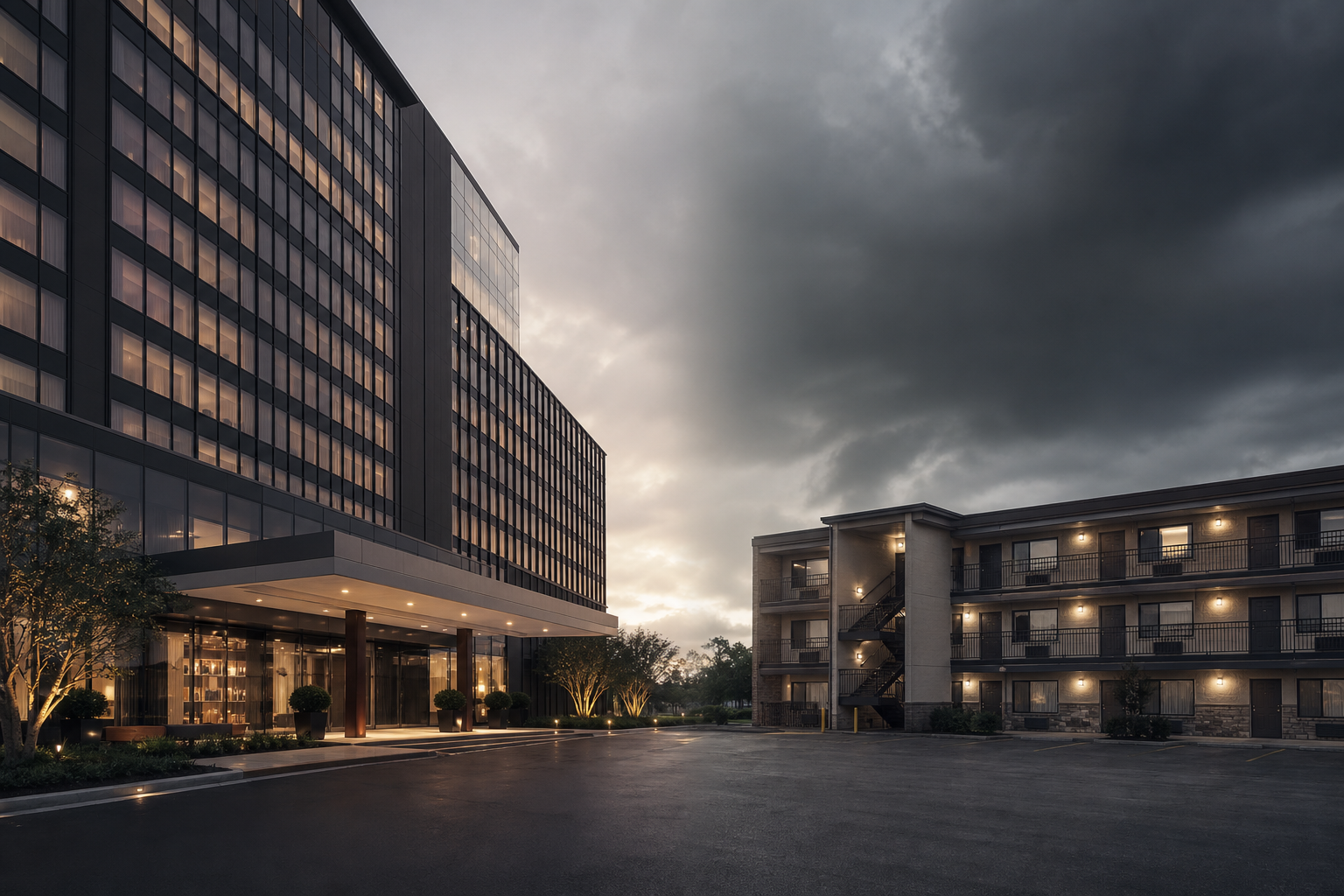
Price per key fell again in Q2, but full-service volume surged 80% while limited-service shrank.
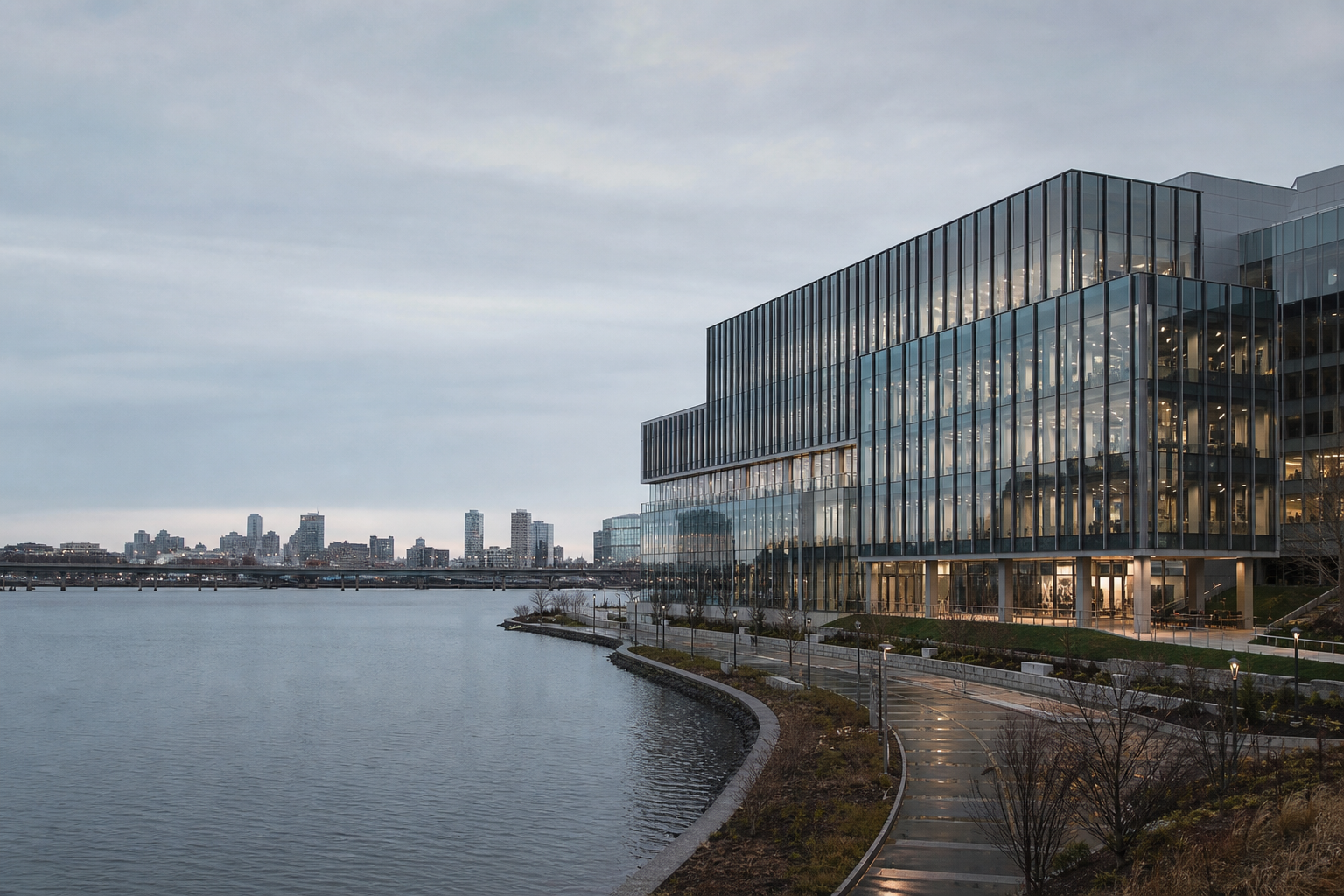
Lila Sciences takes 235,500 SF in Cambridge while Boston lab vacancy sits at 26%.
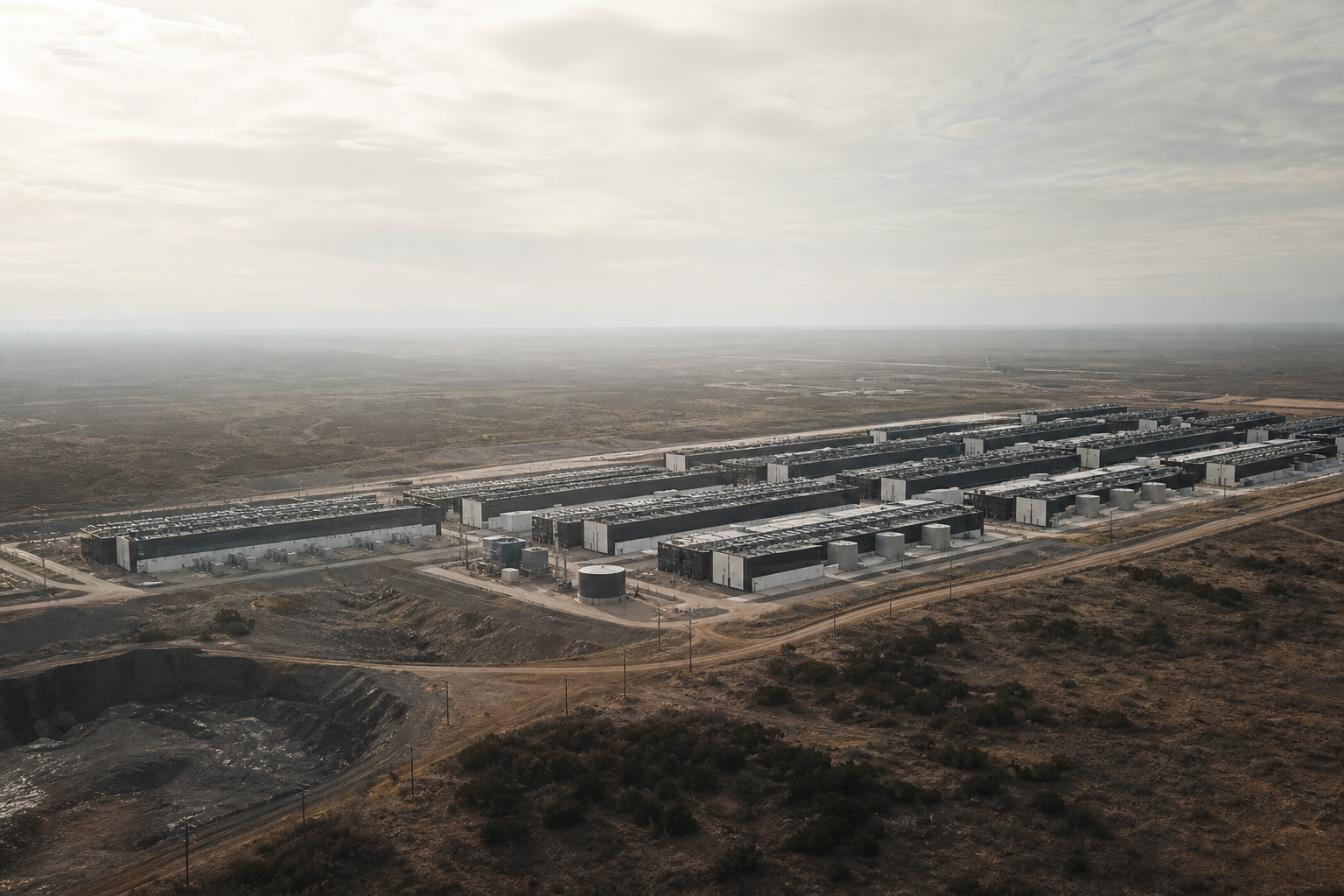
Hut 8's second 15-year, $9.8B lease fully commercializes a 1-gigawatt AI campus.
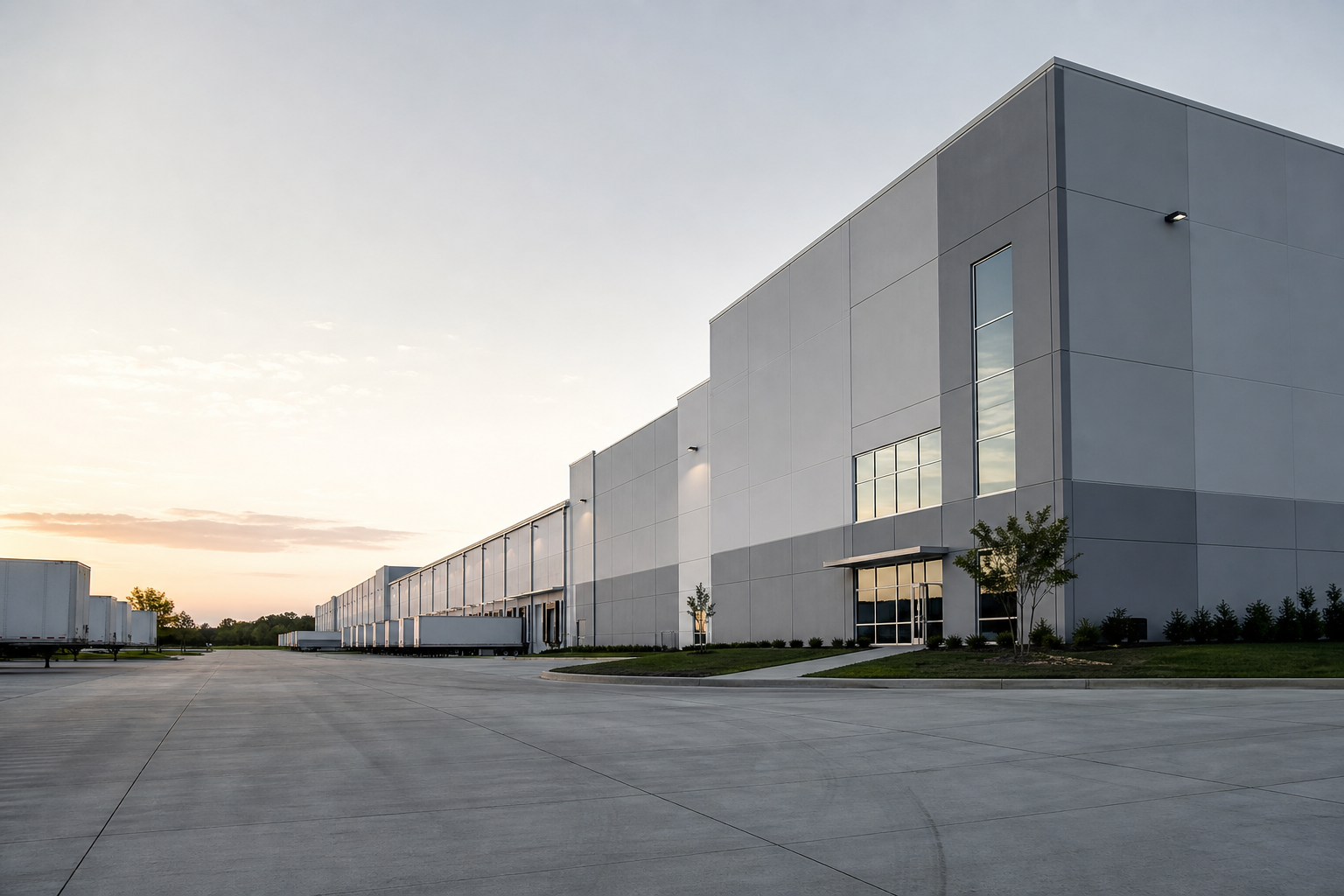
Brookfield and CPP will buy LXP Industrial for $5.2B, all cash, no financing condition.
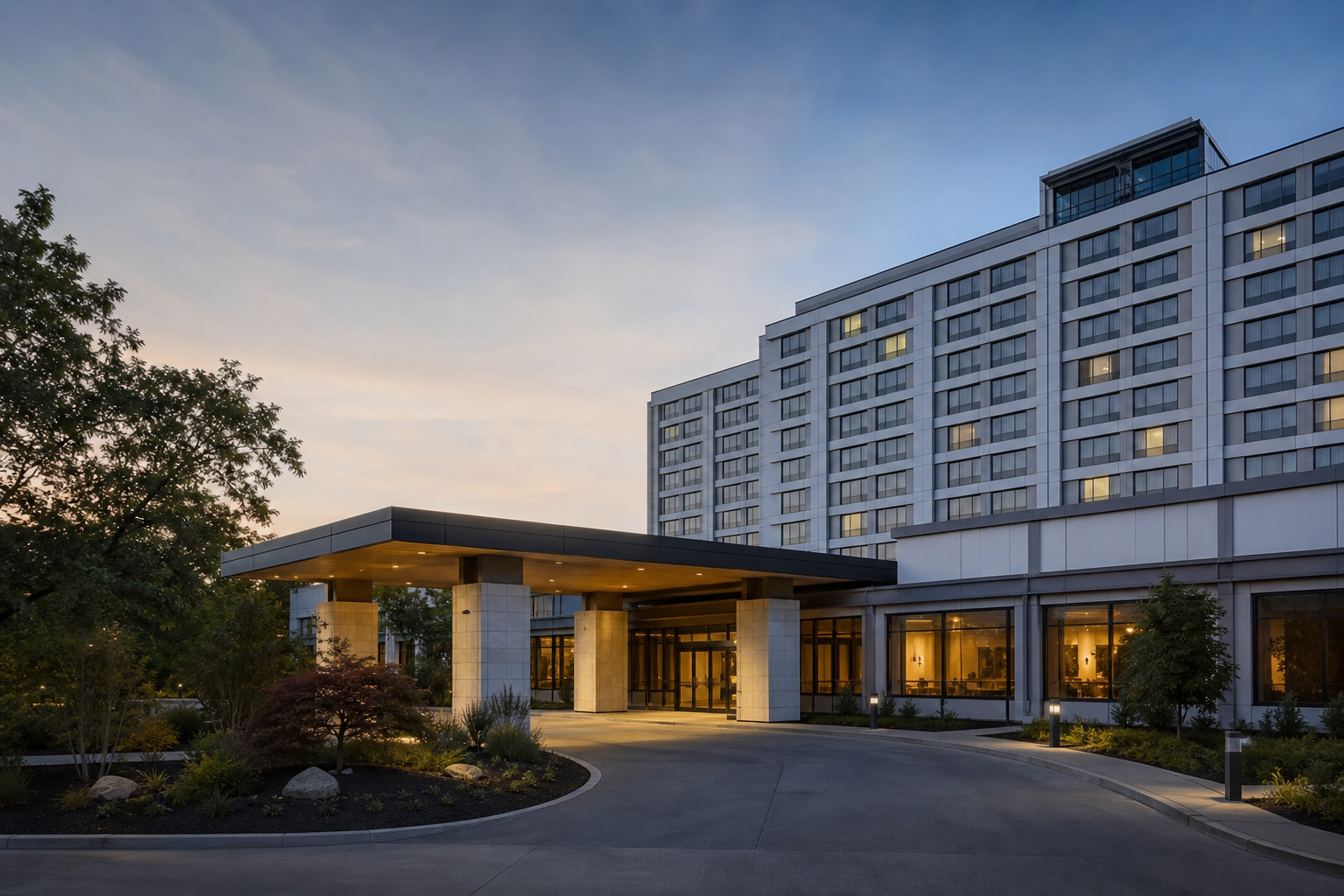
Ashford sells the 357-room Fremont Marriott for $53M to a private buyer paying below replacement.
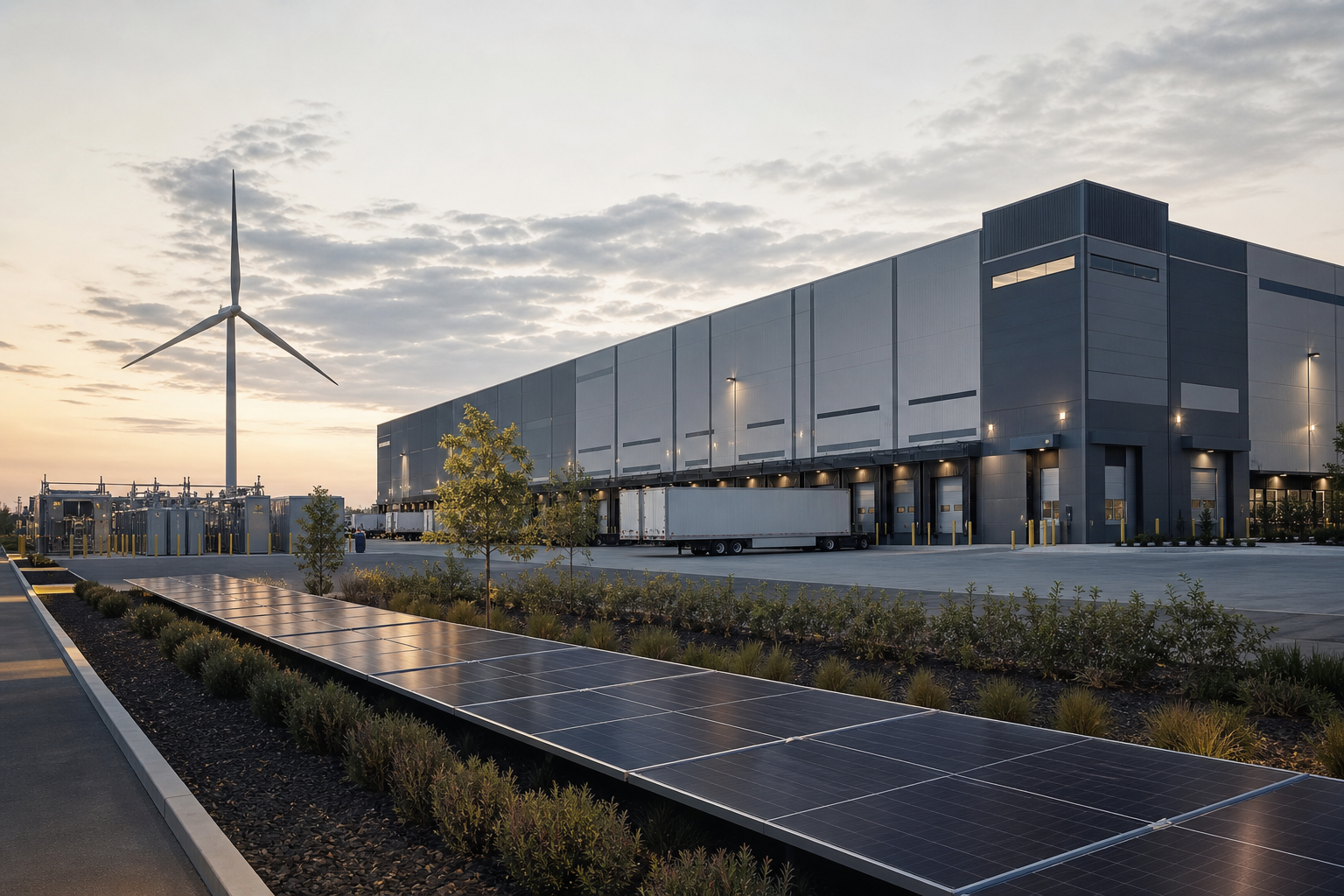
Prologis posted record leasing, raised guidance twice, and grew its power pipeline to 5.8 gigawatts.
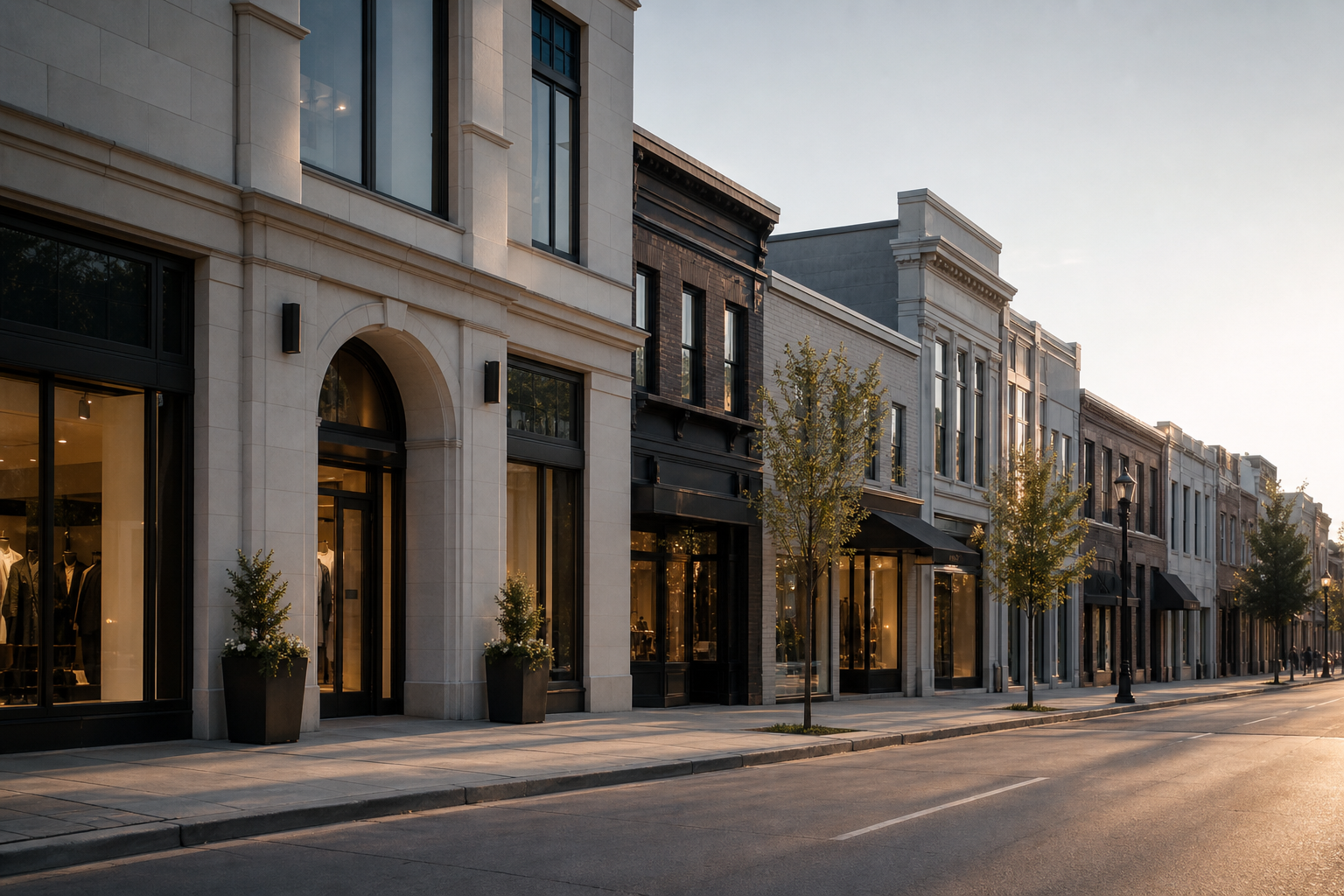
Acadia lifts 2026 FFO to $1.24 to $1.26 as street retail keeps outrunning the doom narrative.
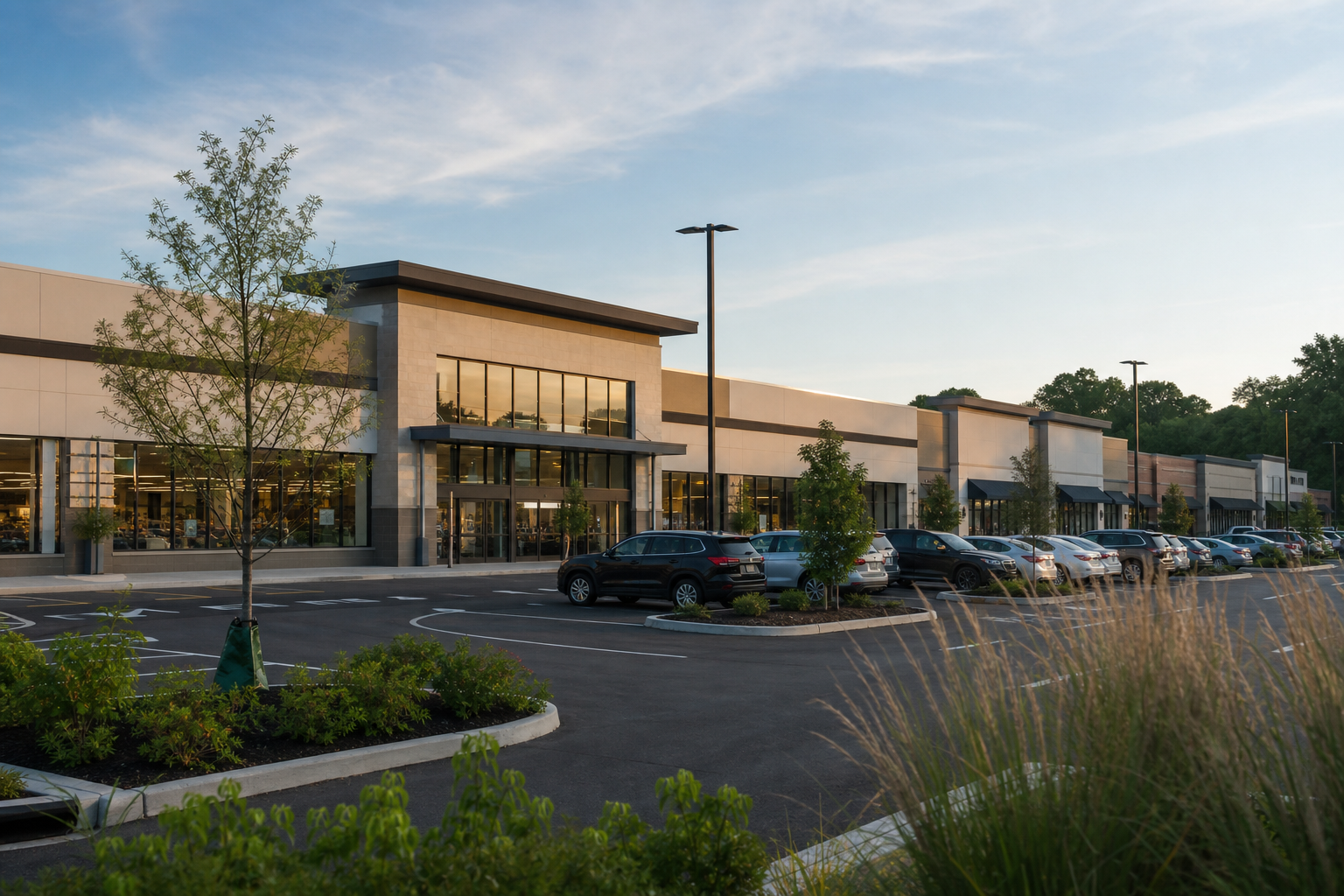
Clarion and Franklin Templeton buy a fully leased Norwalk center.
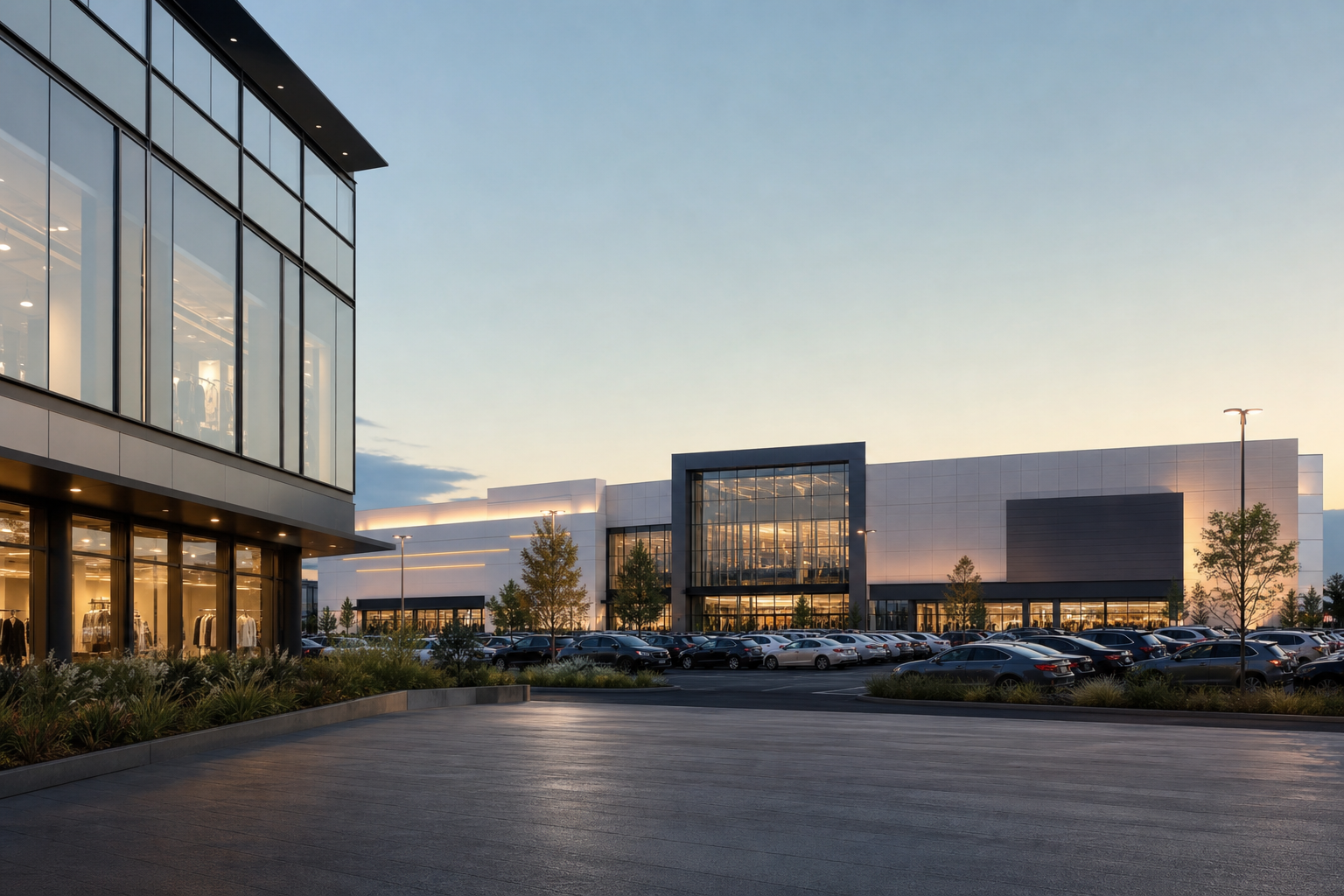
CTO put more into 12% preferred equity than into buying buildings outright last quarter.
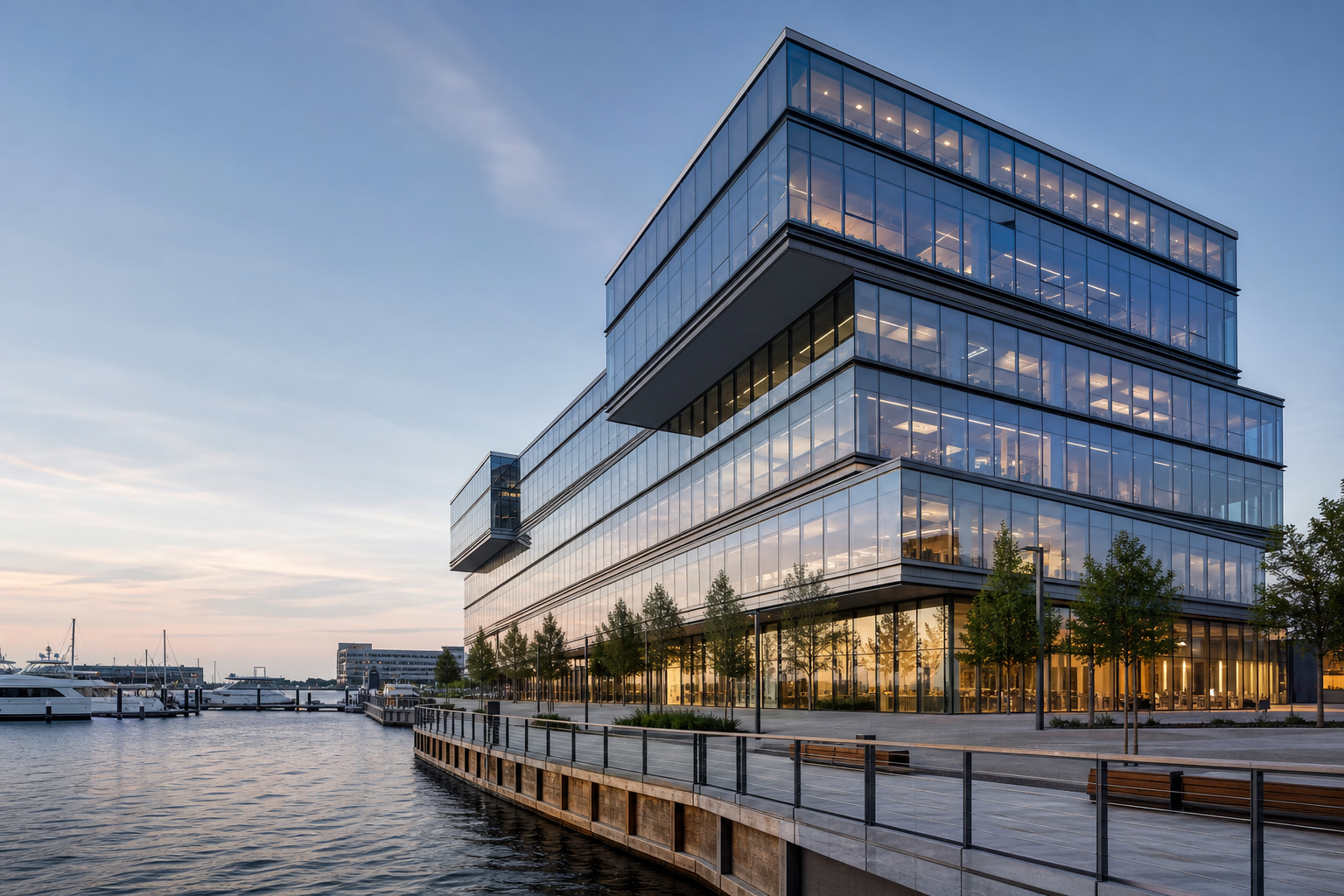
One Marina Park Drive is set to trade at ~$435M — the buy-side confirming best-in-class office has a bid.
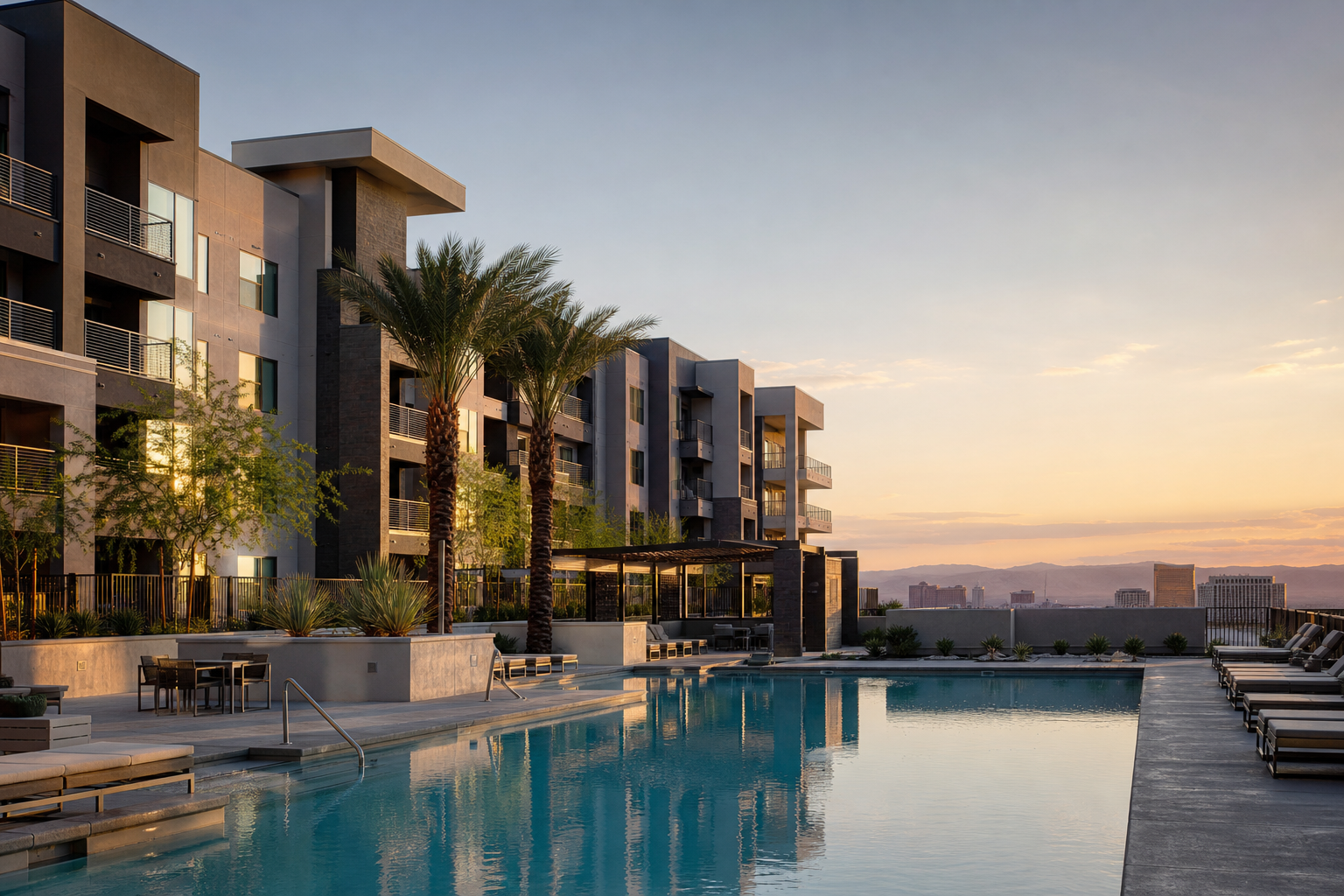
A clean institutional sale at $217,500 a unit says the Southwest apartment bid is working again.
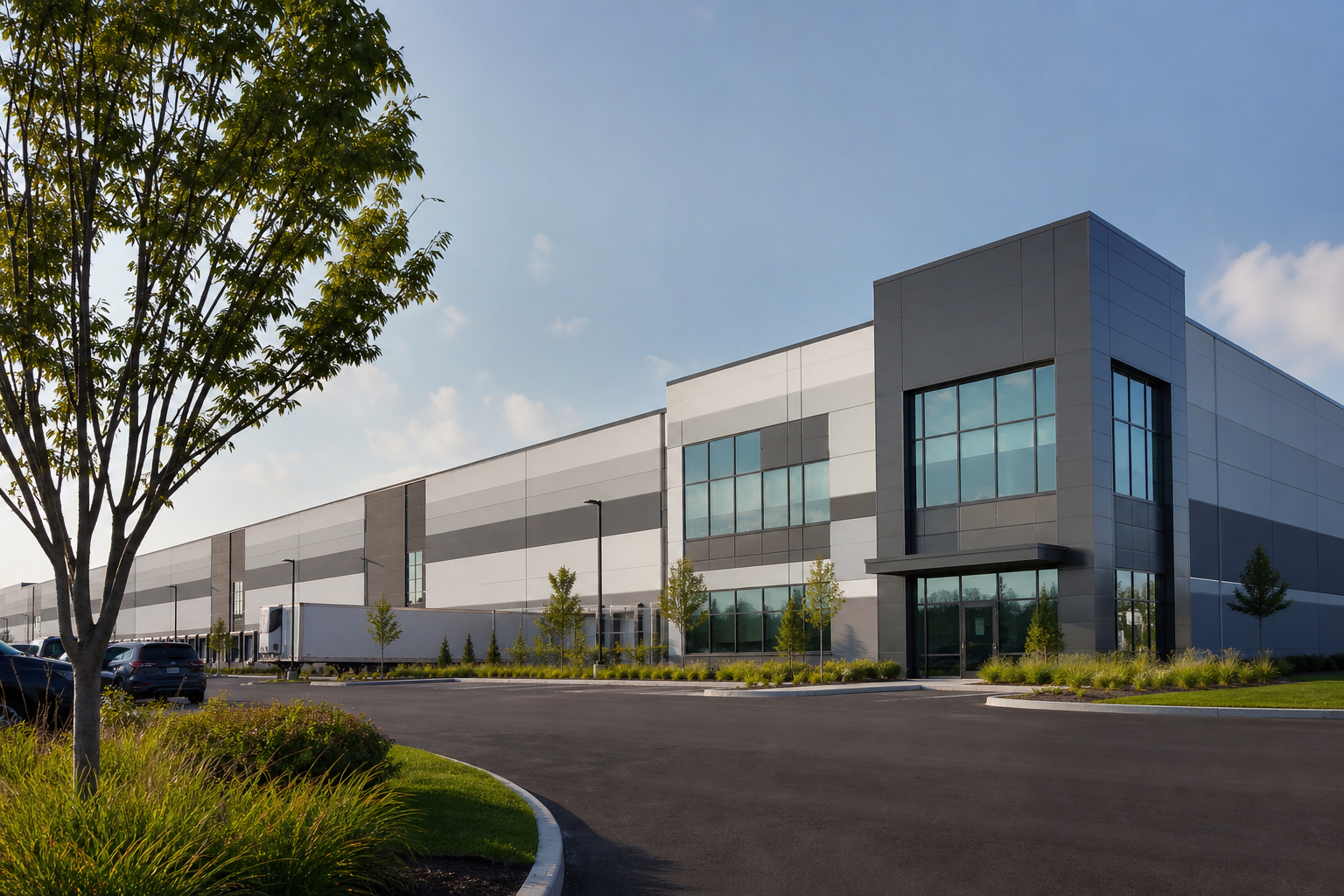
Equus buys a fully leased, 2023-vintage infill park with life-sciences and advanced-manufacturing tenants.
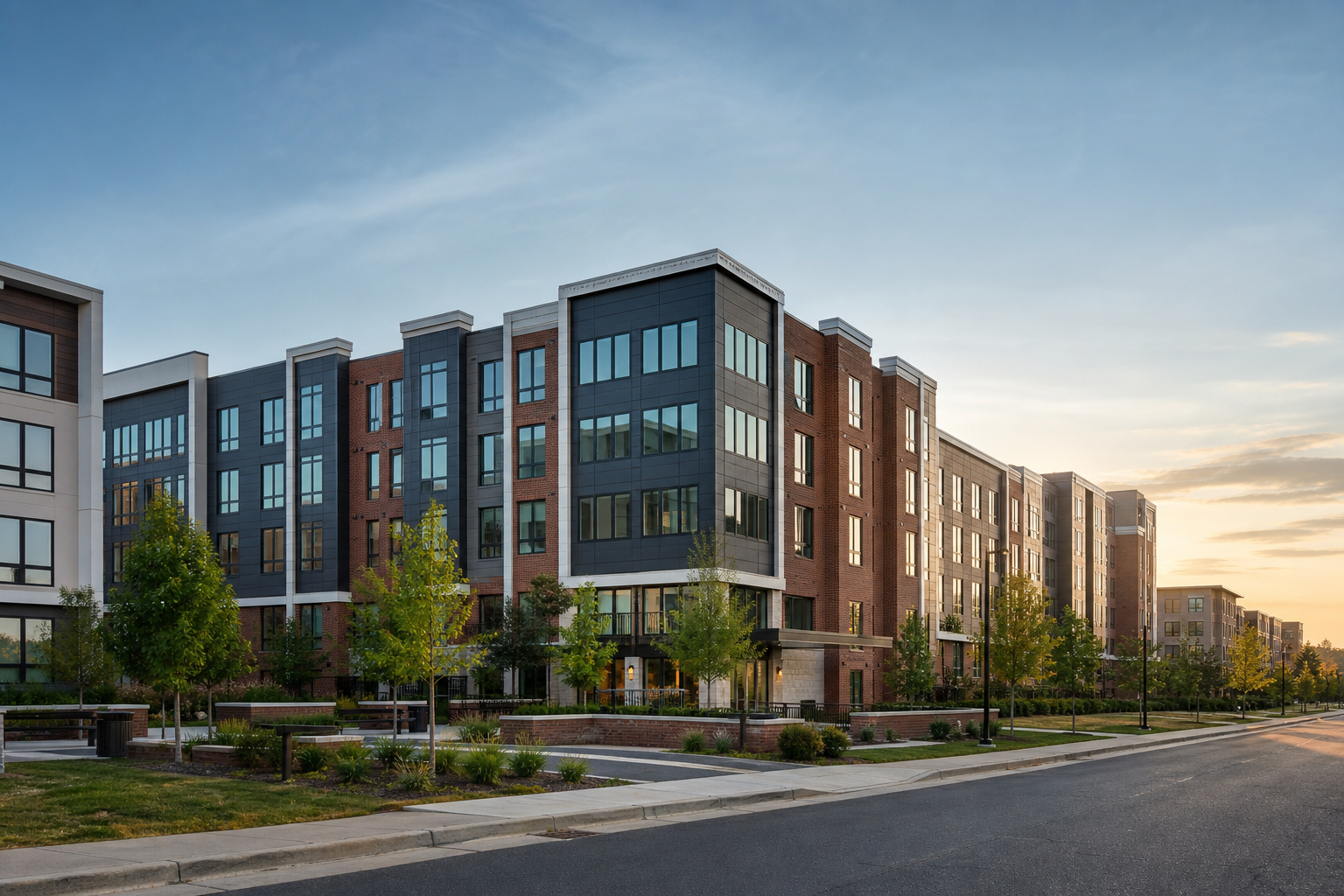
A 450-bed Huntsville trade shows the bid is not just for the Power Five.
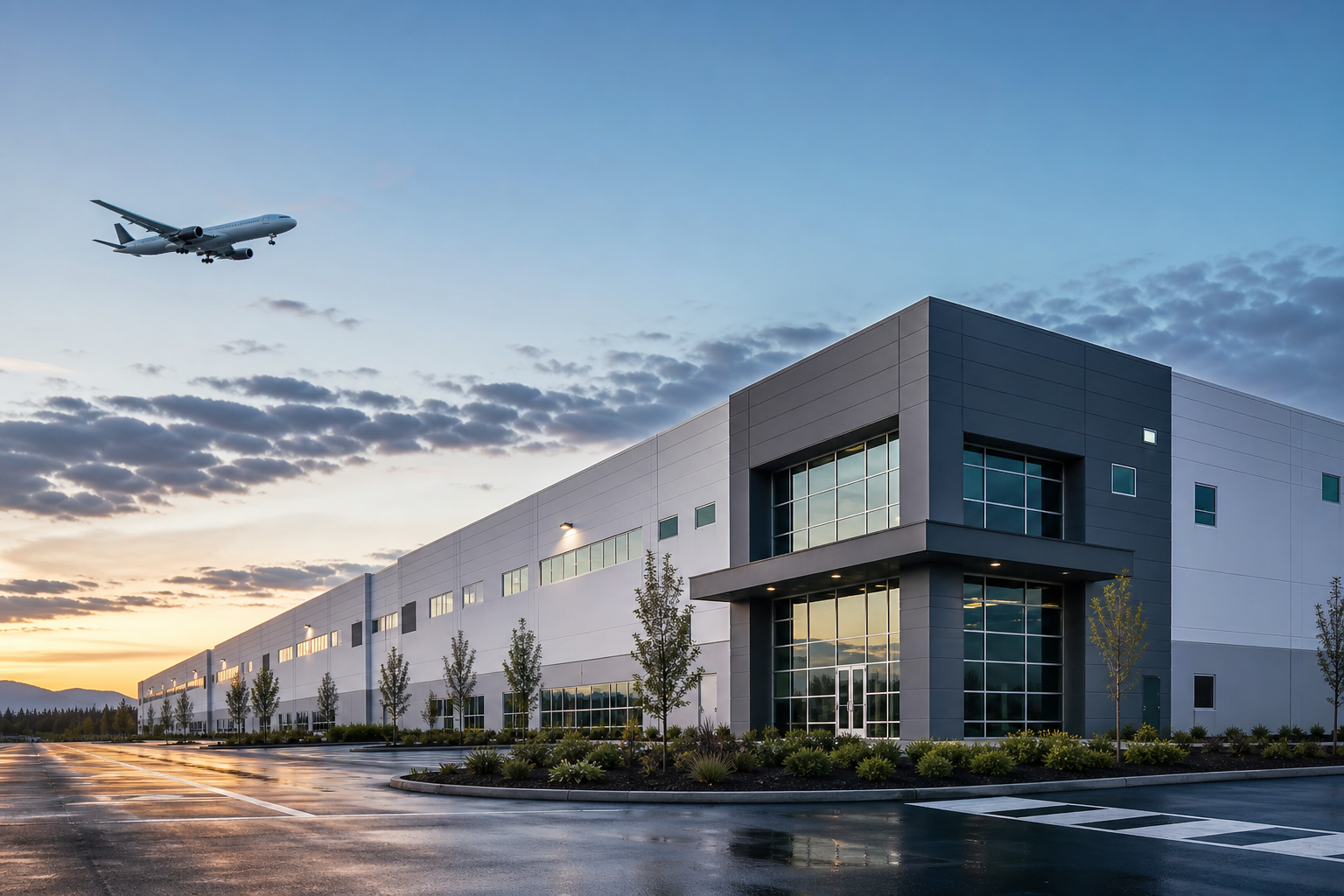
Lincoln buys value-add Class A industrial to lease into South Sound manufacturing.
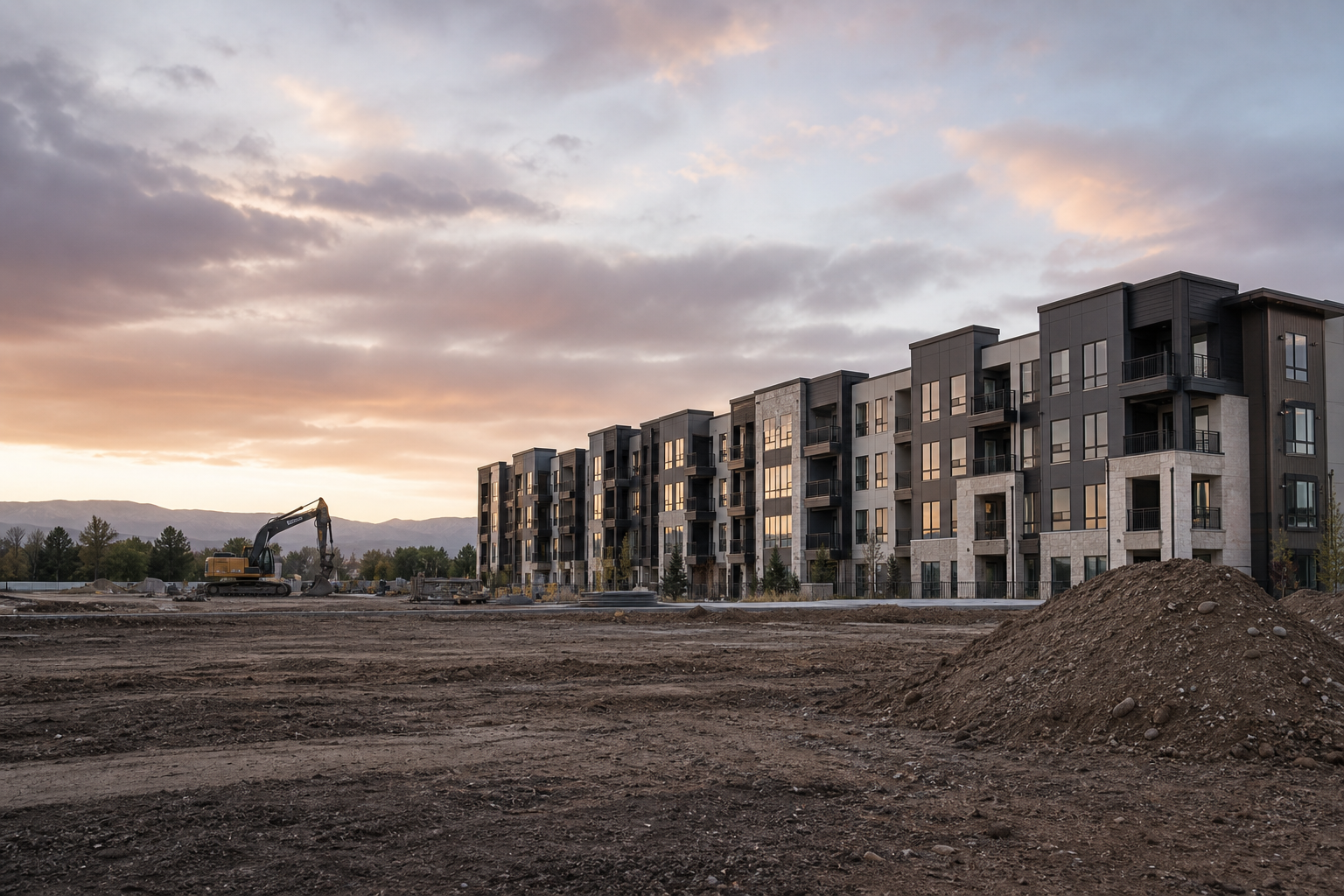
Fort Collins gets a luxury rental start as Mountain West supply thins.
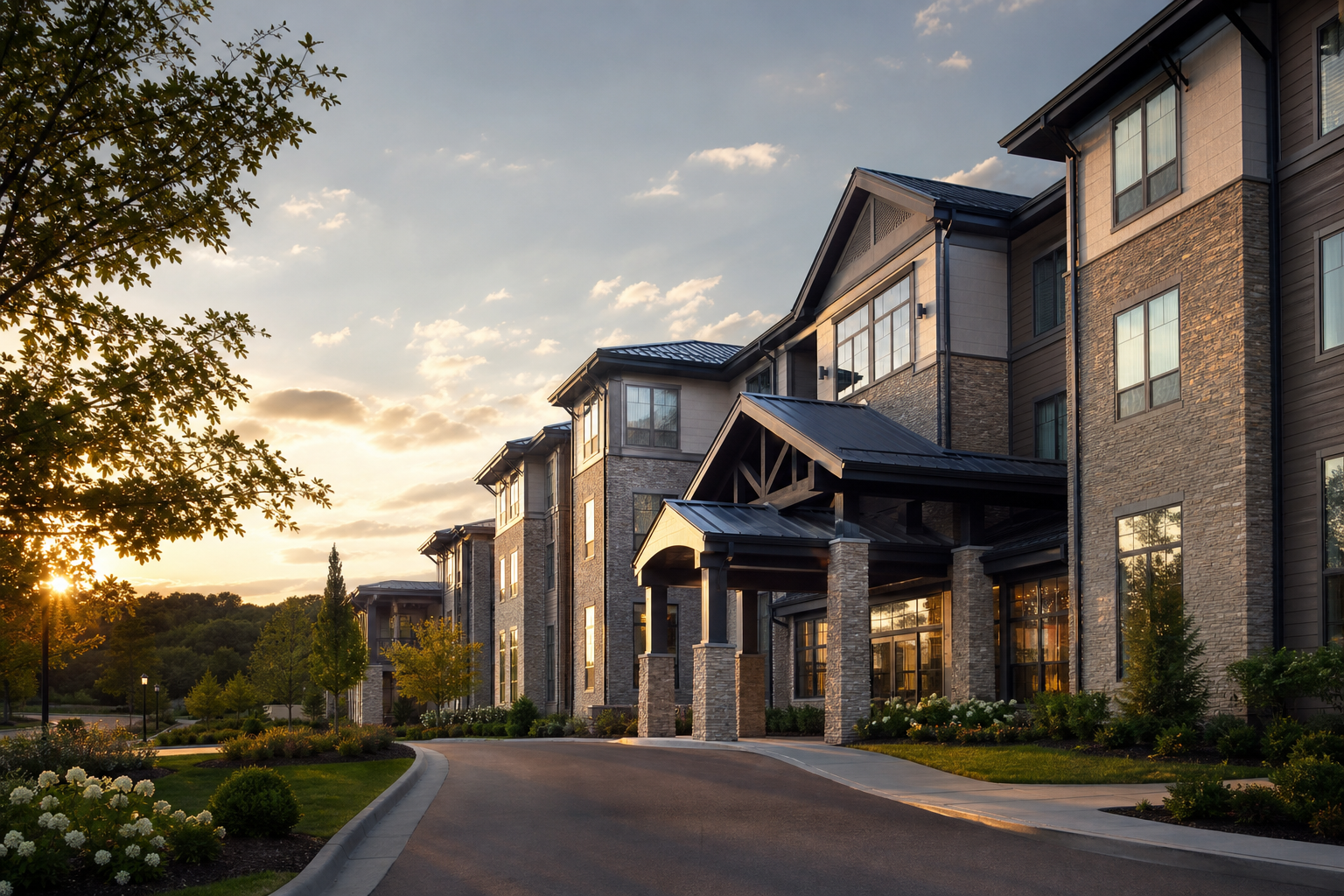
Welltower's Q2 marks its 15th straight quarter of 20%-plus senior-housing NOI growth — and it's buying more.

Input costs are climbing twice as fast as the bids meant to cover them.
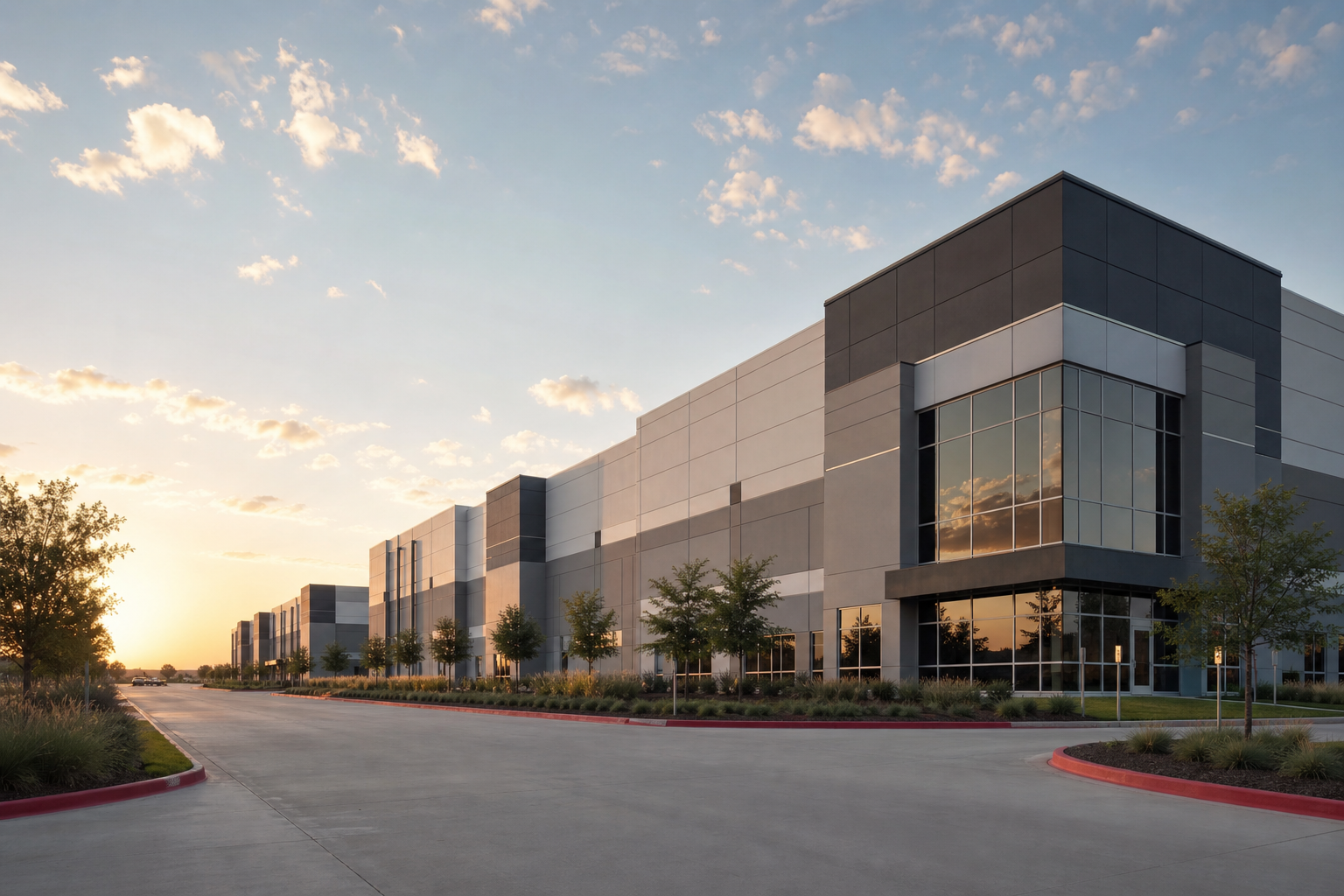
EastGroup raised acquisition guidance and re-leased space 35% above prior rents — the opposite of a rollover.
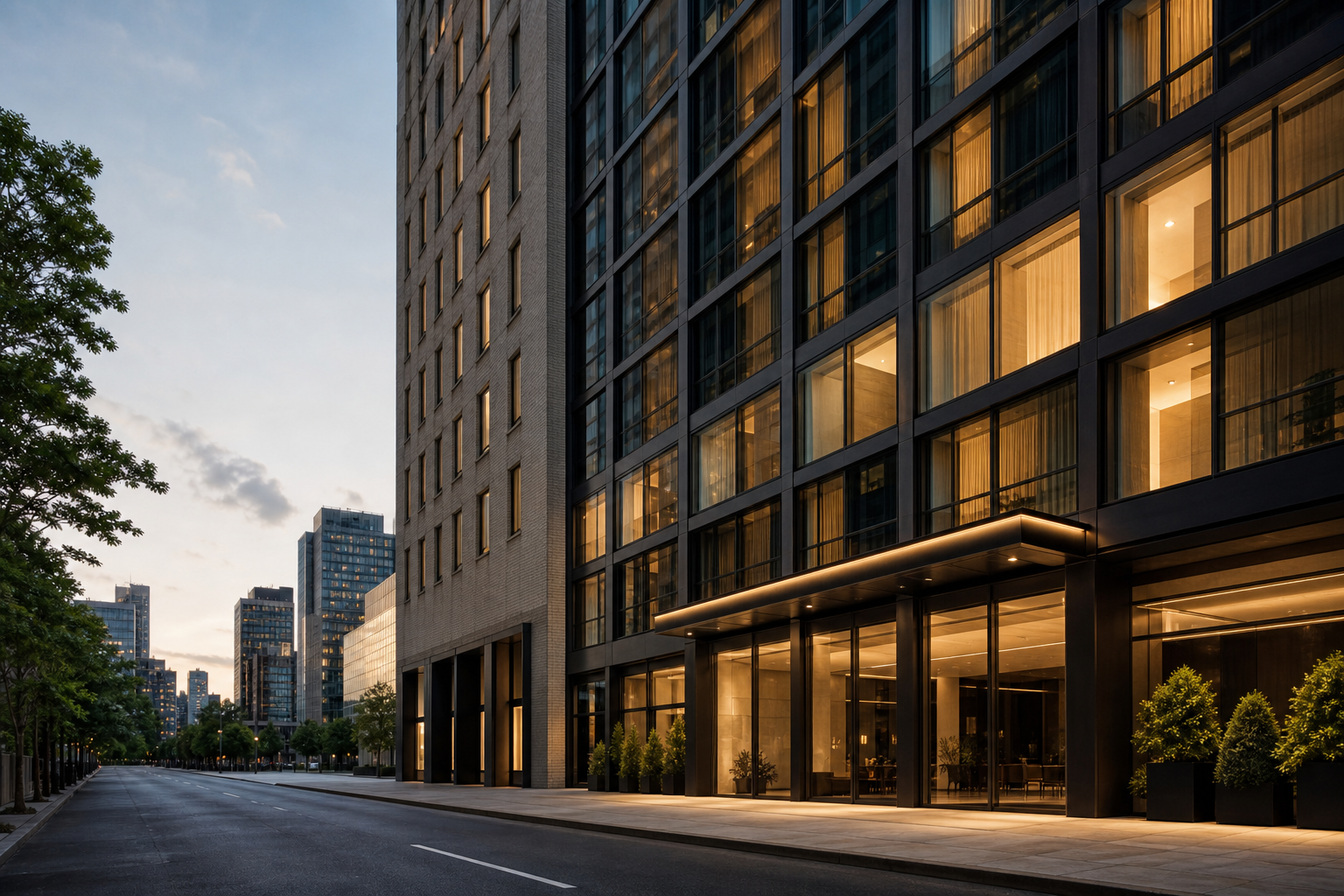
BlackRock exits Midtown extended stay and the operator outbids the conversion play.
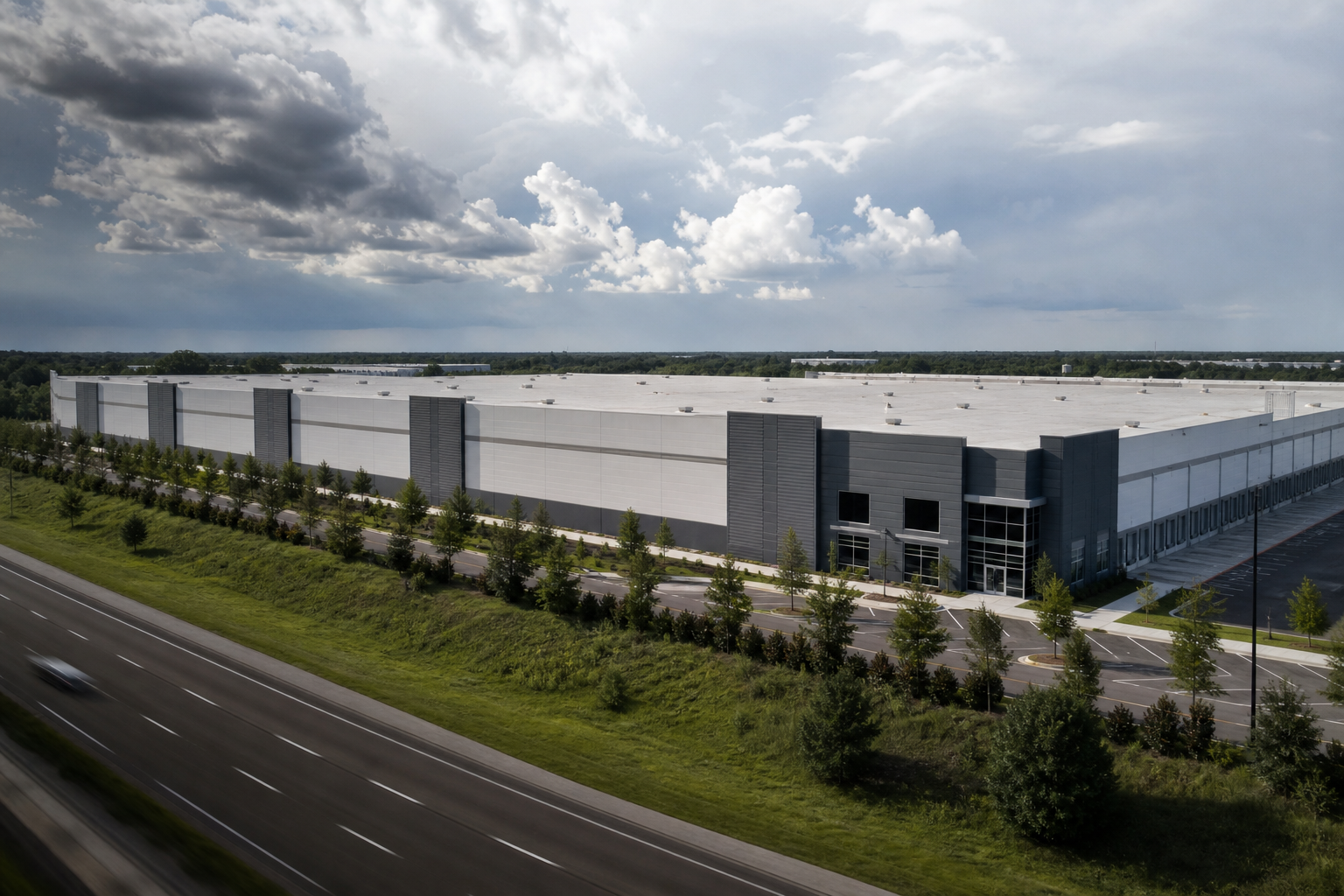
A single-asset warehouse print marks the I-4 corridors clearing price.

A mission buyer not a return fund sets the exit bid for stranded office-lab.
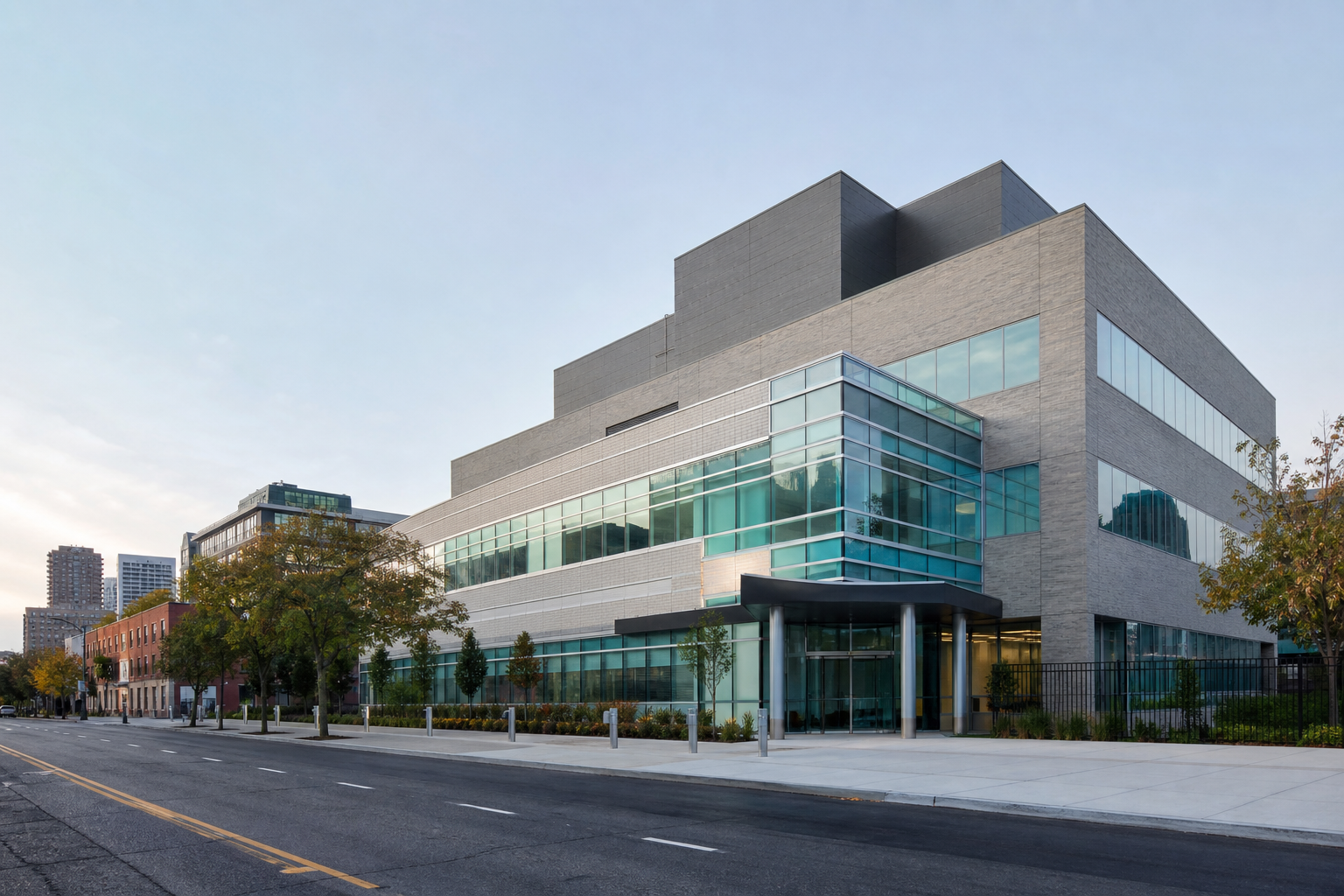
Essential-service medical office keeps clearing while other assets stall.

Occupancy climbs 100 basis points to 88.4% as the premier-workplace bid holds.
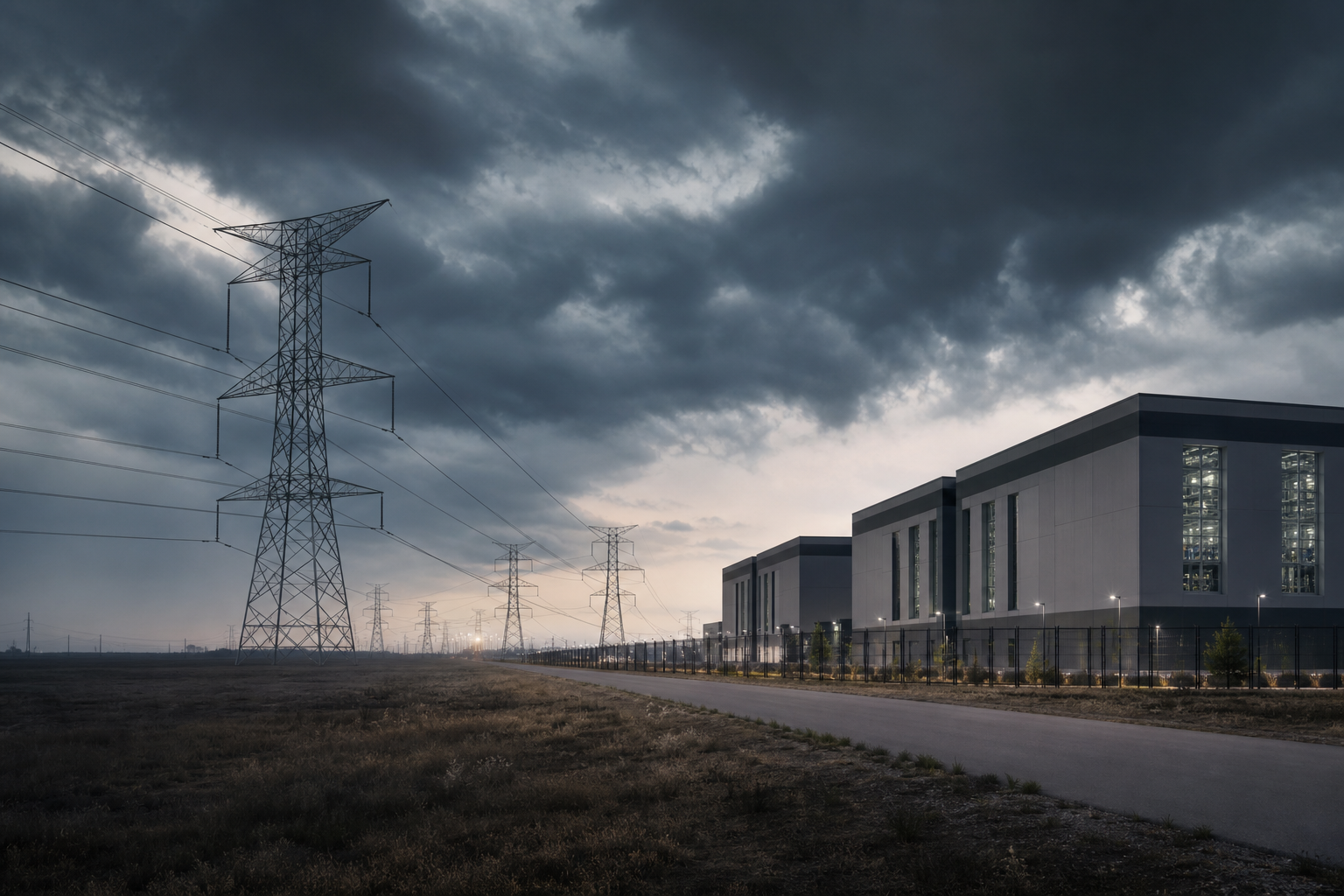
Interconnection not land now decides whether a data center gets built.
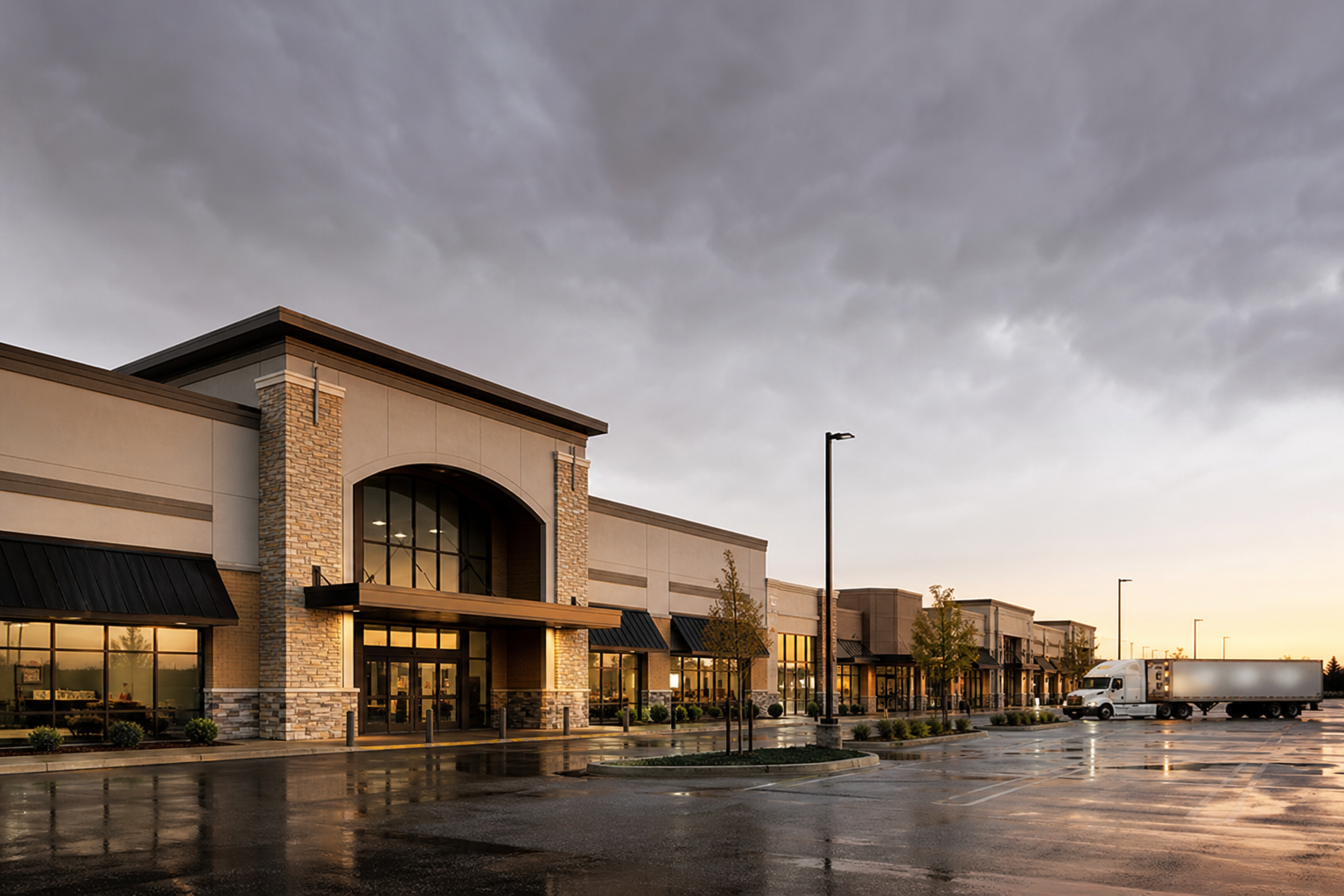
Ares takes Whitestone private for $1.7B as grocery M&A reshapes anchor credit.
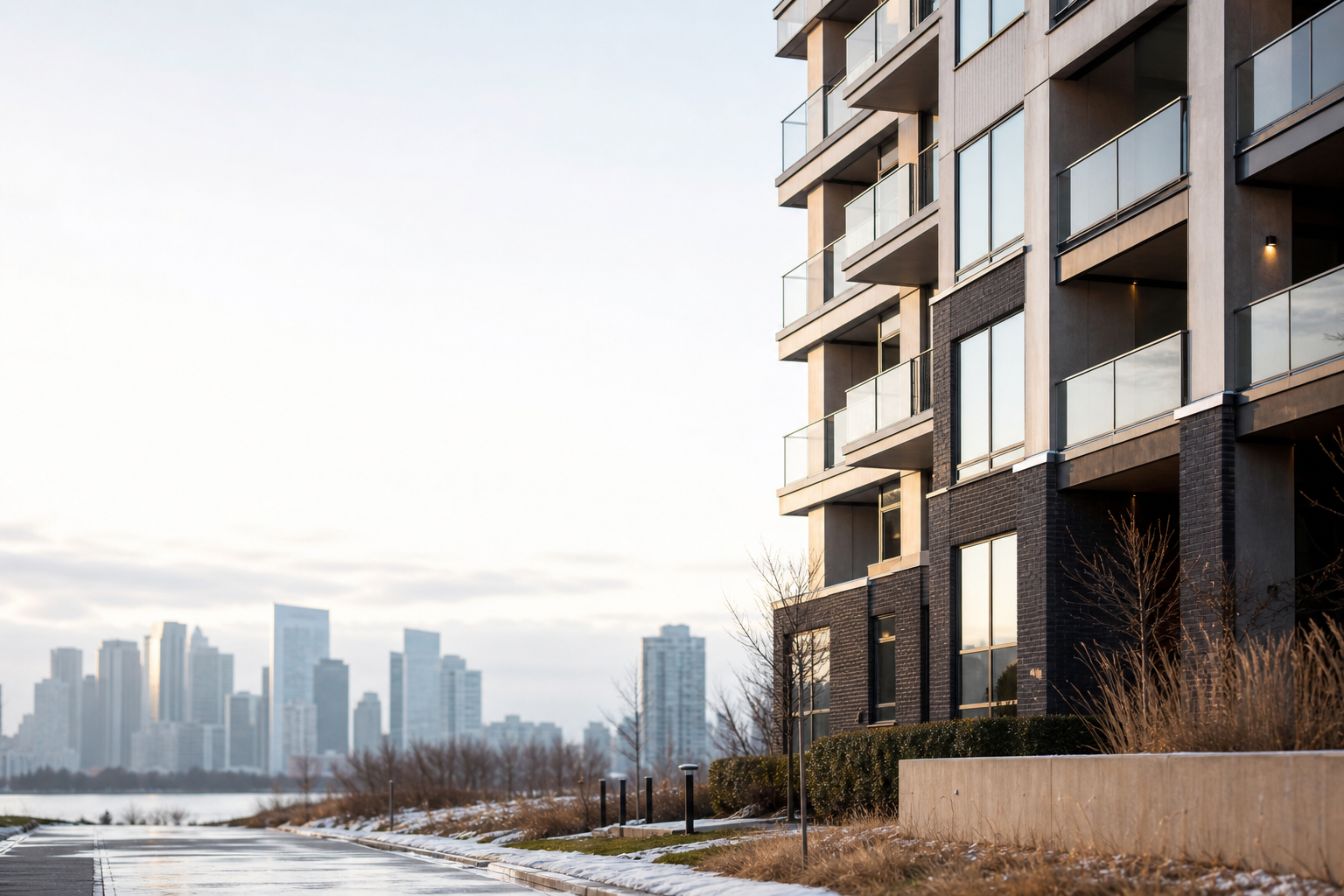
Entity-level volume up 11% to $1.6B as cap rates hold near 5.7%.
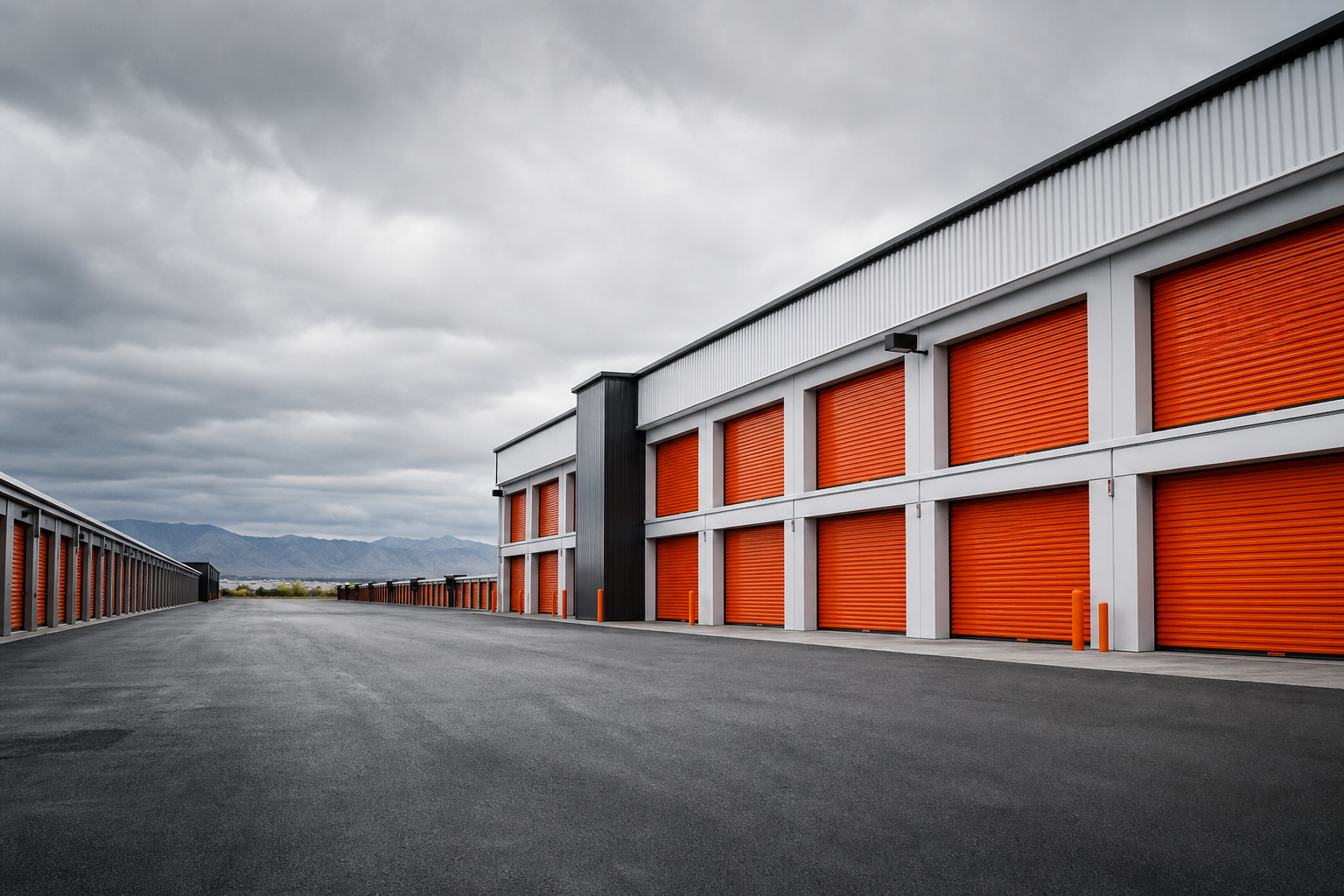
One REIT now controls 4500-plus facilities and about 330M square feet.

Three same-day gateway trades two resolving distressed CMBS.

When the buyer of trophy office is the tenant that is the price.
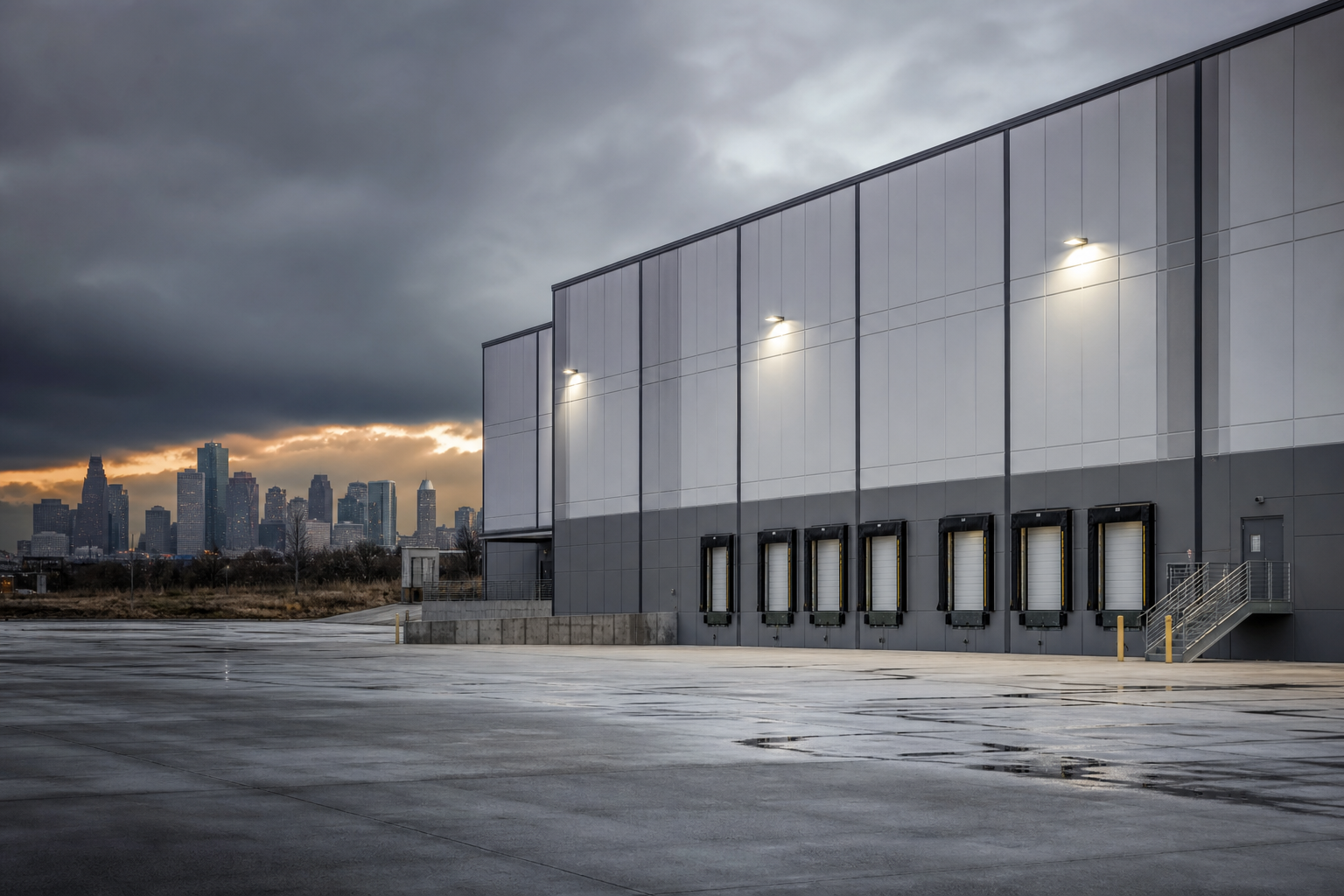
Boomerang bets on scarce delivered cold storage while tariff risk stalls the field.
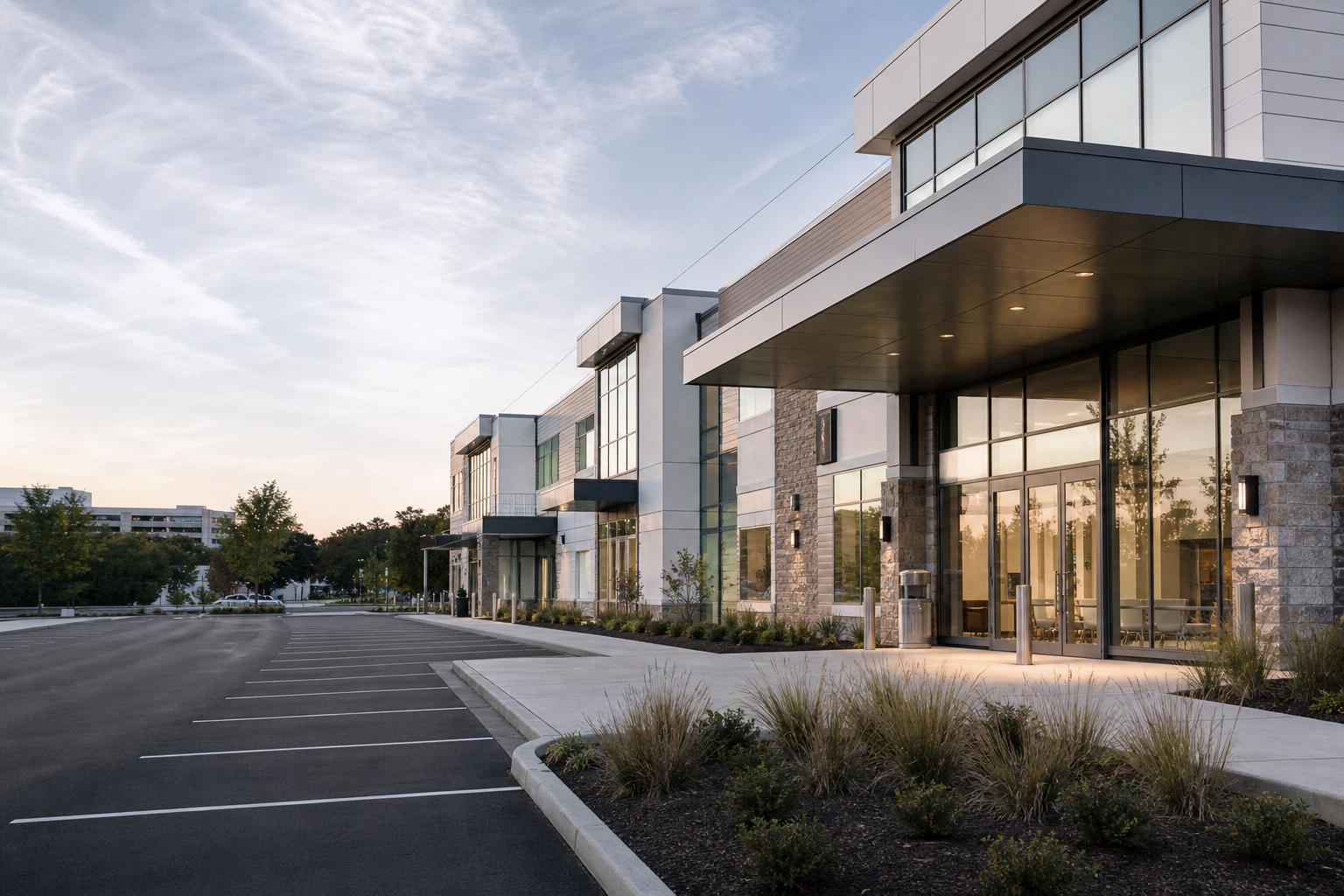
Outpatient demand and 92% occupancy pull capital out of traditional office.

A repeat institutional buyer adds gateway rooms opposite Rockefeller Center.
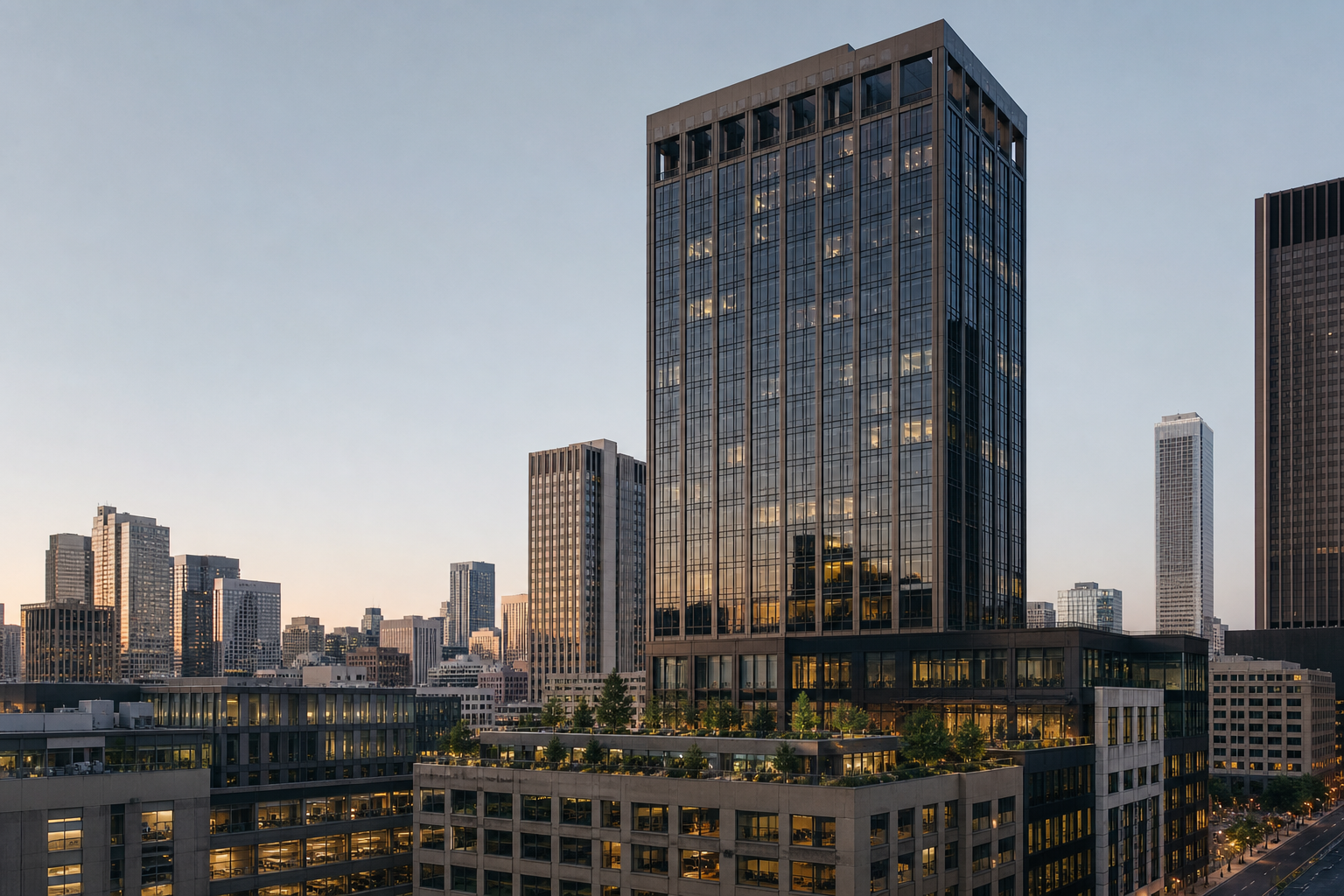
Adaptive reuse stops being a stunt and becomes a national housing pipeline.
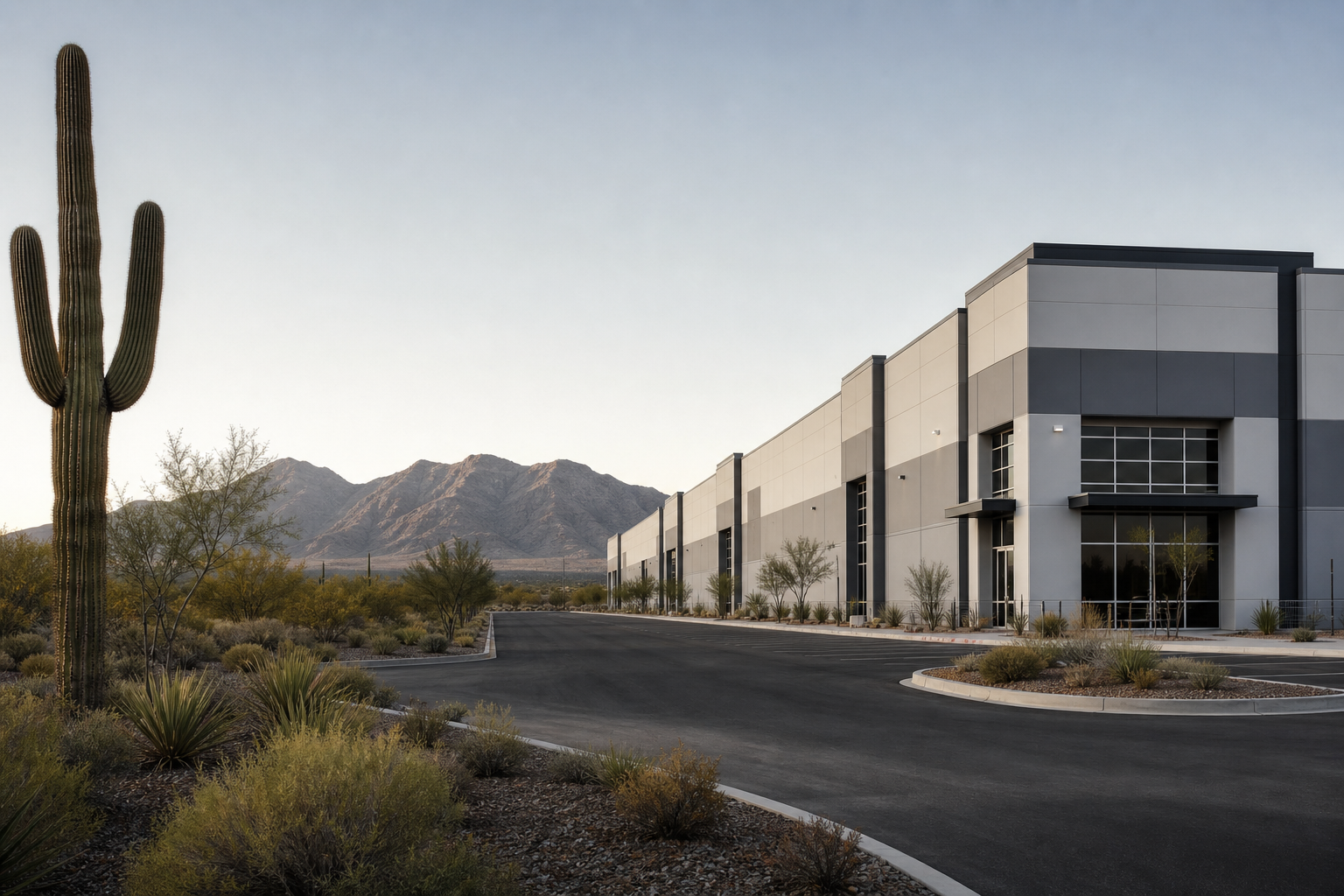
Majestic Realty and Salt River Pima-Maricopa sign a landmark lease for a ~1M-SF park.

A fully-leased 706,395-SF Plano campus lists into a bifurcated office market as Samsung seats its U.S. HQ.
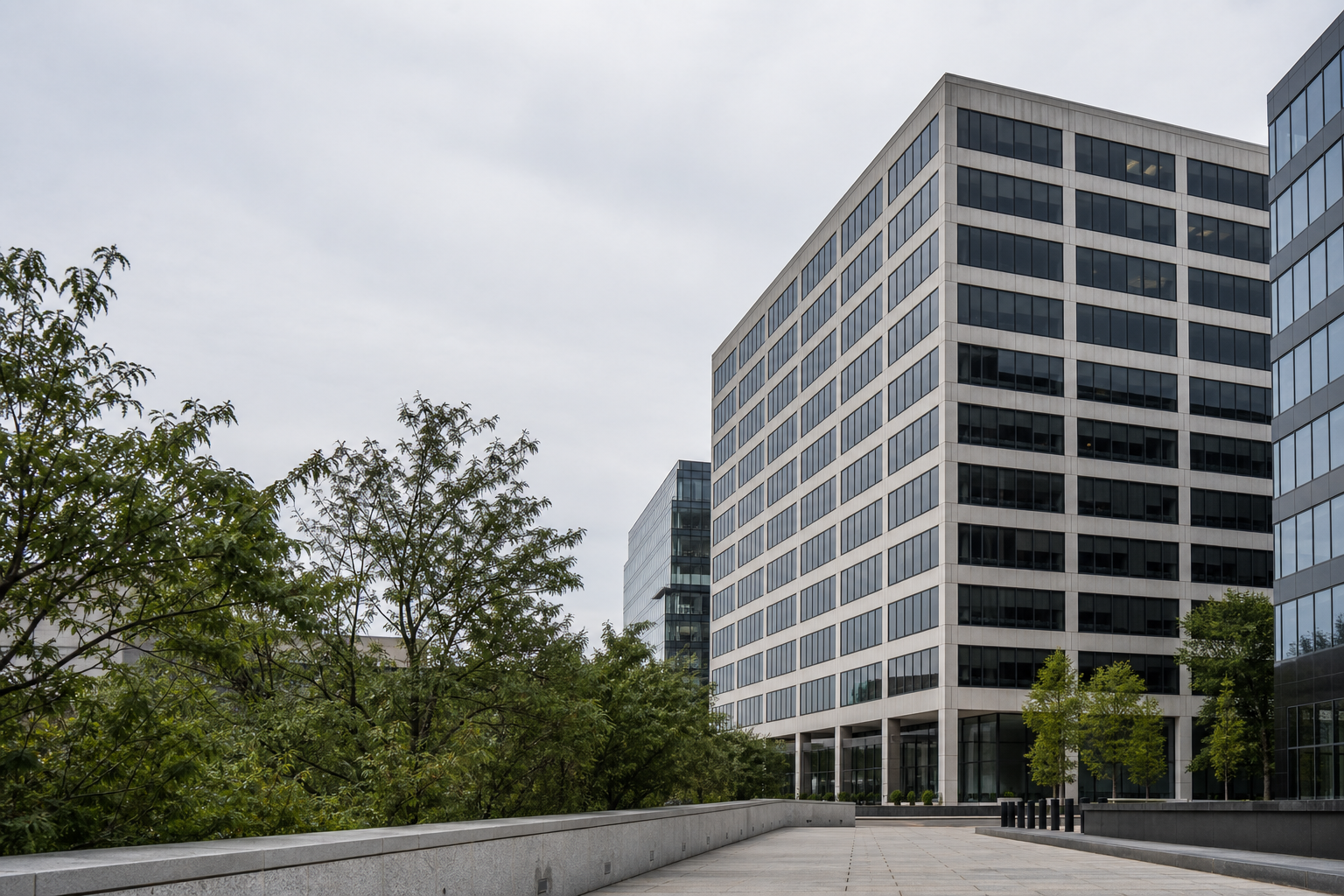
A 186,007-SF downtown tower trades at $21M — about 46% under what Brookfield paid five years ago.
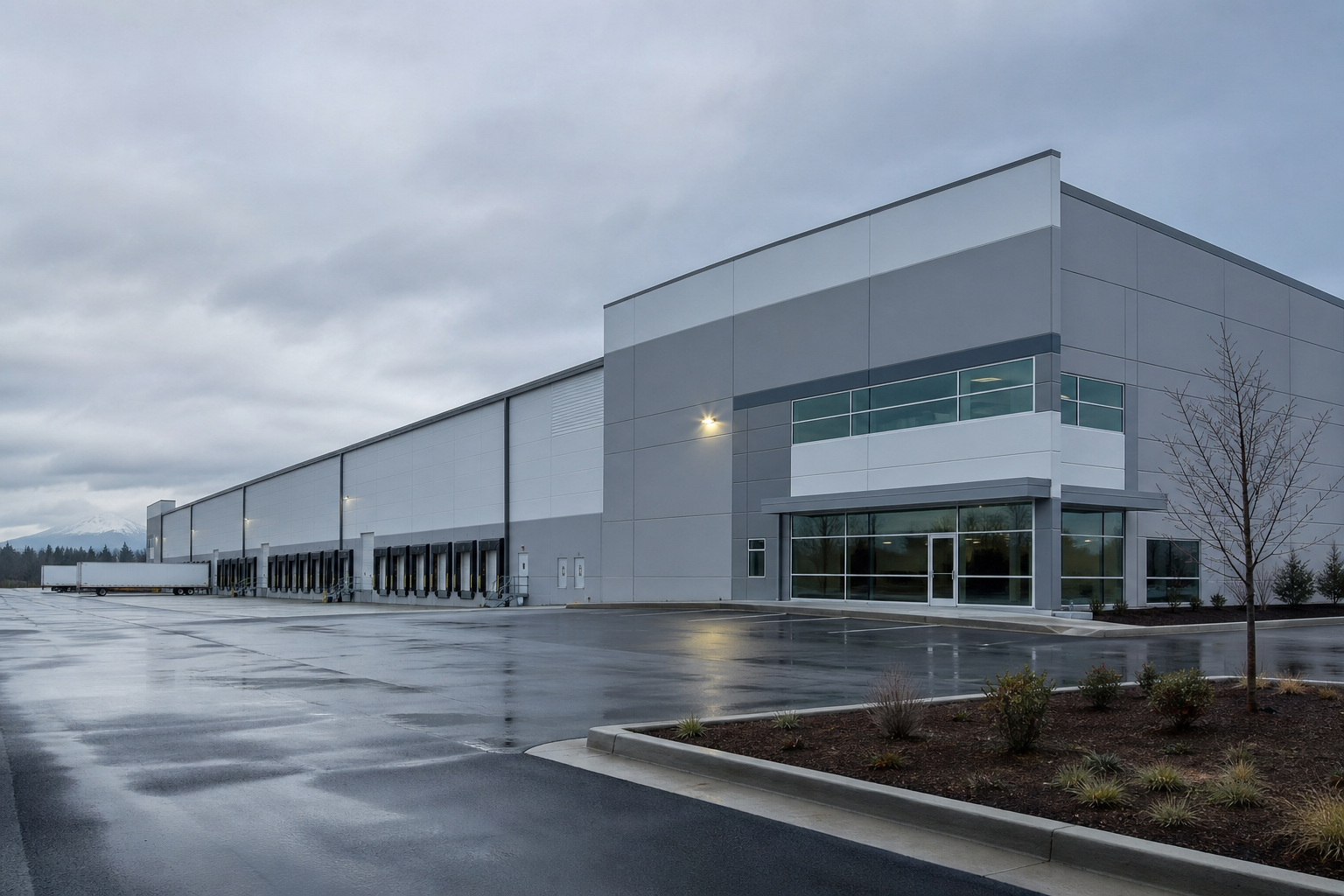
Bridge Logistics pays $222.86/SF for a Harbor Freight distribution center near Tacoma.
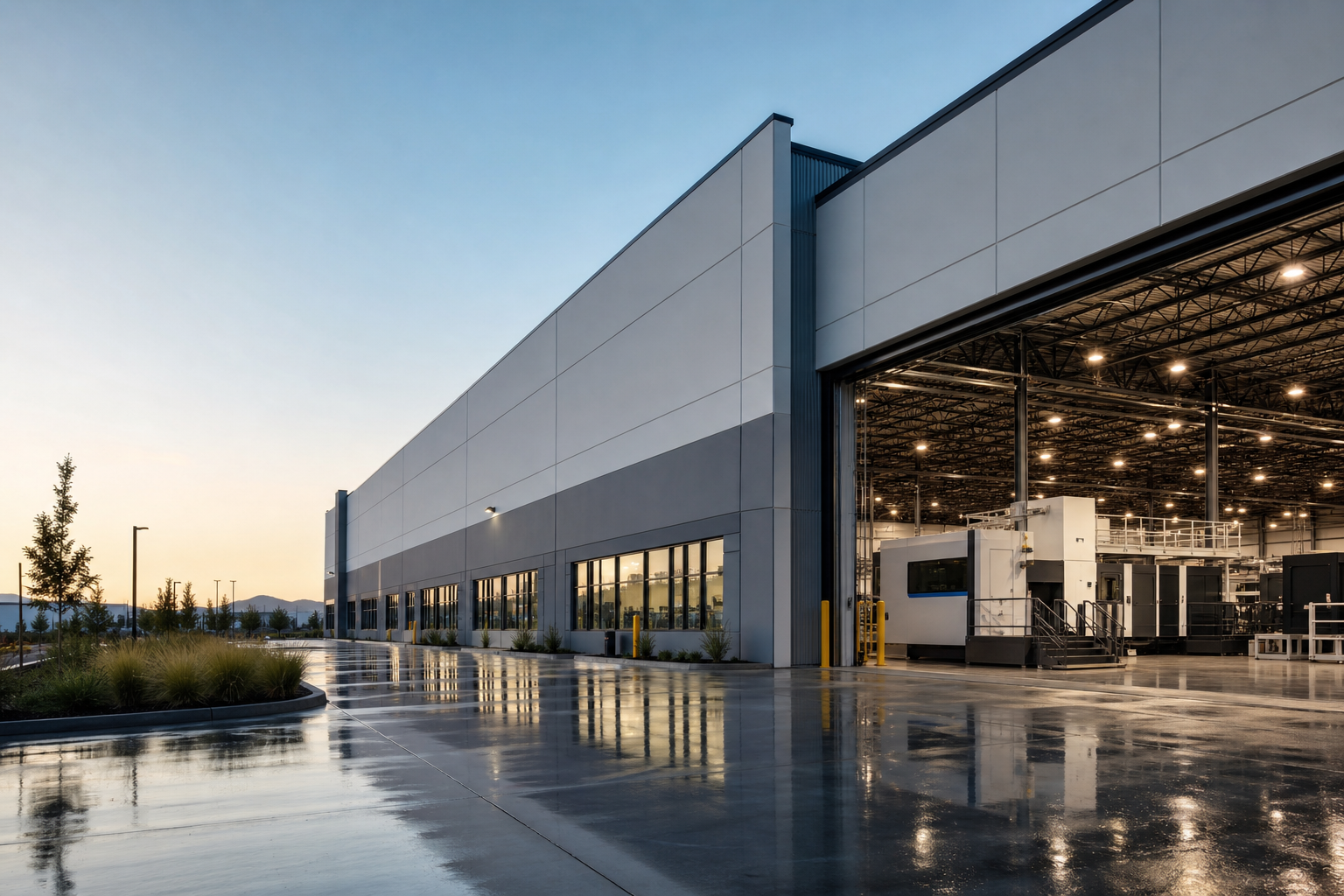
Velo3D leases a 288,700-SF Bay Area facility to move metal 3D printing from prototype to production.
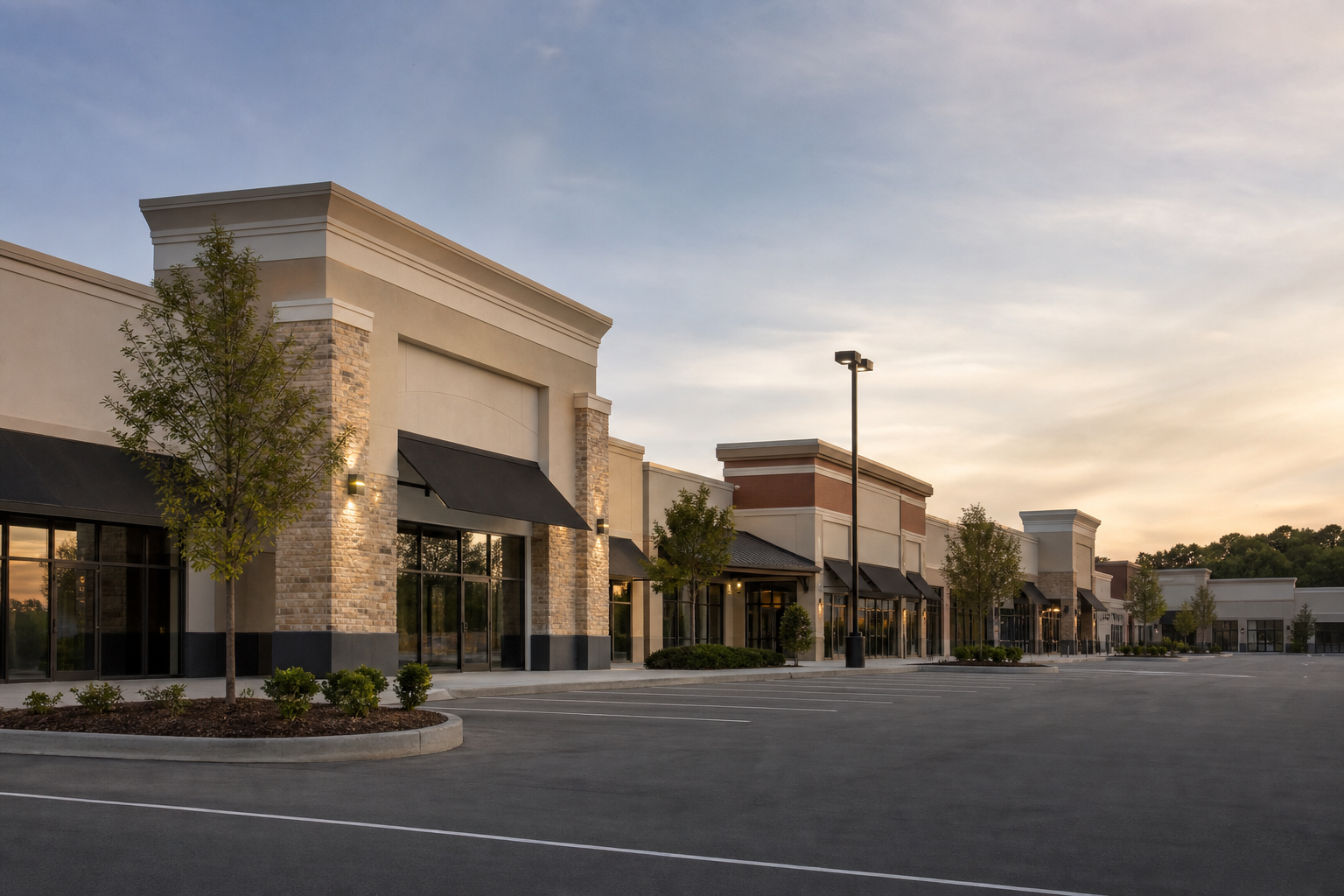
DLC pays $36.6M for a Charlotte center inside a 1.1M-SF, five-state buy from Kite Realty.
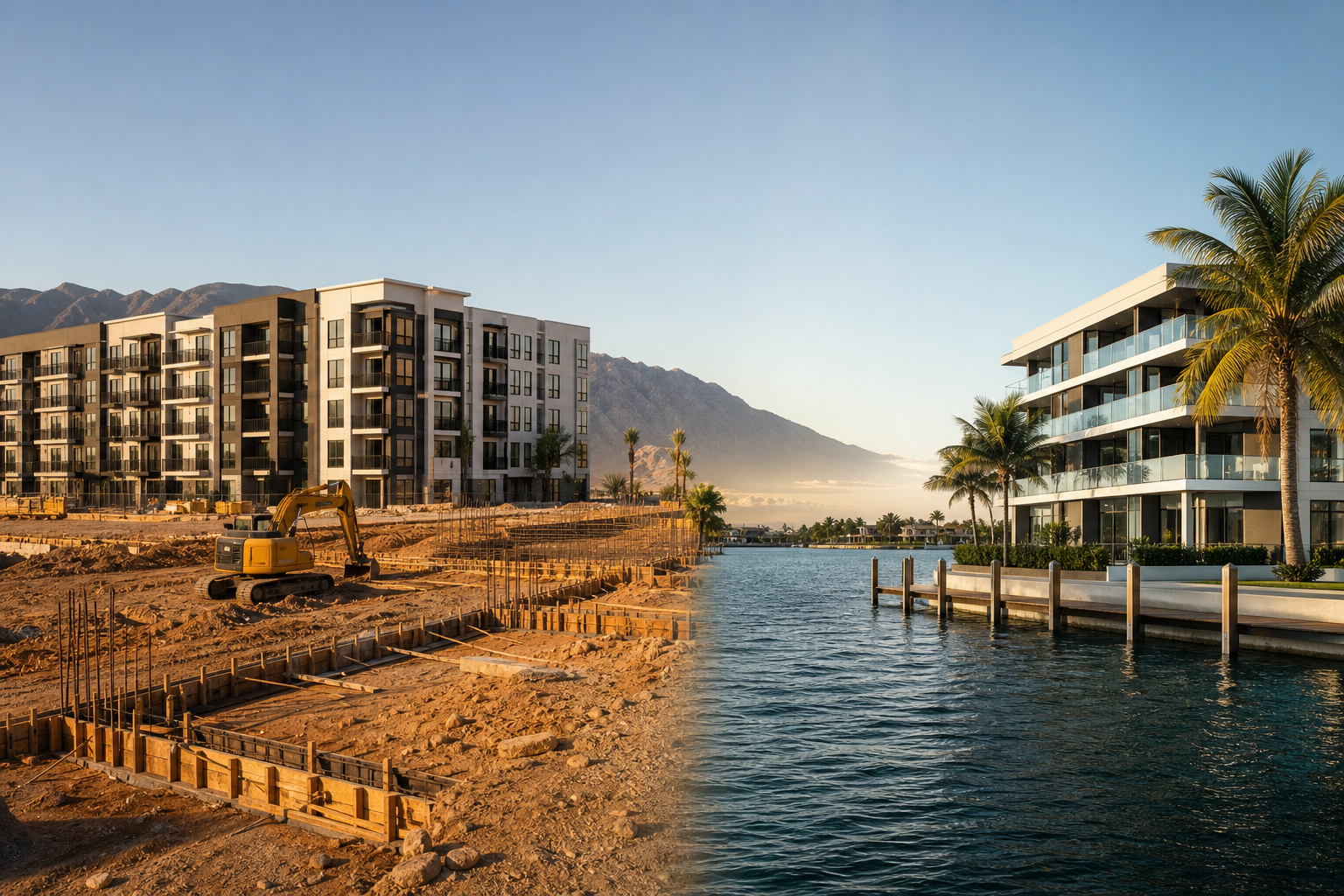
Mill Creek starts 330 units in Phoenix as Morgan breaks ground on a Deerfield Beach waterfront.
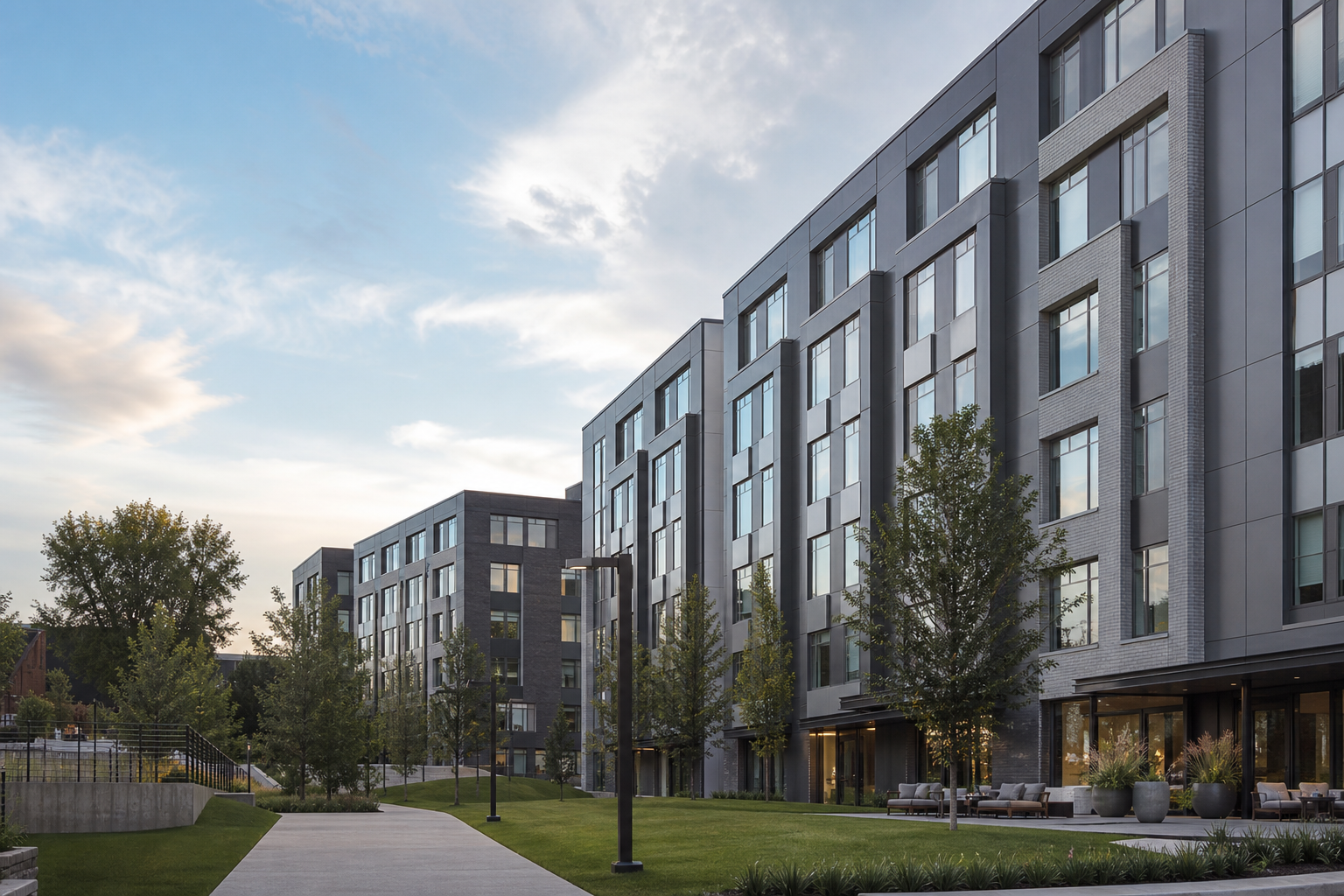
Capital is buying pre-leased student housing as core income, not a niche bet.
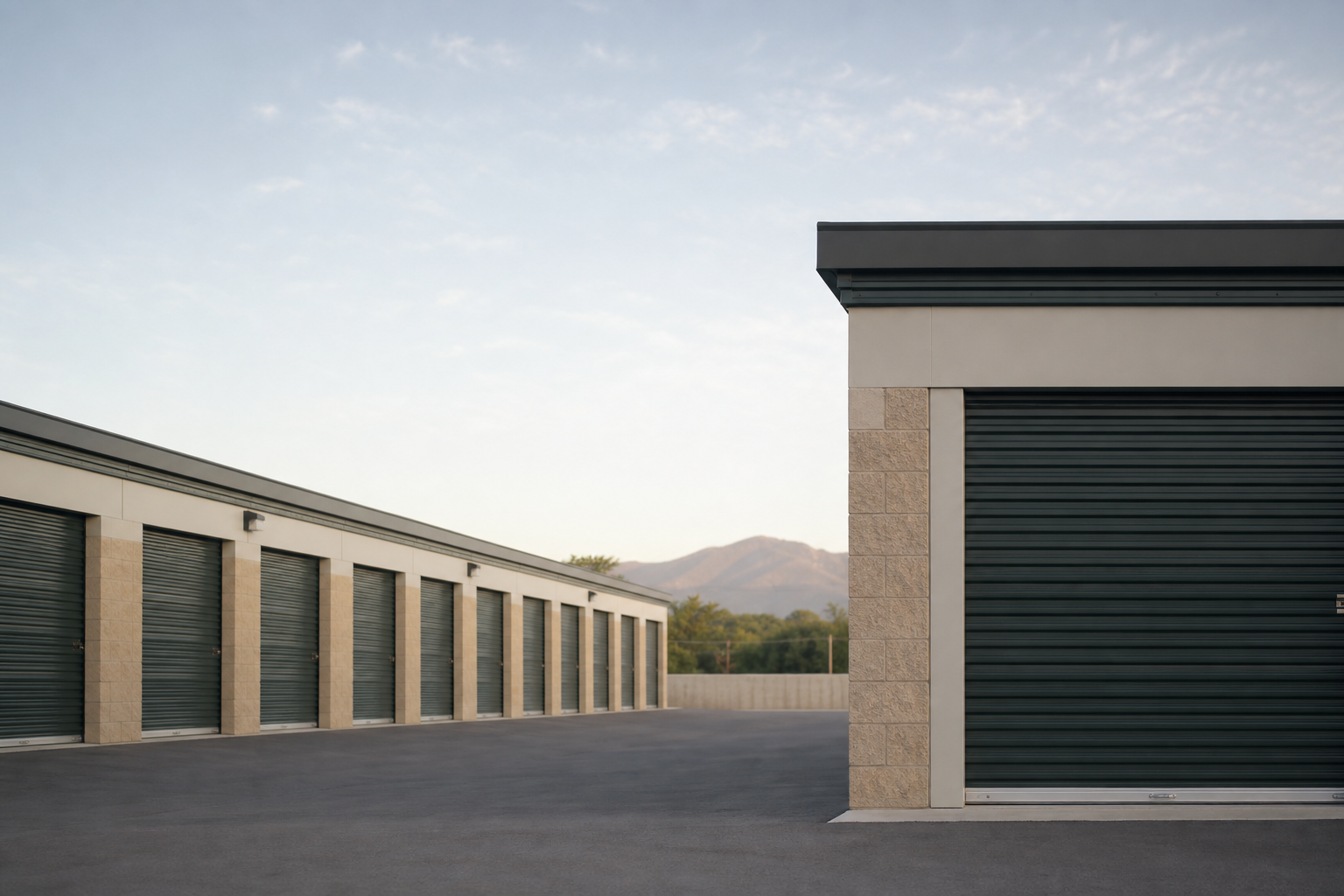
A July run of 1031-driven deals shows storage staying a granular, private-capital market.
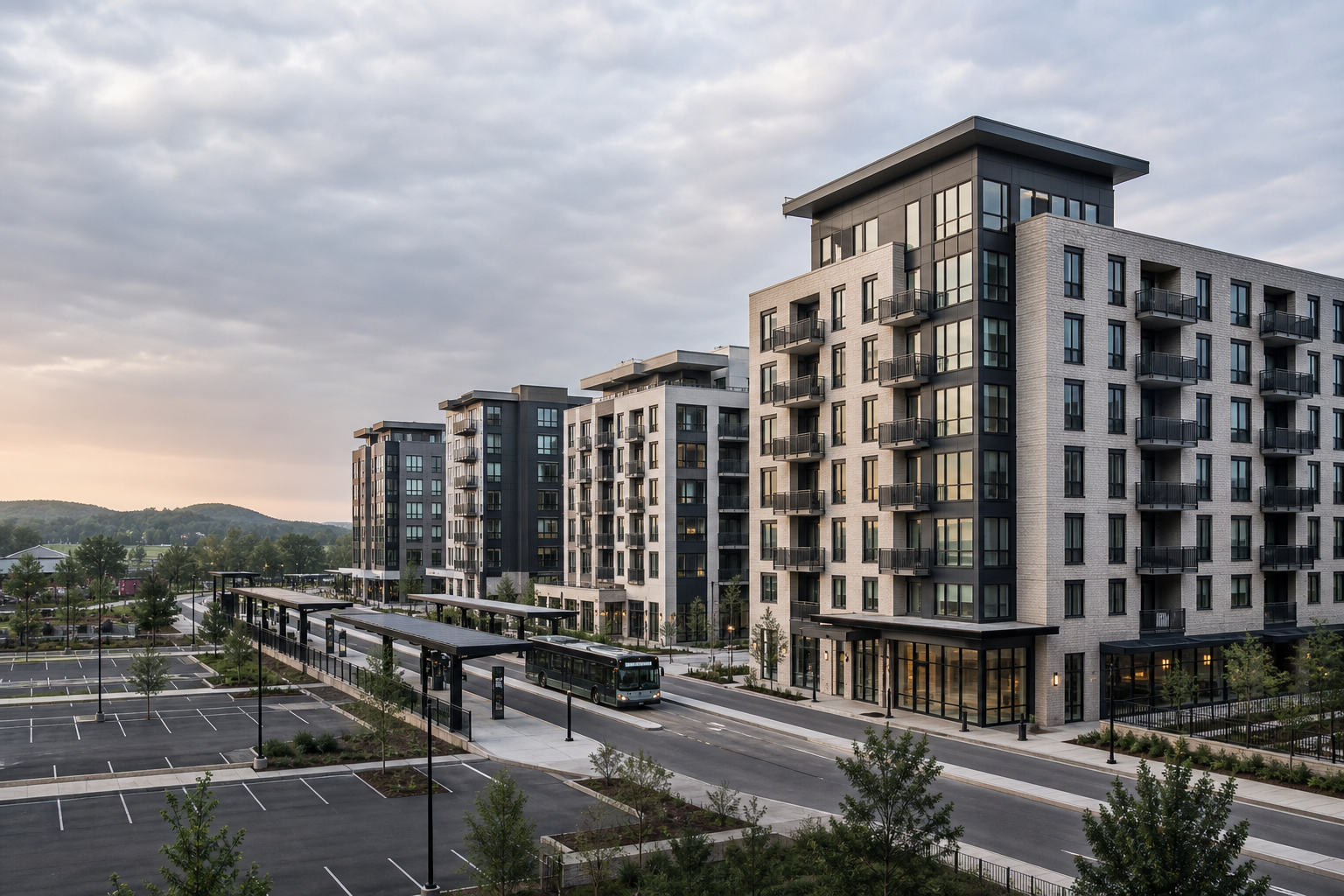
Terra delivers 578 units of a $1B transit-oriented P3 while private multifamily starts sit near multi-year lows.
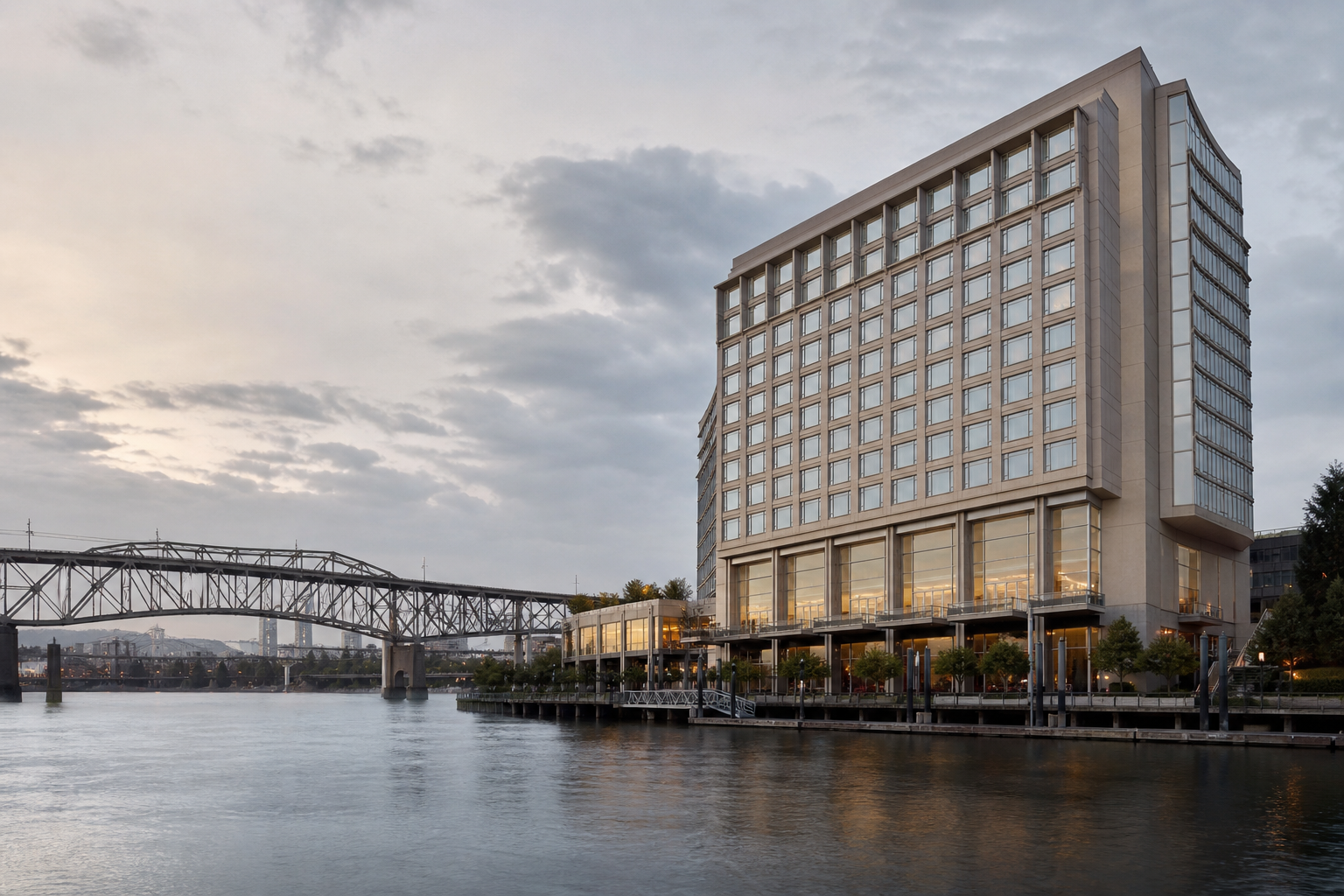
Amaterra takes the waterfront RiverPlace Hotel and hands the keys to CoralTree.
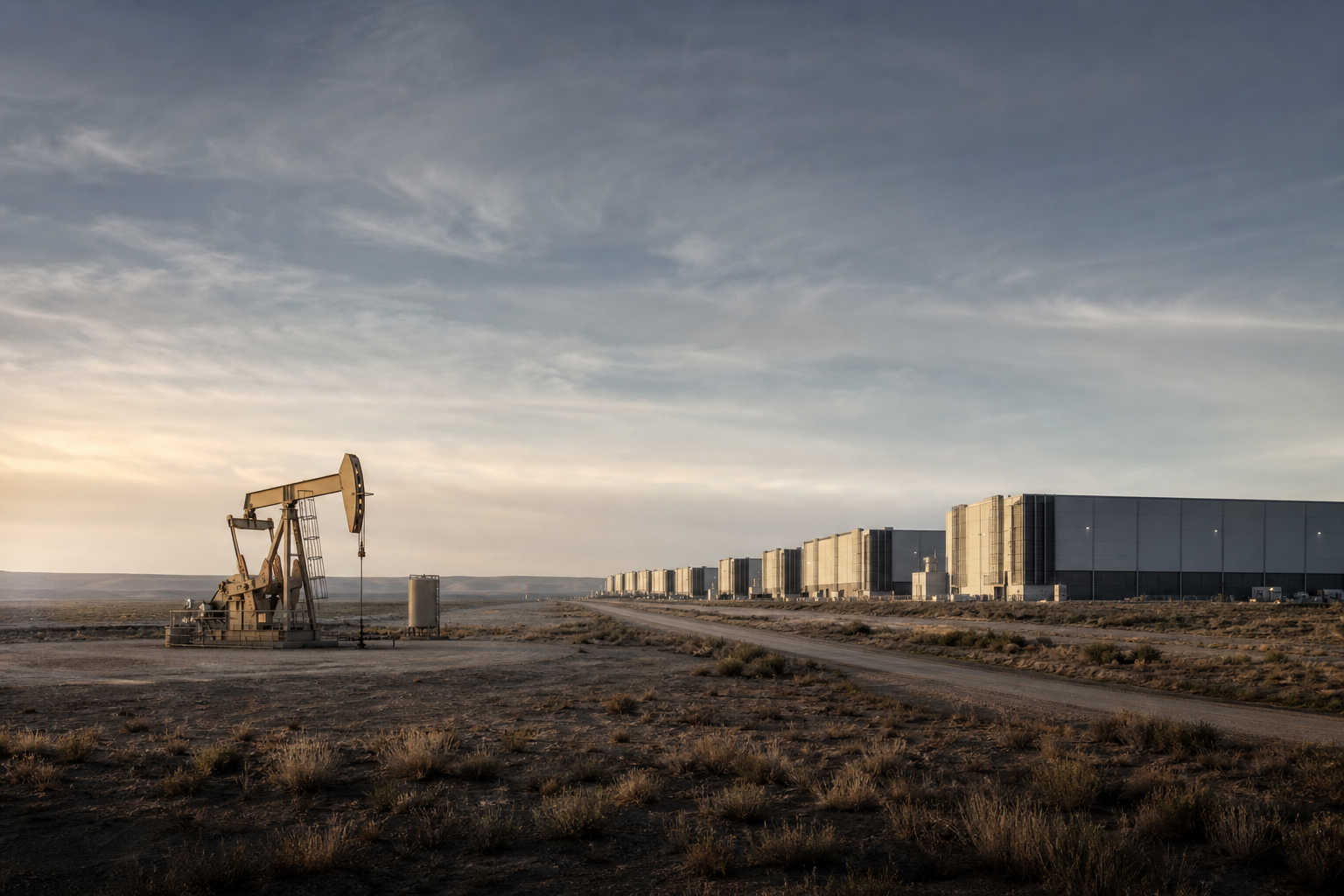
Liberty Energy and PowerBridge form a JV to feed a planned 2 GW West Texas data-center campus.
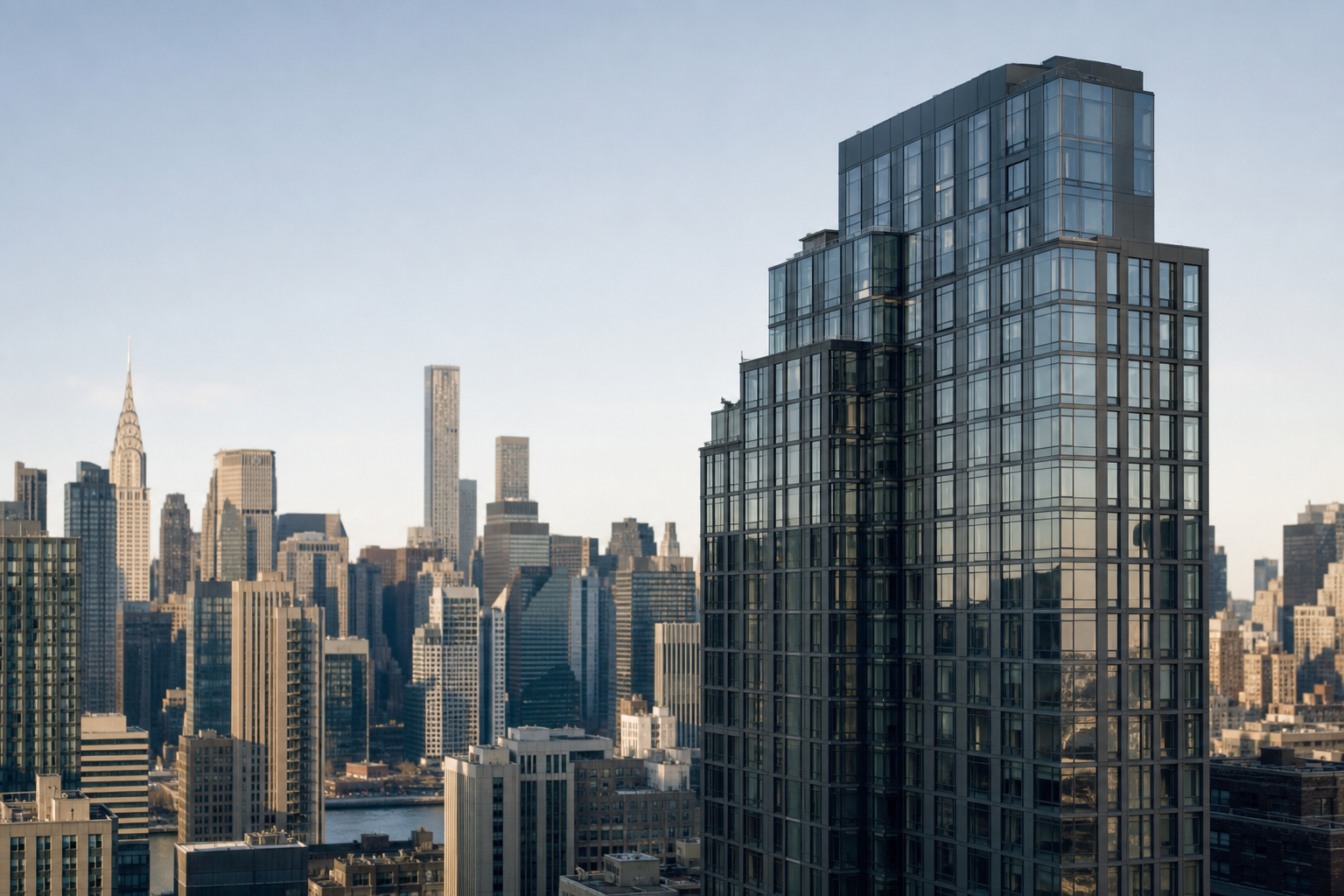
M&T backs a just-built 194-unit Turtle Bay tower into lease-up.
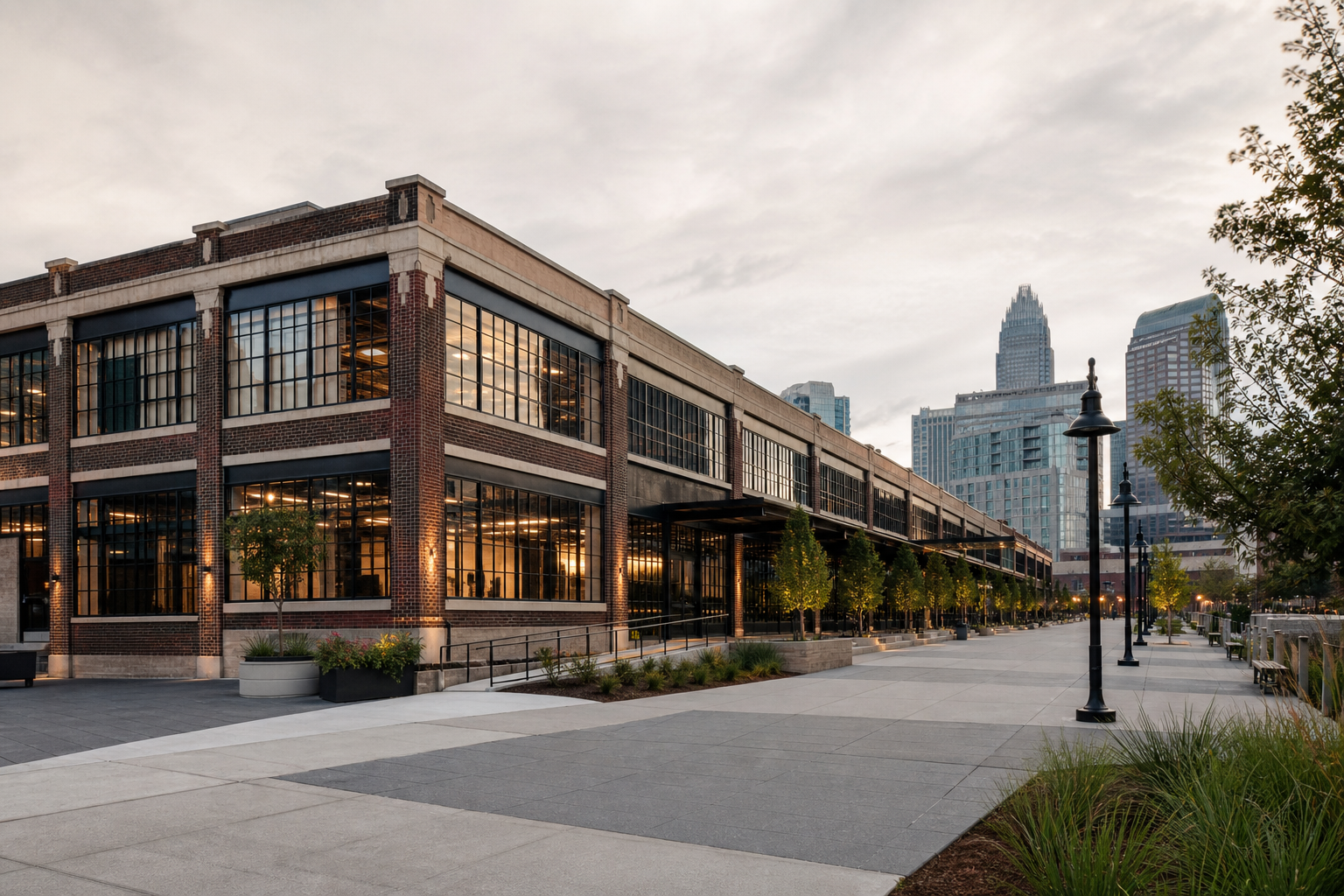
A 1929 warehouse turned creative-office-and-retail district trades at a premium while commodity office discounts.
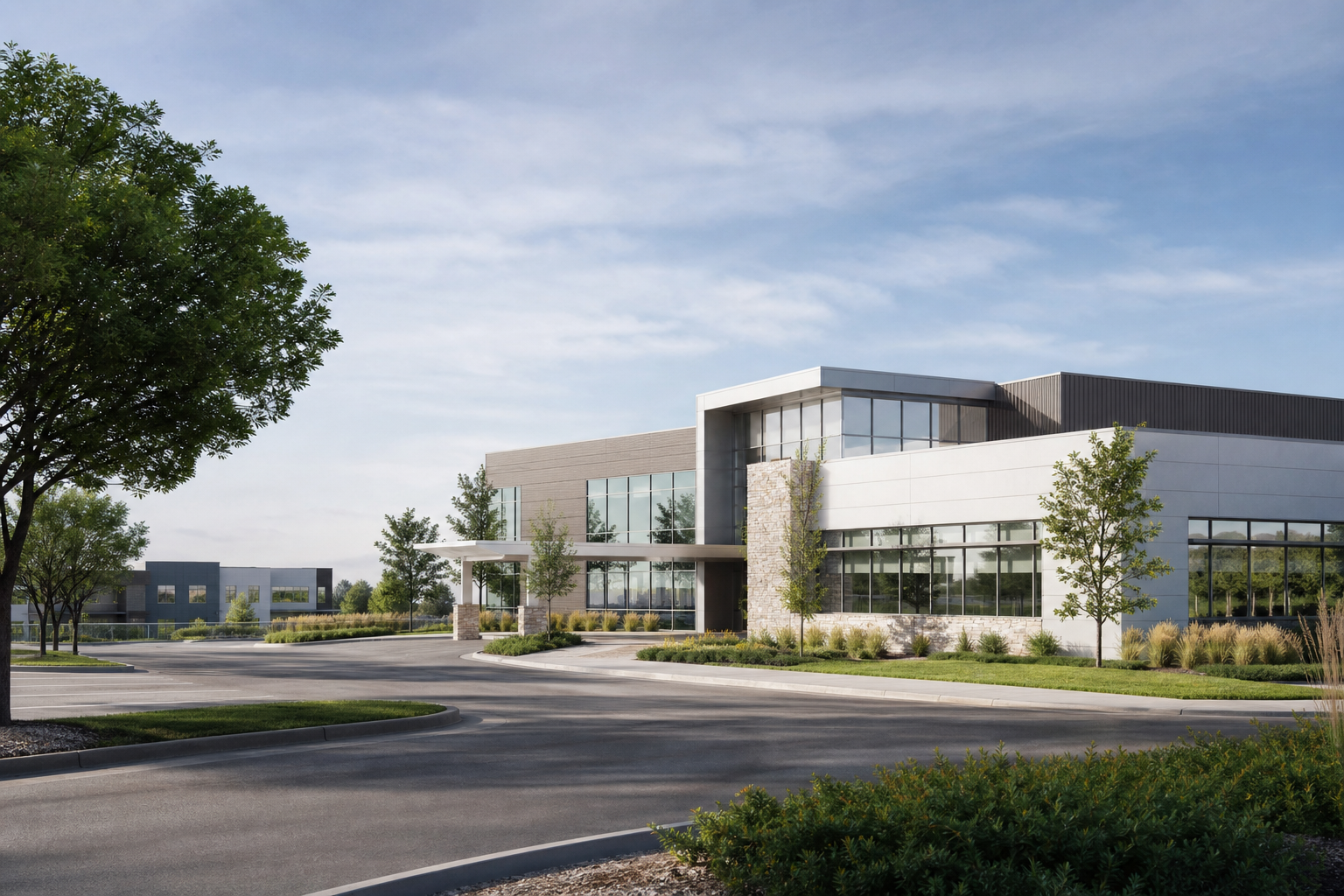
A four-property medical portfolio trades off-market to a specialist aggregator as MOB consolidation grinds on.
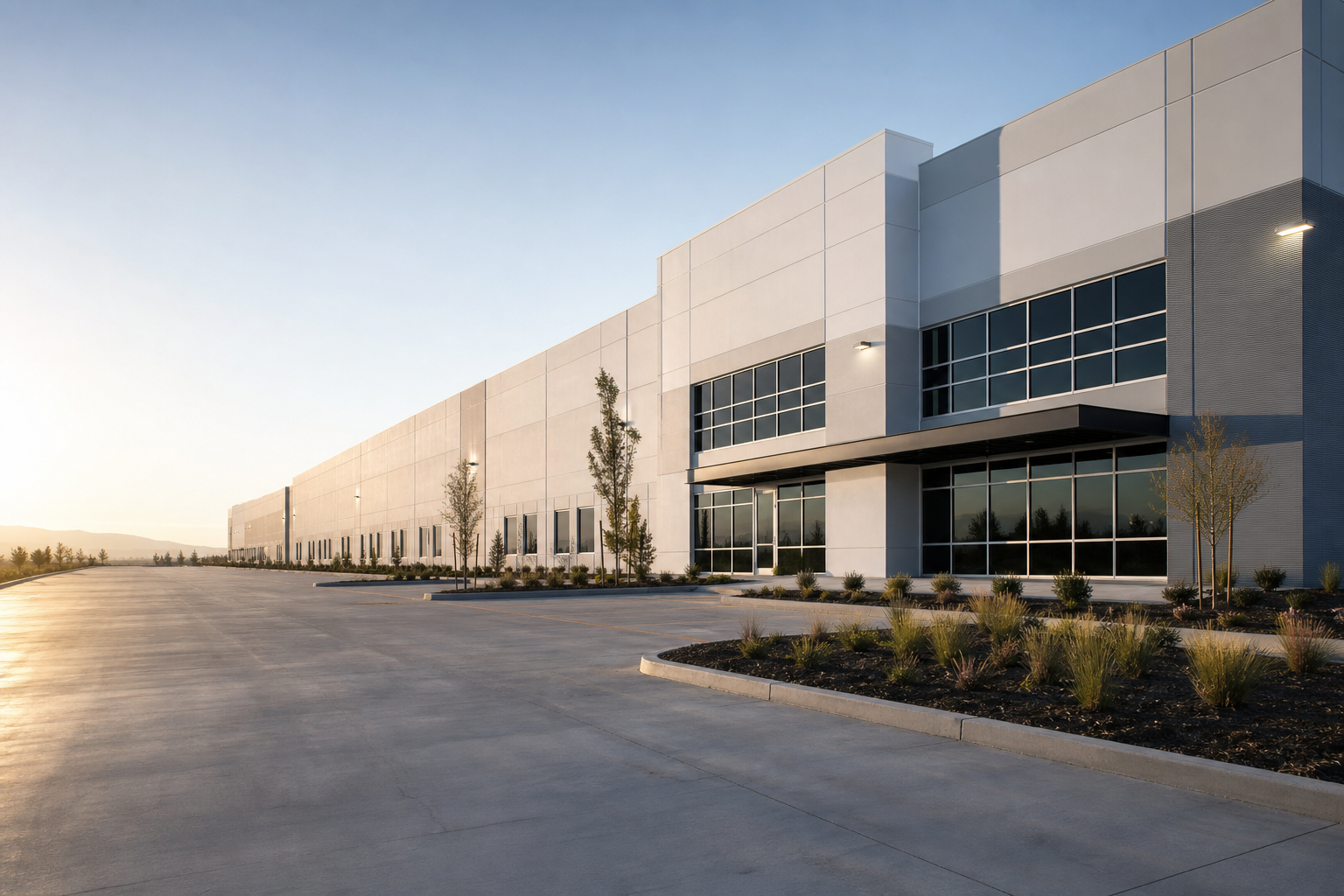
A 1.47M-SF, two-building trade puts a fresh pricing print on the most-watched industrial market.
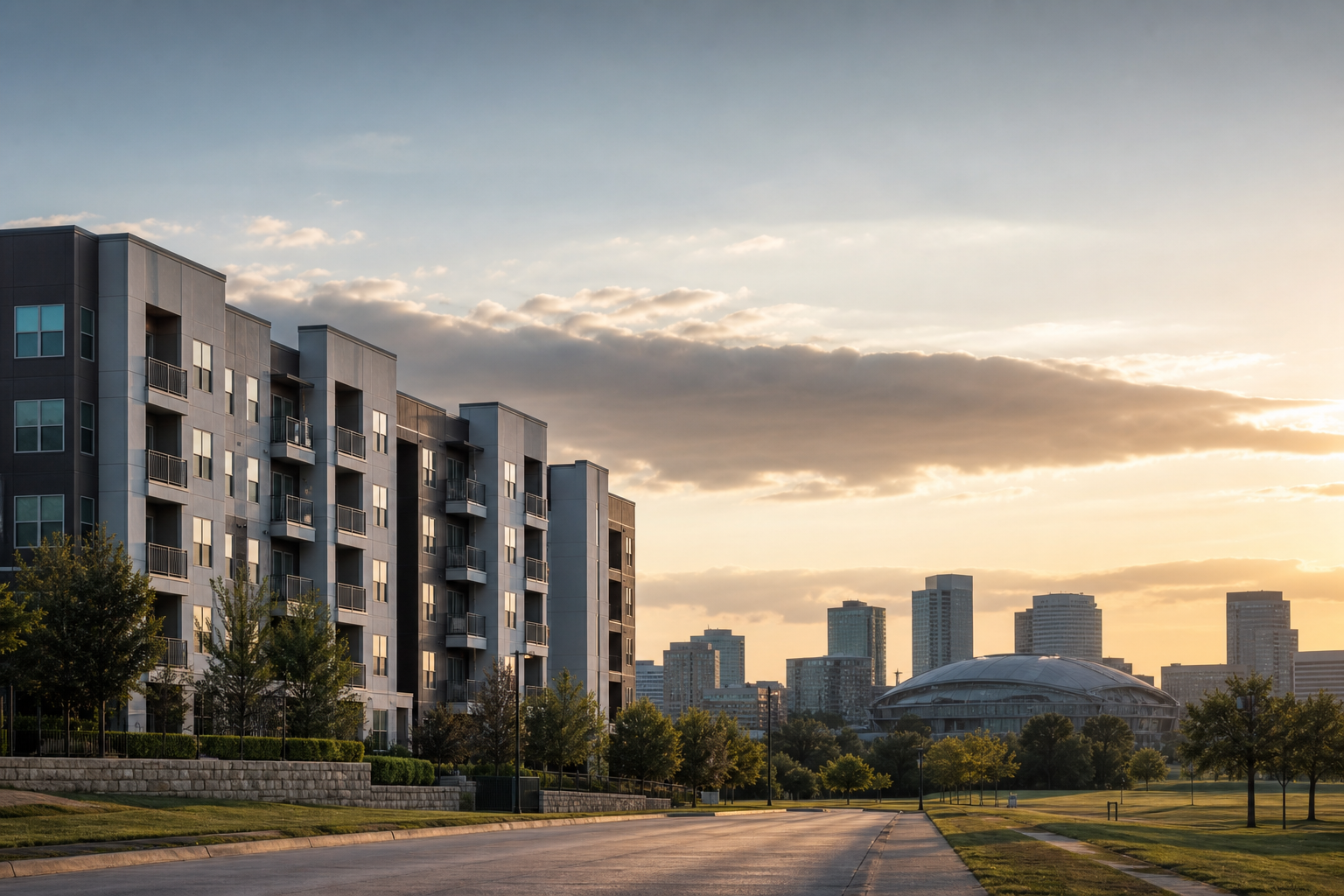
Greystar exits a 423-unit complex at $510K a door as Goldman and GID buy the same submarket the same day.

90,300 units and rising — obsolete office is becoming the country's fastest-growing housing pipeline.
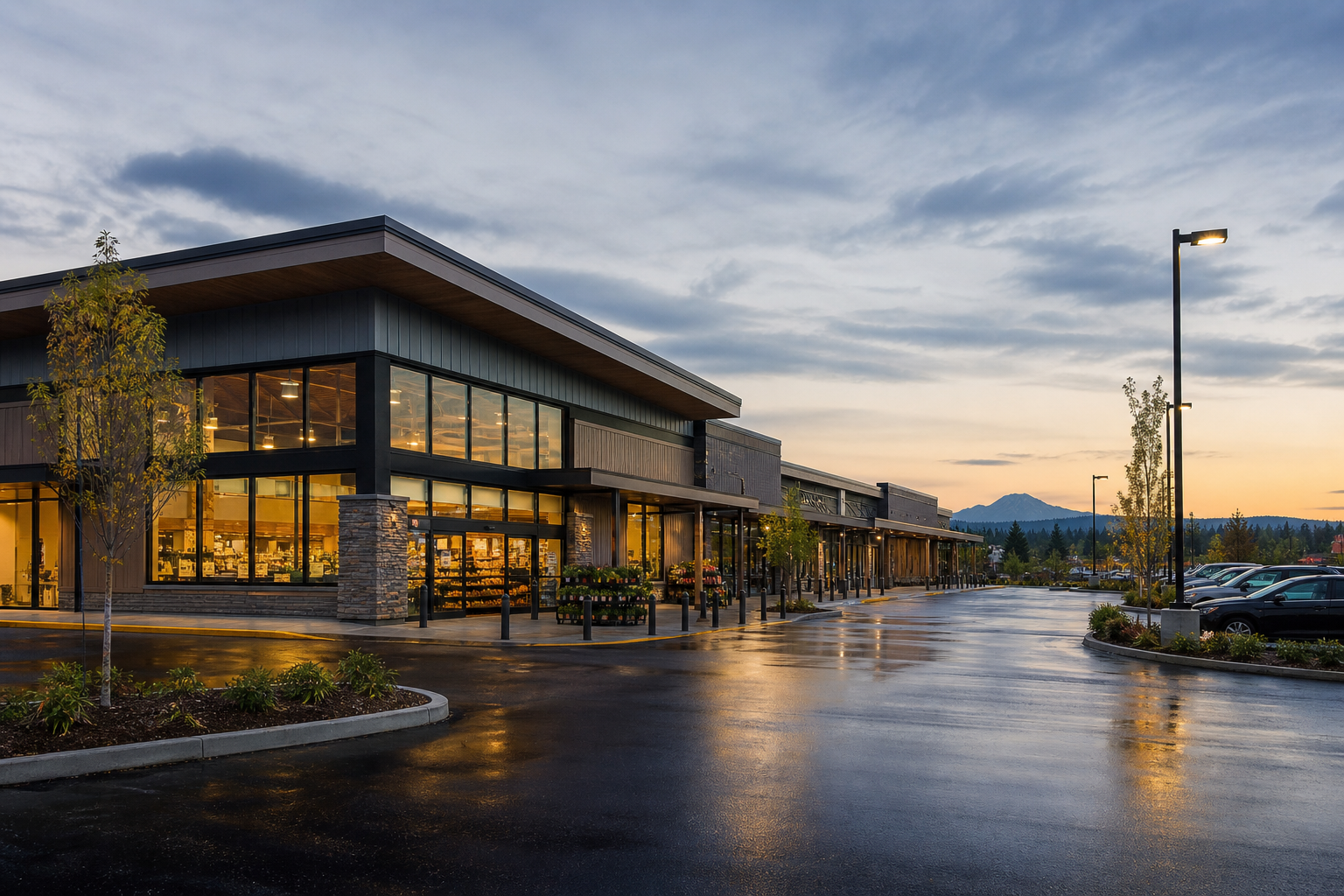
Intercontinental buys a fully leased Pacific Northwest center as necessity retail stays bid.
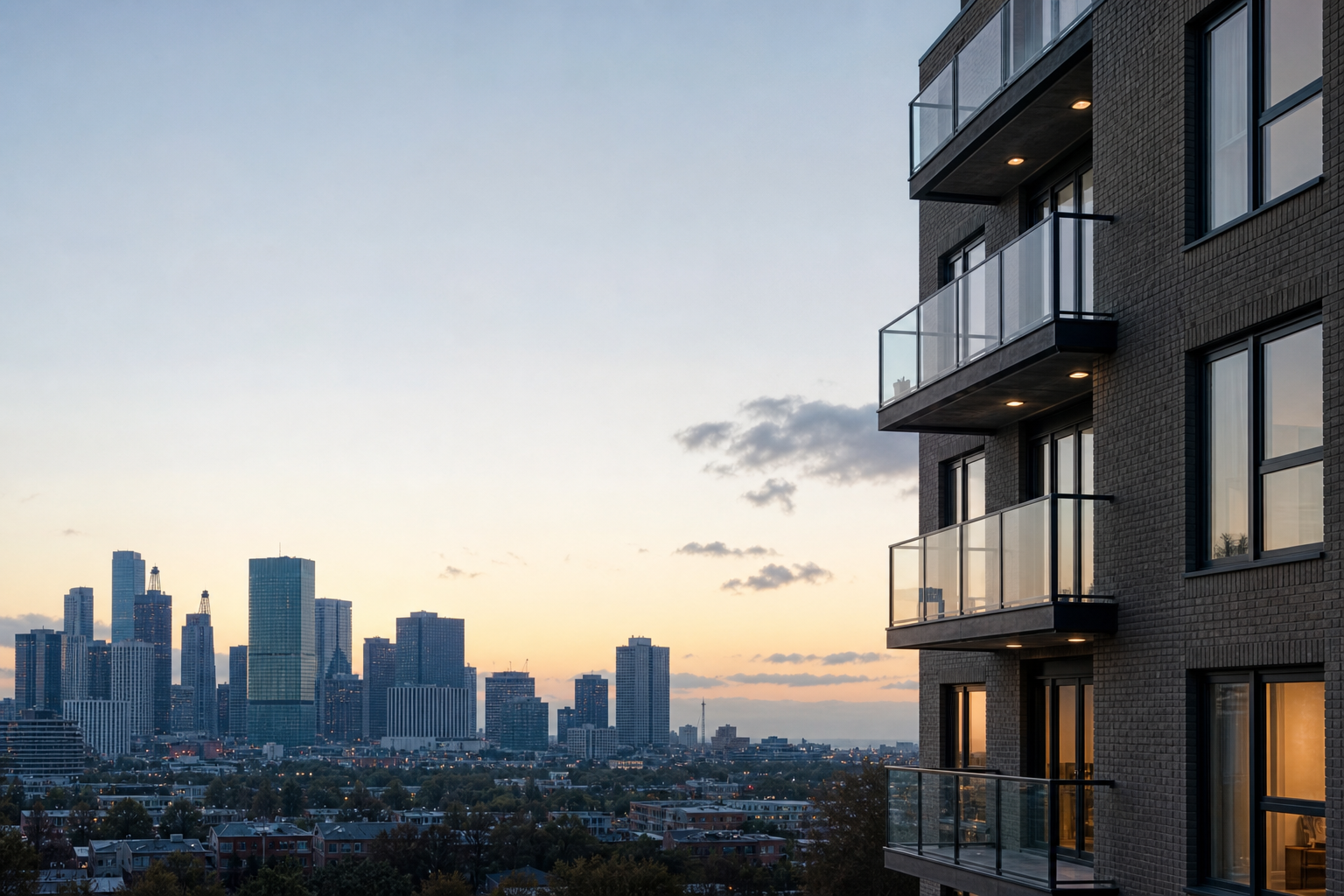
Renter demand hit a near-25-year high as the construction pipeline empties out.
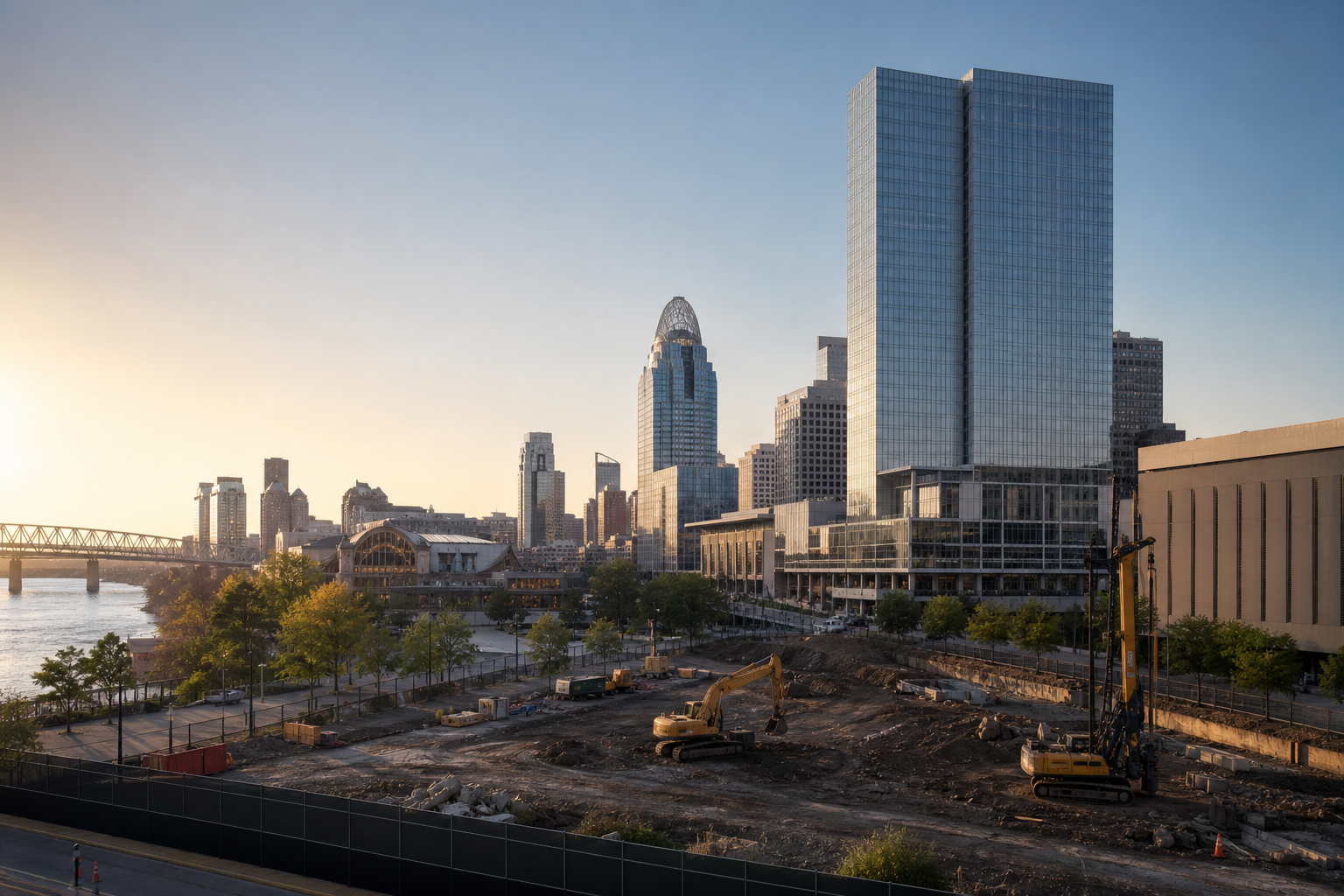
A 700-room headquarters hotel anchors an $828M downtown revitalization bet.

KKR Real Estate Finance Trust weighs a sale as the commercial-debt cycle bites.
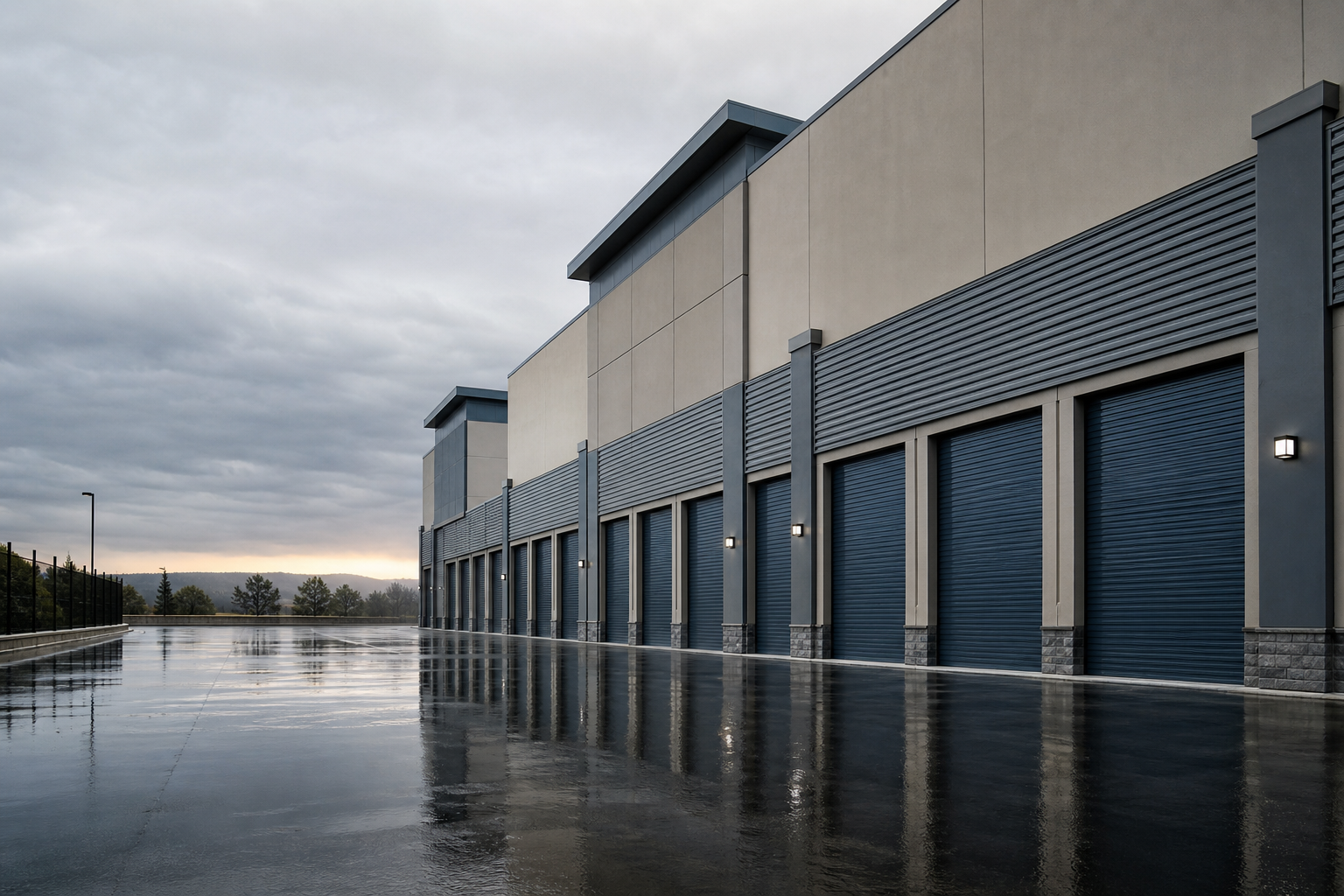
SmartStop merges two sponsored funds in a $1.2B all-stock roll-up.
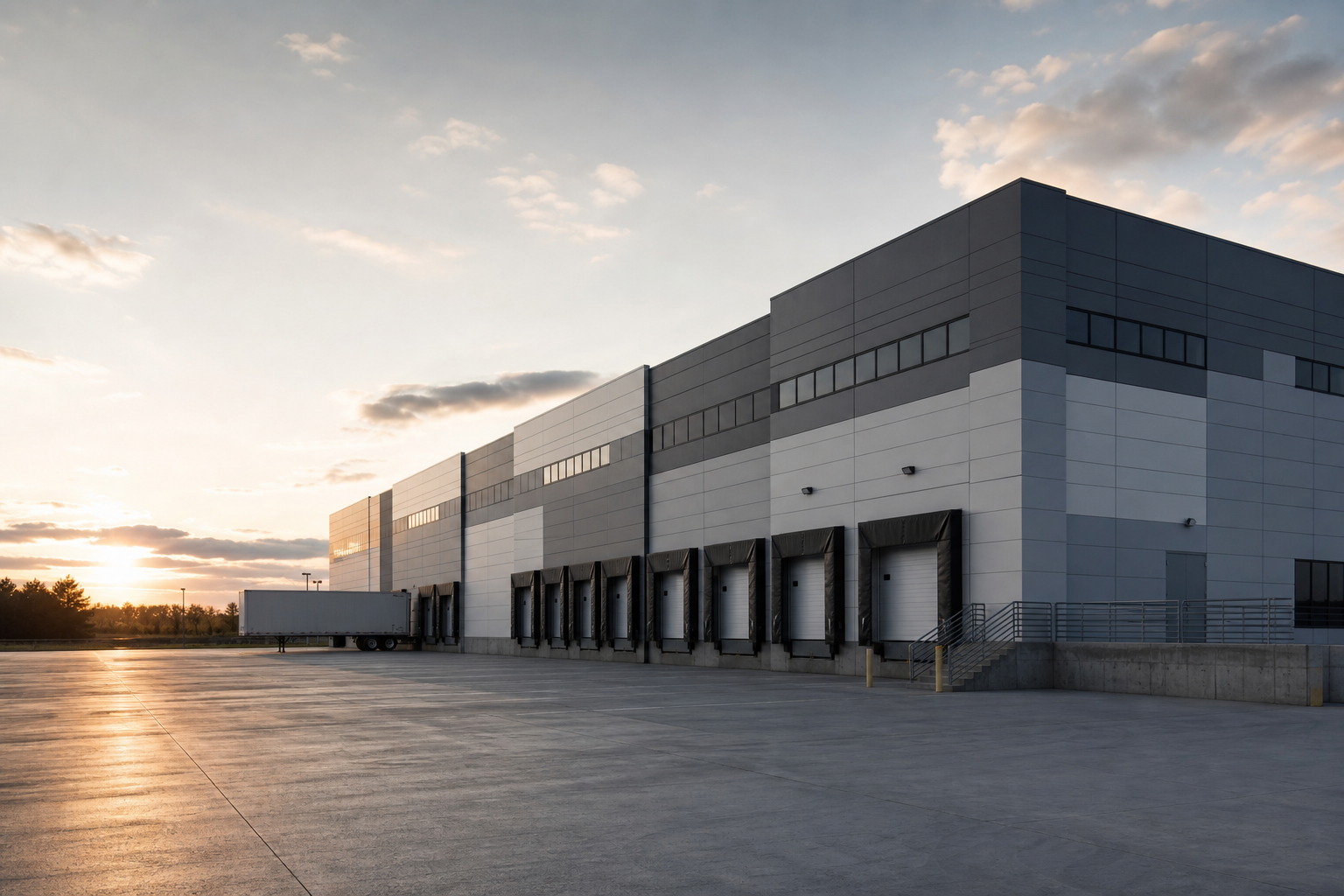
A 20% premium for 53 million square feet says private capital sees value the public market won't price.
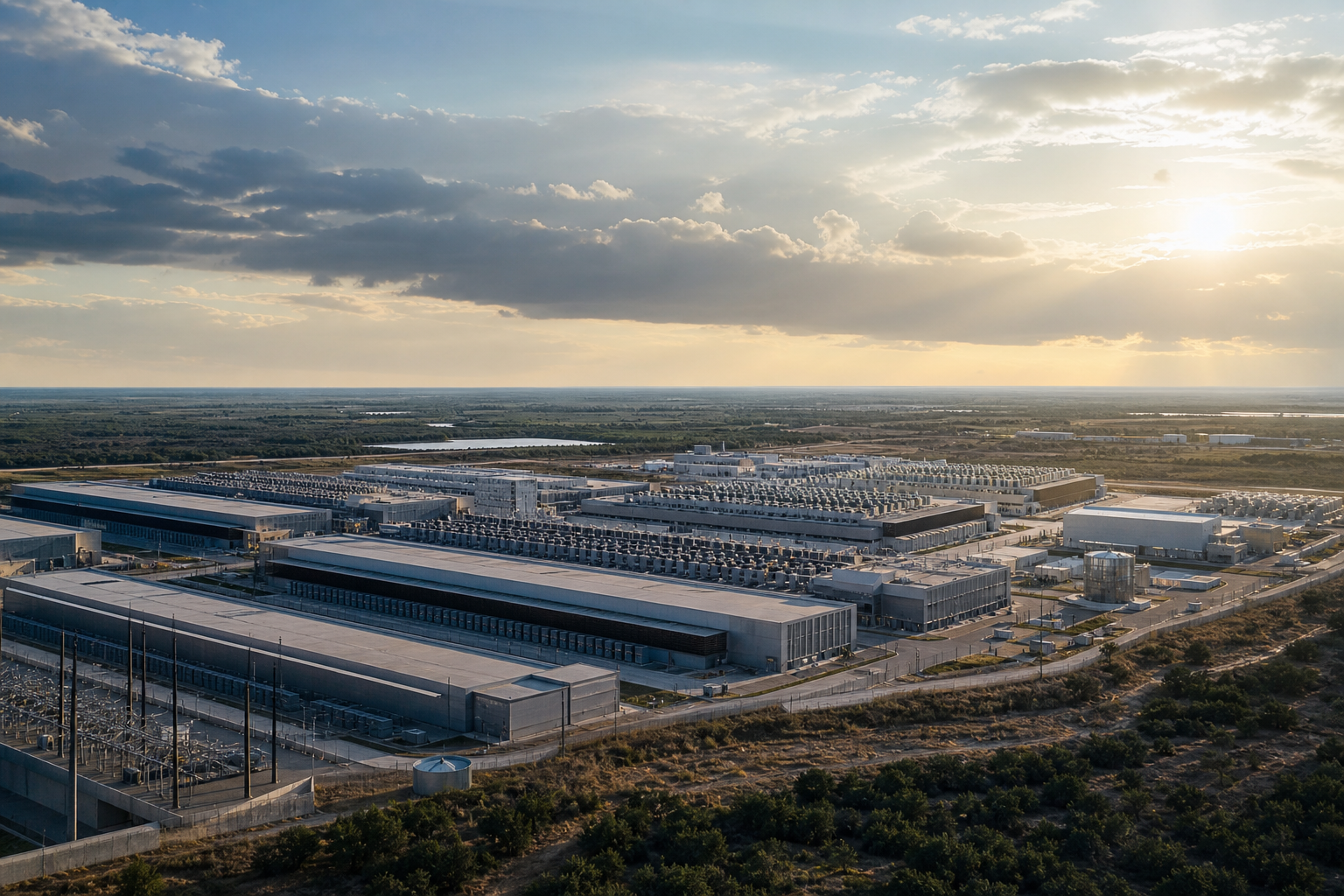
A second 352-megawatt lease locks the entire Beacon Point campus to a single investment-grade tenant.
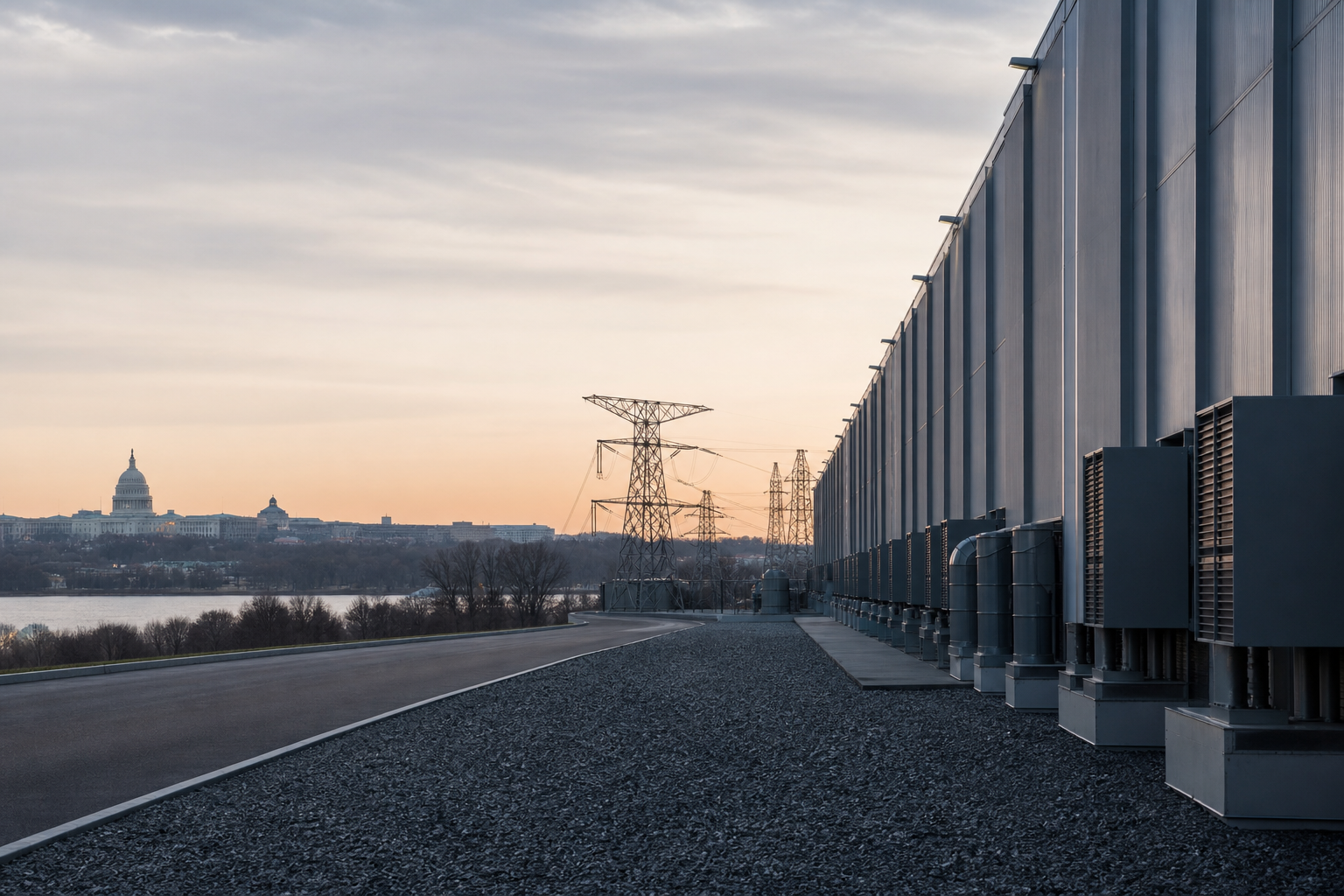
All six U.S. grid operators had to file plans to serve gigawatt-scale loads — reshaping where capital can build.
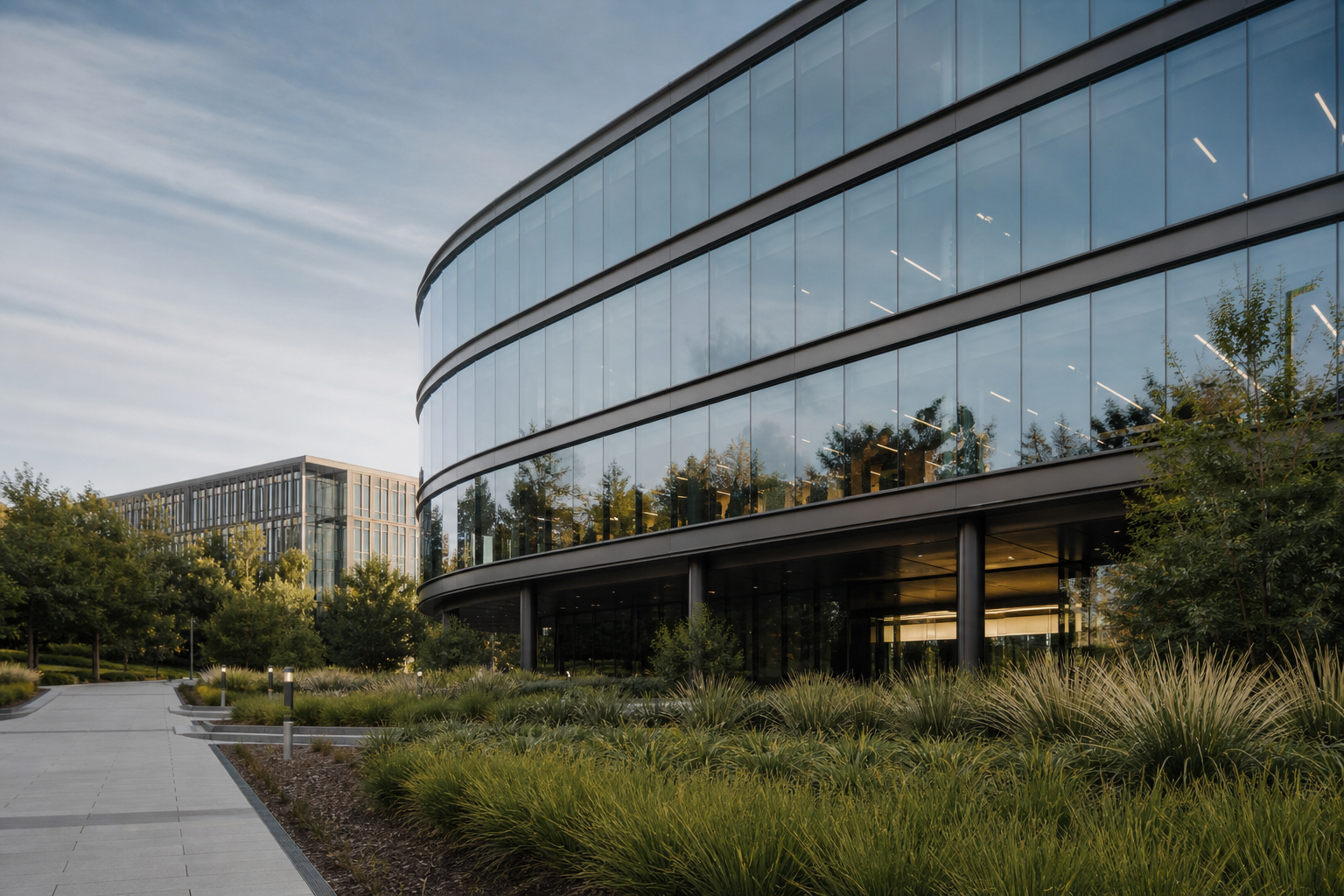
A marquee tech tenant's first major Bay Area real-estate move of 2026 lands on quality space, not sublease.
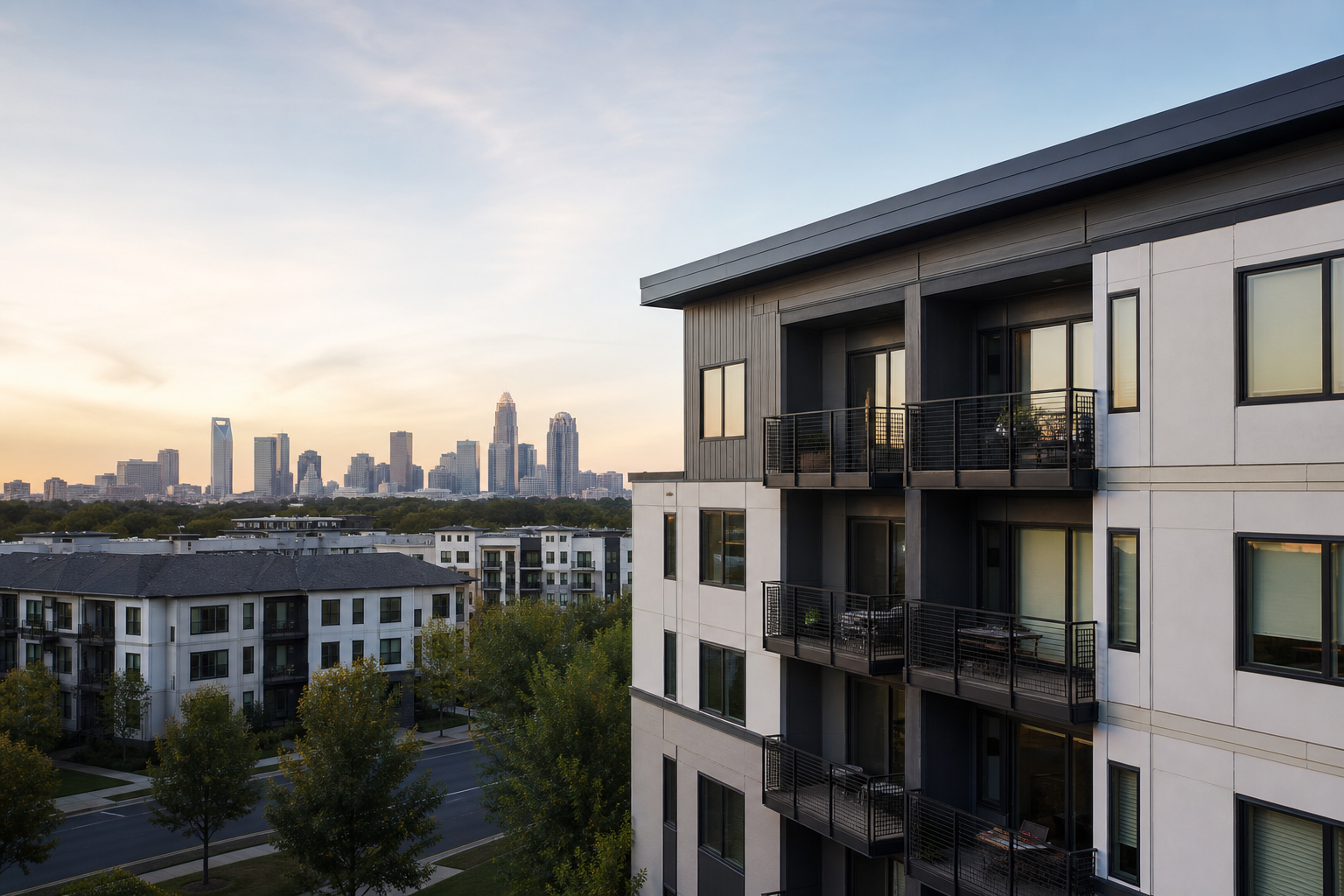
Camden pays $89.3M for 343 units in one of the most oversupplied metros — a bet the bottom is in.

The recovery is real, but it's landing on a construction pipeline at a 14-year low.
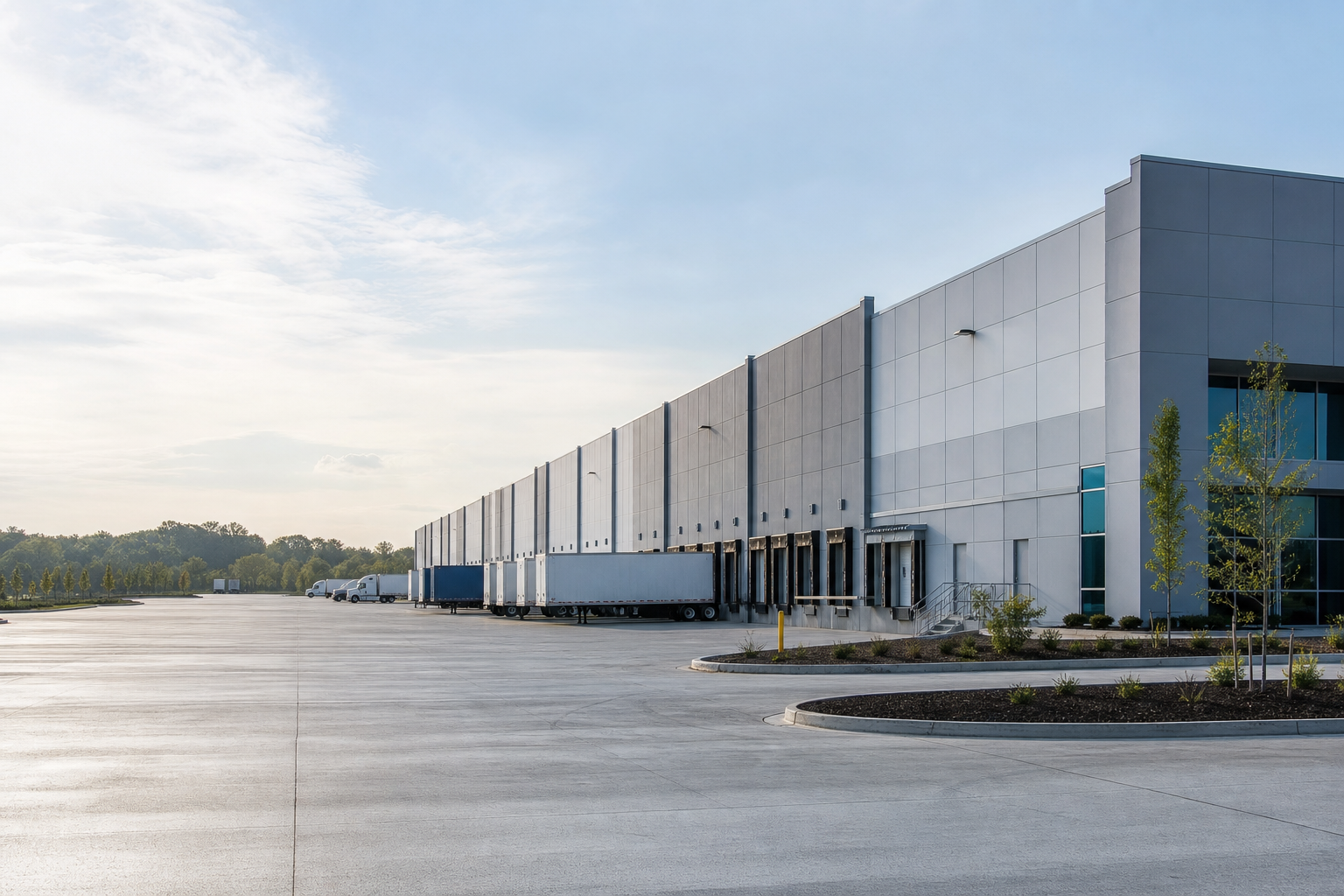
Big-box tenants came back at scale — and modest new supply is doing the rest.
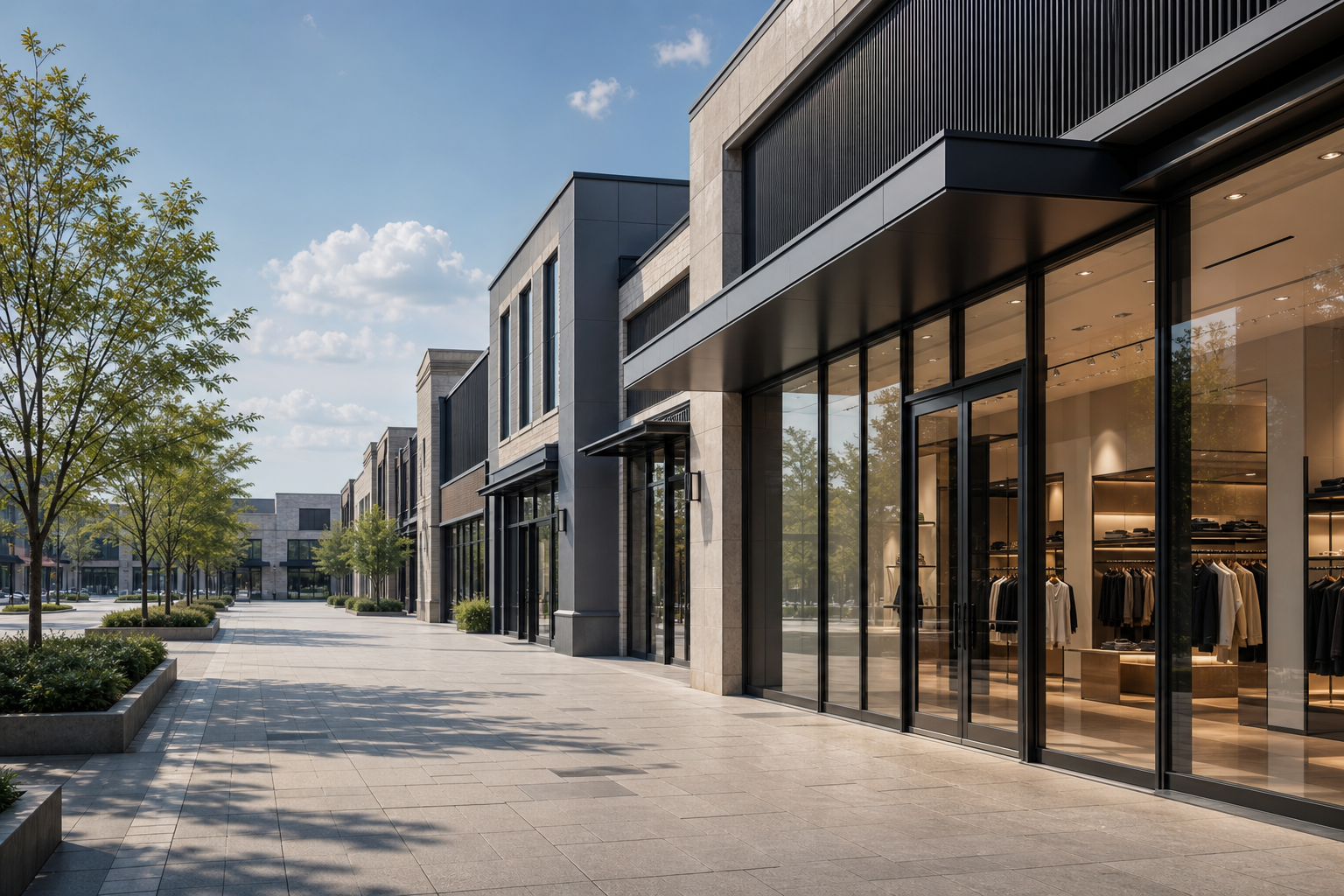
After a negative Q1, tenants absorbed space fast into the tightest retail market in years.
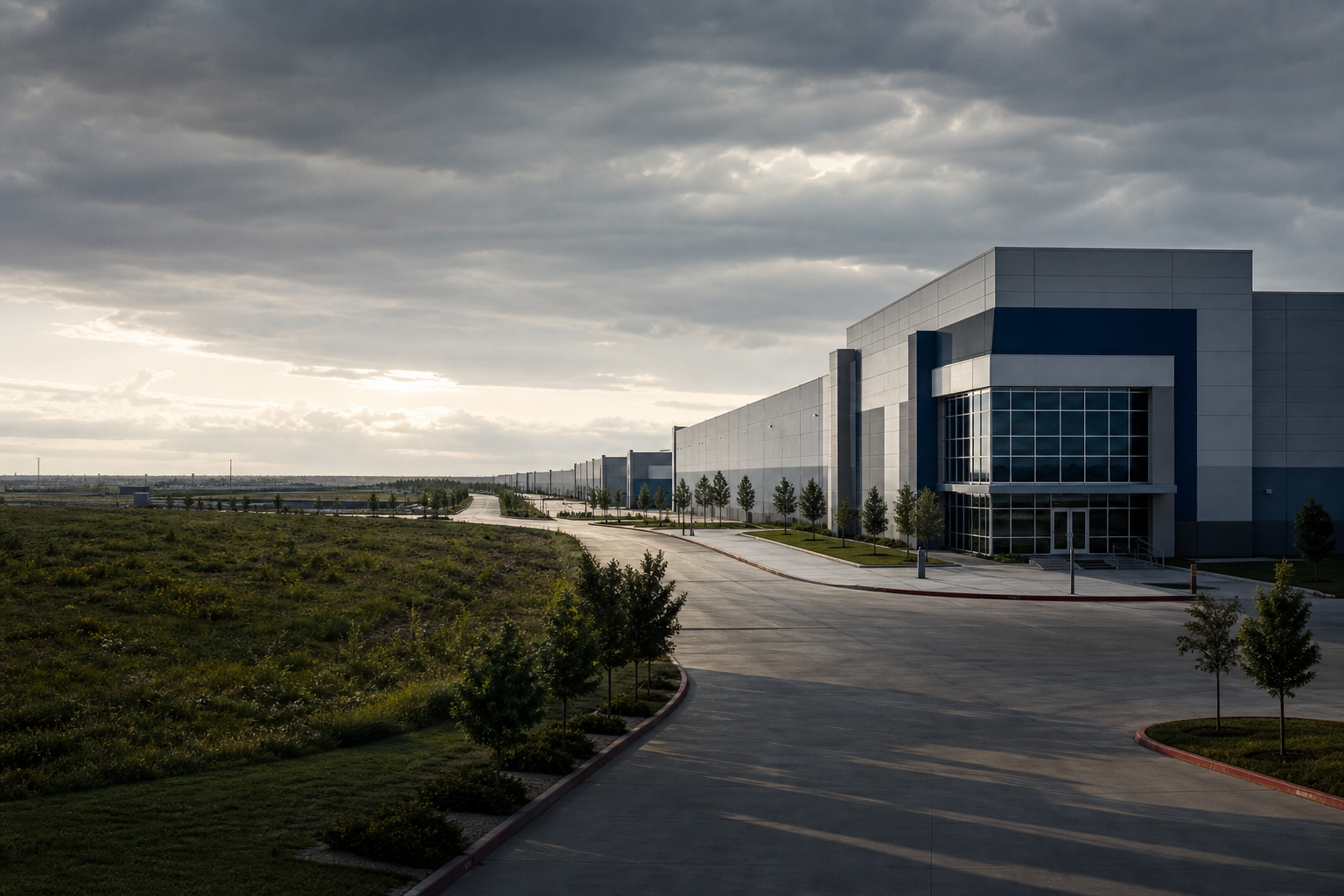
AllianceTexas keeps building at scale while most of the market waits for the pipeline to clear.

Debt funds now write more than half of non-agency loans, and the private-credit premium is a choice.

World Cup and America 250 demand is spiking specific metros while the national baseline stays soft.
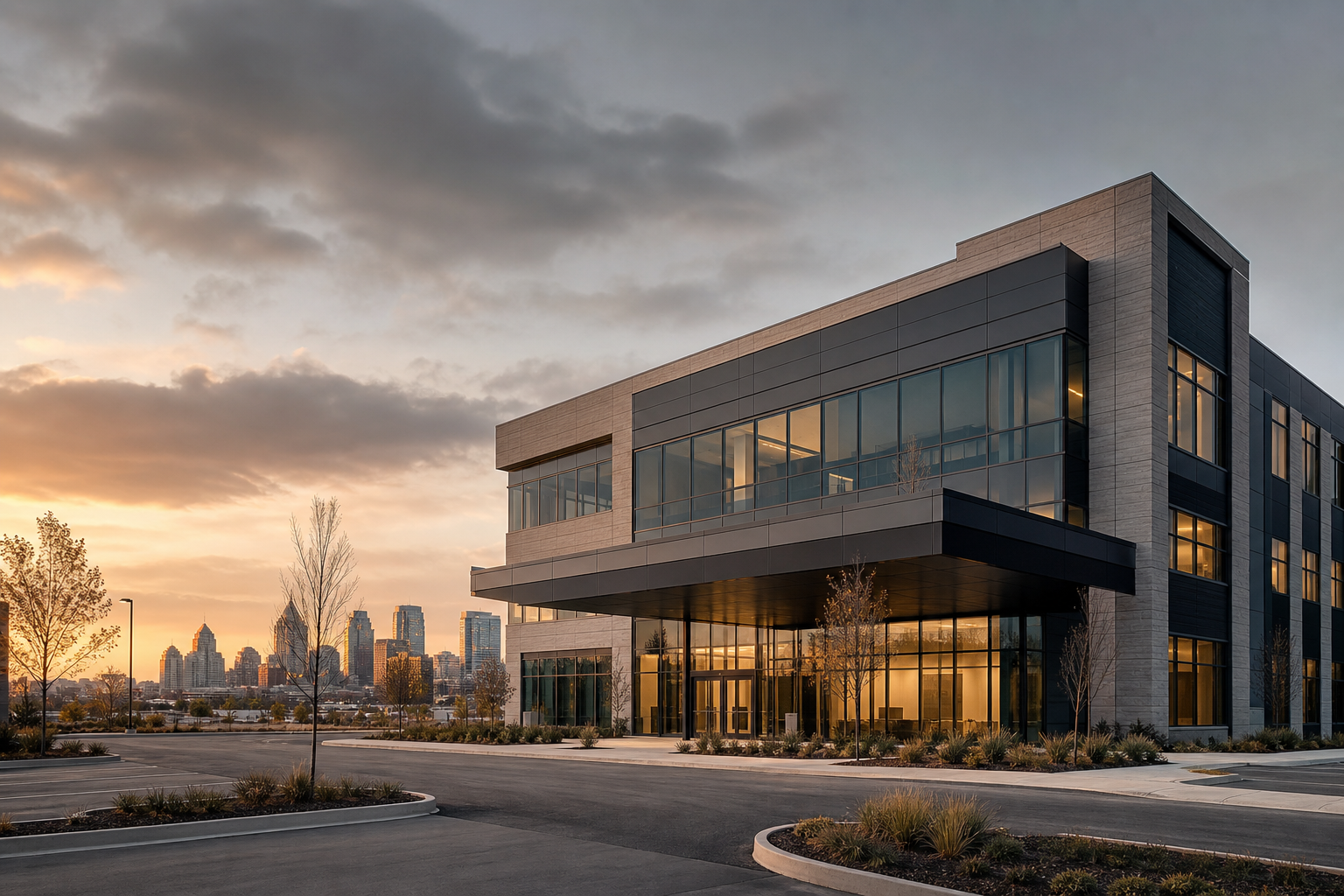
Completions are set to drop 26% into a sector where occupancy already tops 92%.
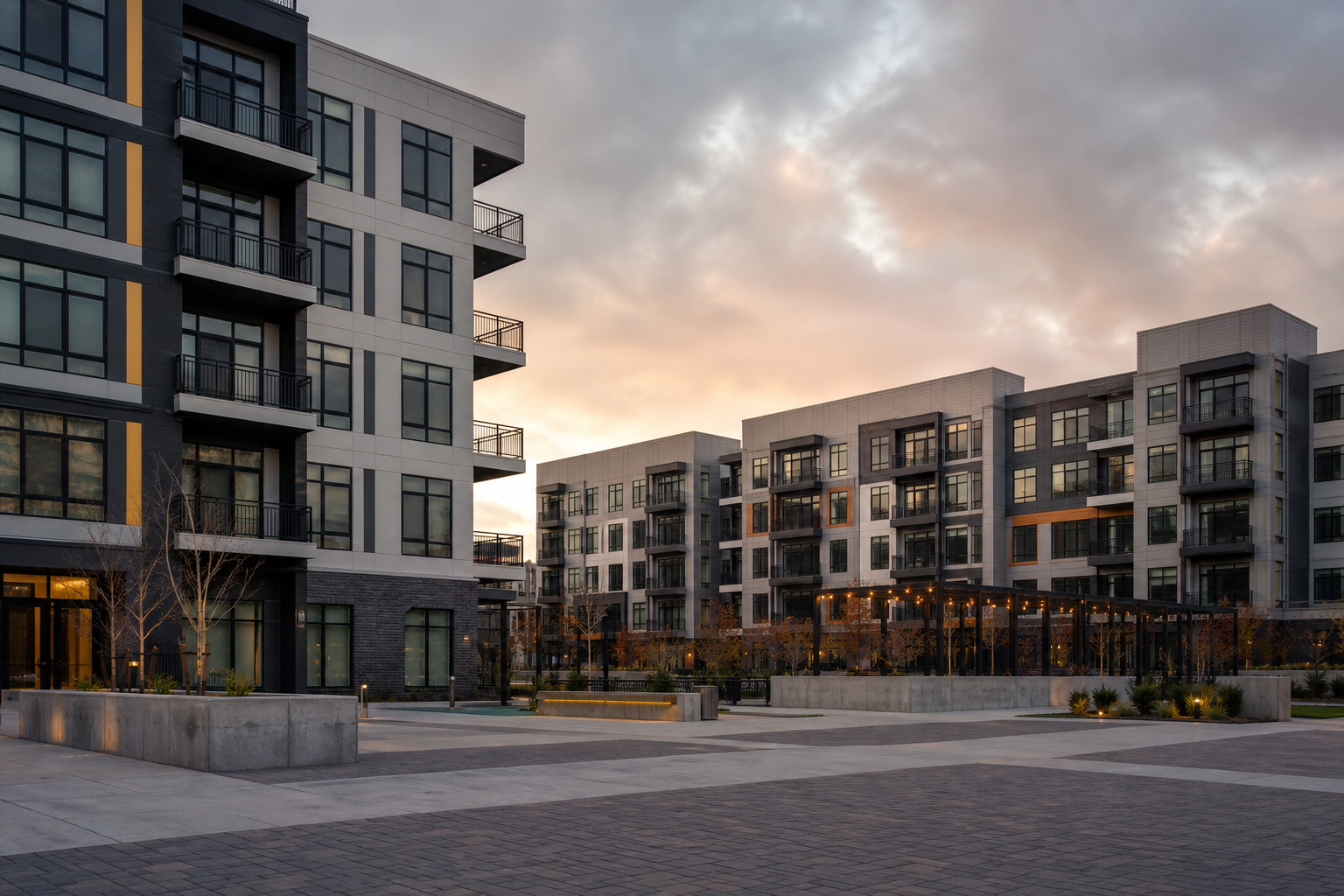
Starts have collapsed to a 2017 low, yet absorption fell faster, complicating the recovery call.
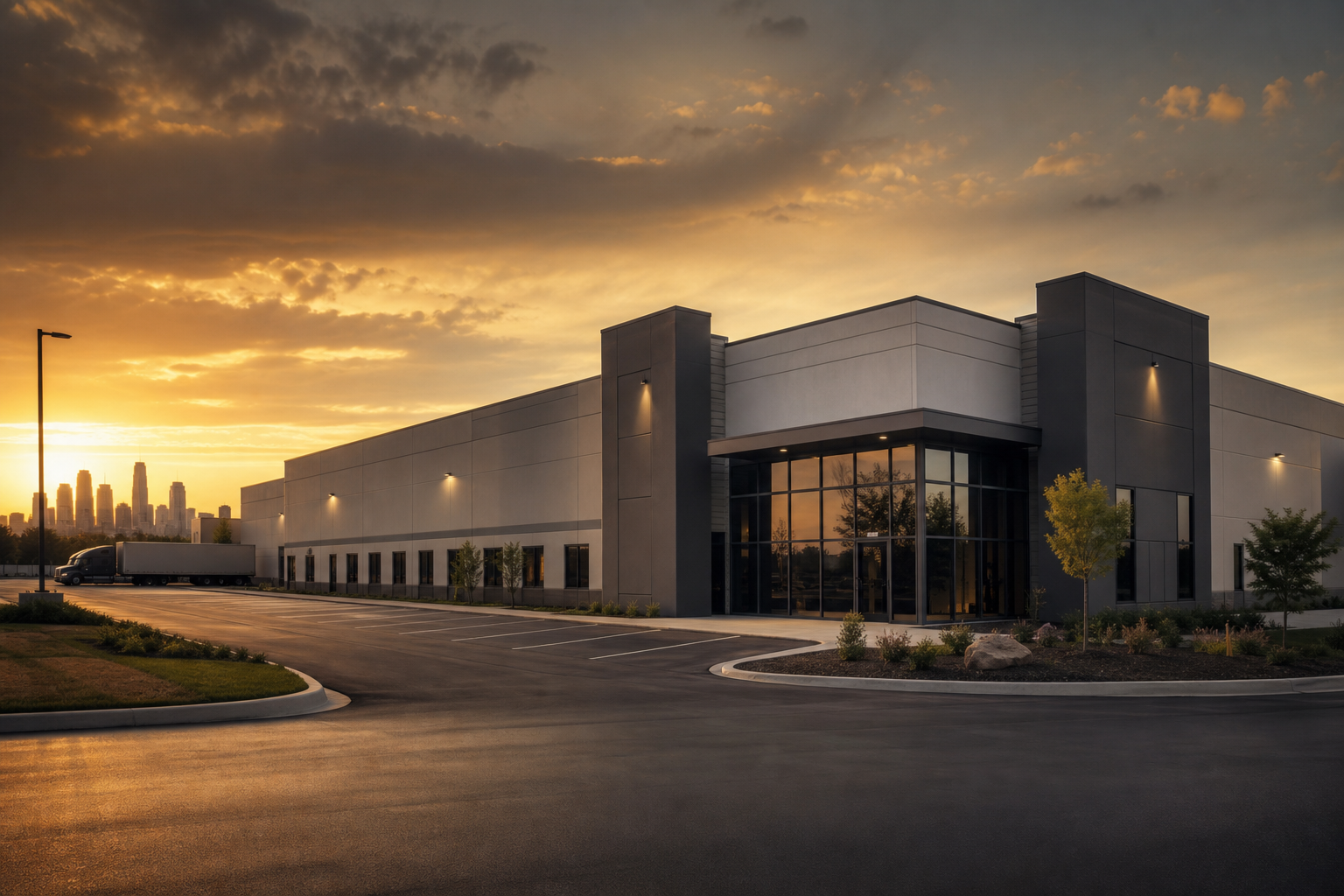
Buyers are holding the line on price, refusing to compress yield even as capital waits on the sidelines.
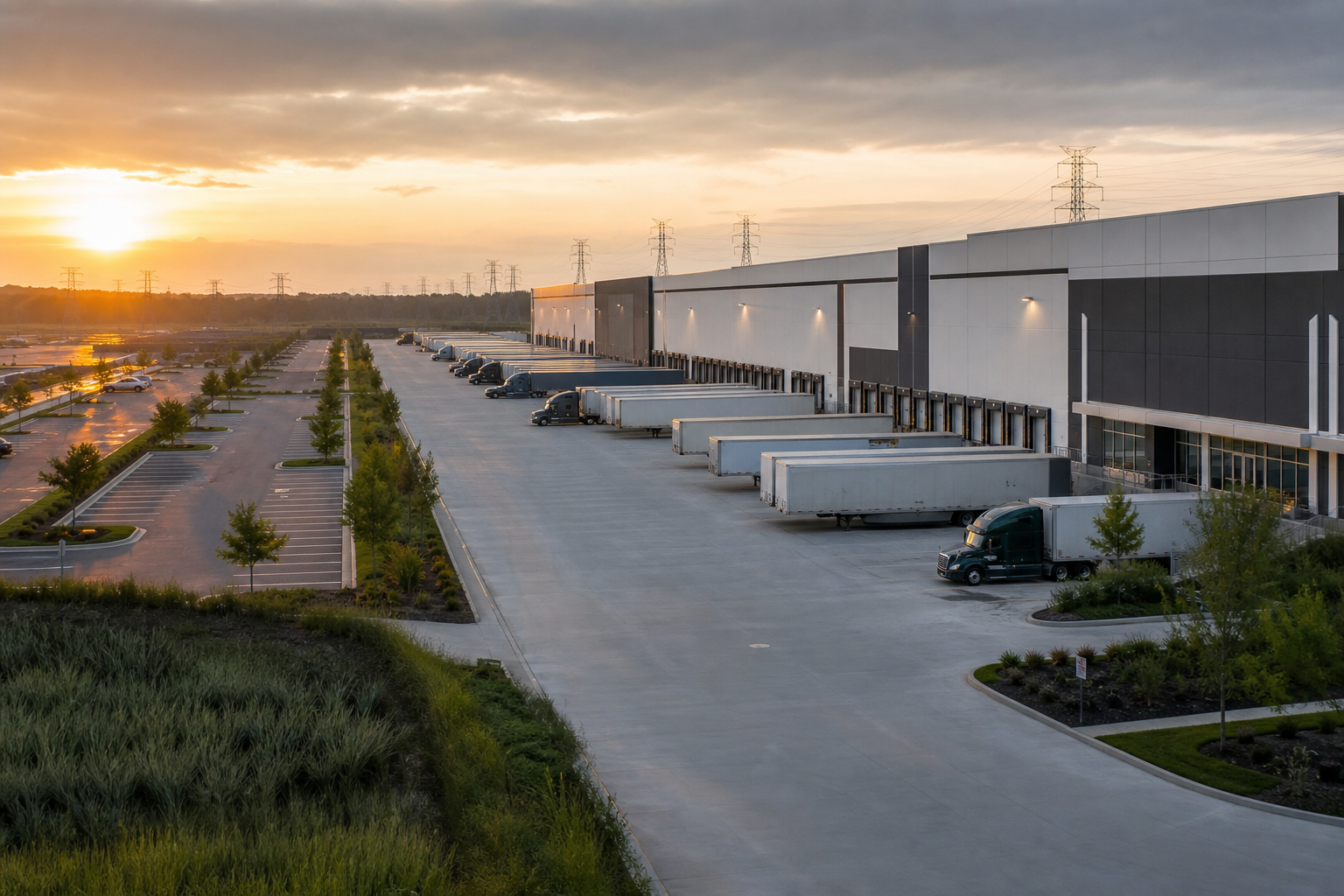
The largest logistics landlord just told the market industrial demand is broadening, not fading.
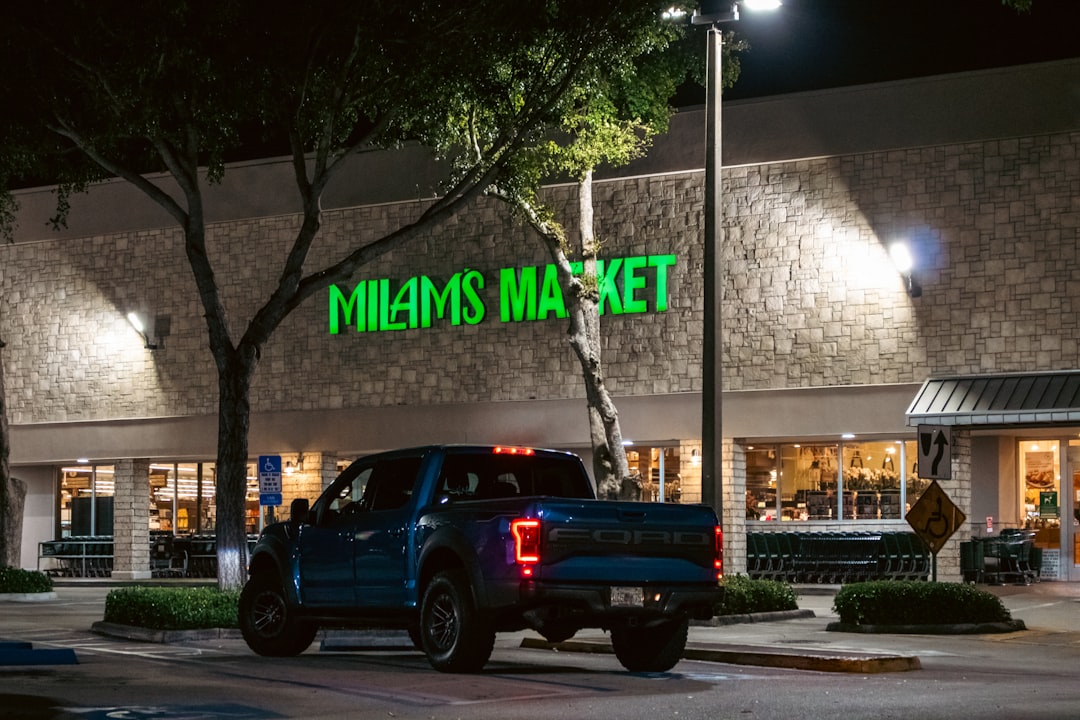
Nuveen bought a fully-leased Chicago-suburb necessity center even as cap rates widen.
Retail single-tenant yields rose to 6.60% in Q2 after the Fed dropped a 2026 cut from its projections.

Tenants signed 10.5M SF in Q2 and availability fell to its lowest since 2020.

Portman's $540M Cincinnati Marriott is a public-private bet that group travel is back.
As the old hubs raise the cost of electrons, AI capital is rerouting to markets where the grid still says yes.
Hochul's executive order pauses permitting for any hyperscale site drawing 50 megawatts or more.
Wheeler markets 35 of 59 centers through CBRE as retail posts its strongest quarter in a decade.
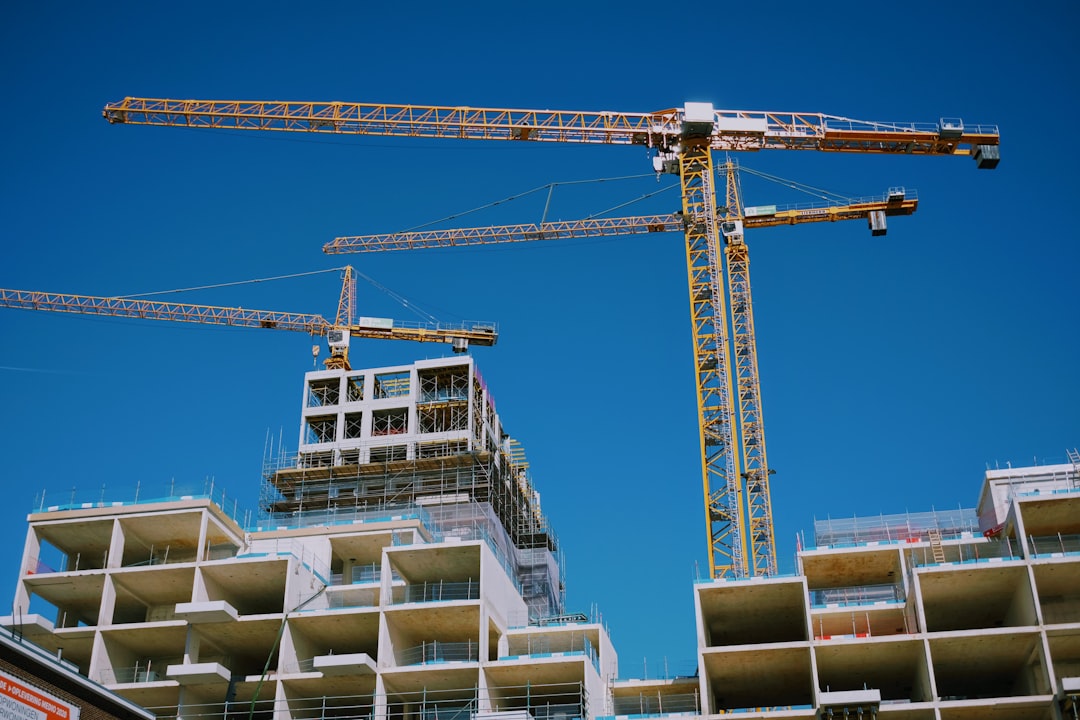
Dwight's record $183M construction loan funds new supply — exactly as national deliveries dry up.
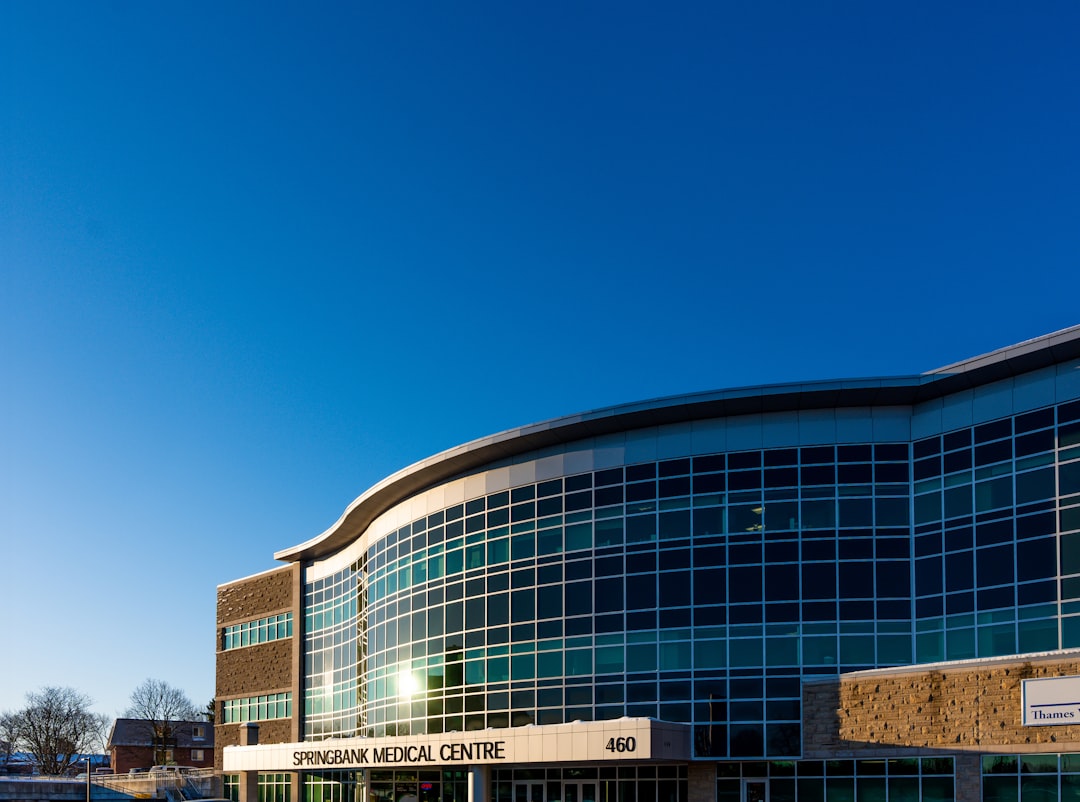
Medical outpatient investment is compounding as traditional office stalls — and platforms are consolidating.

The 2 World Trade Center groundbreaking is an owner-occupier conviction bet on gateway office.
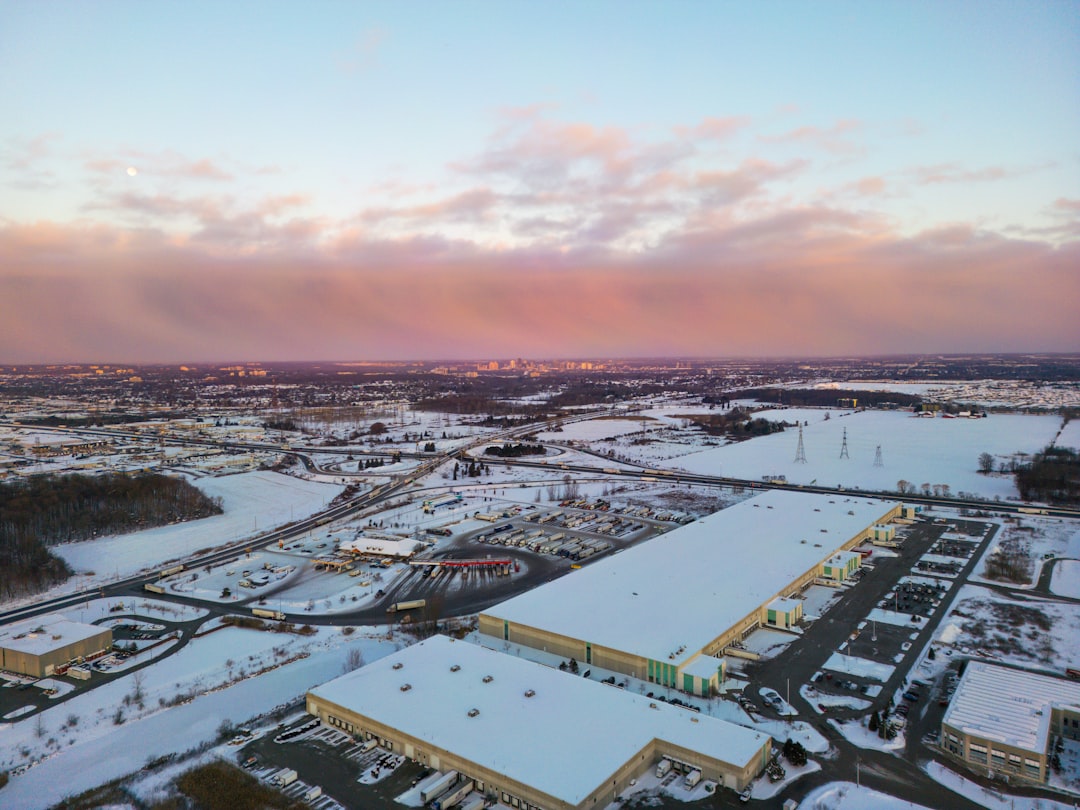
Occupiers signed 250 million SF in Q1 and keep going bigger, even with vacancy near 7%.

Renters absorbed 187,000 units in Q2 as deliveries fell below the decade norm for the first time in three years.
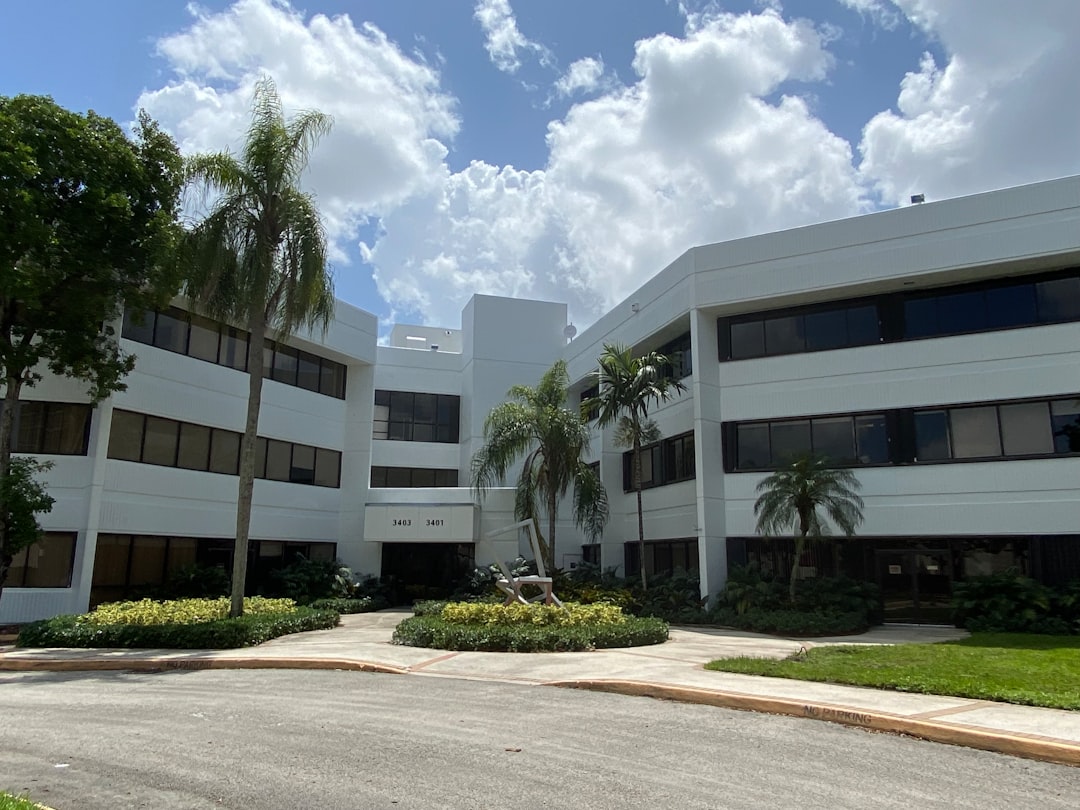
A 20-year institutional hold clears the market, proving leased Sun Belt office has liquidity.
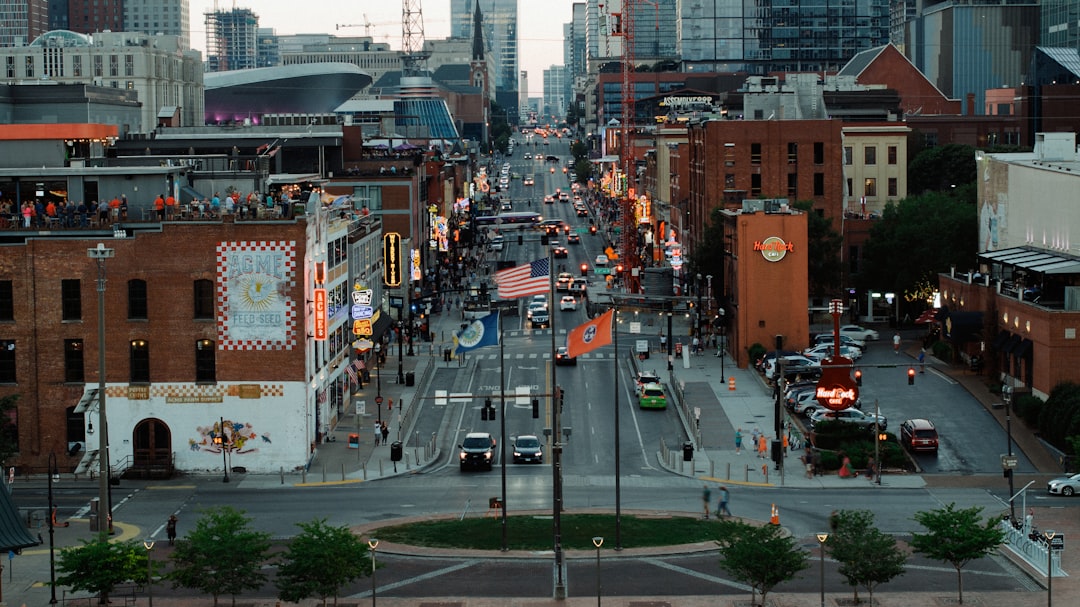
Wells Fargo's Larimer Square loan signals selective bank appetite is back for the right urban asset.

Nearly three-quarters of hotel deals are now upscale-and-above, even as REITs shed assets.

TeraWulf's 20-year Anthropic lease turns contracted revenue into the underwriting.

Life-science tenants are re-leasing space fast, yet vacancy near 32% keeps rents falling.
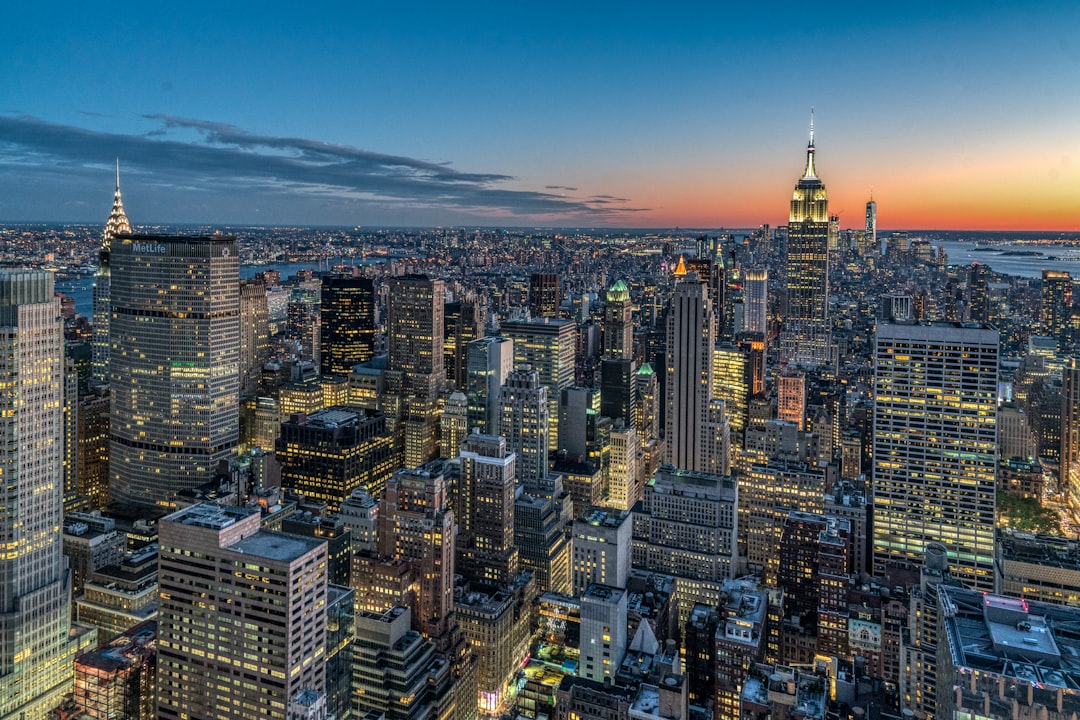
Green Street's June index gains 4.1% for the year — and stays 14% under peak because cap rates won't move.

Policy — not power supply — is now the variable reshaping digital-infrastructure underwriting.
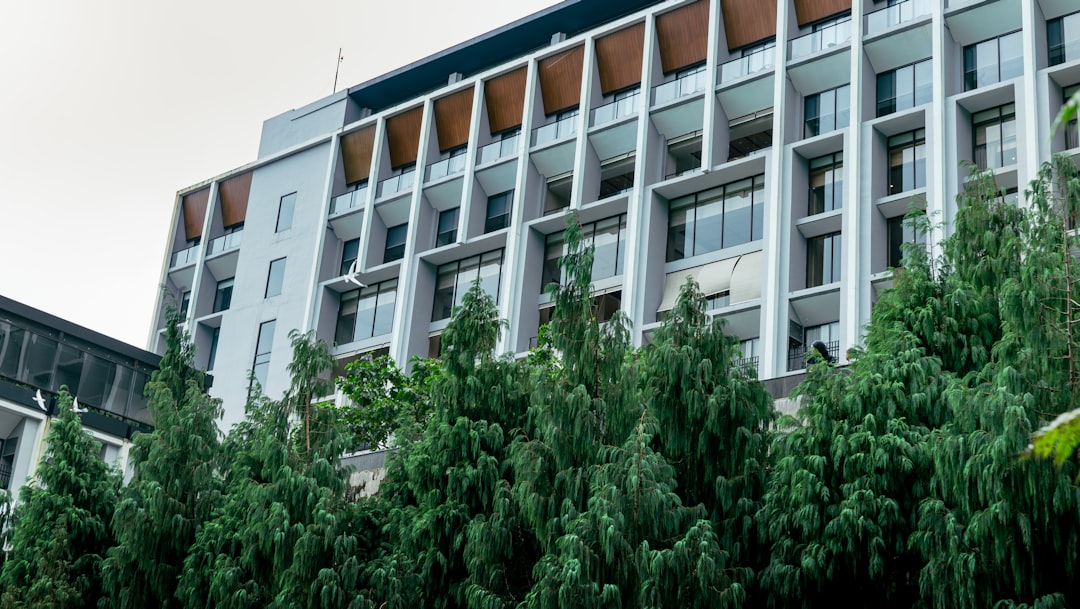
A diversified select-service and extended-stay portfolio built around who fills the rooms.
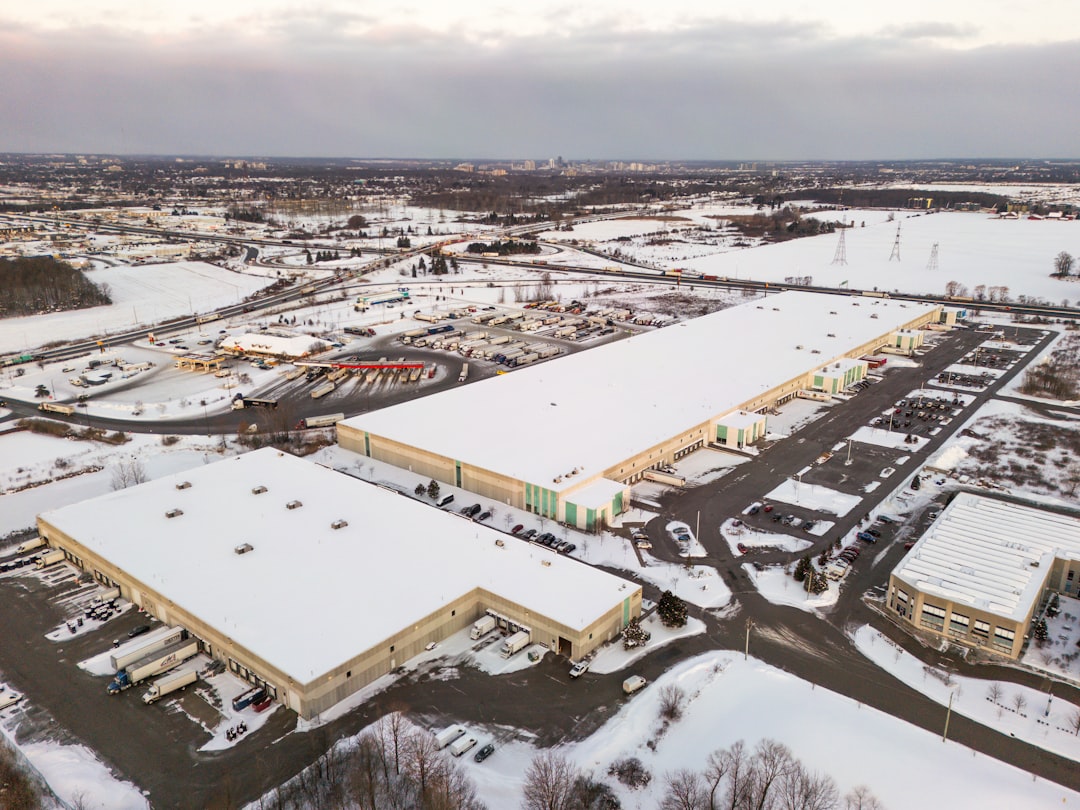
A $42M SoCal lease and a 1.2M-sf Texas groundbreaking show occupiers committing long again.

22.8M SF leased in H1 and rents at a five-year high complicate the "office is dead" narrative.

A temporary duty expires into a more complex replacement regime, with input costs at an all-time high.

Two summer trades and a decade-high preference reading show where cautious money is actually going.

Stargate Abilene crosses 1 GW as FERC forces grid operators to answer for hyperscale load.

2.7M SF of leases push occupancy to ~98% — including a 53-year ground lease in Hawaii.
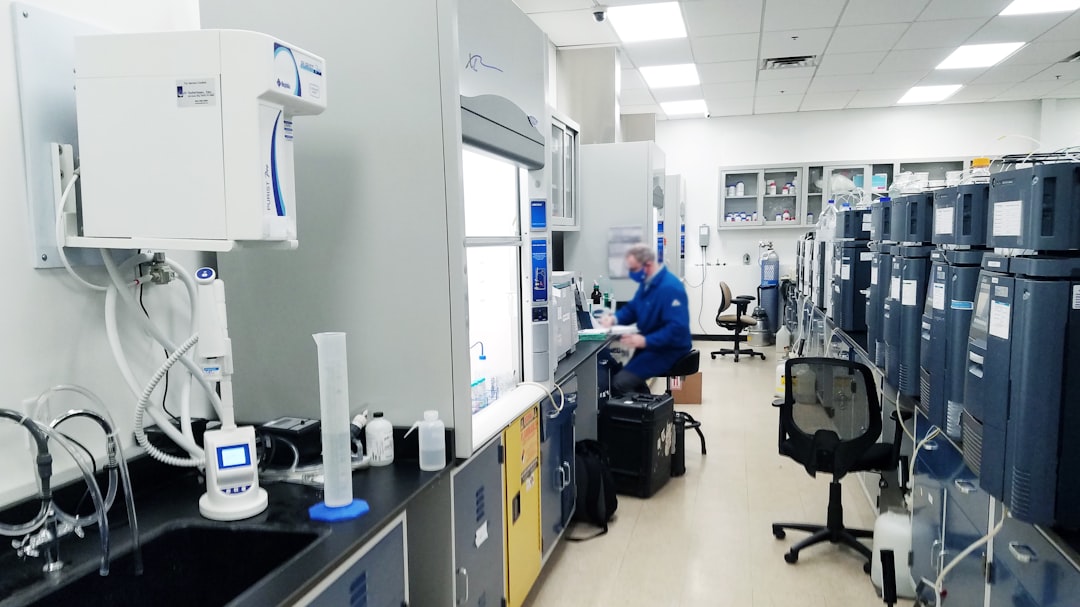
AdvanCell's 128K SF Andover lease is a bet on U.S. drug production, not just lab space.

Absorption climbs and prime vacancy falls — while commodity buildings still clear at 60–70% discounts.
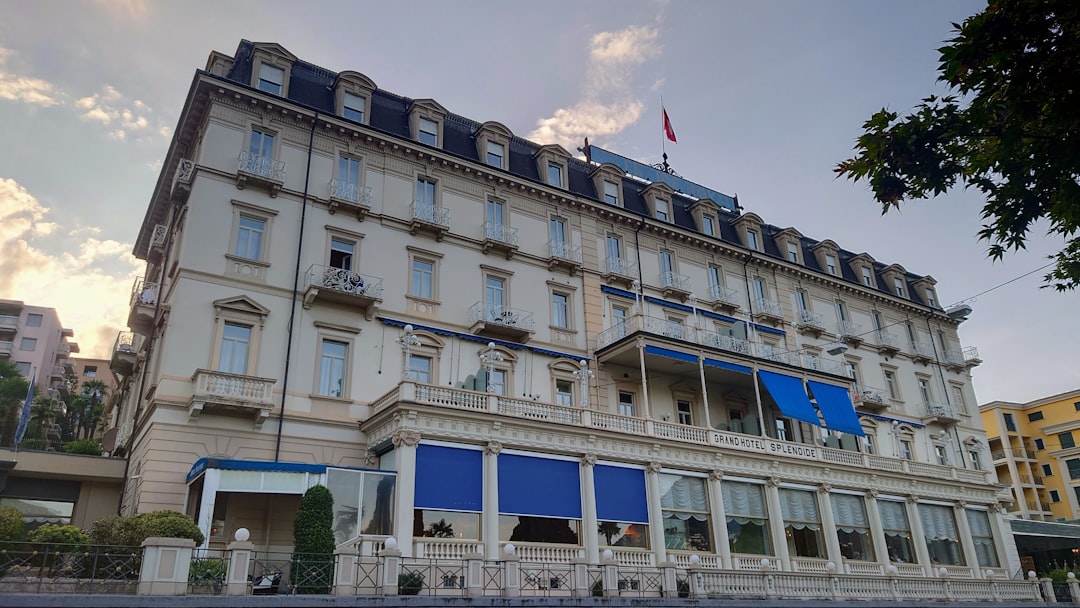
Certares and Clearview add a 351-key riverfront hotel; the seller is deleveraging.

Prologis posts record Q1 leasing and raises guidance as AI demand spills into industrial.
Fleet closed $4.6B in secured notes for a Nevada campus that's already 100% pre-leased for 16 years.
National Healthcare Properties exits stabilized medical office to double down on operating senior housing.
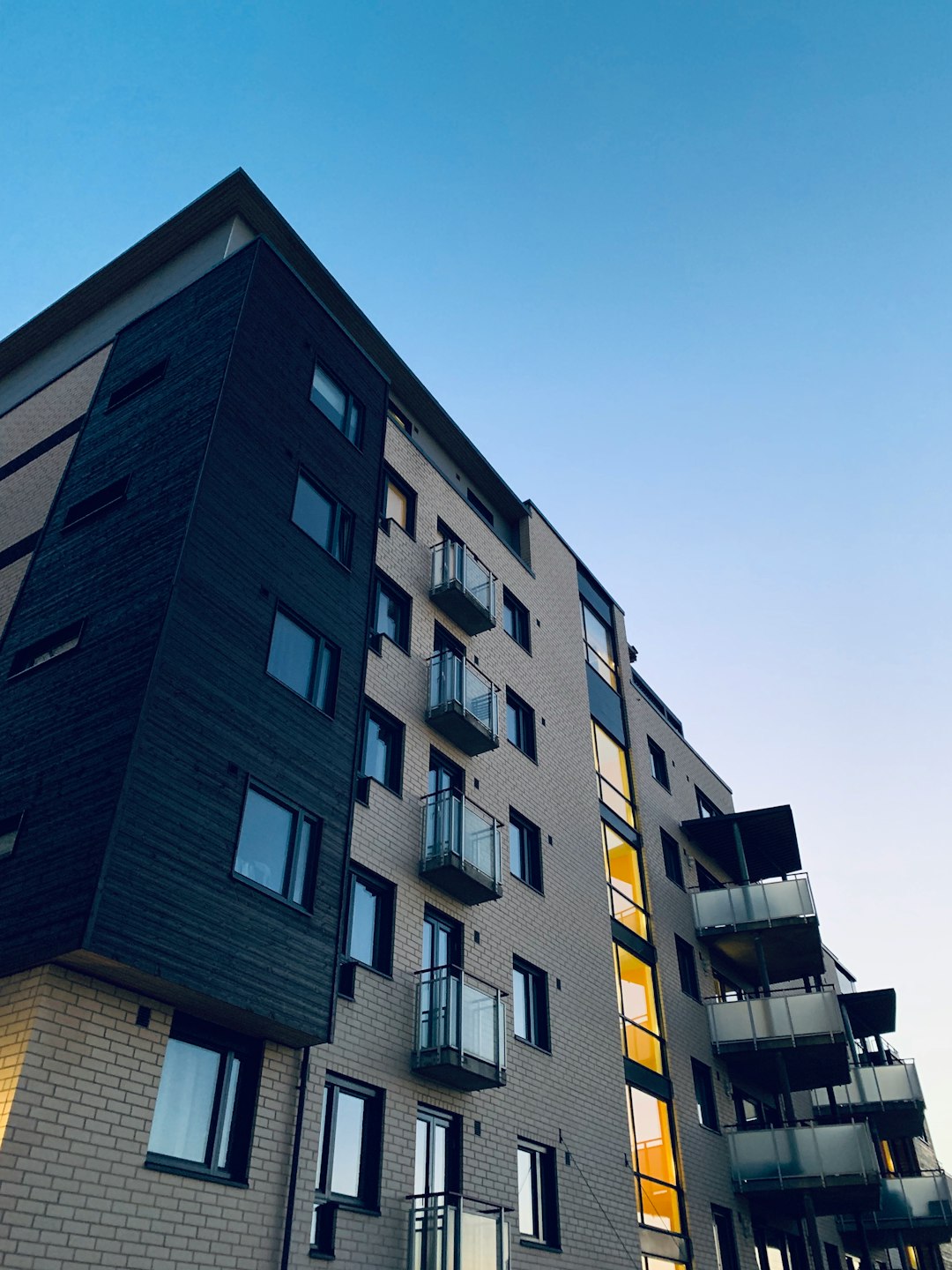
National multifamily is stabilizing on paper — but the Sun Belt is still correcting hard underneath.

Big-box demand is chasing the last well-located, grocery-anchored space — and pushing landlords to full.
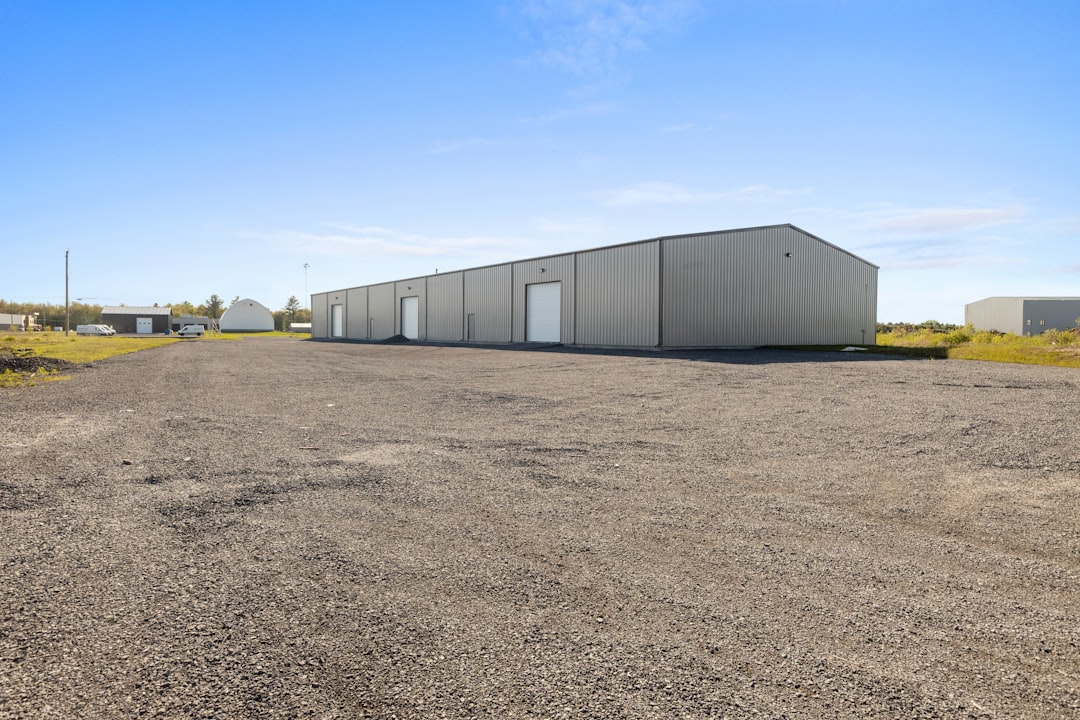
Fully leased, sub-4% vacancy, embedded rent upside — the infill core bid is back.
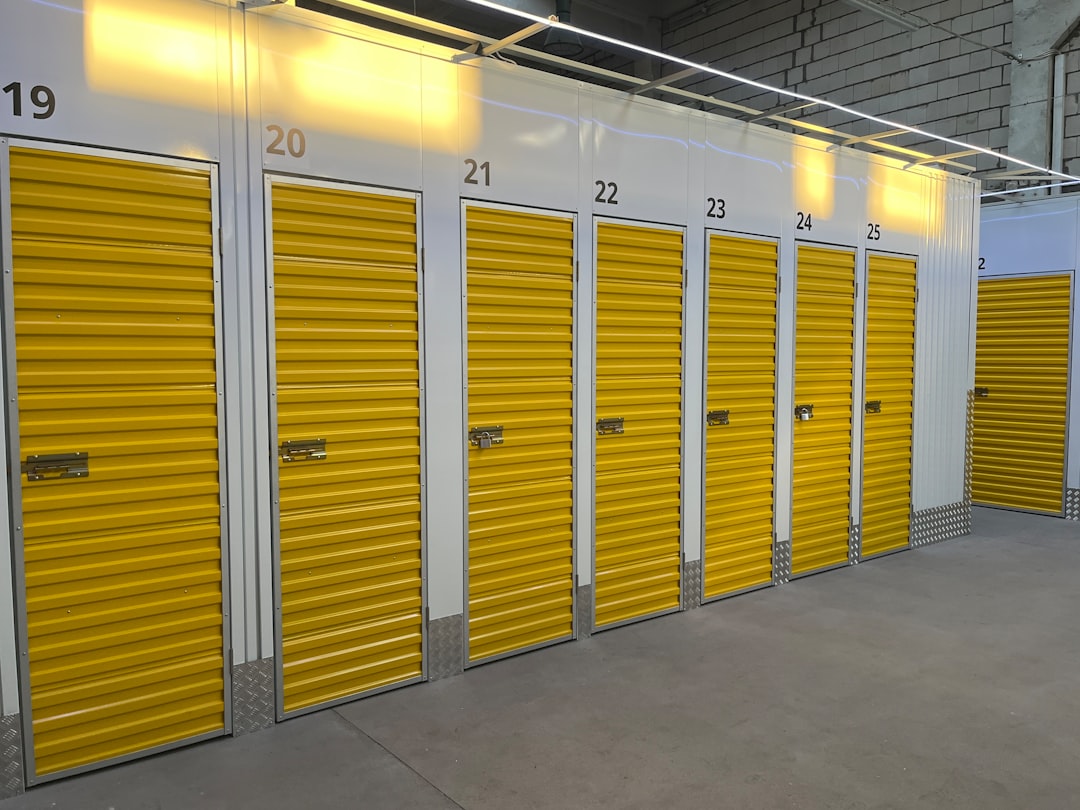
The largest US storage REIT exports its platform into Canada for the first time at scale.

A decade of running the NoMad property, then $203M to own it outright.

AI was supposed to shrink legal footprints. In 2026 it's expanding them.
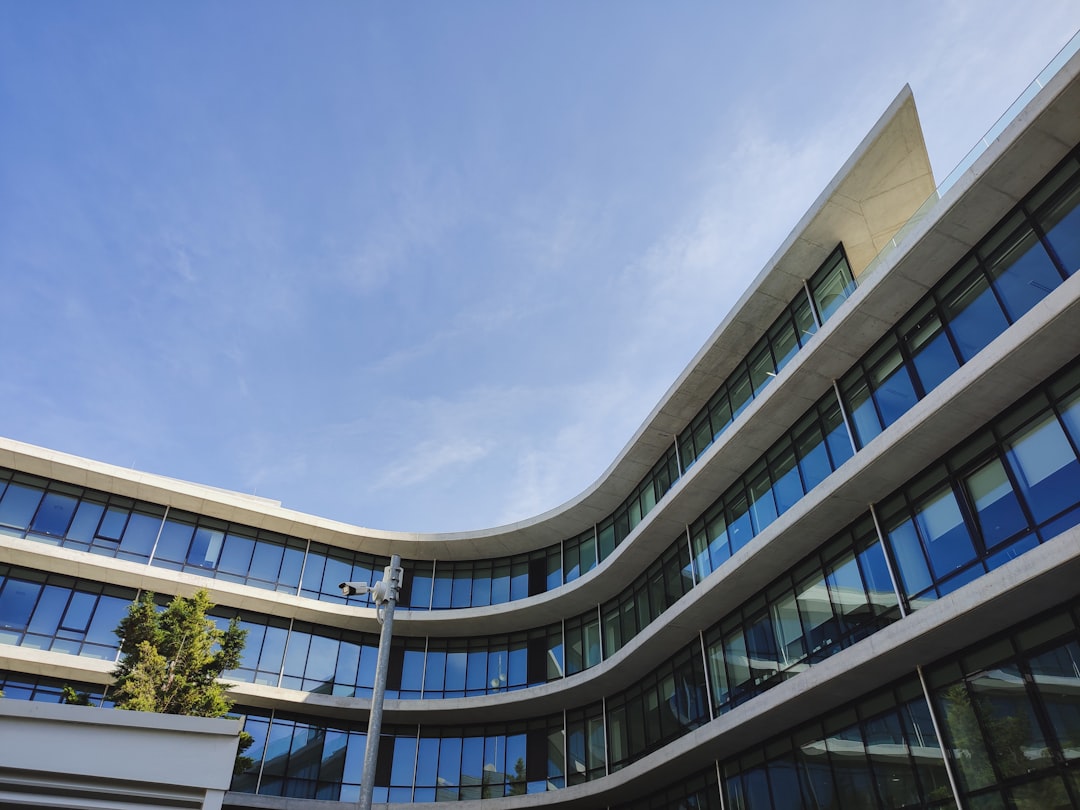
Office-to-residential starts more than double even as a Class A rebound shrinks the feedstock.
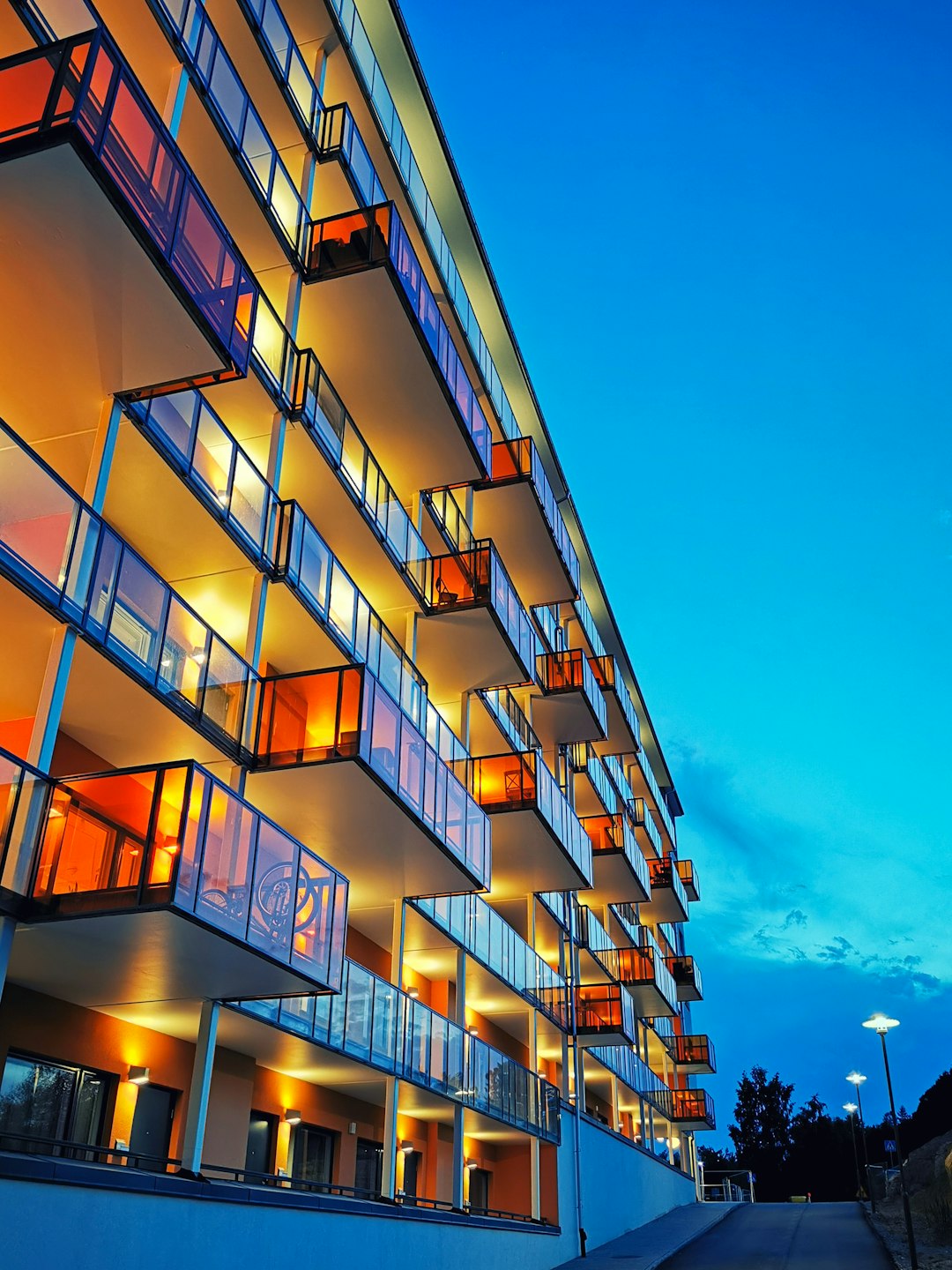
LA permitting jumps 85% while Sun Belt deliveries fall off a cliff.

Kennedy Wilson and two Japanese partners pay $237M for a Westchester Class A community.
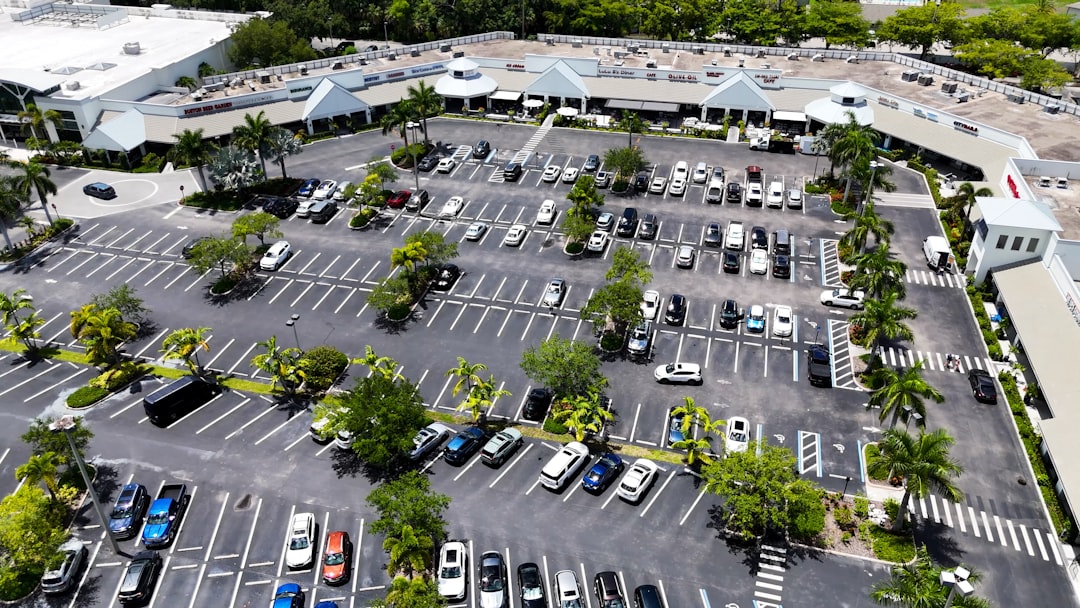
A $32B sponsor consolidates its retail-heavy trust and sets a two-to-five-year listing clock.
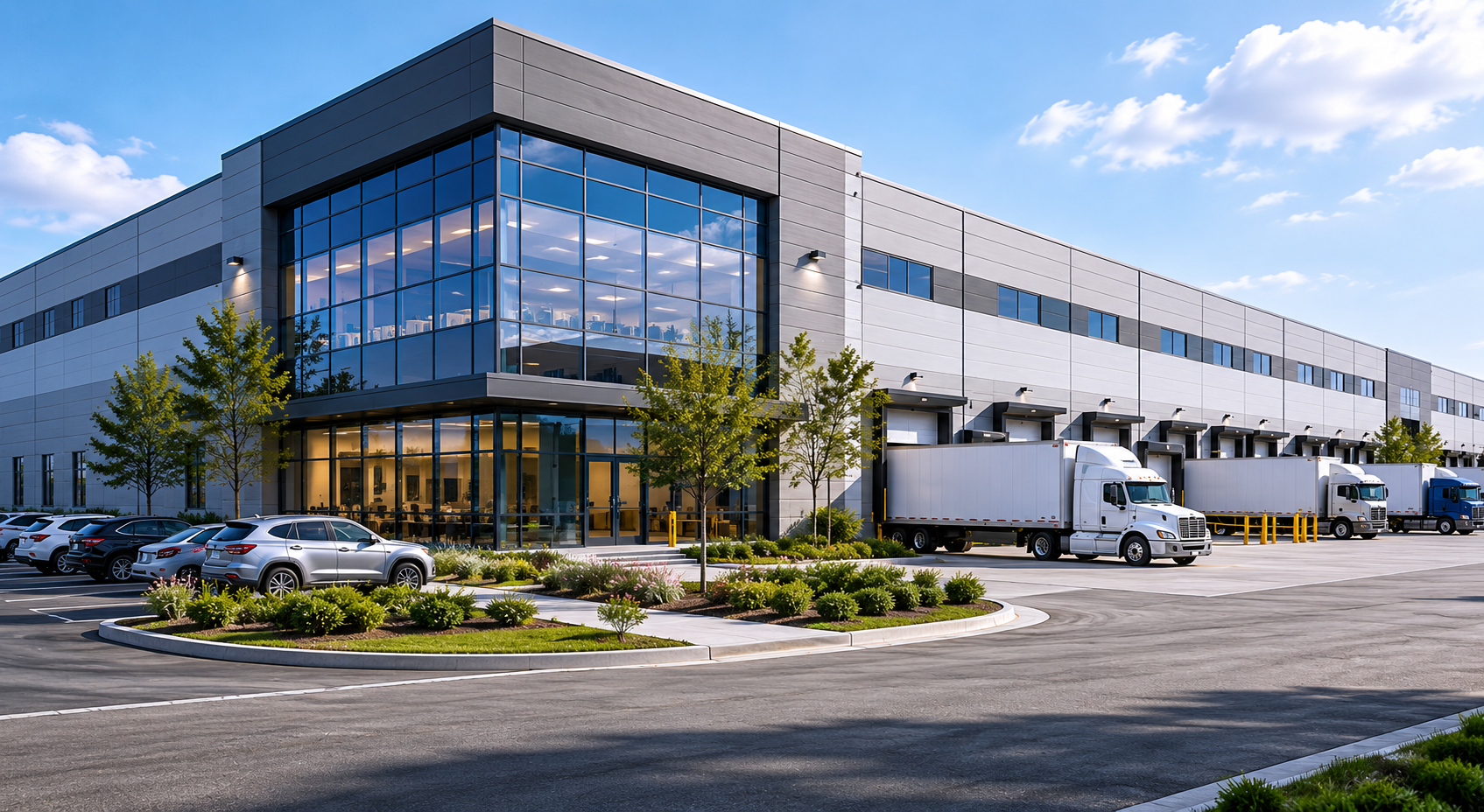
Washington let the USMCA renewal deadline pass, converting a settled pact into an annual review.
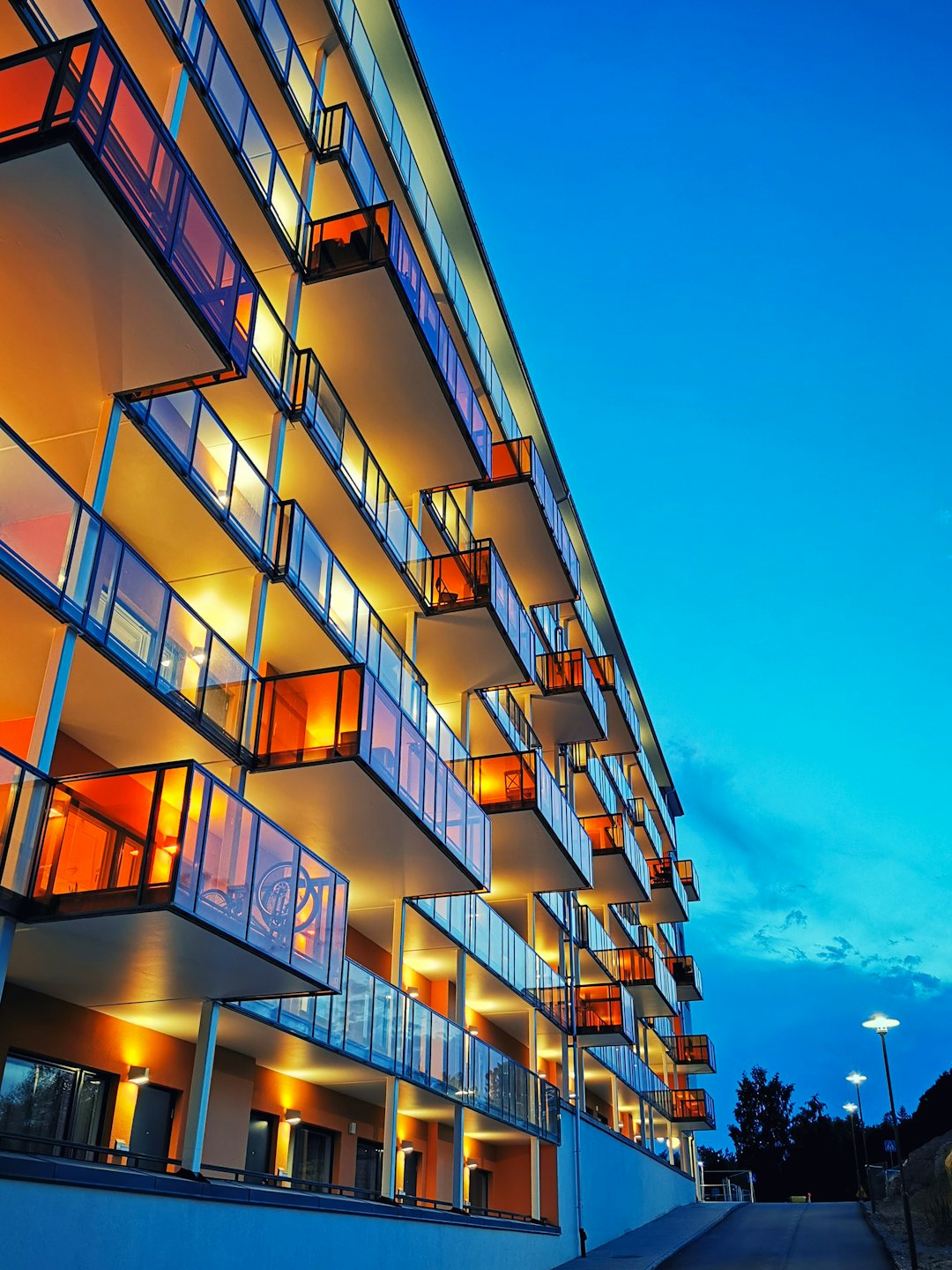
National rent barely moved in May while the highest-supply metros posted another year of declines.

RevPAR is still climbing on event-led demand even as analysts trim the full-year outlook.
The same market that just set a four-year price high also watched a 1.2M-SF tower hand back its loan.
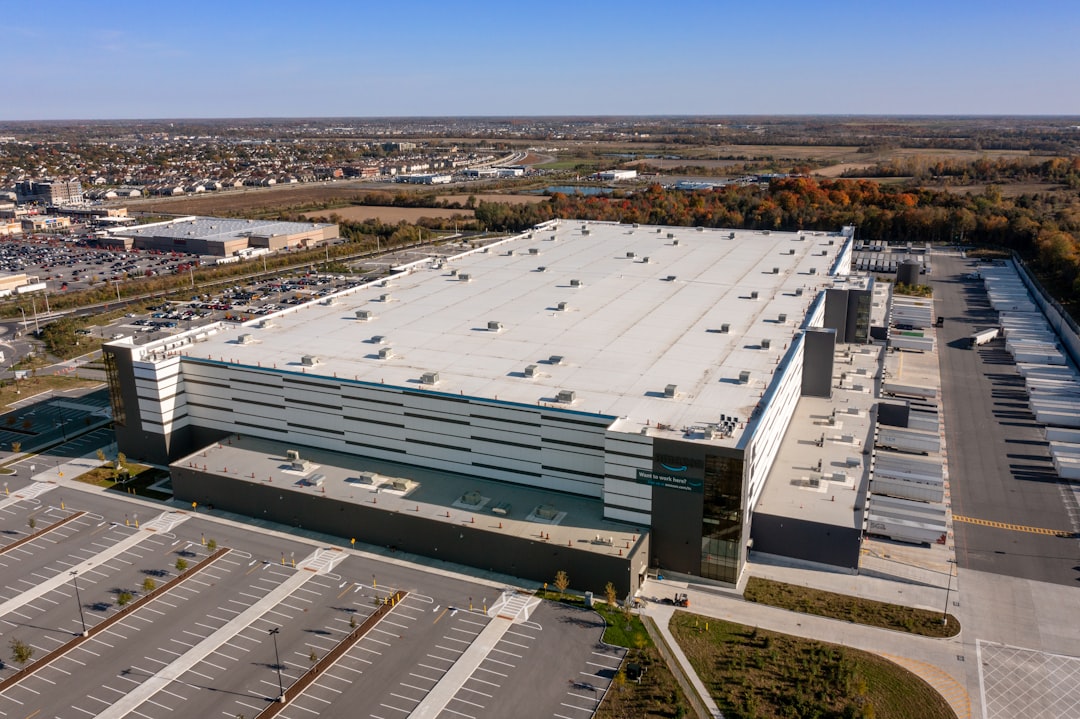
With street rates compressed, operators are running revenue off the spread between new and existing customers.

Nineteen straight quarters of occupancy gains meet the thinnest development pipeline since 2012.
Shopping-center vacancy sits near a record low as essential-tenant demand meets a decade of no new supply.
Section 122 tariffs expire next month, turning materials exposure into a datable underwriting cliff.
Tight space is a decade-long supply story, not a consumer boom, and it hands landlords the pen.

RevPAR up 4.9% and a thawing transaction market pull selective buyers back to large hotel assets.
Leasing is on track for an all-time high even as net absorption stays below trend — the market is sorting.

A 288-MW Northern Virginia sale shows stabilized data centers are now a tradable institutional asset.

Glenstar took control of a West Loop high-rise for a fraction of its 2019 price — through the loan, not the title.
Federal bills and a new state law take direct aim at the REIT model behind hospital and care real estate.
Five months of gains couldn't lift national occupancy off its weakest reading since 2013.

Spec industrial and master-planned land are still pricing growth where power, freeways, and acreage align.
While one mega-merger dominates the news, billions in private capital are quietly buying the long tail.
Occupancy is grinding higher into a supply vacuum the industry can't refill before demand peaks.

A persistent public-market discount keeps pulling listed real estate into private and consolidated ownership.

Applied Digital's 300-MW Delta Forge campus shows compute migrating to wherever firm power is fastest.

90,300 conversion units are in the 2026 pipeline, up 28% in a year and nearly four times the 2022 total.

The dominant-mall thesis is back — and the buyers are paying for experiential, not square footage.

Availability is contracting for the first time in years, and the recovery is splitting by quality and metro.

AI tenants drove a quarter of all big-market office leasing as San Francisco nears a three-decade high.

Manhattan leads at 6.8% even as 4.4%-plus bond yields squeeze NY underwriting.

3PLs and manufacturers are reabsorbing the largest warehouses — and AI is a driver.
A core healthcare-REIT financing tool is now a political and underwriting risk.

Units under construction dropped to 720K, down nearly 20% year-over-year.

A $540M stack closes on a downtown box — with public partners carrying real weight.
A 20-year power deal puts energy — not land — at the center of the data-center trade.
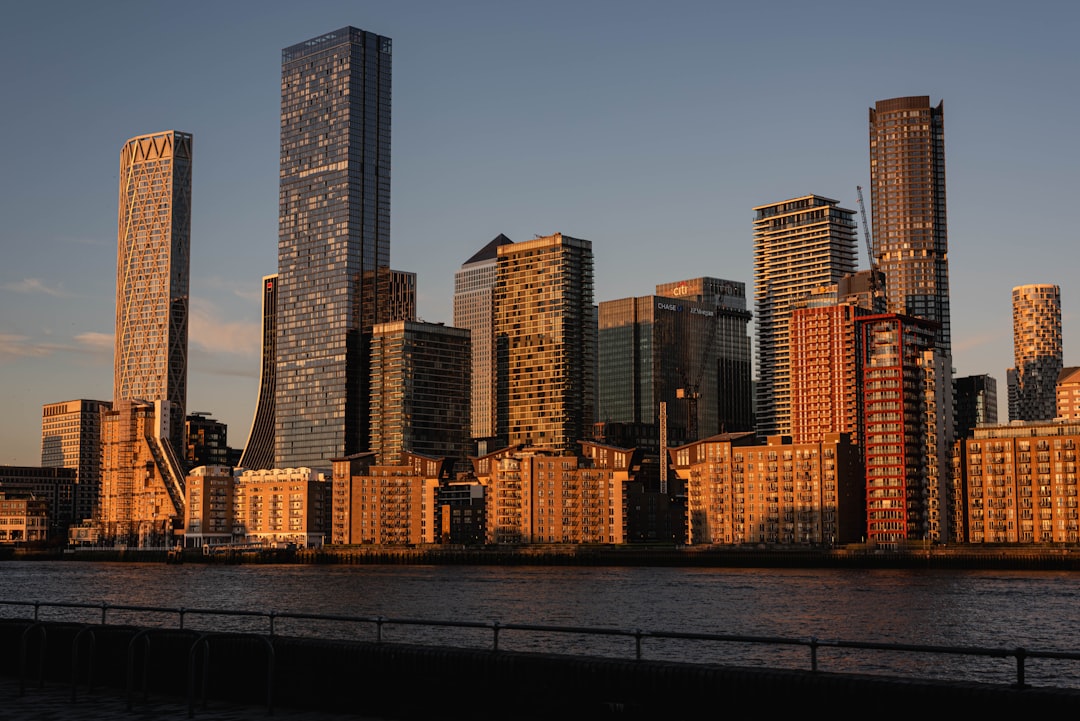
JLL's new credit index hits an all-time high as lenders fight to place capital.
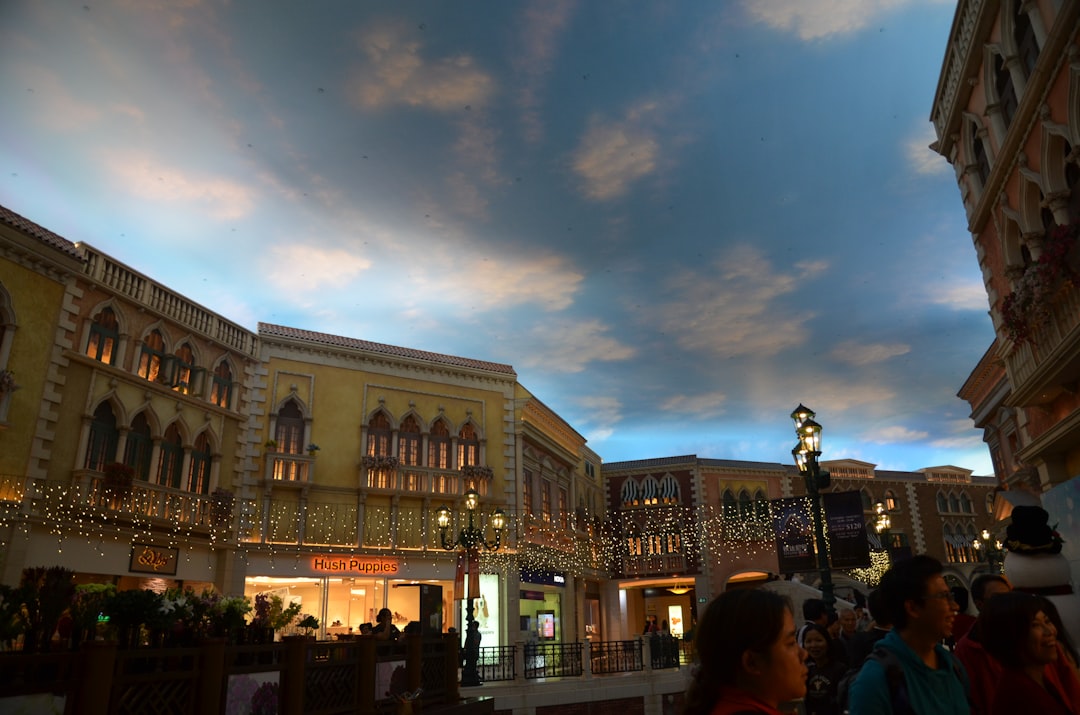
A fully leased Huntington Beach power center sets OC's biggest retail trade in a year.

Inputs jumped 9.6% year-over-year as energy, not trade policy, drives the squeeze.

A 91%-leased, 376K SF Dallas campus trades — with an $80.3M acquisition loan attached.
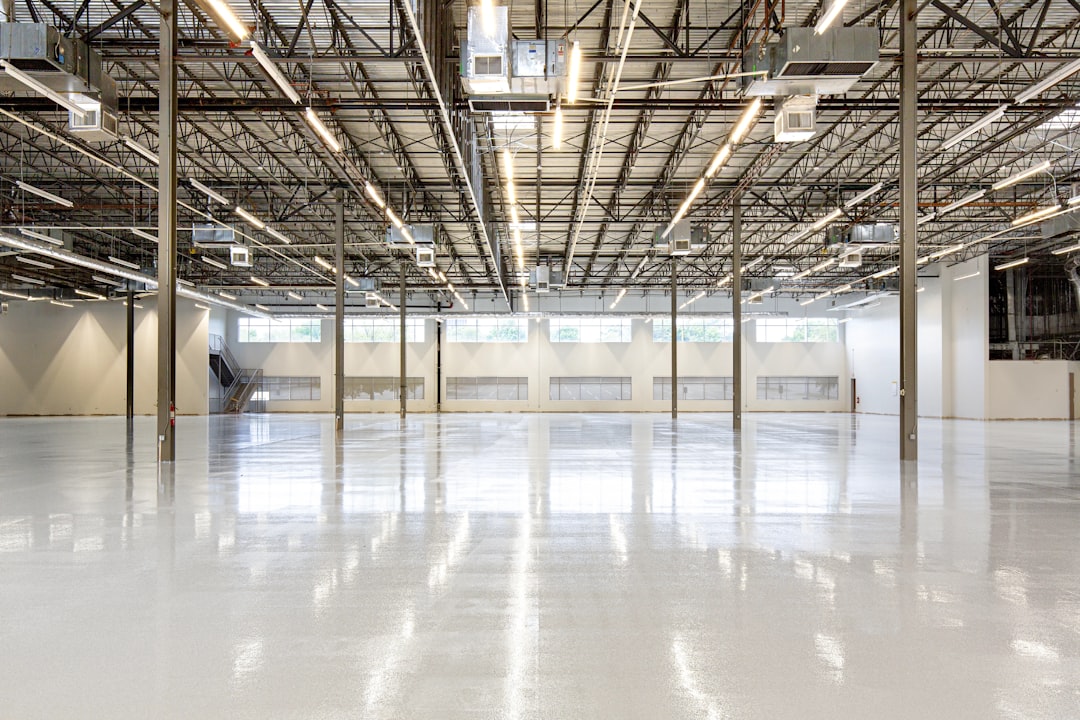
A 767K SF Houston box, leased to 2028, anchors BLP's largest Texas buy since 2021.

ERCOT's “Batch Zero” sorts 226 GW of large-load requests against a 92 GW grid.
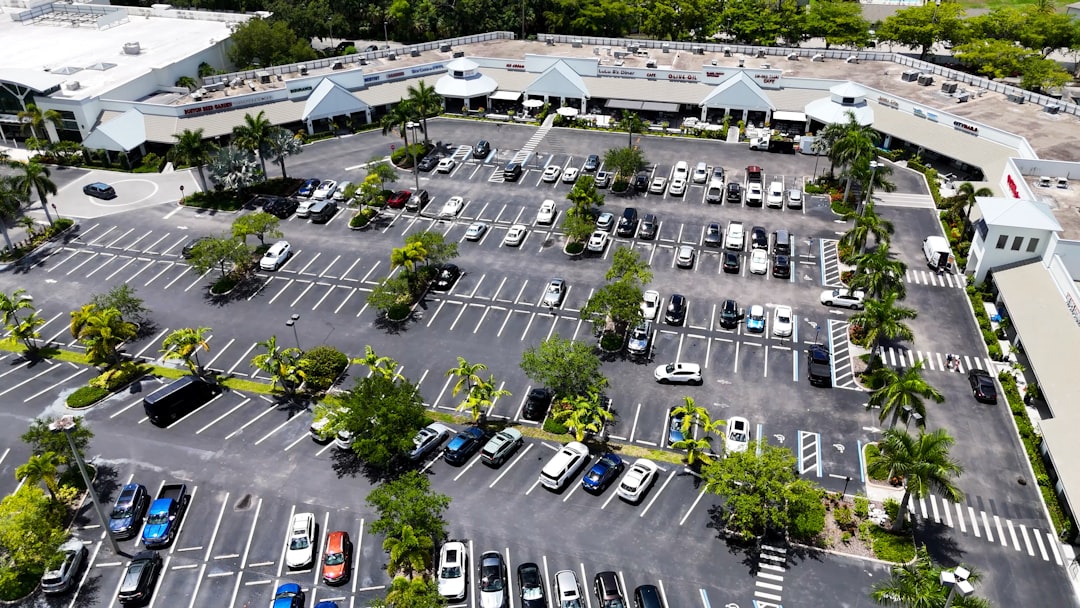
TPG, La Caisse, Norges, and PSP buy ECHO Realty's ~230 necessity centers.
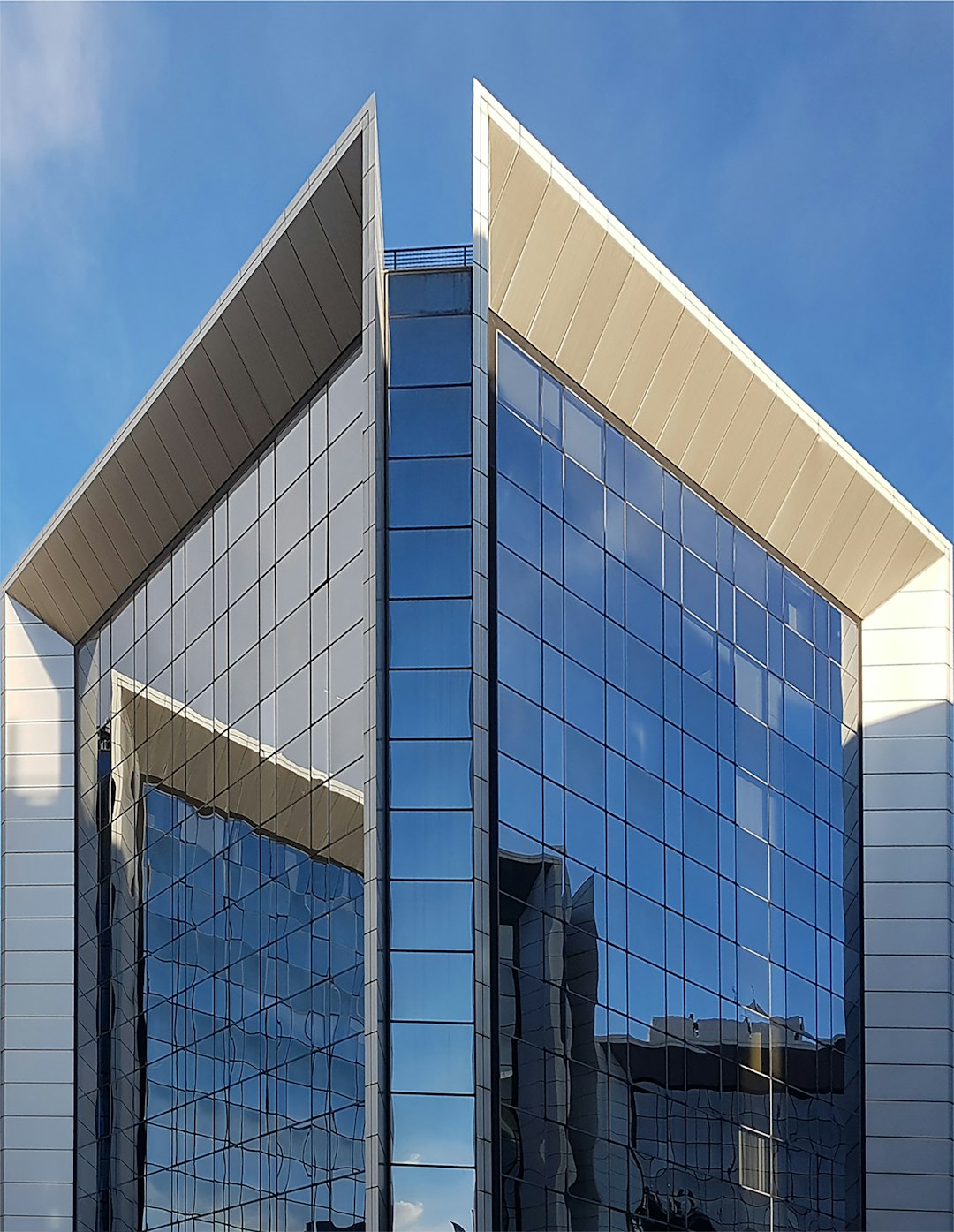
New campus buys, a pending $7.2B MOB merger, and 93% occupancy — a decade high.
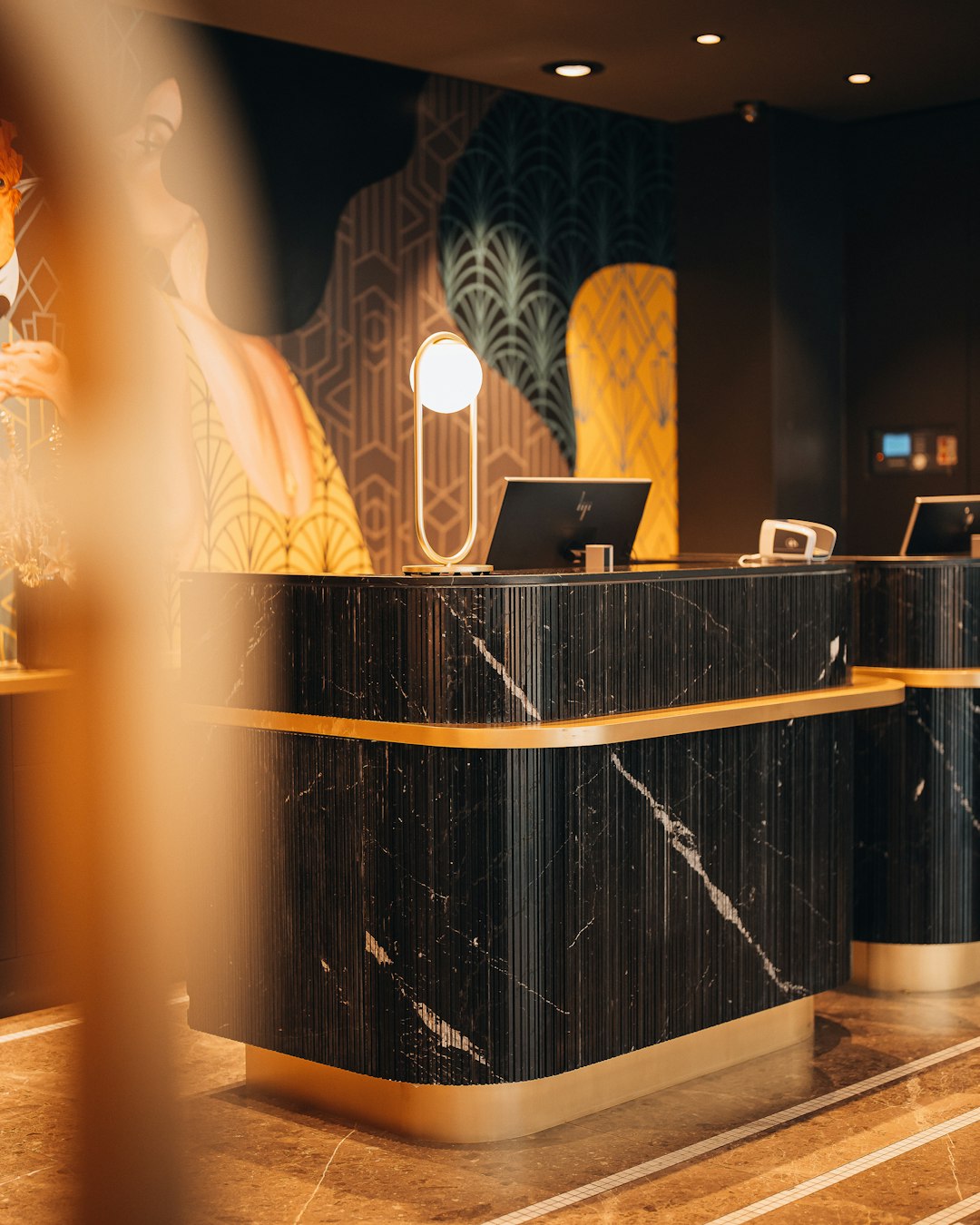
~30,000 workers, 250+ hotels, wages up more than 50% over the contract's life.

A $98M Mesa sale and a $122M bridge on 1.18M SF show Sun Belt logistics still trades.

90,300 units in 2026 — adaptive reuse is now the default second life for obsolete office.
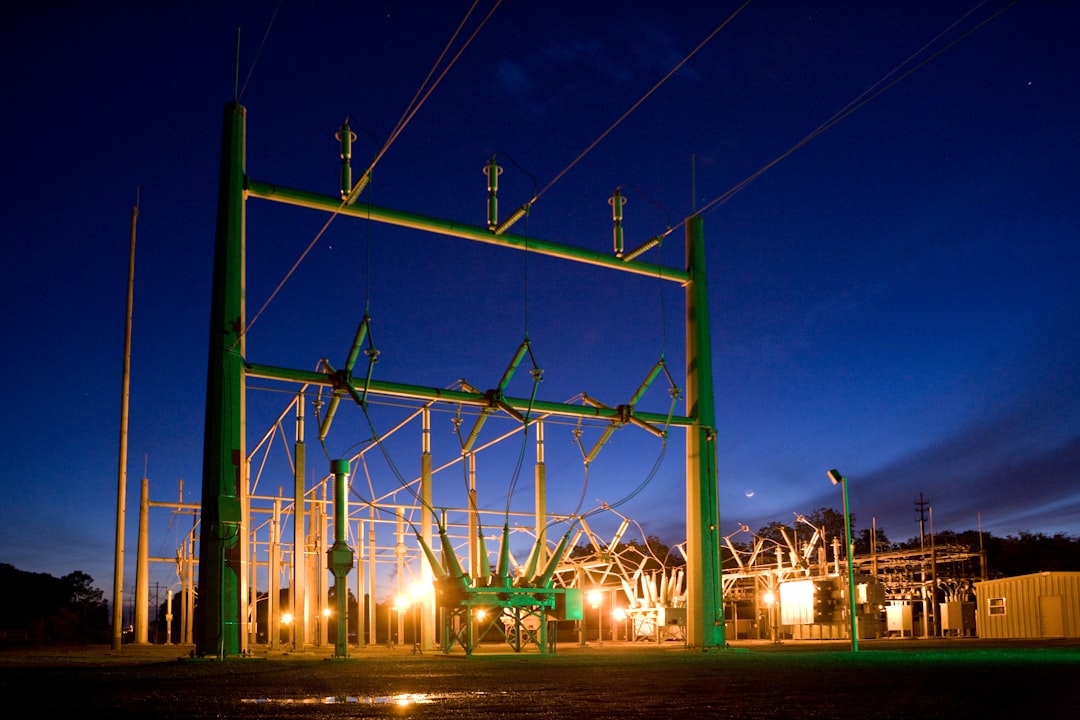
Crusoe touts ~5GW of contracts but pauses a 1.8GW Wyoming campus, as the grid — not tenants — sets the ceiling.
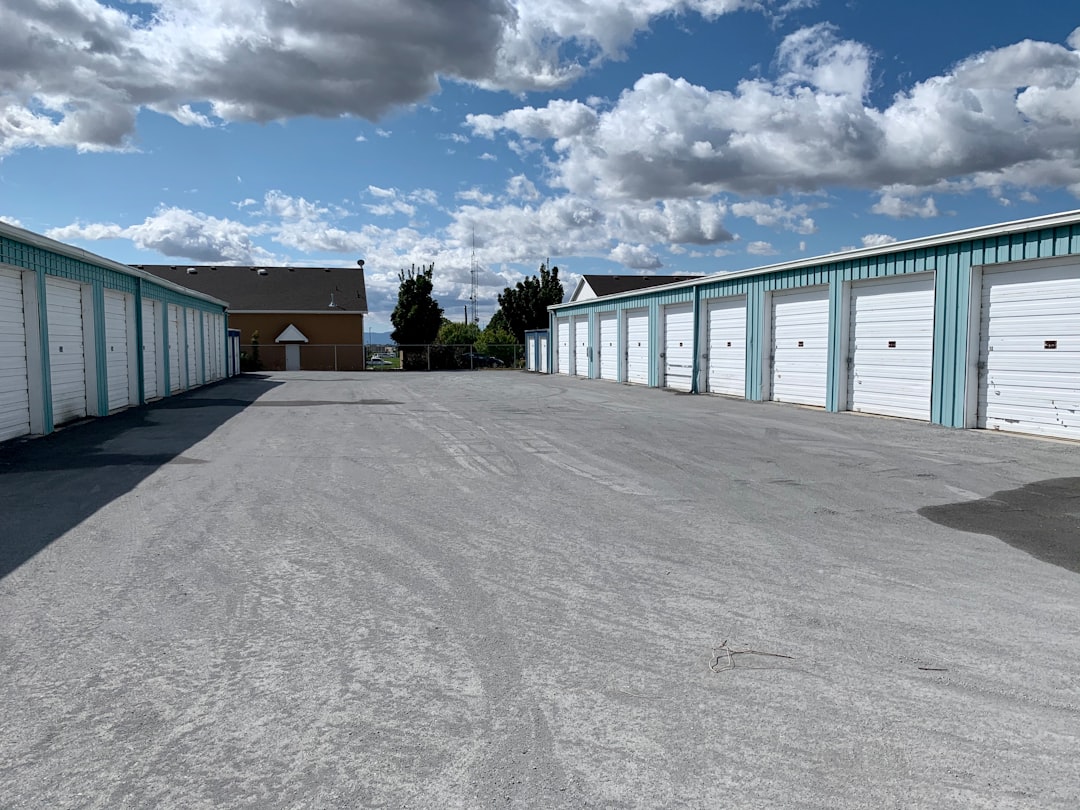
2026 deliveries fall again as new supply drops to nearly half its long-run average, handing pricing power to incumbents.
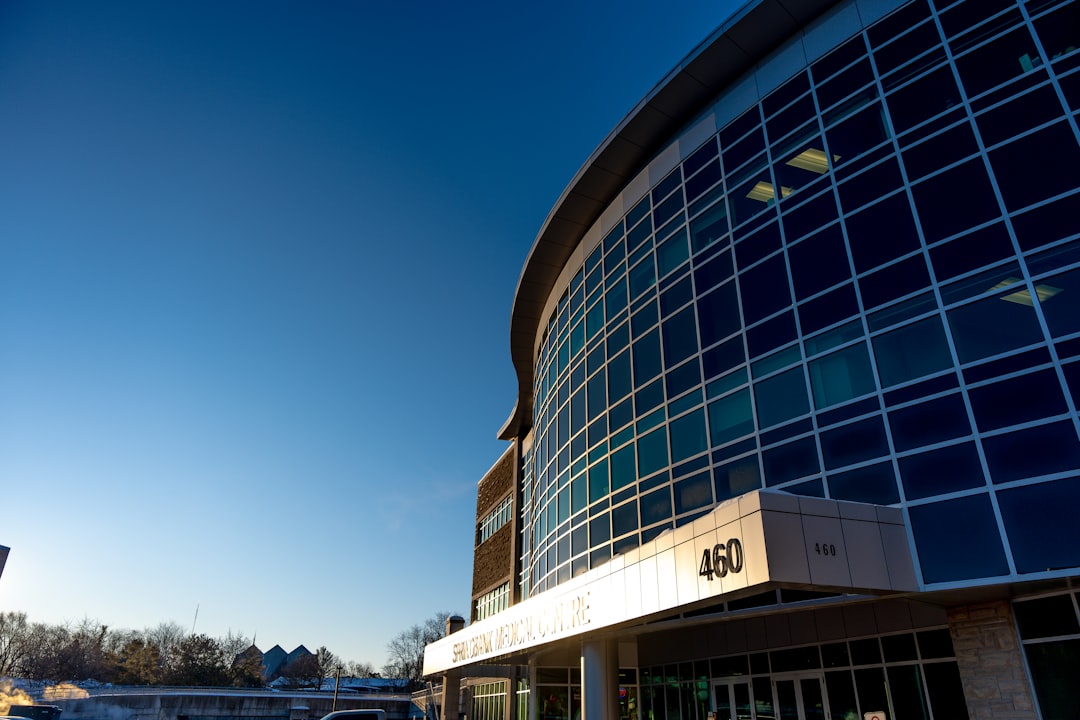
Fresh June acquisitions and a $7.2B platform signal MOB has become real estate's defensive 'fifth food group.'

3PL leasing jumped 65% year-over-year as LA's industrial core signs fresh nine-figure-adjacent deals.

Sunstone sheds an 821-room gateway box; opportunistic capital steps into a recovering CBD at ~$340K a key.

Altus says performance has split to a record spread as $875B in loans come due — and retail, not office, is leading.
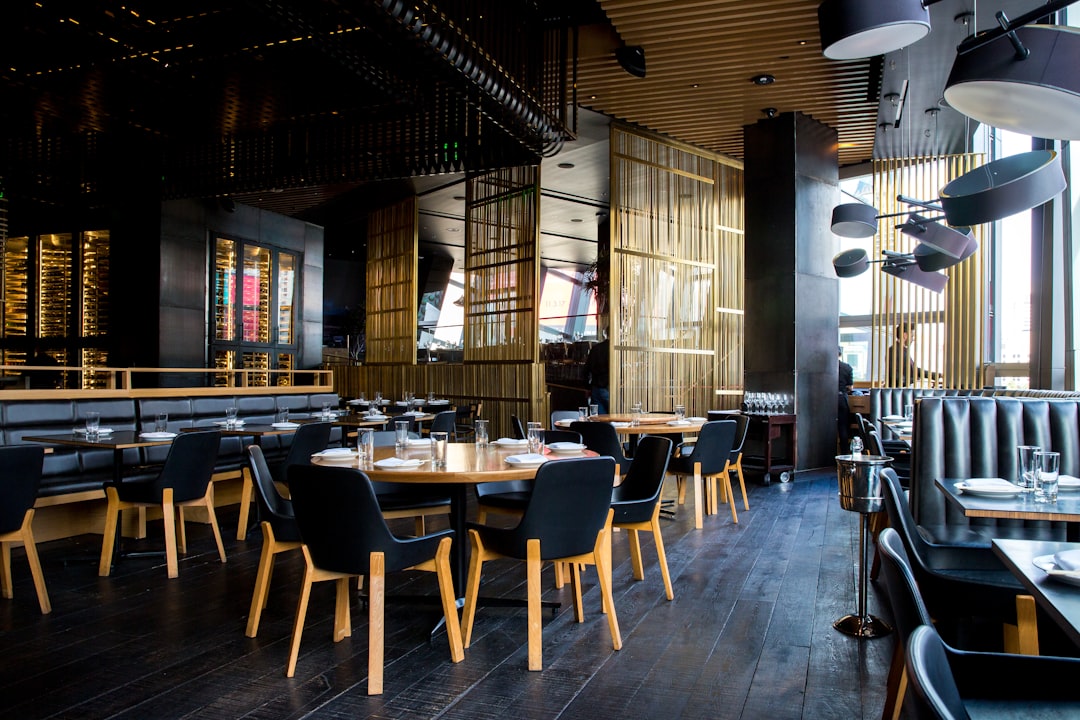
Phase 2 at Central Park Post Oak adds 30K sf of retail — proof that lifestyle retail leasing is still expanding in the Sun Belt.
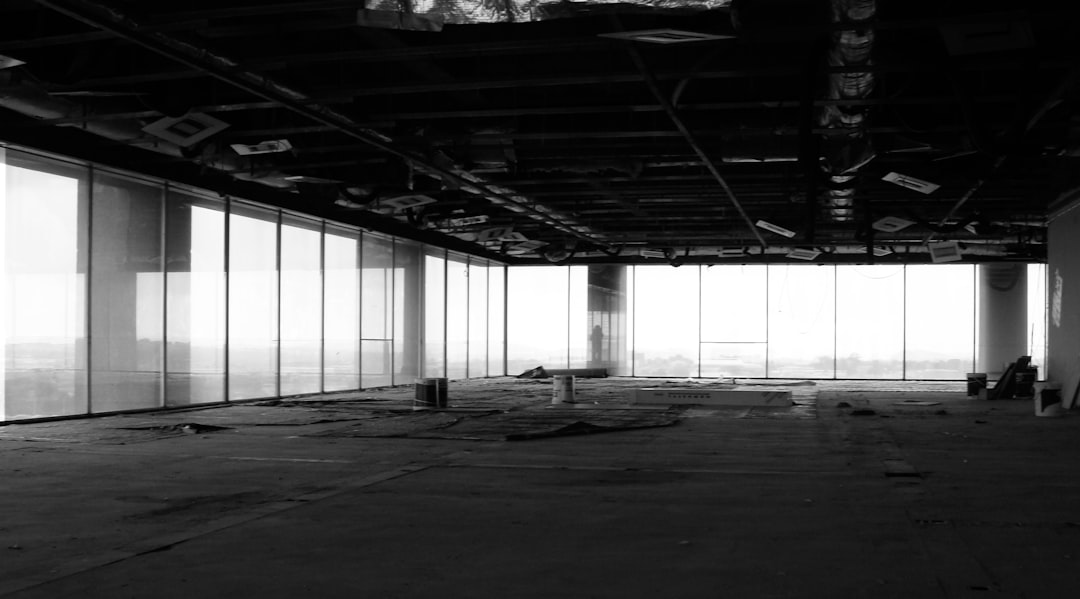
The GSA says aging stock and funding bottlenecks are stalling the federal real-estate overhaul — slowing office clearing nationwide.
The new Fed chair's first pause confirms there's no rescue cut coming for $875B of maturing CRE debt.
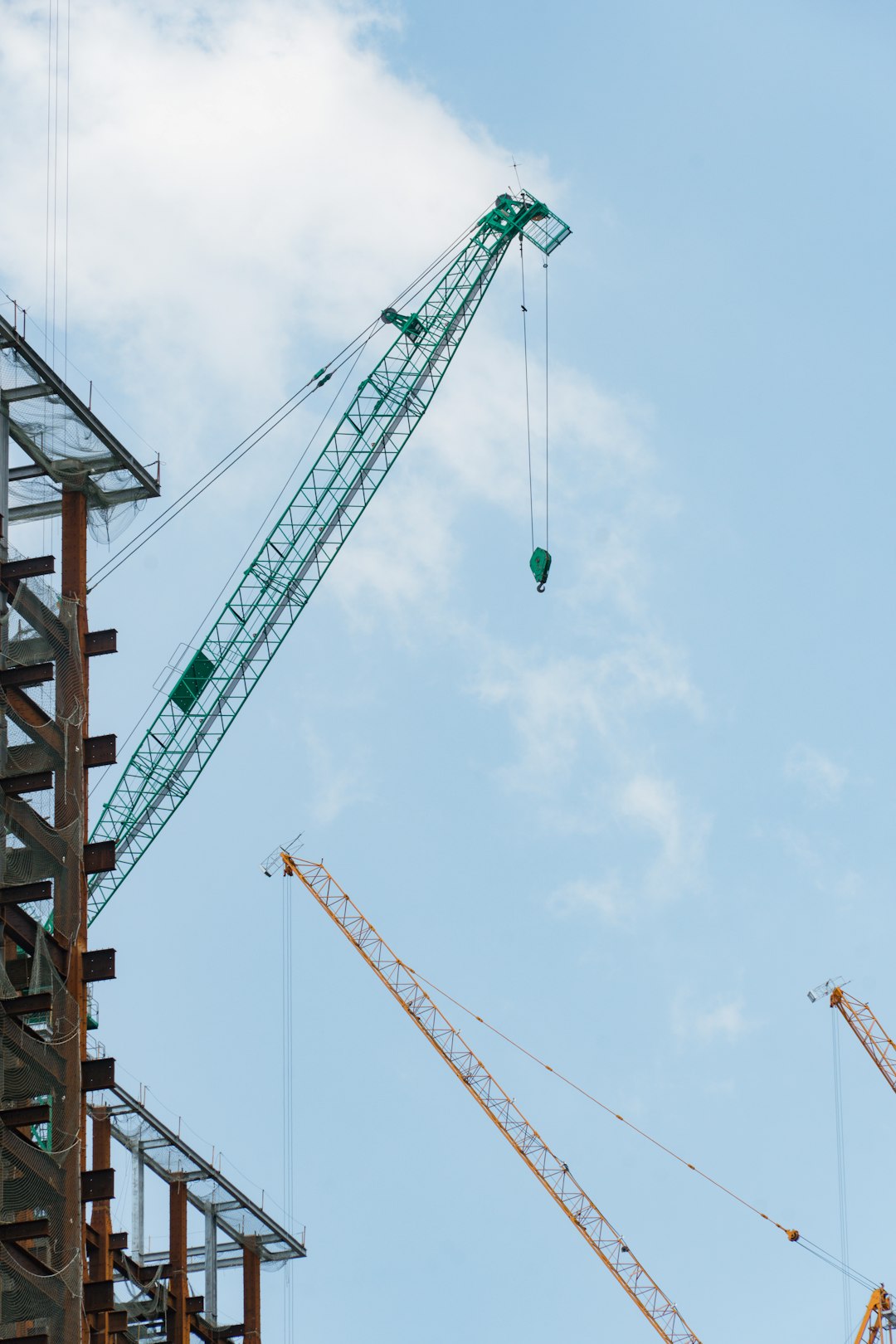
Goldman's Dallas campus, two stock exchanges, and a $3B arena district mark Texas's shift from HQ destination to development magnet.

Median CRE just hit an all-time high — but the aggregate is hiding a record split between winners and losers.

Data-center-linked tenants signed 27% of all new manufacturing-space leases in Q1 — industrial absorption is now a derivative of AI capex.

Life-science vacancy hit 23.2% in Q1 even as employment and venture funding climbed

A luxury hotel REIT exits external management — and hands its sponsor a nine-figure check to do it
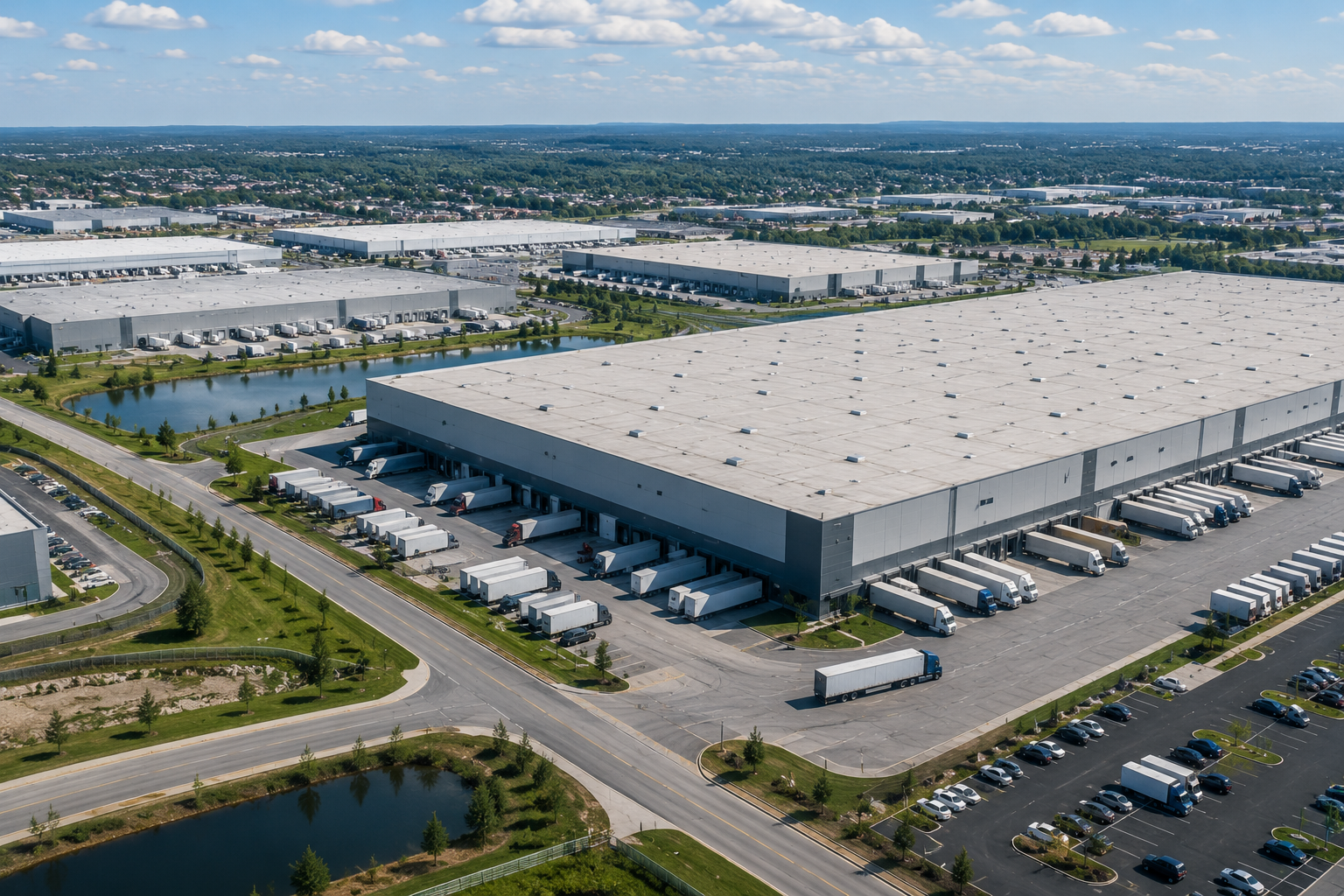
UPDATE — National demand rebounds while the supply wave finishes clearing
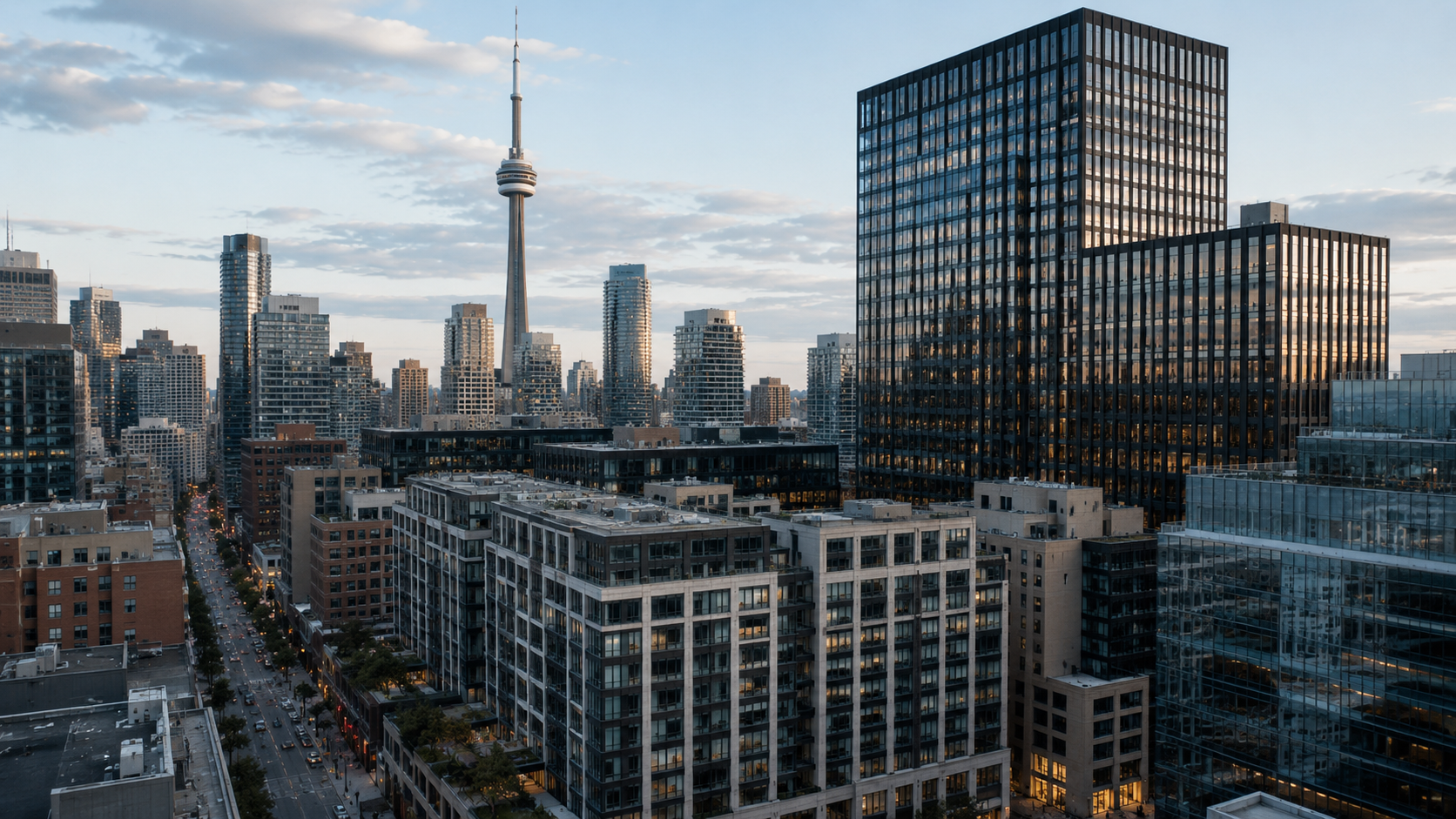
Toronto-based owner confirms talks over a sale of "certain assets" from its 20M-SF book
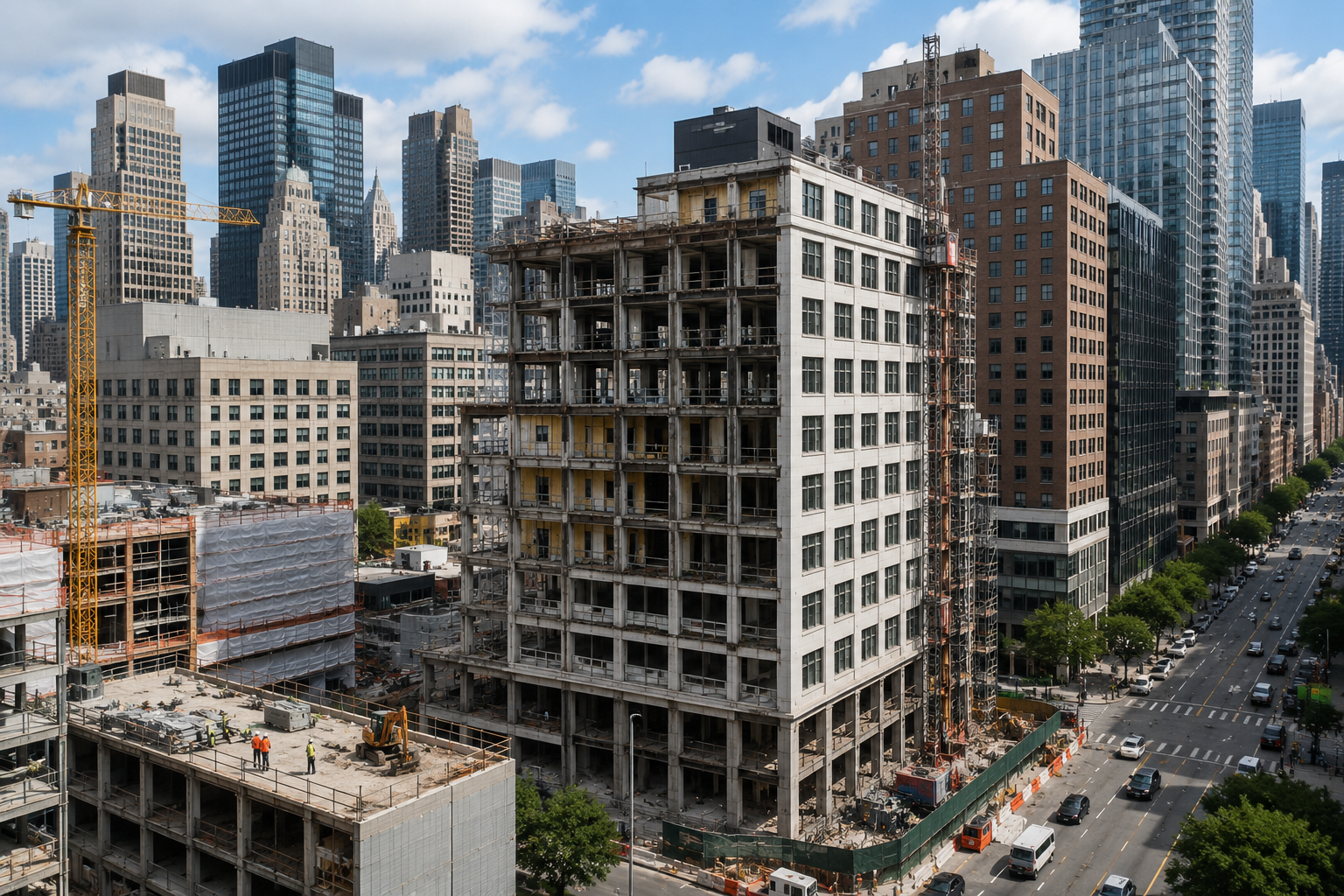
Obsolete office is now nearly half the national adaptive-reuse pipeline

Eight months after opening a new New Jersey HQ, Samsung is moving it to Texas.

New Mountain Capital is paying $2B+ for Asset Living — a manager, not a landlord.
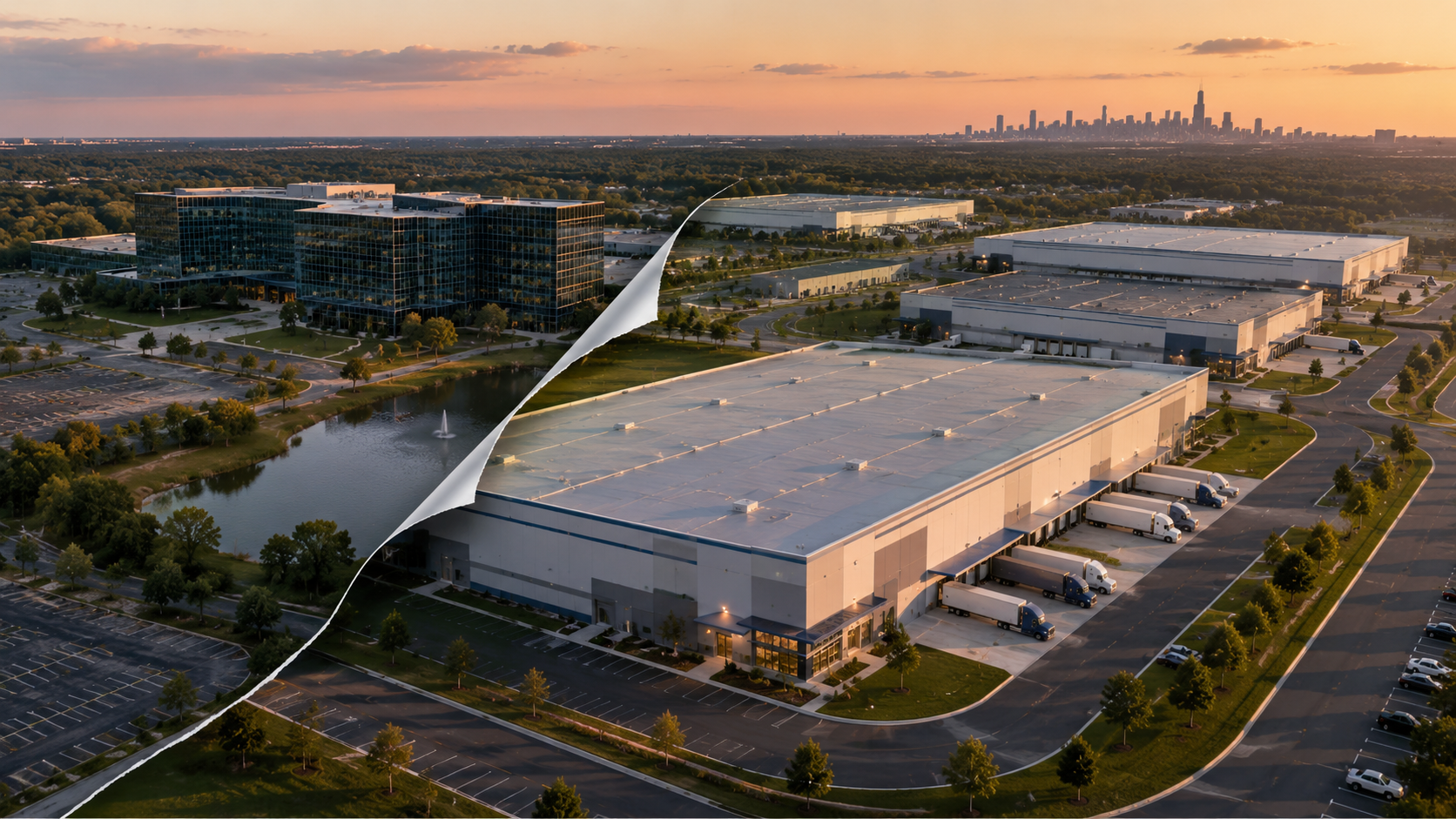
Realty Income spent $340M+ on Chicago-area warehouses in May — much of it on a dead office campus reborn as industrial.
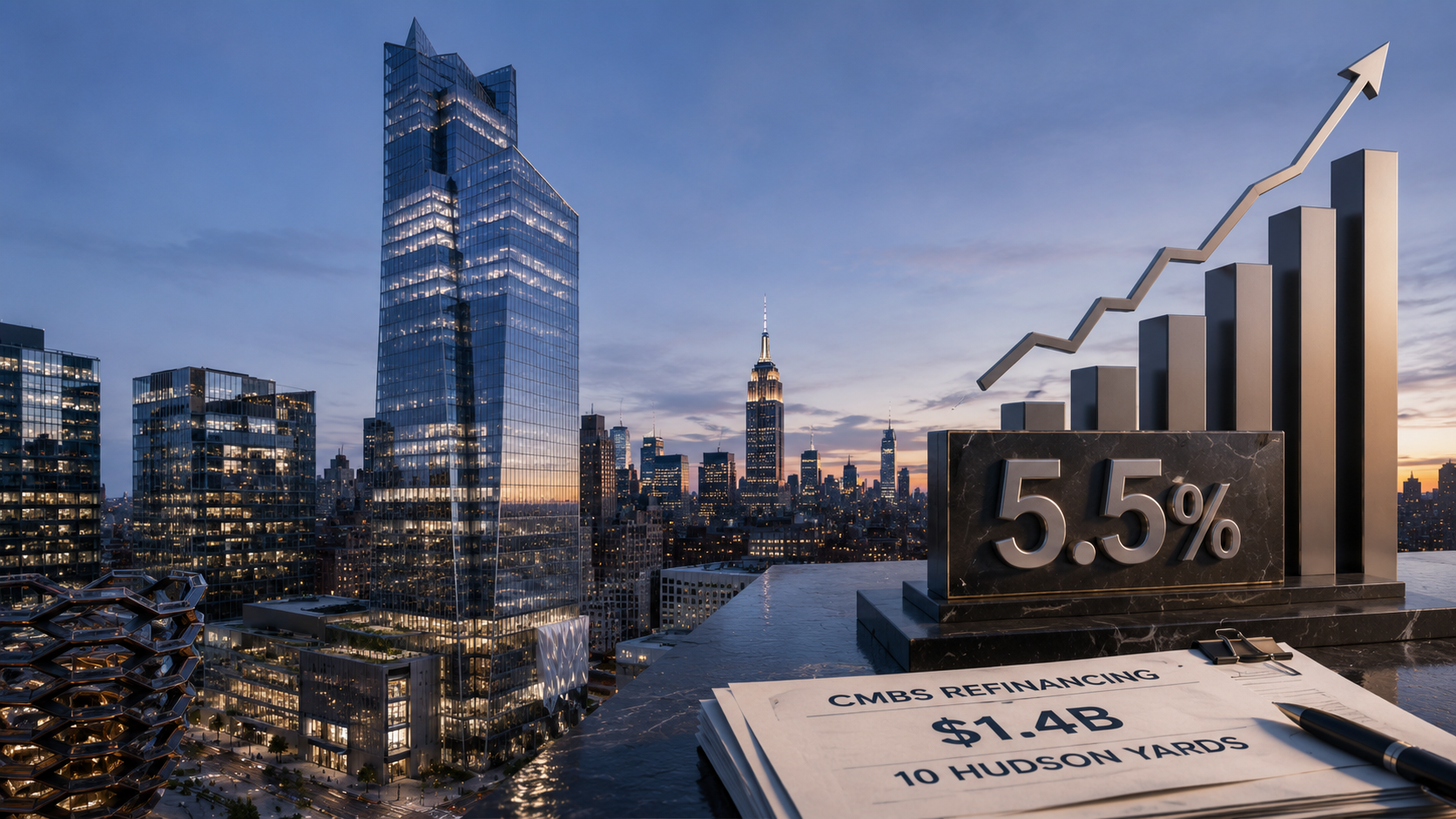
10 Hudson Yards lines up a $1.4B refi — and sets the mark for trophy office debt.

Prime retail availability just hit the lowest level ever recorded — and rents are following.

The Compass–Zillow antitrust dispute heads to court over control of listing distribution.
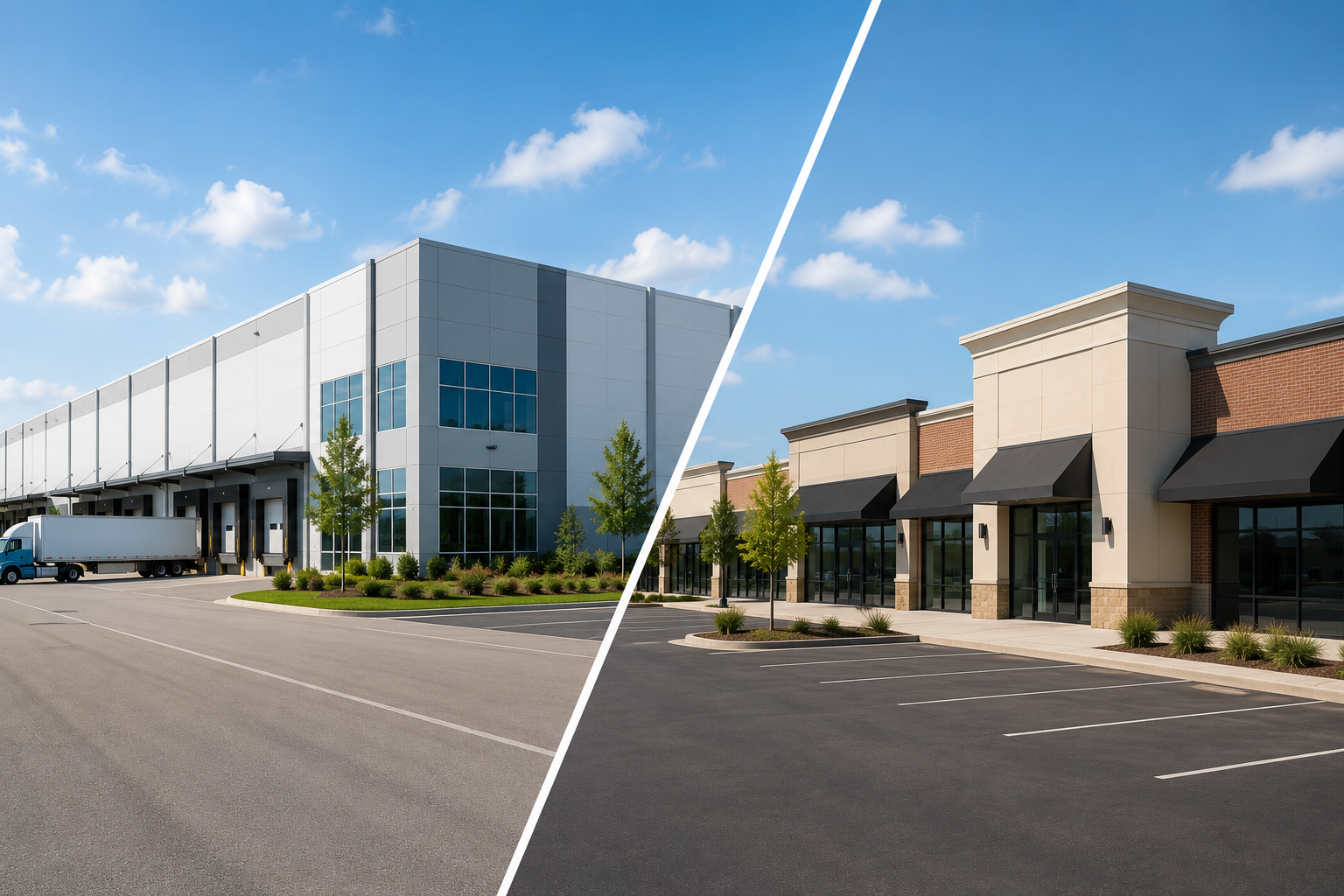
Industrial net-lease rose 15% to $7.1B in Q1; retail net-lease fell 21% to $2.7B.

A major lease renewal at 315 Hudson lands while the office narrative stays bearish.

A $1.1B deal creates the No. 2 global advisor for prime $100M-plus CRE — and signals a consolidation wave.
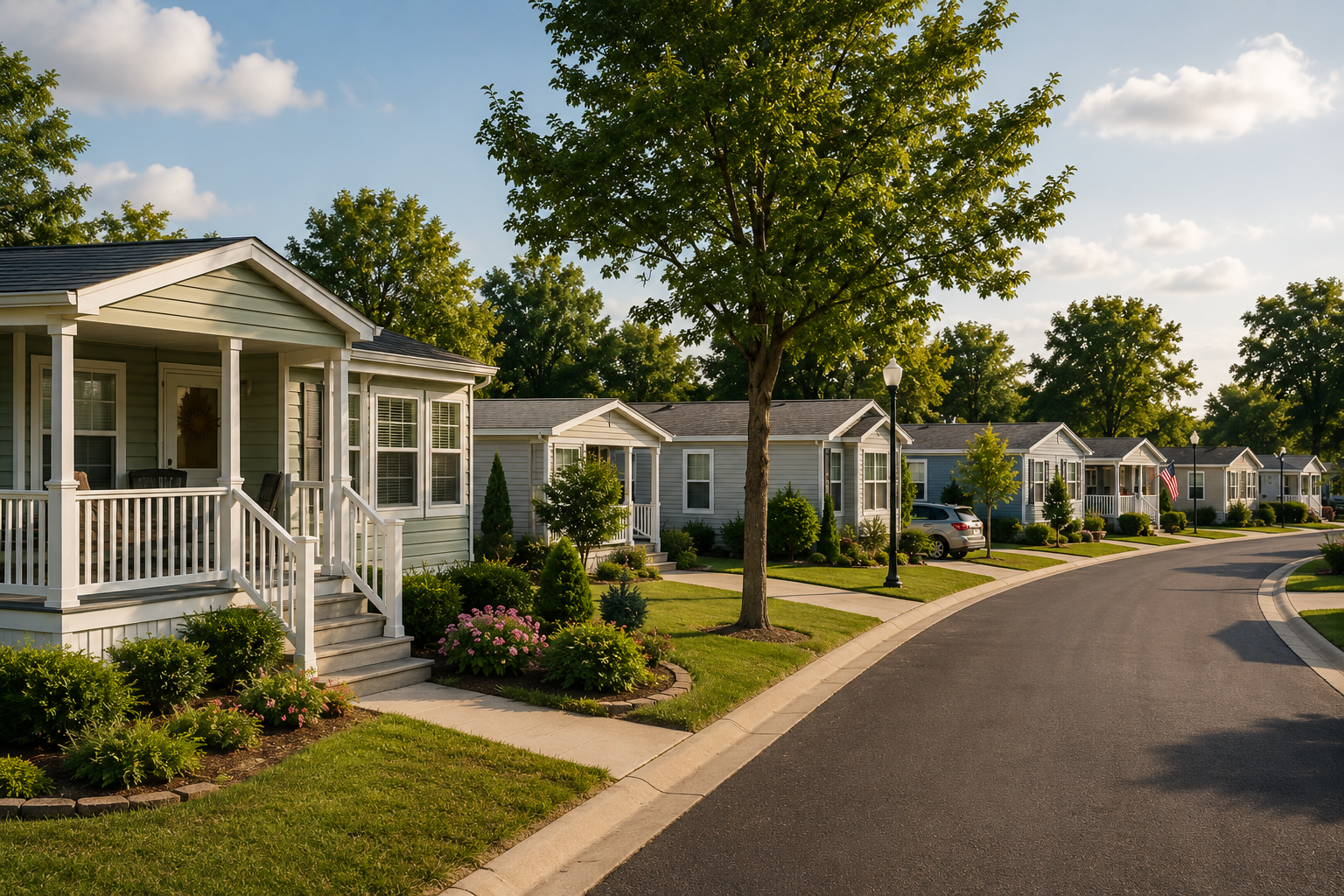
RHP locks $830M for 36 manufactured-home communities — 8,340 pads at 99%-plus occupancy
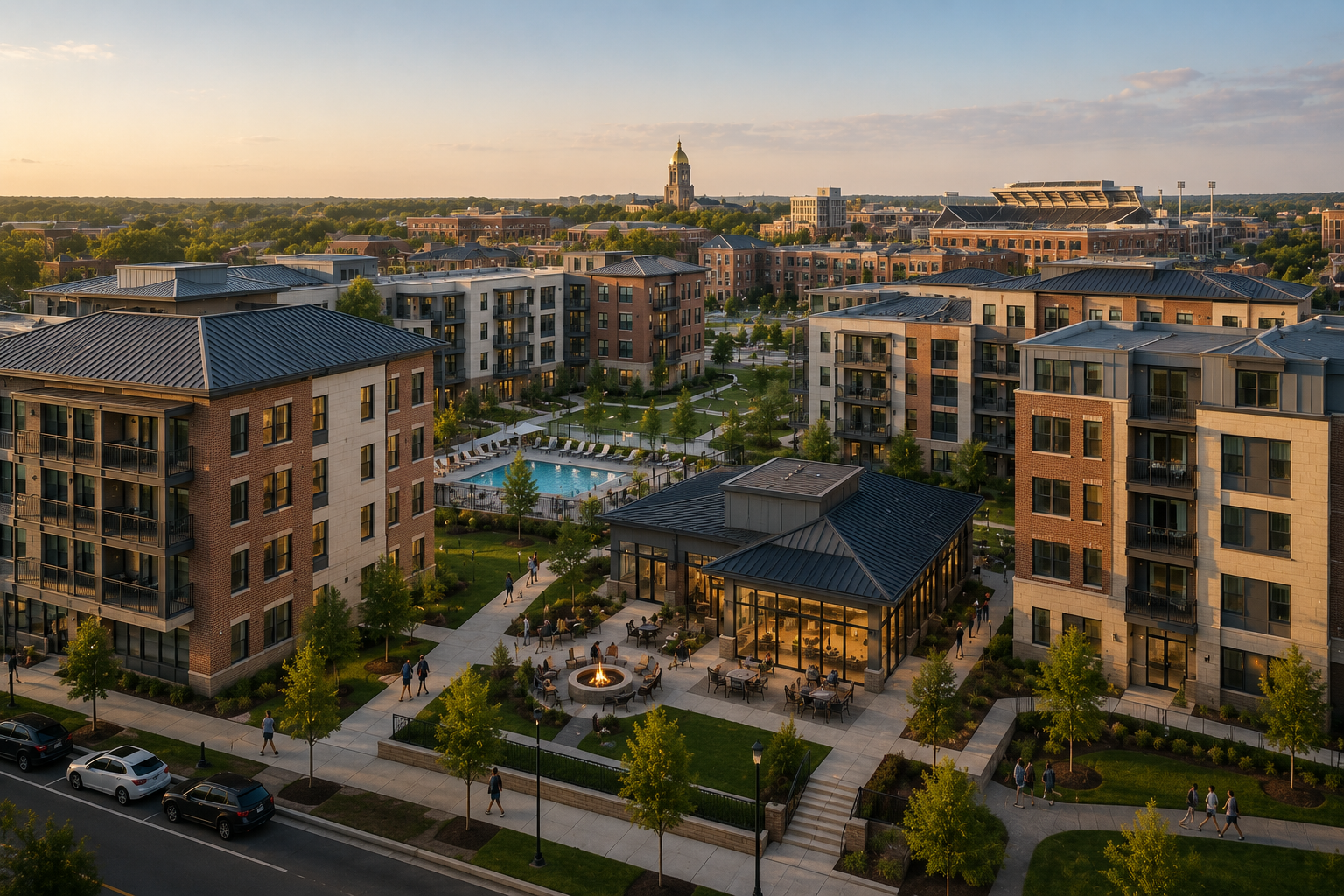
Scion and Ares take Harrison Street's 7,578-bed student portfolio for $910M — and Scion becomes the world's largest owner.
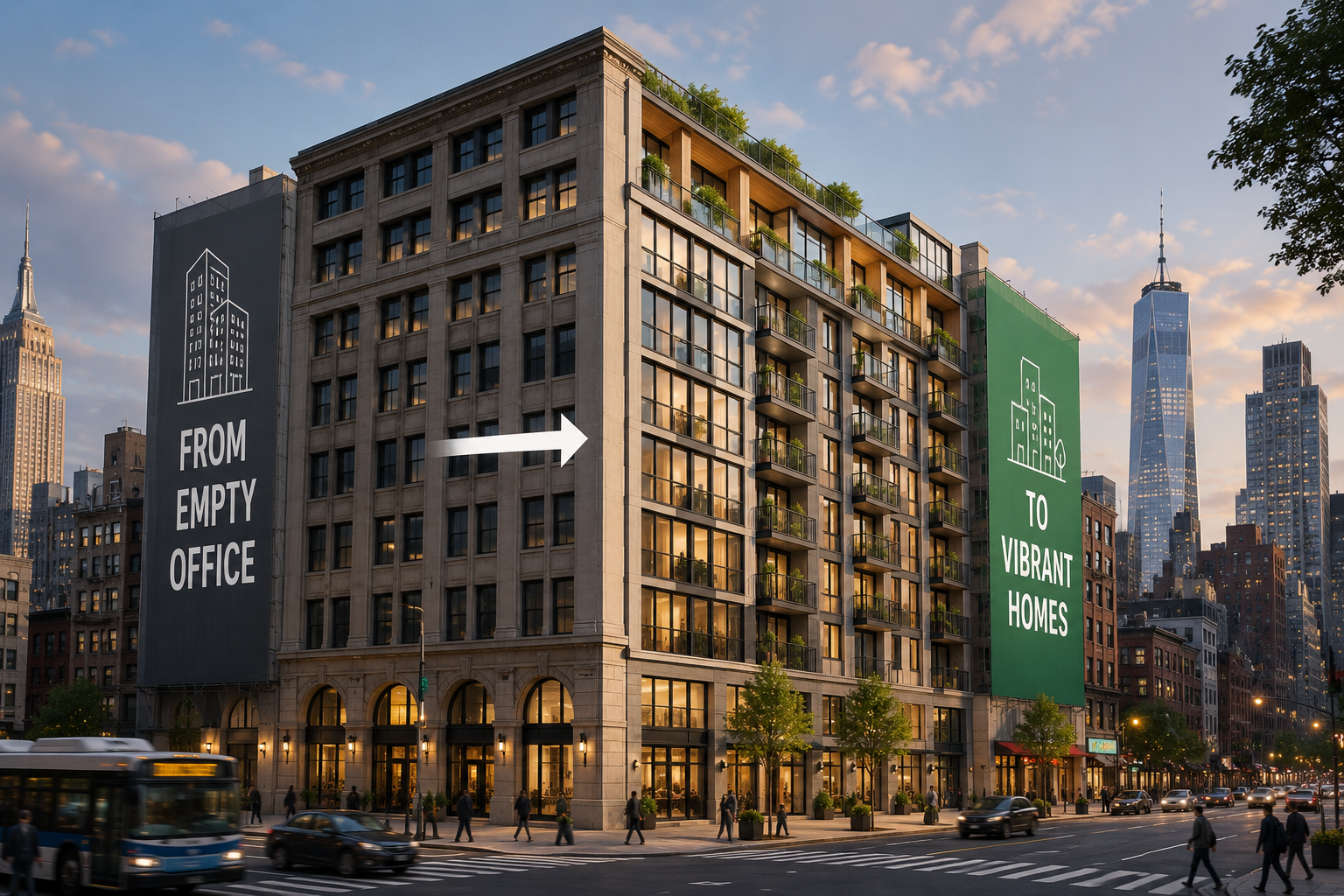
Conversions reach ~90,300 units in 2026 — now nearly half of all adaptive reuse.
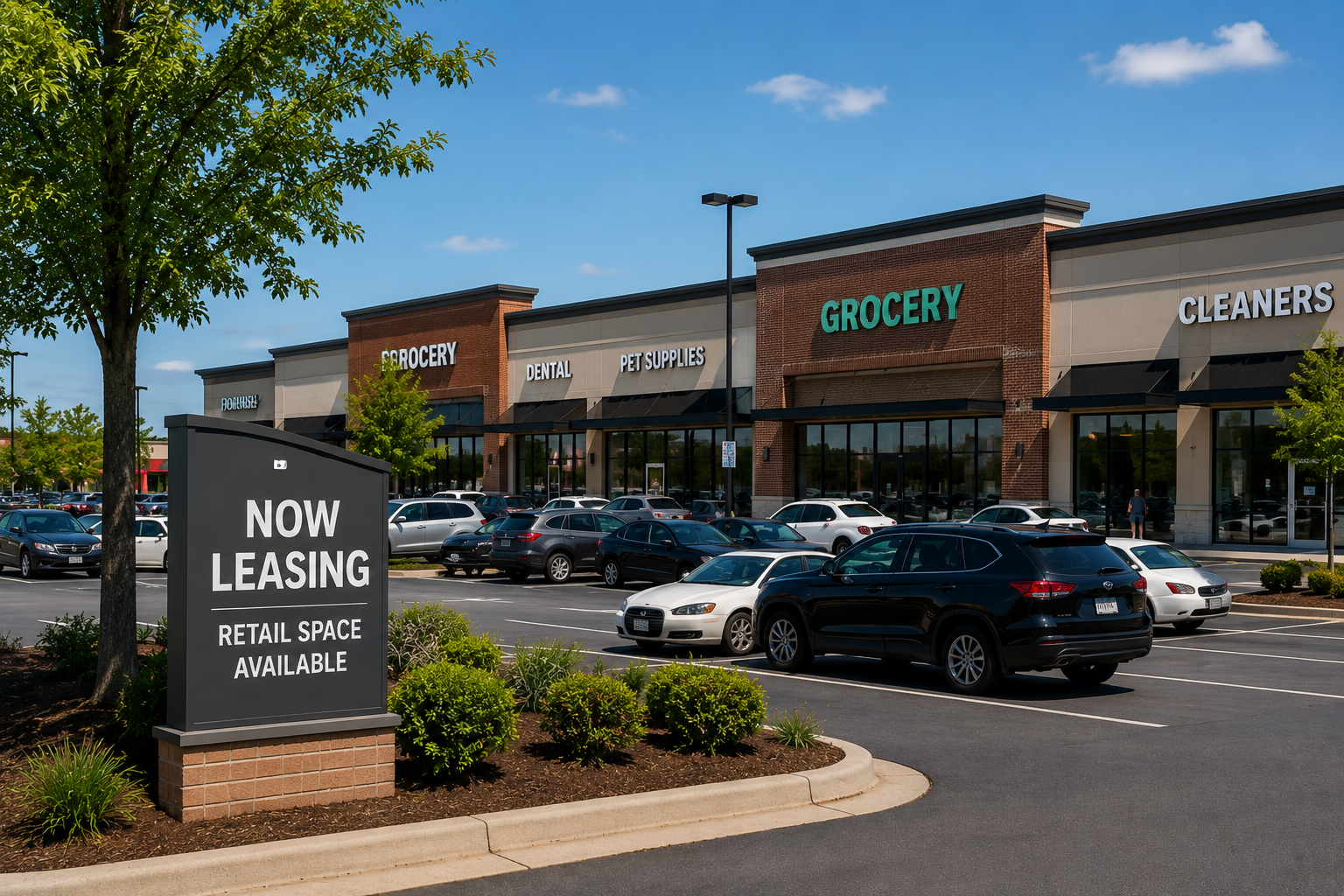
Availability fell to a record 4.8% as a decade of under-building meets a healthy consumer.
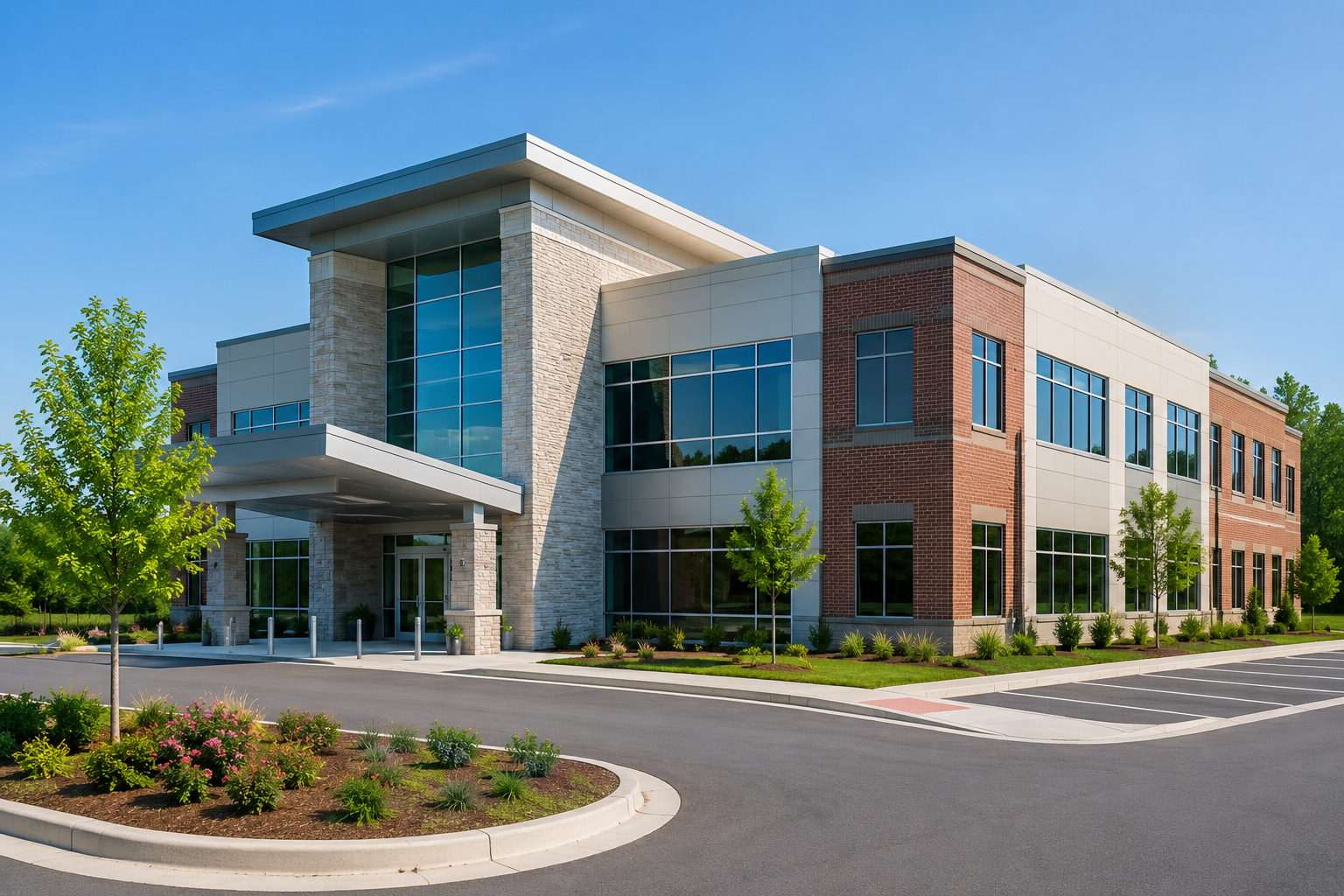
A $7.2B outpatient portfolio is closing in tranches as occupancy hits a record.
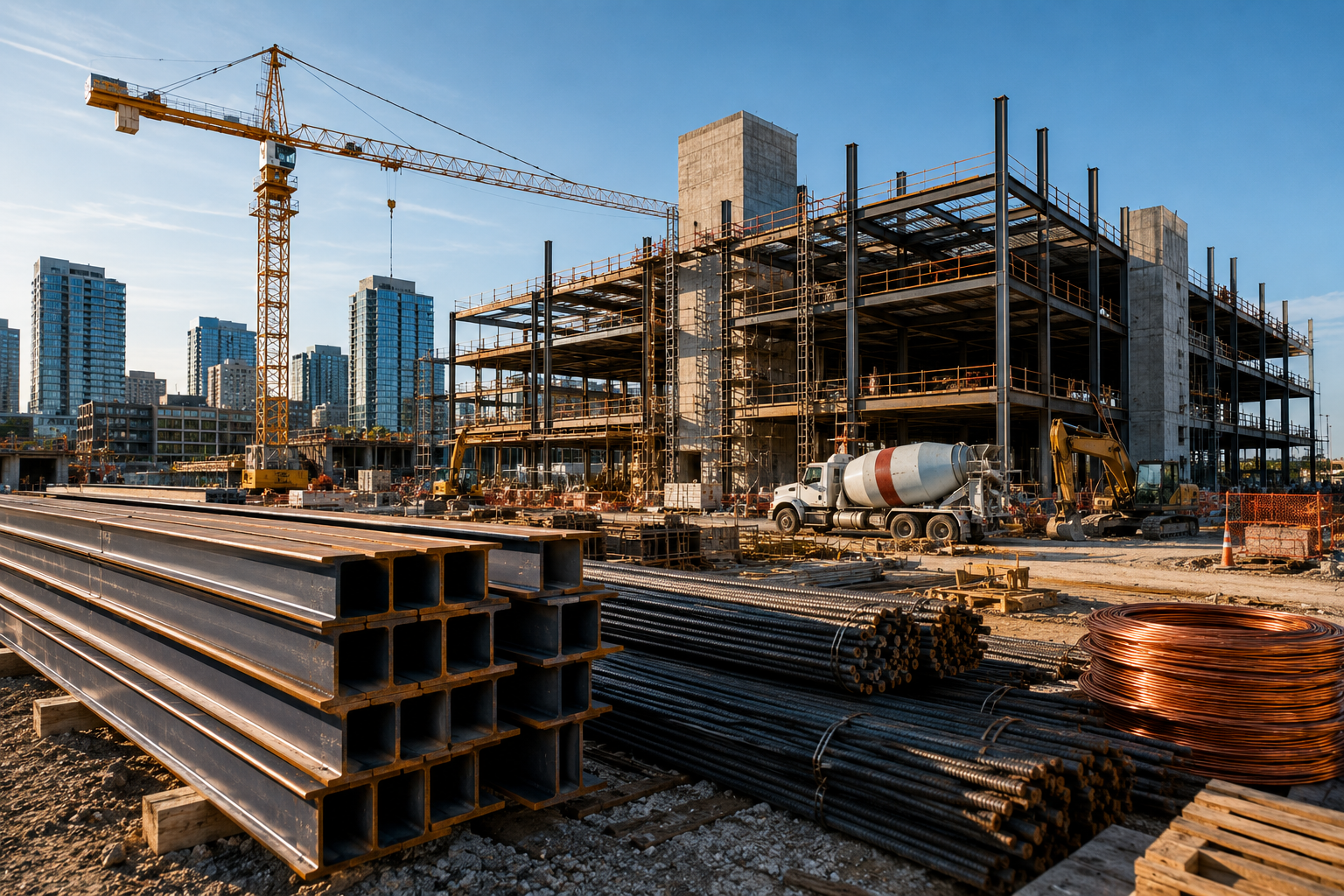
Structural steel rose ~12% in a year as steel and aluminum tariffs doubled mid-cycle.

Roughly three-quarters of 2025's new life sciences supply is still sitting empty.
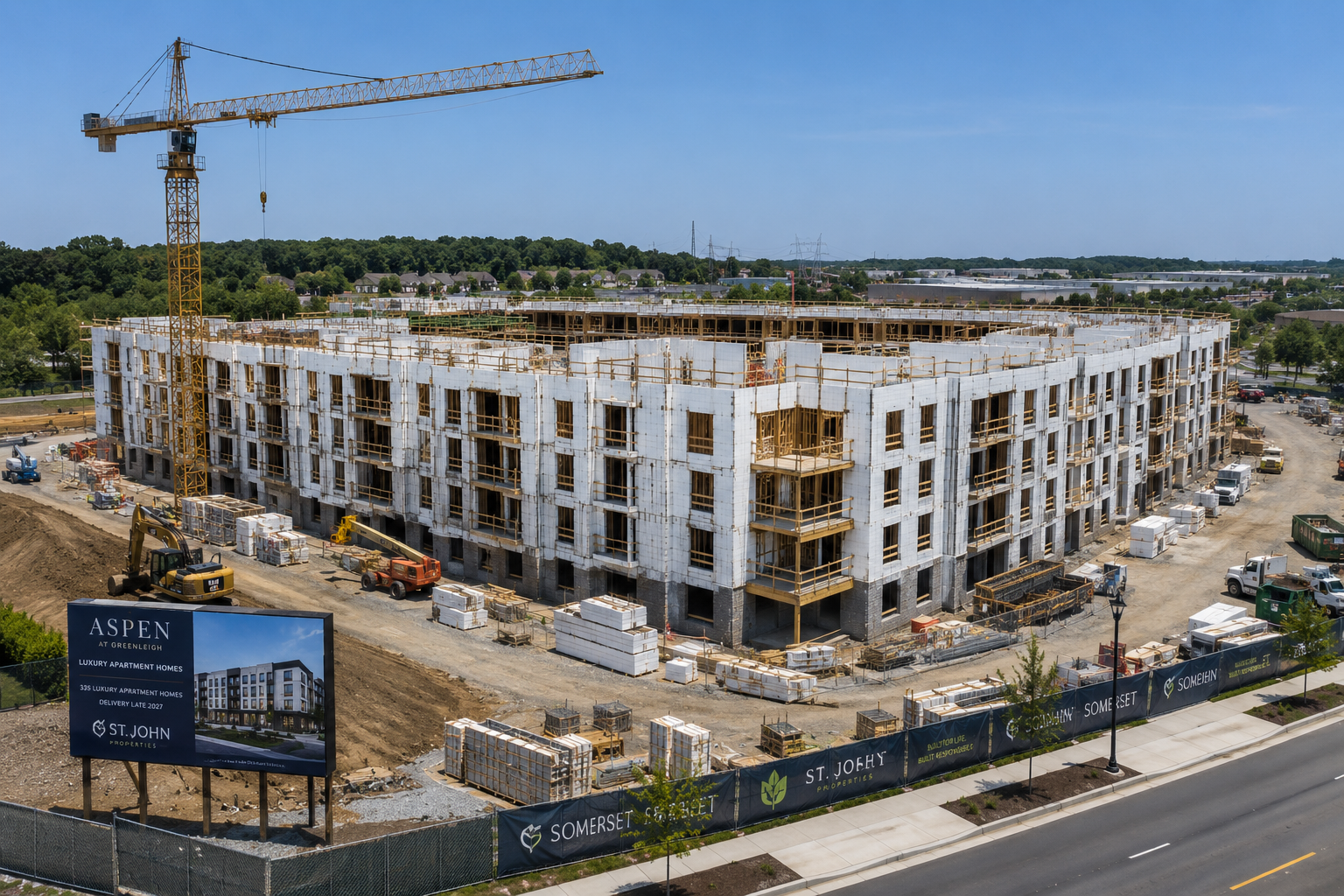
St. John Properties breaks ground on 335 units in Maryland — the largest ICF building in North America.
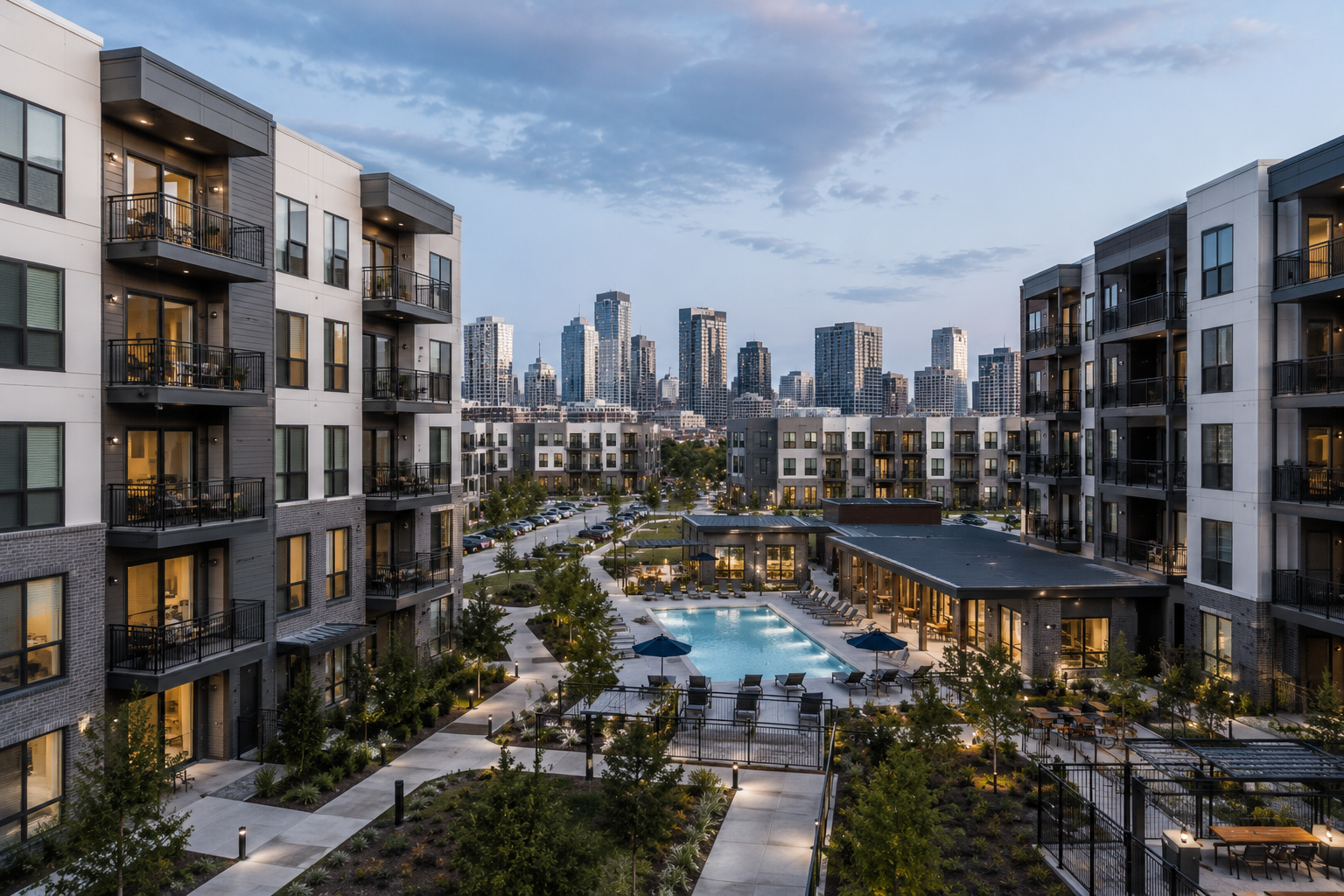
National rents edged up in May; Austin still prints −5.2% as Sun Belt supply clears slowly.
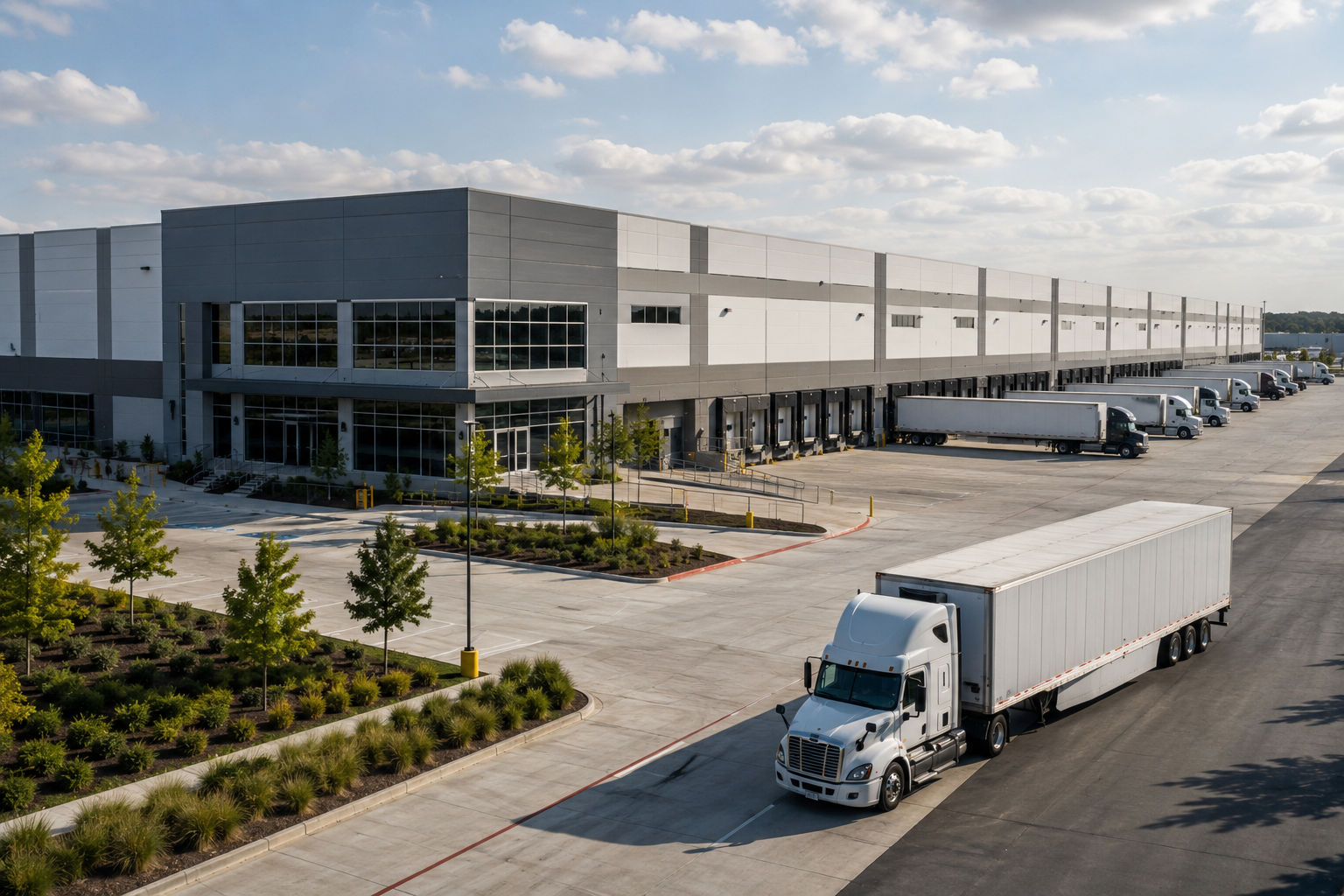
Q1 net absorption neared 40M SF — the strongest first quarter since 2023.
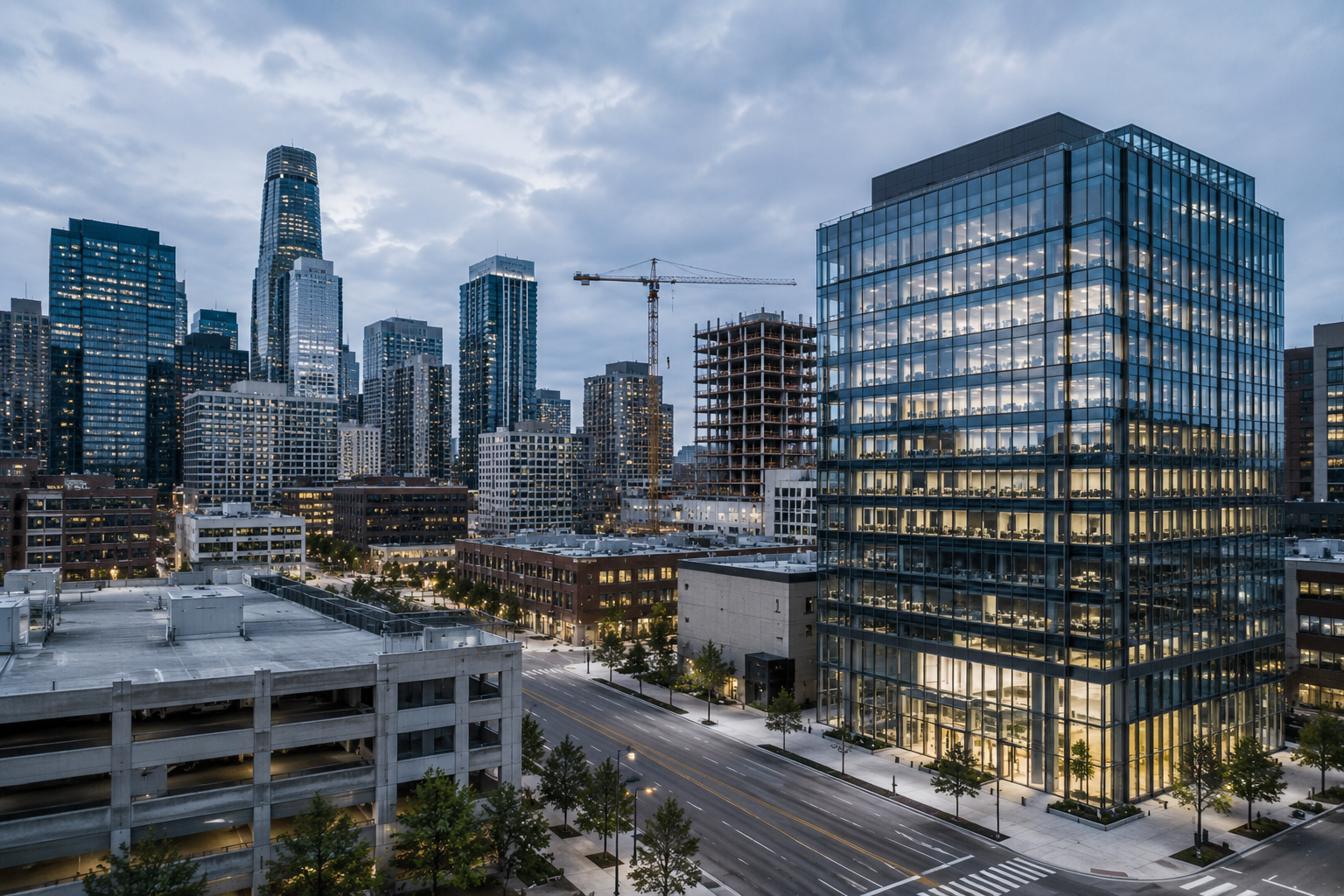
Construction hit a 14-year low as leasing posted a third straight positive quarter.
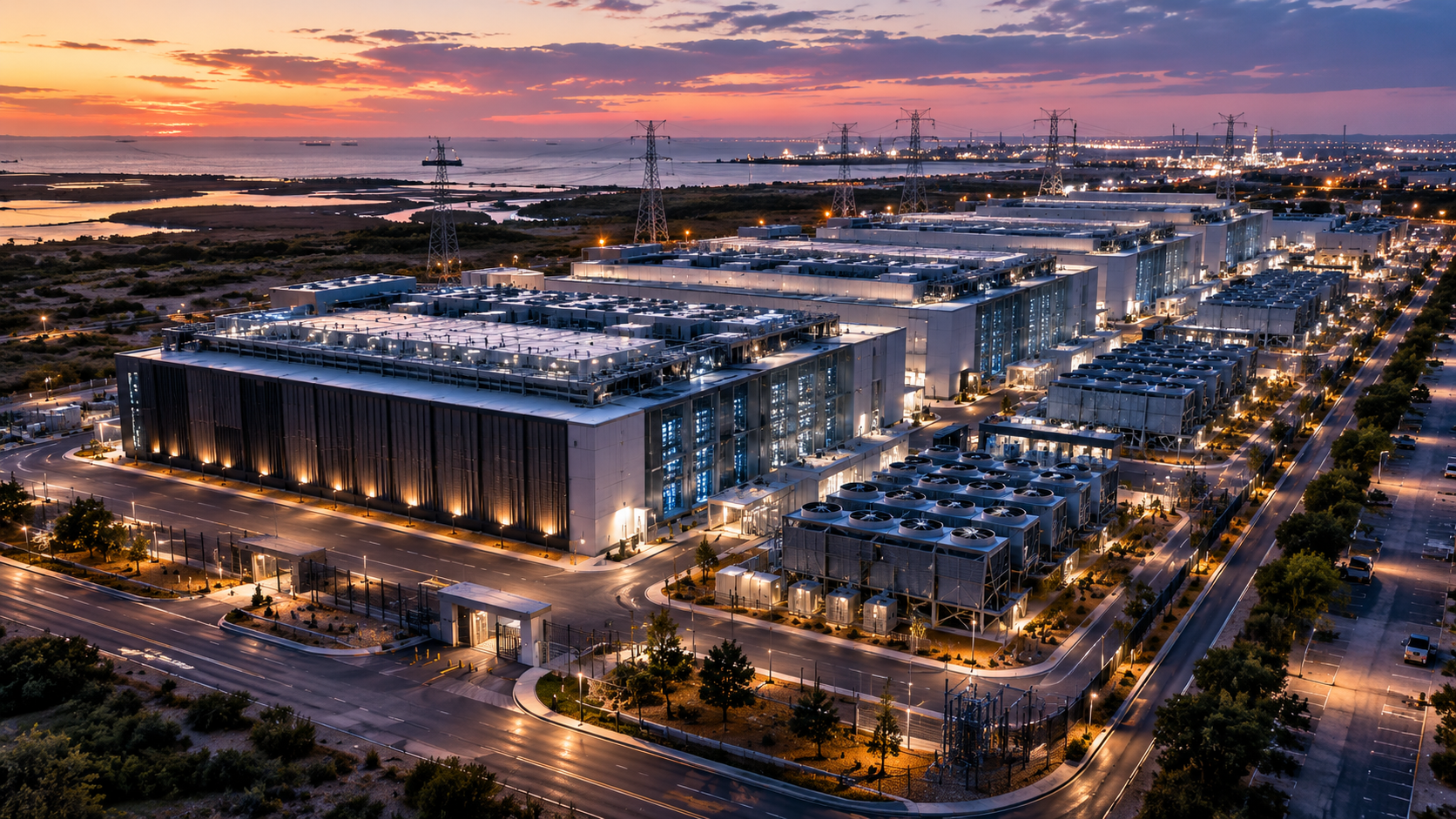
Hut 8's Beacon Point campus signs a 15-year, 352 MW lease worth $9.8B — triple-net, take-or-pay.
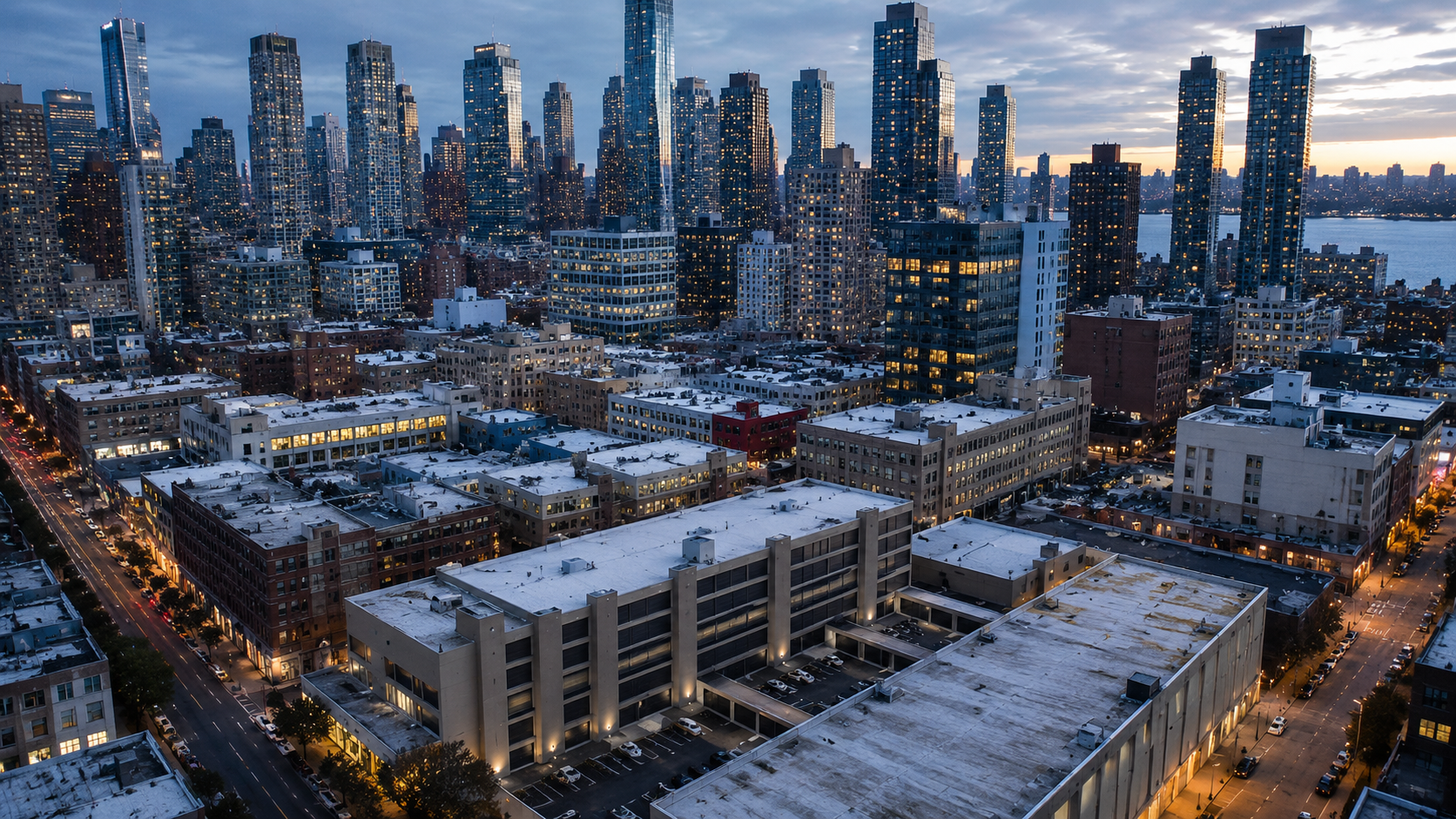
Fifteen irreplaceable NYC locations trade at scarcity pricing — even as Sun Belt storage rents slide.
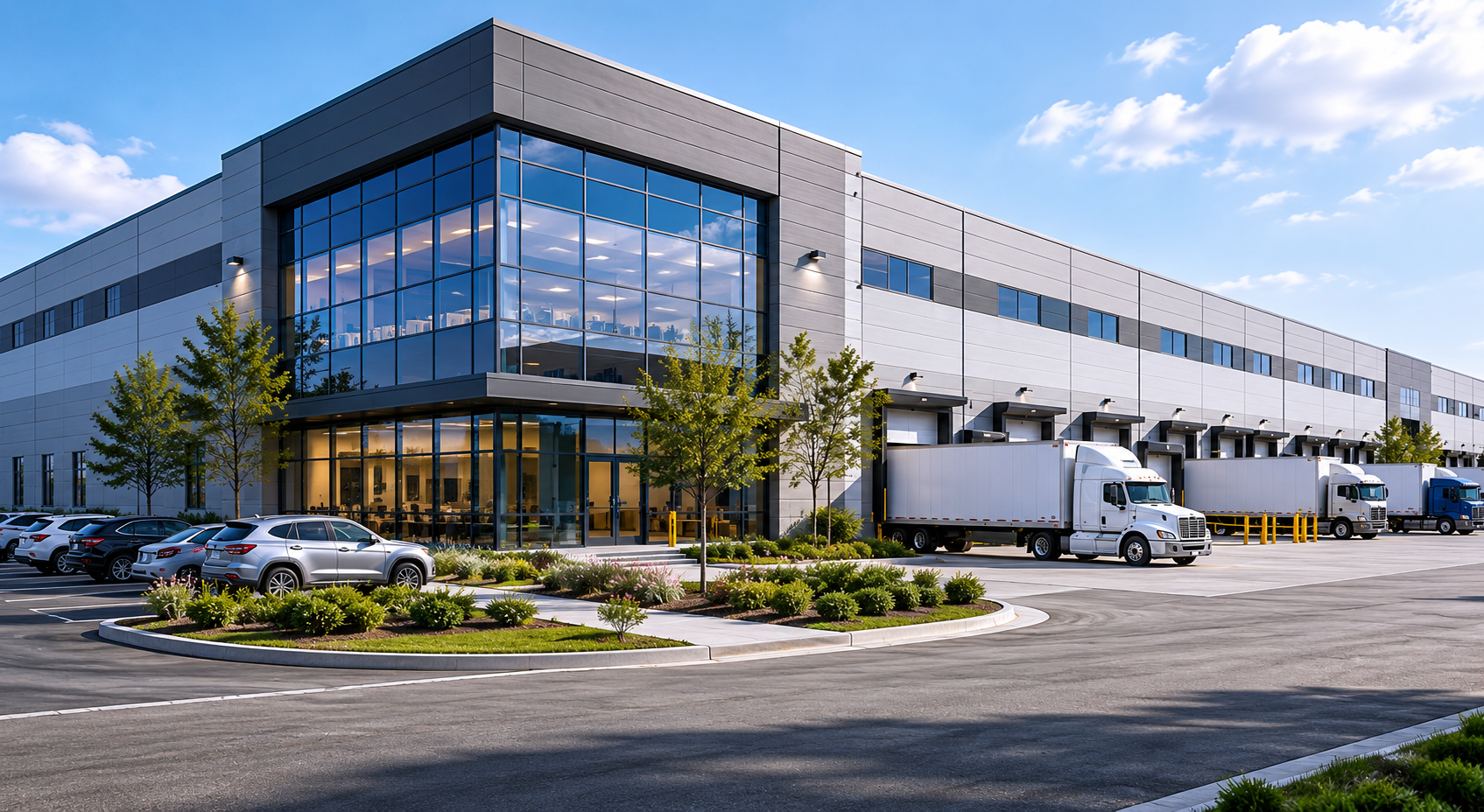
Makarora and Ares paid a ~50% premium to take Plymouth Industrial private — quantifying the public-vs-private gap.
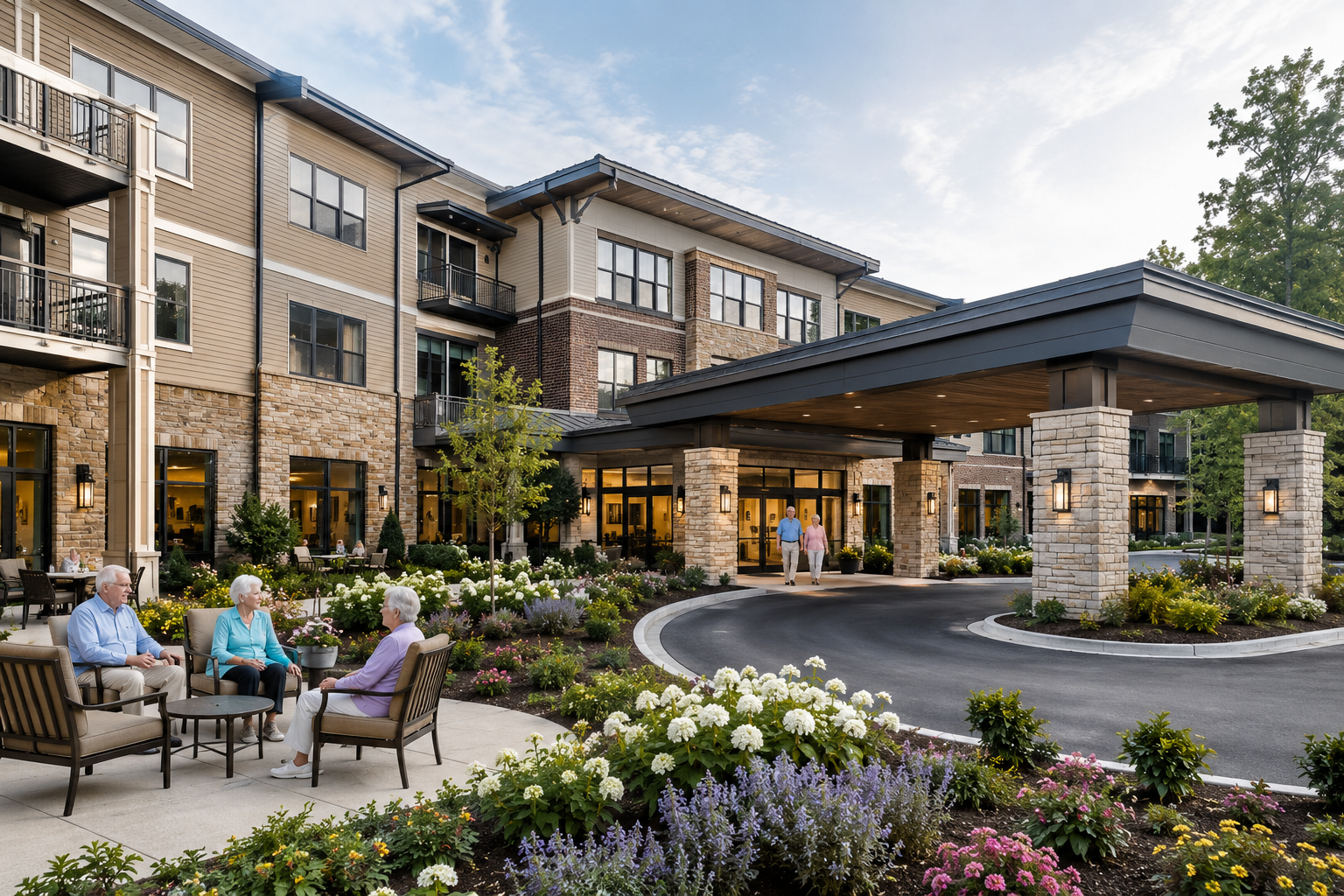
$24B in volume, occupancy at 89.5% for a 19th straight quarter — into a near-frozen supply pipeline.
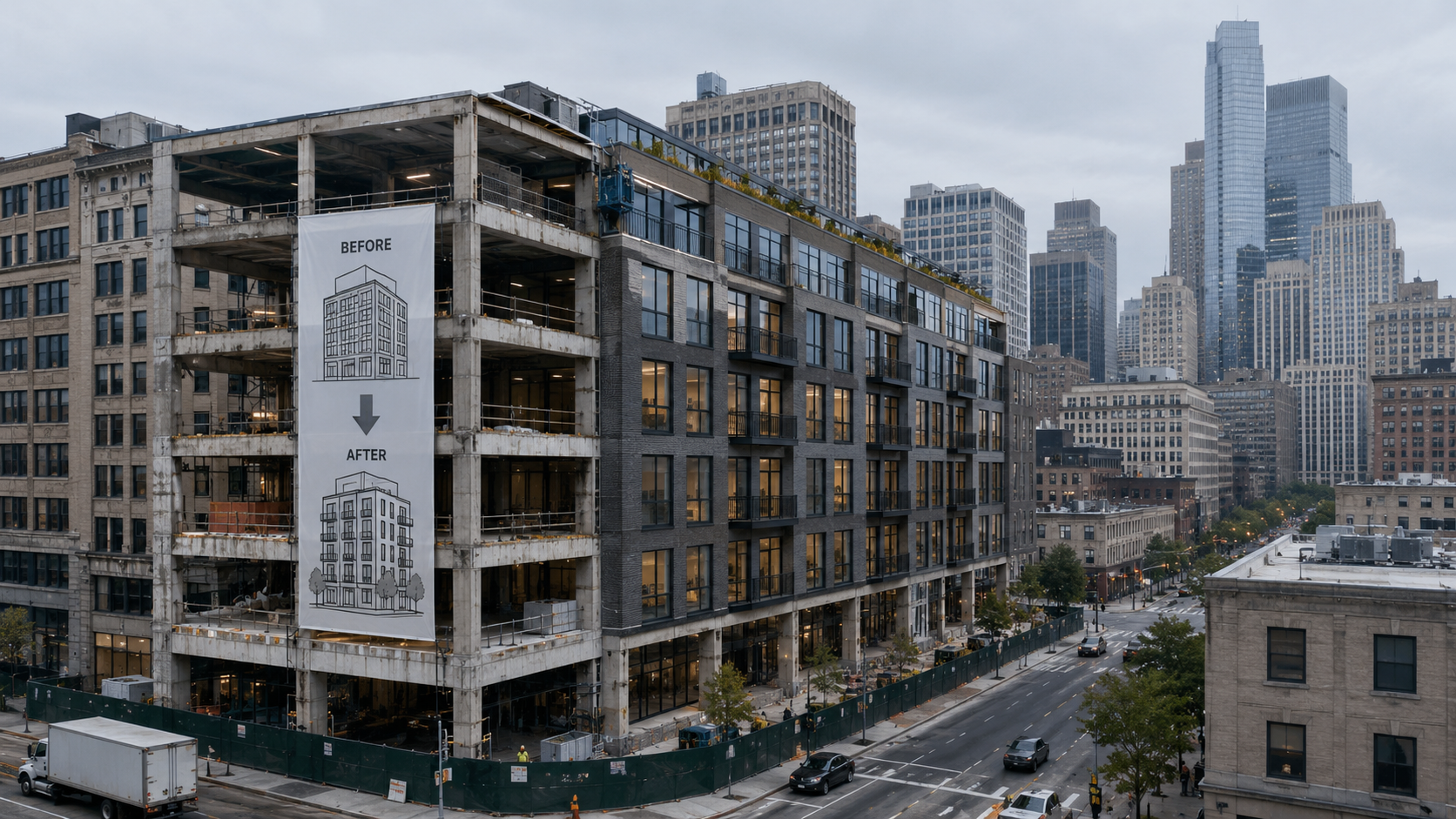
Conversions hit an all-time high in 2026 — and office is now the majority of all U.S. adaptive reuse.

Agency loan caps jump ~20% for 2026 — deeper liquidity, but routed to the deals Washington wants

The largest alternative manager is packaging stabilized hyperscale data centers into a public REIT — turning AI infrastructure into a tradable asset class.
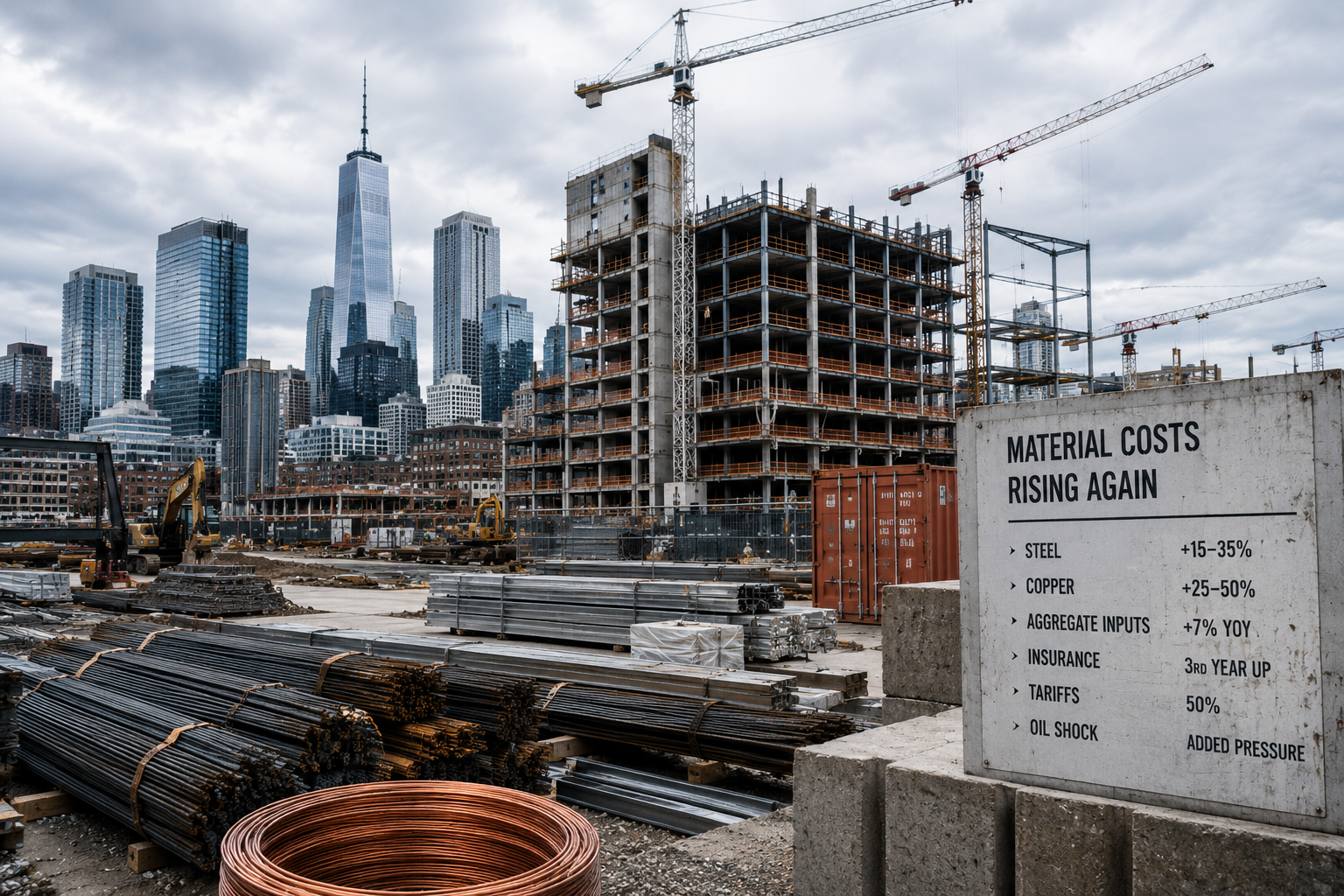
Tariffs and the oil shock are pushing materials and insurance back up — quietly resetting development feasibility.
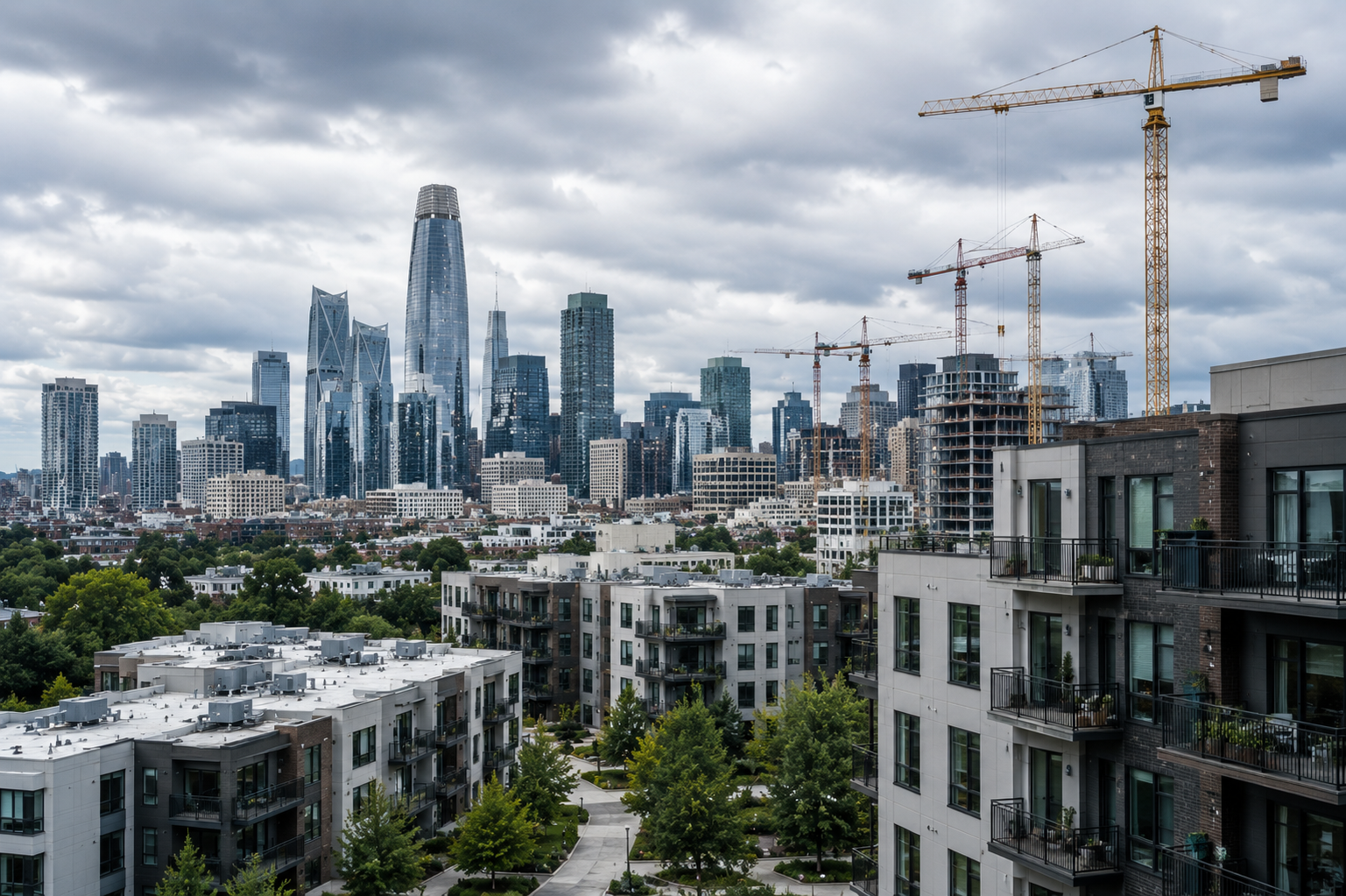
National vacancy is falling for the first time in four years — but the relief map splits sharply between two Americas.

Manhattan trophy leasing roared back in Q1 as Nscale's record One Vanderbilt deal exposed how narrow "recovery" really is.
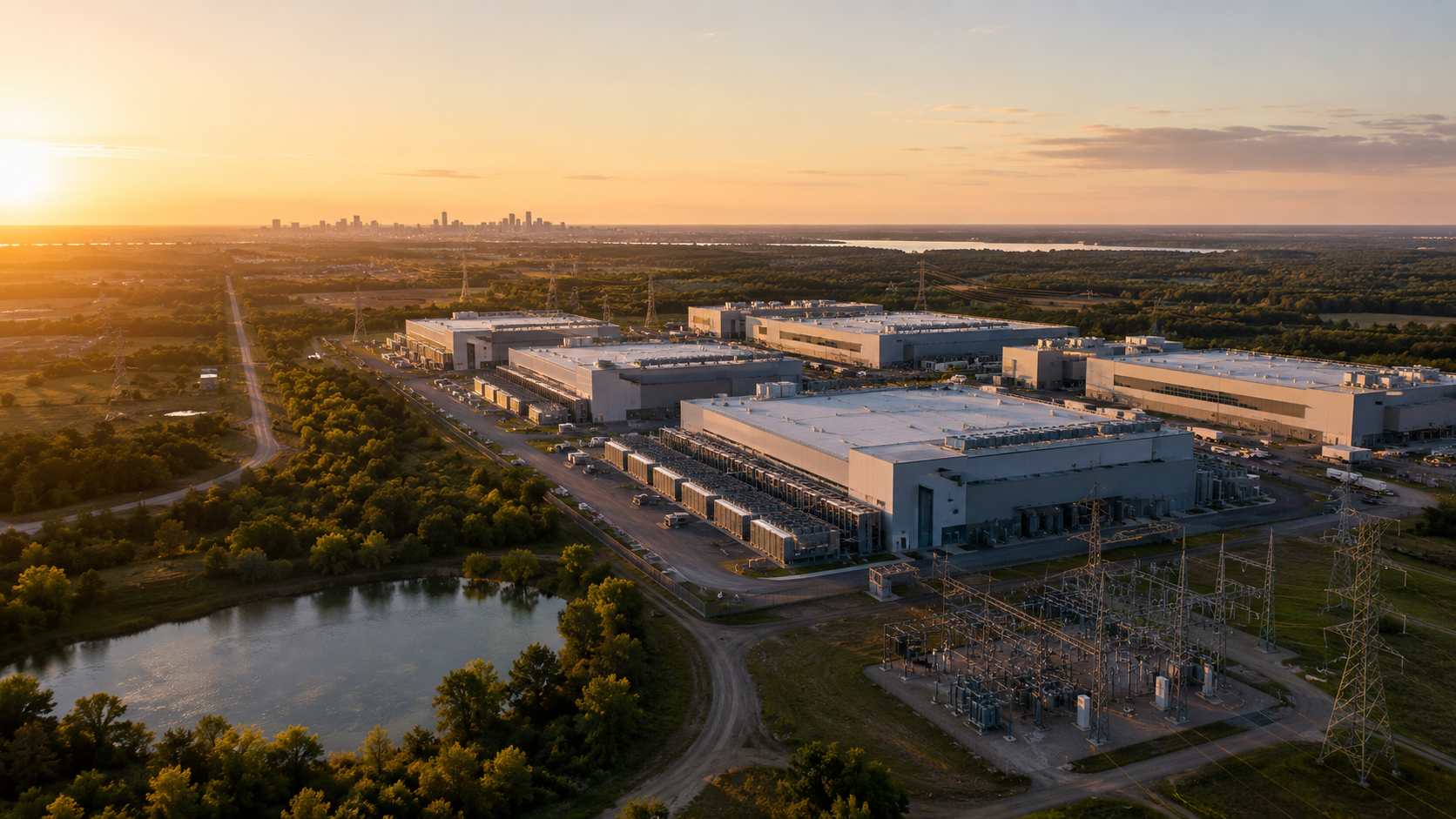
Amazon's 1,300-acre Texas land grab and a ~$10B Hut 8 lease show the data-center race is now a land-and-power race.

Legal frameworks now define how real assets move on-chain, enabling institutional capital to scale tokenized ownership structures across multiple asset classes.

Portfolio trade reinforces pricing floor for newer-vintage select-service assets Tags: Hospitality, Extended Stay, Transactions
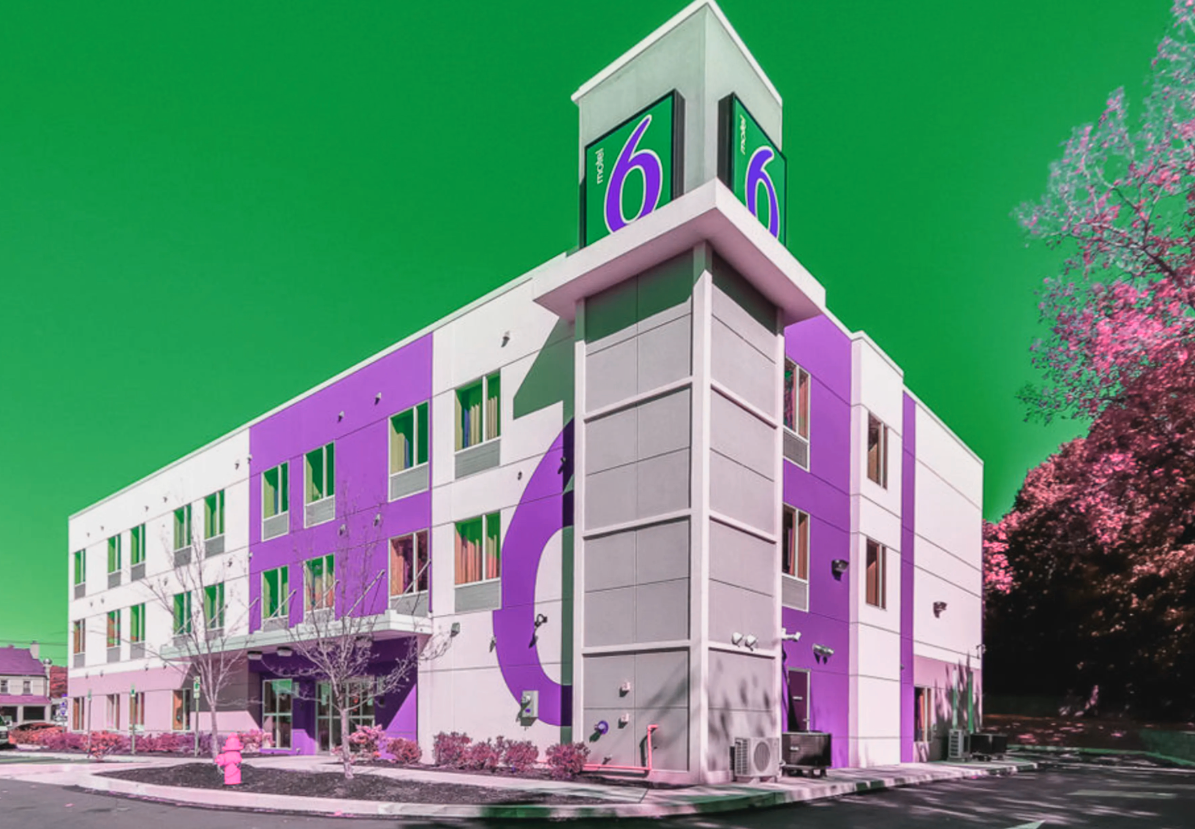
G6 launched Studio 6 Plus with $200M committed and a no-OTA-fee structure that pressures every franchisor's economics.

Rising PIPs and FF&E costs are redefining true asset value
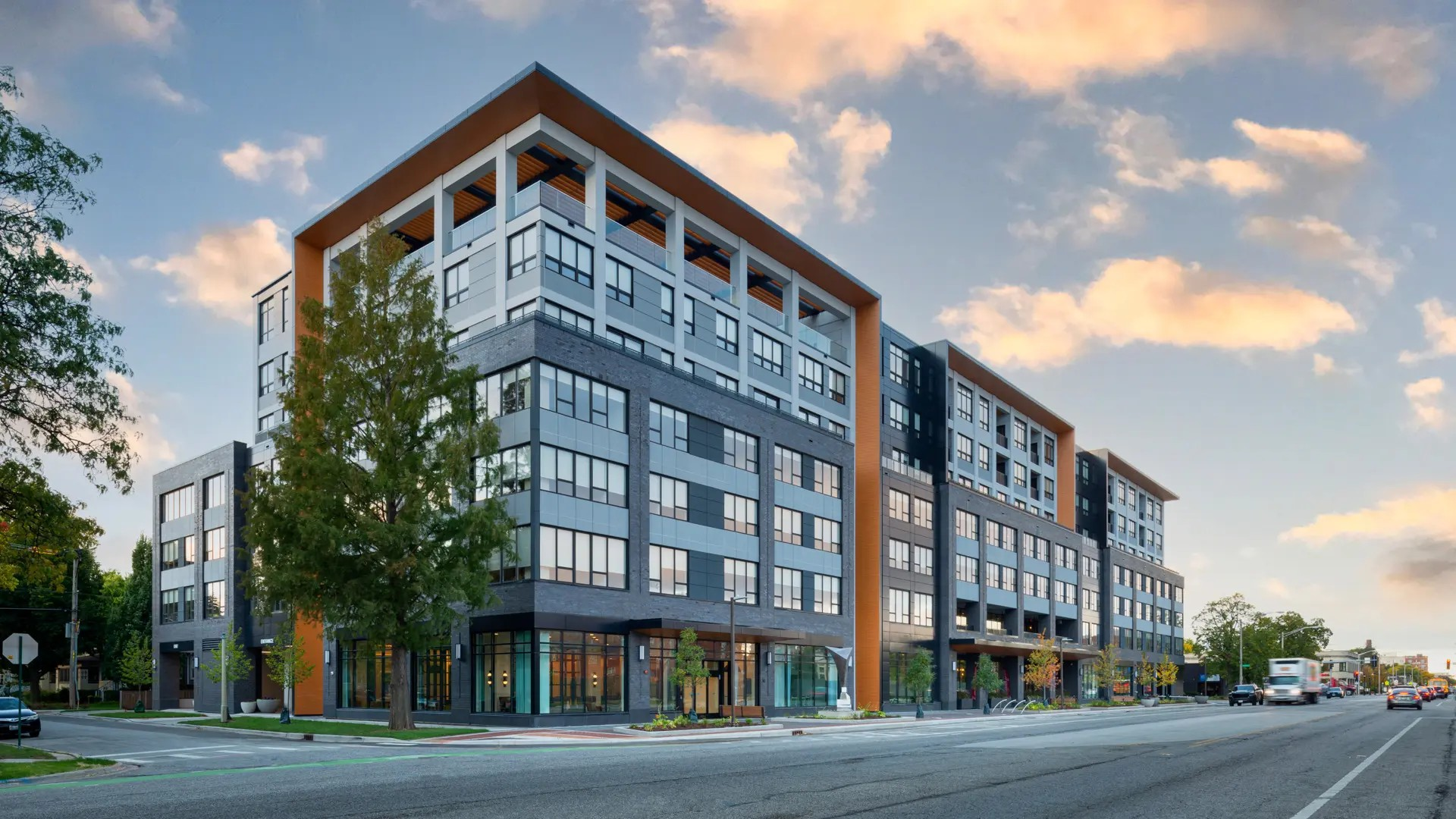
A 396-room Hilton sold for $45K/key while Park flagged $1.6B in 2026 mortgage maturities the same day.

Record fundraising meets limited deployment, compressing lending spreads
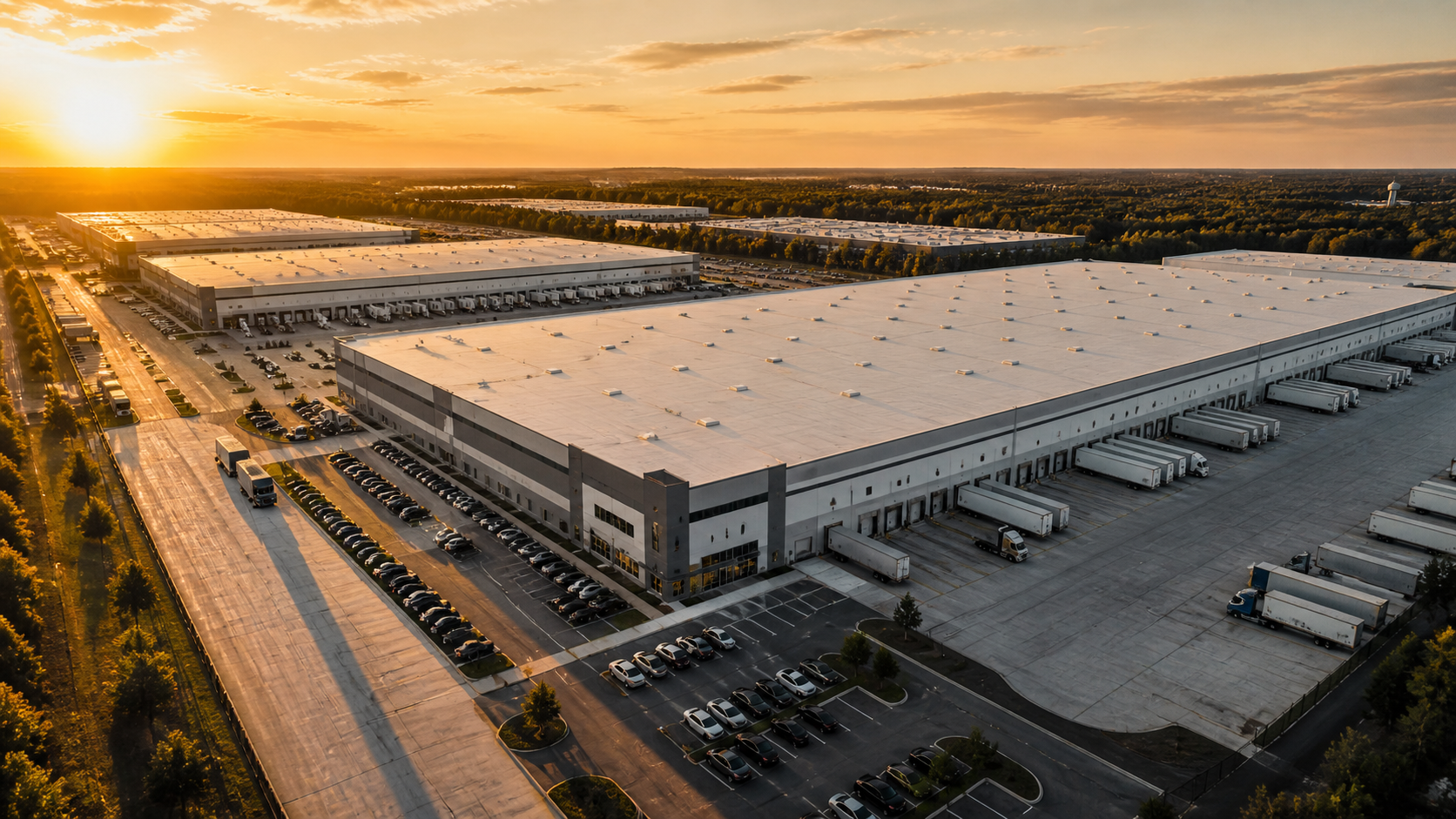
ILPT priced $1.62B in fixed-rate logistics CMBS at 5.71%, setting the public comp for Class A industrial debt.

DC's complaint against MAA puts ancillary fee income — the quiet driver of REIT NOI growth — under direct legal attack.

A 49% stake purchase, a 99%-leased trophy tower, and a 2.99% legacy loan — all in one trade.

Related Digital, Blackstone, and PIMCO closed a $16B hyperscale campus for Oracle's OpenAI capacity.
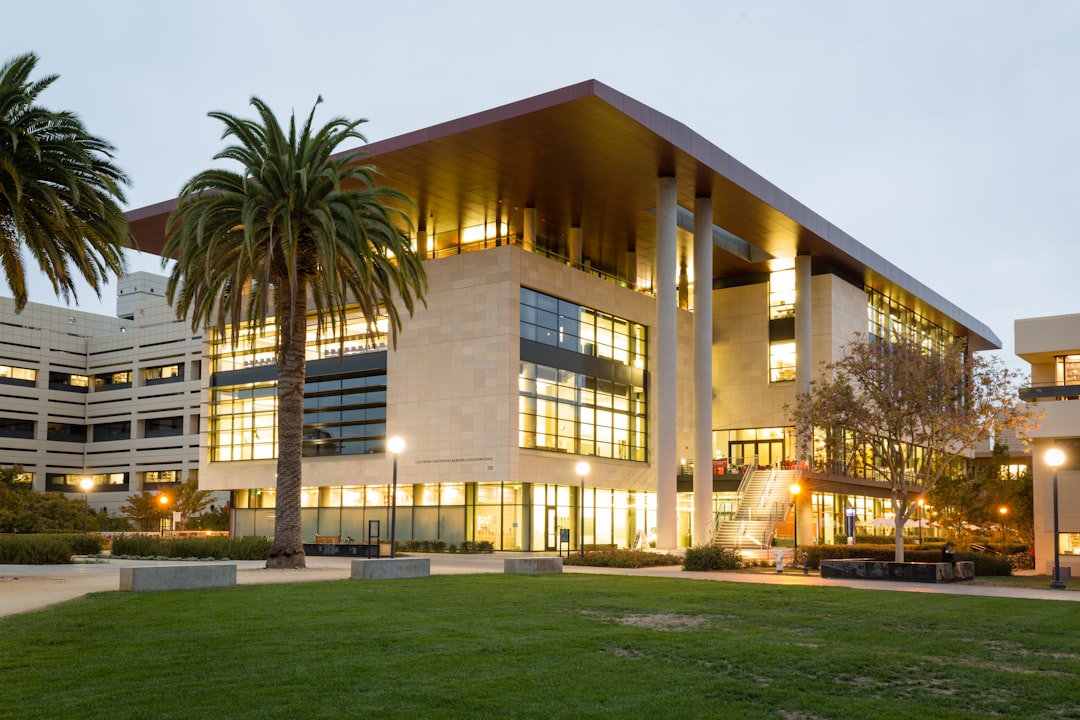
$1.4B in Q1 MOB dispositions while private buyers pay premium cap rates for the same product.

Alexandria's Q1 print broke the "life sciences bottoming" thesis in a single line on the earnings call.

Virginia's appellate ruling reset the entitlement risk floor for every hyperscale developer in America.
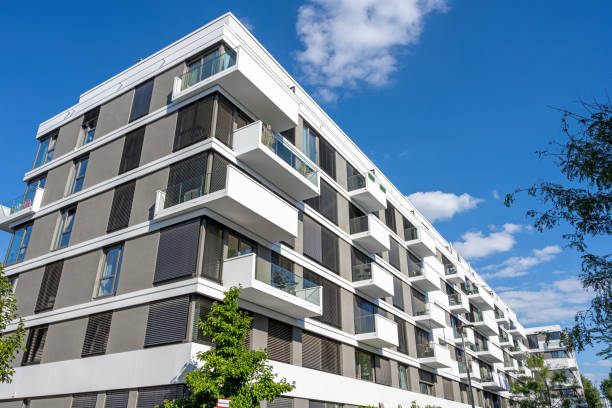
AVB and EQR confirm early discussions on a ~$50B combination that would reset Class A coastal multifamily.

Easing energy risk shifts inflation outlook, driving a rapid reset in rate expectations and forward pricing assumptions.

Escalating Iran conflict begins transmitting through fuel, supply chains, and investor behavior into U.S. real estate decisions.
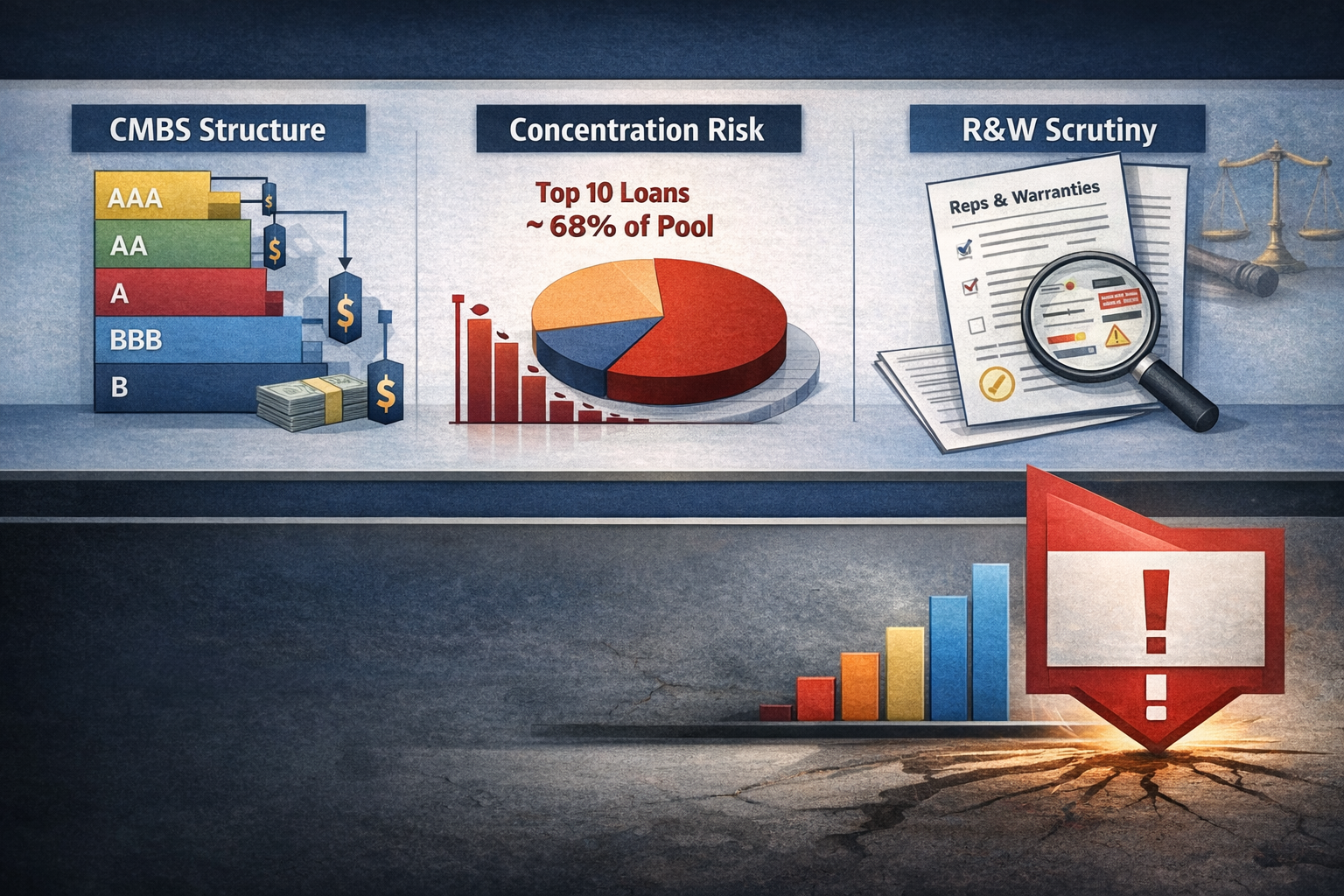
CRE CLO and CMBS issuance continues, but fewer assets carry more risk inside each structure

Global brokerage consolidates capital-markets power with major U.S. advisory acquisition.
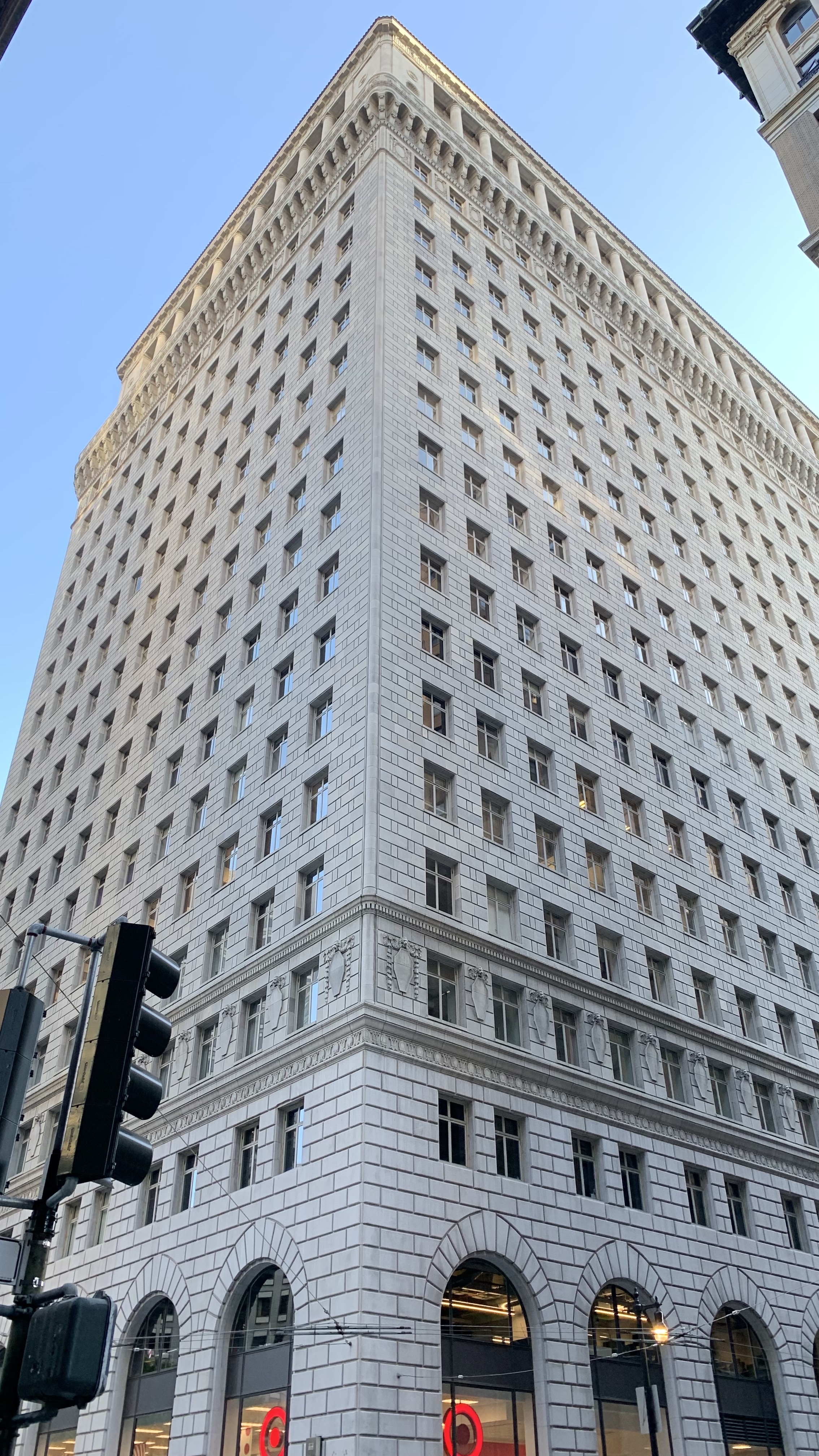
Distressed San Francisco office loan tests buyer appetite for legacy office assets.

Asset sales highlight valuation pressure and liquidity management inside private-credit portfolios.
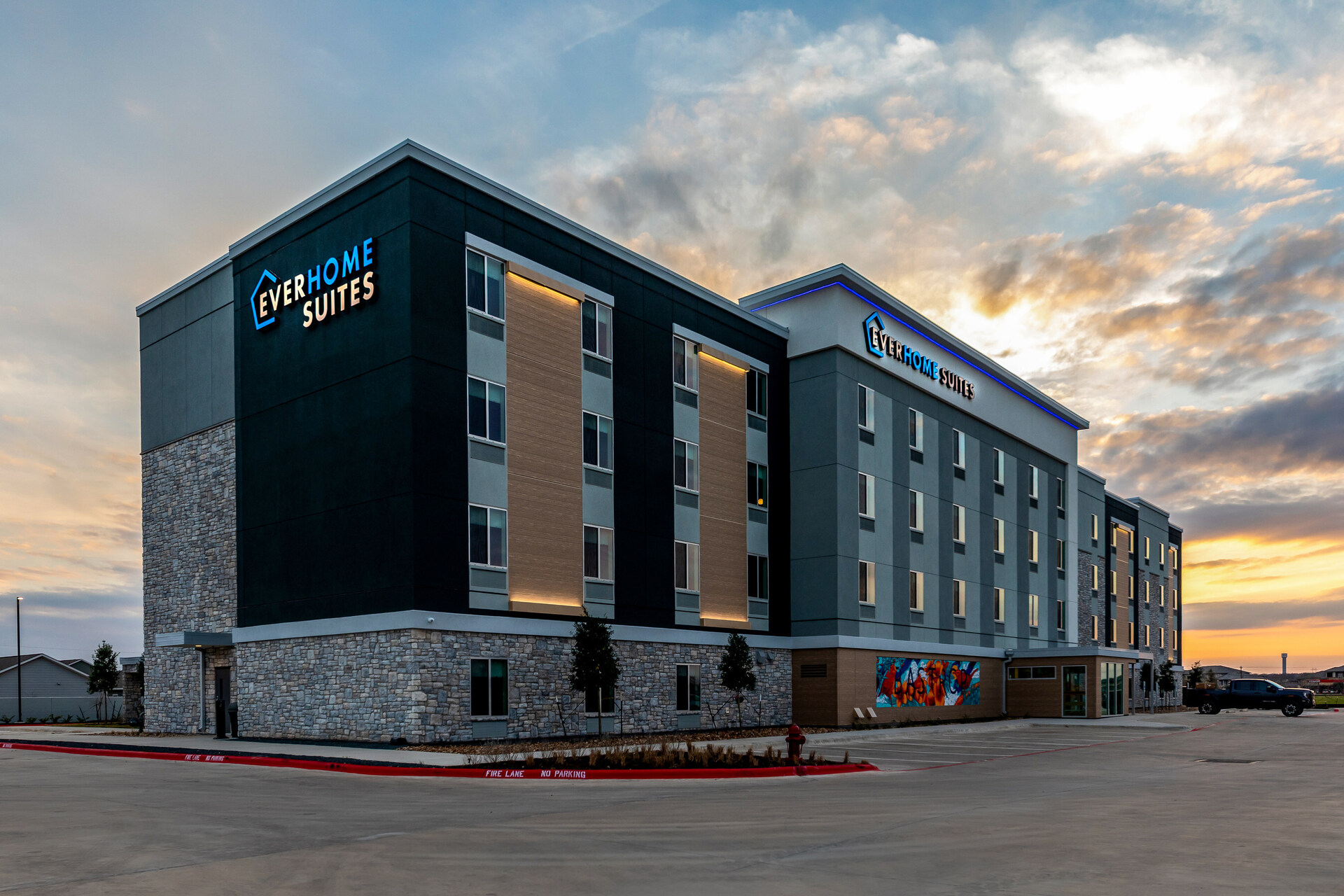
Choice’s Everhome prototype accelerates rollout

States expand targeted capital tools—Arizona toward private infrastructure financing, Wisconsin toward event-driven local demand support.

States expand targeted capital tools—Arizona toward private infrastructure financing, Wisconsin toward event-driven local demand support.
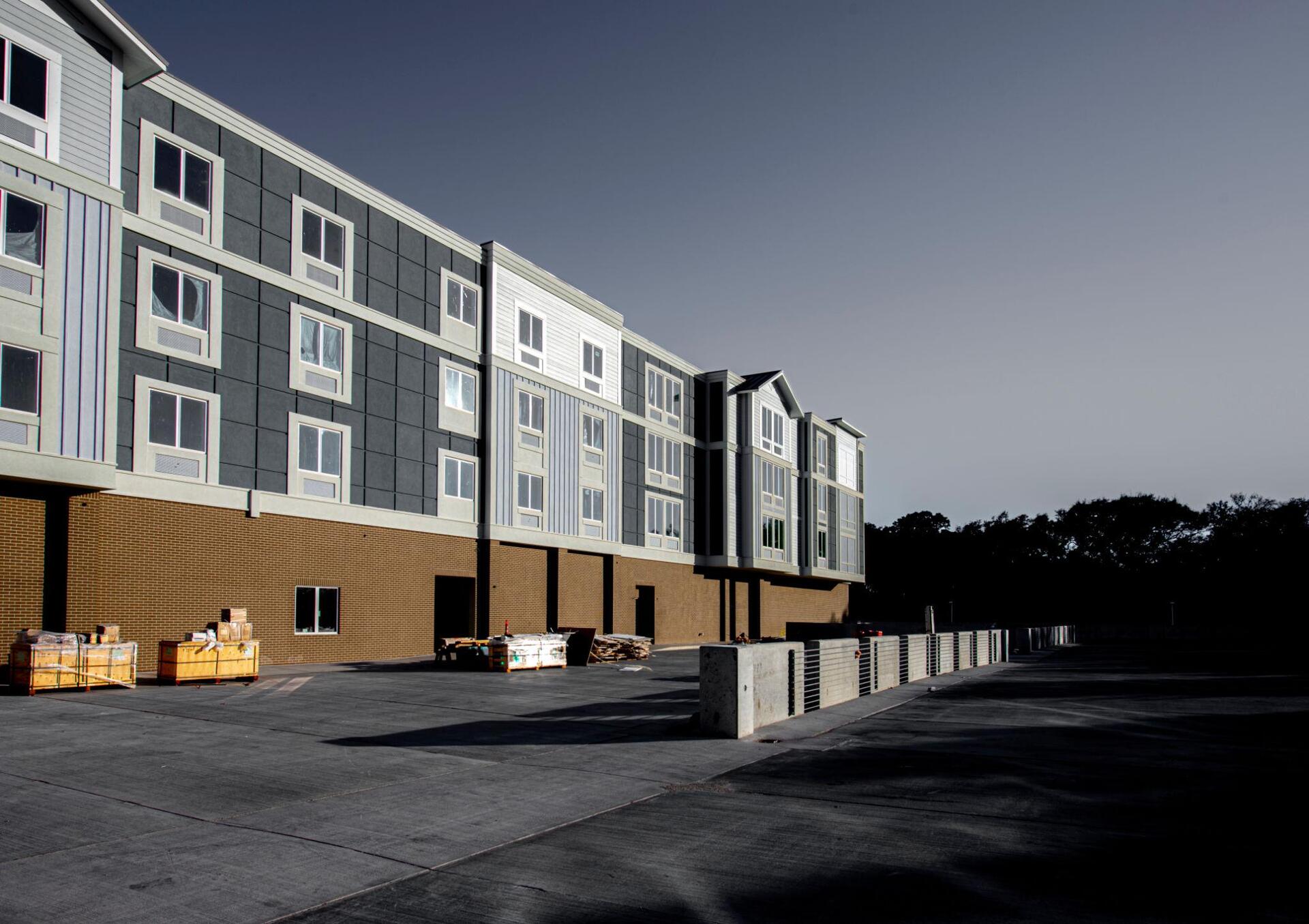
Merger creates scale while forcing early decisions on multifamily concentration and CRE balance-sheet risk.
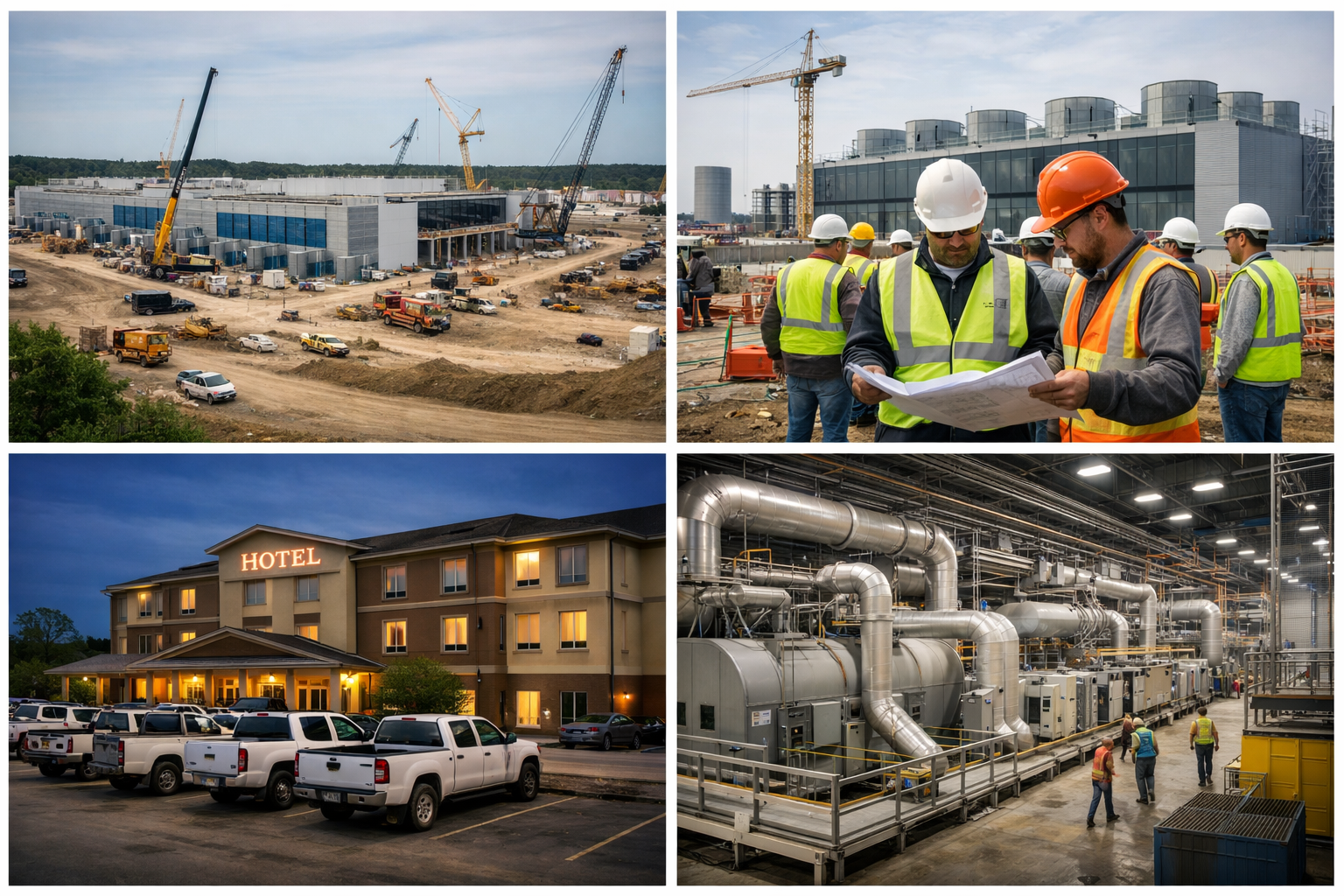
Remote AI data center builds are creating short-term hotel demand spikes near construction hubs.

Demand cools after a strong run, but muted construction and shrinking pipelines prevent oversupply, creating a near-term stabilization window for multifamily assets.
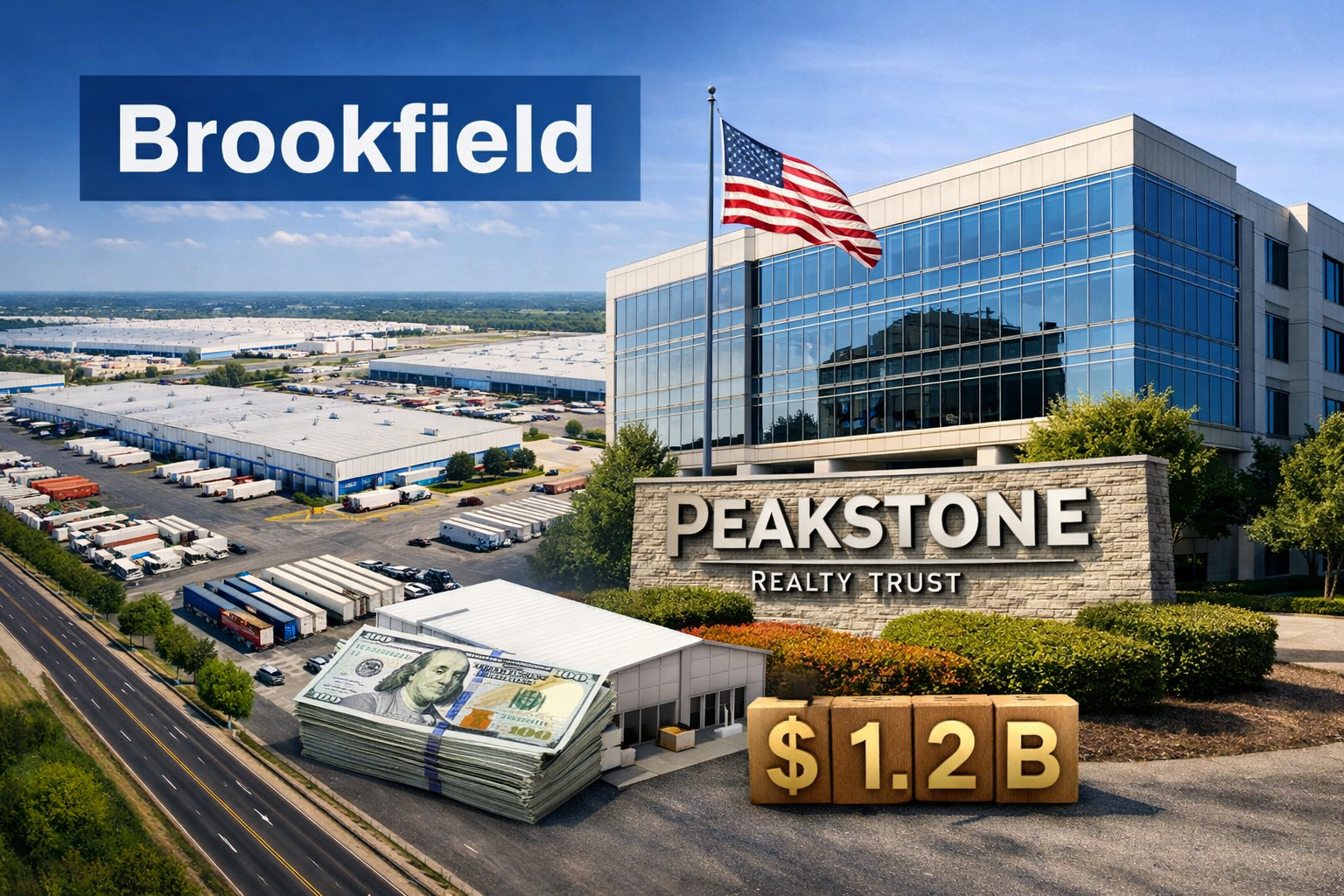
Private capital pays up as industrial-only portfolios replace office-heavy REIT strategies

Two structured credit offerings that have just hit the market and are shaping up as key events

Why data center projects stall after securing power—and how timing, deliverability, and electrical coordination quietly kill otherwise approved developments.
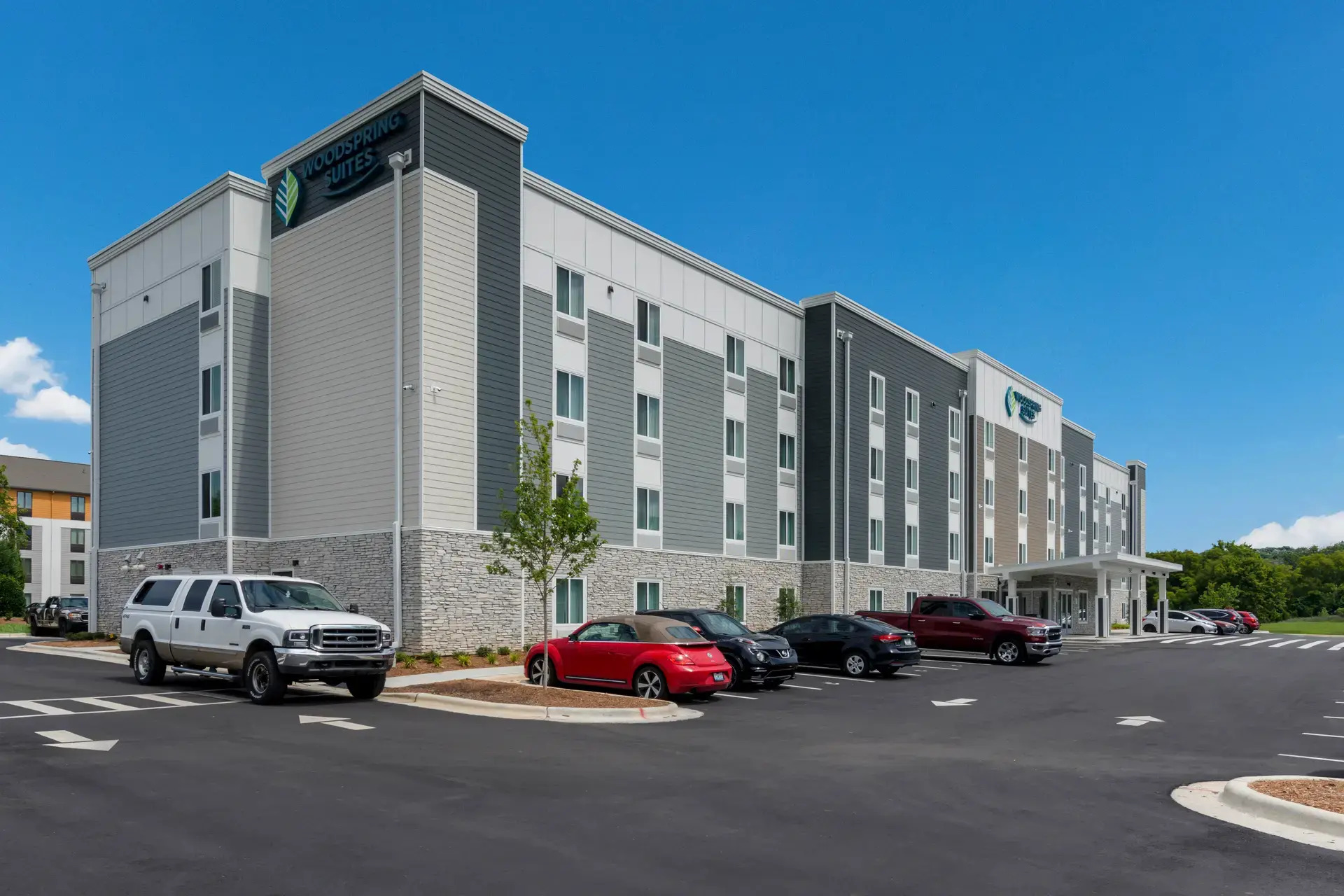
Choice Hotels posts record extended-stay signings and openings, accelerating WoodSpring-led growth across U.S. markets.

Rising deal activity reflects pricing acceptance, not renewed speculation across commercial real estate sectors.

Treasury yields and credit spreads matter more than Fed policy headlines in today’s deal execution.

Public REIT adoption signals C-PACE’s shift from niche financing to mainstream asset-level capital.

AAA non-prime RMBS prices tighter, signaling strong demand across senior securitized credit.

Regional bank moves construction and land exposure off balance sheet through whole-loan sales.

First Commonwealth’s latest earnings reveal proactive commercial loan repositioning, disciplined credit oversight, and steady profitability amid evolving regional banking conditions.

The latest quarterly release from Eagle Financial Services shows meaningful pressure on the loan gain‐on‐sale line, not just a reporting footnote.

Ellington just triggered a fresh capital move that reshapes the mortgage‐credit stack and ripples into whole‐loan demand and REIT financing dynamics.

ISO‐New England just published a new capacity outlook that tightens the near‐term reliability picture across parts of the grid

A new diversified credit platform reflects growing institutional appetite for structured private lending amid tighter bank balance sheets.

A new diversified credit platform reflects growing institutional appetite for structured private lending amid tighter bank balance sheets.

Regulators reject rehearing requests, backing negotiated utility contract for large data-center load with safeguards against ratepayer risk.
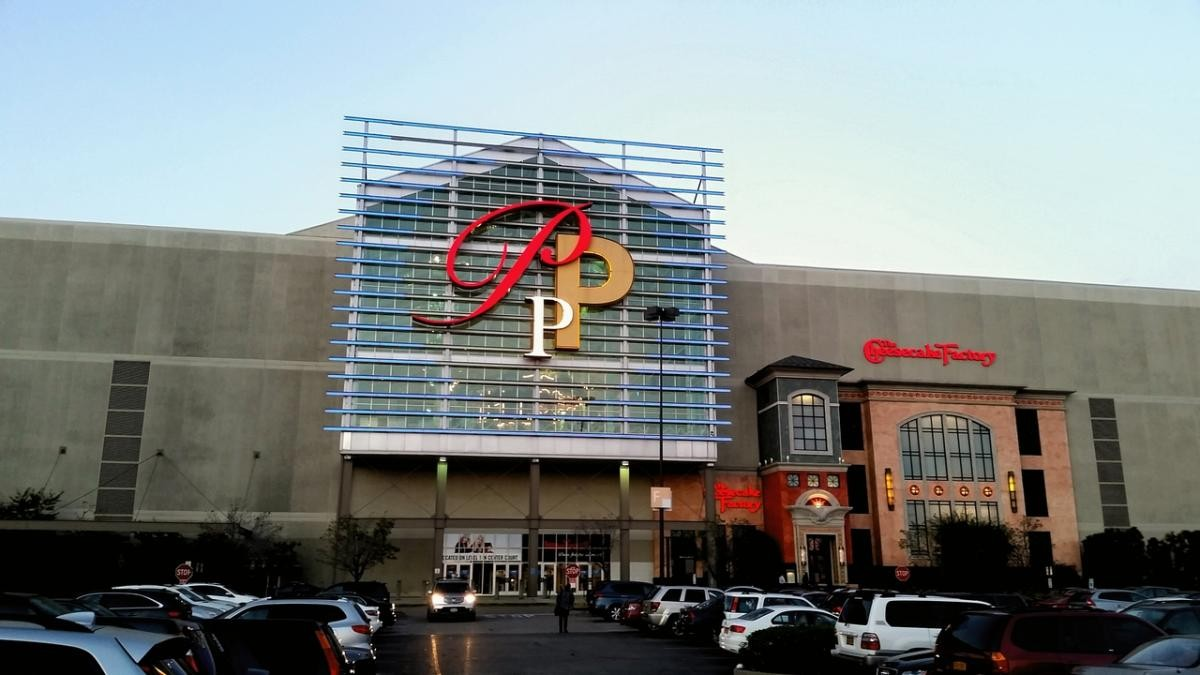
Court-ordered foreclosure auction tests pricing for one of the nation’s largest distressed regional malls.
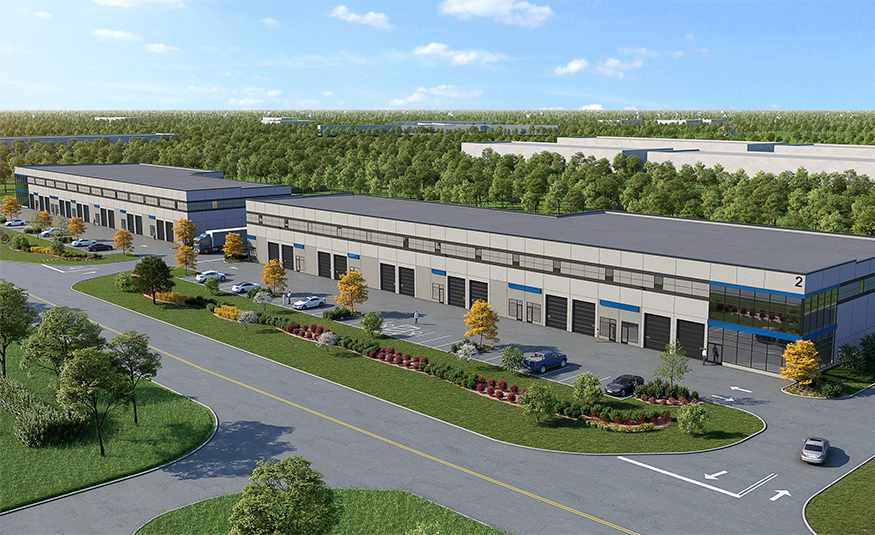
Brennan Investment Group expands its Midwest footprint with a multi-market acquisition, reinforcing investor confidence in infill industrial fundamentals.

Continuation vehicle underscores renewed institutional appetite for operating senior housing amid improving fundamentals and growing confidence in long-term demand.

Improved recoveries, selective loan exits, and stable reserves point to disciplined balance-sheet management amid ongoing CRE scrutiny.
BBCMS Mortgage Trust 2026‐5C40 — is moving into a critical pricing window and will set expectations for how diversified real estate risk is being securitized right now.

institutional capital, CRE debt markets, and the real‐asset risk stack — with real deployable capital flowing and practical enablers scaling with it.

Institutional capital quietly pivots into private credit as banks retreat, signaling where CRE financing power is shifting next.

Institutional capital quietly pivots into private credit as banks retreat, signaling where CRE financing power is shifting next.

CBRE Investment Management just hit a major institutional milestone in how capital moves through real estate markets — and it signals where big‐ticket liquidity may be flowing next.

Data center demand floods ERCOT queues, forcing new interconnection rules that reshape timelines, costs, and execution risk for developers nationwide

Grid operators are rewriting interconnection rules, compressing timelines and shifting risk as massive load growth forces structural change nationwide.

New state tax credits and local financing tools could unlock stalled office conversions and revive Missouri’s underused downtown corridors.

Inside the quiet regulatory and balance-sheet moves influencing loan flow this year

Cloud and AI tools target forecasting accuracy and grid reliability

AI workloads expose the limits of renewable-only energy strategies.

AI workloads expose the limits of renewable-only energy strategies.
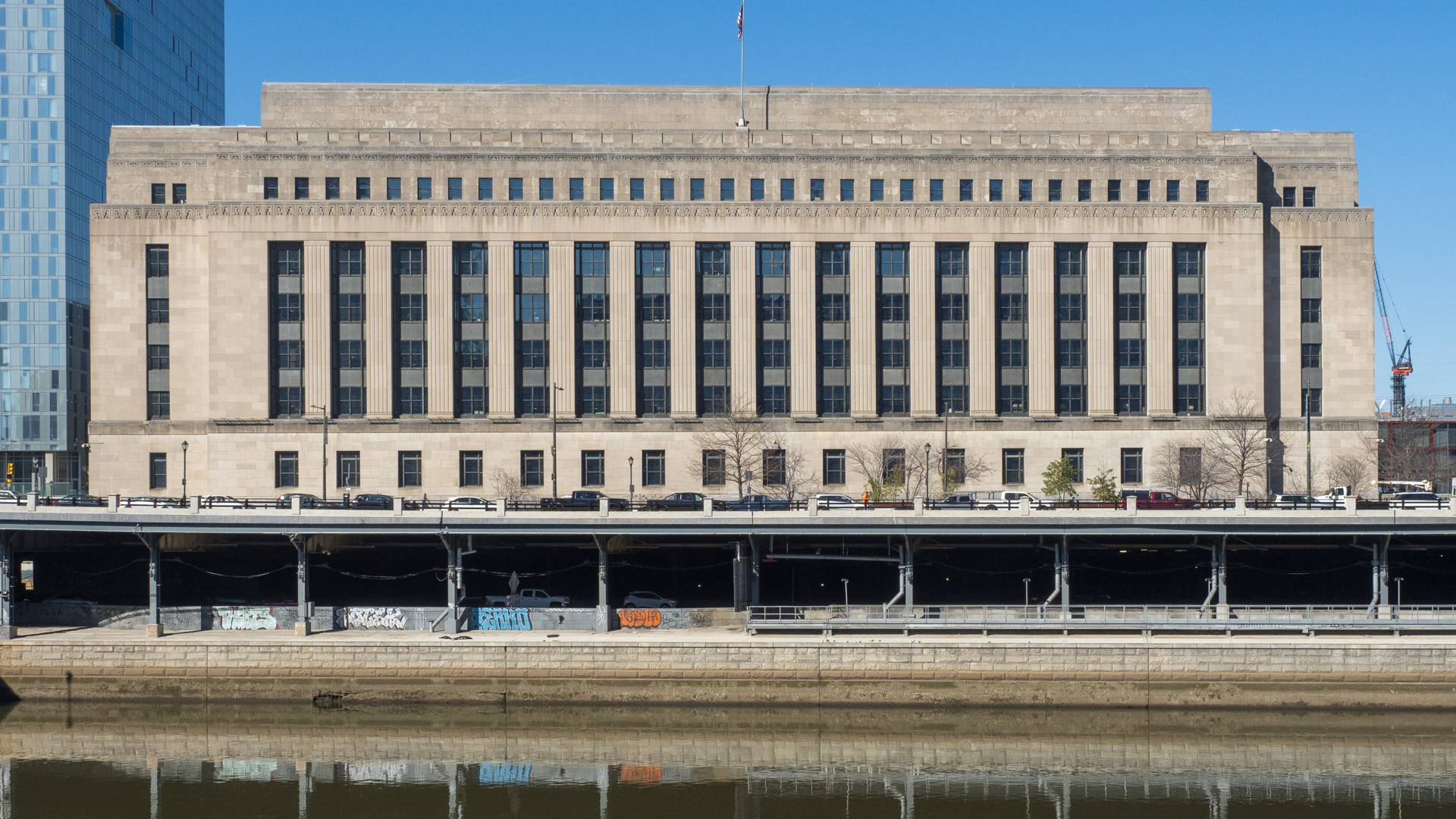
Yield certainty overtakes growth as the dominant investment objective.
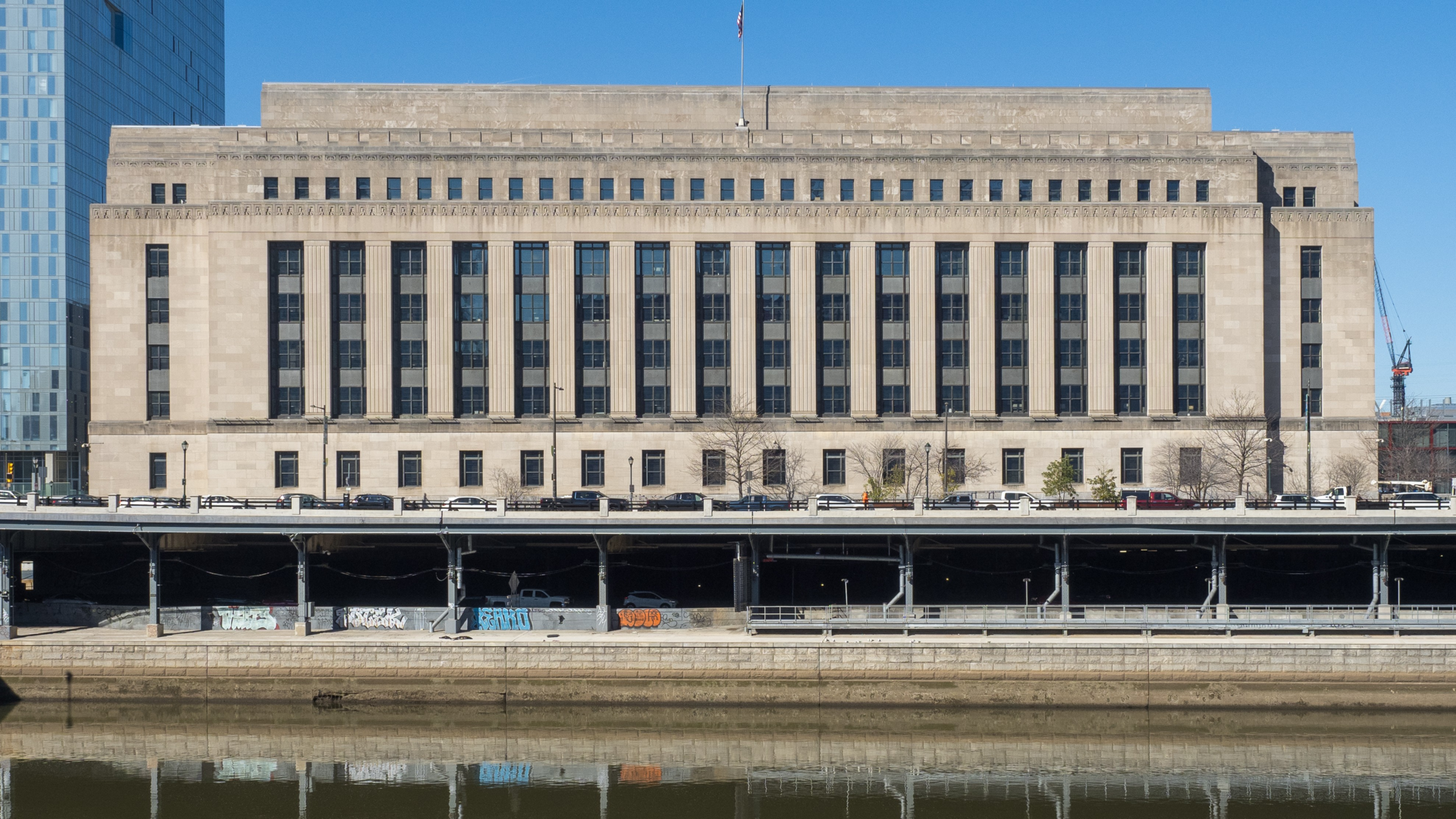
Public market exits accelerate as office capital seeks time, control, and repricing away from daily volatility.

Cloud and AI tools target forecasting accuracy and grid reliability

Cloud and AI tools target forecasting accuracy and grid reliability

A five-year plan targets 1GW of self-generated power for hyperscale expansion.

December data shows marginal CMBS deterioration as office loans post selective stabilization.

New federal rule formalizes employer responsibility for properly fitting protective equipment on jobsites.

Interconnection sequencing overtakes construction as the real schedule driver

Dissenting Fed voice argues policy remains overly restrictive as inflation cools.
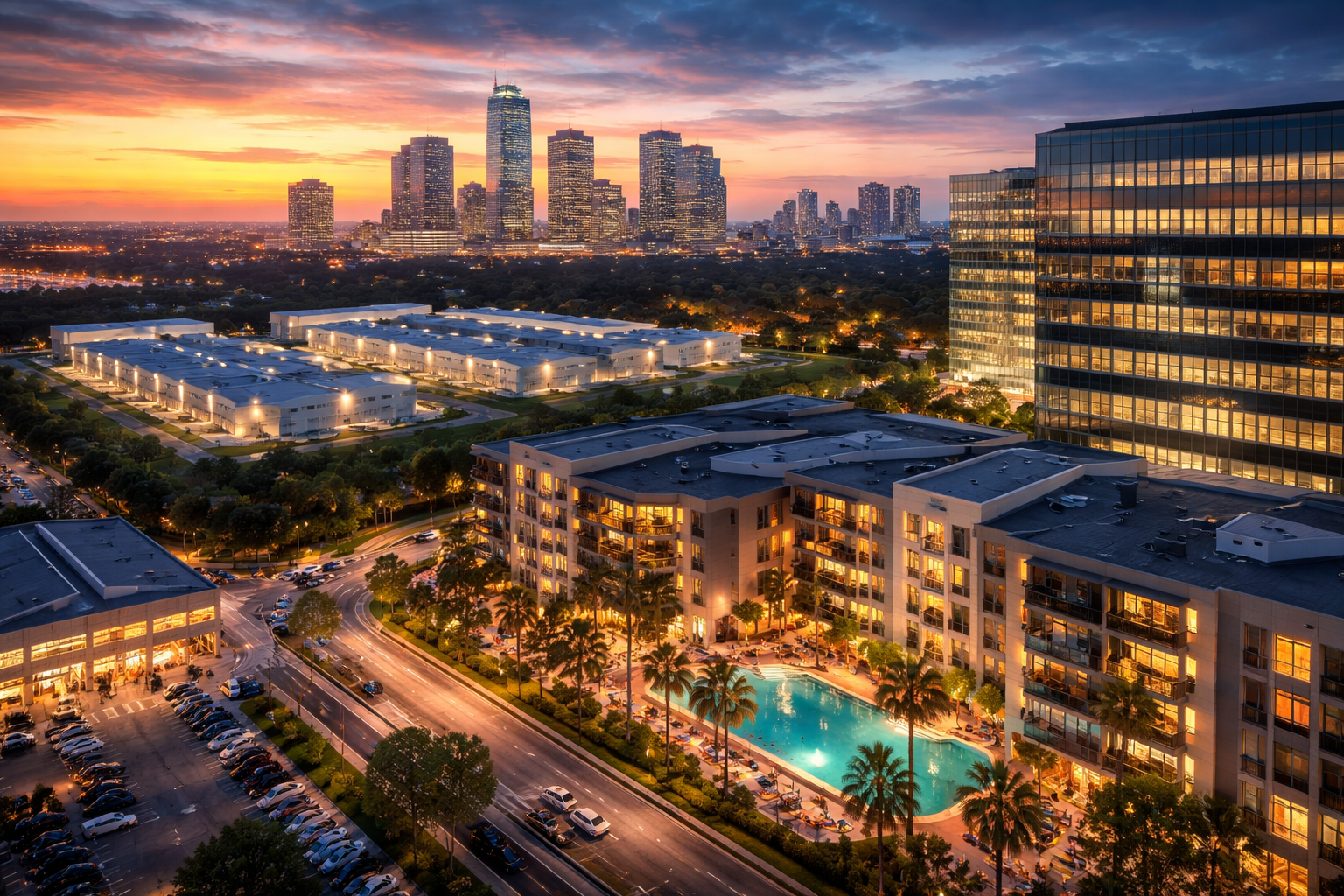
Redevelopment of Potomac Overlook promises 1,775 homes, 200-room hotel, and expanded public green spaces, reshaping the local urban landscape.
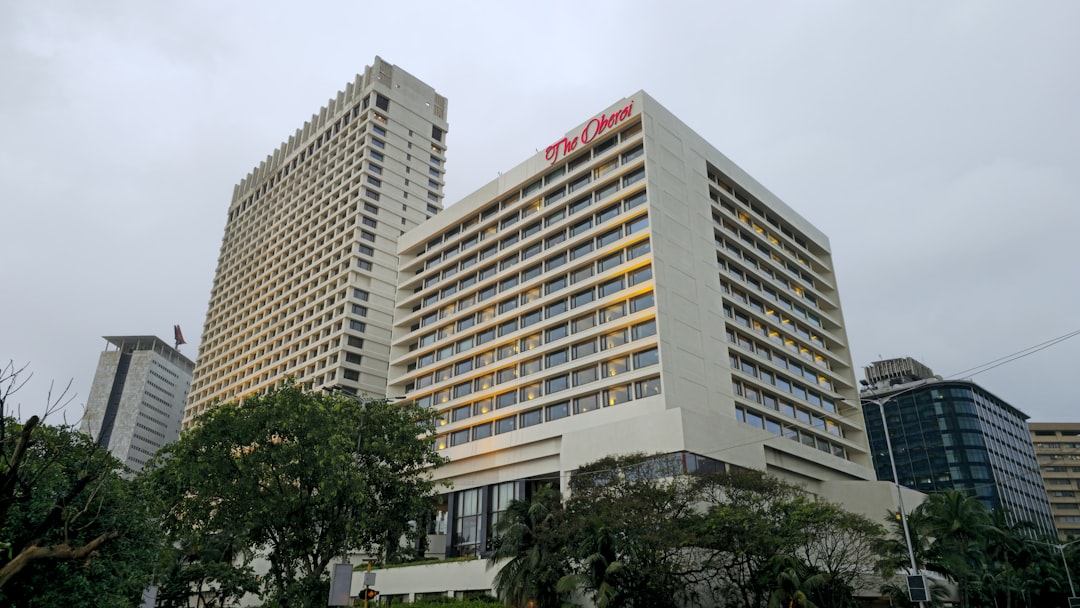
Redevelopment of Potomac Overlook promises 1,775 homes, 200-room hotel, and expanded public green spaces, reshaping the local urban landscape.
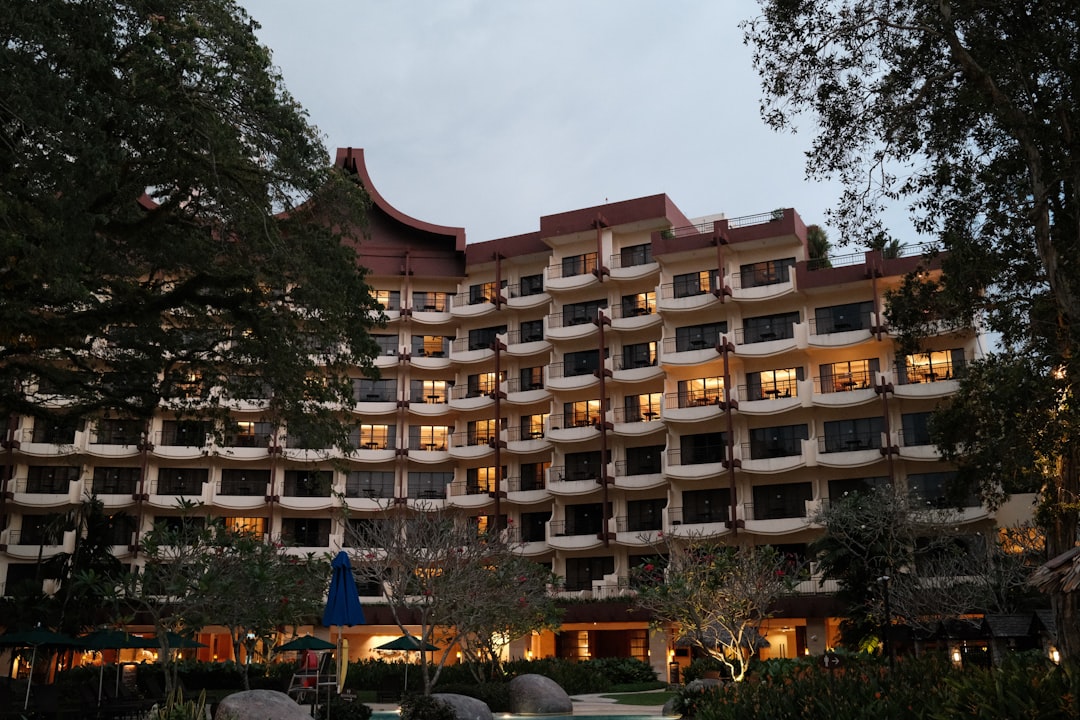
Rising labor costs and AI-driven traveler behavior are pushing hotels to rethink staffing, services, and guest experiences.

Rapid population growth, led by DFW, is reshaping strategies for large-scale residential development and planning.

State and local policy changes tighten compliance, strengthen tenant protections, and reshape operational standards.

Tariffs, shortages, and policy shifts demand agile execution strategies.

Section 2924.13 sparks lawsuits, challenging the balance between foreclosure reform and established contracts.

On-site generation and advanced energy systems are now core drivers in logistics facility strategy.

Hotels invest heavily in AI agents to streamline service—trust issues remain.

Agency lending capacity rises as federal housing priorities remain firmly anchored.

Tightening spreads point to improving risk appetite before deal volume responds

Early-year sale highlights durable bid-side demand for stabilized suburban rentals

New platform reshapes automated access to oil and gas reports

Power access now dictates site value, delivery timelines, and deal viability
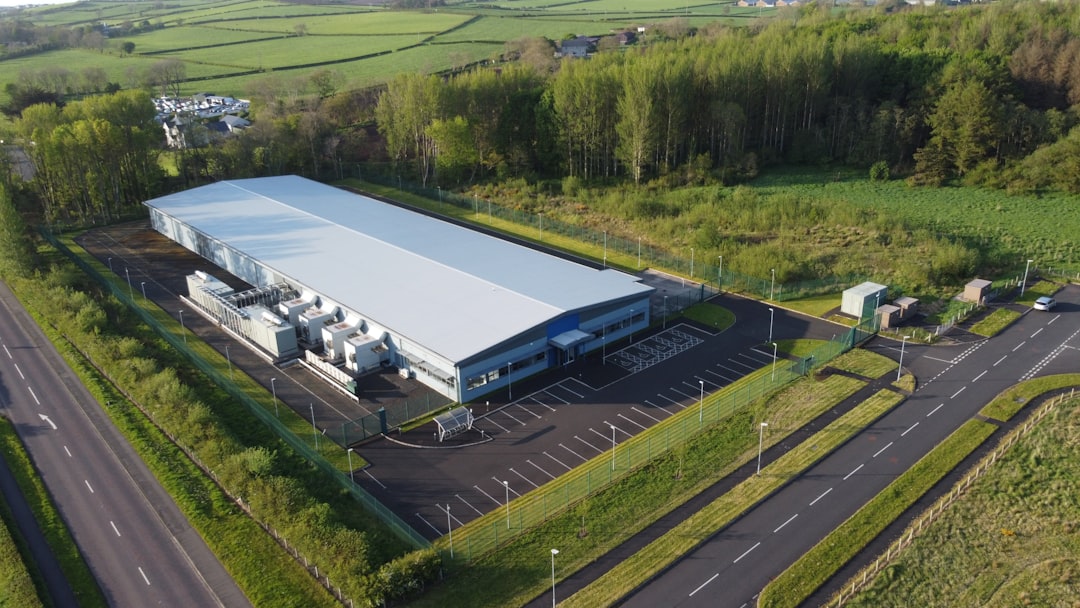
Skanska and FlatironDragados JV expands airfield and terminal roadway upgrades, signaling new approaches to long-term infrastructure execution.

Skanska and FlatironDragados JV expands airfield and terminal roadway upgrades, signaling new approaches to long-term infrastructure execution.

First Federal Bank’s latest move reflects a broader push toward operational integration and long-term institutional positioning.

State headlines outpace local approvals as Wyandotte County weighs costs

Midwest lender deepens private banking reach across high-growth Sun Belt markets

New law reshapes cash flow, contract terms, and payment risk statewide.

A zoning fight reshapes how infrastructure, equity, and growth collide
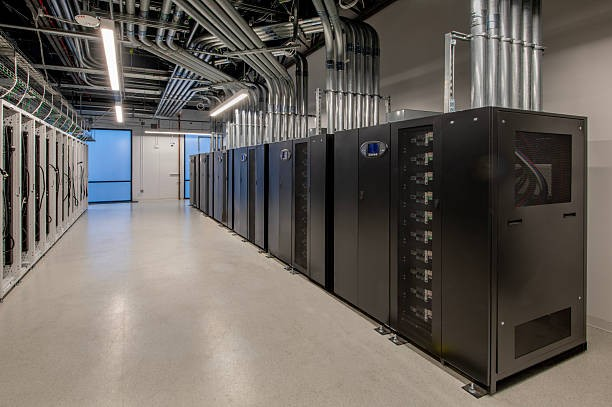
Explosive compute demand is pressuring grids, accelerating storage, microgrids, and reform.

Nineteen states lift pay baselines, reshaping labor budgets nationwide.

Asset-light strategies surge as institutional capital targets resilient operating platforms.

A massive Tesla battery marks a shift from grid expansion to real-time energy management.

Grid capacity and interconnection queues—not city plans—are deciding what gets built in 2026.

Public private-credit vehicles lag badly while large banks regain pricing power and execution advantage.

Year-end repo stress forces the Fed to pivot from balance-sheet runoff to active liquidity support, signaling reserve scarcity beneath steady headline rates.

Capital is still available, but only for sponsors willing to reset basis and surrender leverage.

Loan extensions are expiring, forcing lenders to choose between restructuring, recapitalization, or exit.
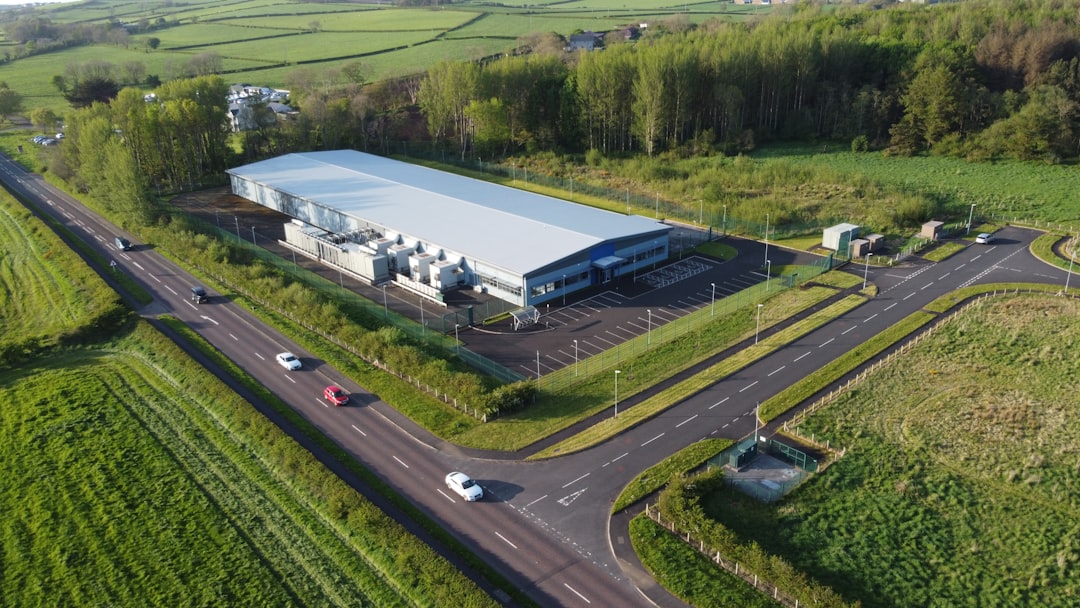
Fluctuations in advertised rents and leasing activity are challenging long-held assumptions about rental resilience.
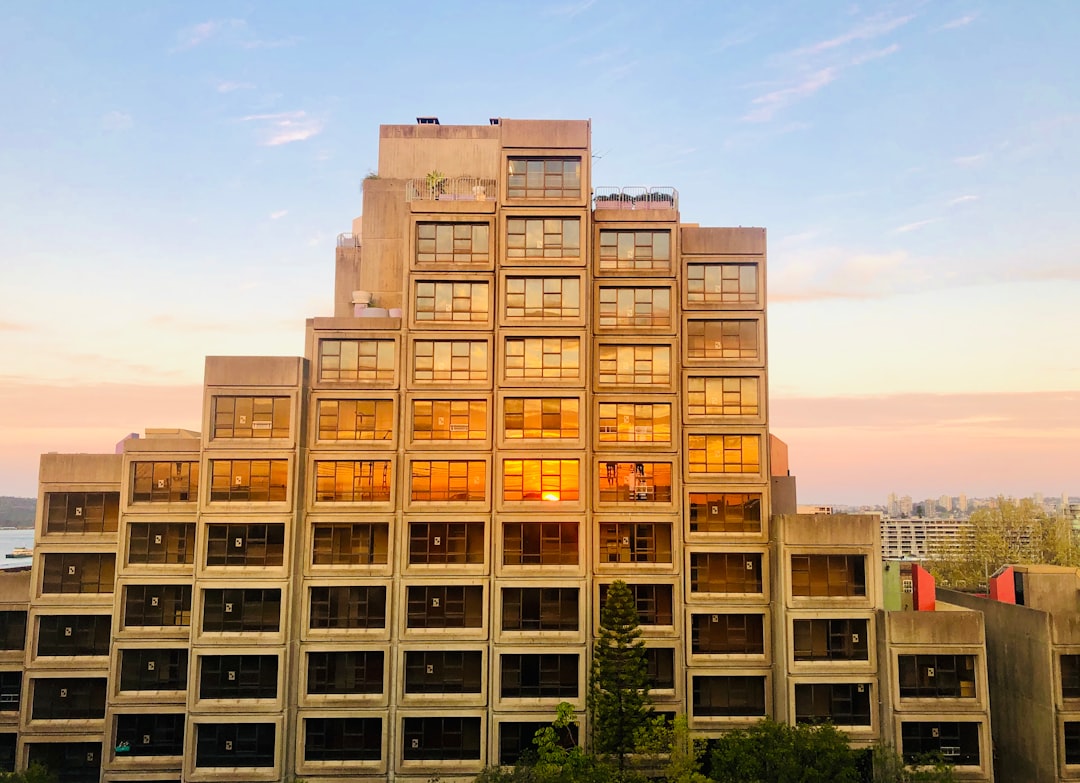
Fluctuations in advertised rents and leasing activity are challenging long-held assumptions about rental resilience.
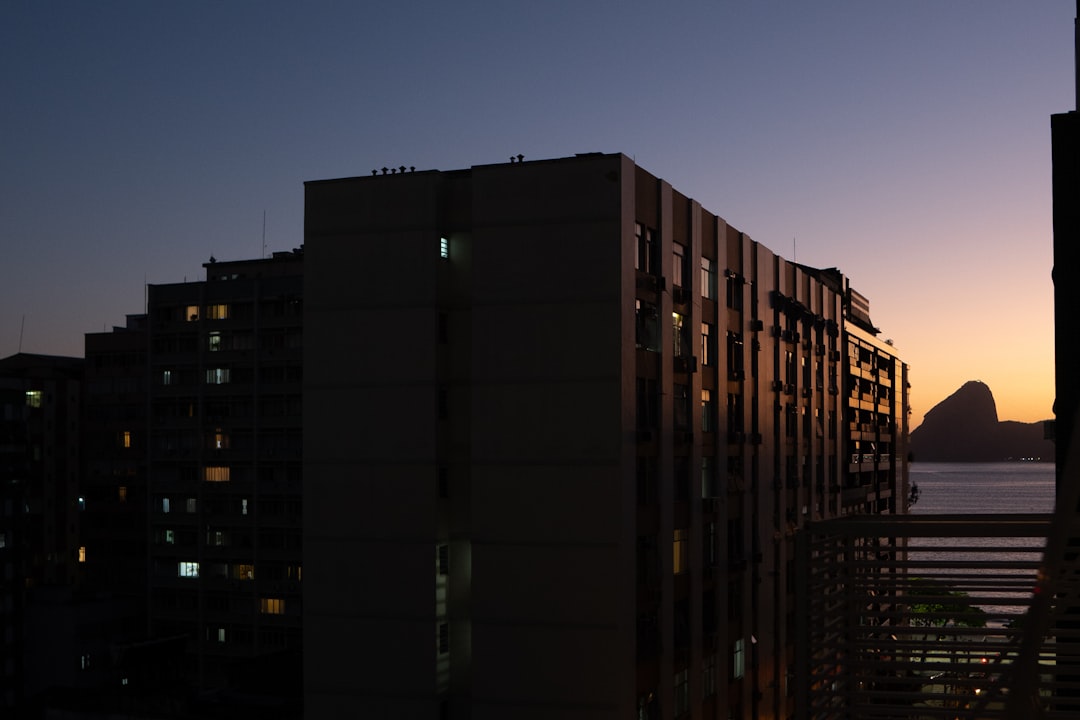
Growing student debt and affordability gaps are redefining when—and how—younger generations enter the housing market.

Cash Flow-Based Lending Reshapes Qualification
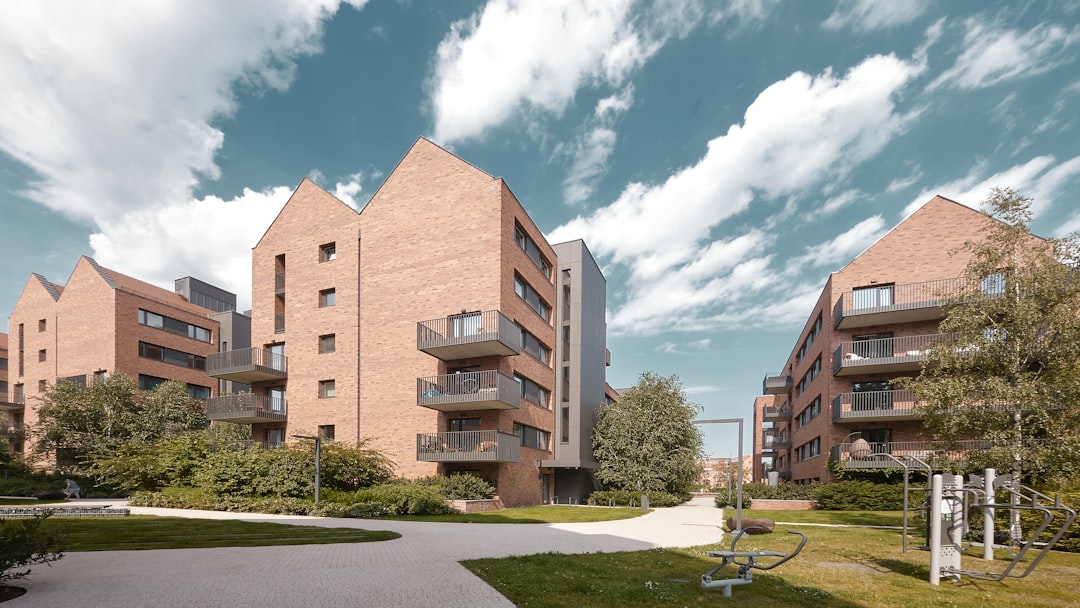
Occupier Financial Behavior Signals Changes in Property Use and Market Dynamics
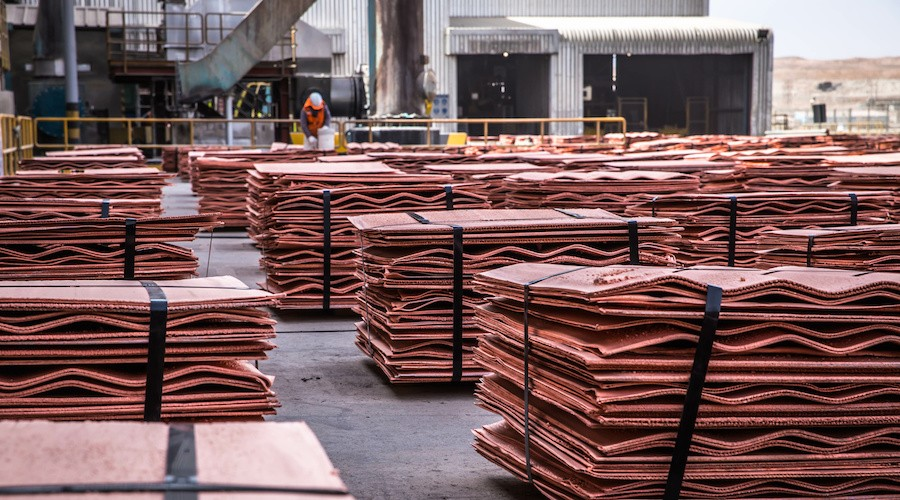
Tariffs, outages, and tight inventories push copper into uncharted territory

Activist stake intensifies scrutiny as Target restructures leadership and capital priorities.

On-site gas turbines emerge as fastest path to power AI infrastructure.

House-passed SPEED Act targets NEPA timelines, litigation risk, and review scope to accelerate U.S. infrastructure approvals.

Here’s a quick look at how markets ended 2025 — with both stocks and precious metals pushing into rare territory.

Power, water, and governance risks collide as hyperscale development accelerates.

Alphabet’s agreement to acquire Intersect Power marks a structural shift in how hyperscalers think about data center growth.
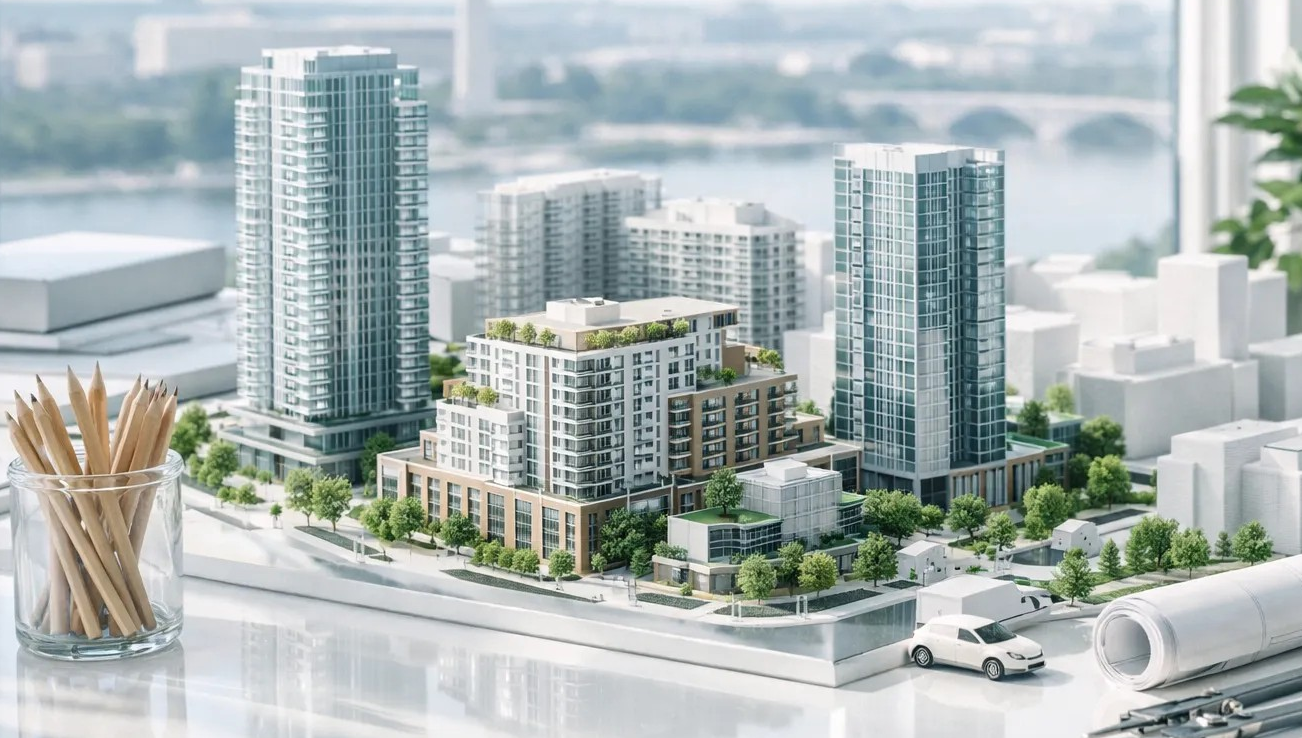
Rezoning and phased planning frameworks establish certainty for large-scale residential infill development.

How the Chiefs and Lockton moves signal a structural shift in the Kansas City metro

National security considerations drive federal pause, impacting Coastal Virginia, Vineyard, Revolution, Empire, and Sunrise projects.

Major capital commitments and engineering partnerships reflect evolving priorities in next-generation facility creation.

Cities like Atlanta and Orlando show high return activity, with free shipping and at-home pickup emerging as key expectations.

60 new locations in 2026 and recent record openings underscore deliberate resource allocation across key markets.

Expanded infrastructure and network optimization enable faster fulfillment at national scale.

Consultation processes and policy recalibration signal potential changes to the framework governing North American trade.

Trade actions and infrastructure shifts force rapid recalibration across logistics networks.

The Kansas City Current names its mixed-use waterfront district, targeting first openings in spring 2026 near CPKC Stadium.

The Kansas City Current names its mixed-use waterfront district, targeting first openings in spring 2026 near CPKC Stadium.

Three consecutive months of sales growth signal changing household purchase behavior.

Three consecutive months of sales growth signal changing household purchase behavior.

Seasonal declines and evolving listing patterns highlight changing dynamics for future housing availability.

Midwest emerges as a critical AI infrastructure hub through a $15B hyperscale data center investment.
Sustained demand and absorption trends are reshaping investment strategies and capital flows across the sector.

Diverging approaches by Zillow and Redfin expose challenges in transparency, regulation, and public interpretation of risk analytics.
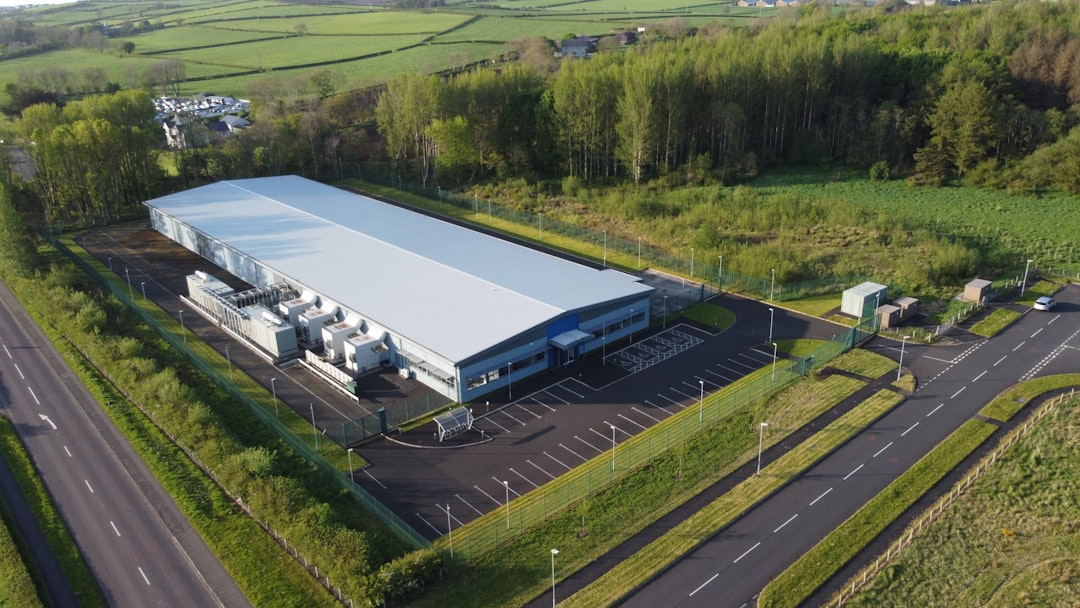
AI, robotics, and data center demand are driving fundamental changes in construction workflows and decision-making.

Workforce gains point to strengthening momentum in specialty trades and civil construction
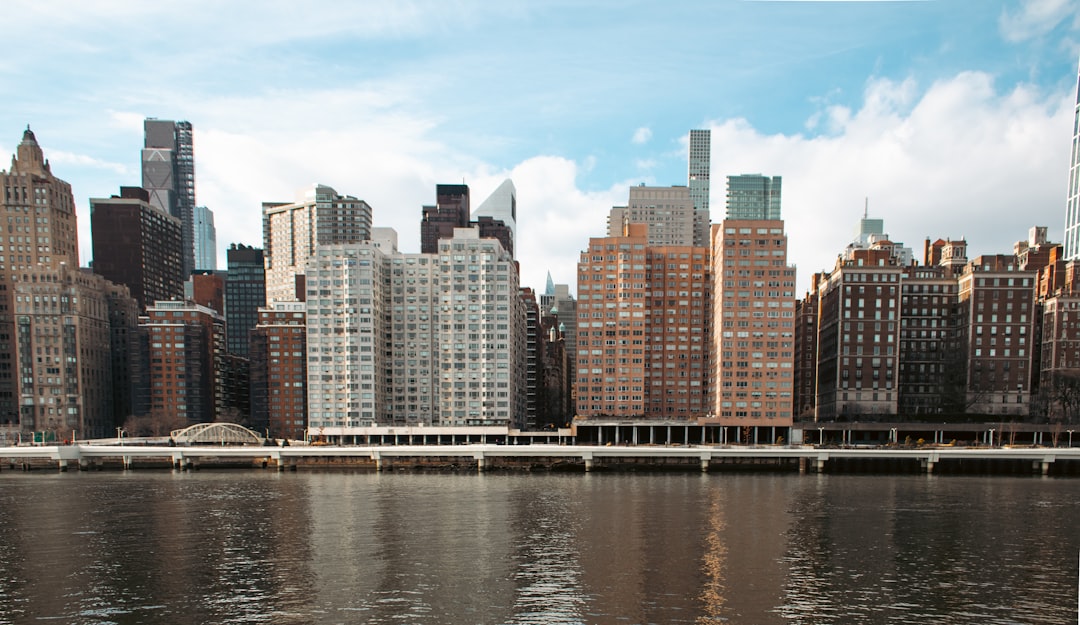
Interest in fifty-year loans highlights how borrowers are adapting to persistent affordability barriers.

Logistics networks are adapting as dry ice supply limitations disrupt traditional operating models.
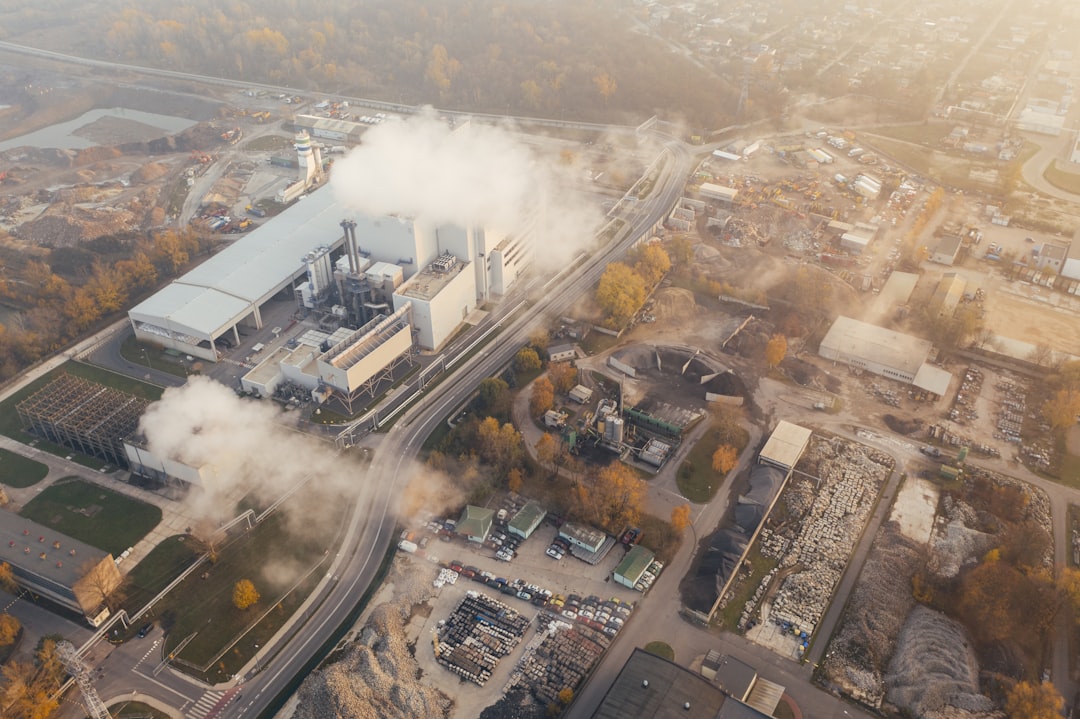
Shifting inventory strategies and lease sizes are redefining how users engage with available supply.

Renewal behavior and stable occupancy point to sustained renter commitment despite shifting market conditions.

Policymakers are reassessing whether legacy benchmarks still align with modern renter financial realities.

Resident behavior in the metro is diverging from national trends, reshaping pricing power and absorption dynamics.

Institutional capital is pivoting toward integrated ecosystems that link loyalty, personalization, and technology-driven engagement.

Transaction activity is returning unevenly as capital concentrates in assets with clearstructural demand.

Rising distress reflects maturity risk and tighter credit conditions more than widespreaddeterioration in property cash flows.
Labor cooling, cautious policy easing, and stabilizing sentiment point to normalizationrather than downturn.
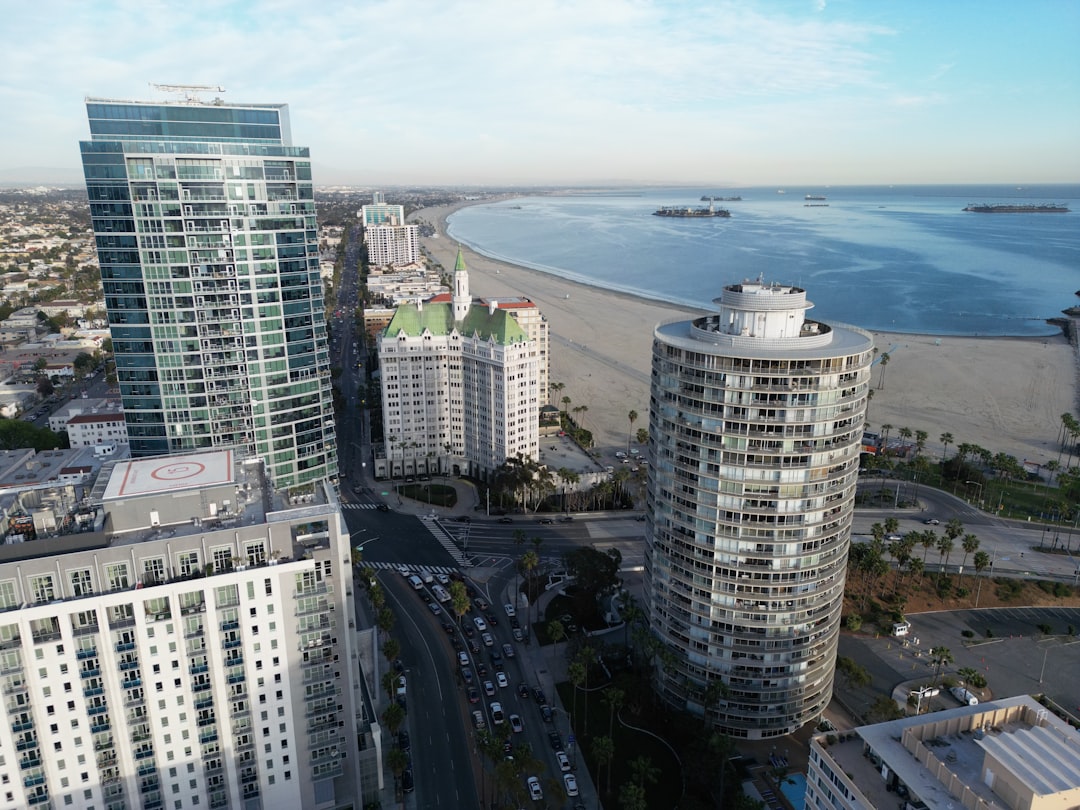
Stable mortgage rates and rising applications signal sustained buyer interest.
High vacancies and funding cuts force a rethink of risk and value assumptions.

PJM weighs new rules as demand outpaces generation.

AI-driven behaviors are redefining how shoppers search, choose, and act.
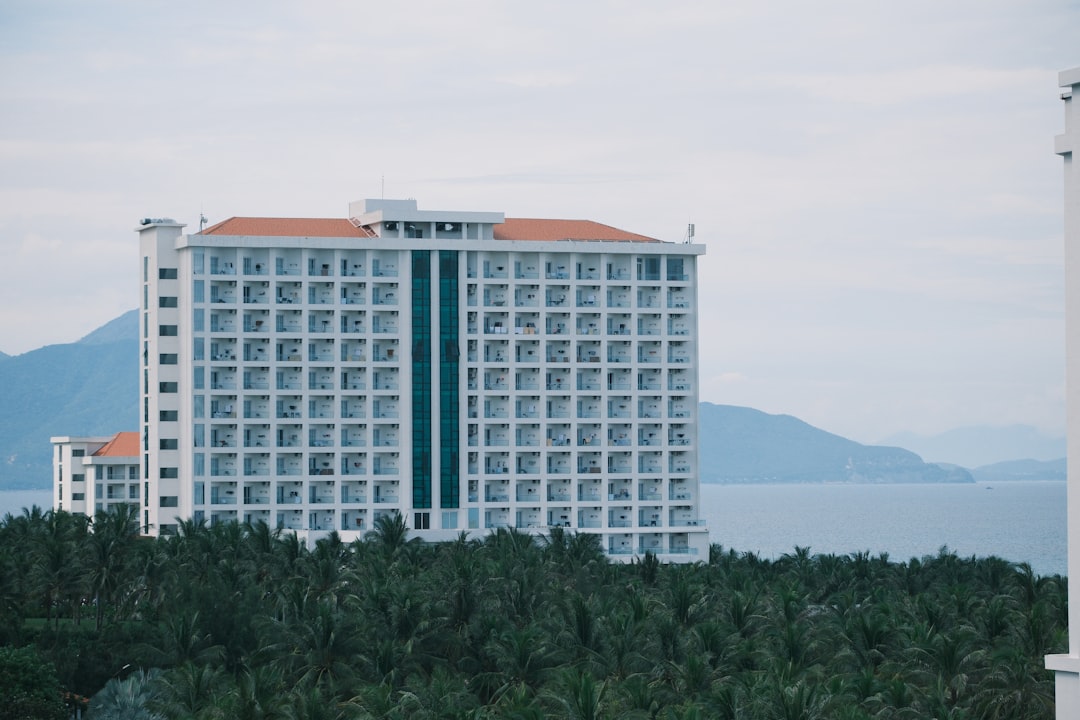
Falling debt costs are pulling investors back in, reshaping demand signals and accelerating transaction activity in the hospitality sector.

Kansas City, MO and Palm Beach County, FL are early signals of a broader national recalibration in how data centers are regulated, approved, and perceived.

Planning activity remains elevated as cost and labor constraints shift risk toward execution
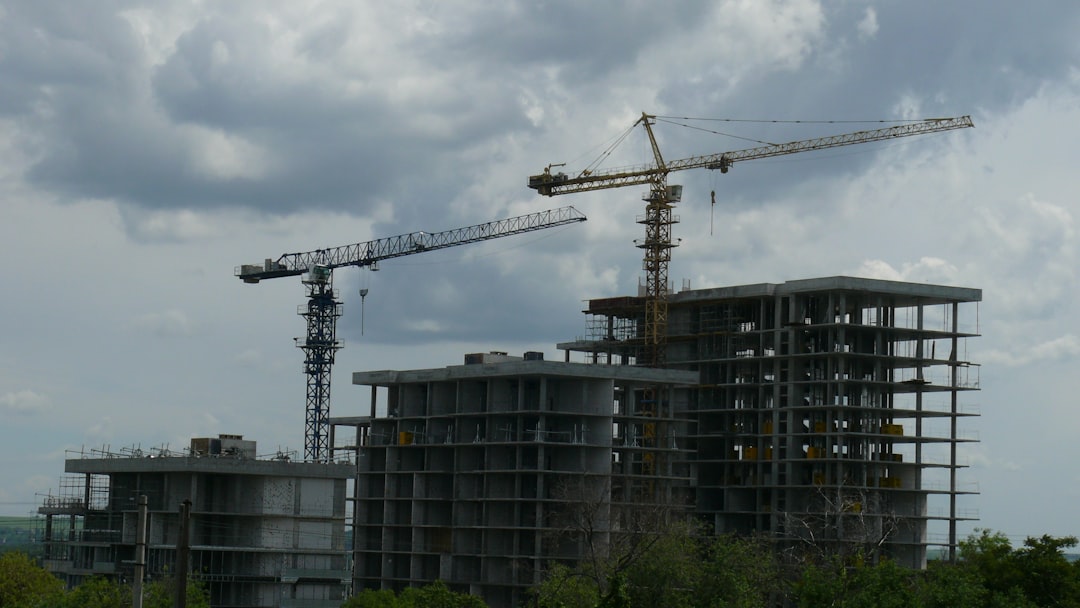
Easing borrowing costs collide with persistent lender caution, keeping project starts in check.

Evolving economic signals and internal dissent shape the central bank’s year-end direction.
Shifting regulatory expectations drive a move toward more adaptive and resilient compliance frameworks.

AI-driven auditing and unified systems mark a shift toward fully integrated operational tools.

Massive capital commitments highlight a strategic drive toward tech-led expansion and market growth.

Shifting monetary signals push investors and developers to rethink borrowing and deal strategies.

A split vote and mixed economic signals highlight the Fed’s evolving strategy.

Rising sustainability goals and intelligent systems are prompting a renewed focus on long-term efficiency and infrastructure adaptation.

Evolving demand patterns and limited new supply are pushing institutions to reset assumptions across key property sectors.

Saronic’s upgrade adds major production space and prepares the shipyard for next-generation autonomous vessel manufacturing.
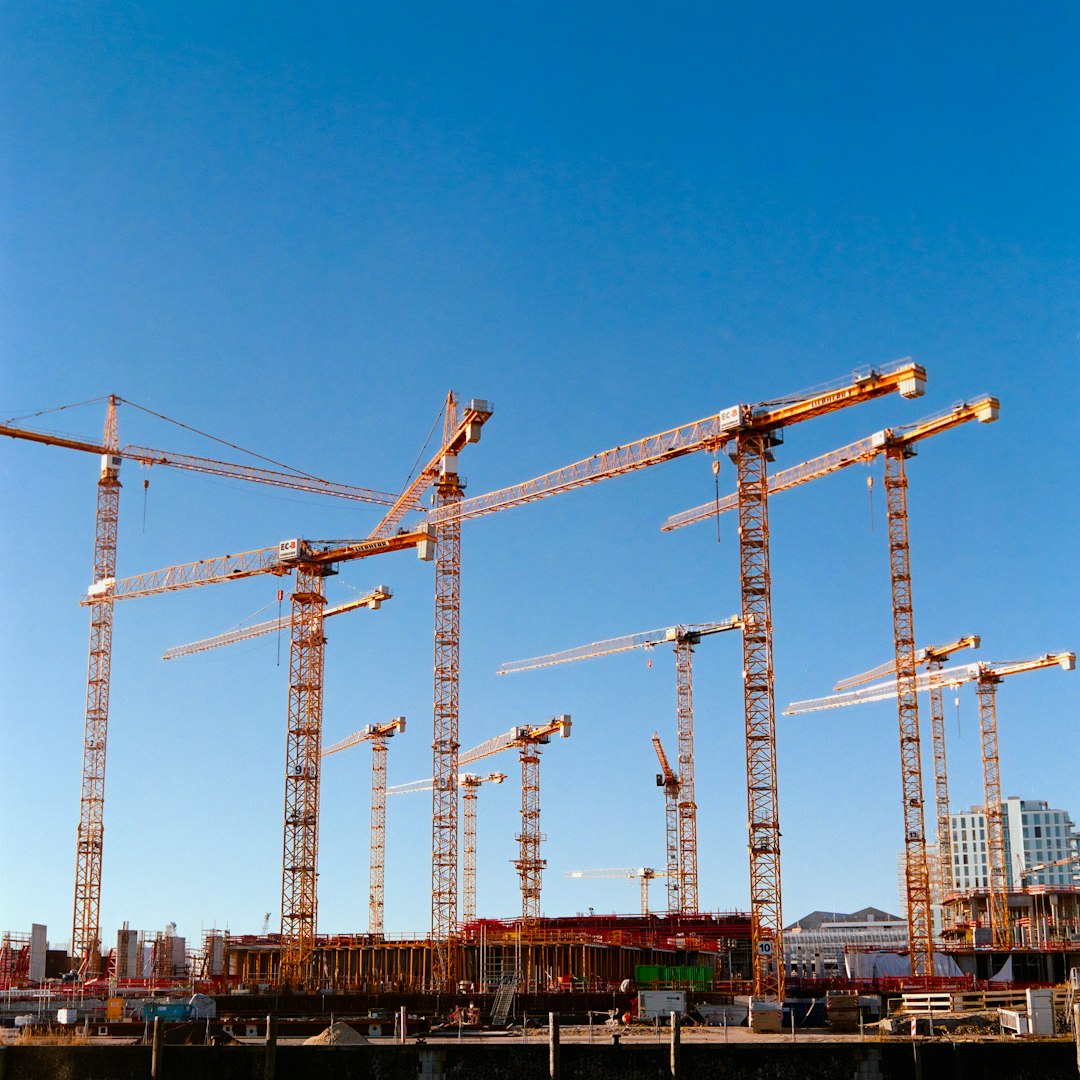
Intelligent automation is reshaping project delivery by streamlining decisions, elevating responsiveness, and optimizing on-site performance.
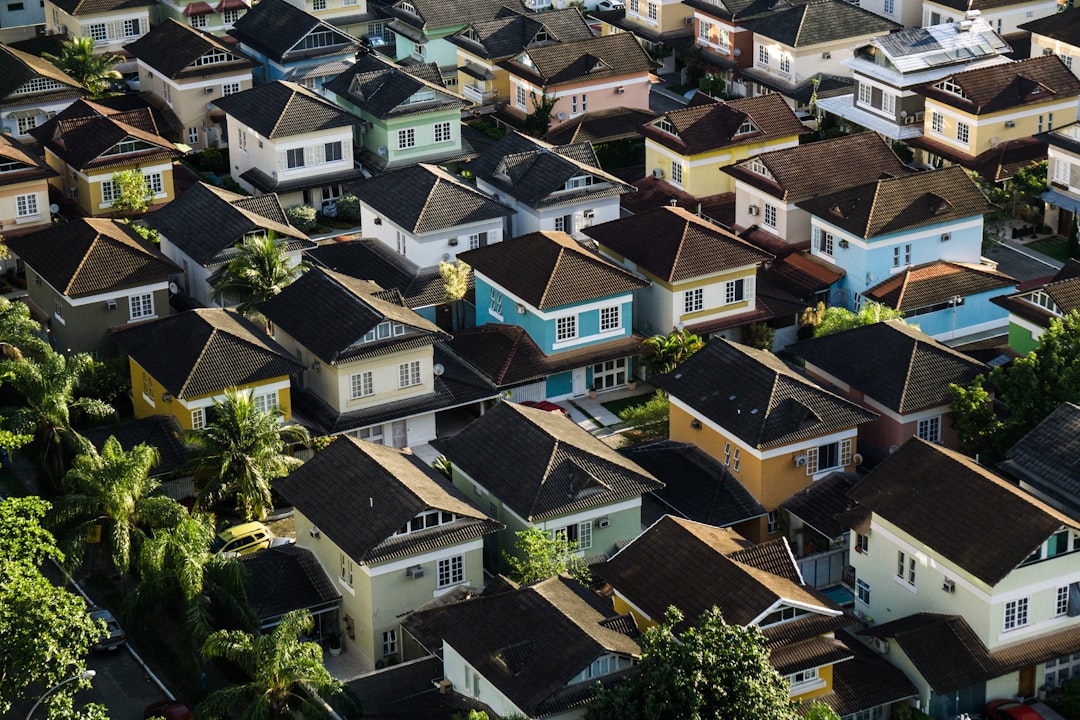
Changing rate incentives and rising retention trends highlight evolving engagement patterns across the mortgage landscape.

Rising expectations for reliability, data access, and seamless execution are redefining how retailers operate and engage customers.

Evolving market pressures and stronger enforcement are redefining buyer timing and seller participation across major marketplaces.

Institutional Capital Rises as Investors Bet on Long-Term Growth
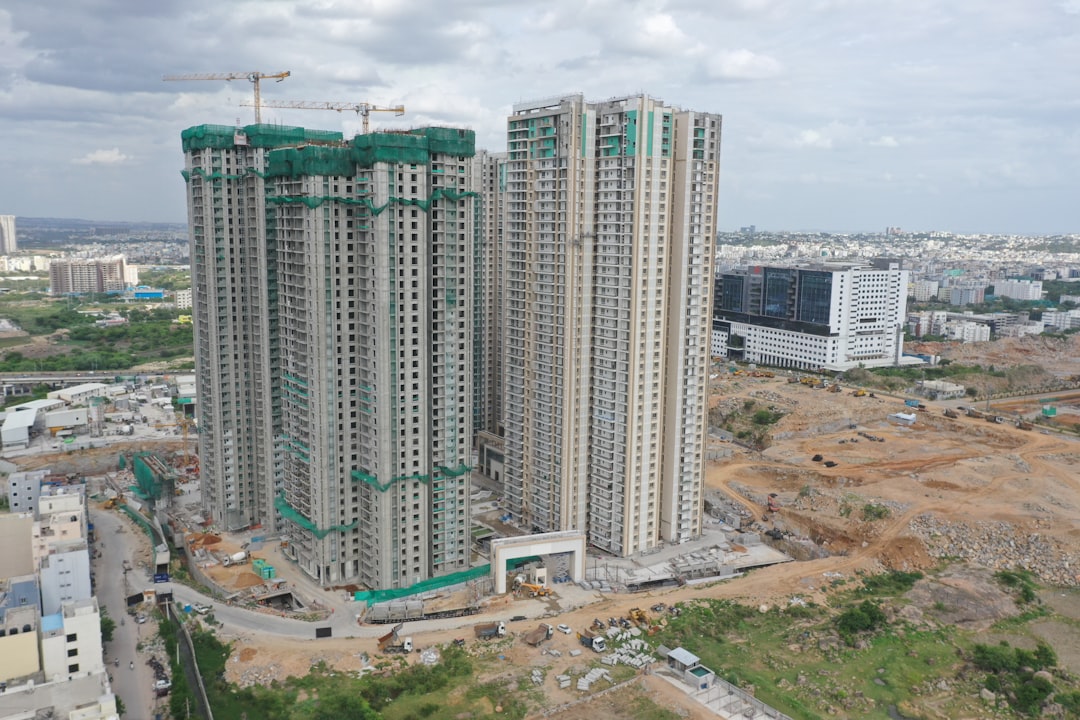
Mega mixed-use development showcases scale, complexity, and collaborative execution in real estate.

Payroll changes and wage trends highlight the dynamic labor landscape and broader economic signals.

Tracking new project entries highlights evolving supply pipeline and construction outlook.
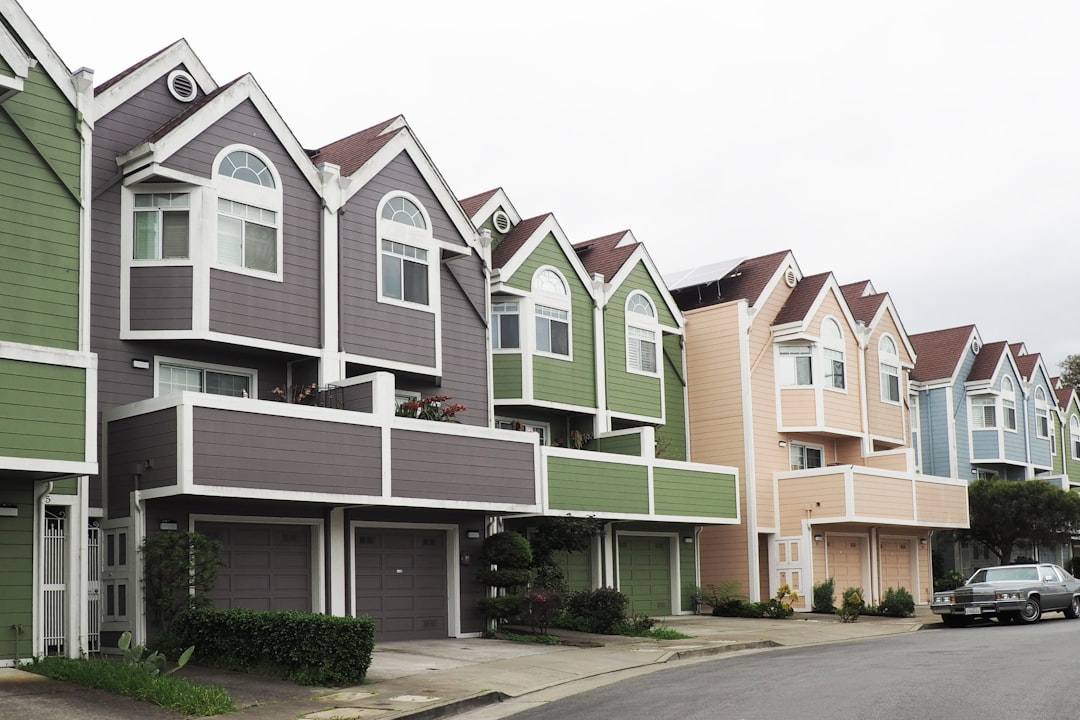
Mortgage activity, inventory shifts, and pricing patterns reveal evolving buyer behavior.
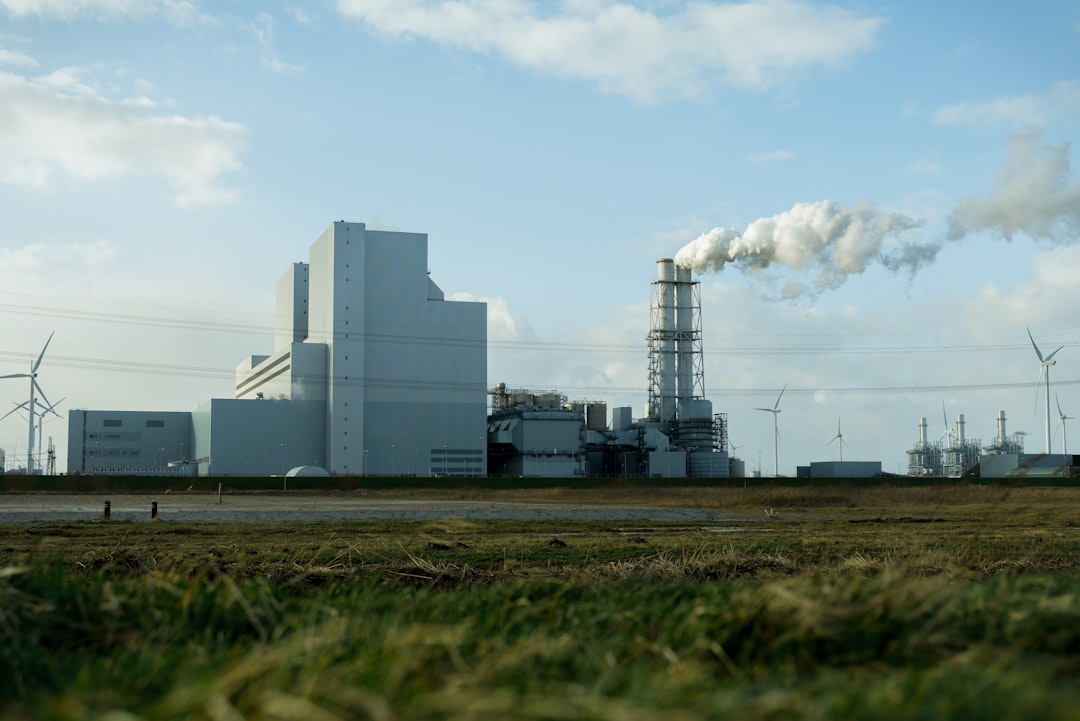
Policy-driven investments aim to strengthen U.S. supply chains for critical minerals.
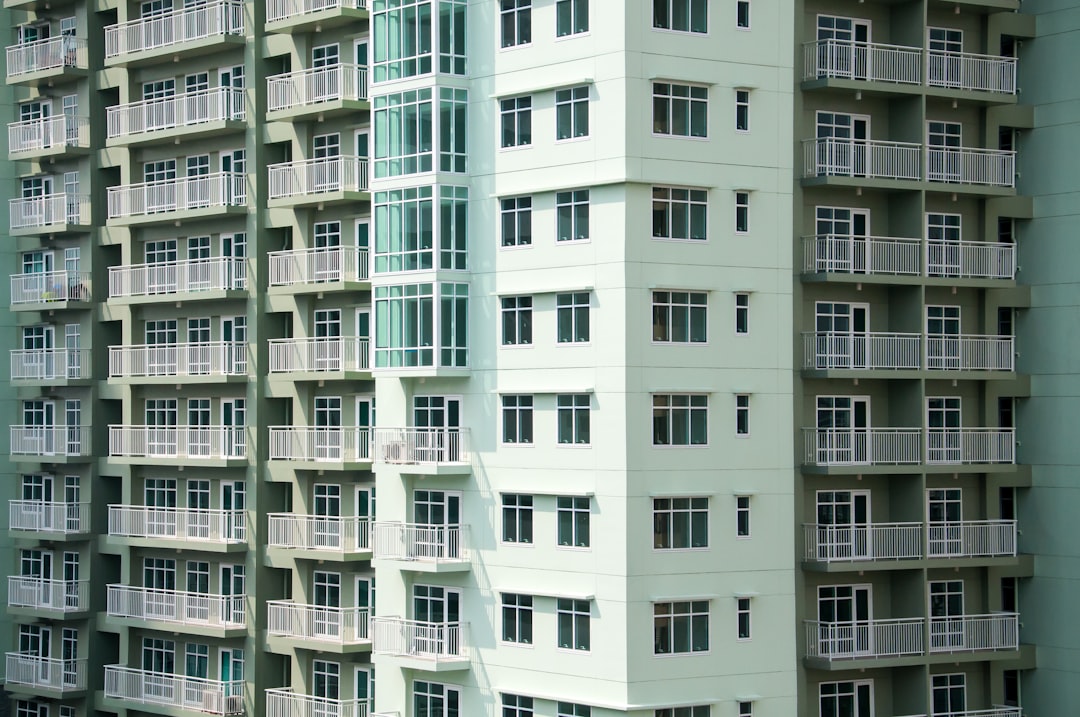
FTC and Colorado force the nation’s largest property manager to disclose full lease pricing upfront — signaling a broader crackdown on opaque fee structures in multifamily.
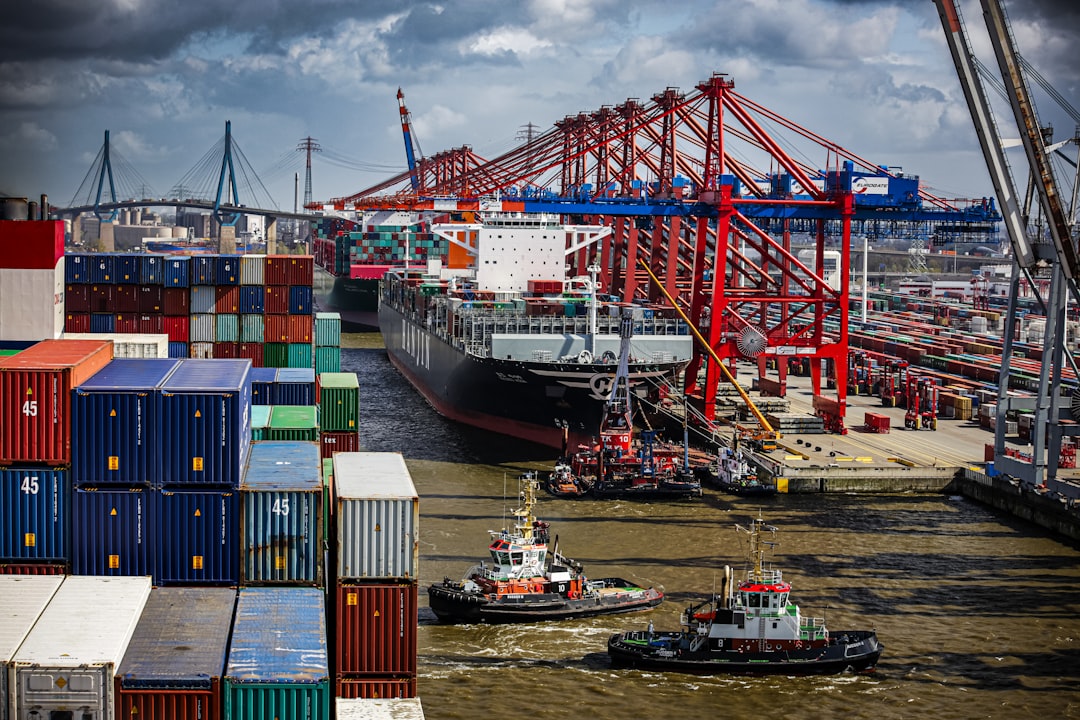
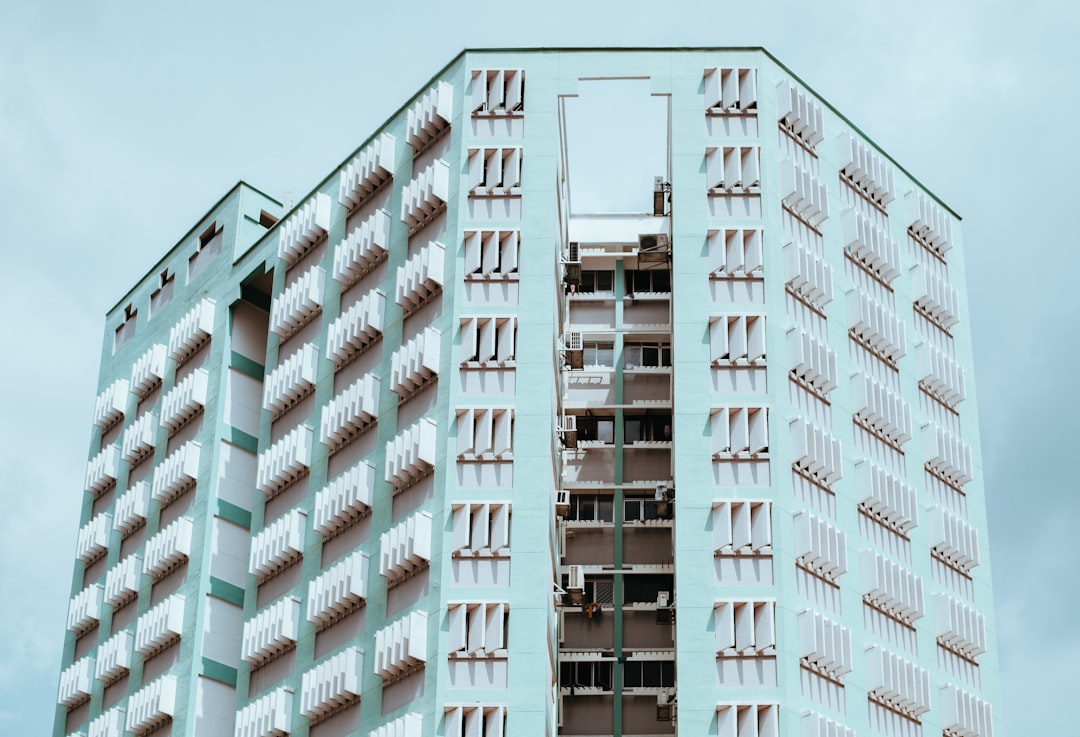
Guidance cuts, uneven rent growth, and shifting tenant patterns raise new questions about where multifamily performance goes from here.
As markets shift and buyers change, companies are discovering that culture—not perks—quietly determines performance, customer trust, and long-term competitiveness.
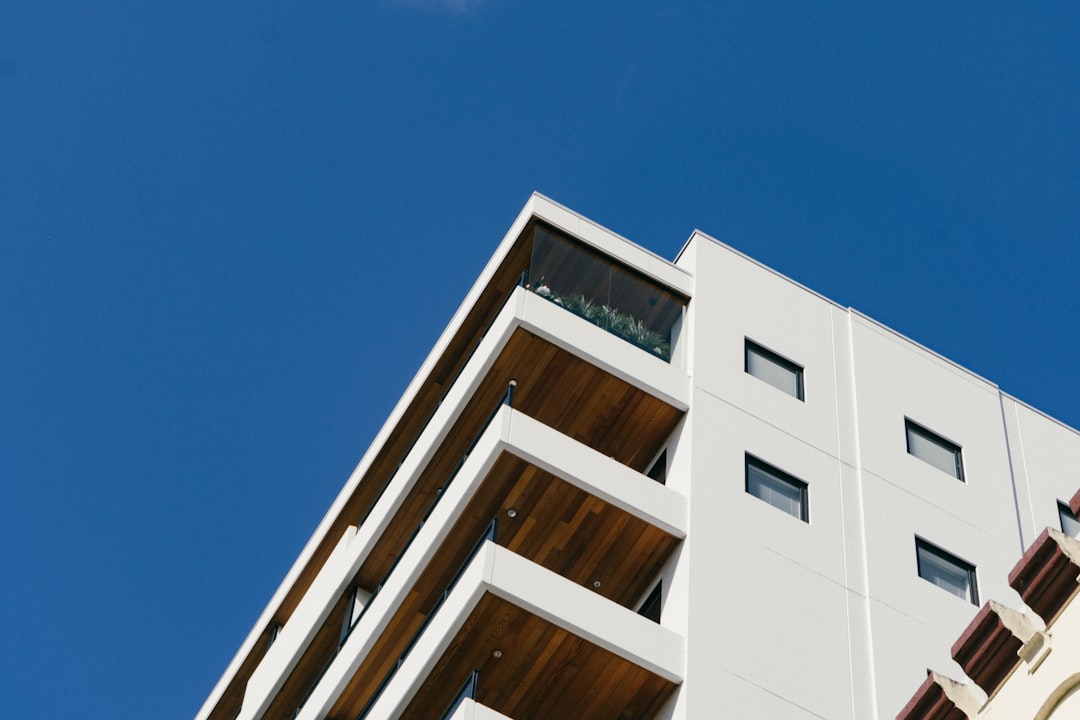
Soft absorption, weaker rent growth, and shifting resident behavior signal that the multifamily cycle may be entering a subtler, more complicated phase.
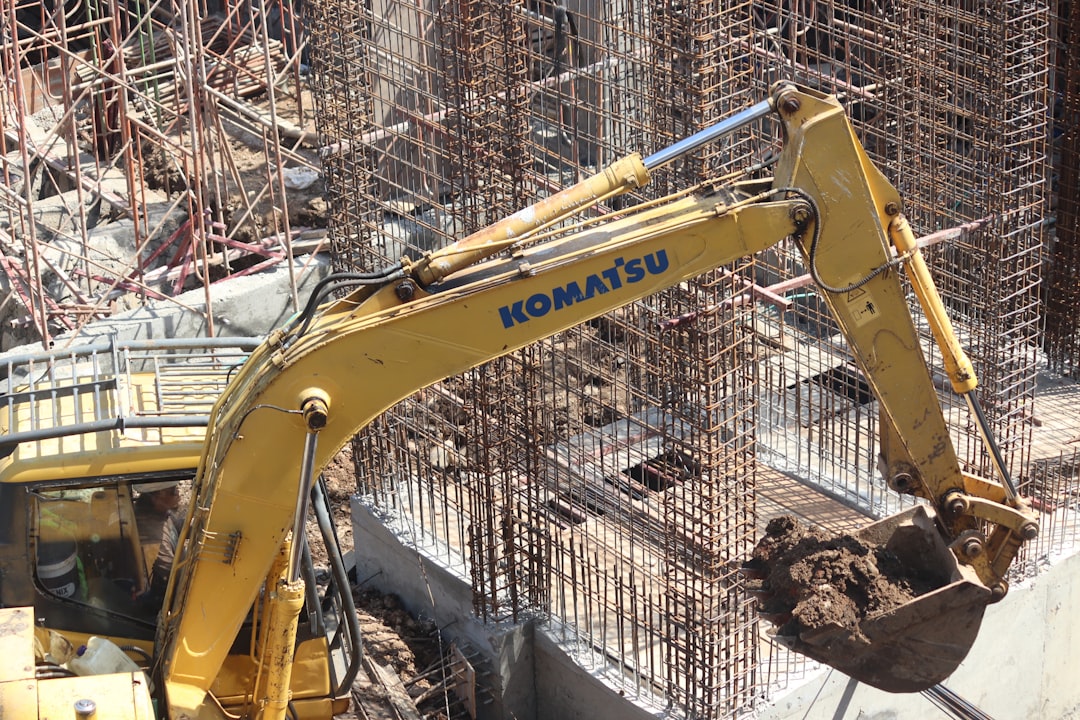
State-funded cash awards and technical support could accelerate early-stage adoption of mass timber, reshaping how developers plan future Michigan projects.
A potential first-of-its-kind SRT could reveal whether investors are willing to absorb the rising credit concentration behind AI and data-center builds.
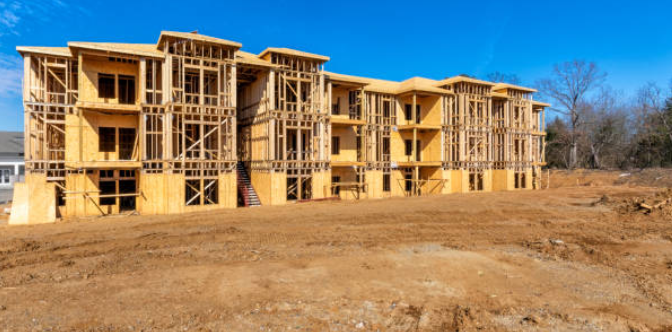
A sharp slowdown in permits, absorption, and lease-ups hints at a market entering recalibration—and a supply gap forming for 2026.

Top-line rates look steady, but office, lodging, and even industrial are showing deeper cracks that change the risk profile for 2026.
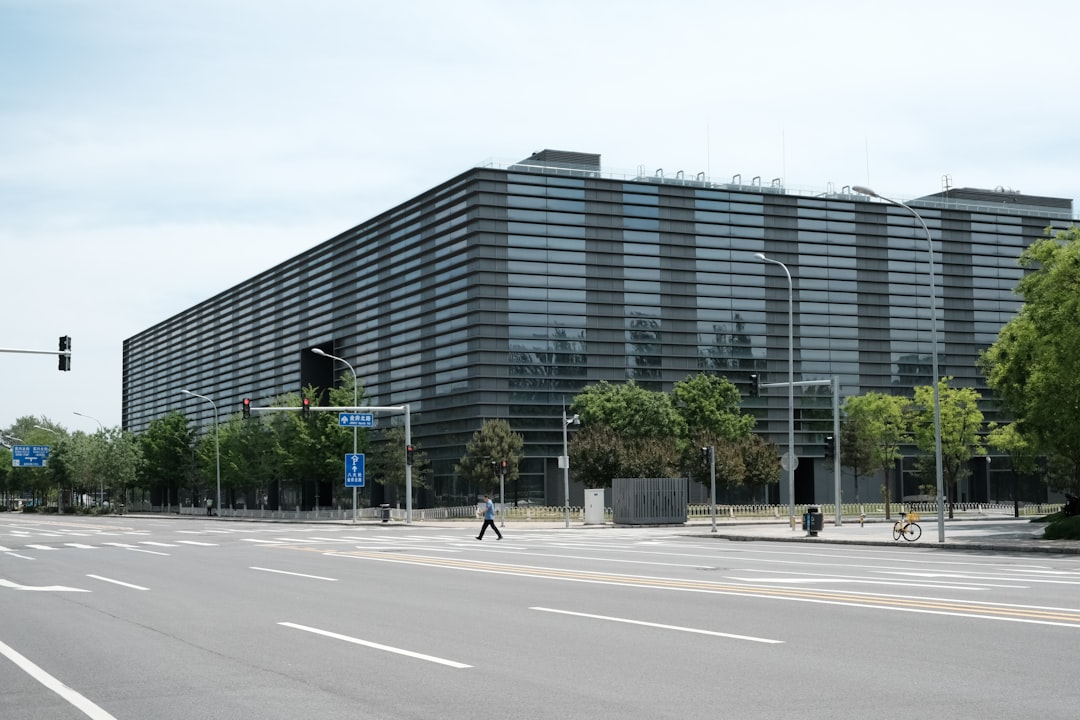
A major syndicate financing confirms AI data centers are now underwritten like long-horizon, utility-adjacent real estate—not speculative tech builds.
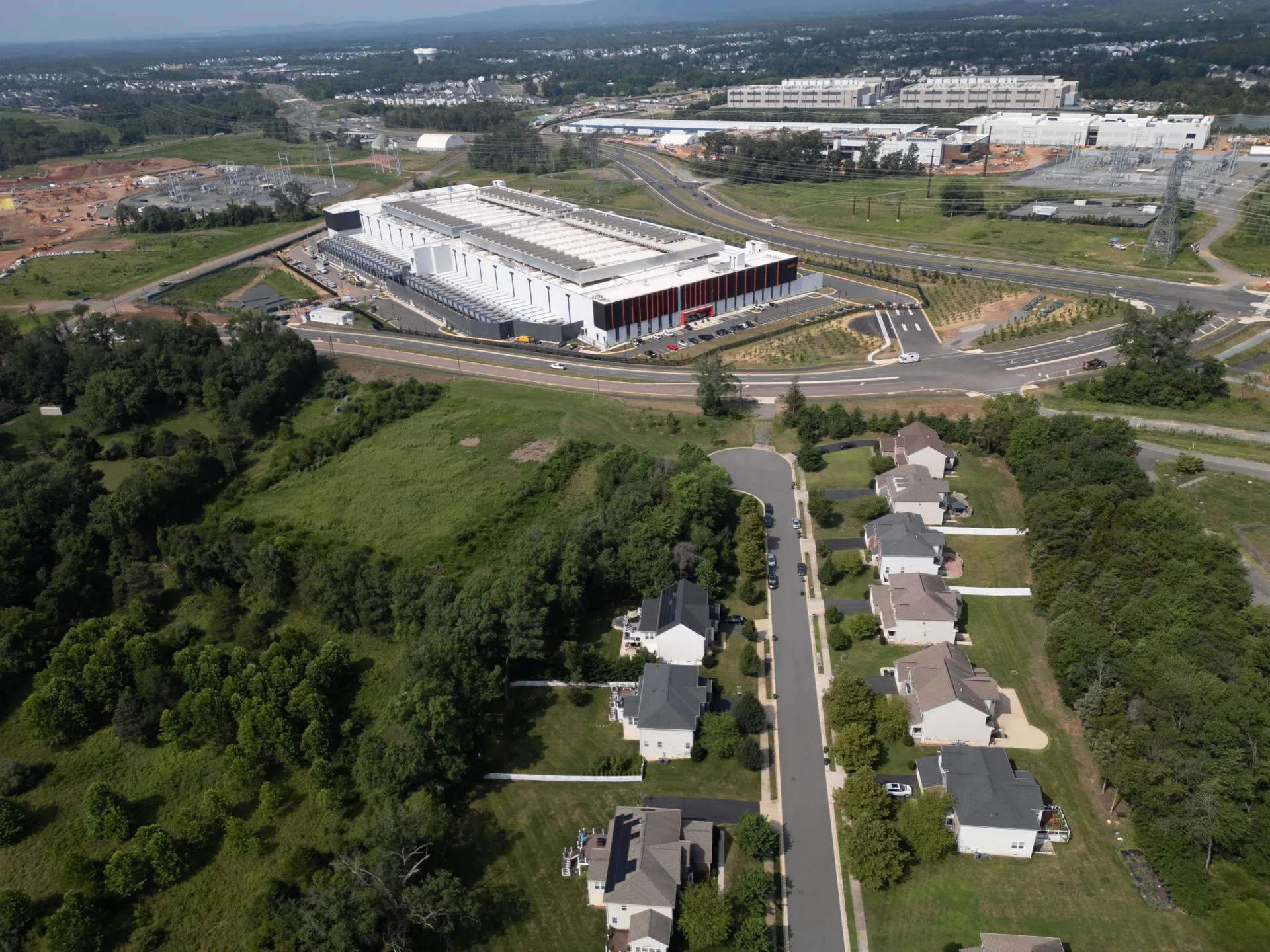
Despite regulatory pressure and power scarcity, major players are locking in long-duration compute projects through the 2030s.

Transitional forces suggest an environment where demand will be redefined by new patterns of activity.
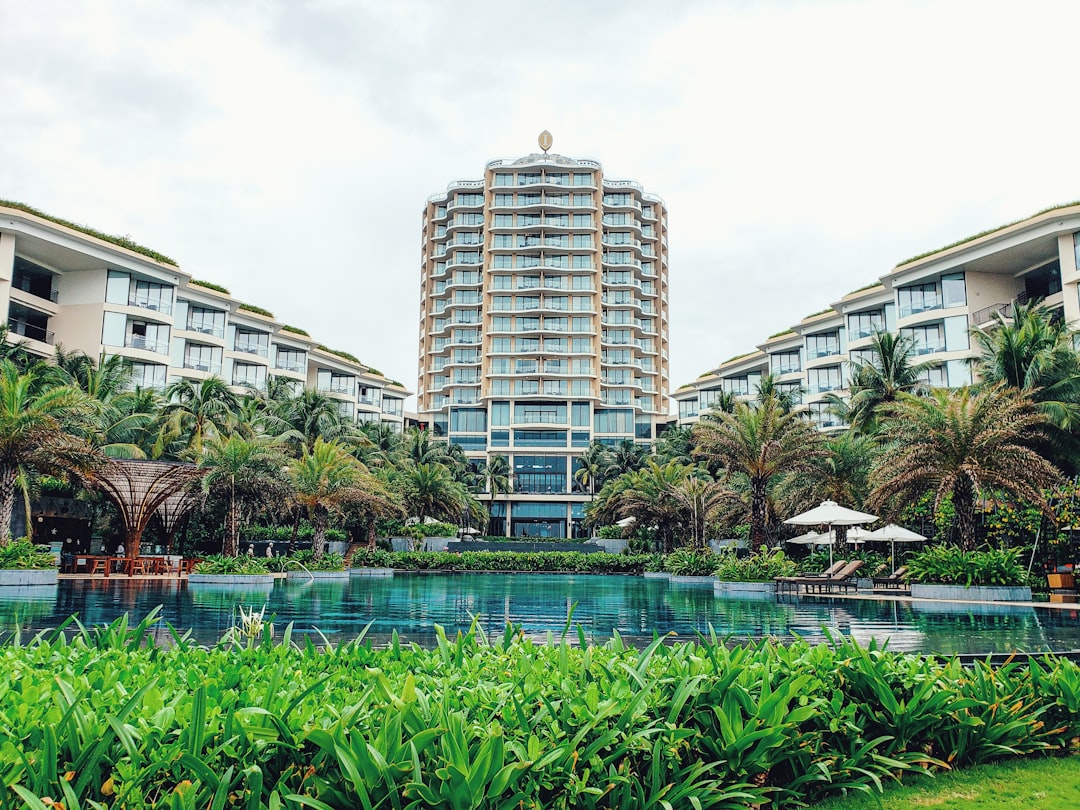
Large scale investment activity may signal a turning point in perceptions of long-term sector resilience and cyclical opportunity.

Ongoing shifts in procurement dynamics emphasize the need for adaptive strategies to manage execution and financial uncertainty.

Variations in borrower activity illustrate how demand adapts to a landscape shaped by economic and lending influences.

Forecasted shifts in demand reflect broader adjustments in market dynamics as inventory and purchasing power slowly recalibrate.
FHFA-sets-2026-multifamily-caps-88b-each

FHFA-sets-2026-multifamily-caps-88b-each

FHFA-sets-2026-multifamily-caps-88b-each
realty-income-citycenter-preferred-equity

Years of negative cash flow, reporting issues, and a $1.4B deficit show how execution risk—not growth projections—determines long-term viability.
Financial resources act as a catalyst for shaping organizational direction in specialized real estate sectors.
Surging originations and billion-dollar fundraising signal a structural shift in financing demand.
33M SF underway and stable pricing suggest developers are pacing supply to demand volatility.

El Paso capacity jump reflects a tenant-driven pivot toward border-oriented warehousing and LTL integration
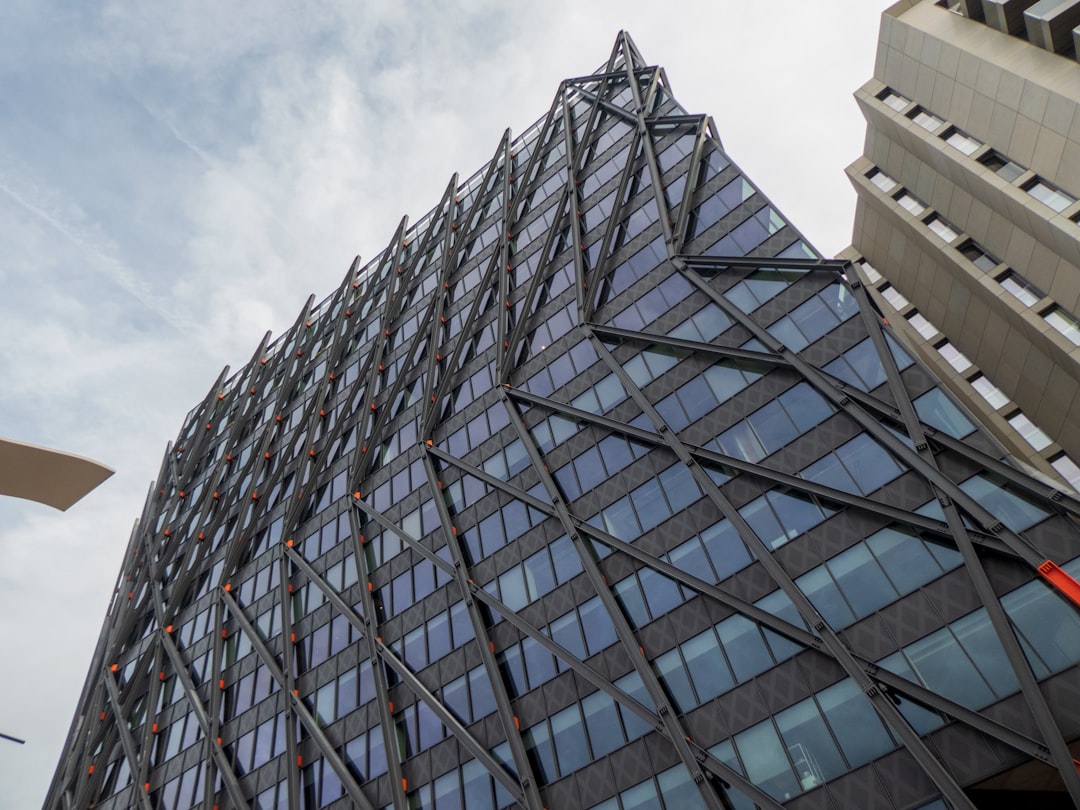
Hybrid work cements itself as the dominant force in space demand.

labor drives construction costs 2026.

As homeowners choose to invest in current properties instead of moving amid high mortgage rates.

New forms of tenant activation suggest changing strategies for responding to evolving demand in commercial environments.

Utilities’ data-center load projections face rising skepticism, with regulators warning that inflated demand assumptions could trigger unnecessary generation buildouts and higher long-term costs for ratepayers.

Strategic consolidation and operational focus shape evolving frameworks for scale in logistics asset management.
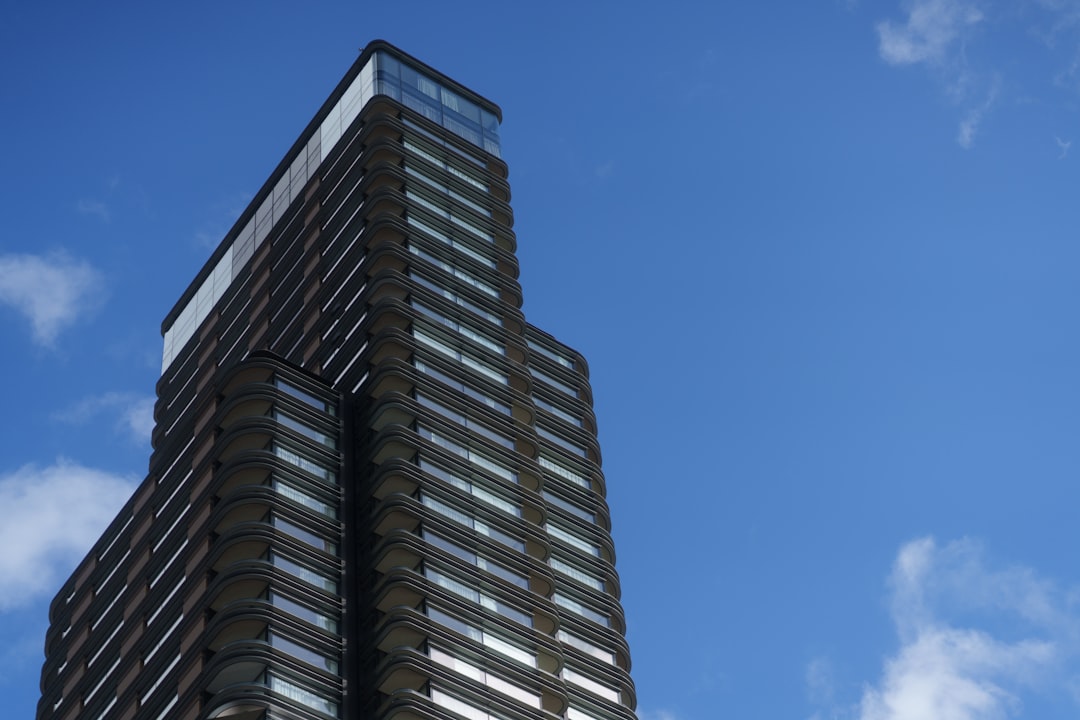
New financial commitments may influence the trajectory of established properties in evolving urban contexts.
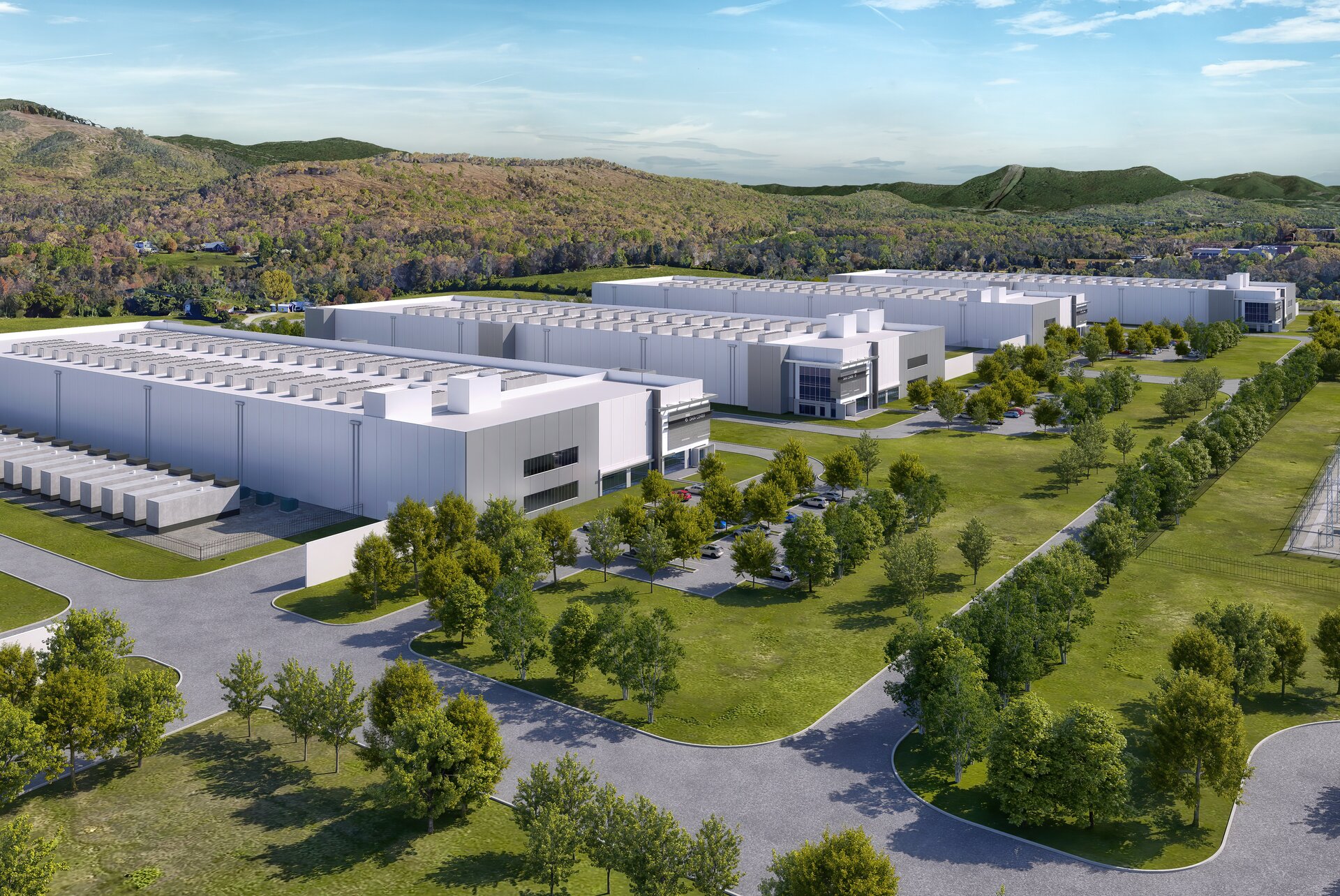
Two signals from the same week show how capital behaves when asset classes mature and how it resists when infrastructure strains.
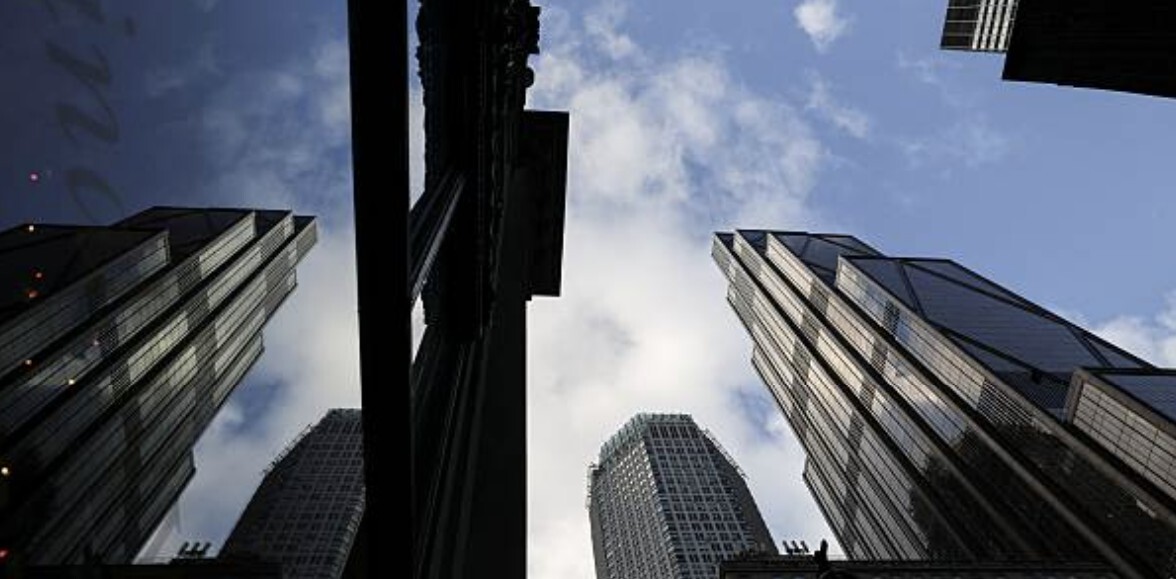
JPMorgan has moved its expected first Fed rate cut to December 2025, shifting it forward by a month and triggering an immediate repricing across futures markets.
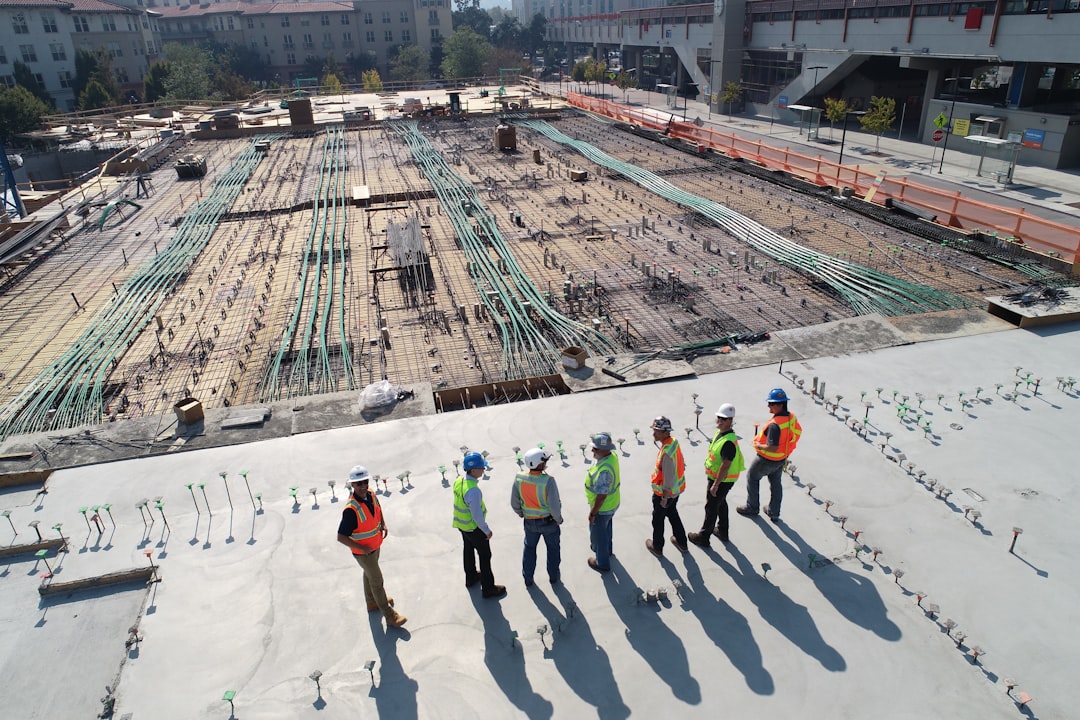
Most people track rates, CPI, or materials indexes to understand construction costs.That’s fine—but it’s backward-looking.

Construction input prices rise 3.5% YoY, signaling renewed cost pressures and challenging developers to revise budgets, procurement strategies, and lender expectations for 2026.

Construction-loan discipline is filtering projects faster than demand trends.
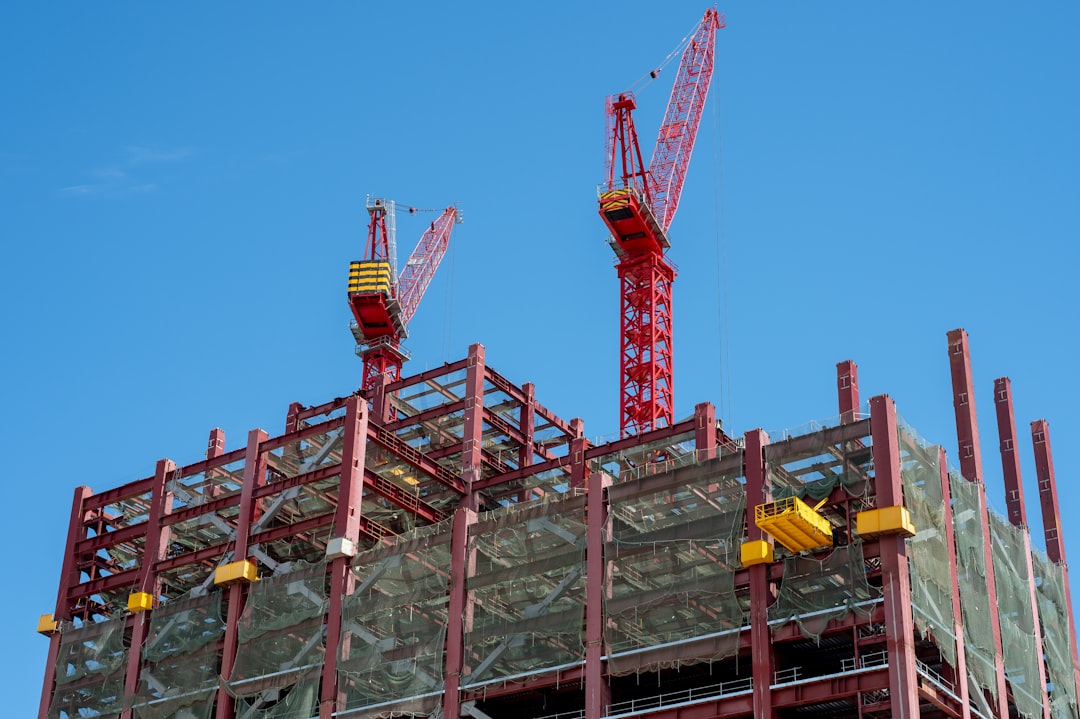
October’s 21% jump in U.S. industrial construction starts reveals a two-speed market as megaprojects drive headline growth, outpacing smaller developments.

High-profile mortgage software breach accelerates U.S. data center security spending, reshaping capital flows and vendor diligence across CRE and finance.
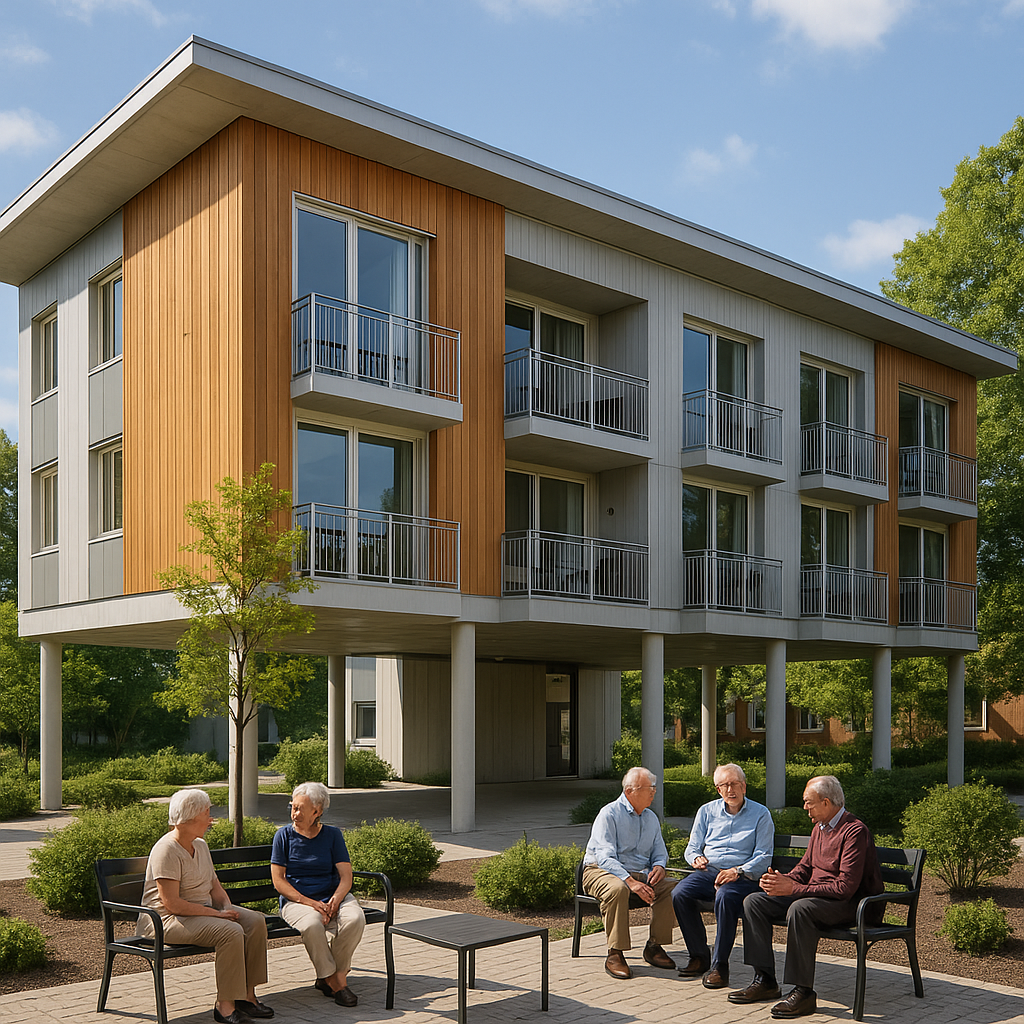
Institutional capital pivots toward senior housing as sector leads CRE returns, driven by occupancy highs, yield stability, and limited new supply.
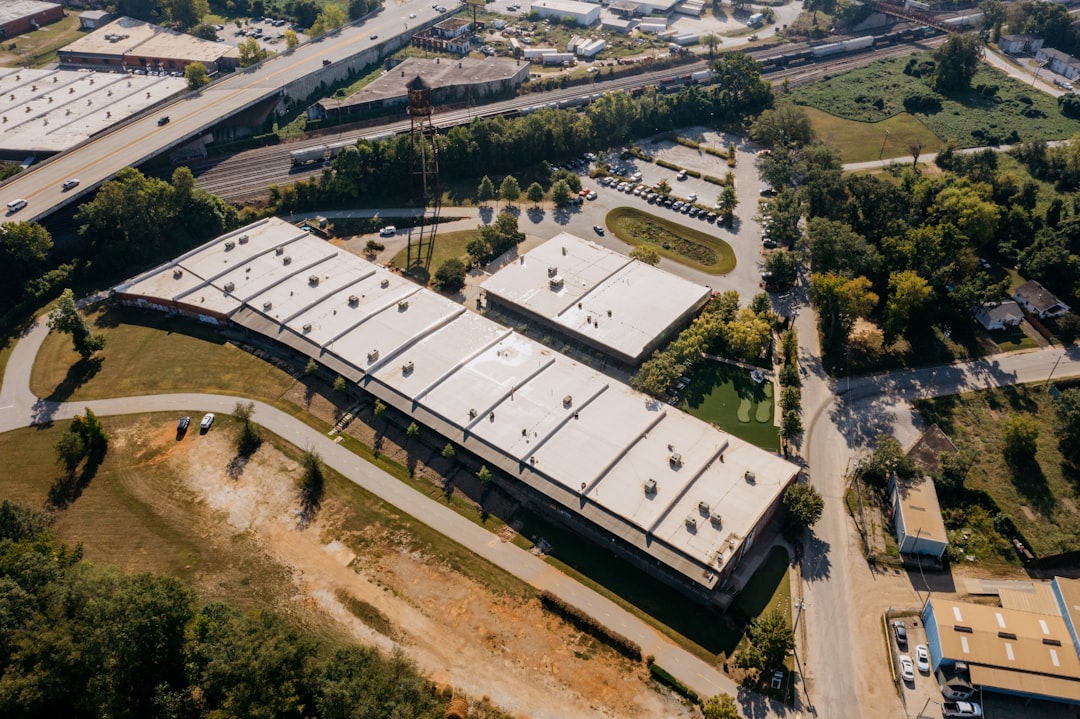
EQT’s $4.2B exit and rising vacancies mark a maturing U.S. industrial cycle as supply soars, regional splits widen, and capital recalibrates risk and pricing.

Rental ‘junk fee’ reforms force underwriting shifts and transparency upgrades across U.S. multifamily sector as operators adapt to patchwork rules.
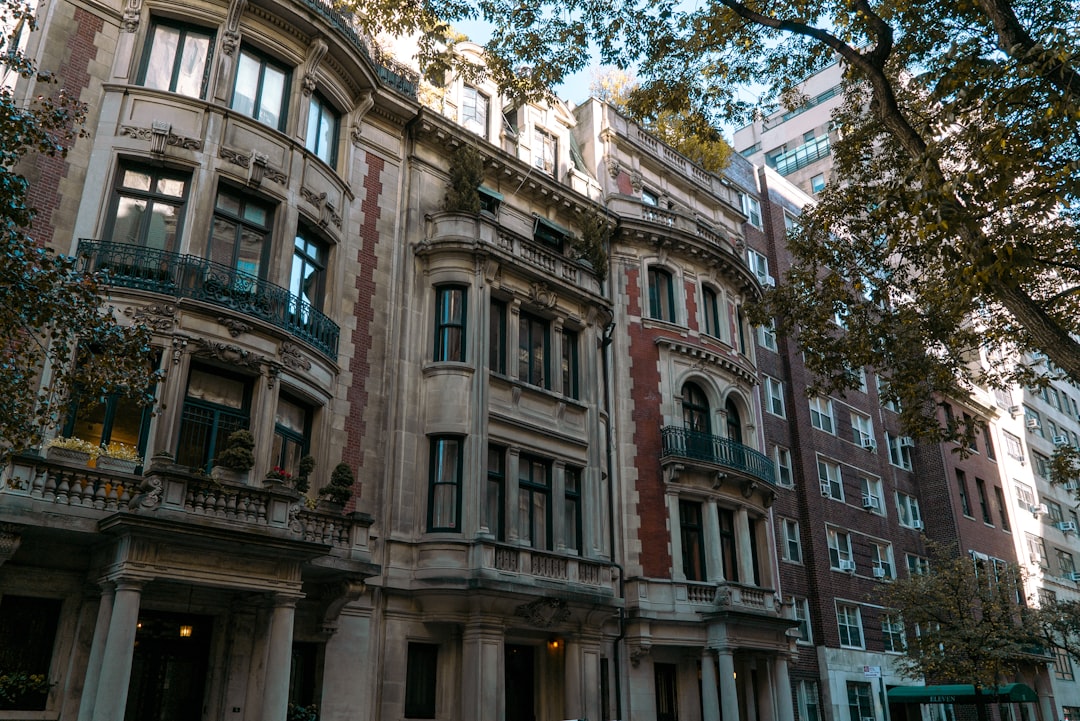
Surging insurance premiums, flat rents, and regulatory friction upend cash flows and asset sustainability for New York City’s legacy affordable housing.
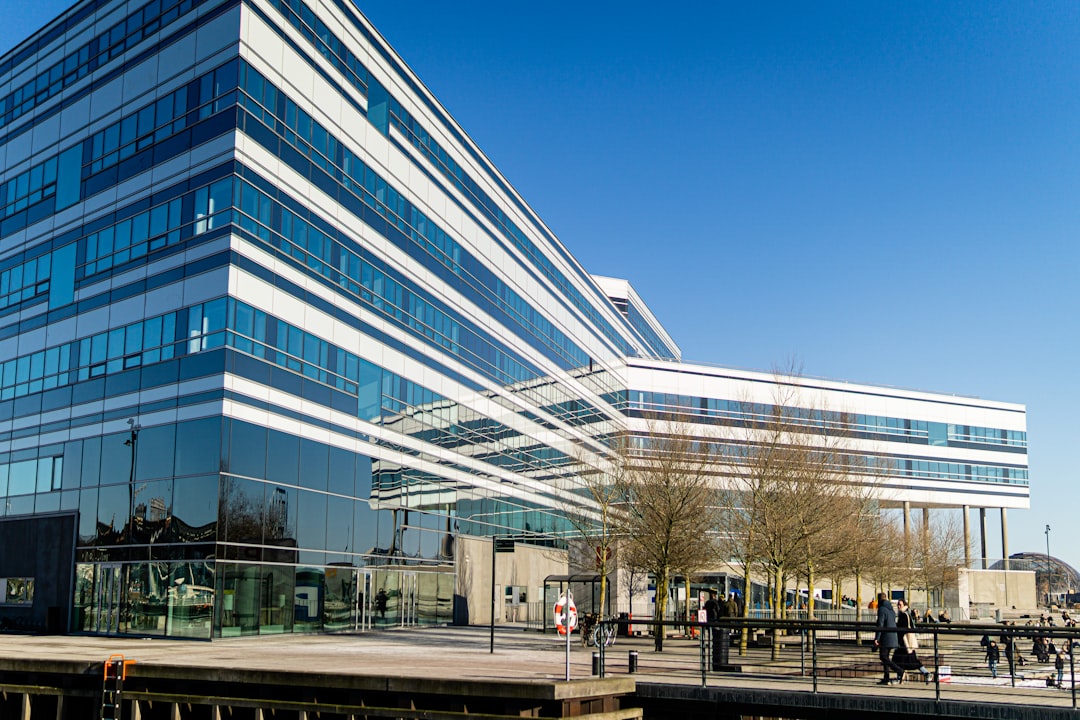
Legal sector expansion offsets office market declines; capital, credit, and trophy buildings benefit as law firms double leasing share.

CRE debt markets show revived liquidity as banks and private lenders return, compressing spreads and opening a refinancing window for resilient asset classes.
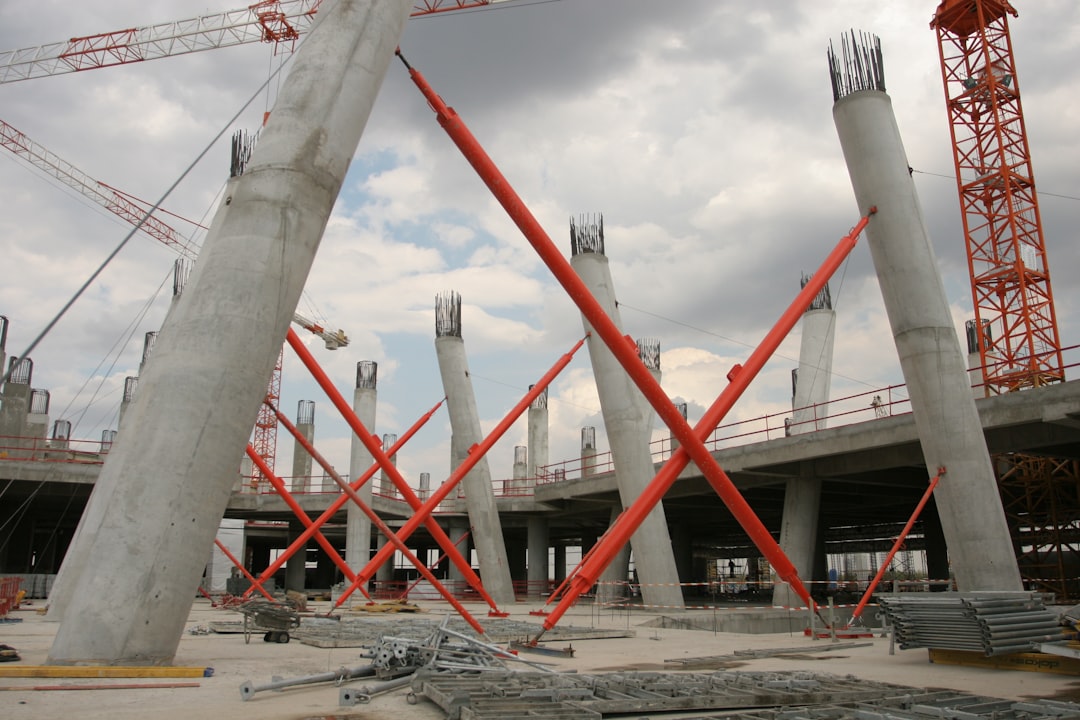
Funding Shortfall Derails $700M Milwaukee Mixed-Use, Exposing Capital Stack Fragility
Hotel sector faces first RevPAR decline since 2020; rising costs and muted demand pressure margins, but 2026 events and travel may offer rebound potential.

Prime office assets show early pricing stability as sector bifurcates; record CMBS delinquencies and high vacancy shape capital and underwriting discipline.

A wave of private buyers targets discounted U.S. REITs as credit markets thaw, fueling billion-dollar privatizations and reshaping public-to-private asset pricing.

Fed signals slower easing, sustaining high CRE debt costs as 2026 maturity wall nears; capital markets adjust to protracted refinancing pressure.

Reviving deal volume and easing credit conditions spark cautious optimism for cap rate compression across U.S. commercial real estate sectors into 2026.

Home Depot’s 2025 guidance cut spotlights retail CRE risk, as discretionary sales slow and local leasing bifurcates.

Antitrust decision secures Meta’s platform integration, preserving large-block office leasing patterns among U.S. tech leaders.
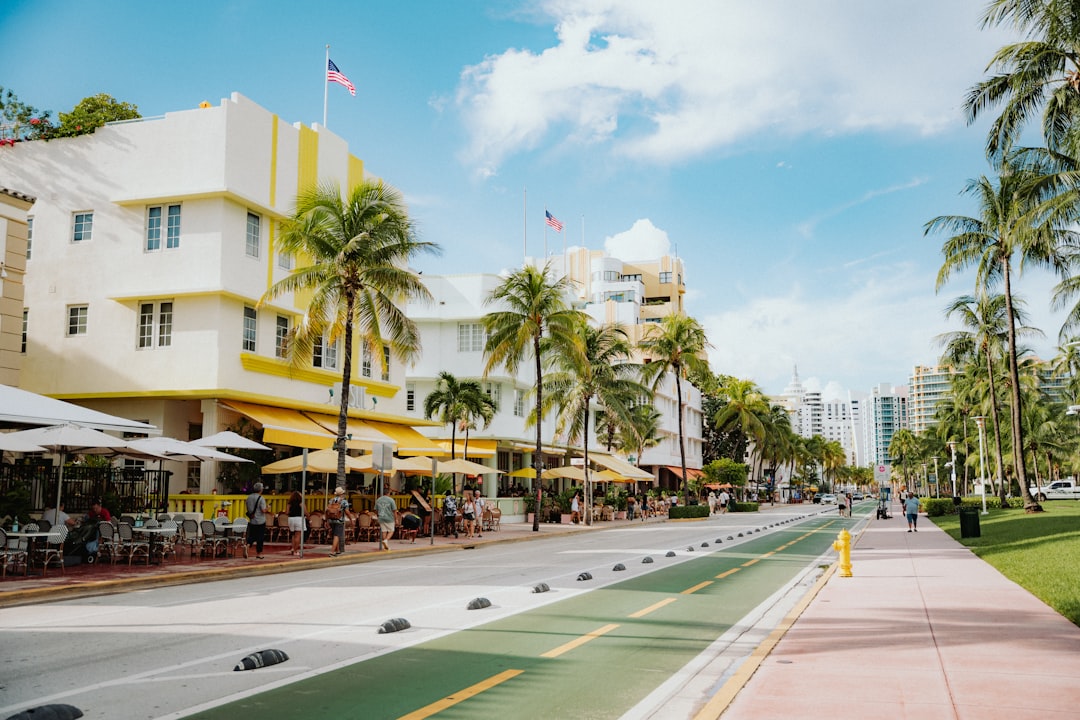
Life insurers back select large multifamily loans as capital clusters around stabilized assets, signaling a two-speed Florida market.

Decommissioned nuclear plant sale signals evolving capital flows and land-use risk in Mid-Atlantic energy infrastructure.

Surge in AI-driven power use leads U.S. data center operators to reconsider crypto mining leases and capital allocation priorities.

Auction of 2.1M sf asset signals lender caution for Midtown’s non-trophy office segment, underscoring divergent capital risk and price discovery in Manhattan.

2026 U.S. CRE loan maturities spark uneven distress across asset classes, with office and retail risks testing lender resilience.

Multi-phase Google data center project underscores institutional tech capital’s divergence from traditional CRE development in Central US.

Retail retreat from equity dips shifts market resilience to institutional ETF flows, signaling new volatility risks for capital markets.

Modest yield decline signals two-speed bond market as investors hedge on delayed economic data, influencing CRE capital costs.
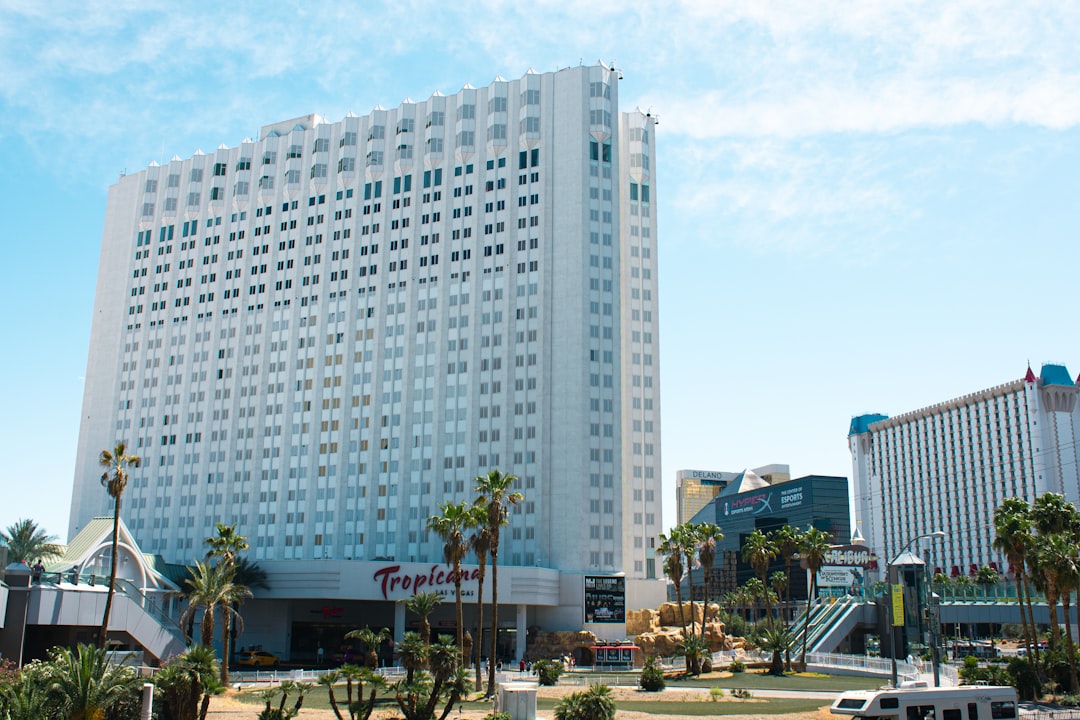
Global capital targets San Francisco’s luxury hospitality as value reset, city recovery, and major events reshape hotel investment dynamics.
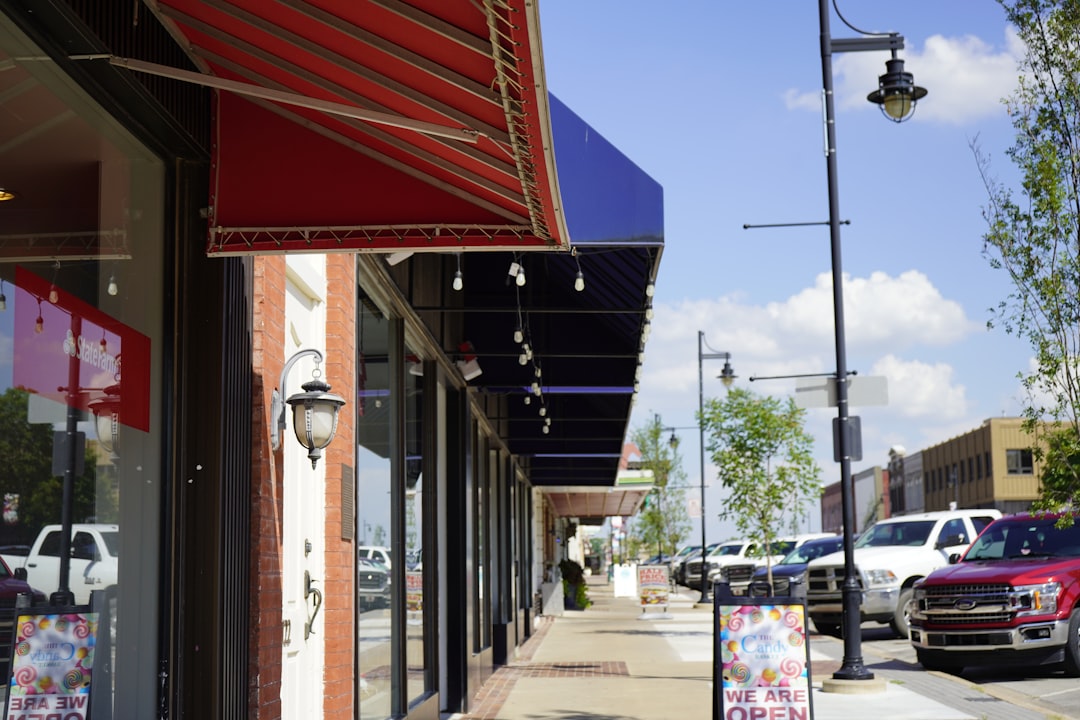
Selective Capital and Redevelopment Drive St. Louis Retail’s Resilience Amid National Headwinds
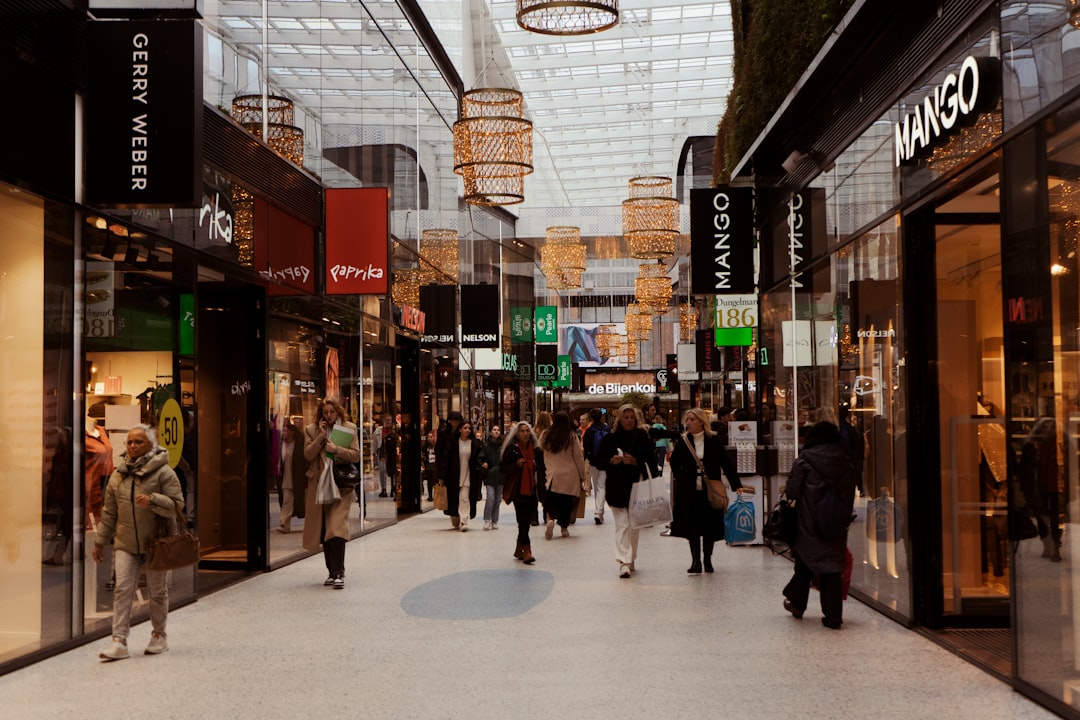
Resilient US retail sector sees vacancies rise modestly, with new supply at multi-decade lows and disciplined capital underwriting amid evolving consumer and cap rate dynamics.
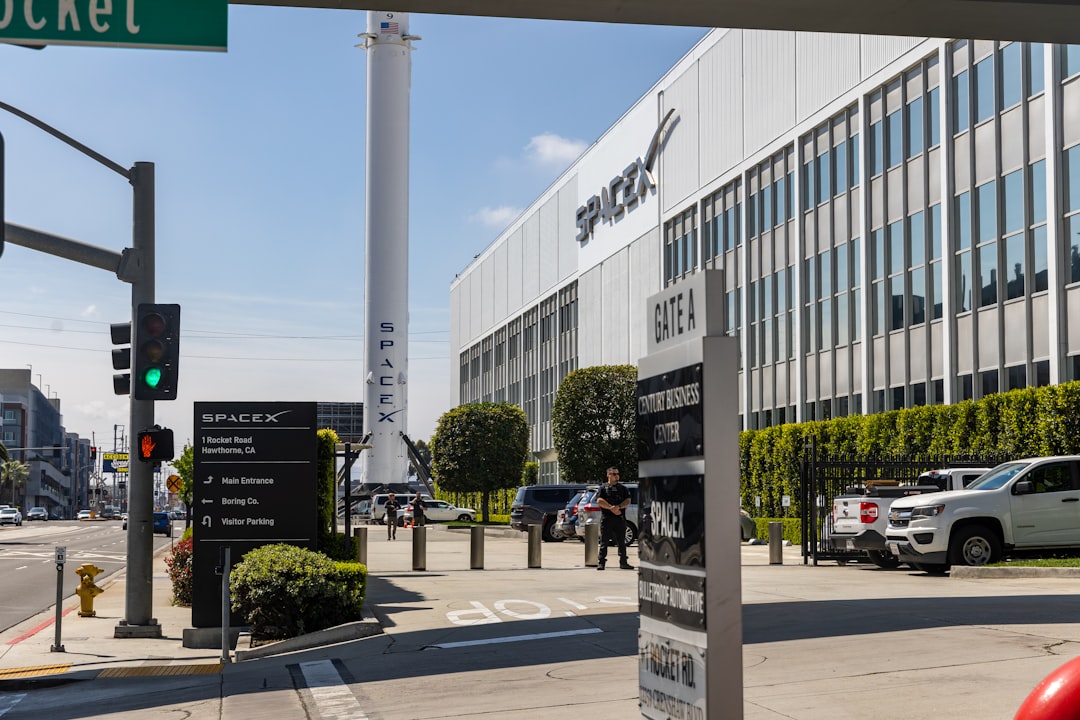
Institutional capital targets grocery-anchored centers in high-growth Southeast markets; robust sales, high occupancy, and defensive income profile drive portfolio strategy.

Activist Investor Push Highlights Concentration Risks and Uneven Hotel Market Rebound for Sunstone REIT

US capital targets UK proptech as CoStar’s £100M OnTheMarket buy hints at sector consolidation, digital competition, and capital reallocation.

Distressed asset sales climb 20% YoY; persistent bid-ask gaps split US CRE market by asset quality and capital behavior.
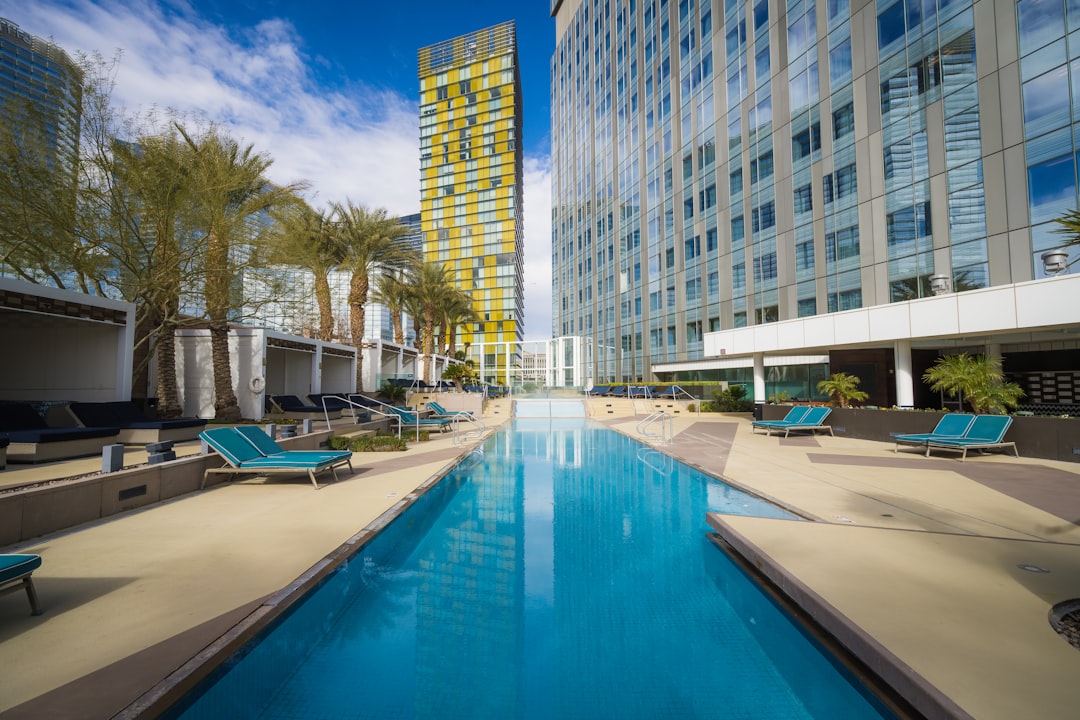
Two-speed hotel market emerges as Phoenix’s smaller assets trade briskly, while larger hotels see muted activity and tighter lending.

Institutional disposition in Southeast and Mid-Atlantic signals two-speed capital markets, reshaping multifamily risk and opportunity.

National brokerage M&A activity intensifies in 2024 amid capital market bifurcation; smaller firms struggle for funding as large platforms scale.

Flat Rents Mask Submarket Divergence as Atlanta Multifamily Absorbs New Supply

Institutional focus buoys Phoenix retail volumes; two-speed market emerges amid lending headwinds

JLL’s Q3 revenue rises 4% YoY; global capital markets and advisory offset weak U.S. leasing, highlighting divergent regional CRE cycles.

Regulatory rent cap splits Los Angeles multifamily market, reshaping asset planning and revenue expectations for institutional owners.

AI-fueled capital surge accelerates institutional data center buildout, alters land, power, and regional pricing dynamics
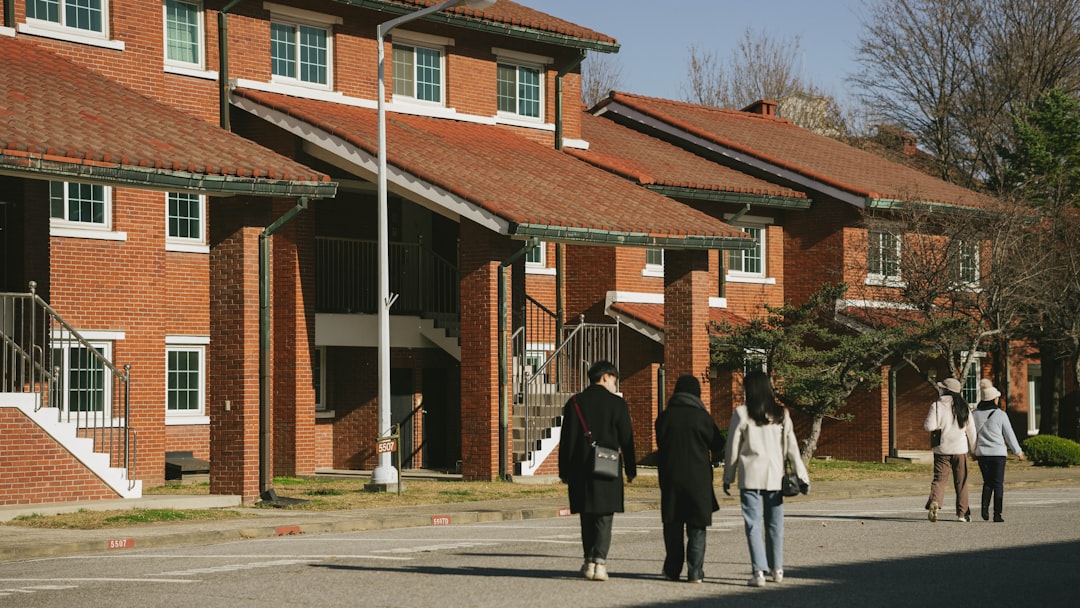
Institutional Capital Expands in Student Housing with Multi-Metro $1B Acquisition
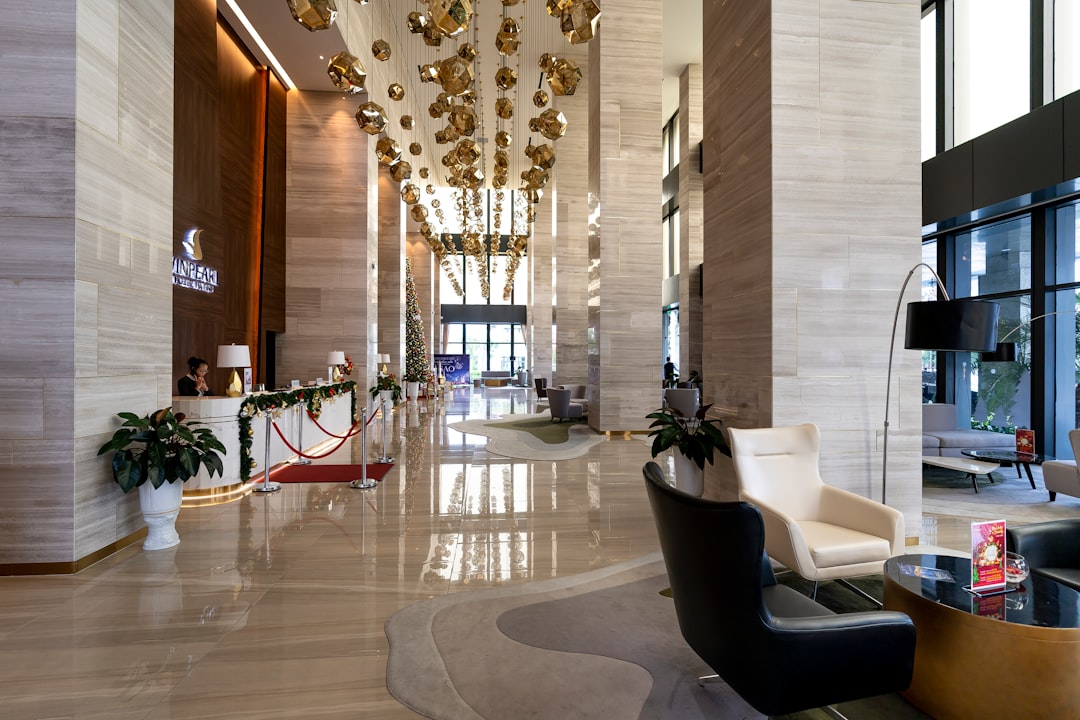
Luxury ADR growth contrasts with declining rates in midscale segments, reflecting a bifurcated market.

Global capital flows into U.S. real estate persist amid domestic lender pullback.
Institutional asset liquidation highlights ongoing two-speed market in national multifamily sector.

Tech capital gains diverge from broader real estate sector trends.
National aggregate steadies as metro-level lending shows mixed movement.

Institutional debt origination edges up while broader transaction activity varies by asset class.
National hotel pipeline remains mixed as Kansas City sees incremental growth.

Metro-level absorption and capex outpace national averages; institutional capital active.
Institutional capital pursues large multifamily assets in Sun Belt metros amid mixed liquidity for smaller deals.

National firms drive large-scale leasing, contrasting local warehouse demand.
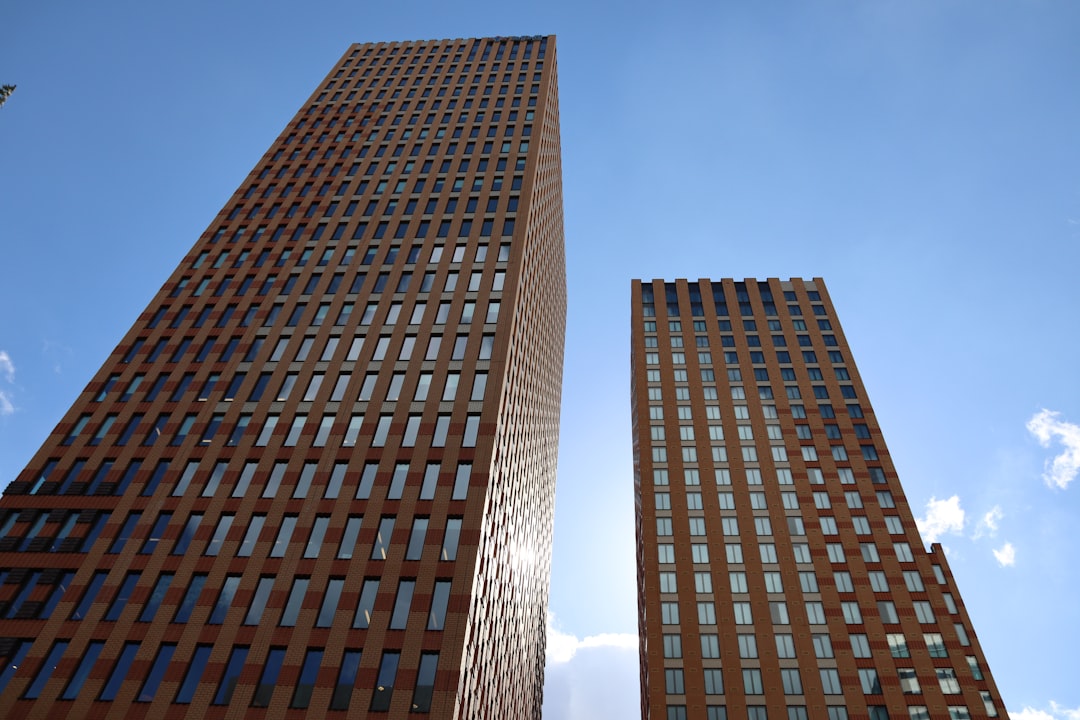
Local office values reveal a two-speed trend amid rising vacancy rates.

Event signals firm-level risk-control action; local brokerage landscape may see reputational recalibration.

Revenue growth contrasts with varied profitability performance.

Cross-border capital flows to MENA as US-Canada deal activity remains subdued.
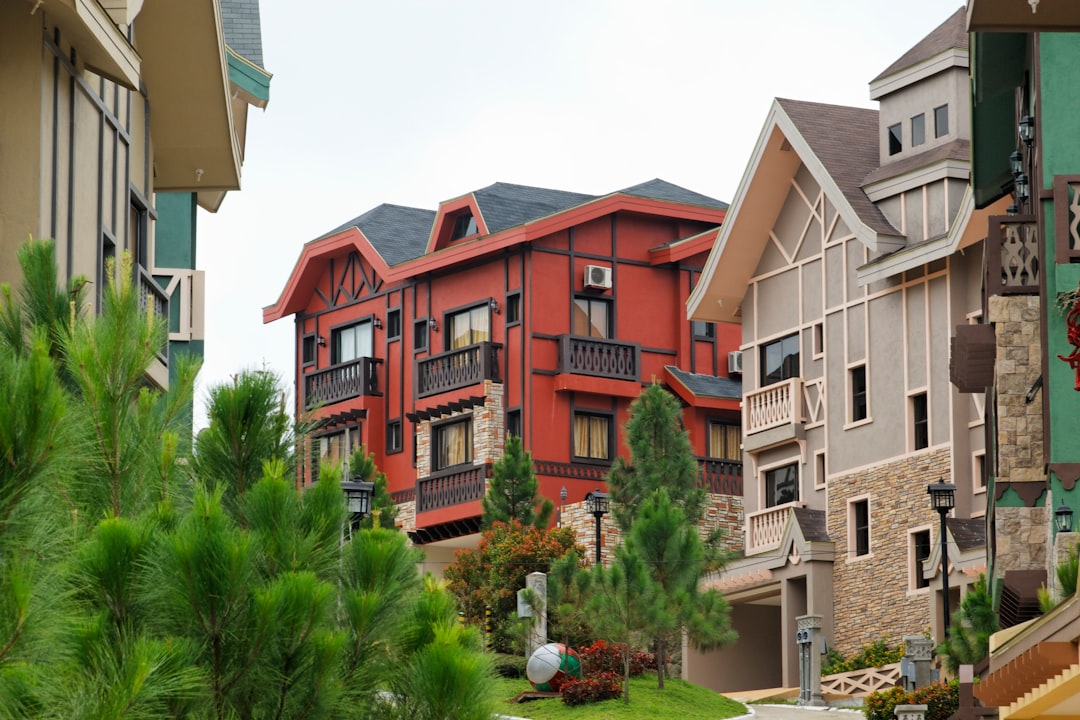
Regulatory uncertainty places upward pressure on multifamily pricing strategies.

Blackstone's latest fund signals sustained capital inflow amid market challenges.
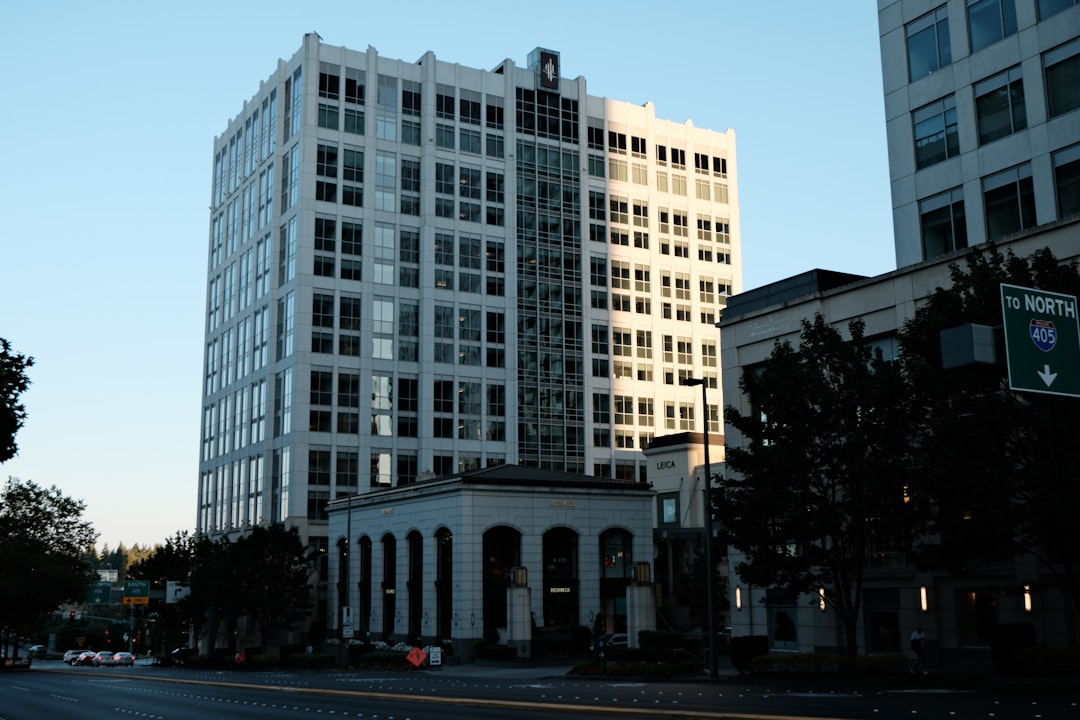
Institutional trophy assets endure capital pressures as local office recovery falters.
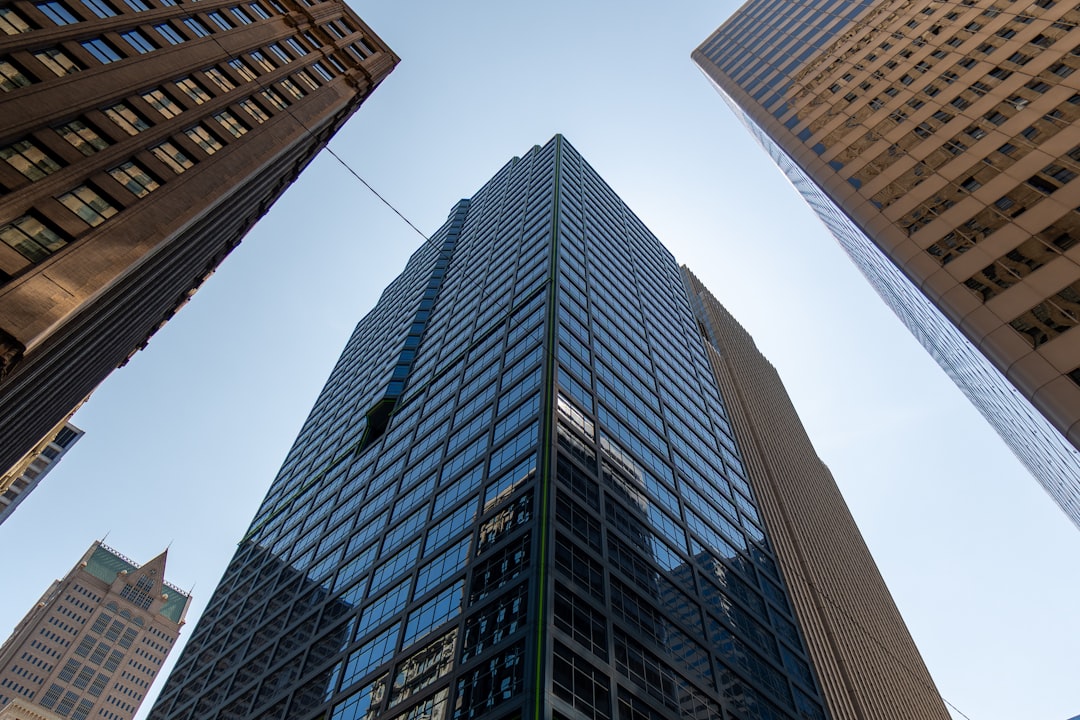
office markets persist; institutional lenders complete large refinancing in prime Manhattan submarket..

National distress filings climb, but private capital solutions outpace formal bankruptcy activity.
Institutional capital reassesses New York exposure as rent law debate intensifies.
Institutional capital signals risk repricing in senior housing sector.

Institutional capital focuses on hyperscale, while smaller operators see limited activity

Institutional interest in data centers intensifies as land values soar in Northern Virginia.

Mixed performance in multifamily markets reflects divergent institutional and local investment behaviors.
Leasing volume remains steady while availability signals bifurcation in the market.
Mixed trends in the U.S. office market show a bifurcation in value and leasing dynamics.

Divergent trends in institutional and small deal volumes signal mixed market recovery.

Divergence in capital markets reflects risk stratification in U.S. CRE.

Analysis of CRE's bifurcated landscape reveals contrasting sector performances.
National capital markets show a bifurcated recovery in Q3 2025.
Mixed signals in capital markets highlight diverging asset performance.
Institutional lender backs urban infill amid tightening construction lending.

Federal Reserve's steady rates reflect caution amid mixed CMBS spreads and macroeconomic risks.

Two-Speed Market as Nonbank Capital Expands Role in CRE Lending

Divergence in U.S. commercial real estate transaction volumes indicates sector-specific investment opportunities.

Increased leasing activity boosts JLL's revenue and outlook for 2025.

Diverging trends in global CRE investment volumes signal market differentiation.

Institutional capital steps in to fill CRE lending gap as banks retreat

Mixed signals in CRE as data centers and industrial outperform despite overall transaction decline.

Divergent trends reveal mixed recovery in retail leasing and occupancy.

Stability in pricing contrasts with ongoing challenges in the office sector.

Record closures signal bifurcation in office market dynamics affecting capital behavior.

Mixed signals in commercial real estate as industrial and data centers gain traction amid declining overall deal volume.
Tech firm Sigma Computing's lease growth reflects Manhattan's office market recovery.
Significant refinancing underscores continued confidence in Long Island City’s multifamily market.
Major financing signals ongoing confidence in Miami’s residential market.

Softening residential sales drive significant earnings decline for brokerage.

MCB’s increased bid reflects growing confidence in retail assets.Dateline

Analysis of leasing trends reflects shifting capital flows in U.S. office markets.
Election result could redefine multifamily and commercial real estate landscape in NYC.

Cautious debt capital growth amid rising interest rates
Emerging signs of office demand recovery are moderating the risk premium in major U.S. gateway markets.

Surging vacancy rates challenge office asset values, reshaping capital flows and leasing strategies in gateway and secondary markets.

Disciplined pricing persists as warehouse absorption slows; developers calibrate risk while institutional capital monitors excess inventory.
Midwest assets attract disciplined capital as industrial fundamentals outperform softer national metrics amid persistent rate headwinds.

Subdued leasing gains face rising financing barriers as capital constraints persist in gateway office markets.
Distress-driven sales and rising vacancies force a repricing in core U.S. office markets, signaling shifts in capital and leasing behavior.

E-commerce expansion steadies Midwest warehouse demand as construction revives.
Lower yields steady cap rates and reopen deal flow, but underwriting stays defensive.

Slower relief, selective credit—capital finds footing amid Fed debate
Tight vacancies and disciplined supply keep Texas retail steady as shoppers slow.

Flight-to-quality solidifies as trophy assets stabilize occupancy while older offices confront obsolescence and capital strain.

National rents fall 0.8% in October as new supply surges; multifamily operators shift from growth to preservation
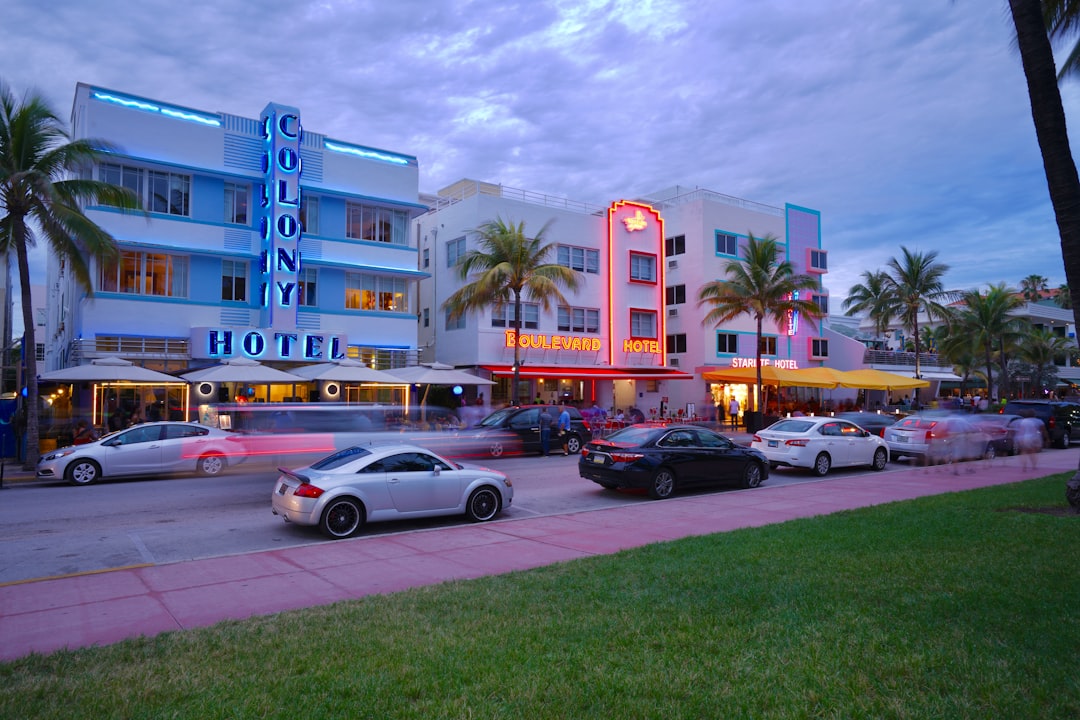
Leisure demand keeps Florida’s hospitality market near full occupancy as costs and capital tighten
Trophy assets lure global capital while weaker offices face a slow, disciplined recovery.

Easing policy and tighter spreads revive apartment financing, signaling renewed capital confidence in U.S. multifamily markets.

Non-bank lenders seize share as Fed steadies rates, reshaping CRE credit channels.

Stabilized fundamentals and capital discipline are redefining the retail property cycle.
Second rate cut in two months trims borrowing costs and reignites liquidity across U.S. CRE.
A 54% YoY sales jump and $1.1 B trophy trades mark a pivotal re-pricing phase in NYC’s CRE recovery.
Population-fueled demand and selective capital discipline keep Florida’s CRE cycle in expansion mode.

Corporate investment and population growth converge, positioning Texas metros as national CRE accelerators.
Supply surge flips pricing power to renters; debt and DSCR now the fulcrum

Leasing surge resets pricing power in tight nodes

Lower yields reduce friction in CRE financing; buyers re-engage while lenders keep covenants tight.

Institutional owners are crystallizing 30–60% losses on Manhattan towers, resetting office values and reopening deal flow.
Robust presales and private wealth equity de-risk a $500M Miami Beach ultra-luxury project before construction begins.

Asset-light hotel operator implodes in New York, exposing the structural risk of master leases and “Airbnb-style” hospitality models.

A $70 million buyout secures full ownership of 3025 JFK Blvd—testing conviction in a soft lab market with 34 percent vacancy.
SOHO China’s co-founder marks her U.S. development debut, signaling global capital’s cautious re-entry into New York’s luxury market.

A $12M distressed office became a $40M data hub—proof that power now defines value.

Rising office loan distress is reshaping lender risk tolerance and underwriting discipline.

Four attorneys general move to block a $141 million rent-fixing settlement, signaling broader regulatory risk for multifamily underwriting.
Tight occupancy and modest rent gains reaffirm retail’s post-pandemic resilience.

Allocation gaps, easing rates, and a thawing credit market are setting the stage for renewed institutional capital flow into U.S. CRE.

Balanced fundamentals signal a durable floor in logistics property performance.

Sruge in new supply drives first national rent decline in 15 years

A 40% rent jump in North DFW’s luxury suburbs reveals a new equation linking construction inflation to tenant demand.

As banks shrink loan books by high-single digits, private credit floods into commercial real estate—resetting risk, cost, and control.

Transaction momentum returns as pricing discipline holds.
Wyndham’s 5% RevPAR drop flags a late-2025 plateau; owners feel the margin squeeze while franchisors grow via pipeline.
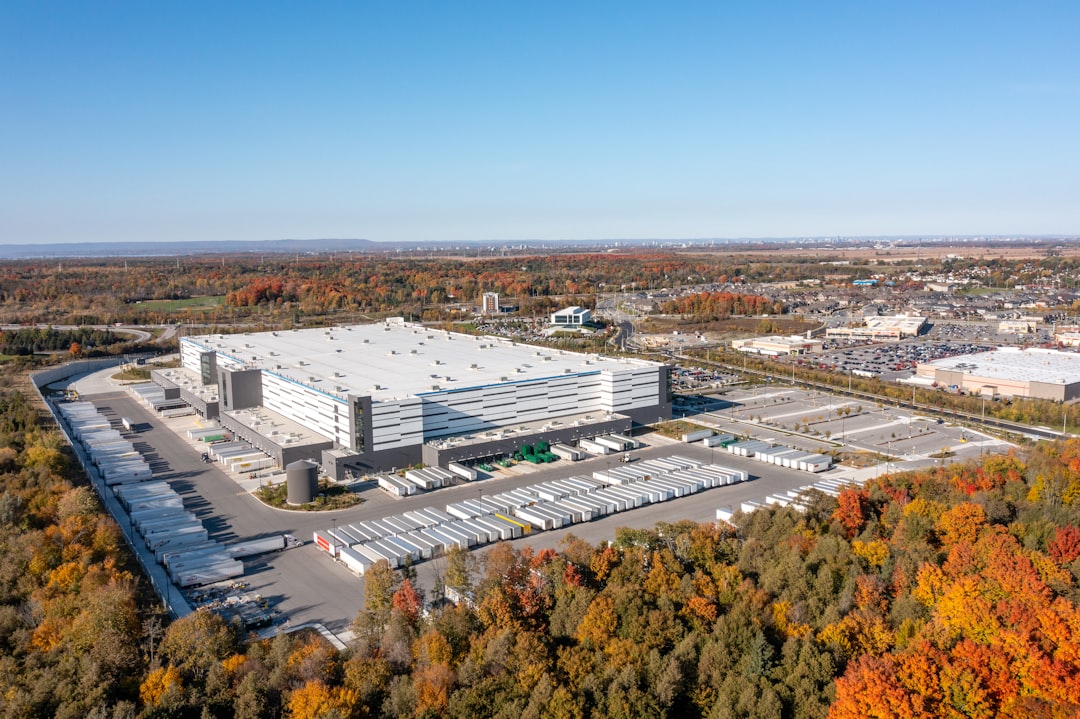
Premium-priced take-private underscores private equity’s conviction that warehouse cash flows outlast public-market fatigue.
Positive net absorption and vanishing new supply mark a structural inflection in U.S. office fundamentals.

Development pipeline contracts further while vacancy remains elevated—select markets lead the adjustment.

Office vacancy declines, leasing activity rebounds—suggesting a new phase of market stabilisation.
Lower occupancy costs and resilient in-migration keep pricing power tilted to owners—insurance remains the wild card.
Trophy trades return, reprice risk, and reset comps as institutional capital re-engages in Midtown
NYC is rewriting the office cycle: deep flight-to-quality meets real, dated rent prints.

Bargain-basement sales expose a capital reset but hint at slow healing
Distress signals jump from abstract to benchmark as 1100 Superior resets Midwest office comps.

Supply finally outruns demand as concessions widen; underwriting shifts to defense.

Low vacancy and disciplined development keep rents near records despite slower deal flow.

Distress migrates from offices to billion-dollar builds as financing tightens and maturities bite.

Capital remains confident in necessity retail as consumer restraint tempers holiday expectations

Slug: Traditional lenders retreat as private debt funds reshape CRE’s capital hierarchy Dateline: October 22 2025 — CRE360 Editorial Signal

Capital and confidence remain out of sync as hotel margins compress and bid–ask spreads widen

AI infrastructure crosses into institutional-grade real estate finance.

Domestic production and data-center demand keep the industrial engine running hot.
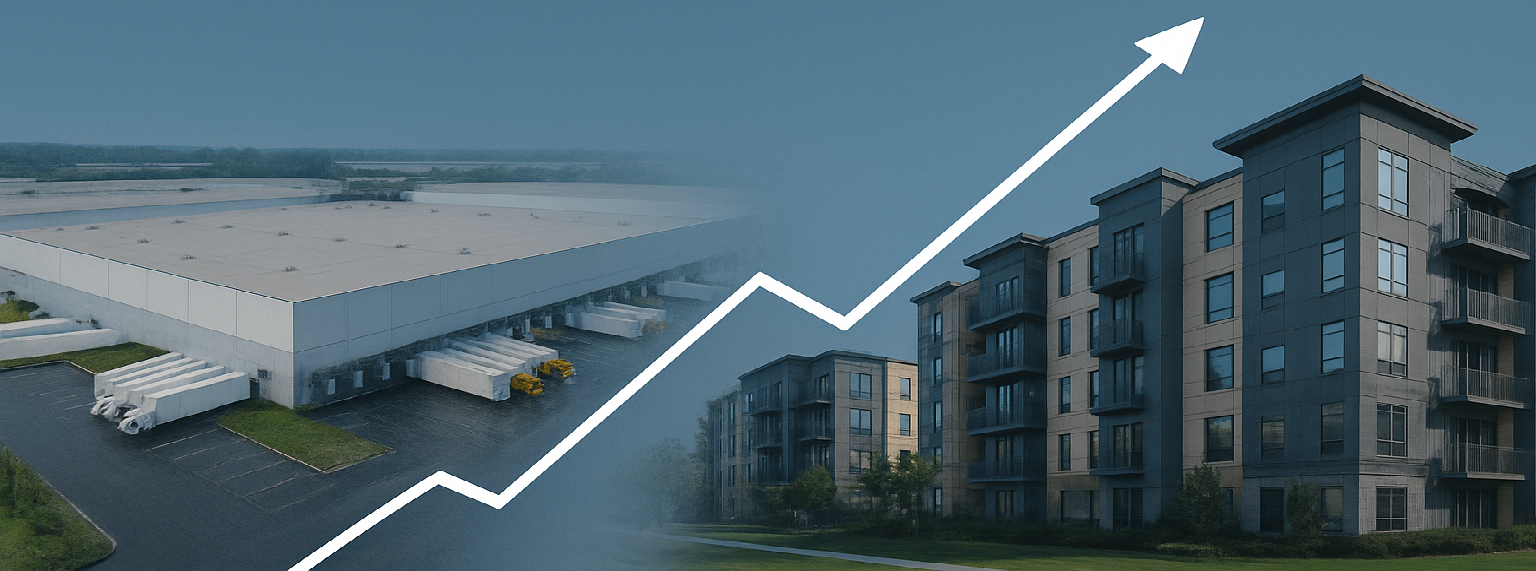
Large-check capital goes granular as portfolios freeze and sector rotation reshapes U.S. CRE allocation.

Multi-bank exposure to a $270 million loan scheme exposes structural fragility in regional lenders’ CRE portfolios.

Large-Cap Buyers Reprice and Re-Enter NYC Office

$140 B in foreign bets on Chinese real estate are unraveling, forcing fire sales and prompting a global capital retreat toward safer markets.

GIC and ADIA’s $1.1 billion refinance of Deutsche Bank Center restores confidence in trophy-grade CMBS execution.

Disciplined fundamentals sustain absorption as rent growth cools and capital flows persist.

Demand normalizes; capital insists on discipline.

Foreign inflows are recalibrating toward yield, governance, and gateway safety as capital costs reshape cross-border strategy.
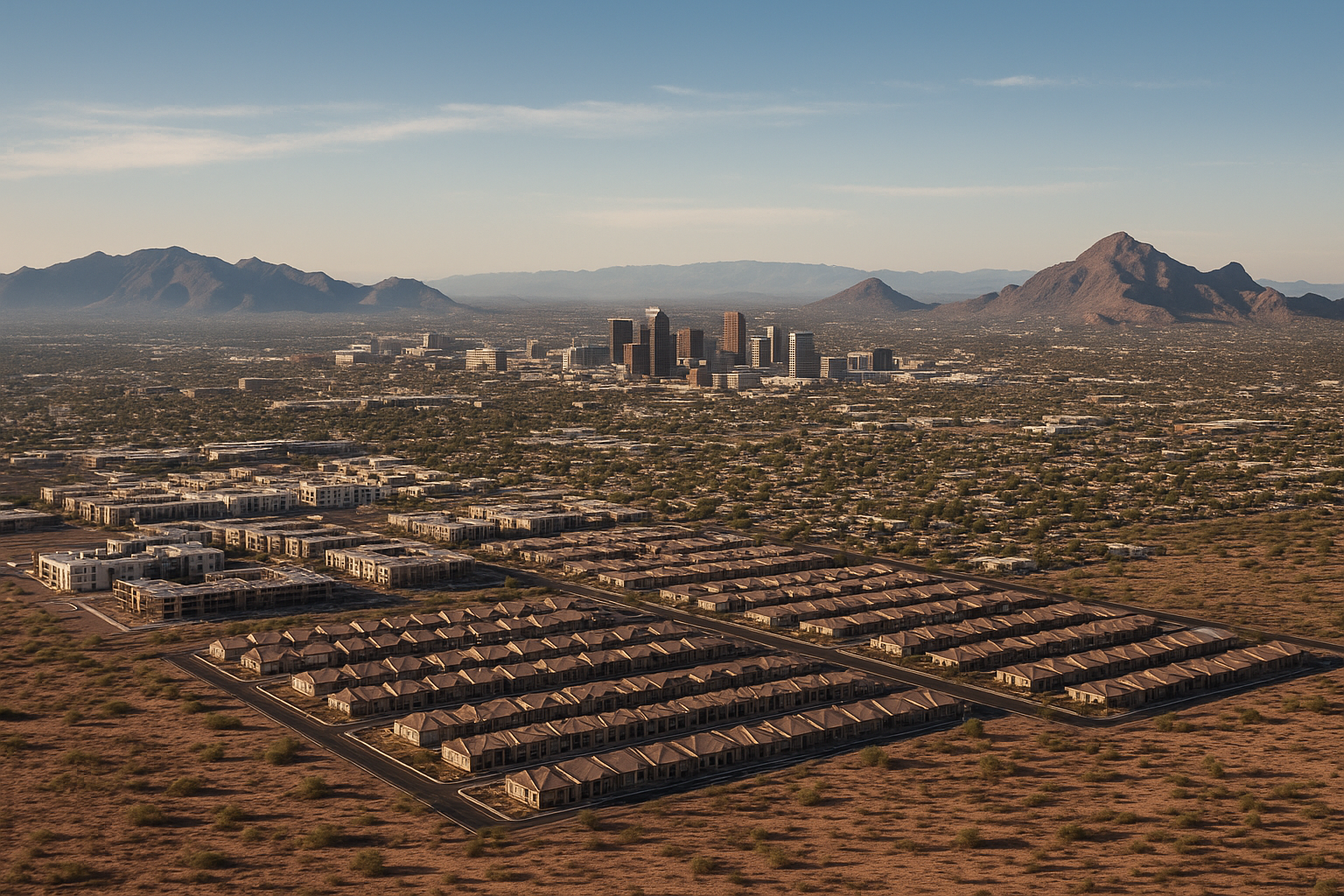
Strong population inflows sustain capital and construction momentum, but hospitality and underwriting caution temper the region’s exuberance.
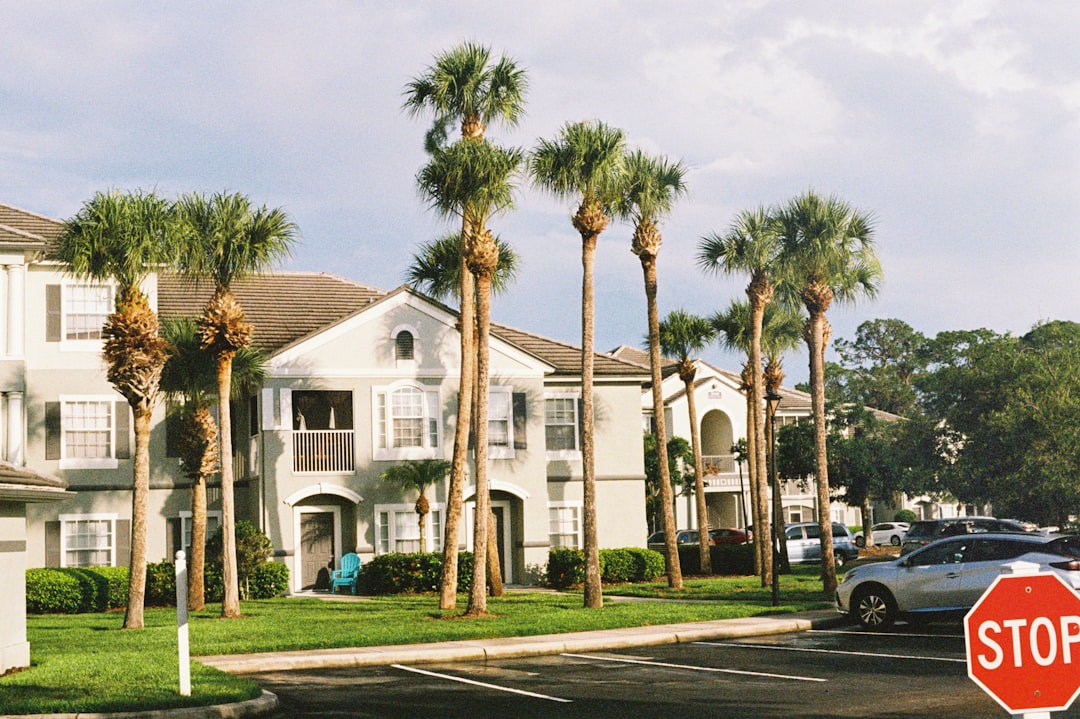
Tight vacancies, record tourism, and global capital define Florida’s CRE cycle
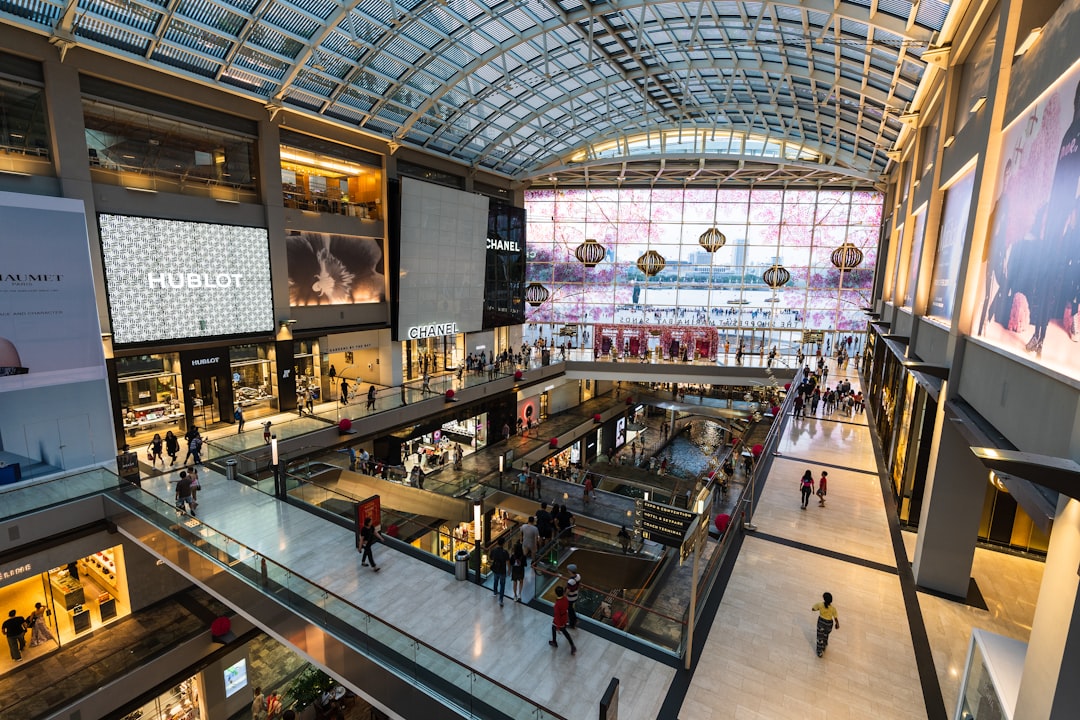
Repricing has brought discipline to a sector now trading on yield rather than fear.

Leverage meets liquidity as hotel owners confront a $5.8B debt wall while operations recover.
A record 11.13 % CMBS delinquency rate signals a historic office shake-out and a prolonged refinancing crunch.

Affluent travelers drive top-tier gains as economy hotels stall.

September’s 8.12% office delinquency rate marks a decisive turn in CRE credit stress.
Store closures accelerate — yet the remaining footprint proves stronger

Slower borrowing costs thaw CRE capital markets
BlackRock, Nvidia, and Microsoft’s record acquisition cements data centers as a core institutional asset class — merging tech and real estate capital.
Energy-ready land emerges as a new real estate asset class amid AI-driven power demand

Leasing surge confirms recovery and renews confidence in NYC’s core asset class

Loan modifications jump 66% as lenders manage distress, not defaults

A major Queens portfolio default exposes the structural fragility of New York’s regulated multifamily credit.
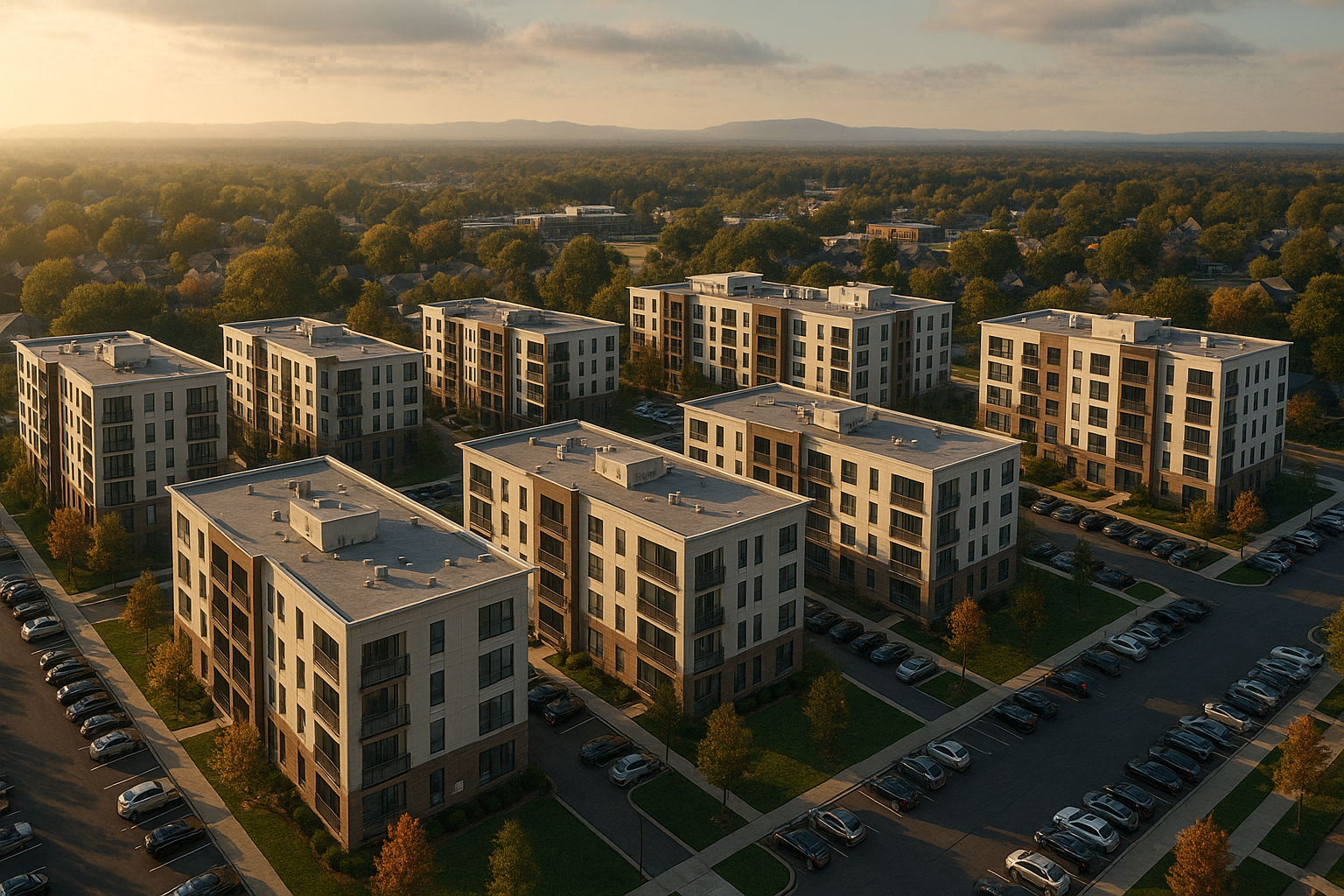
As rents post their steepest fall in 15 years, capital tightens underwriting standards and resets yield expectations.

Powell’s signal that quantitative tightening may end reshapes debt costs and sentiment across real estate finance

Degag collapse deepens Europe’s real estate credit strain, prompting tighter underwriting and exposure limits.

Massive debt-for-equity swap offers lifeline as bondholders absorb 78% losses, reshaping global views on China’s credit risk.
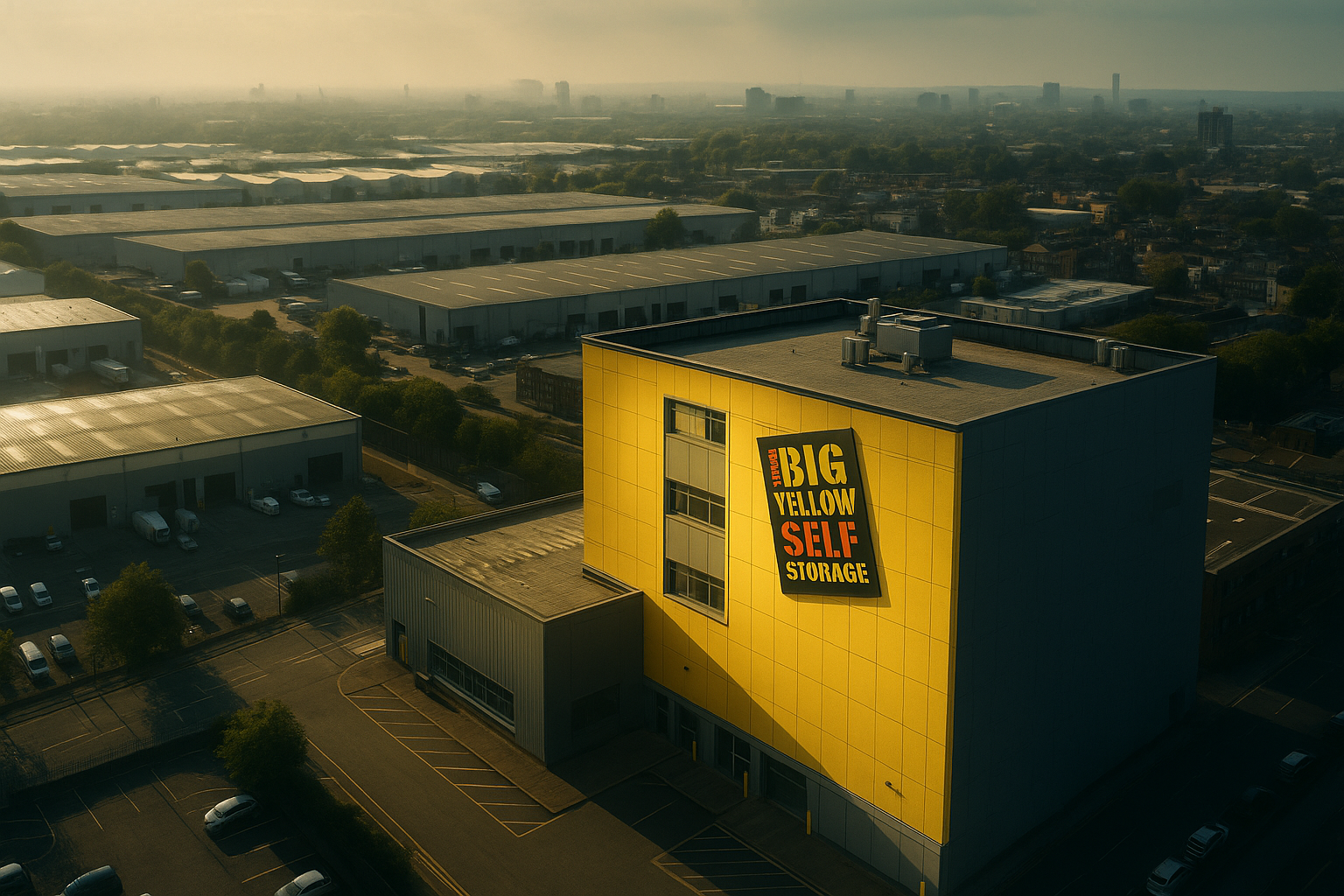
Asset swap signals shift toward equity partnerships and M&A-driven growth under sustained rate pressure.
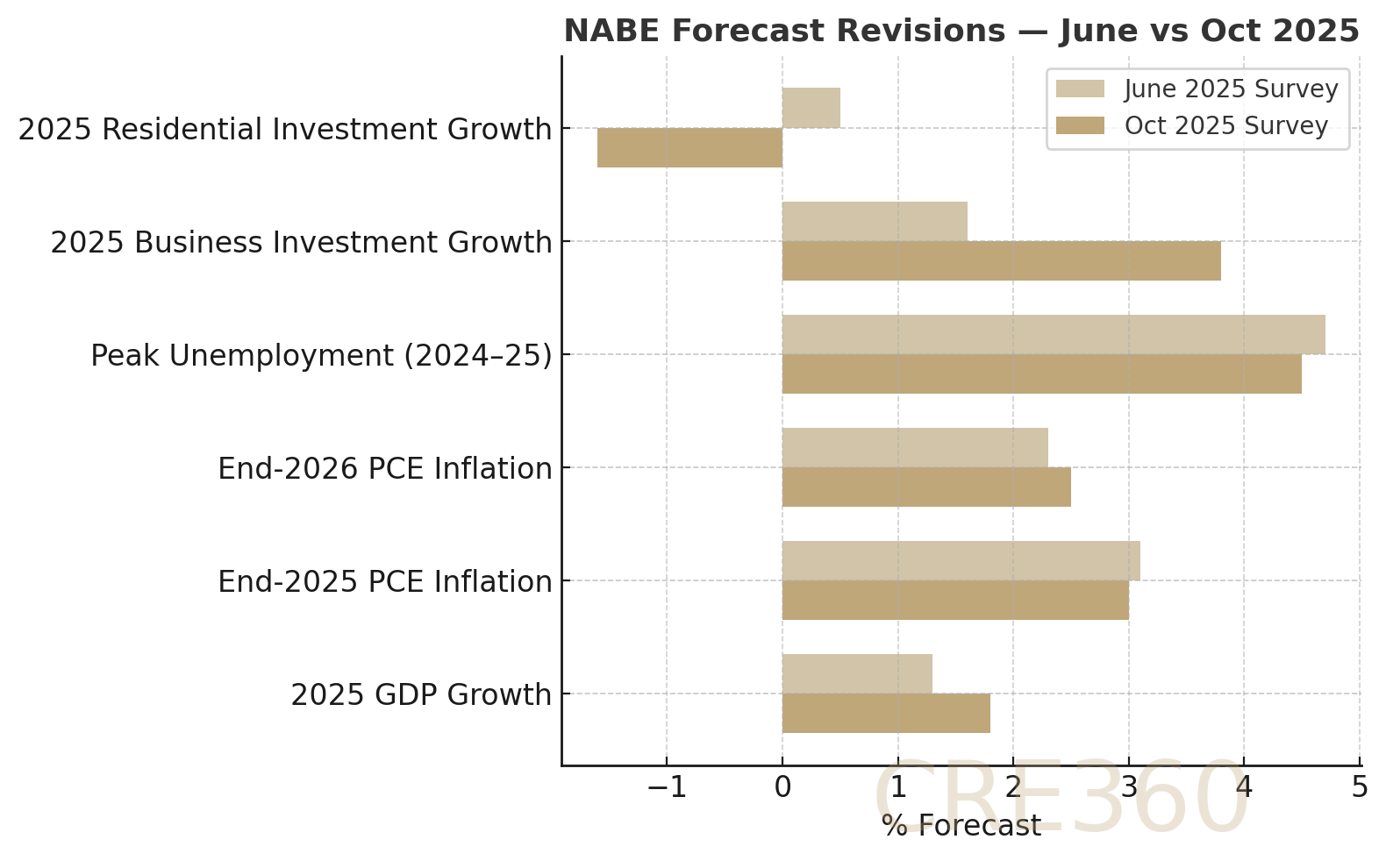
Upgraded GDP forecasts lift CRE confidence, but sticky 3% inflation keeps borrowing costs high.

Banker departures and M&A contraction signal leaner underwriting conditions across capital markets and CRE.

Multifamily rents stall as 475k new units hit the market, driving concessions and soft occupancy.

A $180M Manhattan loan default pushed office CMBS delinquencies above 8%, reshaping lender risk across the Northeast.

Yields stabilize near 6.8% as investors reengage across net lease sectors.

Lower policy rates ease borrowing costs, but CRE loan distress and tight credit temper optimism.

Green Street’s CPPI edges up, confirming pricing equilibrium and renewed deal flow in U.S. commercial real estate.

Lenders maintain strong appetite for large, stabilized warehouse portfolios amid a moderating but resilient industrial market.

Lenders are extending maturities to avoid defaults, doubling CRE loan modifications and deferring risk into 2026–2028.

$27.7 B in CRE loans reworked amid 7% refinancing rates and maturing 2025 debt.

Brookfield cuts U.S. office leadership and outsourcing ops, shifting from direct ownership to capital-light asset management.

Large-scale recap confirms lender confidence in necessity retail’s income stability.

San Francisco’s 800 Market St. sale at $344/sf signals a new pricing floor as office distress deepens.
New disclosure rule lets modified CRE loans disappear from public view after 12 months, masking true debt stress.
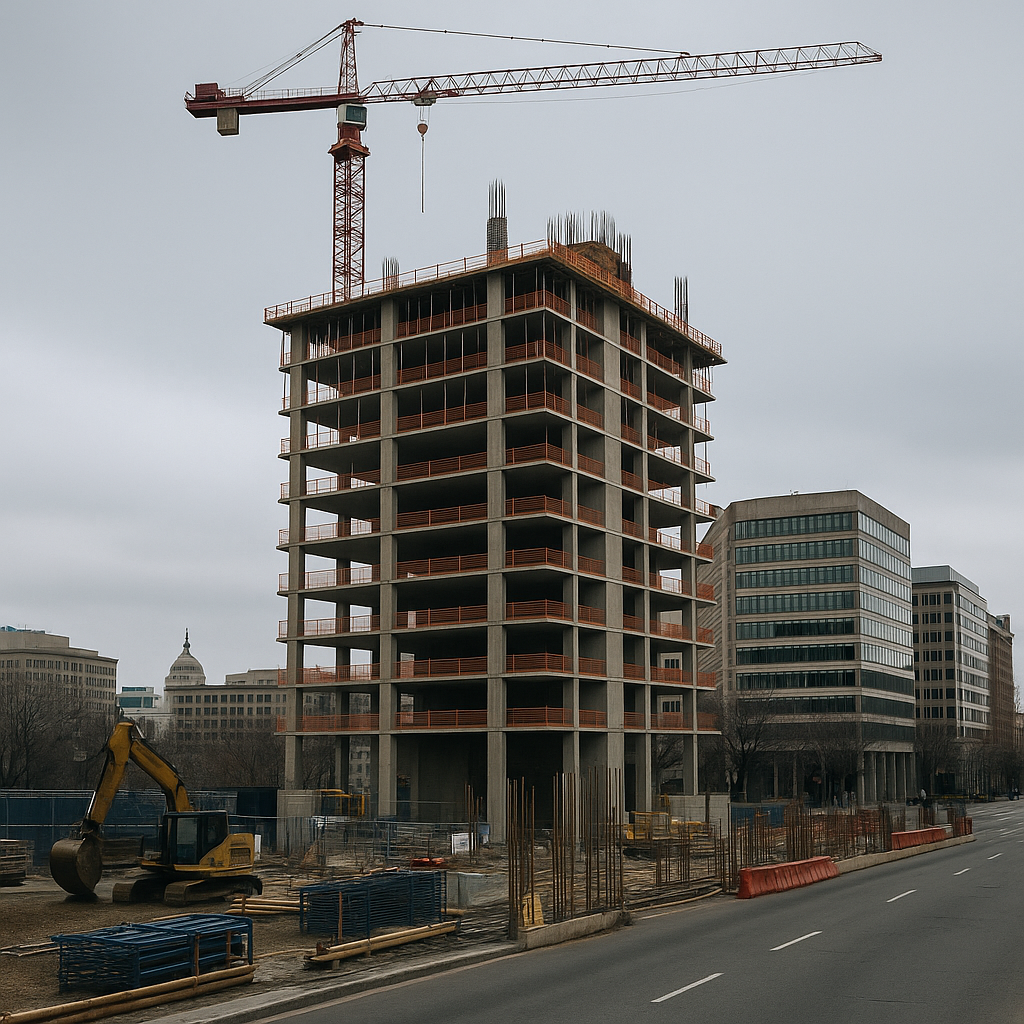
Federal paralysis halts permits, data, and loan programs—raising execution risk and widening spreads across U.S. commercial real estate.

Divergent sectors force Fed to prioritize inflation control over property market relief.

Prices stabilize; modest volume rebound supports underwriting discipline.

Suspension of key federal grants halts Chicago’s subway expansion and raises new political risk for infrastructure capital.
Record-pace leasing and falling vacancies mark a decisive Class A recovery in Manhattan office demand.
Exploding construction costs force Miami developers to reprice projects, rethink feasibility, and cap leverage.

Record-pace leasing and falling vacancies mark a decisive Class A recovery in Manhattan office demand.
Exploding construction costs force Miami developers to reprice projects, rethink feasibility, and cap leverage.
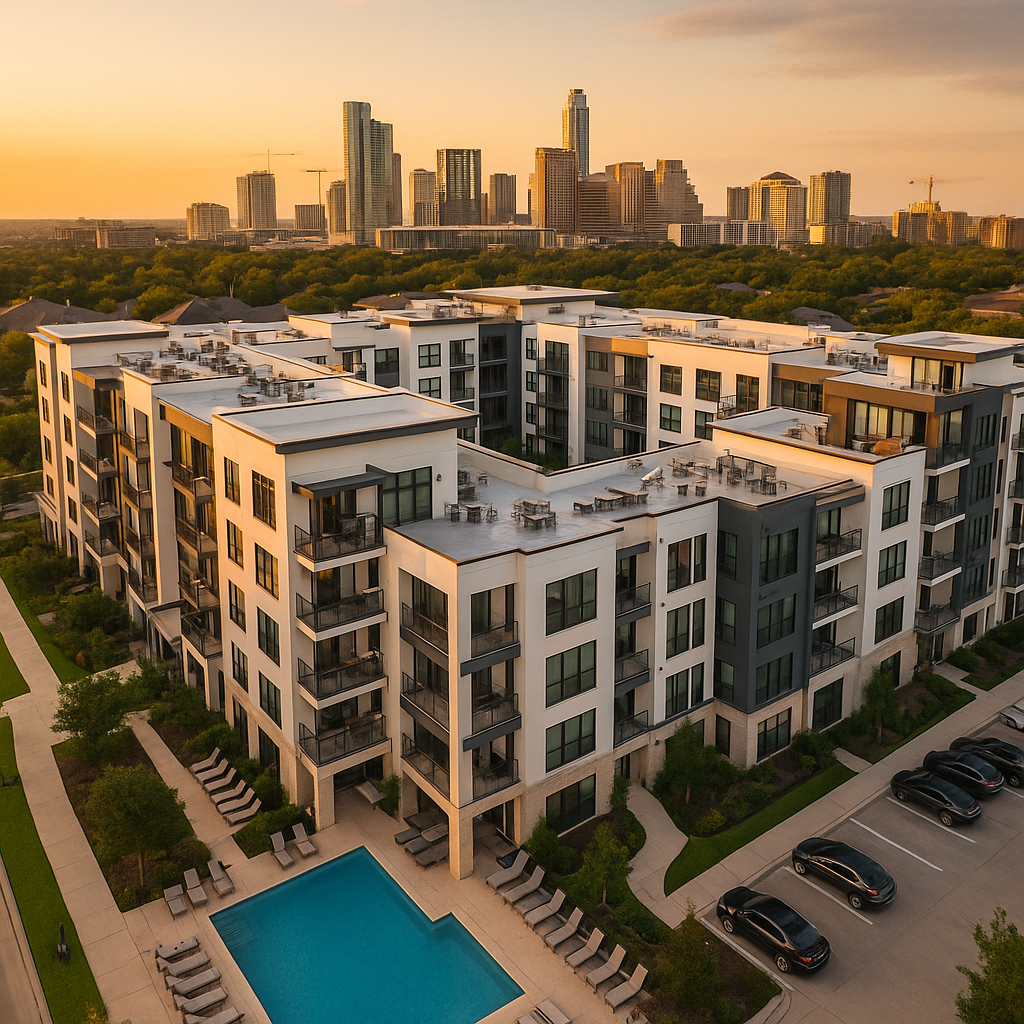
Exploding construction costs force Miami developers to reprice projects, rethink feasibility, and cap leverage.
SF and LA face historic office vacancies; conversions, deep discounts, and high-risk underwriting dominate current capital playbooks.
CRE transaction volumes up 10% in 2025 as rates plateau, drawing capital back to multifamily, industrial, and debt-backed dealmaking.
Class A assets attract bids near peak while transitional deals sit idle.
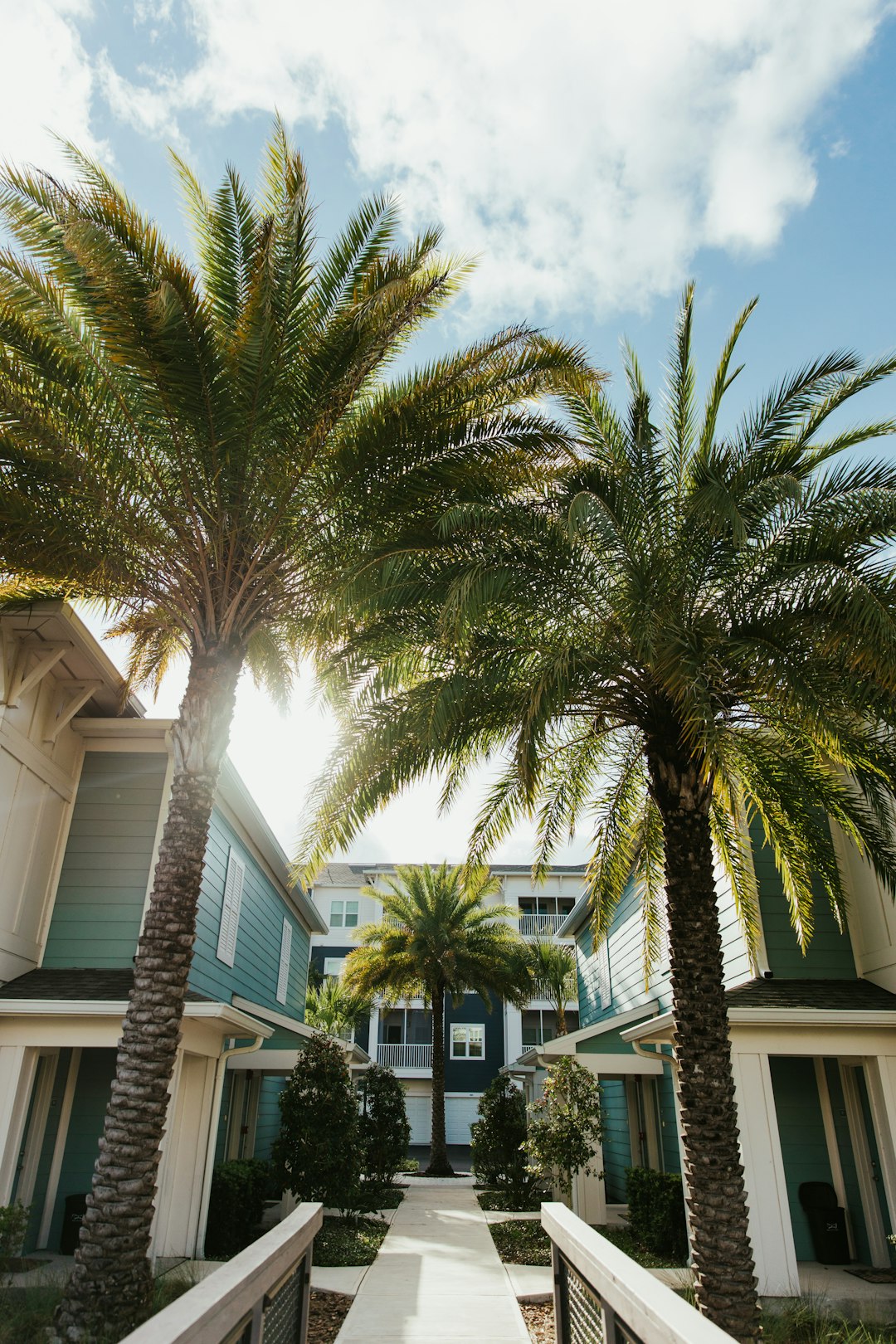
Venezuelan outflows trigger vacancies in Doral, accelerating Florida’s broader multifamily rent plateau.

2024’s record deliveries pushed vacancies to ~12%, but with new supply plunging 50%, Texas multifamily is stabilizing fast.
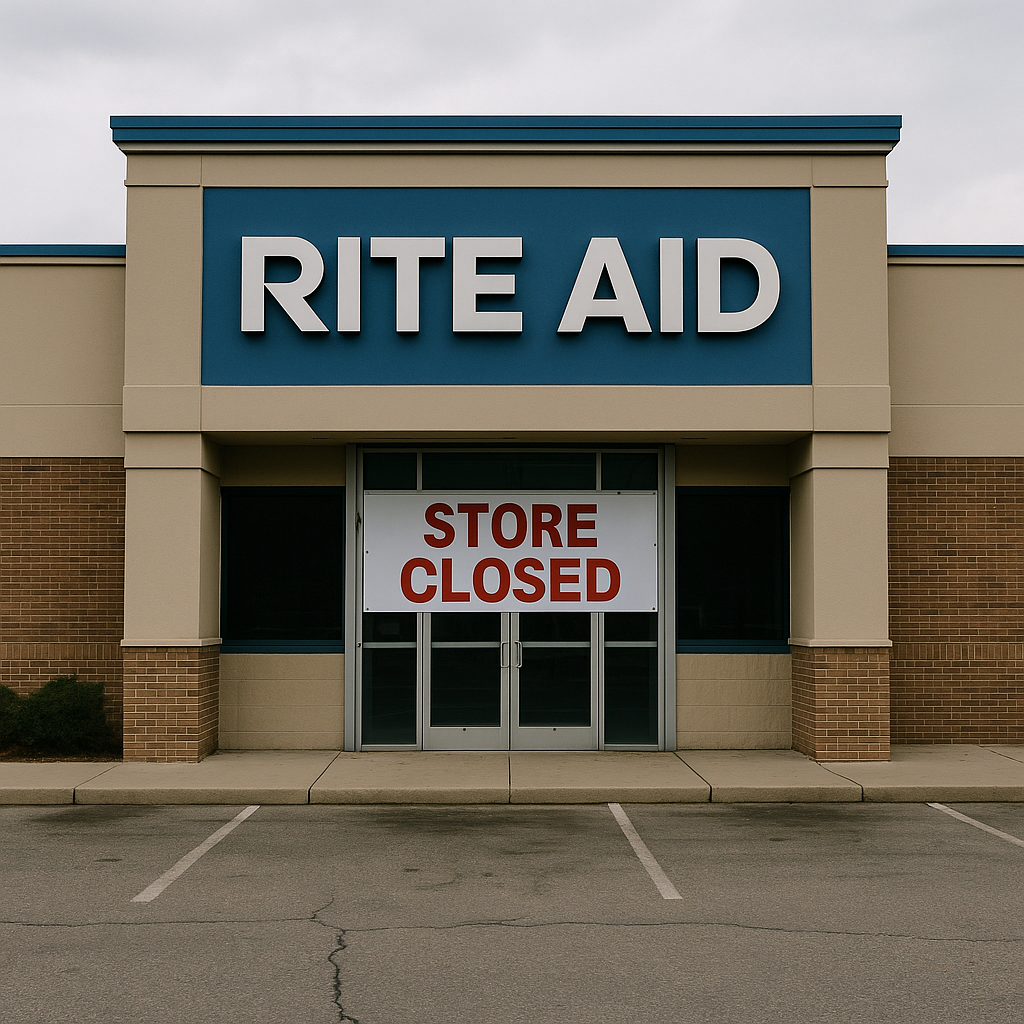
7M+ SF of shuttered stores strain REITs, CMBS, and retenanting models in secondary markets.

FTC suit, CoStar clash, and rival momentum threaten Zillow’s dominance—and could reshape how listings platforms monetize housing data.
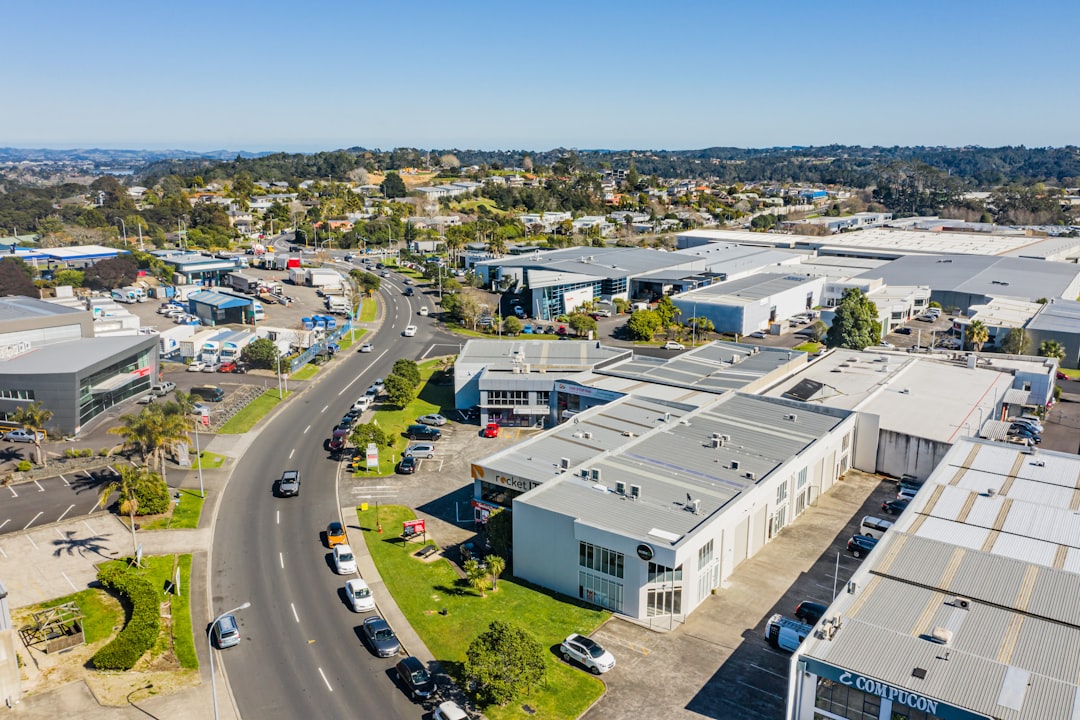
Institutional landlords now control 17% of U.S. logistics assets, reshaping valuation, yield, and competition.
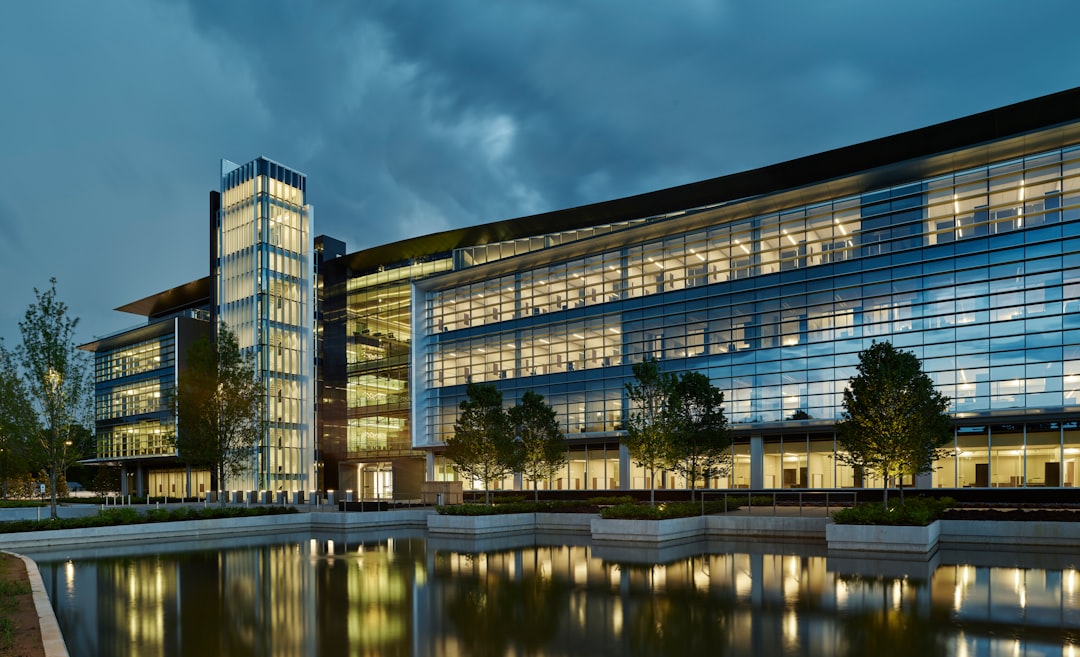
ISS and Glass Lewis endorse C&W’s Bermuda redomiciliation, citing governance flexibility and $3M in annual savings.

Federal layoffs and withheld paychecks push listings up ~55% as buyer sentiment falters across the capital region.
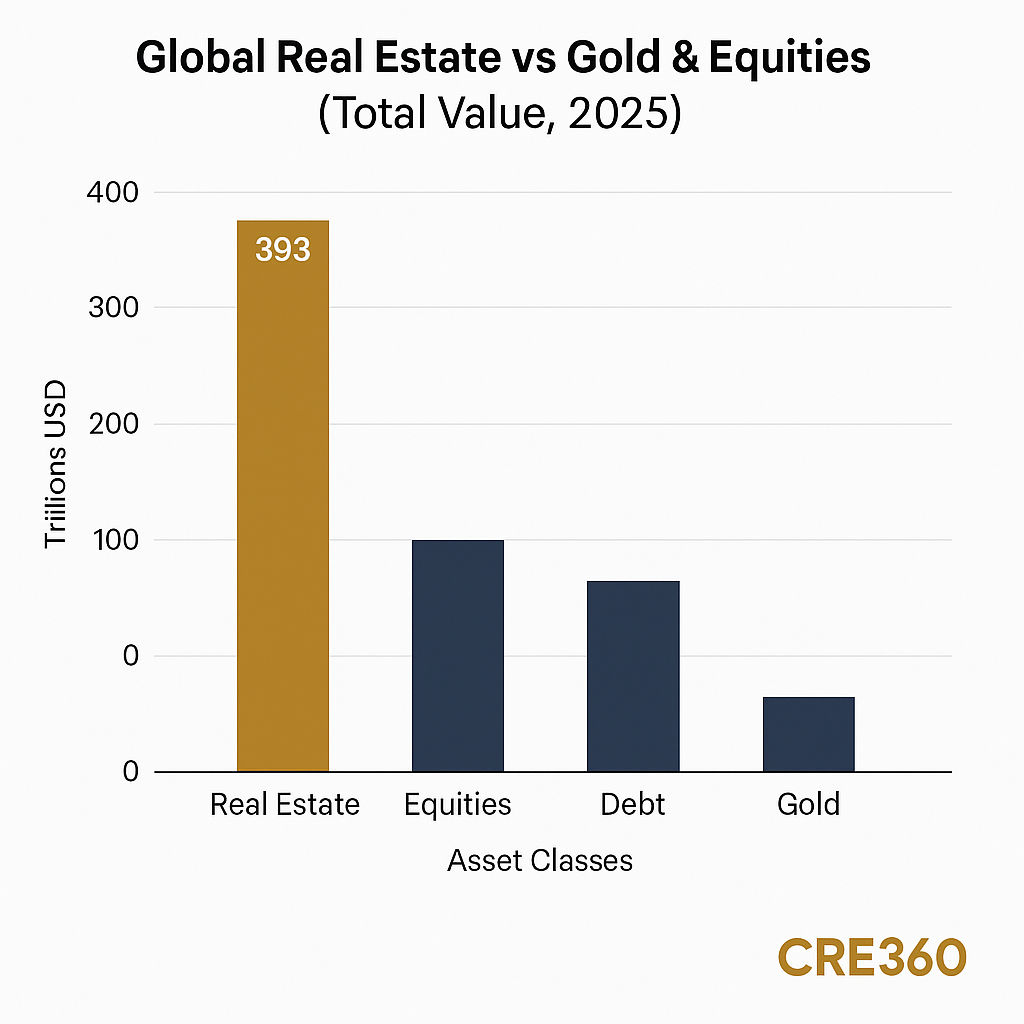
Property is the world’s largest store of wealth — quadruple global GDP and 20× the value of all gold.

State restrictions and waning foreign allocations leave U.S. property reliant on domestic syndicates.

Investors pivot from secondary retail toward AI, ESG-compliant assets as capital reallocates globally.

Record deals, double-digit yields, and Golden Visa inflows keep Dubai ahead of global peers.
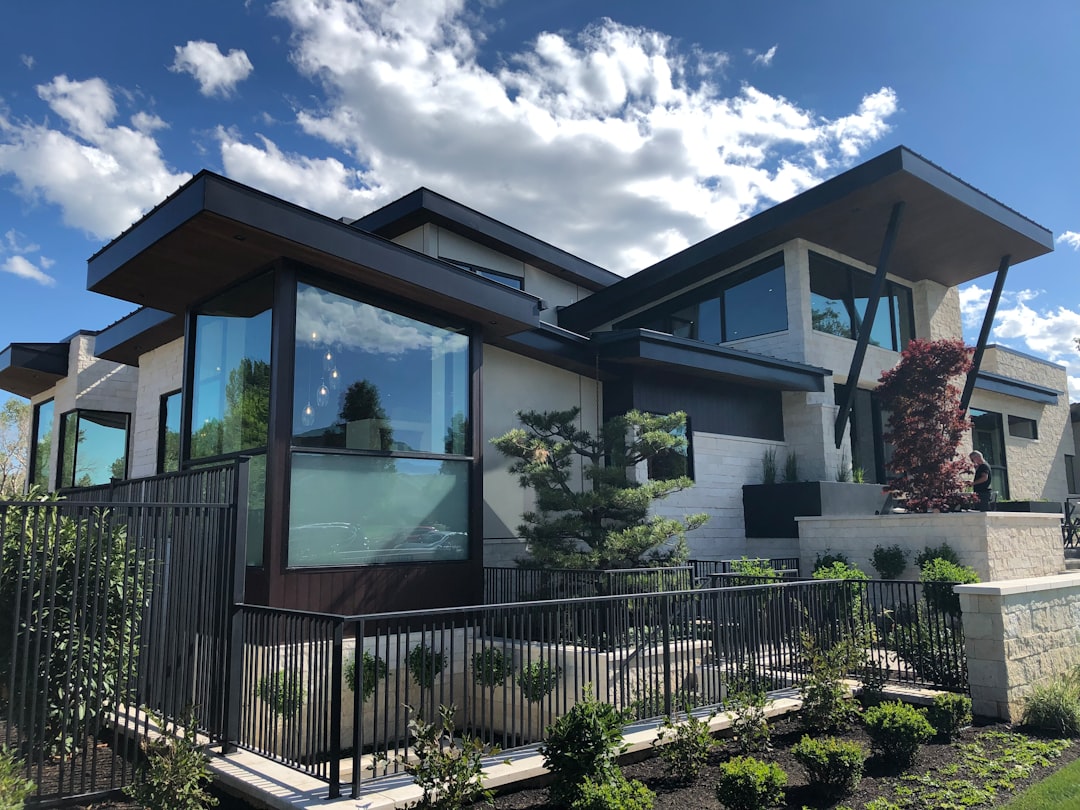
High-end housing faces thinning buyers, forcing repricing and longer absorption timelines.
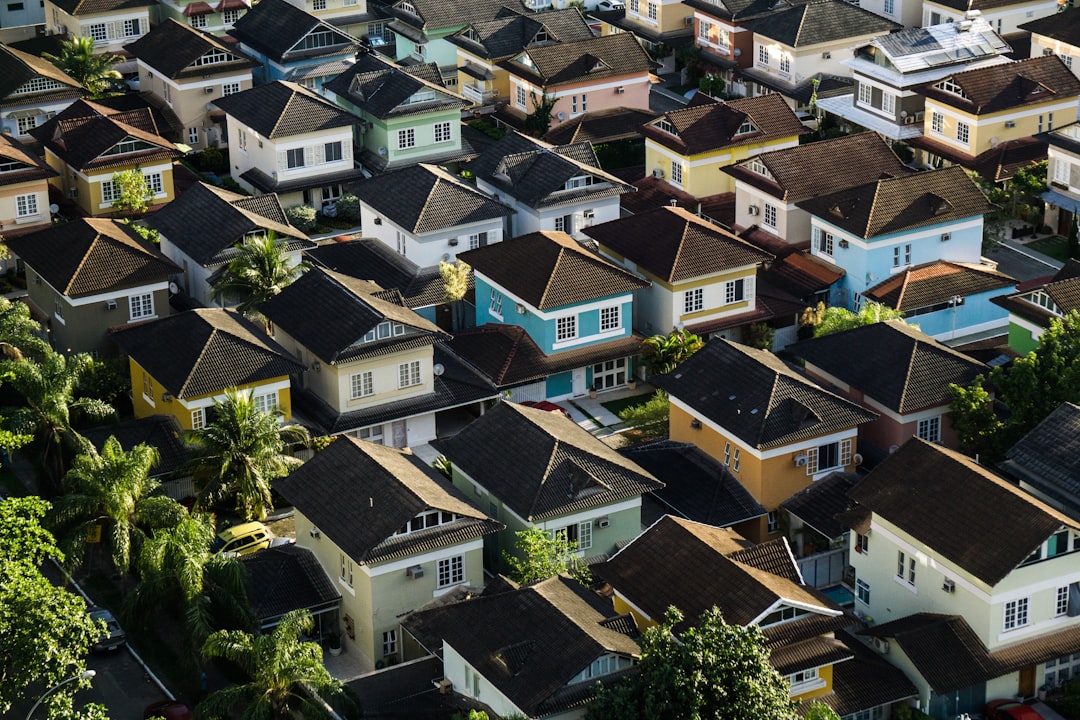
Investors pivot from secondary retail toward AI, ESG-compliant assets as capital reallocates globally.

Shrinking foreign inflows leave U.S. CRE reliant on selective capital and domestic syndicates.

Microsoft’s exit leaves Bravern Commons empty, triggering default and underscoring risks of tenant concentration in office underwriting.

Landmark deal curbs algorithmic rent setting, reshaping underwriting and tenant retention in multifamily.

Trophy Manhattan offices repriced; equity-led recaps set new comps and reopen execution for patient operators.
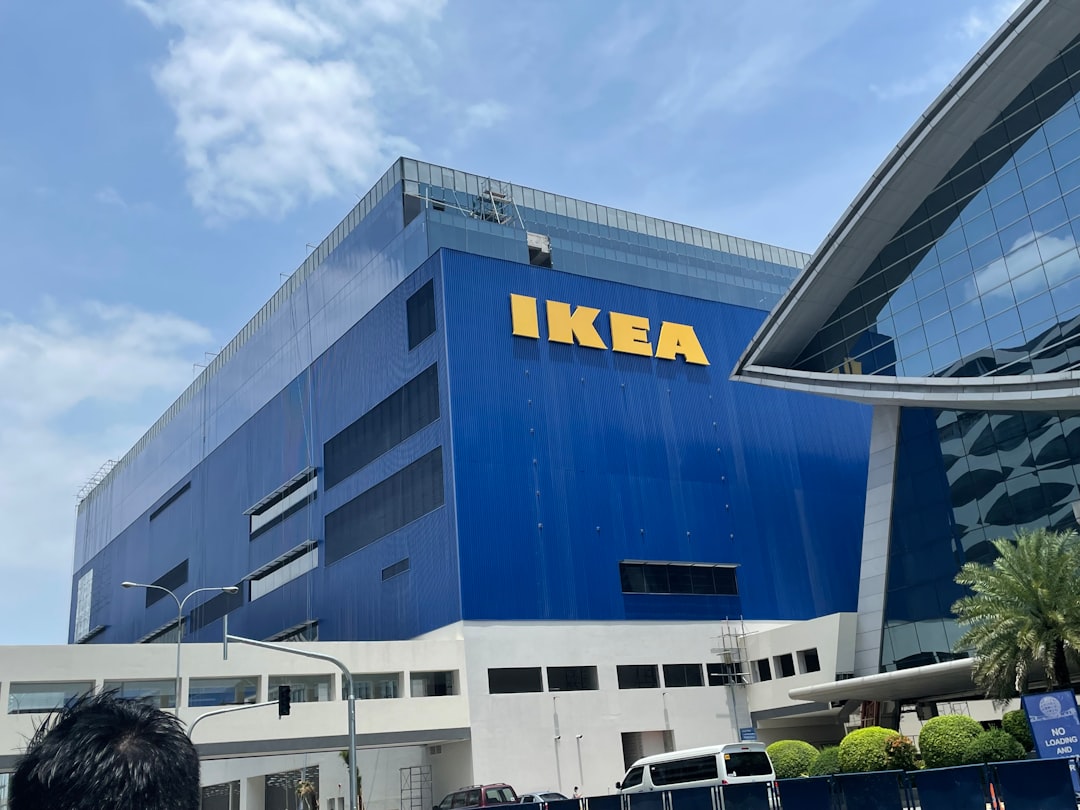
IKEA’s $213M SoHo buy blends flagship retail with new boutique offices, testing Manhattan’s post-pandemic urban demand.
Record IPO capitalizes on AI demand, but execution risks loom over phased Amarillo megacampus build.

Antitrust suit targets $100M deal alleged to inflate rental listing costs for multifamily owners.

U.S. hospitality now employs 2.1M more workers than 2020, but at 35% higher wages.
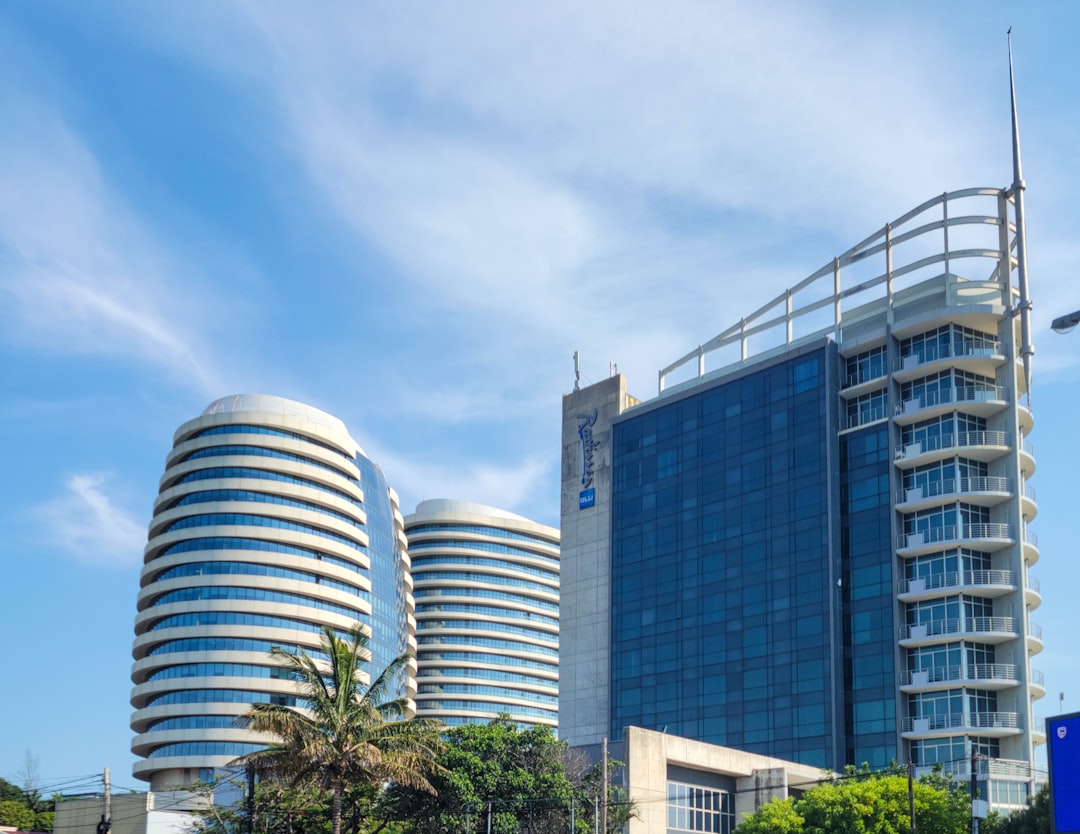
Large, institutional assets are rebounding, while smaller property values remain under pressure.

Steel, aluminum, and copper tariffs lift construction budgets +4.6%, delaying starts and straining project feasibility.

Hotel RevPAR dipped –1.4% YoY as occupancy softness offsets resilient ADR, pressuring underwriting assumptions.

August saw steady $100M+ deals and active mid-market trades, signaling disciplined but ongoing liquidity in U.S. CRE.

Net-leased childcare centers attract repeat buyers with yield premiums and long leases, even as borrowing costs remain high.

Sustainability shifts from compliance cost to income driver, shaping underwriting, financing, and exit values.
Conversions surge as office vacancies mount and housing incentives drive Manhattan’s largest adaptive reuse wave since 2008.

Square 67 trades swiftly, proving Sunbelt retail’s resilience and liquidity amid high rates.

Trophy listing will benchmark SF office values and financing.

Office vacancy reached 20.7% in Q2 2025, straining cash flows, refinancing, and valuations amid a $290B debt wall.

Debt funds and CMBS re-open the channel, easing execution for qualify-to-close CRE.
Illiquidity deepens as capital shuns equity, favoring debt; stranded assets face stalled sales.

Early 2025 leasing and survey data signal a tentative floor for B/C office pricing and demand.

15-year hyperscale lease underpins Keppel’s $555M Inzai acquisition at ~4% yield.

Vacancy rises modestly, but strong demand and record permits keep Northwest Arkansas resilient against U.S. market slump.
Dallas landlord redeploys into industrial, betting on tight shallow-bay supply and sustained rent growth.

Store closures and job cuts free capital for drive-thru and tech reinvestment.

Gemini venture pools distressed Class A towers, offering liquidity lifeline to landlords under pressure.
Rent burdens and supply shortfall strain multifamily investors despite Fed rate cuts.
Bankruptcy sale of Pinnacle’s rent-stabilized portfolio resets NYC underwriting and lender recoveries.
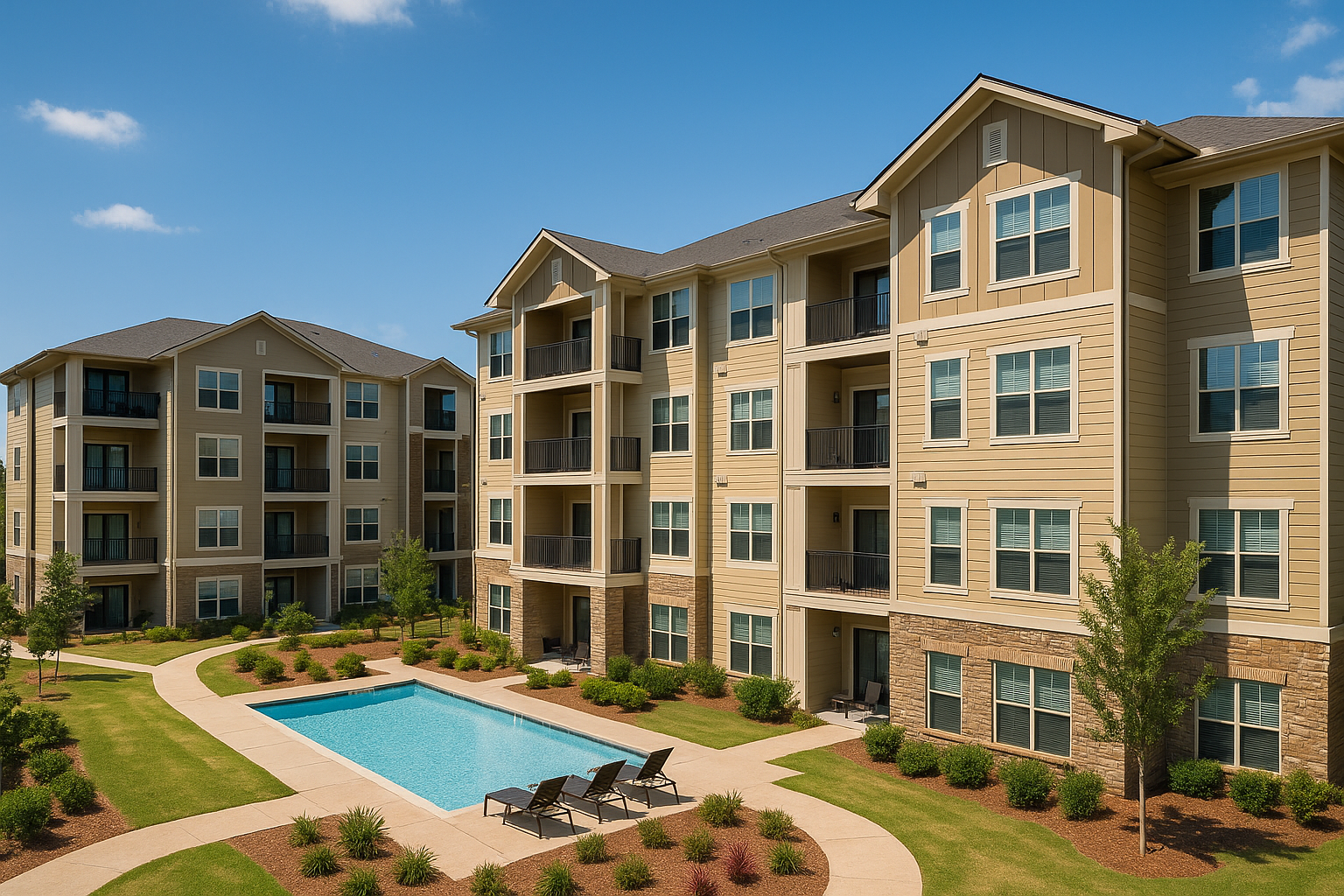
Oversubscribed raise underscores institutional appetite for value-add multifamily despite higher rates.

Major NYC hotel trade signals renewed investor confidence as borrowing costs ease and urban demand outperforms U.S. averages.

Occupancy slides to 76% as Strip resorts waive fees and cut rates to spur demand.
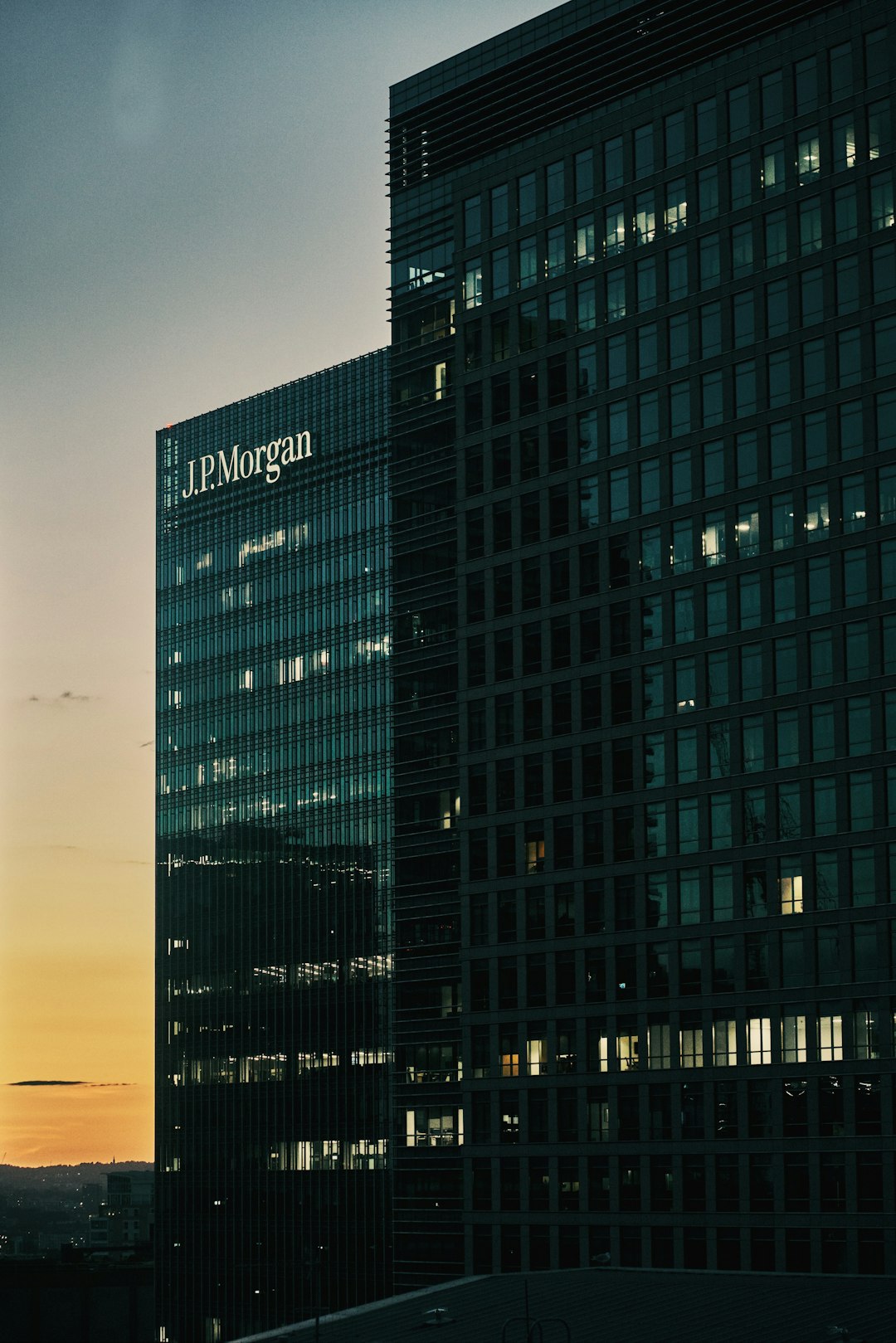
Landmark construction financing highlights lender confidence in luxury mountain resorts despite high-rate backdrop.
Columbia Sussex acquires 744-room resort, betting on a major Hilton-flag reposition despite softening local demand.

Landmark construction financing highlights lender confidence in luxury mountain resorts despite high-rate backdrop.
Surplus lab supply drives double-digit vacancy, forcing owners to weigh conversions, concessions, and distressed sales.

First rate cut in years reduces financing drag, setting stage for renewed deal flow and selective cap-rate relief.
New York Life’s $130M refinancing confirms stabilized infill industrial remains highly financeable in Southern California.

Marathon’s Richards sees rate cuts driving buyouts, private credit, and CMBS demand.

All three Manhattan casino proposals rejected; outer boroughs now favored for $11B+ gaming expansion.
$18B U.S. PACE experience drives new global initiative to unify property-linked retrofit financing.
Stabilized, small-bay portfolio clears at ~$136/SF—mid-6% yield signals durable demand for Beltway last-mile space.

Insurance premiums up 88% in 5 years, $1.4T in real estate at risk. Climate resilience moves from ESG talk to underwriting math.
Public bond capital backfills vacant office, accelerating a 2027 tech campus at below new-build cost for taxpayers.

Scale bid unites 340K agents, $10B enterprise—capital tests if consolidation can offset housing slump.
Expansion cements SE Wisconsin as a hyperscale hub, with spillover demand for industrial land, power, and supplier space.
First major public-to-private office deal signals patient capital returning to NYC and SF trophy towers.
Swift leadership transition signals governance strength and renewed liquidity for CRE’s largest private
Expansion cements SE Wisconsin as a hyperscale hub, with spillover demand for industrial land, power, and supplier space.
Big-check capital targets manufactured housing for durable yields and low capex.

Origination and issuance tick up as non-banks re-enter; banks stay selective, terms improve modestly for well-structured deals.
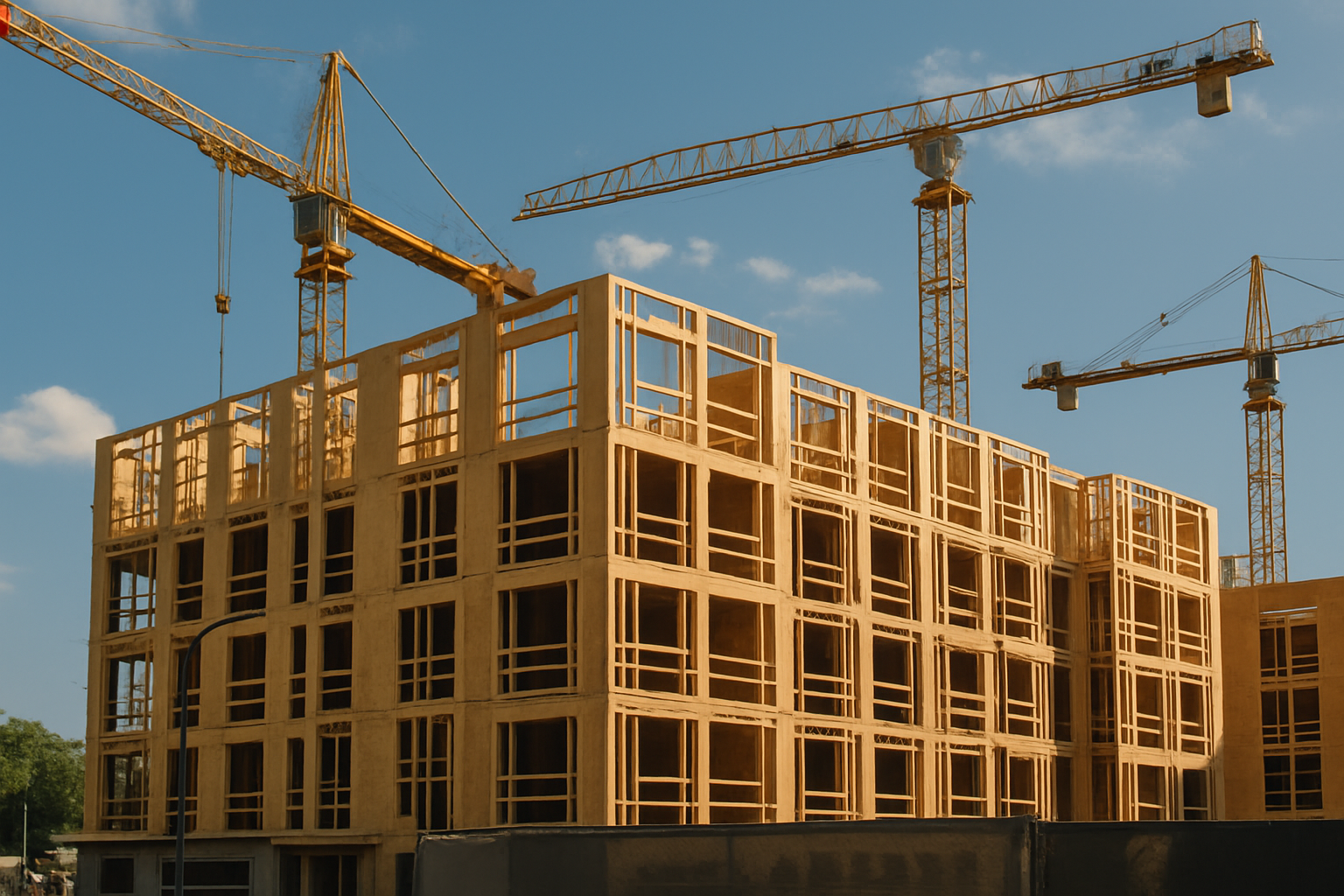
Cooling permits and a thinning MF pipeline ease 2026 supply pressure—supportive for rent stabilization in overbuilt nodes.
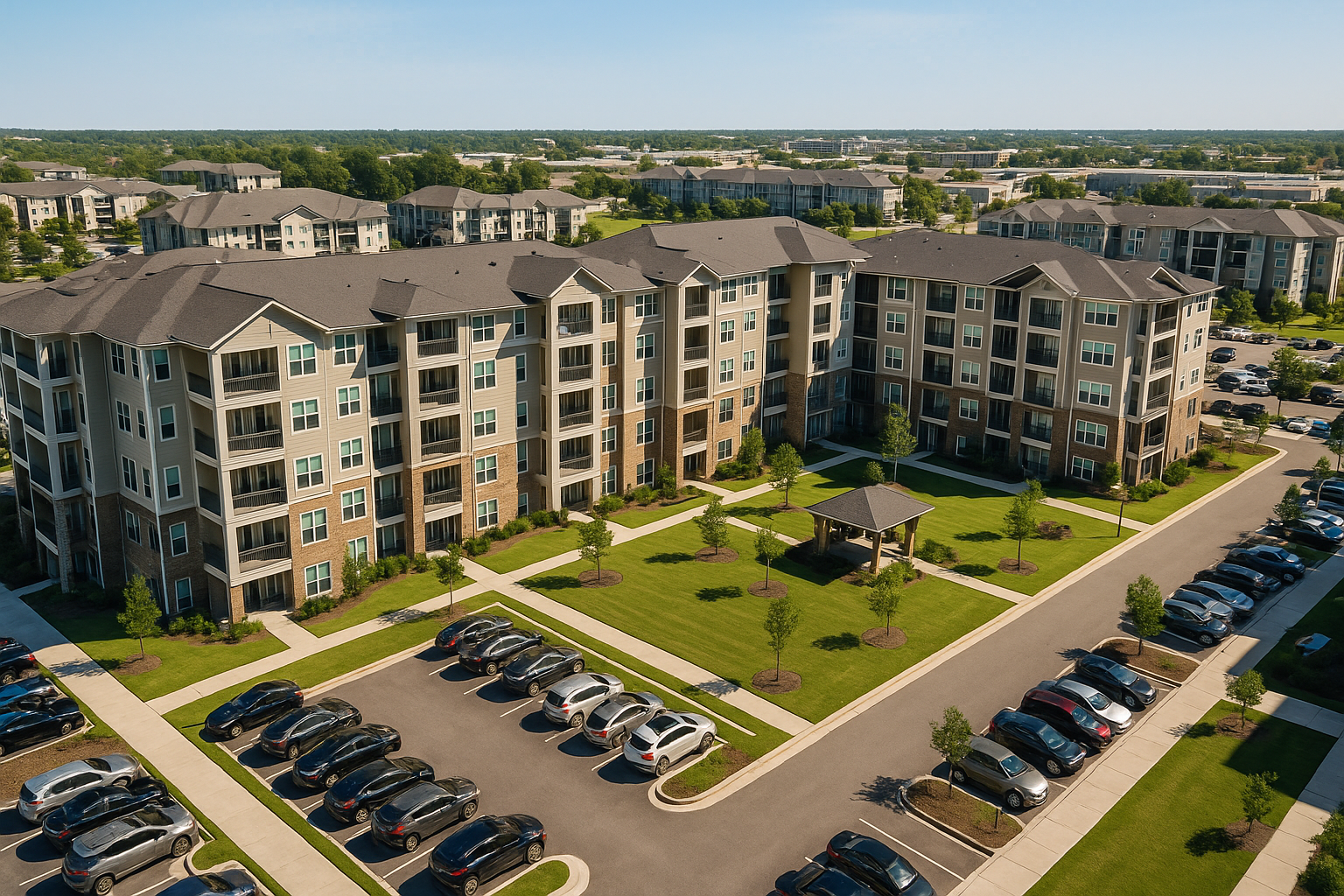
Easing base rates lower agency coupons and bridge carry, nudging DSCR over the line in stabilized markets.

Fortress buys four UPS assets; pricing and credit signal resilient industrial financing.

Easing cycle begins; refinancing window cracks open but spreads and underwriting remain tight for CRE.
Portfolio transfer highlights capital rotation into multifamily as developers retreat and long-term operators expand.

Corporate balance sheets, not debt markets, are fueling the Midwest’s emergence as a hyperscale AI infrastructure hub.

PJM capacity costs jump 6× as hyperscale projects flood Pennsylvania, raising financing risk for CRE linked to power-intensive users.
Toll exits rentals, Kennedy Wilson gains $5B pipeline — a late-cycle bet on multifamily resilience.

Public-private deal unlocks stadium plus 6,000 homes; muni bonds fund infrastructure, private equity funds venue.
Maple Plaza trades at ~$700/sf, defying office downturn with flight-to-quality pricing.

Rising vacancies press leasing and pricing strategies in U.S. industrial markets.

Office demand lags as key sectors underperform, impacting financing and leasing dynamics.

Brookfield’s $400 million revamp fills 660 Fifth, highlighting NYC's flight-to-quality in office leasing.

New co-investment approach by Florida SBA impacts CRE financing with fee reductions and competitive loan terms.
Persistent high rates stall transaction volume, hindering CRE financing.

Prime assets outperform in leasing as bifurcation widens in U.S. CRE markets.

MSCI data shows first back-to-back annual gains since 2022

Green Street’s CPPI shows flat pricing — CRE360 interprets it as values bouncing along the bottom.

Trepp reports office and multifamily delinquencies hit record highs — CRE360 calls it a bifurcated debt market.

Colliers flags rent declines leveling off, but CRE360 notes recovery will be slow and bifurcated.

Cushman & Wakefield forecasts no recession but choppy waters — CRE360 stresses strategy and contingency as the cycle turns.

Bidding activity ticks up for the first time in 2025 — CRE360 calls it a tentative bottom, not a rebound.

Net-lease investment increases by 27% — CRE360 warns the boom is uneven across property types.

Hotel RevPAR declines amid travel shifts — CRE360 sees recalibration, not collapse.

U.S. Industrial Market Shows Resilience Amid Evolving Tenant Strategies

Investment & lending activity continue to improve — CRE360 notes recovery is uneven and sector-specific.

NYC offices see significant value drops, impacting CRE strategies and financing.

Collapse from $1.2B to $195M underlines urban retail distress and mall financing risks.
High-leverage financing underscores market confidence in Phoenix's industrial assets.
Demand and supply equilibrium fosters stability in self-storage financing and execution

Increased supply curbs rent growth, impacting multifamily returns in high-growth markets.

High vacancies and loan defaults drive severe CMBS market disruption in Seattle.

CBRE flags vacancy stabilization, but capital pressures keep Zurich office yields too tight for new inflows.

Fed's anticipated rate cut to lower borrowing costs, impacting CRE financing positively.

Fed rate-cut expectations boost stock and bond markets, creating favorable CRE financing conditions.
Multifamily and data centers thrive amid rising office delinquencies; tailored strategies are crucial.

Three rate cuts in 2025 expected; impacts CRE cost of capital and financing plans.Date & Sources: September 12, 2025. Reuters, Morgan Stanley, Deutsche Bank.

Hotels Flat; Luxury Outperforms. Post-summer softness persists; top tiers hold rate as economy segments slip.

Foreign Capital Backs New Joliet Logistics Build. Mapletree’s 418,880-SF plan lands in a thinning 2026 pipeline, supportive for rents and debt execution.

Fulton Market trade shows cap-rate stability as rent growth reopens bid-ask spreads.

Fresh equity targets Sunbelt apartments as debt maturities bite.
Tech leasing is refilling top-tier offices, improving rent rolls and refinance stories for prime assets.
Brent drops to ~$67, WTI ~$63 as inventories build; logistics see marginal cost relief but weak demand looms
Trusted Daily
40,000+
Daily Subscribers
Brokers, investors, developers, and lenders open CRE 360 Signal™ every morning for the market intelligence that moves their decisions.
Free. Independent. Editorially rigorous.
Follow the Signal
Add your profile URLs from the Editorial Desk → Social links.